Plant Profile
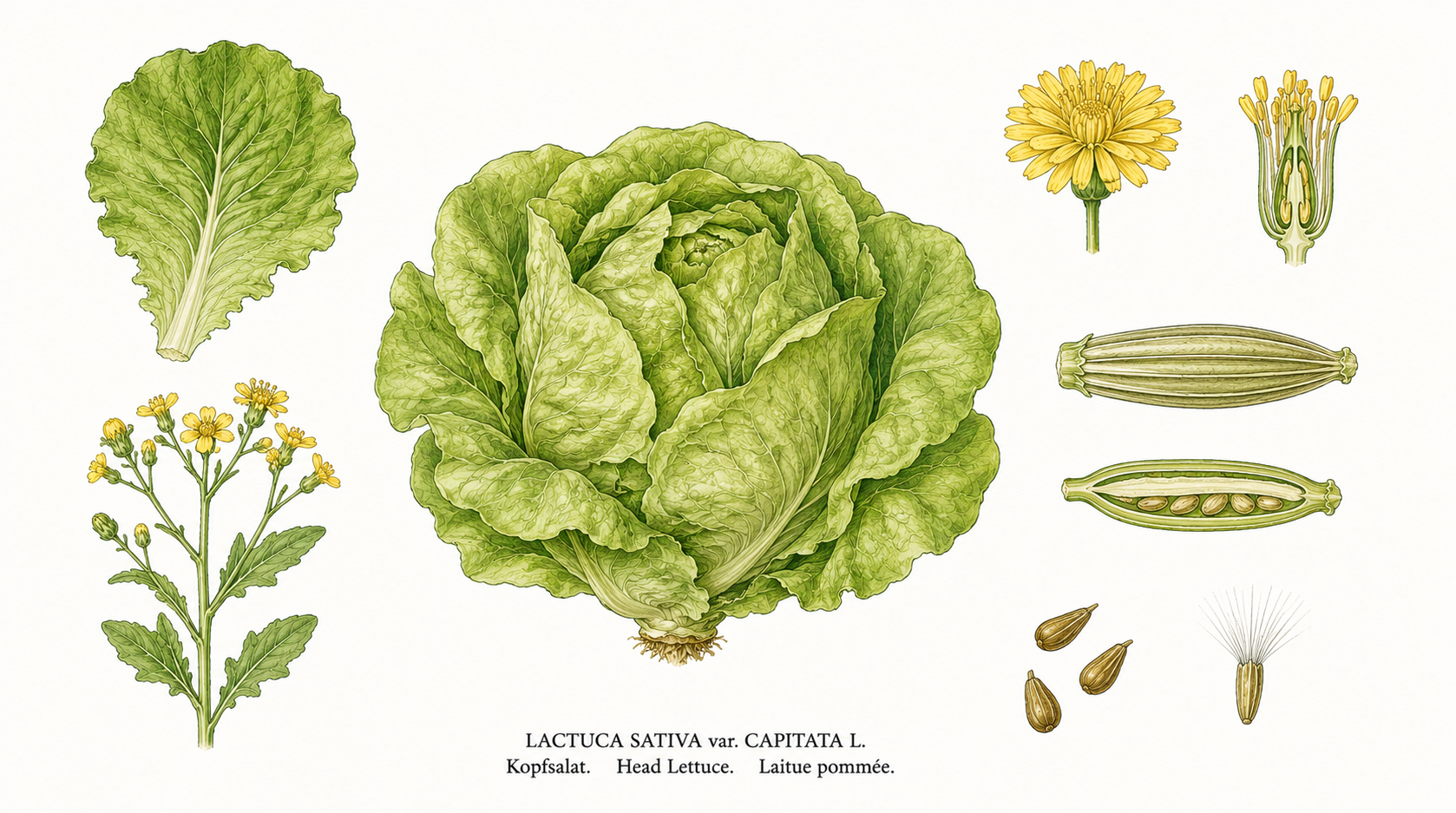
Butterhead lettuceLactuca sativa var. capitata
Annual leaf salad with soft leaves and a firm head.
Quick profile
Key data
Suitable growing locations:
Indoor & direct sowing
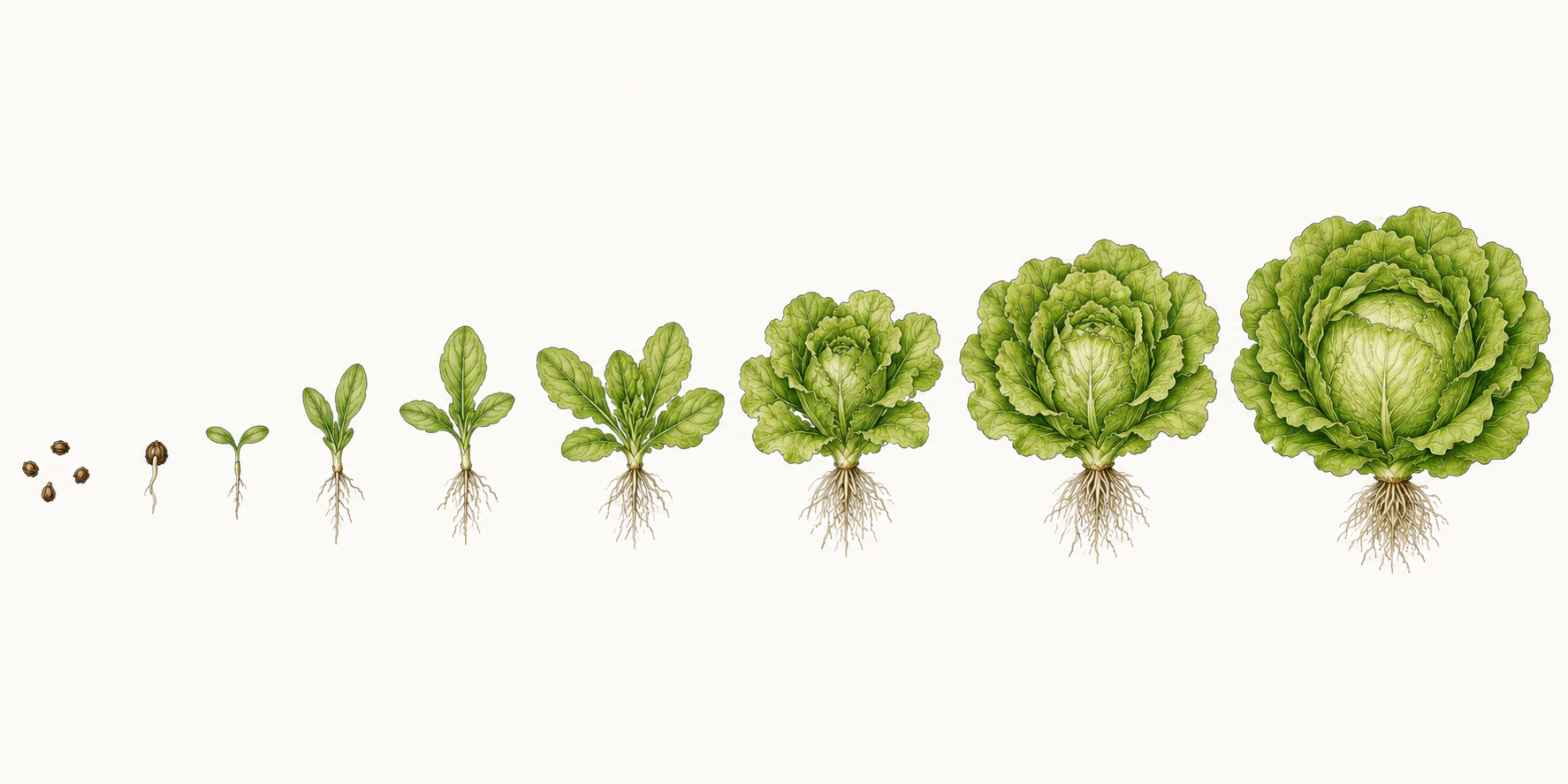
Butterhead lettuce: Sowing and germination
Pre-culture for early harvest in a greenhouse or on a windowsill.
Direct sowing in open ground possible once soil is frost-free.
Planting & site
Butterhead lettuce: Planting and spacing
Do not plant seedlings too deep to prevent rot.
Site & practical notes
Insider tips: Plant 'high': The root crown should sit slightly above the soil surface to prevent rot.
Temperature & frost
Butterhead lettuce: Temperature and site
Water & nutrients
Butterhead lettuce: Water, nutrients and care
Container & growth
Butterhead lettuce: Container, support and growth
Year plan
Butterhead lettuce Calendar
Recurring tasks
Relevant now
June
- No additional single task
Next up
July
- No additional single task
Monthly tasks
Single tasks from monthly data; repeated seasonal windows are shown in the overview above.
January
Quiet month
February
No additional single task
March
No additional single task
April
No additional single task
May
No additional single task
June
No additional single task
August
No additional single task
September
No additional single task
October
No additional single task
November
Quiet month
December
Quiet month
Flowering & pollination
Butterhead lettuce Flowering & pollination
Flowering period
June to August (only for seed crops)
Flower color
Yellow
Self-fertility
highly self-fertile
Pollinator needed
no
Overview
Predominantly self-pollinating; pollination usually occurs within the closed flower.
Notes
Insect visits are possible but not strictly necessary for fruit set.
Pruning & care
Butterhead lettuce Pruning & care
Pruning timing
Crop maintenance Regular cleaning promotes ventilation and prevents rot.
Remove
Preserve
Avoid
Tools and hygiene
Use clean knives to prevent the transmission of soil-borne fungi (e.g., Sclerotinia).
Companion guide
Butterhead lettuce Companion guide
Use & storage
Butterhead lettuce Use & storage
Best harvested in the morning when leaves are crisp.
Storage
Short-term storage (fresh vegetable)
Storage life
2-4 days
Flavor
Mild, buttery, tender.
Harvest
Best harvested in the morning when leaves are crisp.
Processing
After harvest
Cool immediately after harvest or briefly dip the stem base in water.
Edibility & safety
Butterhead lettuce Edibility & safety
For people
In brief: which parts are edible, which parts remain risky, and whether raw consumption makes sense.
Safety notes
Non-toxic. However, nitrate can accumulate in the leaves if over-fertilized.
Animal safety
For many animals, this plant is generally low-risk: 13 animal types are rated suitable or mostly suitable. Quantity, plant part, and individual tolerance still matter.
Each row shows which parts are more suitable and which parts are critical.
Companion animals
 Dog
DogLeaves, Head
No risk parts listed
Leaves, Head
No risk parts listed
Nitrate accumulation if over-fertilized
usually no action needed
Butterhead lettuce is considered safe for dogs in normal amounts. Nitrate can accumulate in leaves if over-fertilized, which may pose a risk only with very large consumption. Leaves should be washed thoroughly.
Open animal page Cat
CatLeaves, Head
No risk parts listed
Leaves, Head
No risk parts listed
Nitrate accumulation from over-fertilization
usually no action needed
Butterhead lettuce is safe for cats in moderation. Leaves and head can be fed as an occasional treat. Nitrate may accumulate in leaves if over-fertilized, posing a risk only with very large quantities. No known toxic compounds for cats.
Open animal page Rabbit
No suitable parts listed
No risk parts listed
No suitable parts listed
No risk parts listed
 Guinea pig
Leaves, Head
No risk parts listed
Leaves, Head
No risk parts listed
Nitrate accumulation from over-fertilization
usually no action needed
Butterhead lettuce is safe for guinea pigs and can be fed regularly as part of a balanced diet. Nitrate may accumulate in leaves if over-fertilized, posing a risk only at very high intakes. Wash leaves thoroughly before feeding.
Open animal page Hamster
Leaves, Head
No risk parts listed
Leaves, Head
No risk parts listed
Nitrate accumulation from over-fertilization
usually no action needed
No direct species-specific source was found for hamsters. This is a cautious inference from the guinea pigs profile and the known plant-part risks.
Open animal page Budgie
Leaves, Head
No risk parts listed
Leaves, Head
No risk parts listed
Nitrate accumulation if over-fertilized
usually no action needed
Butterhead lettuce is safe for budgies and can be fed regularly as part of a balanced diet. Monitor for nitrate accumulation if over-fertilized.
Open animal pageFarm animals
 Horse
HorseLeaves, Head
No risk parts listed
Leaves, Head
No risk parts listed
Nitrate accumulation if over-fertilized
usually no action needed
Butterhead lettuce is safe for horses and is commonly accepted as fresh forage. Nitrate can accumulate in leaves if over-fertilized, which may pose a risk only with very large quantities. Normal feeding amounts are safe.
Open animal page Chicken
Leaves, Head
No risk parts listed
Leaves, Head
No risk parts listed
Nitrate accumulation from over-fertilization
usually no action needed
Butterhead lettuce is safe for chickens and is eagerly eaten as a treat. Nitrate can accumulate in leaves if over-fertilized, posing a risk only with very large amounts. Feed only leaves and head, avoid roots.
Open animal page Duck
DuckLeaves, Head
No risk parts listed
Leaves, Head
No risk parts listed
Nitrate accumulation if over-fertilized
usually no action needed
Butterhead lettuce is safe for ducks and is commonly fed as part of their diet. The leaves are easily digestible and well accepted. Nitrate can accumulate in leaves if over-fertilized, which could pose a risk in very large quantities, but under normal conditions the risk is low.
Open animal page Goose
GooseLeaves, Head
No risk parts listed
Leaves, Head
No risk parts listed
Nitrate accumulation if over-fertilized
usually no action needed
No direct species-specific source was found for geese. This is a cautious inference from the ducks profile and the known plant-part risks.
Open animal page Sheep
SheepLeaves, Head
No risk parts listed
Leaves, Head
No risk parts listed
Nitrate accumulation from over-fertilization
usually no action needed
Butterhead lettuce is generally safe for sheep and is accepted as fresh forage. Nitrate can accumulate in leaves if over-fertilized, posing a risk with large quantities. No known toxic compounds in normal amounts.
Open animal page Goat
GoatLeaves, Head
No risk parts listed
Leaves, Head
No risk parts listed
Nitrate accumulation from over-fertilization
usually no action needed
No direct species-specific source was found for goats. This is a cautious inference from the sheep profile and the known plant-part risks.
Open animal page Cattle
Leaves, Head
No risk parts listed
Leaves, Head
No risk parts listed
Nitrate accumulation from over-fertilization
usually no action needed
No direct species-specific source was found for cattle. This is a cautious inference from the sheep profile and the known plant-part risks.
Open animal page Pig
PigLeaves, Head
Roots, Milky sap in large quantities from bolting plants
Leaves, Head
Roots, Milky sap in large quantities from bolting plants
Nitrate accumulation from over-fertilization, Consumption of roots or excessive milky sap
Gastrointestinal upset, Gastrointestinal upset with excessive consumption
observe
Butterhead lettuce is safe for pigs in moderation, with leaves and head being the preferred edible parts. Roots and milky sap should be avoided, especially from bolting plants. Over-fertilization can lead to nitrate accumulation in leaves, posing a risk. Excessive consumption may cause gastrointestinal upset.
Open animal pageThese guidelines are for general information only and do not replace veterinary diagnosis. If critical plant parts were ingested or the animal shows unusual behaviour or symptoms, seek veterinary advice.
Max risk
unknown
Highest status
not established
Urgency
unknown
Saving seed
Butterhead lettuce Saving seed
Seed type
Seeds (achenes)
Seed viability
3 - 4 years
Practical tips
Butterhead lettuce Practical tips
Common beginner mistakes
Planting seedlings too deep.
Success pattern
Regular watering and slug protection almost always guarantee success.
High-impact tips
Mulching with dry grass clippings retains moisture and reduces weeds.
Plant Profile
Additional plant images

Health
Pests, Diseases
Pests
Slugs
Holes eaten in leaves, slime trails.
Aphids
Curled leaves, sticky honeydew.
Diseases
Downy mildew
Yellowish spots on the upper leaf surface, white fungal growth underneath.
Grey mould
Rot at the base of the stem, grey coating.
Deficiencies
Nitrogen deficiency
Stunted growth, pale green to yellowish discoloration of leaves.
Plant health
Diagnosis help
Butterhead lettuce Diagnosis help
Pest groups
Disease groups
Prevention
Diagnosis
Regularly check the undersides of leaves and the stem base for early signs of fungal infection or pests.
Cultural prevention
Monitoring
Weekly check for slug damage
First response
Nettle tea for strengthening
Diagnostic rules
Plant wilts despite moist soil
Possible causes: Root rot, Wurzellöcher durch Schädlinge
- Carefully dig up root ball
- Check for larvae
FAQ
Why does my butterhead lettuce taste bitter?
Bitterness usually occurs due to stress (heat or lack of water) which triggers bolting (flowering).
Is Butterhead lettuce safe for Dog?
Butterhead lettuce is classified as suitable for Dog. Risk: unknown. Urgency: usually no action needed. Butterhead lettuce is considered safe for dogs in normal amounts. Nitrate can accumulate in leaves if over-fertilized, which may pose a risk only with very large consumption. Leaves should be washed thoroughly.
Is Butterhead lettuce safe for Cat?
Butterhead lettuce is classified as suitable for Cat. Risk: unknown. Urgency: usually no action needed. Butterhead lettuce is safe for cats in moderation. Leaves and head can be fed as an occasional treat. Nitrate may accumulate in leaves if over-fertilized, posing a risk only with very large quantities. No known toxic compounds for cats.
Is Butterhead lettuce safe for Rabbit?
Butterhead lettuce is classified as not established for Rabbit. Risk: unknown. Urgency: unknown. No reliable species-specific assessment is available.
Is Butterhead lettuce safe for Guinea pig?
Butterhead lettuce is classified as suitable for Guinea pig. Risk: unknown. Urgency: usually no action needed. Butterhead lettuce is safe for guinea pigs and can be fed regularly as part of a balanced diet. Nitrate may accumulate in leaves if over-fertilized, posing a risk only at very high intakes. Wash leaves thoroughly before feeding.
Guides
Related guides
Guide
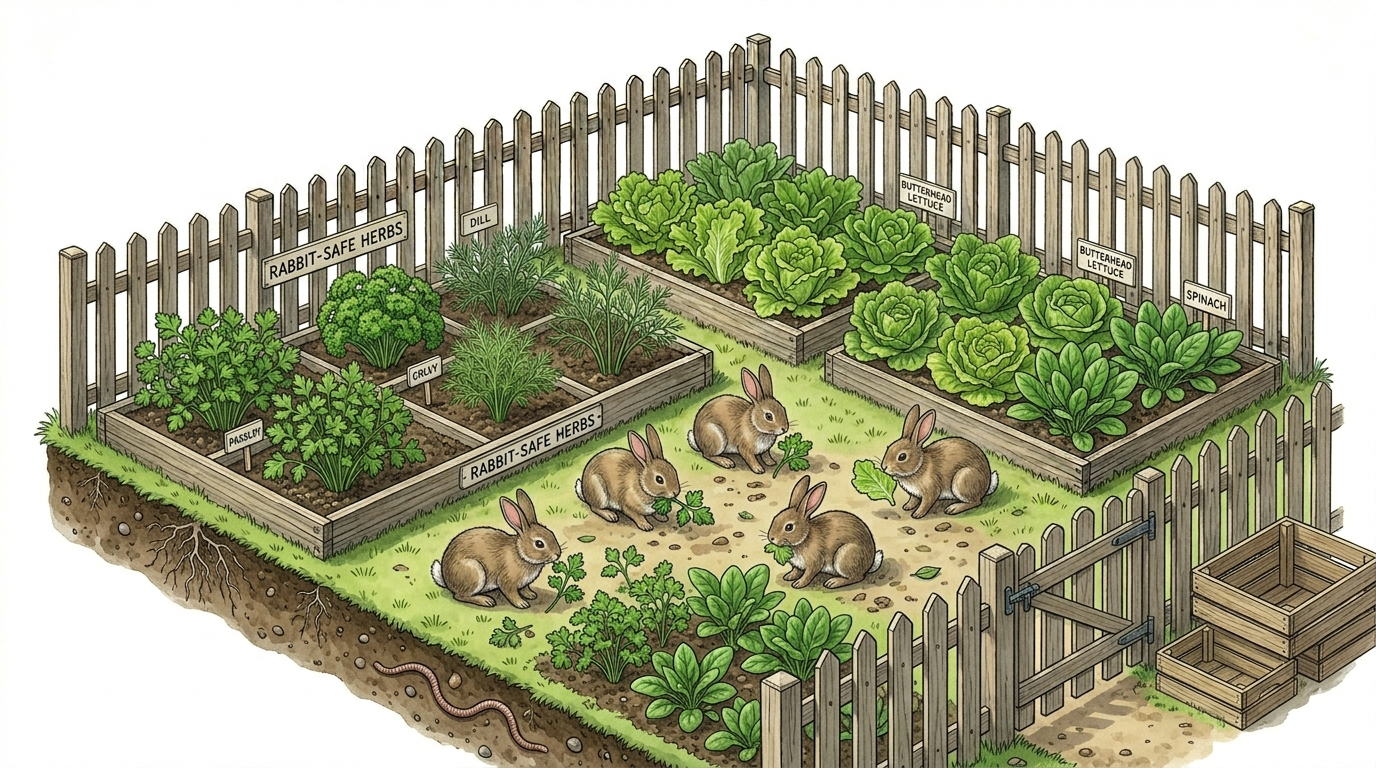
Rabbits in the Garden: Herbs and Vegetables
Learn how to choose suitable herbs and vegetables for rabbits, grow feeding plants, and plan a rabbit-friendly garden.
Guide
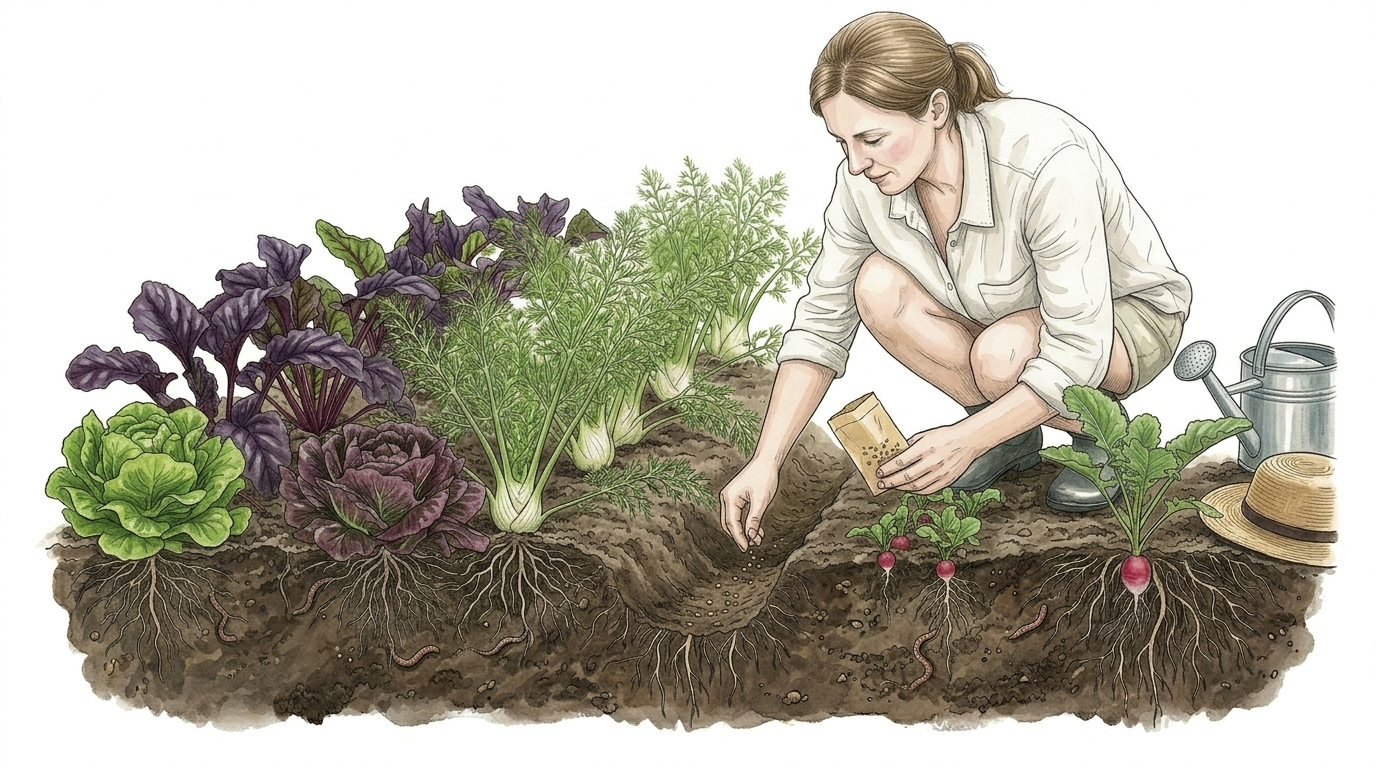
What to Sow in June: Succession Crops and Autumn Harvests
Discover which vegetables to sow in June for succession planting, filling gaps in beds, and planning autumn harvests.
Guide
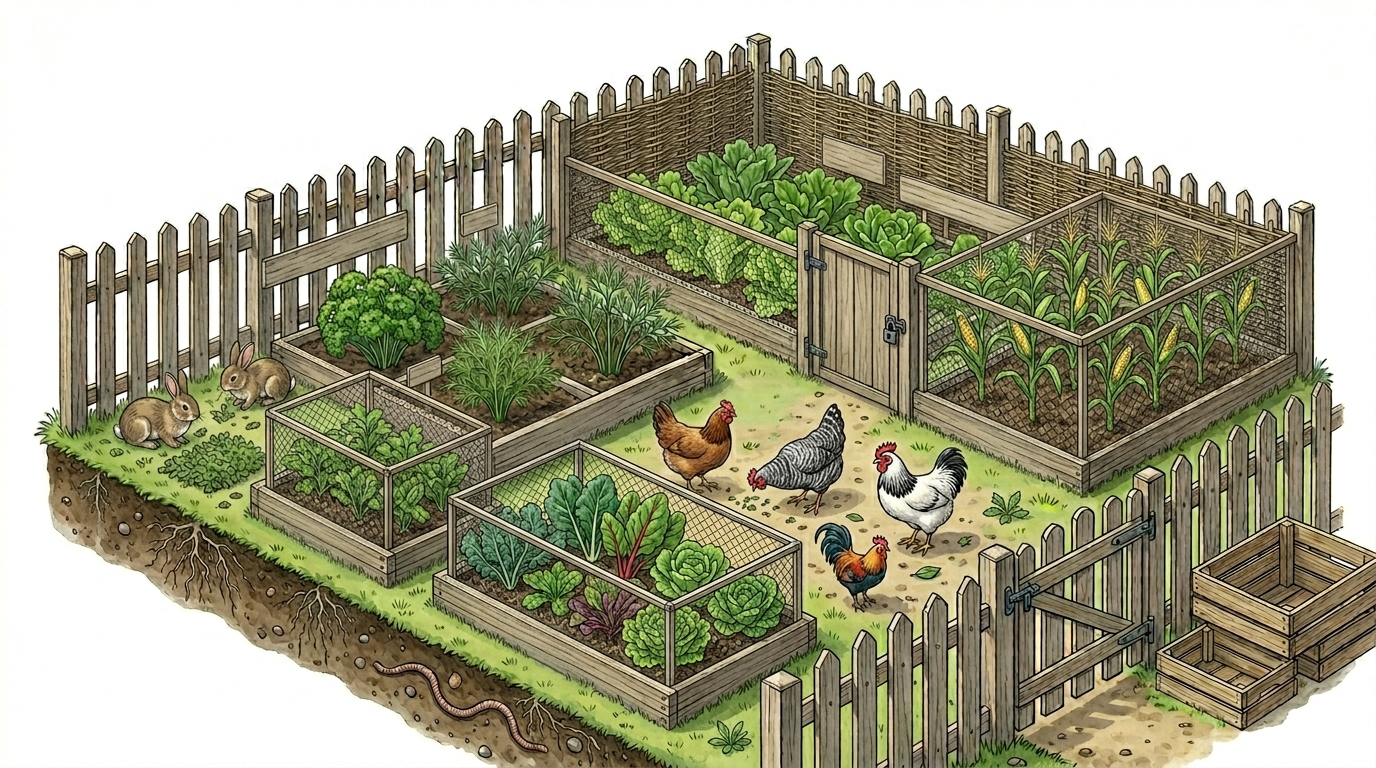
Chickens in the Garden: Safe Plants and Zones
Learn how to design a chicken-friendly garden with suitable plants, protected beds, and well-planned activity areas.
Guide
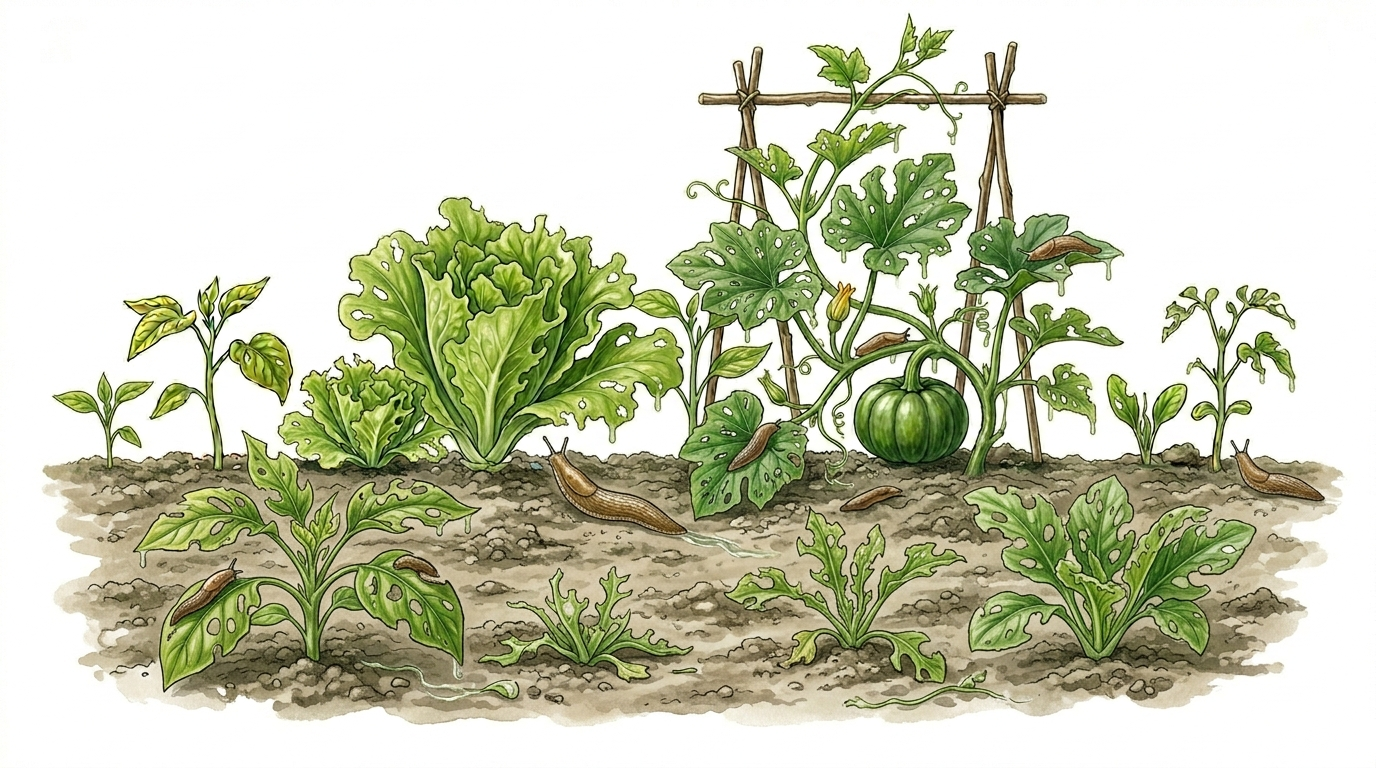
Slugs in Vegetable Beds: Protecting Vulnerable Plants
Learn how to protect vegetables from slugs, recognize feeding damage early, and plan beds to reduce slug pressure.
Internal links
Related plants
Chicory
Loose-leaf lettuce
Sunflower
Both susceptible to Sclerotinia rot.
Both belong to the Aster family.
Endive
Also a popular leaf salad for the late season.
Spinach
Short growing period, used as a fresh leaf vegetable.
iceberg lettuce
Similar head shape but firmer structure and crunchier leaves.
Sources
Public sources
- Wikidata entity
Wikidata · 2026-05-13
- GBIF species match
GBIF · 2026-05-13
- Deutschsprachige Wikipedia: Kopfsalat
Wikipedia · 2026-05-13