Plant Profile
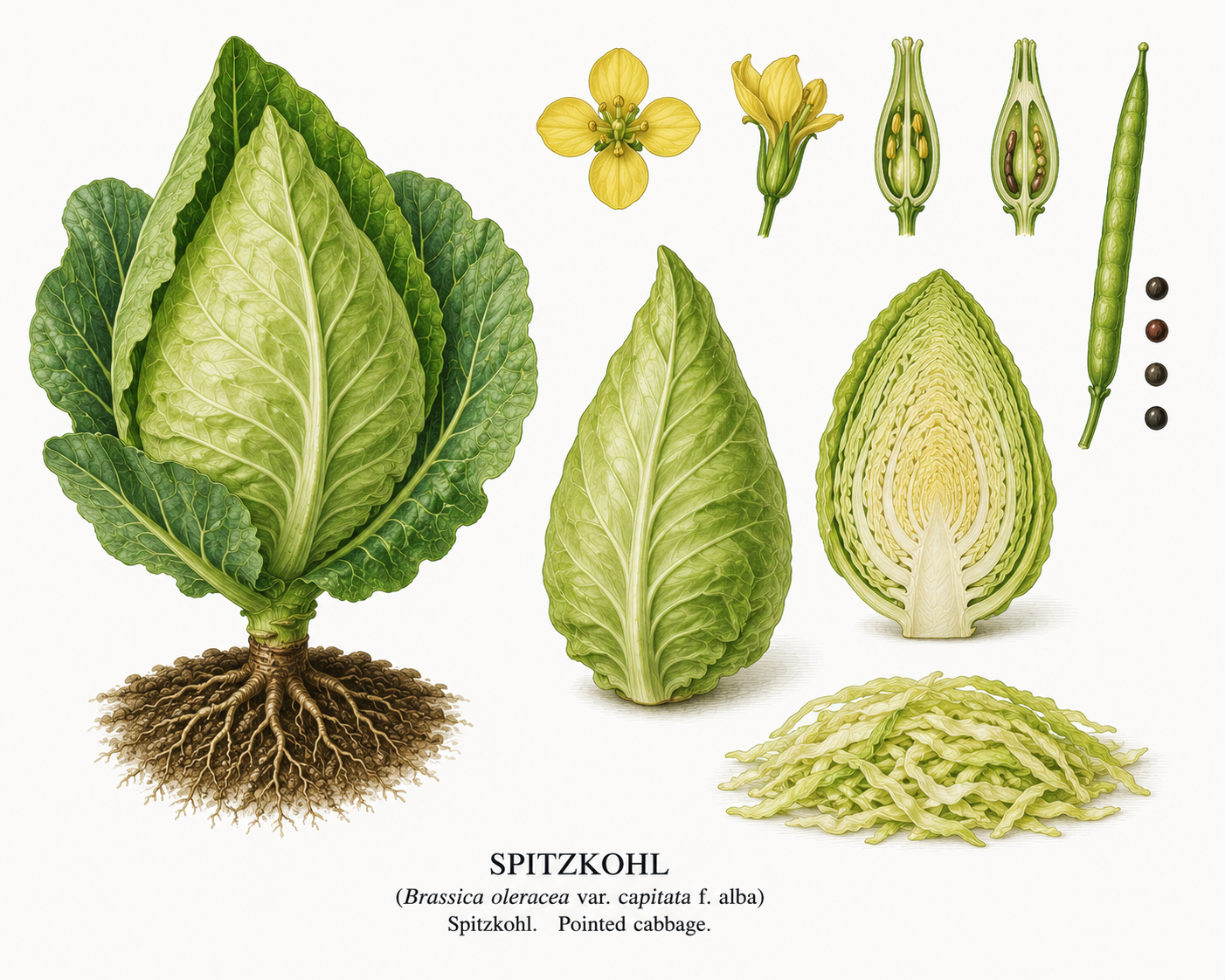
pointed cabbageBrassica oleracea var. capitata f. acuta
Mild, conical head cabbage with fine leaves.
Quick profile
Key data
Suitable growing locations:
Good neighbors
peascarrotslettucesonions
Avoid
other cabbage typesstrawberriesFenneltomatoes
Indoor & direct sowing
pointed cabbage: Sowing and germination
Sow in seed trays at 15–20 °C; possible from February onward.
Direct sow from April once soil is frost-free.
Planting & site
pointed cabbage: Planting and spacing
Transplant from April onward, spacing 40–50 cm.
Site & practical notes
Temperature & frost
pointed cabbage: Temperature and site
Water & nutrients
pointed cabbage: Water, nutrients and care
Container & growth
pointed cabbage: Container, support and growth
Year plan
pointed cabbage Calendar
The first pointed cabbage heads can be harvested as early as June.
Relevant now
June
- Water and weedTrockenheit: Consistent moisture for good head formation.
Next up
July
- Pest controlSichtbare Schädlinge: Watch for cabbage root fly, flea beetles, and caterpillars.
Monthly tasks
Single tasks from monthly data; repeated seasonal windows are shown in the overview above.
January
Quiet month
February
Direct sowing
- Sow indoorsHeizbare Anzucht möglich: Sow in seed compost from mid-February.
March
Growing
- Maintain pre-cultureSämlinge vorhanden: Ensure light and moderate moisture.
April
Planting
- PlantingKein Spätfrost zu erwarten: From mid-April when soil no longer freezes.
Growing
- Harden offPflanzen ca. 4 Wochen alt: Place outside during day, bring in at night.
May
Direct sowing
- Direct sowBodentemperatur über 8 °C: Sow seeds 1–2 cm deep in rows.
June
Growing
- Water and weedTrockenheit: Consistent moisture for good head formation.
August
Harvest
- Early harvestKopf fest: Cut heads just above soil level with a knife.
September
Harvest
- Main harvestKöpfe ausgereift: Harvest regularly before heads split.
October
Harvest
- Final harvestVor erstem Frost: Harvest all heads before hard frost.
November
Quiet month
December
Quiet month
Flowering & pollination
pointed cabbage Flowering & pollination
Self-fertility
low
Pollinator needed
yes
Overview
Pointed cabbage is primarily insect-pollinated (bees, bumblebees). The plant relies on cross-pollination.
Notes
Because pointed cabbage is cross-pollinating, a minimum distance of 500 m from other flowering brassicas should be maintained for seed production.
Pruning & care
pointed cabbage Pruning & care
Pruning type
Kein Schnittsystem
Tools and hygiene
Not required as no pruning is performed on the plant.
Companion guide
pointed cabbage Companion guide
Use & storage
pointed cabbage Use & storage
Harvest when head is firm, depending on variety from June to October.
Storage
Short-term storage
Storage life
1–2 weeks in the refrigerator
Harvest
Harvest when head is firm, depending on variety from June to October.
Processing
After harvest
Cut the head just above the soil with a sharp knife. Remove outer loose leaves. Store the head cool and moist.
Edibility & safety
pointed cabbage Edibility & safety
For people
In brief: which parts are edible, which parts remain risky, and whether raw consumption makes sense.
Safety notes
Pointed cabbage, like other cabbage types, contains small amounts of mustard oils which can cause flatulence in large quantities. Otherwise harmless.
Animal safety
For many animals, this plant is generally low-risk: 13 animal types are rated suitable or mostly suitable. Quantity, plant part, and individual tolerance still matter.
Each row shows which parts are more suitable and which parts are critical.
Companion animals
 Dog
Doghead, leaves
core (very fibrous, not edible raw), outer wilted leaves
head, leaves
core (very fibrous, not edible raw), outer wilted leaves
excessive consumption, raw consumption of fibrous core
flatulence, gastrointestinal discomfort with excessive intake
observe
Pointed cabbage is suitable for dogs in small amounts as supplemental feed. The leaves and head are safe, while the core and wilted outer leaves should be avoided due to fiber and potential mustard oil concentrations. Excessive intake may cause flatulence and gastrointestinal discomfort. Consult a veterinarian if symptoms persist.
Open animal page Cat
CatNo suitable parts listed
No risk parts listed
No suitable parts listed
No risk parts listed
unknown
Pointed cabbage is suitable for cats in small amounts as a treat. The mustard oils it contains can cause gastrointestinal upset if consumed excessively. Head and leaves are the safe parts. The core and outer wilted leaves should be avoided due to fiber content and potential toughness.
Open animal page Rabbit
head, leaves
No risk parts listed
head, leaves
No risk parts listed
overfeeding, sensitive digestion
flatulence, mild gastrointestinal discomfort if overfed
observe
Pointed cabbage is suitable for rabbits in small amounts as a treat. The leaves and head are safe, but mustard oils may cause flatulence in large quantities. Do not use as a primary feed.
Open animal page Guinea pig
head, leaves
No risk parts listed
head, leaves
No risk parts listed
overfeeding, sensitive digestion
flatulence, gastrointestinal discomfort with overfeeding
observe
Pointed cabbage is suitable for guinea pigs in small amounts as supplemental feed. Due to mustard oil content, it may cause flatulence if overfed. Head and leaves are the safe parts. Do not use as primary feed.
Open animal page Hamster
head, leaves
core, outer wilted leaves, seeds
head, leaves
core, outer wilted leaves, seeds
large quantities
flatulence
contact a vet if symptoms appear
Pointed cabbage can be used as a food supplement for hamsters in moderation, but the core and outer wilted leaves should be removed.
Open animal page Budgie
head, leaves
core (very fibrous)
head, leaves
core (very fibrous)
Farm animals
 Horse
Horsehead, leaves
No risk parts listed
head, leaves
No risk parts listed
overfeeding, sensitive horses
flatulence, mild discomfort if overfed
observe
Pointed cabbage is suitable for horses in small amounts as a treat. The head and leaves can be fed, but due to mustard oil content, only in moderation to avoid flatulence. The core should be removed due to its fibrousness. If overfed, flatulence and mild discomfort may occur, which usually resolves by observation and reducing the amount. If symptoms persist, a veterinarian should be consulted.
Open animal page Chicken
head, leaves
No risk parts listed
head, leaves
No risk parts listed
overfeeding, raw and undigested in large quantities
flatulence, gastrointestinal discomfort if overfed
observe
Pointed cabbage is suitable for chickens in small amounts as a treat. The leaves and head are safe, but mustard oils may cause flatulence if overfed. Do not use as primary feed. Avoid the core due to high fiber content and poor digestibility.
Open animal page Duck
Duckhead, leaves
No risk parts listed
head, leaves
No risk parts listed
overfeeding, raw feeding in large quantities
flatulence, gastrointestinal discomfort in large quantities
observe
Pointed cabbage is suitable for ducks in small amounts as a supplement. The leaves and head are edible, but mustard oils may cause flatulence if consumed excessively. Do not use as primary feed.
Open animal page Goose
Goosehead, leaves
core, outer wilted leaves, seeds
head, leaves
core, outer wilted leaves, seeds
large quantities
flatulence
contact a vet if symptoms appear
Pointed cabbage can be fed to geese in moderation, if only the head and leaves are used. The core and outer wilted leaves should be removed.
Open animal page Sheep
Sheephead, leaves
No risk parts listed
head, leaves
No risk parts listed
overfeeding, sensitive animals
flatulence, mild discomfort if overfed
observe
Pointed cabbage is safe for sheep in moderation. The leaves and head can be given as supplemental feed, but overconsumption may cause flatulence due to mustard oils. The core should be removed due to its fibrousness.
Open animal page Goat
Goathead, leaves
No risk parts listed
head, leaves
No risk parts listed
overfeeding, sensitive animals
flatulence, mild discomfort if overfed
observe
No direct species-specific source was found for goats. This is a cautious inference from the sheep profile and the known plant-part risks.
Open animal page Cattle
head, leaves
core (very fibrous, not edible raw), outer wilted leaves
head, leaves
core (very fibrous, not edible raw), outer wilted leaves
overfeeding, improper storage (wilted leaves), raw core
flatulence, mild discomfort if overfed
observe
Pointed cabbage is suitable for cattle in small amounts as supplemental feed. The head and leaves are well-tolerated, while the fibrous core and wilted leaves should be avoided. Overfeeding may cause flatulence. Otherwise harmless.
Open animal page Pig
Pighead, leaves
core, outer wilted leaves
head, leaves
core, outer wilted leaves
large quantities
flatulence
contact a vet if symptoms appear
Pointed cabbage can be used as supplemental feed for pigs, but only in moderation and with caution.
Open animal pageThese guidelines are for general information only and do not replace veterinary diagnosis. If critical plant parts were ingested or the animal shows unusual behaviour or symptoms, seek veterinary advice.
Max risk
unknown
Highest status
not established
Urgency
contact a vet if symptoms appear
Saving seed
pointed cabbage Saving seed
Seed viability
4 - 5 years
Practical tips
pointed cabbage Practical tips
Common beginner mistakes
Success pattern
High-impact tips
Grower observations
Plant Profile
Additional plant images


Health
Pests, Diseases
Pests
cabbage root fly
- wilting leaves
- stunted growth
- tunnels in roots
flea beetles
- shot-holes in leaves
- damage to young plants
- pitted cotyledons
cabbage white butterfly
- caterpillar feeding on leaves
- frass
- heads may be destroyed
aphids
- curled leaves
- sticky honeydew
- sooty mold
Diseases
clubroot
- swollen, malformed roots
- wilting on hot days
- stunted growth
downy mildew
- gray-white mildew on lower leaf surfaces
- yellowish spots on upper side
- leaf distortions
ring spot
- brown rings or spots on leaves
- yellowing
- leaf drop
black rot
- yellow V-shaped spots at leaf margin
- blackened veins
- head rot
Deficiencies
nitrogen deficiency
- pale green to yellow leaves
- stunted growth
- small heads
boron deficiency
- hollow stems
- bell-shaped heads
- cracked heads
calcium deficiency
- leaf margin necrosis
- head depressions
- marginal wilt
Plant health
Diagnosis help
pointed cabbage Diagnosis help
Pest groups
Disease groups
Prevention
Diagnosis
Check roots if clubroot is suspected. Wilting on hot days often indicates root damage. Aphids are recognized by curled leaves and sticky honeydew. Cabbage white caterpillars are visible on leaves from May.
Cultural prevention
Monitoring
First response
Diagnostic rules
wilting on hot days despite moist soil
Possible causes: Clubroot, Kohlfliege larven
- dig up roots and check for swellings
- examine soil for cabbage root fly larvae
shot-holes in leaves, especially on young plants
Possible causes: Flea beetles
- check undersides of leaves for small black beetles
- check soil moisture
yellow V-shaped spots at leaf margins
Possible causes: Schwarze aderfaeule
- check veins for blackening
- inspect head for rot
head splitting
Possible causes: Ungleichmaessige wasserversorgung, Boron deficiency
- check watering consistency
- test soil for boron
FAQ
When do you sow pointed cabbage?
Sow indoors from February, direct sow from April.
How big does a pointed cabbage head get?
A pointed cabbage head reaches 500–1000 g and a diameter of about 15–25 cm.
Can you grow pointed cabbage in a container?
Pointed cabbage is unsuitable for containers due to its space requirements.
What pests affect pointed cabbage?
Common pests include cabbage root fly, flea beetles, cabbage white butterfly, and aphids.
How do you prevent clubroot in pointed cabbage?
Lime to raise pH above 7.0 and maintain a rotation of at least 4 years without other brassicas.
Is pointed cabbage safe for Dog?
pointed cabbage is classified as moderation only for Dog. Risk: unknown. Urgency: observe. Pointed cabbage is suitable for dogs in small amounts as supplemental feed. The leaves and head are safe, while the core and wilted outer leaves should be avoided due to fiber and potential mustard oil concentrations. Excessive intake may cause flatulence and gastrointestinal discomfort. Consult a veterinarian if symptoms persist.
Is pointed cabbage safe for Cat?
pointed cabbage is classified as not established for Cat. Risk: unknown. Urgency: unknown. Pointed cabbage is suitable for cats in small amounts as a treat. The mustard oils it contains can cause gastrointestinal upset if consumed excessively. Head and leaves are the safe parts. The core and outer wilted leaves should be avoided due to fiber content and potential toughness.
Is pointed cabbage safe for Rabbit?
pointed cabbage is classified as moderation only for Rabbit. Risk: unknown. Urgency: observe. Pointed cabbage is suitable for rabbits in small amounts as a treat. The leaves and head are safe, but mustard oils may cause flatulence in large quantities. Do not use as a primary feed.
Is pointed cabbage safe for Guinea pig?
pointed cabbage is classified as moderation only for Guinea pig. Risk: unknown. Urgency: observe. Pointed cabbage is suitable for guinea pigs in small amounts as supplemental feed. Due to mustard oil content, it may cause flatulence if overfed. Head and leaves are the safe parts. Do not use as primary feed.
Guides
Related guides
Guide
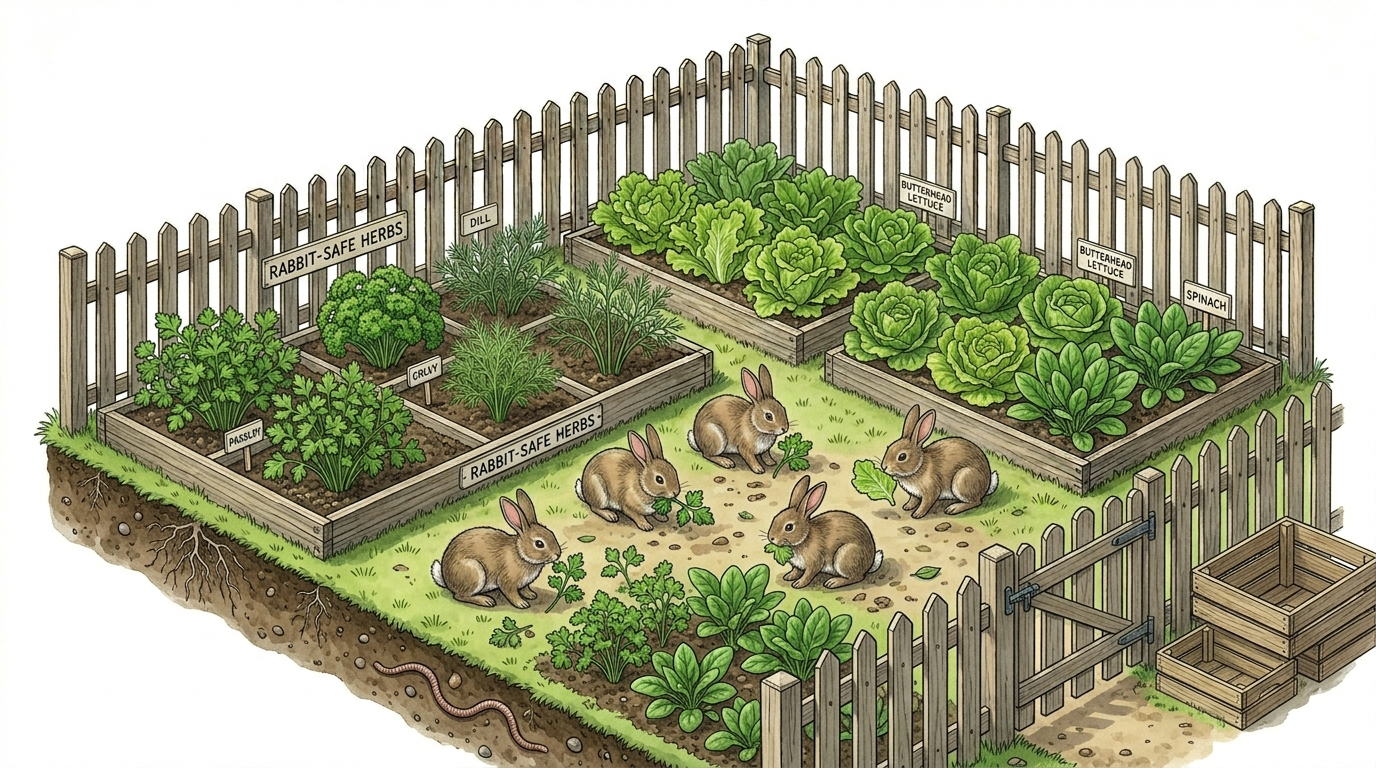
Rabbits in the Garden: Herbs and Vegetables
Learn how to choose suitable herbs and vegetables for rabbits, grow feeding plants, and plan a rabbit-friendly garden.
Guide
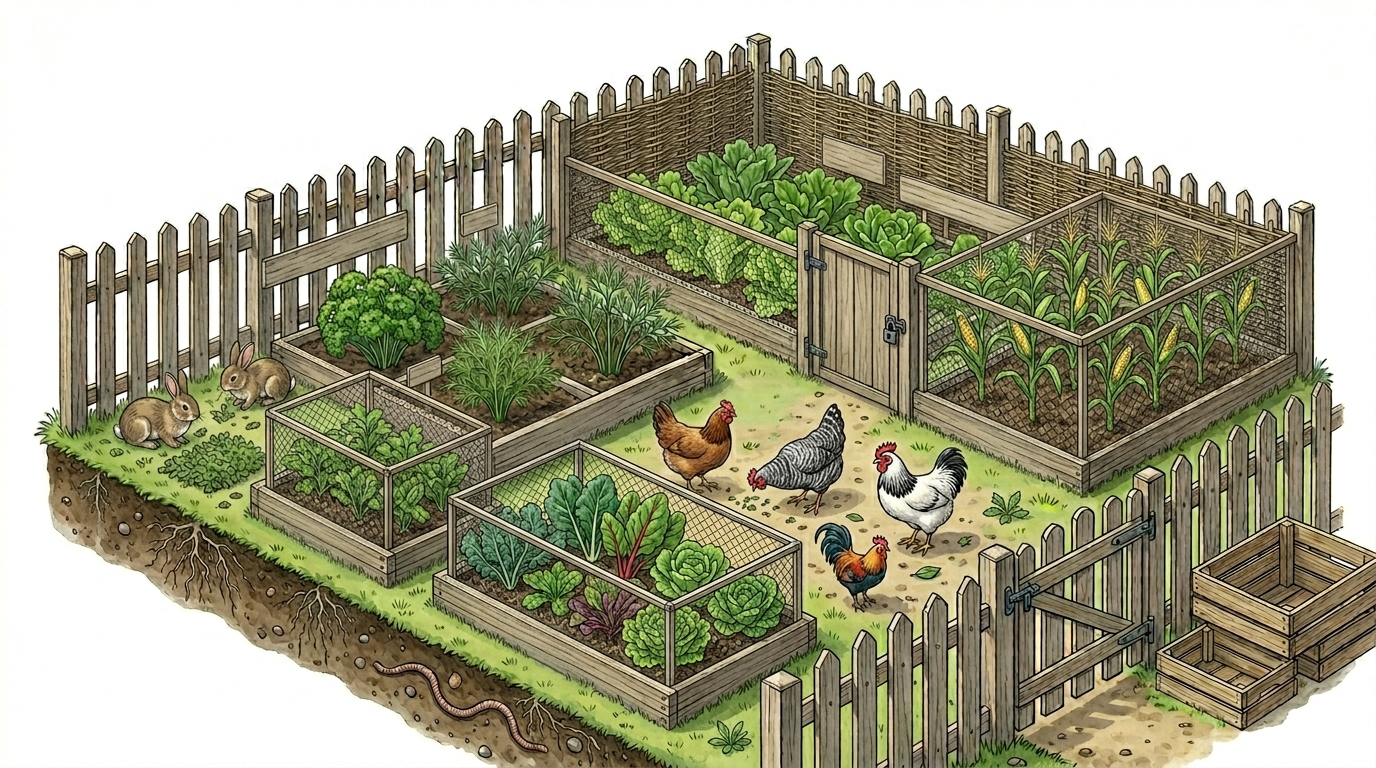
Chickens in the Garden: Safe Plants and Zones
Learn how to design a chicken-friendly garden with suitable plants, protected beds, and well-planned activity areas.
Guide
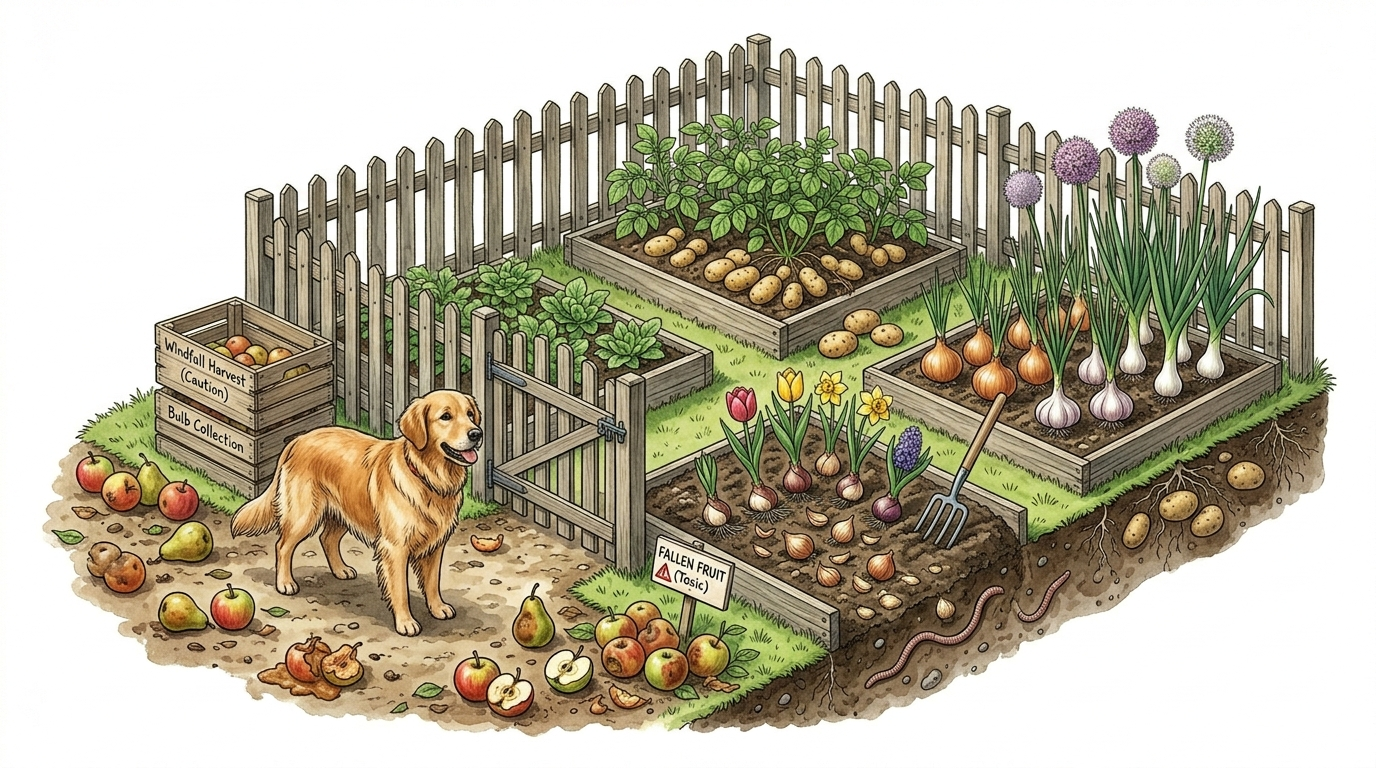
Dogs in the Garden: Windfall Fruit and Risks
Keep your garden dog-safe by managing windfall fruit, seeds, stored crops, and potentially problematic plant parts.
Guide
Horse Pastures and Garden Plants: Safety Checks
Learn how to identify risks near horse pastures, fences, turnout areas, fruit trees, and garden planting zones.
Internal links
Related plants
broccoli
Belongs to the mustard family (Brassicaceae).
Shares typical brassica diseases like clubroot.
red cabbage
Belongs to the same botanical variety.
Savoy cabbage
Similar cultivation and care requirements.
cauliflower
Belongs to the mustard family.
Napa cabbage
Also mild in flavor and suitable for salads.
Sources
Public sources
- Wikidata entity
Wikidata · 2026-05-15
- GBIF species match
GBIF · 2026-05-15
- Deutschsprachige Wikipedia: Spitzkohl
Wikipedia · 2026-05-15
- English Wikipedia: Pointed cabbage
Wikipedia · 2026-05-15