Plant Profile
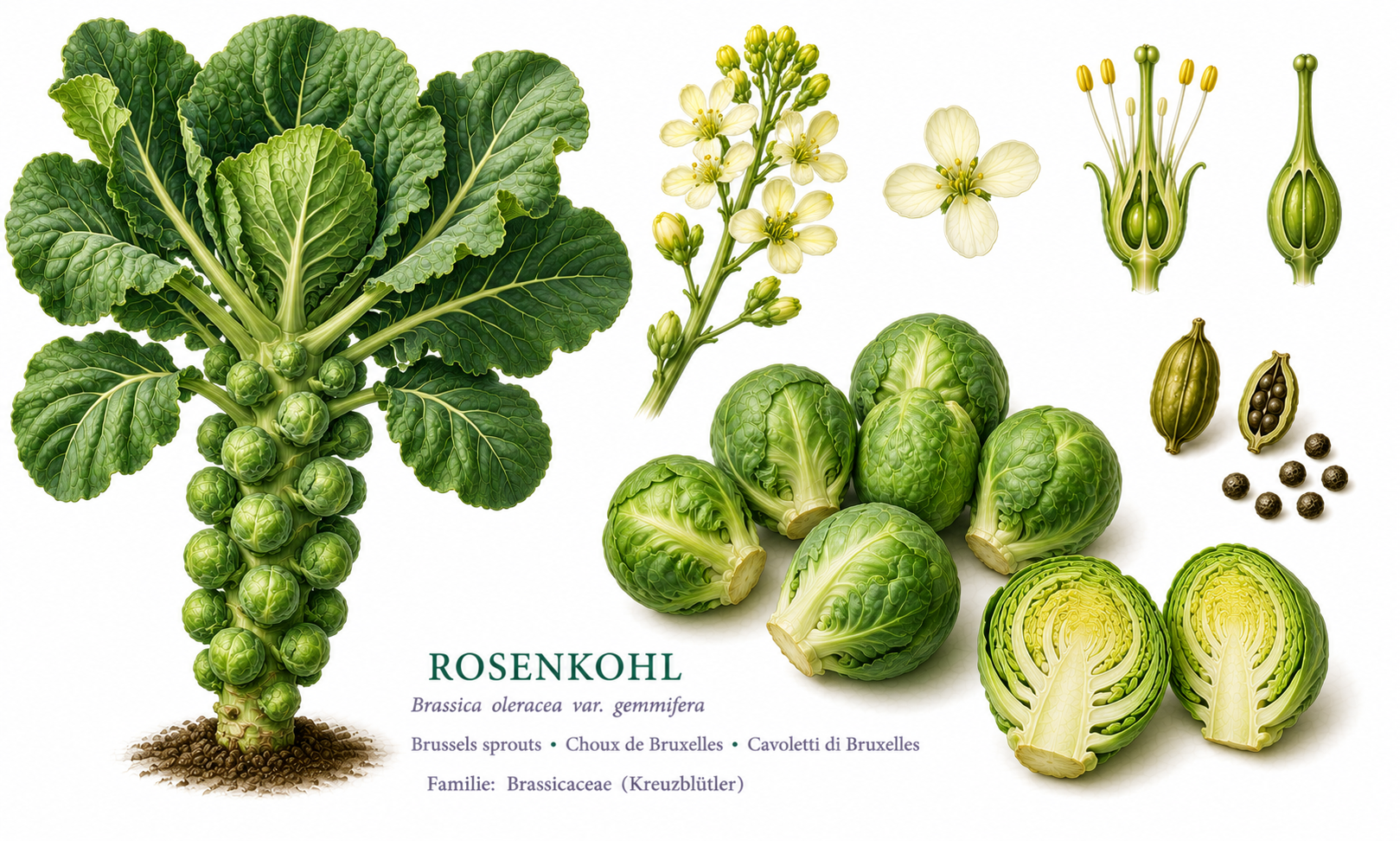
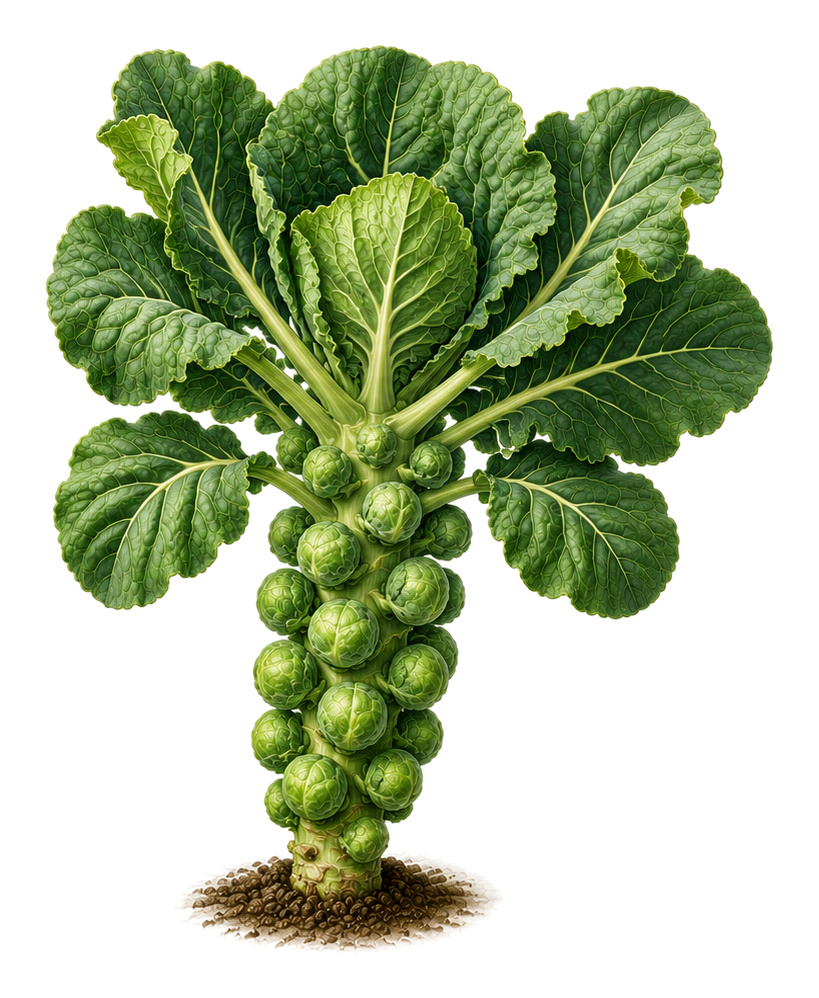
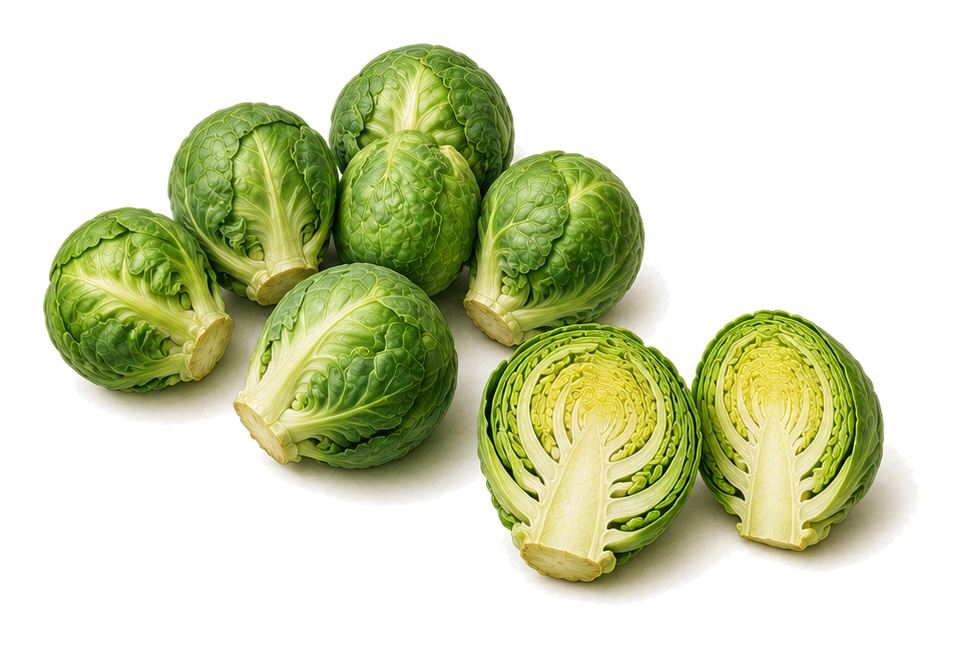
Brussels sproutsBrassica oleracea var. gemmifera
Brussels sprouts are a popular winter vegetable known for their small, firm sprouts. They belong to the Brassica family and often develop their best flavor after the first frost.
Quick profile
Key data
Suitable growing locations:
Good neighbors
StrawberryBeanPeaLettuce
Indoor & direct sowing
Brussels sprouts: Sowing and germination
Early varieties can be started indoors in February/March to allow for an earlier harvest.
Direct sowing into the open ground from April, once the soil has warmed up. Sow in rows or in clusters.
Planting & site
Brussels sprouts: Planting and spacing
Transplant young plants into the open ground when the risk of frost has passed and the plants have been hardened off. Observe spacing.
Temperature & frost
Brussels sprouts: Temperature and site
Water & nutrients
Brussels sprouts: Water, nutrients and care
Container & growth
Brussels sprouts: Container, support and growth
Year plan
Brussels sprouts Calendar
The first frost is not an enemy but a friend of Brussels sprouts: it makes the sprouts milder and sweeter in taste.
Recurring tasks
Relevant now
June
- TransplantingAfter last frost, hardened off: Set out young plants in the open ground. Ensure adequate spacing.
- FertilizingGrowing season: Provide plants with nutrients, e.g., through compost or organic fertilizer.
Next up
July
- No additional single task
Monthly tasks
Single tasks from monthly data; repeated seasonal windows are shown in the overview above.
January
Quiet month
February
Direct sowing
- Sowing (pre-culture)Indoors: Sow indoors for early varieties.
March
Planting
- Pricking outSeedlings in pots: Prick out seedlings into individual pots once they have developed their first true leaves.
April
Planting
- TransplantingAfter last frost, hardened off: Transplant pre-grown young plants into the open ground when the risk of frost has passed.
May
Planting
- TransplantingAfter last frost, hardened off: Transplant pre-grown young plants into the open ground when the risk of frost has passed. · After last frost, hardened off - Set out young plants in the open ground. Ensure adequate...
June
Planting
- TransplantingAfter last frost, hardened off: Set out young plants in the open ground. Ensure adequate spacing.
Growing
- FertilizingGrowing season: Provide plants with nutrients, e.g., through compost or organic fertilizer.
August
Quiet month
September
Harvest
- Harvest preparationApproaching maturity: Remove lower, yellowing leaves to improve air circulation and facilitate harvesting.
October
Quiet month
November
Quiet month
December
Quiet month
Flowering & pollination
Brussels sprouts Flowering & pollination
Self-fertility
self-fertile
Pollinator needed
no
Overview
Brussels sprouts are self-pollinating, but cross-pollination with other Brassica species is possible and can lead to unwanted crosses.
Notes
Although self-pollinating, insects like bees and butterflies can contribute to pollination. Isolation from other Brassica species is important for pure seed.
Companion guide
Brussels sprouts Companion guide
Good neighbors
StrawberryBeanPeaLettuceCorianderMarigold
Use & storage
Brussels sprouts Use & storage
Harvest begins in autumn and can continue into spring, depending on the variety and weather. Frost often improves the flavor.
Storage
Cool and dry
Storage life
1-2 weeks in the refrigerator; several months when frozen.
Harvest
Harvest begins in autumn and can continue into spring, depending on the variety and weather. Frost often improves the flavor.
Processing
After harvest
Sprouts can be harvested directly from the stalk. Lower sprouts mature first. If necessary, entire stalks can be harvested and sprouts removed gradually.
Edibility & safety
Brussels sprouts Edibility & safety
For people
In brief: which parts are edible, which parts remain risky, and whether raw consumption makes sense.
Safety notes
All parts of the plant are edible and non-toxic.
Animal safety
For many animals, this plant is generally low-risk: 13 animal types are rated suitable or mostly suitable. Quantity, plant part, and individual tolerance still matter.
Each row shows which parts are more suitable and which parts are critical.
Companion animals
 Dog
DogBuds (sprouts), Young leaves
No risk parts listed
Buds (sprouts), Young leaves
No risk parts listed
Overconsumption may cause gas and gastrointestinal upset., Young leaves can be bitter and reduce palatability.
Gas, Gastrointestinal upset
usually no action needed
Brussels sprouts are safe for dogs in normal amounts and can be fed as an occasional supplement. All parts of the plant are edible and non-toxic. Overconsumption may cause gas and gastrointestinal upset. Young leaves are often bitter and should be finely chopped or cooked before feeding.
Open animal page Cat
CatBuds (sprouts), Young leaves
No risk parts listed
Buds (sprouts), Young leaves
No risk parts listed
Overconsumption may cause gas or diarrhea.
Gastrointestinal upset with overconsumption
observe
Brussels sprouts are suitable for cats in small amounts as a treat. Young sprouts and leaves are edible and non-toxic, but overconsumption may cause gastrointestinal upset. Stems and tough parts should be avoided as they are difficult to digest.
Open animal page Rabbit
Buds (sprouts), Young leaves
No risk parts listed
Buds (sprouts), Young leaves
No risk parts listed
Overfeeding causes gas and diarrhea.
Gastrointestinal upset if overfed
observe
Brussels sprouts are suitable for rabbits in small amounts as a treat. Young sprouts and leaves are preferred. Due to high fiber and sulfur content, overfeeding can cause digestive issues. Do not use as a main feed.
Open animal page Guinea pig
Buds (sprouts), Young leaves
No risk parts listed
Buds (sprouts), Young leaves
No risk parts listed
Overconsumption may cause gas or gastrointestinal discomfort.
Gas, Gastrointestinal discomfort
observe
Brussels sprouts are edible and non-toxic for guinea pigs but should only be fed as an occasional treat in small amounts due to gas risk. Young sprouts and leaves are preferred.
Open animal page Hamster
Buds (sprouts), Young leaves
No risk parts listed
Buds (sprouts), Young leaves
No risk parts listed
Overfeeding causes gas and diarrhea.
Gastrointestinal upset if overfed
observe
No direct species-specific source was found for hamsters. This is a cautious inference from the rabbits profile and the known plant-part risks.
Open animal page Budgie
Buds (sprouts), Young leaves
No risk parts listed
Buds (sprouts), Young leaves
No risk parts listed
Excessive consumption may cause gas.
Gas
usually no action needed
Brussels sprouts are suitable for budgies in small amounts as an occasional treat. Young sprouts and leaves are preferred. Due to high fiber and sulfur content, feeding should be limited to avoid digestive discomfort. No known toxic compounds for birds have been identified. Observations from birdkeeping show no poisoning symptoms when fed in moderation.
Open animal pageFarm animals
 Horse
HorseNo suitable parts listed
No risk parts listed
No suitable parts listed
No risk parts listed
 Chicken
Buds (sprouts), Young leaves
No risk parts listed
Buds (sprouts), Young leaves
No risk parts listed
Overfeeding may cause gas or bloating.
Gas, Bloating
usually no action needed
Brussels sprouts are suitable for chickens in small amounts as a treat. Young sprouts and leaves are preferred. Due to high fiber and sulfur content, feeding should be limited to avoid digestive upset. All parts of the plant are considered non-toxic.
Open animal page Duck
DuckBuds (sprouts), Young leaves
No risk parts listed
Buds (sprouts), Young leaves
No risk parts listed
Overconsumption may cause gas or digestive discomfort.
Gas, Digestive discomfort
observe
Brussels sprouts are edible and non-toxic for ducks but should only be fed as a treat in small amounts due to potential gas formation from overconsumption. Young sprouts and leaves are preferred.
Open animal page Goose
GooseBuds (sprouts), Young leaves
No risk parts listed
Buds (sprouts), Young leaves
No risk parts listed
Overconsumption may cause gas or digestive discomfort.
Gas, Digestive discomfort
observe
No direct species-specific source was found for geese. This is a cautious inference from the ducks profile and the known plant-part risks.
Open animal page Sheep
SheepBuds (sprouts), Young leaves
No risk parts listed
Buds (sprouts), Young leaves
No risk parts listed
Overfeeding can cause bloat.
Bloat
observe
Brussels sprouts are edible and non-toxic for sheep, but should only be given as supplemental feed as overfeeding can cause digestive issues such as bloat. Young sprouts and leaves are preferred.
Open animal page Goat
GoatBuds (sprouts), Young leaves
No risk parts listed
Buds (sprouts), Young leaves
No risk parts listed
Bloat from overconsumption.
Bloat from overconsumption
observe
Brussels sprouts are edible and non-toxic for goats. Young sprouts and leaves can be given as supplemental feed, but quantity should be limited to avoid bloat.
Open animal page Cattle
Buds (sprouts), Young leaves
No risk parts listed
Buds (sprouts), Young leaves
No risk parts listed
Bloat from overconsumption.
Bloat
usually no action needed
Brussels sprouts are safe for cattle in moderation and valued as a nutritious supplemental feed. Young sprouts and leaves are preferred; mature stems may be less digestible. Sudden diet changes or overconsumption pose a bloat risk.
Open animal page Pig
PigBuds (sprouts), Young leaves
No risk parts listed
Buds (sprouts), Young leaves
No risk parts listed
Gas and bloating from overconsumption.
Gas, Gastrointestinal upset
usually no action needed
Brussels sprouts are edible and non-toxic for pigs, with the sprouts being the preferred part. Young leaves can also be fed but are less palatable. Large amounts may cause gas and bloating. Suitable as part of a balanced diet in moderation.
Open animal pageThese guidelines are for general information only and do not replace veterinary diagnosis. If critical plant parts were ingested or the animal shows unusual behaviour or symptoms, seek veterinary advice.
Max risk
unknown
Highest status
not established
Urgency
unknown
Saving seed
Brussels sprouts Saving seed
Seed viability
3 - 5 years
Practical tips
Brussels sprouts Practical tips
Common beginner mistakes
Success pattern
Early indoor pre-cultivation, transplanting after the last frost, regular fertilization and watering, pest protection, harvesting after the first frost.
High-impact tips
Grower observations
Plant Profile
Additional plant images
Health
Pests, Diseases
Pests
Cabbage white butterfly (caterpillars)
Caterpillars of the cabbage white butterfly feed on leaves and sprouts, creating holes.
Flea beetles
Small beetles that create characteristic small holes in the leaves, especially on young plants.
Slugs and snails
Feed on leaves and young shoots, creating holes, especially in damp weather.
Cabbage root fly
The larvae of the cabbage root fly mine in the roots and lower stem, causing wilting.
Aphids
Suck plant sap from young shoots and leaves, causing deformities and growth inhibition. Often transmit viruses.
Diseases
Black spot (Alternaria brassicae)
Fungal disease causing round, dark spots on leaves and stems. Can lead to premature leaf drop.
Downy mildew (Peronospora parasitica)
Fungal disease causing yellowish spots on the upper leaf surface and a whitish-gray coating on the underside.
Clubroot (Plasmodiophora brassicae)
Soil-borne disease causing swellings (galls) on the roots, hindering water and nutrient uptake.
Black leaf spot (Mycosphaerella brassicicola)
Fungal disease causing small, black spots on the leaves, which can enlarge and lead to leaf fall.
Deficiencies
Nitrogen deficiency
Leads to general growth inhibition and yellowing of older leaves.
Potassium deficiency
Can lead to poorer frost hardiness and reduced disease resistance. Leaf margins may wilt.
Magnesium deficiency
Leads to chlorosis between the leaf veins, especially on older leaves.
Plant health
Diagnosis help
Brussels sprouts Diagnosis help
Pest groups
Disease groups
Prevention
Diagnosis
Diagnosing problems in Brussels sprouts requires careful observation of symptoms and environmental conditions. Often, the causes are a combination of pests, diseases, and environmental factors. Early detection is crucial for successful management.
Cultural prevention
Monitoring
First response
Diagnostic rules
Small, round holes in the leaves
Possible causes: Flea beetles
- Are small, jumping beetles visible on the plants or in the soil?
- Are the holes fresh or old?
Yellowing and wilting of leaves, especially in damp weather
Possible causes: Falscher mehldau, Waterlogging
- Is a whitish-gray coating visible on the underside of leaves (Downy mildew)?
- Is the soil persistently wet (waterlogging)?
- Are the roots healthy or rotten?
Round, dark spots on leaves with concentric rings
Possible causes: Alternaria brassicae
- Are the spots typical for Alternaria?
- Are the leaves heavily affected and dropping?
Swollen, gall-like growths on the roots
Possible causes: Plasmodiophora brassicae
- Carefully dig up the plant and examine the roots.
- Is the soil acidic or moist?
FAQ
When is the best time to harvest Brussels sprouts?
Brussels sprouts are typically harvested from October to March. Many varieties develop their best flavor after the first frost.
Why aren't my Brussels sprouts firm?
This is often due to insufficient water or nutrient supply, especially during sprout formation. Overcrowding or too much heat can also hinder development.
What pests most commonly affect Brussels sprouts?
Common pests include cabbage white butterflies (caterpillars), flea beetles, slugs and snails, cabbage root flies, and aphids. Row covers and regular inspections help with prevention and control.
Can I grow Brussels sprouts in a pot?
Yes, Brussels sprouts can be grown in large pots or containers. Ensure sufficient volume (at least 10-20 liters) and good nutrient supply.
Is Brussels sprouts safe for Dog?
Brussels sprouts is classified as moderation only for Dog. Risk: unknown. Urgency: usually no action needed. Brussels sprouts are safe for dogs in normal amounts and can be fed as an occasional supplement. All parts of the plant are edible and non-toxic. Overconsumption may cause gas and gastrointestinal upset. Young leaves are often bitter and should be finely chopped or cooked before feeding.
Is Brussels sprouts safe for Cat?
Brussels sprouts is classified as moderation only for Cat. Risk: unknown. Urgency: observe. Brussels sprouts are suitable for cats in small amounts as a treat. Young sprouts and leaves are edible and non-toxic, but overconsumption may cause gastrointestinal upset. Stems and tough parts should be avoided as they are difficult to digest.
Is Brussels sprouts safe for Rabbit?
Brussels sprouts is classified as moderation only for Rabbit. Risk: unknown. Urgency: observe. Brussels sprouts are suitable for rabbits in small amounts as a treat. Young sprouts and leaves are preferred. Due to high fiber and sulfur content, overfeeding can cause digestive issues. Do not use as a main feed.
Is Brussels sprouts safe for Guinea pig?
Brussels sprouts is classified as moderation only for Guinea pig. Risk: unknown. Urgency: observe. Brussels sprouts are edible and non-toxic for guinea pigs but should only be fed as an occasional treat in small amounts due to gas risk. Young sprouts and leaves are preferred.
Guides
Related guides
Guide
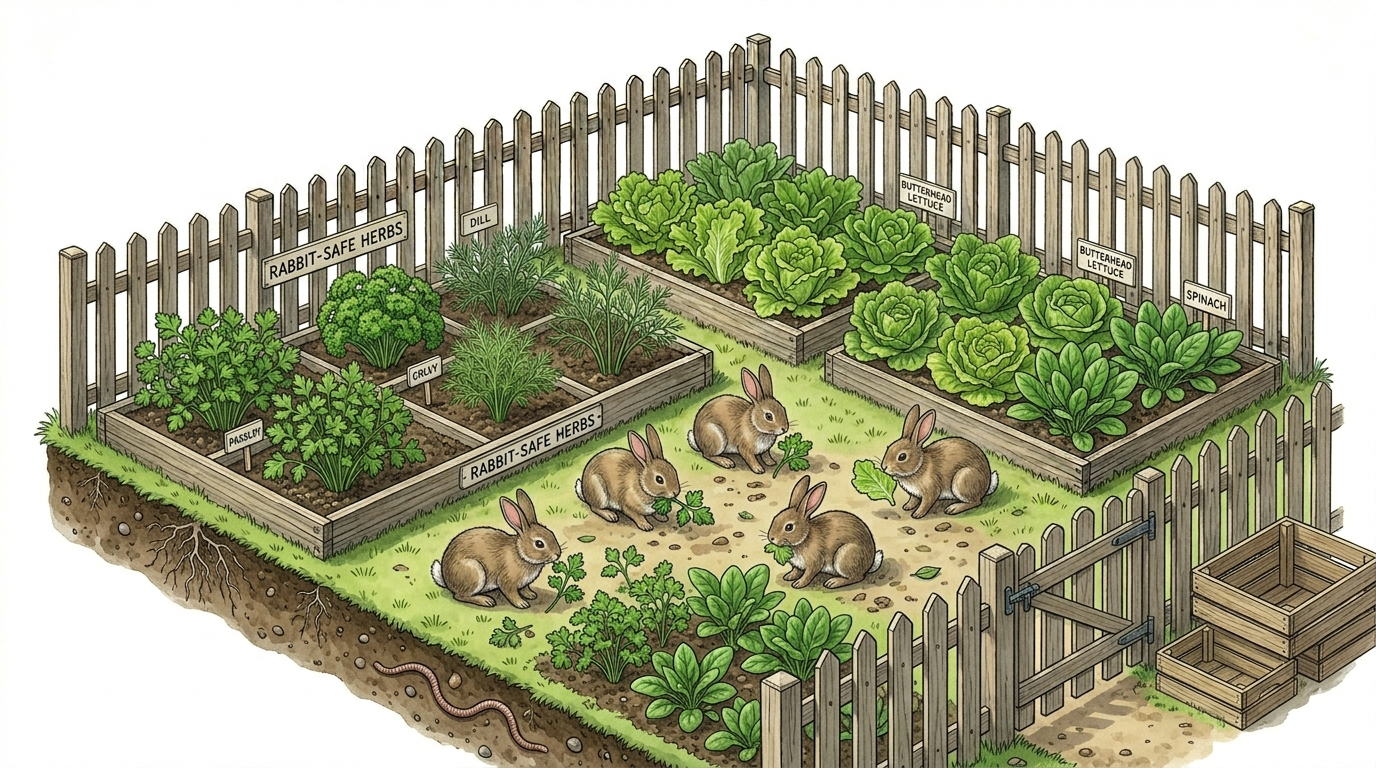
Rabbits in the Garden: Herbs and Vegetables
Learn how to choose suitable herbs and vegetables for rabbits, grow feeding plants, and plan a rabbit-friendly garden.
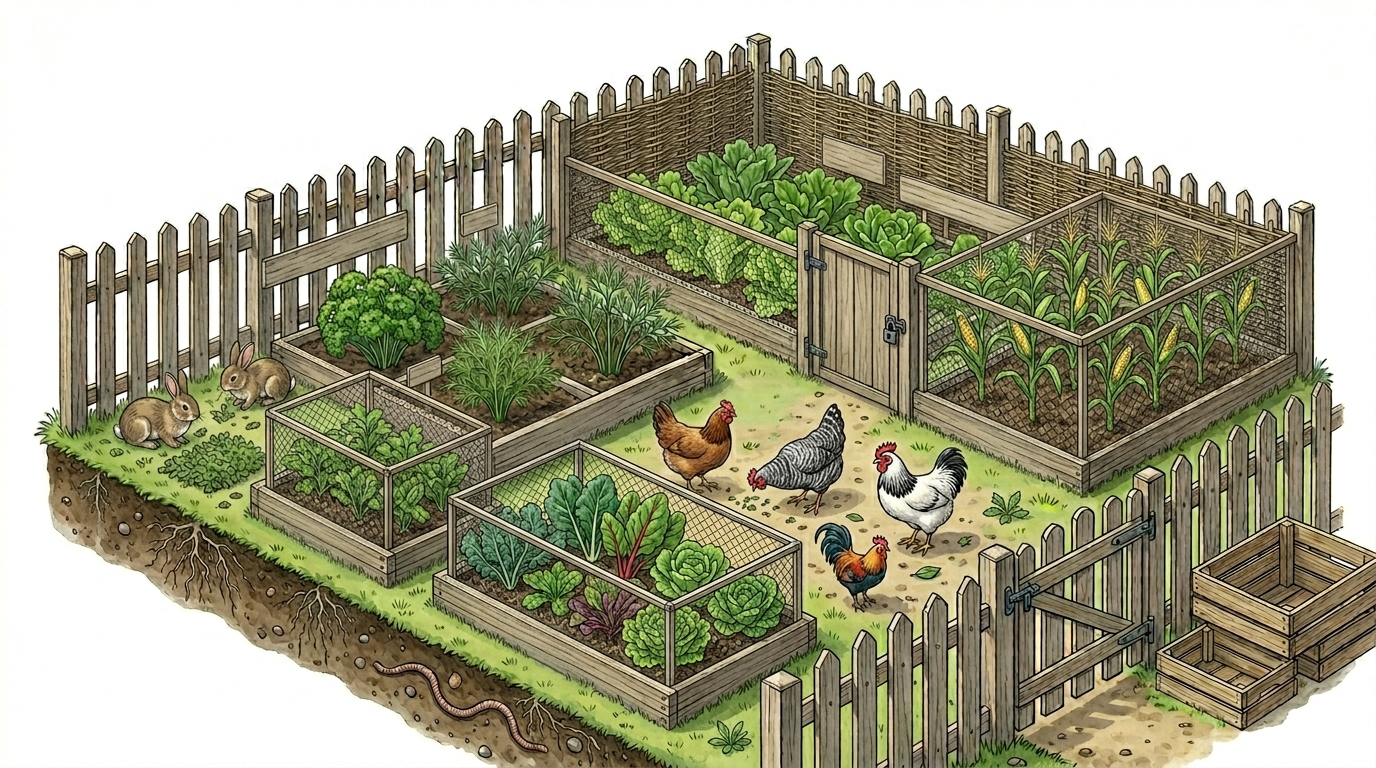
Guide
Chickens in the Garden: Safe Plants and Zones
Learn how to design a chicken-friendly garden with suitable plants, protected beds, and well-planned activity areas.
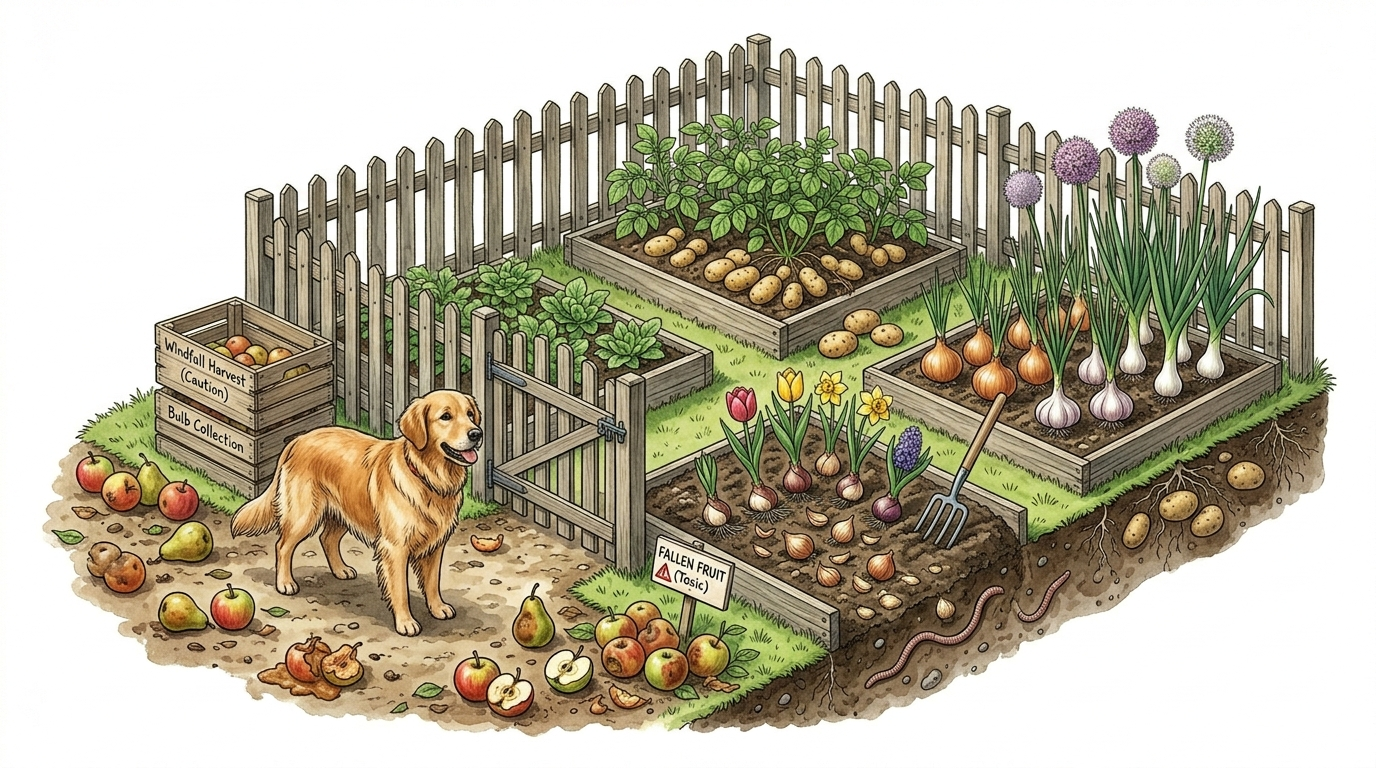
Guide
Dogs in the Garden: Windfall Fruit and Risks
Keep your garden dog-safe by managing windfall fruit, seeds, stored crops, and potentially problematic plant parts.
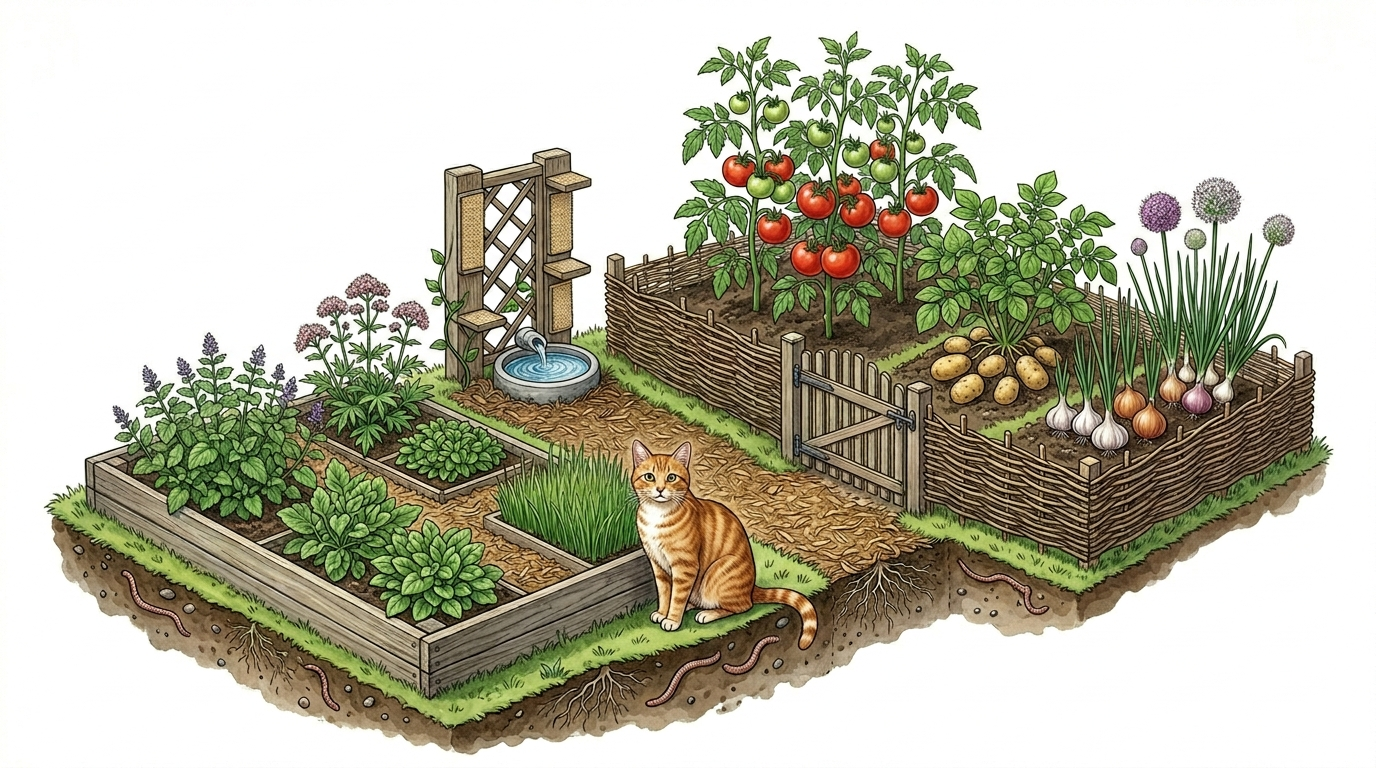
Guide
Toxic Garden Plants for Cats: Safer Planning
Learn which garden plants can be risky for cats, how to plan safer beds, and what to do if a cat eats a toxic plant.
Internal links
Related plants
broccoli
Both are varieties of Brassica oleracea (Brassicaceae family).
Share many typical brassica diseases like clubroot, downy mildew, and Alternaria.
cauliflower
Both are varieties of Brassica oleracea (Brassicaceae family).
Belongs to the same plant family and has similar cultivation requirements and pests.
kohlrabi
Both are varieties of Brassica oleracea (Brassicaceae family).
Both are varieties of Brassica oleracea.
Kale
Both belong to the leafy vegetables group and are winter brassicas.
Both are varieties of Brassica oleracea.
White Cabbage
Share many typical brassica diseases like clubroot, downy mildew, and Alternaria.
Belongs to the same plant family and has similar cultivation requirements and pests.
tomato
Both are heavy feeders and require ample nutrients, especially nitrogen and potassium.
Pumpkin
Both are heavy feeders and require ample nutrients.
Cucumber
Both require consistent and high water supply, especially during fruit/sprout formation.
Celery
Both are moisture-loving and sensitive to drought.
Sources
Public sources
- Wikidata entity
Wikidata · 2026-05-15
- GBIF species match
GBIF · 2026-05-15
- Deutschsprachige Wikipedia: Rosenkohl
Wikipedia · 2026-05-15
- English Wikipedia: Brussels sprout
Wikipedia · 2026-05-15