Plant Profile
EggplantSolanum melongena
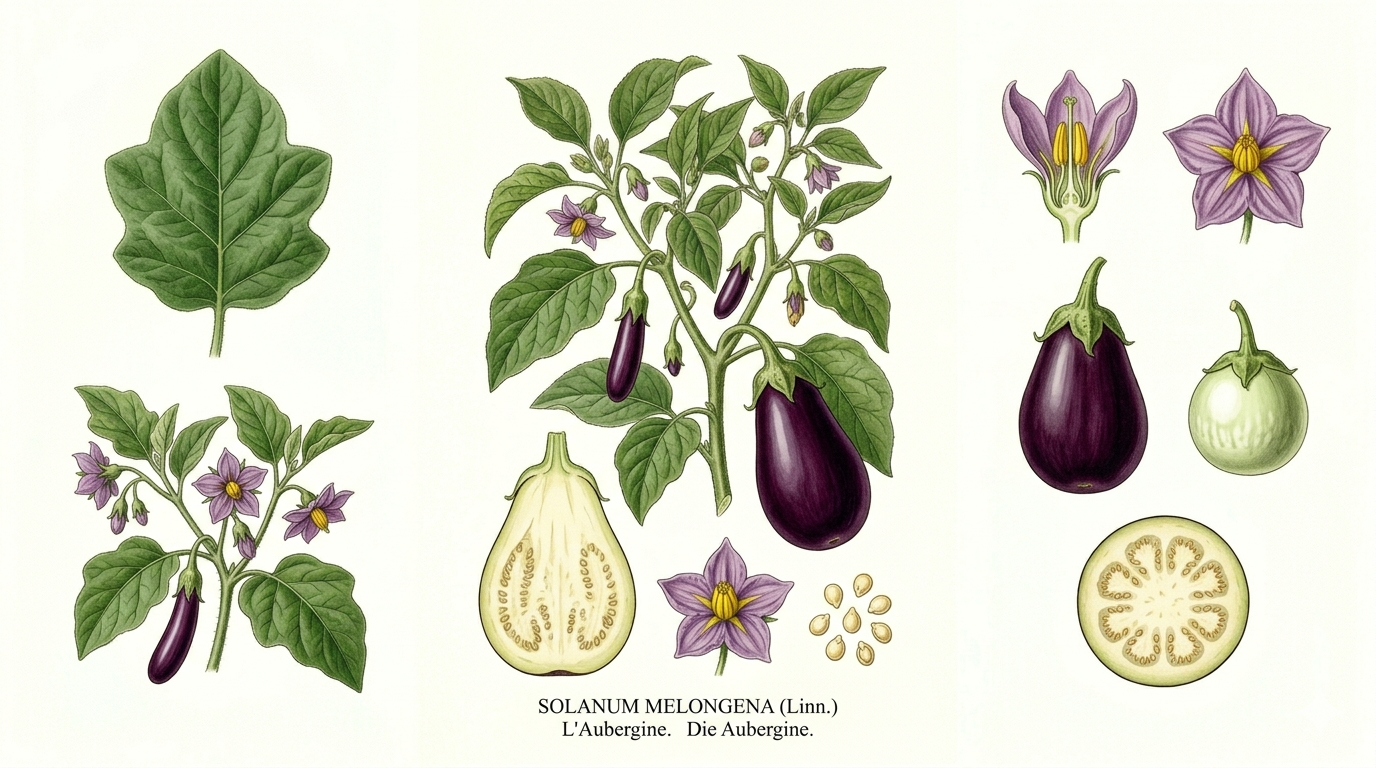
The eggplant is an annual plant with a bushy growth habit and purple fruits. It requires plenty of heat, sun, and nutrient-rich soil.
Quick profile
Key data
Suitable growing locations:
Indoor & direct sowing
Eggplant: Sowing and germination
Sow indoors for pre-cultivation.
Direct sowing is generally not recommended in Central Europe due to the plants' high heat requirement.
Planting & site
Eggplant: Planting and spacing
Plant outdoors or in a greenhouse once all danger of frost has passed and soil temperature is at least 15°C.
Site & practical notes
Temperature & frost
Eggplant: Temperature and site
Water & nutrients
Eggplant: Water, nutrients and care
Container & growth
Eggplant: Container, support and growth
Year plan
Eggplant Calendar
The best time for sowing is February to April indoors, followed by planting out after the ice saints (mid-May).
Recurring tasks
Relevant now
June
- Plant out into open ground or greenhouseNo frost risk, soil temp > 15°C: Late plantings are still possible.
- MulchingAfter planting out: Helps retain moisture and suppress weeds.
Next up
July
- No additional single task
Monthly tasks
Single tasks from monthly data; repeated seasonal windows are shown in the overview above.
January
Quiet month
February
No additional single task
March
No additional single task
April
Direct sowing
- Prick out seedlingsSeedlings have 2-4 true leaves: Separate seedlings into individual pots.
- Sow indoors for pre-cultivationIndoors: Late sowing for pre-cultivation if needed.
May
Planting
- Plant out into open ground or greenhouseNo frost risk, soil temp > 15°C: Harden off carefully before planting out.
Growing
- First fertilizationAfter planting out: Use a balanced liquid fertilizer.
June
Planting
- Plant out into open ground or greenhouseNo frost risk, soil temp > 15°C: Late plantings are still possible.
Growing
- MulchingAfter planting out: Helps retain moisture and suppress weeds.
August
No additional single task
September
Harvest
- Harvest beginsFruits mature: Harvest fruits as soon as they are ripe.
Growing
- Ensure consistent wateringDry periods: Avoid drought stress which can affect fruit quality.
October
Harvest
- Harvest until first frostBefore frost: Harvest all ripe and nearly ripe fruits before the first frost.
November
Quiet month
December
Quiet month
Flowering & pollination
Eggplant Flowering & pollination
Self-fertility
high
Pollinator needed
yes
Overview
Eggplants are self-fertile but often benefit from insect pollination for optimal fruit set.
Notes
Bees and bumblebees are the primary pollinators. Hand pollination may be necessary in greenhouse cultivation.
Pruning & care
Eggplant Pruning & care
Pruning type
vegetative
Pruning timing
Thinning and shaping after planting out Light shaping pruning to encourage branching if necessary.
Removal of side shoots and diseased plant parts Regular monitoring and removal of side shoots promotes fruit development and prevents overcrowding.
Post-harvest pruning after the final harvest Remove diseased or dead plant parts. Trim back any unnecessary shoots.
Remove
Preserve
Avoid
Tools and hygiene
Disinfect tools with alcohol after each use to prevent disease transmission.
Companion guide
Eggplant Companion guide
Use & storage
Eggplant Use & storage
Harvest when fruits reach desired size and color. Regular harvesting encourages further fruit production.
Storage
Cool and dry
Storage life
1-2 weeks at 10-12°C and high humidity
Harvest
Harvest when fruits reach desired size and color. Regular harvesting encourages further fruit production.
Processing
After harvest
Harvest fruits carefully with a knife or pruning shears to avoid damaging the plant. Leave the stem attached to the fruit.
Edibility & safety
Eggplant Edibility & safety
For people
In brief: which parts are edible, which parts remain risky, and whether raw consumption makes sense.
Safety notes
Eggplants contain solanine, which occurs in small amounts in ripe fruits. Green plant parts and unripe fruits are toxic.
Animal safety
This plant is not simply safe or unsafe for animals. 14 animal types have restrictions, so quantity, access, and plant part matter.
Each row shows which parts are more suitable and which parts are critical.
Companion animals
 Dog
DogRipe flesh
Leaves, Stems, Unripe fruits
Ripe flesh
Leaves, Stems, Unripe fruits
Consumption of green plant parts or unripe fruit, Consumption of large quantities
Gastrointestinal upset, Vomiting, Diarrhea
observe
Ripe eggplant flesh is safe for dogs in small quantities as a treat. Green plant parts and unripe fruits contain solanine and are toxic. Gastrointestinal upset is possible if non-ripe parts or large quantities are consumed.
Open animal page Cat
CatRipe flesh
Leaves, Stems, Unripe fruits
Ripe flesh
Leaves, Stems, Unripe fruits
Consumption of green plant parts or unripe fruit
Gastrointestinal upset (if green plant parts or unripe fruit are consumed)
observe
Ripe eggplant flesh can be fed in small amounts as a treat. Green plant parts and unripe fruits contain solanine and are toxic. Consumption of plant material can generally cause gastrointestinal upset.
Open animal page Rabbit
Ripe fruit (in small amounts)
Leaves, Stems, Unripe fruits
Ripe fruit (in small amounts)
Leaves, Stems, Unripe fruits
Consumption of green plant parts, Consumption of unripe fruit, Excessive consumption of ripe fruit
Gastrointestinal upset (if green plant parts or unripe fruit are consumed)
observe
Ripe fruit in small amounts can be given as a treat. Green plant parts and unripe fruits are toxic due to solanine content. General eggplant toxicity for rabbits is not well-documented, but known toxic compounds and parts suggest cautious administration.
Open animal page Guinea pig
Ripe flesh
Leaves, Stems, Unripe fruits
Ripe flesh
Leaves, Stems, Unripe fruits
Consumption of green plant parts or unripe fruits, Excessive consumption of ripe fruits
Gastrointestinal upset (if green plant parts or unripe fruits are consumed)
observe
Ripe flesh can be given in small amounts as a treat. Green plant parts and unripe fruits are toxic due to solanine content. Quantity should be limited to avoid digestive upset.
Open animal page Hamster
Ripe flesh
Leaves, Stems, Unripe fruits
Ripe flesh
Leaves, Stems, Unripe fruits
Consumption of green plant parts, Consumption of unripe fruit, Excessive consumption of ripe fruit
Gastrointestinal upset, Vomiting, Diarrhea
contact a vet if symptoms appear
Ripe flesh in small amounts as a treat is likely safe. Green plant parts and unripe fruits contain solanine and are toxic. Excessive consumption of ripe fruit can cause gastrointestinal upset.
Open animal page Budgie
Ripe fruit (small amounts)
Leaves, Stems, Unripe fruits
Ripe fruit (small amounts)
Leaves, Stems, Unripe fruits
Consumption of green plant parts or unripe fruit, Excessive consumption of ripe fruit
Gastrointestinal upset (if green plant parts or unripe fruit are consumed)
observe
Ripe fruit in small amounts as a treat is likely safe. Green plant parts and unripe fruits contain solanine and are toxic. Avoid feeding leaves and stems.
Open animal pageFarm animals
 Horse
HorseRipe fruit (flesh)
Leaves, Stems, Unripe fruits
Ripe fruit (flesh)
Leaves, Stems, Unripe fruits
Consumption of leaves, stems, or unripe fruits, Consumption of large quantities of ripe fruits
Gastrointestinal upset (if large quantities or unripe parts are consumed)
observe
Ripe eggplant fruits are safe for horses in moderation, but leaves, stems, and unripe fruits contain solanine and are toxic. Large quantities of ripe fruits may cause gastrointestinal upset.
Open animal page Chicken
Ripe fruit (in moderation)
Leaves, Stems, Unripe fruits
Ripe fruit (in moderation)
Leaves, Stems, Unripe fruits
Consumption of green plant parts or unripe fruits, Consumption of large quantities of ripe fruit
Gastrointestinal upset (if large quantities or unripe parts are consumed)
observe
Ripe eggplant fruit is safe in small amounts for chickens. Green plant parts and unripe fruits contain solanine and are toxic. Feeding should be limited to the ripe fruit and given in moderation.
Open animal page Duck
DuckRipe fruit (in moderation)
Leaves, Stems, Unripe fruits
Ripe fruit (in moderation)
Leaves, Stems, Unripe fruits
Consumption of green plant parts or unripe fruits, Consumption of large quantities of ripe fruit
Gastrointestinal upset (if large quantities or unripe parts are consumed)
observe
No direct species-specific source was found for ducks. This is a cautious inference from the geese profile and the known plant-part risks.
Open animal page Goose
GooseRipe fruit (in moderation)
Leaves, Stems, Unripe fruits
Ripe fruit (in moderation)
Leaves, Stems, Unripe fruits
Consumption of green plant parts or unripe fruits, Consumption of large quantities of ripe fruit
Gastrointestinal upset (if large quantities or unripe parts are consumed)
observe
No direct species-specific source was found for geese. This is a cautious inference from the chickens profile and the known plant-part risks.
Open animal page Sheep
SheepRipe fruit (in moderation)
Leaves, Stems, Unripe fruits
Ripe fruit (in moderation)
Leaves, Stems, Unripe fruits
Consumption of leaves, stems, or unripe fruits, Consumption of large quantities of ripe fruit
Gastrointestinal upset (if large quantities or toxic parts are consumed)
observe
Ripe fruits are likely safe in small amounts for sheep but not suitable as a primary feed. Green plant parts and unripe fruits contain solanine and are toxic. There is no direct evidence for sheep, but classification is based on known solanine toxicity and general plant use.
Open animal page Goat
GoatRipe fruit (in moderation)
Leaves, Stems, Unripe fruits
Ripe fruit (in moderation)
Leaves, Stems, Unripe fruits
Consumption of green plant parts or unripe fruits, Excessive consumption of ripe fruits
Gastrointestinal upset, Vomiting, Diarrhea
observe
Ripe eggplant fruits are safe in small amounts for goats, but leaves, stems, and unripe fruits contain solanine and are toxic. Excessive consumption of ripe fruits can cause gastrointestinal upset.
Open animal page Cattle
Ripe fruit (flesh)
Leaves, Stems, Unripe fruits
Ripe fruit (flesh)
Leaves, Stems, Unripe fruits
Consumption of leaves, stems, or unripe fruit, Consumption of green plant parts
Gastrointestinal upset (if green plant parts or unripe fruit are consumed)
observe
Ripe fruits are generally safe for cattle and can be fed in moderation as a treat. Green plant parts and unripe fruits contain solanine and are toxic. Feeding should be limited to ripe fruit.
Open animal page Pig
PigRipe fruit (flesh)
Leaves, Stems, Unripe fruits
Ripe fruit (flesh)
Leaves, Stems, Unripe fruits
Consumption of green plant parts, Consumption of unripe fruit, Excessive consumption
Gastrointestinal upset (if green plant parts or unripe fruit are consumed)
observe
Ripe fruits are safe for pigs in moderation. Green plant parts and unripe fruits contain solanine and should be avoided. Consumption of large quantities can lead to gastrointestinal upset.
Open animal pageThese guidelines are for general information only and do not replace veterinary diagnosis. If critical plant parts were ingested or the animal shows unusual behaviour or symptoms, seek veterinary advice.
Max risk
unknown
Highest status
selected parts only
Urgency
contact a vet if symptoms appear
Saving seed
Eggplant Saving seed
Seed viability
2 - 4 years
Practical tips
Eggplant Practical tips
Common beginner mistakes
Success pattern
High-impact tips
Grower observations
Plant Profile
Additional plant images
Health
Pests, Diseases
Pests
Aphids
Small, sap-sucking insects that colonize young shoots and leaves, weakening the plant and potentially transmitting viruses.
Whiteflies
Small, flying insects that infest the undersides of leaves, sucking sap. They produce honeydew, which can lead to sooty mold.
Spider mites
Tiny arachnids that colonize the undersides of leaves, sucking sap. They cause fine webbing and yellowish stippling.
Colorado potato beetle
A winged beetle whose larvae and adults feed voraciously on the leaves of Solanaceae plants, causing significant damage.
Diseases
Verticillium wilt
A fungal disease that affects the plant's xylem, blocking water uptake. Causes wilting and can lead to plant death.
Early blight (Alternaria)
A fungal disease primarily affecting leaves, causing characteristic concentric rings on leaf spots. Can impact fruit production in severe cases.
Late blight (Phytophthora)
An aggressive fungal disease affecting both leaves and fruits, capable of causing rapid plant death. Particularly dangerous in wet conditions.
Powdery mildew
A fungus that forms white, powdery coatings on leaves, stems, and fruits. Weakens the plant and can reduce fruit quality.
Deficiencies
Calcium deficiency
Leads to growth disorders and blossom end rot, especially with inconsistent watering.
Magnesium deficiency
Impairs photosynthesis and leads to interveinal chlorosis.
Potassium deficiency
Affects fruit development, water regulation, and disease resistance.
Plant health
Diagnosis help
Eggplant Diagnosis help
Pest groups
Disease groups
Prevention
Diagnosis
Accurate diagnosis is crucial for effective control. Pay attention to specific symptoms such as spotting patterns, discoloration, wilting, or visible pests.
Cultural prevention
Monitoring
First response
Diagnostic rules
One-sided wilting of a leaf or shoot, with brown vascular tissue in the stem.
Possible causes: Verticillium wilt
- Check stem cross-section
- Assess soil health
Concentric rings on leaf spots, often with a yellow halo.
Possible causes: Early blight
- Check age of affected leaves
- Consider weather conditions
Large, water-soaked lesions on leaves and fruits, often with white mold in humidity.
Possible causes: Late blight
- Check for rapid spread
- Weather conditions (cool, humid)
White, powdery coating on leaves and stems.
Possible causes: Powdery mildew
- Examine affected plant parts
- Assess air circulation
FAQ
Can I sow eggplants directly outdoors?
No, direct sowing of eggplants is not recommended in Central Europe because the plants require a lot of heat and a long growing season. Pre-cultivation indoors from February/March is necessary.
When is the best time to harvest eggplants?
Harvest the fruits once they have reached their typical color and size and the skin is glossy. This is usually between July and October, depending on the variety and location.
Why are the flowers of my eggplant plant dropping without forming fruits?
This can have various causes: too low temperatures (below 15°C), inconsistent watering, nutrient deficiency, or lack of pollination. Ensure the plant is warm and consistently moist and encourage pollinators like bees.
How can I grow eggplants in pots?
Choose a large container (at least 20 liters in volume) with good drainage. Use nutrient-rich soil and place the pot in a sunny, warm location. Water regularly and fertilize every 2-3 weeks with a potassium-rich liquid fertilizer.
Which pests commonly attack eggplants?
The most common pests are aphids, whiteflies, spider mites, and the Colorado potato beetle. These can be controlled through regular monitoring, the use of beneficial insects, or targeted sprays in case of severe infestation.
How do I recognize potassium deficiency in eggplants?
Potassium deficiency manifests as wilting symptoms despite moist soil, yellowing and marginal necrosis on older leaves, and poor fruit set and quality. Treat the deficiency by fertilizing with potassium-rich fertilizers like potassium sulfate.
Can I grow eggplants in a greenhouse?
Yes, eggplants are excellent for growing in a greenhouse because they require plenty of heat and sun. Ensure good ventilation to avoid fungal diseases and fertilize regularly.
How should I store harvested eggplants?
Store eggplants cool (10-12°C) and dry at high humidity. They will keep for about 1-2 weeks. Avoid storing them in the refrigerator as they quickly lose flavor there.
Are eggplants poisonous?
Ripe eggplant fruits are edible and contain only small amounts of solanine. However, green plant parts and unripe fruits are toxic and should not be consumed.
How do I propagate eggplants?
Eggplants are typically propagated by seeds. Sow the seeds indoors from February/March and prick out the seedlings once they have 2-4 true leaves. The plants can then be planted outdoors or in a greenhouse from May.
Is Eggplant safe for Dog?
Eggplant is classified as selected parts only for Dog. Risk: unknown. Urgency: observe. Ripe eggplant flesh is safe for dogs in small quantities as a treat. Green plant parts and unripe fruits contain solanine and are toxic. Gastrointestinal upset is possible if non-ripe parts or large quantities are consumed.
Is Eggplant safe for Cat?
Eggplant is classified as selected parts only for Cat. Risk: unknown. Urgency: observe. Ripe eggplant flesh can be fed in small amounts as a treat. Green plant parts and unripe fruits contain solanine and are toxic. Consumption of plant material can generally cause gastrointestinal upset.
Is Eggplant safe for Rabbit?
Eggplant is classified as selected parts only for Rabbit. Risk: unknown. Urgency: observe. Ripe fruit in small amounts can be given as a treat. Green plant parts and unripe fruits are toxic due to solanine content. General eggplant toxicity for rabbits is not well-documented, but known toxic compounds and parts suggest cautious administration.
Is Eggplant safe for Guinea pig?
Eggplant is classified as selected parts only for Guinea pig. Risk: unknown. Urgency: observe. Ripe flesh can be given in small amounts as a treat. Green plant parts and unripe fruits are toxic due to solanine content. Quantity should be limited to avoid digestive upset.
Guides
Related guides
Guide
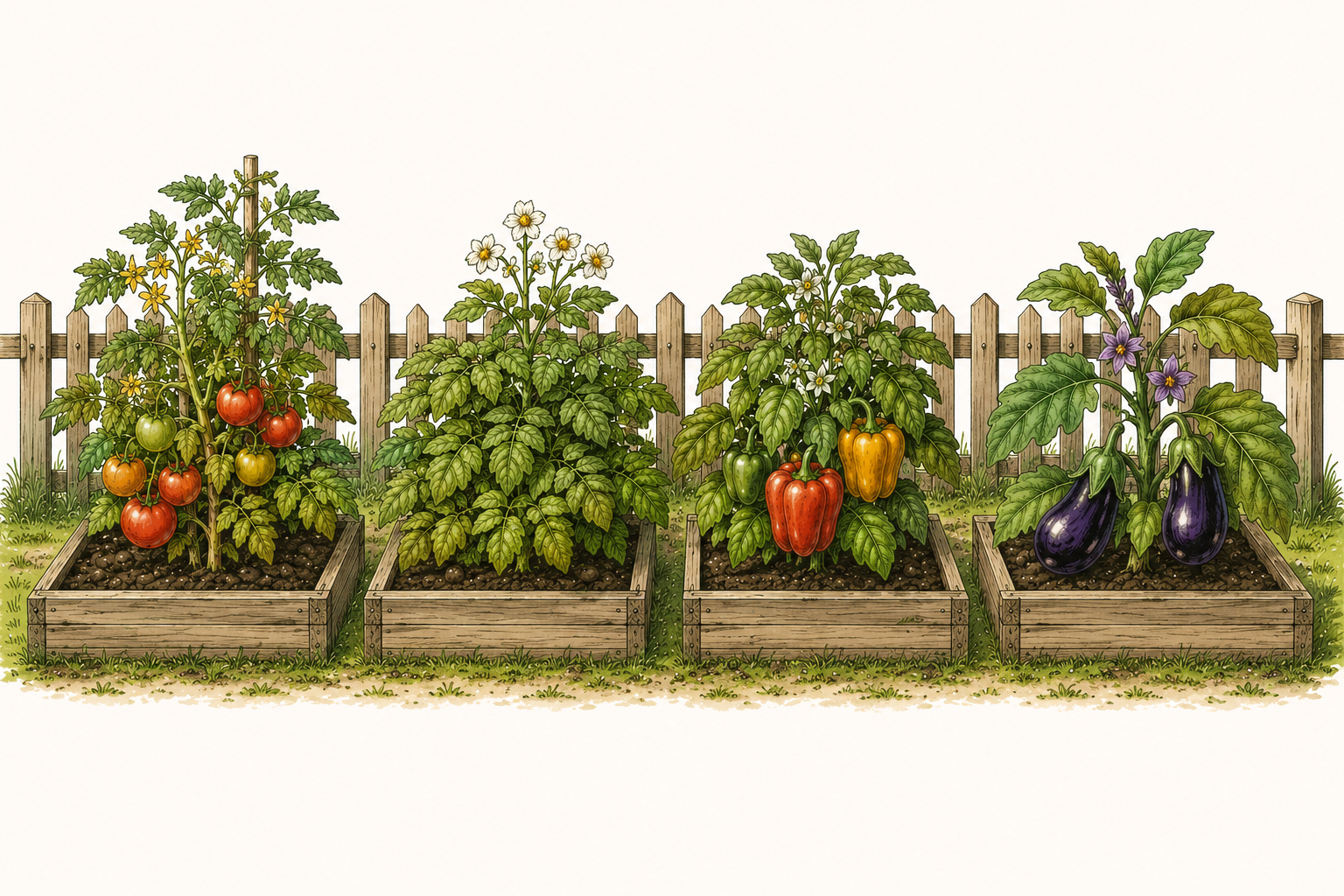
Pets and Nightshades: Tomatoes, Potatoes and More
Learn how to grow tomatoes, potatoes, peppers, and eggplants safely in pet-friendly gardens and understand plant-part risks.
Guide
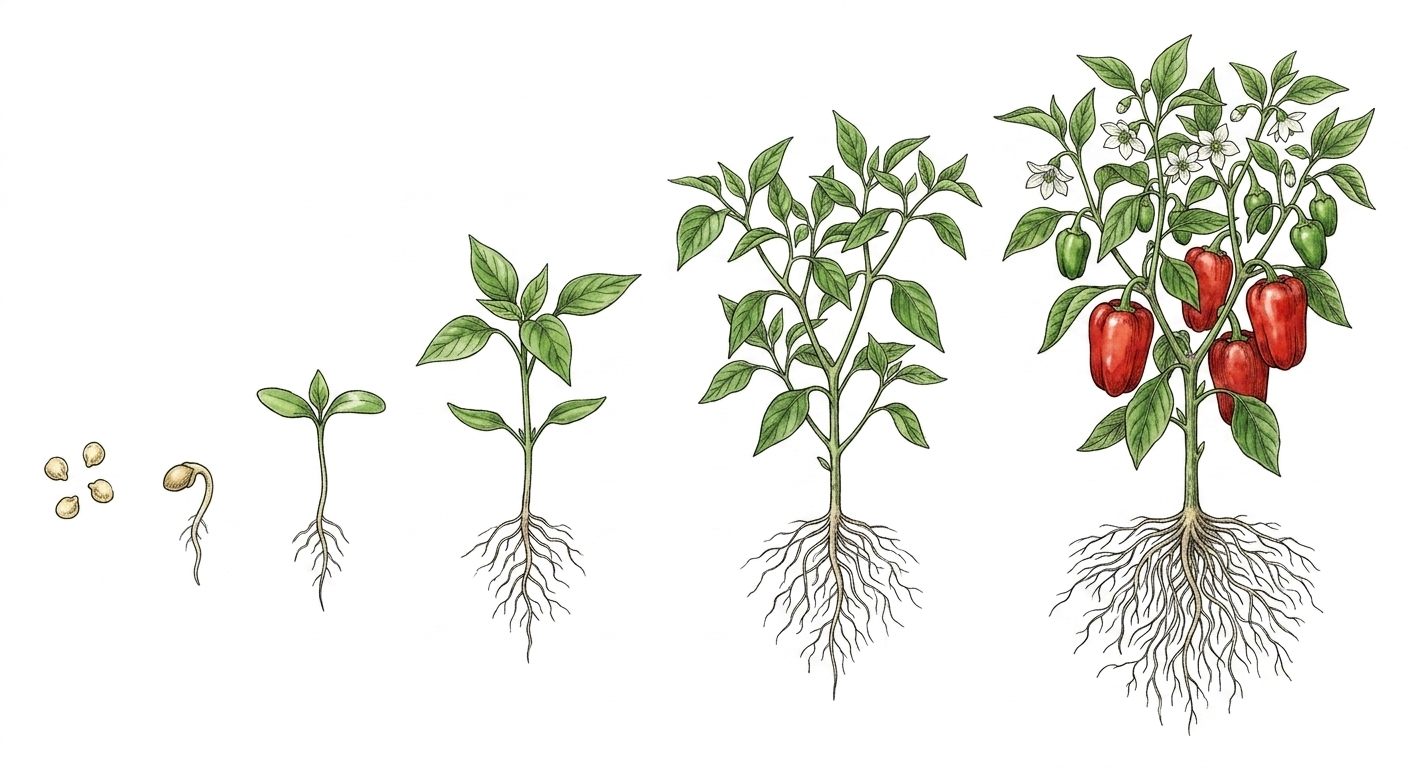
Starting Peppers and Chilies Indoors Successfully
Learn how to start peppers and chilies indoors with proper warmth, strong light, pricking out, and healthy seedling care.
Guide
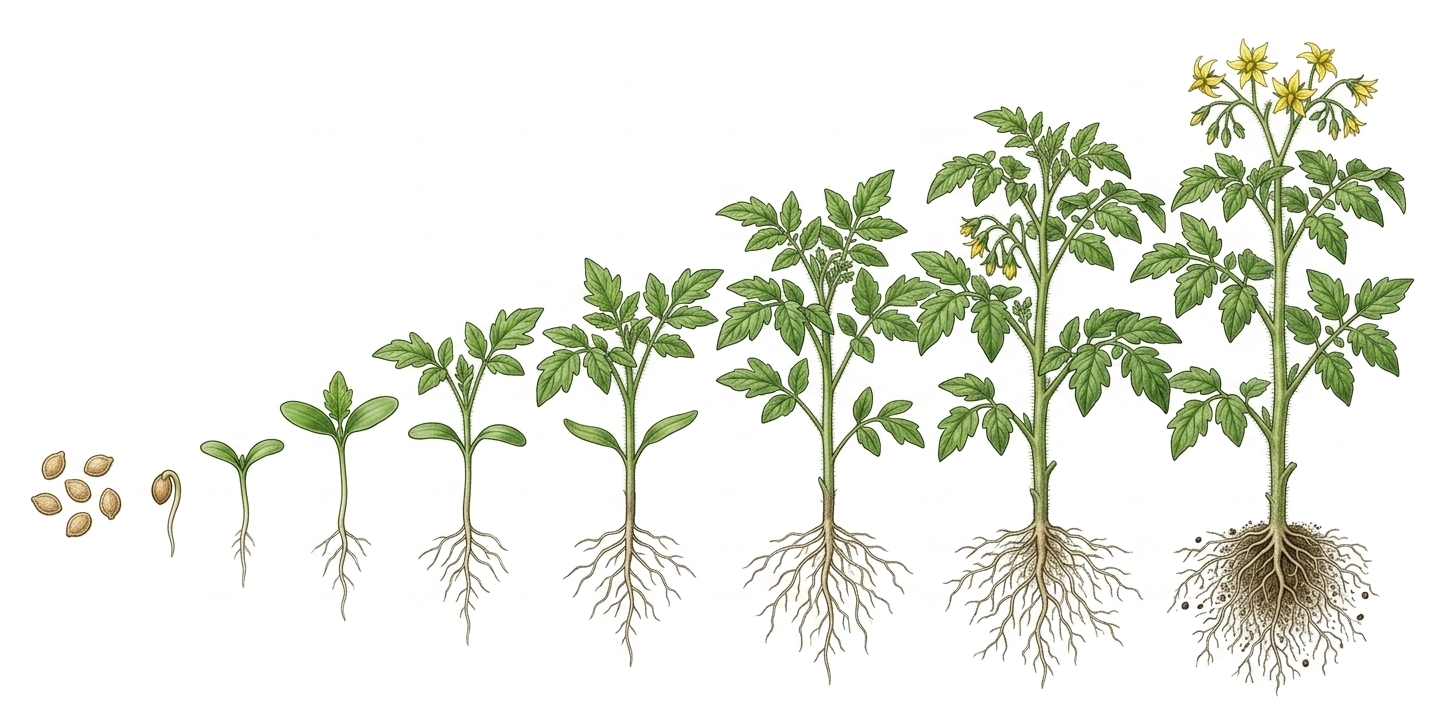
Starting Tomatoes Indoors: Light, Timing and Pricking Out
Start tomatoes indoors successfully with the right timing, warmth, strong light, pricking out, and care for healthy young plants.
Guide
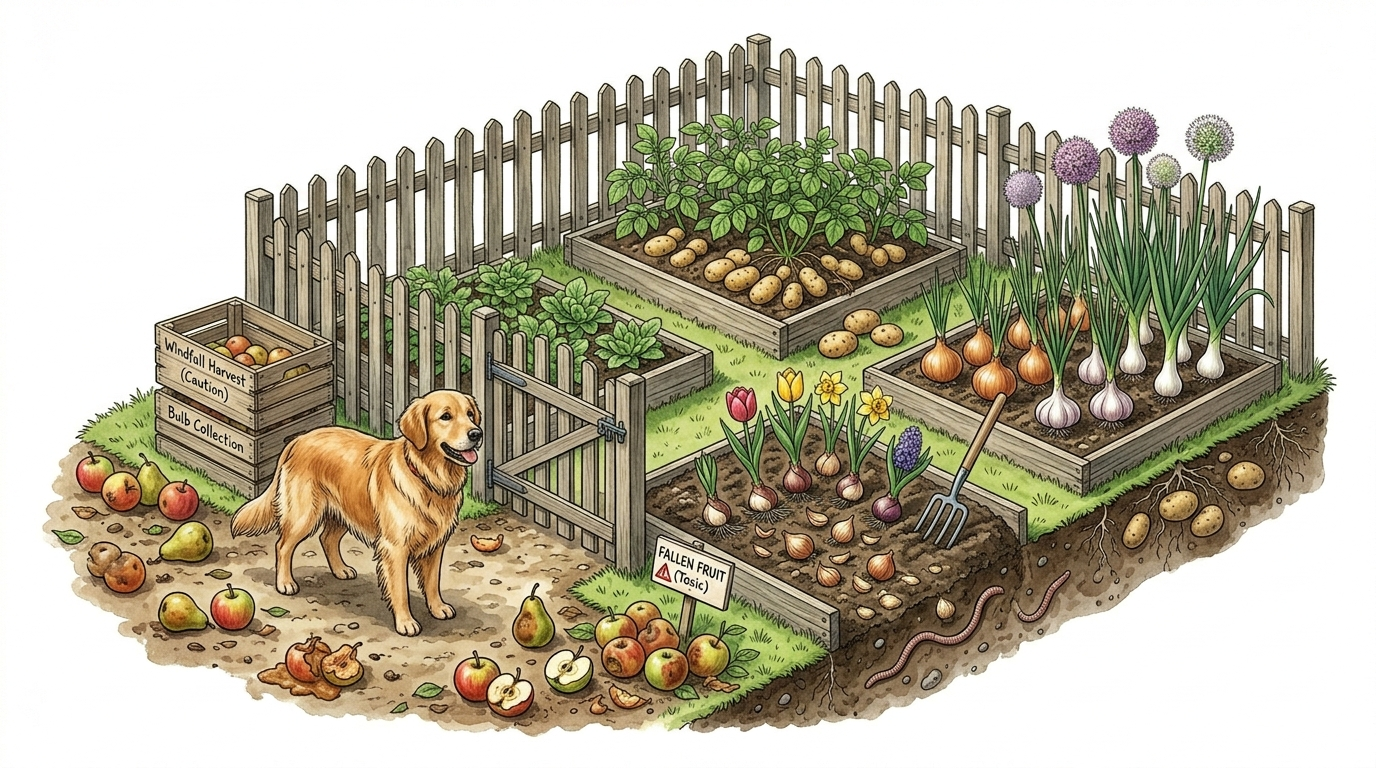
Dogs in the Garden: Windfall Fruit and Risks
Keep your garden dog-safe by managing windfall fruit, seeds, stored crops, and potentially problematic plant parts.
Internal links
Related plants
tomato
Both belong to the nightshade family (Solanaceae) and have similar cultivation requirements.
Both are fruiting vegetables and are used similarly in cooking.
Pepper
Pepper is also a nightshade and closely related to the eggplant.
Pepper is used similarly to eggplants, fried, stuffed, or in stews.
Potato
Potatoes belong to the same family but are grown for their tubers.
Potatoes share diseases such as late blight and Colorado potato beetle infestation with eggplants.
Zucchini
Both are elongated green fruits, but zucchini belongs to the genus Cucurbita and is a gourd.
Sources
Public sources
- Wikidata entity
Wikidata · 2026-05-12
- GBIF species match
GBIF · 2026-05-12
- Deutschsprachige Wikipedia: Aubergine
Wikipedia · 2026-05-12
- English Wikipedia: Eggplant
Wikipedia · 2026-05-12