Plant Profile
Welsh onionAllium fistulosum
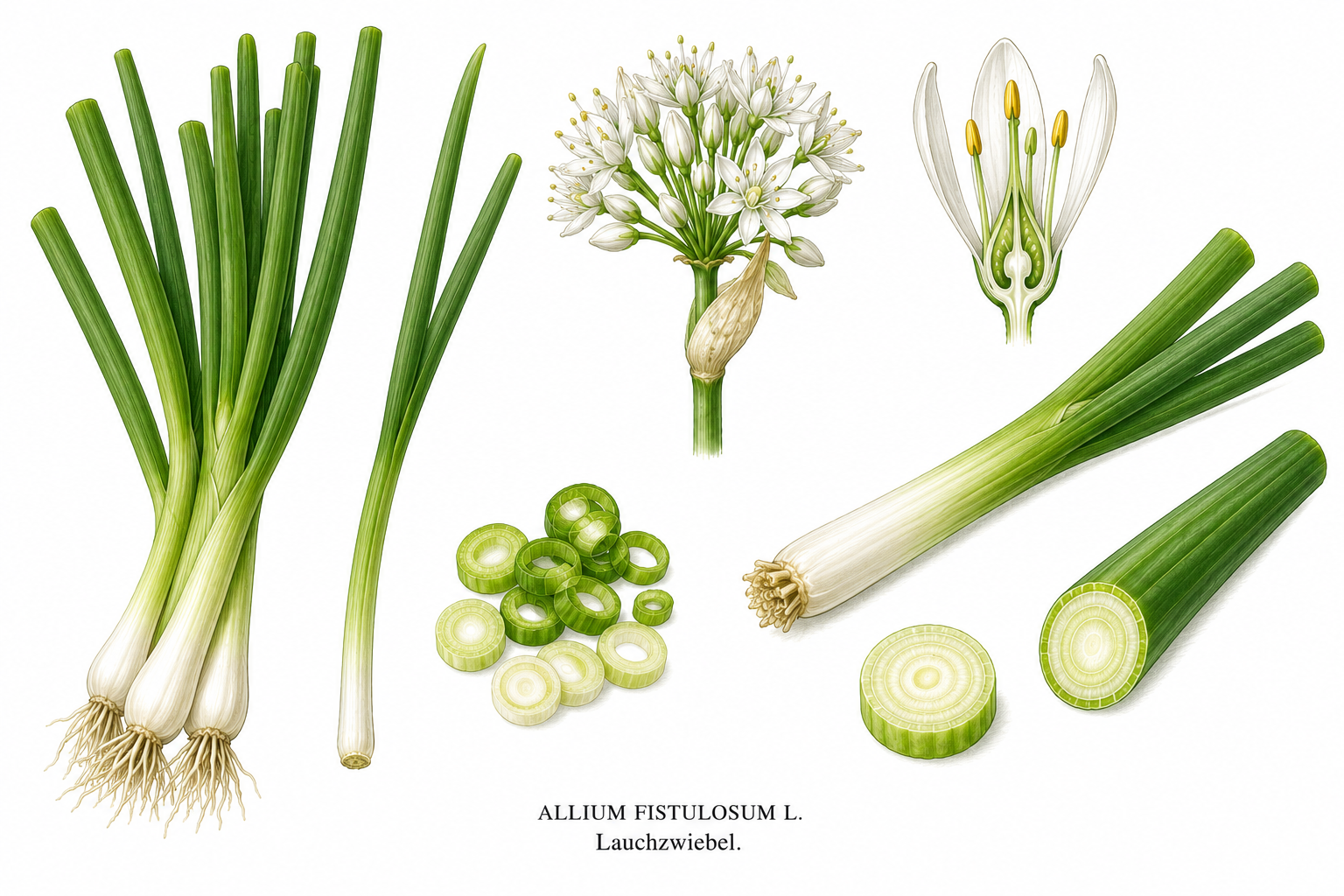
The Welsh onion, also called winter onion or spring onion, is an easy-to-care-for and frost-hardy Allium species that can be harvested continuously. Ideal for salads, soups, and Asian dishes.
Quick profile
Key data
Suitable growing locations:
Good neighbors
CarrotStrawberryLettuceSpinach
Avoid
BeanPea
Indoor & direct sowing
Welsh onion: Sowing and germination
For an early harvest, pre-culture can begin in February.
Direct sowing is possible from March to August for continuous harvest. Later sowings can overwinter.
Planting & site
Welsh onion: Planting and spacing
Plant out pre-cultured plants after the last frosts.
Site & practical notes
General cultivation: Welsh onions are very adaptable and excellent for cultivation in home gardens, raised beds, or pots. They are frost-hardy and can overwinter with proper care., Continuous harvest: Staggered sowing from March to August ensures a continuous harvest over many months. Harvest the outer leaves or cut the plant about 2-3 cm above the ground to encourage new growth., Overwintering: Late sowings in August can overwinter well with a layer of mulch and provide fresh harvest already in early spring.
Temperature & frost
Welsh onion: Temperature and site
Water & nutrients
Welsh onion: Water, nutrients and care
Container & growth
Welsh onion: Container, support and growth
Year plan
Welsh onion Calendar
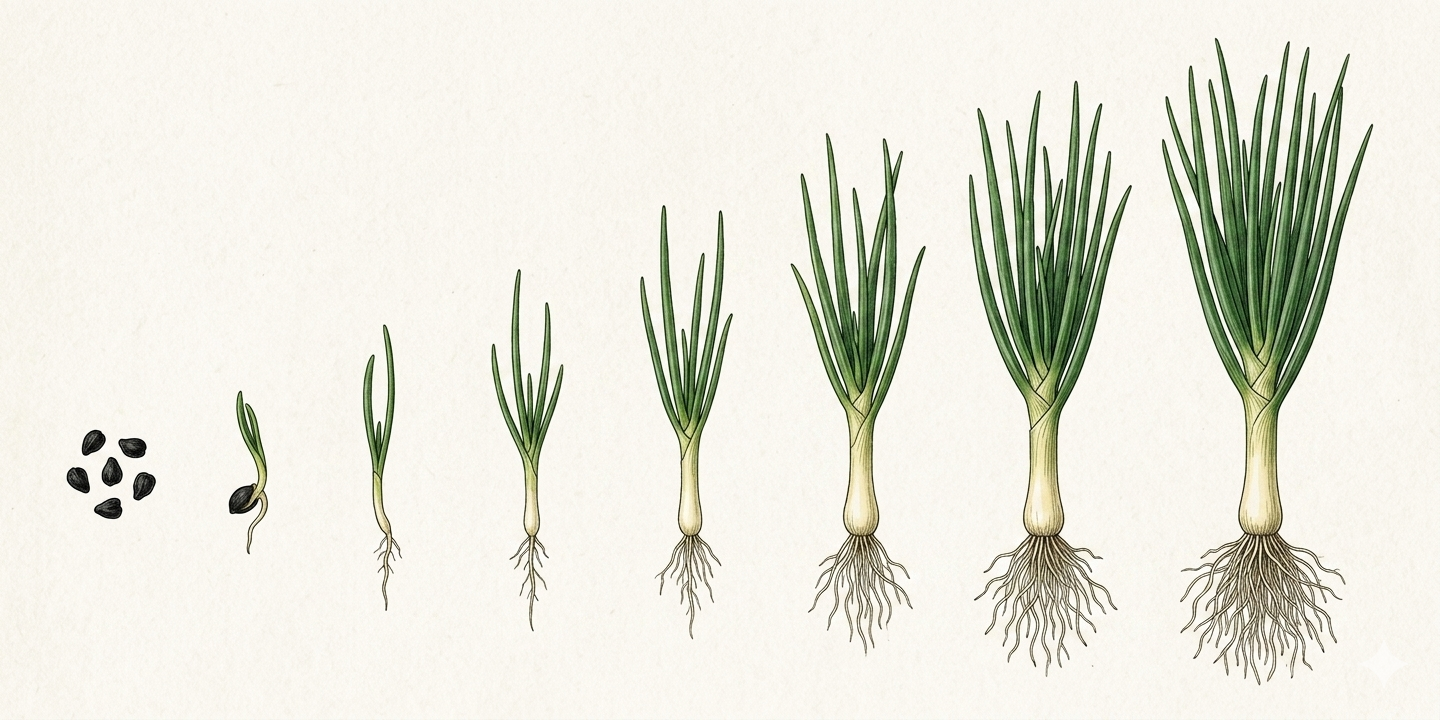
From spring to autumn, you can harvest continuously, and with some protection, even in winter.
Recurring tasks
Relevant now
June
- No additional single task
Next up
July
- No additional single task
Monthly tasks
Single tasks from monthly data; repeated seasonal windows are shown in the overview above.
January
No additional single task
February
Direct sowing
- Start pre-cultureFor an early spring harvest.
March
Direct sowing
- Continue pre-culturePossibly sow more for staggered harvest.
- Direct sow outdoorsFirst direct sowing for the main harvest.
April
Planting
- Plant out seedlingsTransplant pre-cultured plants outdoors after the last expected frosts.
Growing
- Water regularlyEspecially important after sowing and transplanting.
May
Harvest
- First harvestAs soon as leaves reach a good size.
June
No additional single task
August
Direct sowing
- Last direct sowingFor autumn/winter harvest or overwintering.
September
Harvest
- HarvestHarvest before the first hard frost.
Growing
- MulchTo protect overwintering plants.
October
Harvest
- HarvestHarvest hardy plants until frost.
November
Quiet month
December
Quiet month
Flowering & pollination
Welsh onion Flowering & pollination
Self-fertility
cross-pollinating
Pollinator needed
yes
Overview
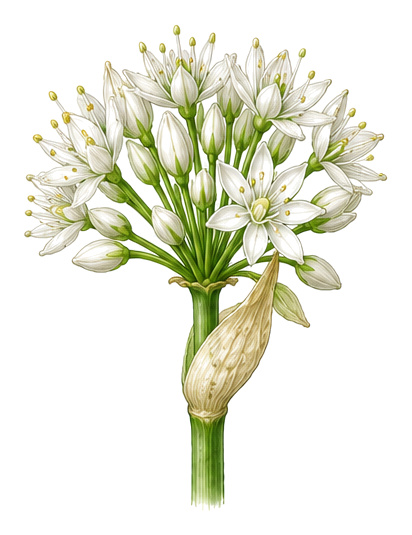
Although Welsh onions can flower, blooming is not relevant for leaf harvest. Pollination is carried out by insects.
Notes
The flowers are attractive to insects, especially bees and hoverflies. Cross-pollination is necessary for seed formation.
Companion guide
Welsh onion Companion guide
Good neighbors
CarrotStrawberryLettuceSpinachCabbage
Avoid
BeanPea
Use & storage
Welsh onion Use & storage
Continuous harvest of leaves and stems from spring to autumn. Overwintered plants can also be harvested in winter and early spring.
Storage
Fresh vegetable
Storage life
1-2 weeks in the refrigerator, several months when frozen.
Harvest
Continuous harvest of leaves and stems from spring to autumn. Overwintered plants can also be harvested in winter and early spring.
Processing
After harvest
Harvested leaves and stems should be stored cool and used quickly to maintain freshness and flavor.
Edibility & safety
Welsh onion Edibility & safety
For people
In brief: which parts are edible, which parts remain risky, and whether raw consumption makes sense.
Safety notes
No known toxic properties with normal consumption.
Animal safety
For animals, the specific plant part matters here: some parts may be suitable, while others should be avoided. At least one critical rating is listed for 6 animal types.
Each row shows which parts are more suitable and which parts are critical.
Companion animals
 Dog
DogLeaves, Stems
No risk parts listed
Leaves, Stems
No risk parts listed
Amount, Frequency of feeding, Individual sensitivity
Vomiting, Diarrhea, Gastrointestinal upset
observe
Welsh onion contains disulfides and thiosulfates that can cause gastrointestinal irritation in dogs when consumed in larger amounts. Edible parts are suitable as an occasional treat in small quantities, but regular feeding should be avoided. Consult a veterinarian if large amounts are ingested.
Open animal page Cat
CatNo suitable parts listed
Leaves, Stems, Bulb base
No suitable parts listed
Leaves, Stems, Bulb base
All parts of the plant contain sulfur compounds toxic to cats., Even small amounts can cause oxidative damage to red blood cells., Cats are particularly sensitive to Allium toxins.
Vomiting, Diarrhea, Gastrointestinal irritation
emergency vet immediately
All parts of Welsh onion (Allium fistulosum) contain sulfur compounds such as disulfides and thiosulfates that are toxic to cats and can cause hemolytic anemia. Even small amounts can cause gastrointestinal irritation and lead to serious health problems.
Open animal page Rabbit
No suitable parts listed
Leaves, Stems, Bulb base
No suitable parts listed
Leaves, Stems, Bulb base
All parts contain sulfur compounds that can cause digestive disturbances in rabbits., Rabbits have a sensitive gastrointestinal tract and react sensitively to Allium species.
Gastrointestinal upset, Diarrhea, Bloating
contact a vet if symptoms appear
Welsh onion (Allium fistulosum) contains sulfur compounds such as disulfides and thiosulfates that can cause gastrointestinal upset in rabbits. Although no species-specific toxicity studies are available, a conservative classification is made based on the known effects of Allium species in small mammals and similar toxicity profiles of onion species. All parts of the plant should be avoided.
Open animal page Guinea pig
No suitable parts listed
Leaves, Stems, Bulb base
No suitable parts listed
Leaves, Stems, Bulb base
All parts contain sulfur compounds toxic to guinea pigs., Small animals are particularly sensitive to Allium compounds.
Gastrointestinal irritation, Vomiting, Diarrhea
contact a vet if symptoms appear
All parts of Welsh onion (Allium fistulosum) contain sulfur compounds such as disulfides and thiosulfates that are toxic to guinea pigs and can cause gastrointestinal irritation. While specific guinea pig studies are lacking, Allium species toxicity is well-documented in small mammals. No parts should be fed.
Open animal page Hamster
No suitable parts listed
Leaves, Stems, Bulb base
No suitable parts listed
Leaves, Stems, Bulb base
All parts contain sulfur compounds toxic to small rodents., Small animals are particularly sensitive to Allium compounds.
Gastrointestinal irritation, Vomiting, Diarrhea
contact a vet if symptoms appear
No direct species-specific source was found for hamsters. This is a cautious inference from the guinea pigs profile and the known plant-part risks of Allium species.
Open animal page Budgie
No suitable parts listed
Leaves, Stems, Bulb base
No suitable parts listed
Leaves, Stems, Bulb base
All parts of the plant contain sulfur compounds that can be toxic to birds., Budgies have a sensitive digestive tract and are susceptible to hemolytic anemia from Allium compounds.
Hemolytic anemia, Vomiting, Diarrhea
emergency vet immediately
Budgies should have no access to Welsh onion as all parts contain sulfur compounds that can cause hemolytic anemia. Even small amounts can be dangerous. If ingestion is suspected, contact an avian veterinarian immediately.
Open animal pageFarm animals
 Horse
HorseLeaves, Stems
No risk parts listed
Leaves, Stems
No risk parts listed
Overconsumption, Sensitive individuals
Gastrointestinal upset, Diarrhea
observe
Welsh onion (Allium fistulosum) contains mild sulfur compounds that can cause gastrointestinal upset in horses when consumed in large quantities. Normal feeding amounts are generally safe and often well-tolerated. Due to the lack of direct evidence for horses, a conservative classification is made.
Open animal page Chicken
No suitable parts listed
Leaves, Stems, Bulb base
No suitable parts listed
Leaves, Stems, Bulb base
All plant parts contain toxic compounds., Even small amounts can be harmful., Cumulative effect with repeated ingestion.
Hemolytic anemia, Weakness, Lethargy
emergency vet immediately
Welsh onion (Allium fistulosum) contains disulfides and thiosulfates that can cause hemolytic anemia in chickens. All parts are potentially toxic and should be avoided. Seek veterinary contact if symptoms occur after ingestion.
Open animal page Duck
DuckLeaves, Stems
No risk parts listed
Leaves, Stems
No risk parts listed
High consumption, Sensitive individuals
Gastrointestinal upset, Diarrhea, Vomiting
observe
Welsh onion contains sulfur compounds that can cause gastrointestinal upset in ducks if consumed in large amounts. Edible parts are suitable as an occasional treat in small quantities but not as a primary feed.
Open animal page Goose
GooseLeaves, Stems
No risk parts listed
Leaves, Stems
No risk parts listed
High consumption may cause digestive upset
Gastrointestinal upset with overfeeding
observe
Welsh onion is suitable for geese in small amounts as a treat, but not as a primary feed. All edible parts are safe, though overfeeding may cause gastrointestinal upset. No known severe toxicities with normal consumption.
Open animal page Sheep
SheepLeaves, Stems
No risk parts listed
Leaves, Stems
No risk parts listed
Overfeeding, Sensitive animals
Gastrointestinal upset, Diarrhea
observe
Welsh onion (Allium fistulosum) contains mild sulfur-containing compounds that can cause gastrointestinal upset in sheep when consumed in large quantities. The edible parts (leaves, stems, bulb base) are tolerable in moderation but should not be used as a primary feed. When consumed normally as supplemental feed or treat, the risk is low. Excessive consumption may lead to diarrhea and discomfort. No evidence of…
Open animal page Goat
GoatLeaves, Stems
No risk parts listed
Leaves, Stems
No risk parts listed
Overconsumption, Sensitive animals, Young animals
Gastrointestinal upset, Diarrhea, Bloating
observe
Welsh onion (Allium fistulosum) contains sulfur compounds that may cause gastrointestinal upset if consumed in excess. Edible parts are tolerable in moderation but should not be used as primary feed. Monitor young or sensitive animals more closely.
Open animal page Cattle
Leaves, Stems
No risk parts listed
Leaves, Stems
No risk parts listed
Overconsumption, Sensitive animals
Gastrointestinal upset, Diarrhea
observe
Welsh onion contains sulfur compounds that can cause gastrointestinal irritation in cattle when consumed in large amounts. Normal feeding amounts are generally safe, but overfeeding should be avoided. The edible parts (leaves, stems, bulb base) can be used as supplemental feed in moderation.
Open animal page Pig
PigLeaves, Stems
No risk parts listed
Leaves, Stems
No risk parts listed
High consumption, Sensitive animals
Gastrointestinal upset, Diarrhea
observe
Welsh onion (Allium fistulosum) contains thiosulfates that can cause gastrointestinal irritation in pigs when consumed in large amounts. Edible parts are safe in moderation.
Open animal pageThese guidelines are for general information only and do not replace veterinary diagnosis. If critical plant parts were ingested or the animal shows unusual behaviour or symptoms, seek veterinary advice.
Max risk
4 / 5
Highest status
toxic
Urgency
emergency vet immediately
Saving seed
Welsh onion Saving seed
Seed viability
2 - 3 years
Storage
Store dry, cool, and dark. Germination capacity is about 2-3 years.
Practical tips
Welsh onion Practical tips
Common beginner mistakes
Success pattern
High-impact tips
Grower observations
Plant Profile
Additional plant images
Health
Pests, Diseases
Pests
Onion fly
The larvae of the onion fly (Delia antiqua) feed on the roots and bulbs, leading to wilting and growth disorders.
Aphids
Aphids suck plant sap and can transmit viruses. They often infest young shoots and leaves.
Diseases
Downy mildew
Caused by the fungus Peronospora destructor. Affects leaves and stems, leading to yellowish spots and later a grayish-violet sporulation on the underside of the leaves.
Onion yellow dwarf virus
A virus primarily transmitted by aphids. Leads to yellowing, stunted growth, and reduced yields.
Deficiencies
Nitrogen deficiency
Leads to general growth inhibition and a pale green to yellowish discoloration of the leaves, starting with older leaves.
Potassium deficiency
Manifests as yellowish margins on the leaves, which can later become necrotic. Plants are more susceptible to diseases and drought stress.
Plant health
Diagnosis help
Welsh onion Diagnosis help
Pest groups
Disease groups
Prevention
Diagnosis
Symptoms of pests and diseases can be similar. Accurate diagnosis is important for the correct control measure. Look for specific signs such as larvae, sporulation, or typical discoloration.
Cultural prevention
Monitoring
First response
Diagnostic rules
Yellowish spots on leaves, later grayish-violet coating on the underside.
Possible causes: Downy mildew
- Check humidity
- Check ventilation
- Examine coating on leaf underside
Wilting, yellowing of leaves, visible larvae or tunnels in the bulbs.
Possible causes: Zwiebelfliege larven
- Dig up plants and examine roots/bulbs
- Check soil for larvae
Sticky leaves, distorted shoots, visible small insects on the shoot tips.
Possible causes: Aphids
- Inspect shoot tips and leaf undersides for aphids
- Look for honeydew
FAQ
Can Welsh onions be grown in pots?
Yes, Welsh onions are excellent for growing in pots or balcony boxes. Ensure a pot with at least 15 cm depth and good drainage.
How often can Welsh onions be harvested?
Welsh onions can be harvested continuously. Cut the leaves about 2-3 cm above the ground, and they will regrow repeatedly. Staggered sowing ensures a continuous harvest.
Are Welsh onions winter hardy?
Yes, Welsh onions are very frost-hardy and can overwinter outdoors, especially if protected with a layer of mulch. This allows you to harvest fresh leaves even in winter.
Is Welsh onion safe for Dog?
Welsh onion is classified as moderation only for Dog. Risk: unknown. Urgency: observe. Welsh onion contains disulfides and thiosulfates that can cause gastrointestinal irritation in dogs when consumed in larger amounts. Edible parts are suitable as an occasional treat in small quantities, but regular feeding should be avoided. Consult a veterinarian if large amounts are ingested.
Is Welsh onion safe for Cat?
Welsh onion is classified as toxic for Cat. Risk: 4 / 5. Urgency: emergency vet immediately. All parts of Welsh onion (Allium fistulosum) contain sulfur compounds such as disulfides and thiosulfates that are toxic to cats and can cause hemolytic anemia. Even small amounts can cause gastrointestinal irritation and lead to serious health problems.
Is Welsh onion safe for Rabbit?
Welsh onion is classified as toxic for Rabbit. Risk: 4 / 5. Urgency: contact a vet if symptoms appear. Welsh onion (Allium fistulosum) contains sulfur compounds such as disulfides and thiosulfates that can cause gastrointestinal upset in rabbits. Although no species-specific toxicity studies are available, a conservative classification is made based on the known effects of Allium species in small mammals and similar toxicity profiles of onion species. All parts of the plant should be avoided.
Is Welsh onion safe for Guinea pig?
Welsh onion is classified as toxic for Guinea pig. Risk: 4 / 5. Urgency: contact a vet if symptoms appear. All parts of Welsh onion (Allium fistulosum) contain sulfur compounds such as disulfides and thiosulfates that are toxic to guinea pigs and can cause gastrointestinal irritation. While specific guinea pig studies are lacking, Allium species toxicity is well-documented in small mammals. No parts should be fed.
Guides
Related guides
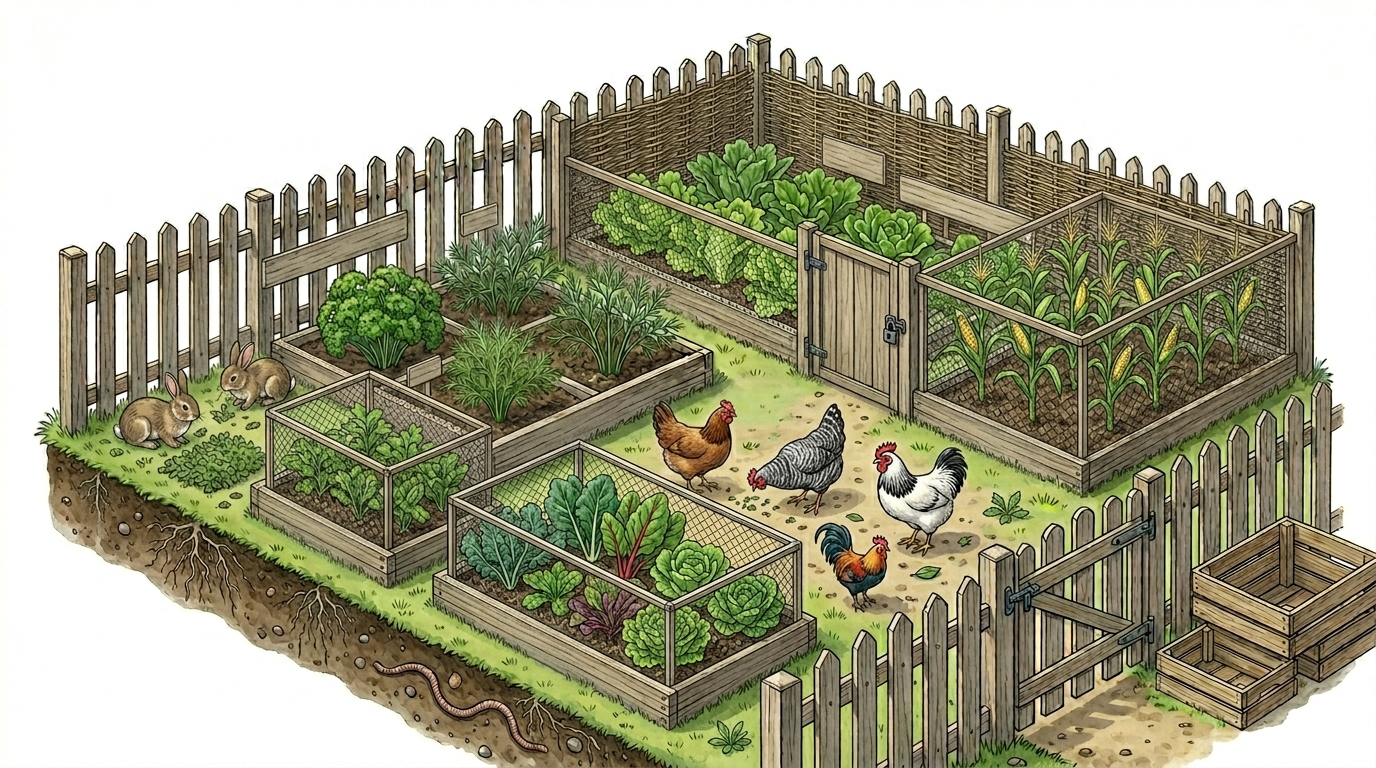
Guide
Chickens in the Garden: Safe Plants and Zones
Learn how to design a chicken-friendly garden with suitable plants, protected beds, and well-planned activity areas.
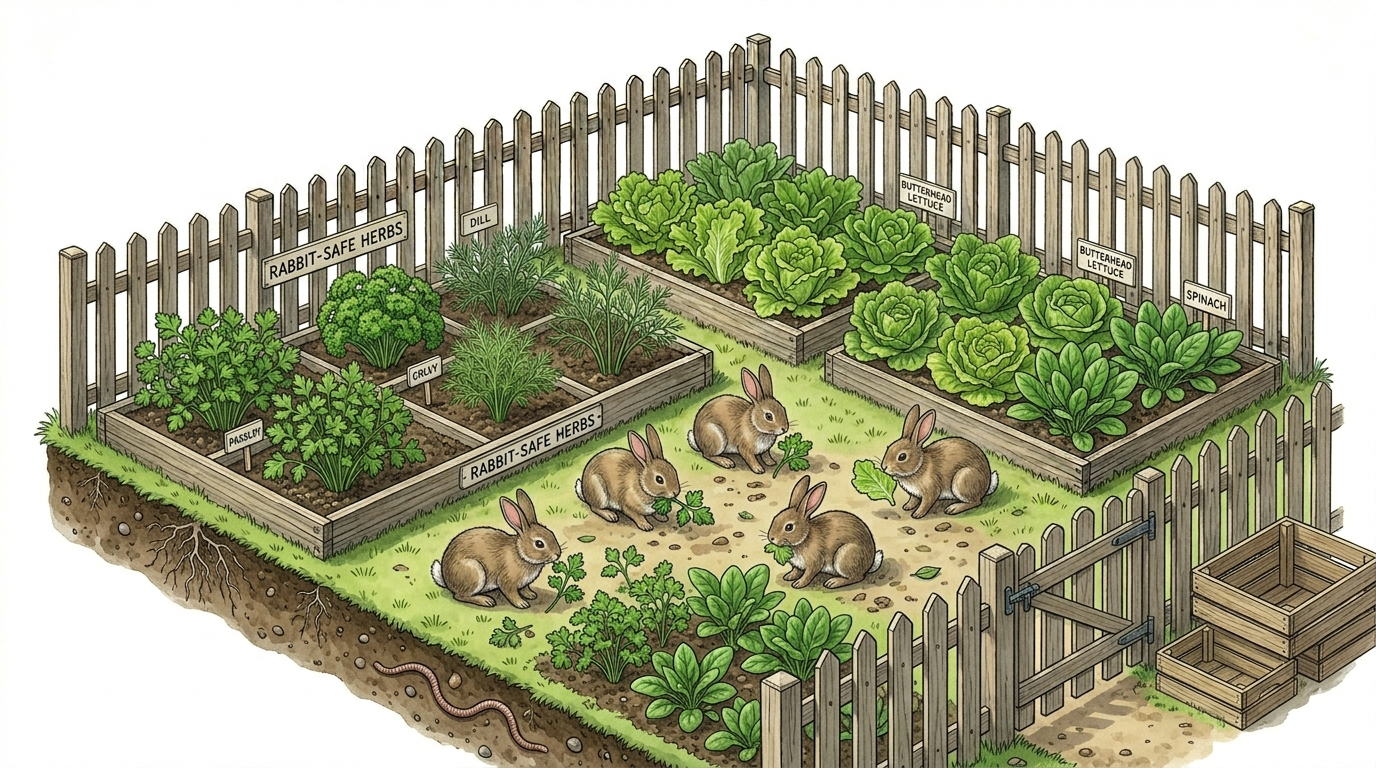
Guide
Rabbits in the Garden: Herbs and Vegetables
Learn how to choose suitable herbs and vegetables for rabbits, grow feeding plants, and plan a rabbit-friendly garden.
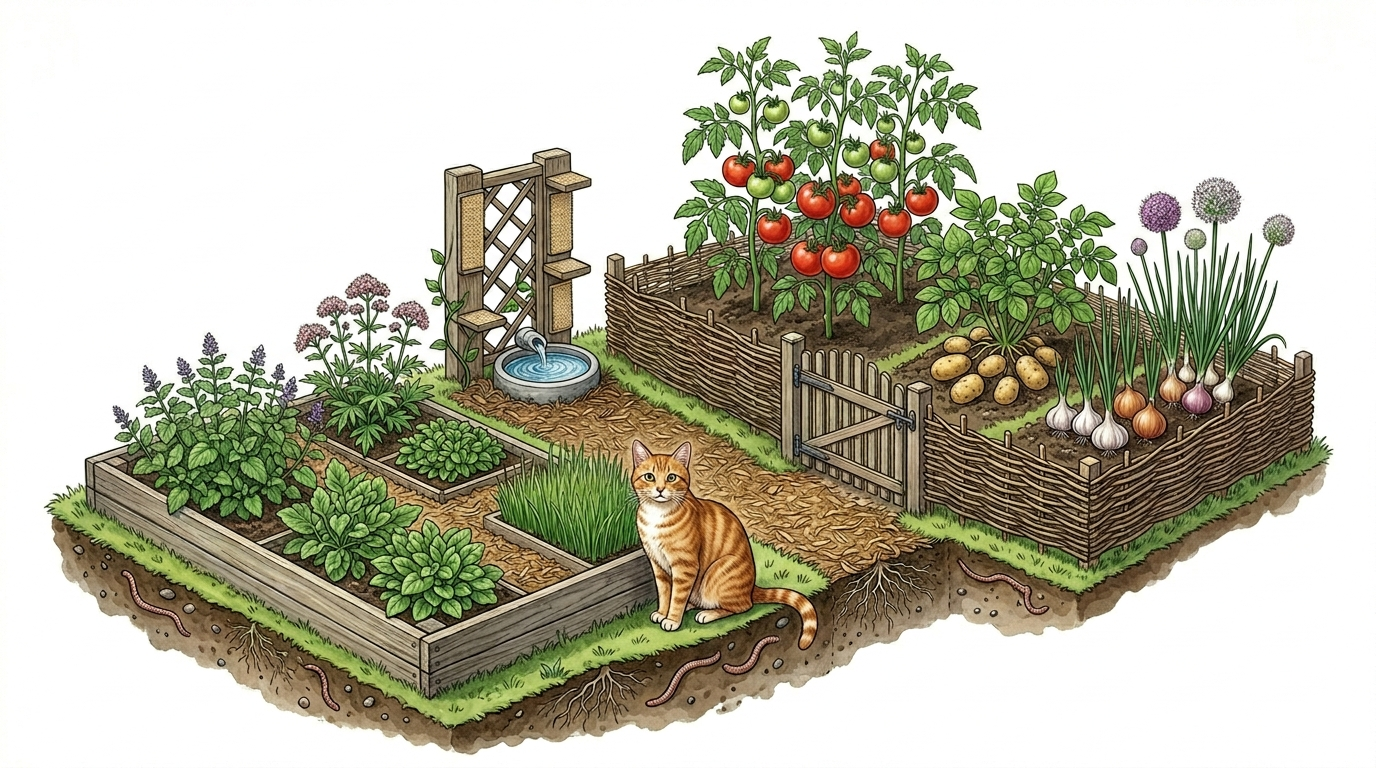
Guide
Toxic Garden Plants for Cats: Safer Planning
Learn which garden plants can be risky for cats, how to plan safer beds, and what to do if a cat eats a toxic plant.
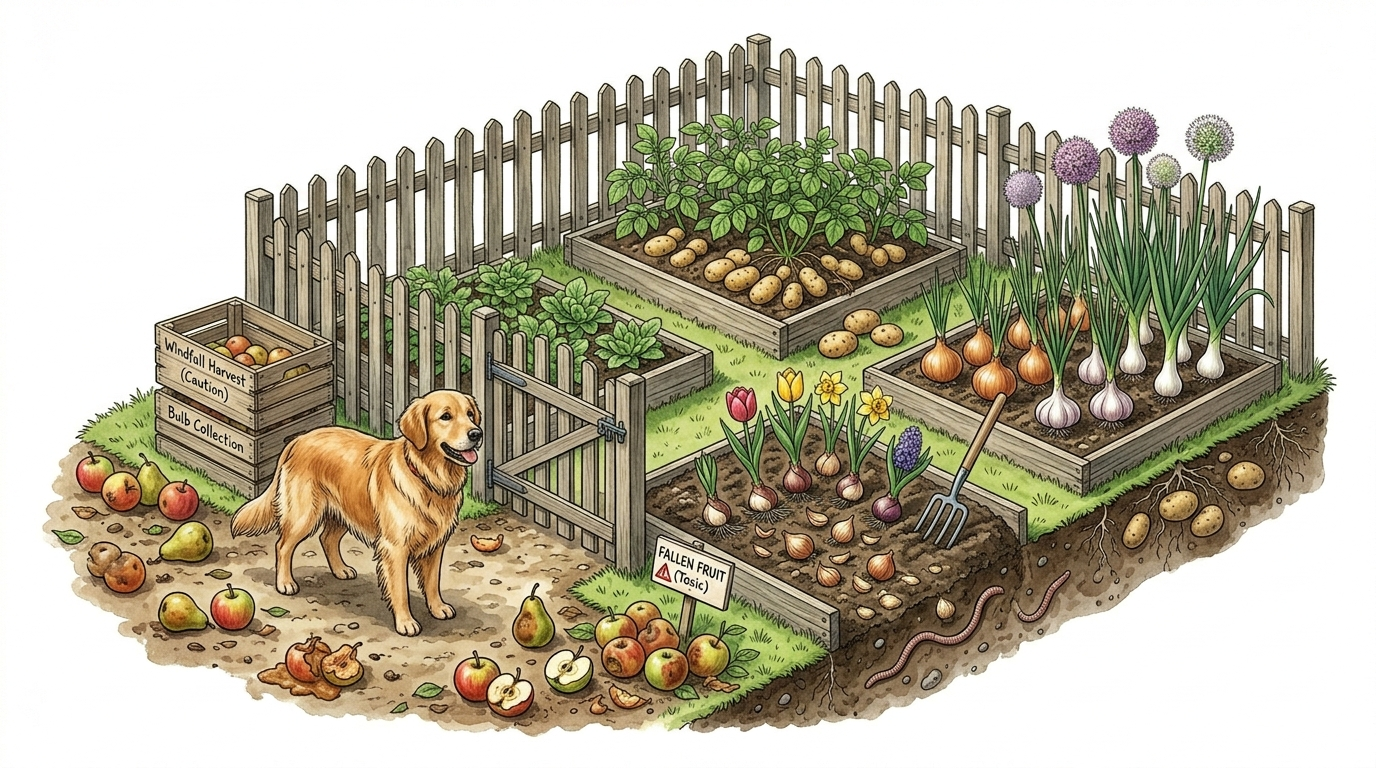
Guide
Dogs in the Garden: Windfall Fruit and Risks
Keep your garden dog-safe by managing windfall fruit, seeds, stored crops, and potentially problematic plant parts.
Internal links
Related plants
Onion
Belongs to the genus Allium, family Amaryllidaceae.
Both are bulb vegetables and belong to the Allium crop group.
Garlic
Belongs to the genus Allium, family Amaryllidaceae.
Both are bulb vegetables and belong to the Allium crop group.
Chives
Belongs to the genus Allium, family Amaryllidaceae.
Both belong to the Amaryllis family (Amaryllidaceae), genus Allium.
Leek
Belongs to the genus Allium, family Amaryllidaceae.
Both are bulb vegetables and belong to the Allium crop group.
Downy mildew
A common fungal infection in Allium species.
Onion yellow dwarf virus
A virus affecting various Allium species.
Lettuce
Both are medium feeders and benefit from balanced nutrient supply.
Spinach
Both are medium feeders and benefit from balanced nutrient supply.
Radish
Both require consistent moisture to thrive.
Sources
Public sources
- Wikidata entity
Wikidata · 2026-05-13
- GBIF species match
GBIF · 2026-05-13
- Deutschsprachige Wikipedia: Winterzwiebel
Wikipedia · 2026-05-13
- English Wikipedia: Allium fistulosum
Wikipedia · 2026-05-13