Plant Profile
ScorzoneraScorzonera
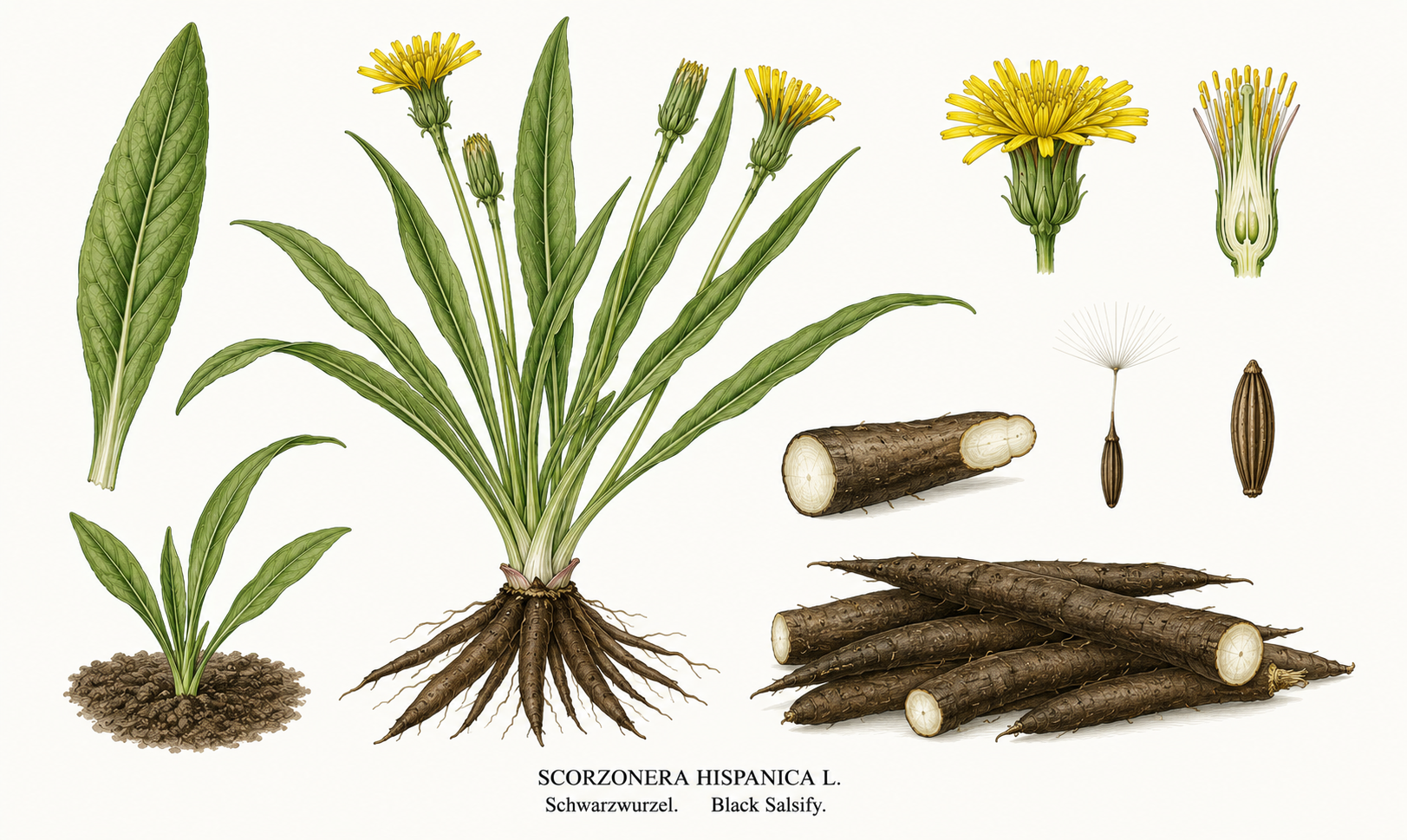
A nutritious root tuber with a mild flavor, ideal for autumn and winter harvest. Requires deep soil.
Quick profile
Key data
Suitable growing locations:
Good neighbors
StrawberryBeanCabbage
Avoid
FennelLettuceJerusalem artichoke
Indoor & direct sowing
Scorzonera: Sowing and germination
Direct sowing into the open ground from March, as soon as the soil is workable. Later sowings are possible until May.
Planting & site
Scorzonera: Planting and spacing
Site & practical notes
General: Scorzonera are a healthy and tasty root vegetable well-suited for home garden cultivation. Pay attention to deep soil and avoid waterlogging., Sowing: Direct sow into the open ground from March to May. Sow in rows with approx. 30-40 cm spacing. Germination takes 10-25 days. Keep the soil moist., Cultivation: Keep the bed free of weeds, especially in the early stages. Regular hoeing loosens the soil. Water during dry periods, but avoid waterlogging., Harvest: Harvest from October into late winter. The roots are frost-hardy and can remain in the ground. Dig carefully to avoid damaging the roots., Problems: Crooked roots due to stony or compacted soil are a common problem. Ensure adequate spacing and loose soil., Tips: To prevent discoloration when peeling, place the roots immediately in vinegar water after peeling. The roots are rich in inulin, which is good for gut health.
Temperature & frost
Scorzonera: Temperature and site
Water & nutrients
Scorzonera: Water, nutrients and care
Container & growth
Scorzonera: Container, support and growth
Year plan
Scorzonera Calendar
The harvest season extends from autumn to late spring, making scorzonera a valuable component of the winter harvest.
Recurring tasks
Relevant now
June
- Soil maintenanceweeds present or soil compacted: Keeps the soil loose and promotes root growth.
- Wateringdry weather: Consistent moisture is important for root development.
Next up
July
- Soil maintenanceweeds present or soil compacted: Prevents competition for water and nutrients.
- Wateringdry weather: Especially important during the root growth phase.
Monthly tasks
Single tasks from monthly data; repeated seasonal windows are shown in the overview above.
January
Quiet month
February
Quiet month
March
Direct sowing
- Direct sowing outdoorssoil workable: Sow in rows with approx. 30-40 cm spacing.
Harvest
- Harvest rootsroots mature: Last harvest of overwintered plants.
April
Direct sowing
- Repeat sowingsoil workable: For a continuous harvest.
Plant health
- Weed controlweeds present: Young plants are sensitive to competition.
May
Direct sowing
- Repeat sowingsoil workable: Late sowing for autumn harvest.
Plant health
- Weed controlweeds present: Especially important for young plants.
June
Growing
- Soil maintenanceweeds present or soil compacted: Keeps the soil loose and promotes root growth.
- Wateringdry weather: Consistent moisture is important for root development.
August
Growing
- Wateringdry weather: Ensures good development of storage roots.
Plant health
- Pest controlsigns of pests or disease: Possible pests include aphids and root-knot nematodes.
September
Harvest
- Harvest rootsroots mature: Depending on sowing time and weather.
Plant health
- Pest controlsigns of pests or disease: Preventive measures can help.
October
Quiet month
November
Harvest
- Harvest rootsroots mature: As long as the soil is not frozen.
Growing
- Loosen soilsoil compacted: Facilitates harvesting and prepares the soil for winter.
December
Harvest
- Harvest rootsroots mature and soil not frozen: The roots are frost-hardy and can overwinter in the ground.
Plant health
- Winter protectionsevere frost: A layer of mulch or brushwood can help.
Flowering & pollination
Scorzonera Flowering & pollination
Self-fertility
cross-pollinating
Pollinator needed
yes
Overview
Scorzonera are biennial plants that flower and produce seeds in their second year. The flowers are typical of the Asteraceae family and are pollinated by insects.
Notes
Bees and other insects visit the flowers. Cross-pollination is beneficial for good seed production.
Companion guide
Scorzonera Companion guide
Good neighbors
StrawberryBeanCabbage
Avoid
FennelLettuceJerusalem artichoke
Use & storage
Scorzonera Use & storage
Harvest can begin in October and continue into late winter or early spring, depending on the weather. The roots are frost-hardy and can overwinter in the ground.
Storage
Root vegetable
Storage life
In the refrigerator wrapped in a damp cloth or sand: 1-2 weeks. In a cool cellar in damp sand: several weeks to months.
Flavor
Mild, slightly sweet, nutty, earthy, reminiscent of asparagus or artichoke.
Harvest
Harvest can begin in October and continue into late winter or early spring, depending on the weather. The roots are frost-hardy and can overwinter in the ground.
Processing
After harvest
Wash the roots thoroughly after harvest and remove any adhering soil. Use damaged roots immediately. The roots are sensitive to drying out.
Edibility & safety
Scorzonera Edibility & safety
For people
In brief: which parts are edible, which parts remain risky, and whether raw consumption makes sense.
Safety notes
Scorzonera is non-toxic. The exuded latex may cause mild skin irritation in sensitive individuals.
Animal safety
For many animals, this plant is generally low-risk: 13 animal types are rated suitable or mostly suitable. Quantity, plant part, and individual tolerance still matter.
Each row shows which parts are more suitable and which parts are critical.
Companion animals
 Dog
DogRoot
Leaves and stems
Root
Leaves and stems
Ingestion of large amounts, Contact with exuded latex
Gastrointestinal upset, Skin irritation from latex contact
observe
The root of black salsify is edible for dogs and used as a root vegetable. Leaves and stems contain latex that may cause skin irritation in sensitive dogs. Consuming large amounts may cause gastrointestinal upset. Only feed the root in small amounts as an occasional treat. Avoid leaves and stems.
Open animal page Cat
CatRoot
No risk parts listed
Root
No risk parts listed
Overconsumption may cause gastrointestinal upset
usually no action needed
Scorzonera roots are edible for cats and used as a root vegetable. No known toxic compounds. Overconsumption may cause mild gastrointestinal upset due to fiber content. Leaves and stems are fibrous and less palatable but not toxic.
Open animal page Rabbit
Root
Leaves and stems
Root
Leaves and stems
Excessive consumption of the root, Contact with latex in sensitive animals
Gastrointestinal upset with excessive consumption, mild skin irritation from latex in sensitive animals
observe
The root of scorzonera is edible for rabbits and is occasionally fed as a treat. Leaves and stems contain more fiber and latex, which can cause gastrointestinal upset if consumed excessively. The latex may cause mild skin irritation in sensitive animals. At normal feeding amounts, the risk is low.
Open animal page Guinea pig
Root
Leaves and stems
Root
Leaves and stems
Excessive consumption may cause digestive issues, Leaves and stems are fibrous and less digestible
Gastrointestinal upset with excessive consumption, mild skin irritation from latex
observe
The root of Scorzonera is suitable for guinea pigs in small amounts as a treat. Leaves and stems should be avoided due to fiber content and potential latex irritation. Clean skin if exposed to latex. Consult a veterinarian if digestive upset occurs after consumption.
Open animal page Hamster
Root
Leaves and stems
Root
Leaves and stems
Overconsumption of the root, Contact with latex in sensitive animals
Gastrointestinal upset from overconsumption, mild skin irritation from latex in sensitive animals
observe
The root of scorzonera is suitable for hamsters in small amounts as a treat. Leaves and stems contain latex that may cause skin irritation in sensitive animals and should be avoided. Overconsumption may lead to gastrointestinal upset. Observe the animal for symptoms and contact a veterinarian if persistent issues arise.
Open animal page Budgie
No suitable parts listed
No risk parts listed
No suitable parts listed
No risk parts listed
Farm animals
 Horse
HorseRoot
No risk parts listed
Root
No risk parts listed
Overconsumption may cause digestive upset due to high fiber content
usually no action needed
Scorzonera is non-toxic to horses. The root is edible and can be fed as an occasional treat. Leaves and stems are theoretically edible but not recommended due to fiber and taste. No known toxic compounds for horses are documented. No risk with moderate feeding of the root. Excessive consumption may cause temporary digestive upset due to high fiber content. Exuded latex may cause mild skin irritation in sensitive…
Open animal page Chicken
Root
Leaves and stems
Root
Leaves and stems
Excessive consumption of root, Consumption of leaves or stems, Skin contact with latex in sensitive animals
Gastrointestinal upset from excessive consumption, mild skin irritation from latex
observe
The root of scorzonera is suitable for chickens in small amounts as a treat. Leaves and stems should be avoided due to high fiber content and possible latex. Skin contact with the latex may cause mild irritation. Excessive consumption may lead to gastrointestinal upset.
Open animal page Duck
DuckRoot
Leaves and stems
Root
Leaves and stems
Excessive consumption of root, Consumption of leaves or stems, Skin contact with latex in sensitive animals
Gastrointestinal upset from excessive consumption, mild skin irritation from latex
observe
No direct species-specific source was found for ducks. This is a cautious inference from the geese profile and the known plant-part risks.
Open animal page Goose
GooseRoot
Leaves and stems
Root
Leaves and stems
Excessive consumption of root, Consumption of leaves or stems, Skin contact with latex in sensitive animals
Gastrointestinal upset from excessive consumption, mild skin irritation from latex
observe
No direct species-specific source was found for geese. This is a cautious inference from the chickens profile and the known plant-part risks.
Open animal page Sheep
SheepRoot
Leaves and stems
Root
Leaves and stems
Leaves and stems are fibrous and less palatable, but excessive consumption may cause gastrointestinal upset
none from root consumption
usually no action needed
No direct species-specific source was found for sheep. This is a cautious inference from the goats profile and the known plant-part risks.
Open animal page Goat
GoatRoot
Leaves and stems
Root
Leaves and stems
Leaves and stems are fibrous and less palatable, but excessive consumption may cause gastrointestinal upset
none from root consumption
usually no action needed
The root of scorzonera is edible for goats and is occasionally fed as a treat. Leaves and stems are not toxic but are only suitable in small quantities due to their high fiber content and low nutritional value. The exuded latex may cause mild skin irritation in sensitive goats. No poisoning symptoms are expected with normal feeding of the root. Excessive consumption of leaves or stems may cause temporary digestive…
Open animal page Cattle
Root
Leaves and stems
Root
Leaves and stems
Leaves and stems are fibrous and less palatable, but excessive consumption may cause gastrointestinal upset
none from root consumption
usually no action needed
No direct species-specific source was found for cattle. This is a cautious inference from the sheep profile and the known plant-part risks.
Open animal page Pig
PigRoot
No risk parts listed
Root
No risk parts listed
usually no action needed
The root of Scorzonera is edible for pigs and is used as feed in some regions. No known toxic effects at normal feeding levels. The latex may cause mild skin irritation in sensitive animals, but is not relevant upon oral ingestion.
Open animal pageThese guidelines are for general information only and do not replace veterinary diagnosis. If critical plant parts were ingested or the animal shows unusual behaviour or symptoms, seek veterinary advice.
Max risk
unknown
Highest status
not established
Urgency
unknown
Saving seed
Scorzonera Saving seed
Seed viability
2 - 3 years
Practical tips
Scorzonera Practical tips
Common beginner mistakes
Success pattern
High-impact tips
Grower observations
Plant Profile
Additional plant images
Health
Pests, Diseases
Plant health
Diagnosis help
Scorzonera Diagnosis help
Pest groups
Disease groups
Prevention
Diagnosis
Symptoms such as yellowing leaves, growth disturbances, or visible pests/disease signs on the soil or plants indicate problems. Accurate identification is important for correct control.
Cultural prevention
Monitoring
First response
Diagnostic rules
Small, orange to brown pustules on the underside of leaves, followed by yellowing.
Possible causes: Rust
- Check humidity
- Assess ventilation
- Examine affected leaves
Yellowish spots on the upper leaf surface, grey coating on the underside.
Possible causes: Downy mildew
- Check weather conditions (damp?)
- Check watering method (overhead?)
- Examine affected leaves
Plants wilt despite moist soil, roots are mushy or discolored.
Possible causes: Root rot
- Check soil condition (waterlogging?)
- Assess site drainage
- Expose and examine roots
FAQ
When is the best time to sow scorzonera?
The best time to sow scorzonera is from March to May directly into the open ground, as soon as the soil is workable.
How deep should I sow scorzonera?
Sow the seeds about 1 to 2 cm deep into the soil.
Why are my scorzonera roots crooked?
Crooked roots are often the result of stony, compacted, or shallow soil. Thorough soil loosening before sowing and removing stones will help.
What is the best way to store scorzonera?
Store scorzonera cool and moist, e.g., in a cellar in damp sand or in the refrigerator wrapped in a damp cloth. They will keep for several weeks to months this way.
Can scorzonera also be grown in pots?
Due to their deep taproot, scorzonera are rather unsuitable for pot cultivation. They require deep soil.
Is Scorzonera safe for Dog?
Scorzonera is classified as moderation only for Dog. Risk: unknown. Urgency: observe. The root of black salsify is edible for dogs and used as a root vegetable. Leaves and stems contain latex that may cause skin irritation in sensitive dogs. Consuming large amounts may cause gastrointestinal upset. Only feed the root in small amounts as an occasional treat. Avoid leaves and stems.
Is Scorzonera safe for Cat?
Scorzonera is classified as moderation only for Cat. Risk: unknown. Urgency: usually no action needed. Scorzonera roots are edible for cats and used as a root vegetable. No known toxic compounds. Overconsumption may cause mild gastrointestinal upset due to fiber content. Leaves and stems are fibrous and less palatable but not toxic.
Is Scorzonera safe for Rabbit?
Scorzonera is classified as moderation only for Rabbit. Risk: unknown. Urgency: observe. The root of scorzonera is edible for rabbits and is occasionally fed as a treat. Leaves and stems contain more fiber and latex, which can cause gastrointestinal upset if consumed excessively. The latex may cause mild skin irritation in sensitive animals. At normal feeding amounts, the risk is low.
Is Scorzonera safe for Guinea pig?
Scorzonera is classified as moderation only for Guinea pig. Risk: unknown. Urgency: observe. The root of Scorzonera is suitable for guinea pigs in small amounts as a treat. Leaves and stems should be avoided due to fiber content and potential latex irritation. Clean skin if exposed to latex. Consult a veterinarian if digestive upset occurs after consumption.
Guides
Related guides
Guide
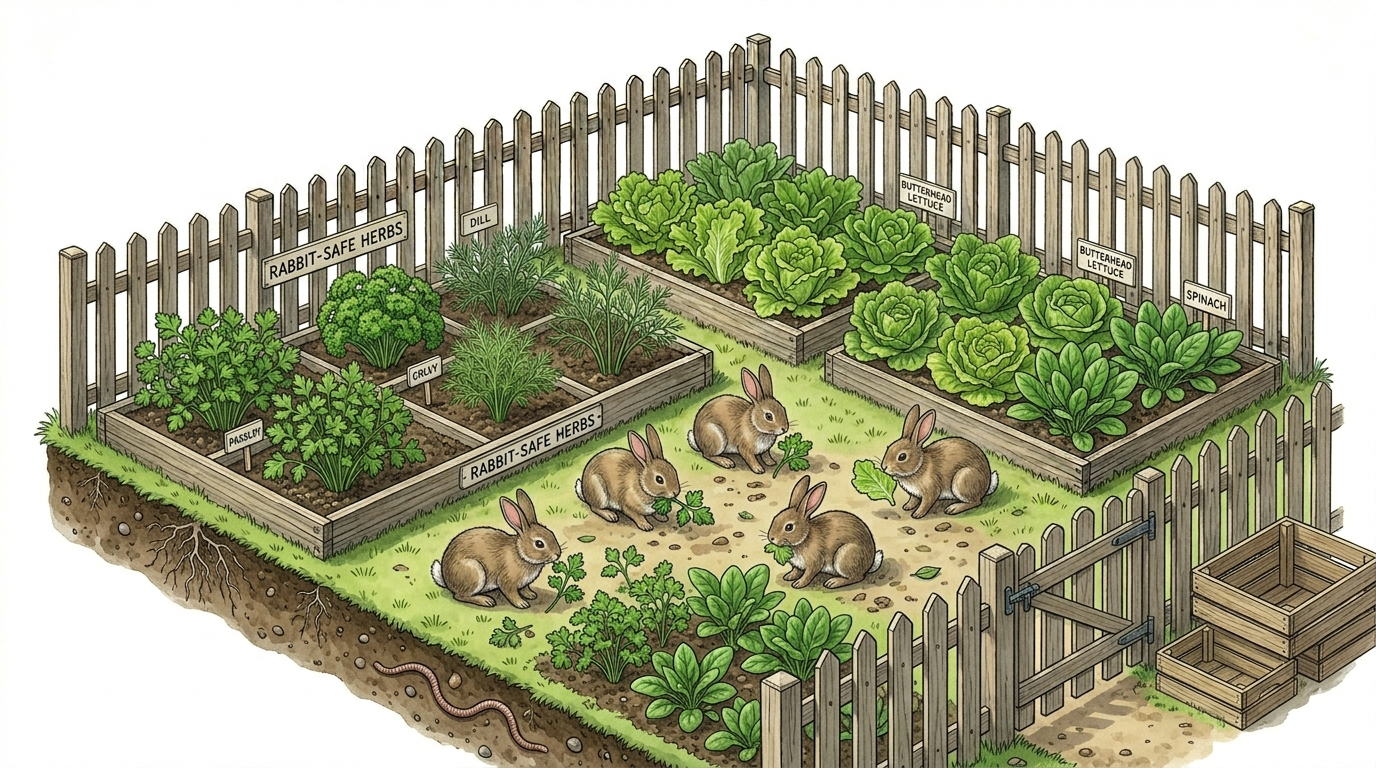
Rabbits in the Garden: Herbs and Vegetables
Learn how to choose suitable herbs and vegetables for rabbits, grow feeding plants, and plan a rabbit-friendly garden.
Guide
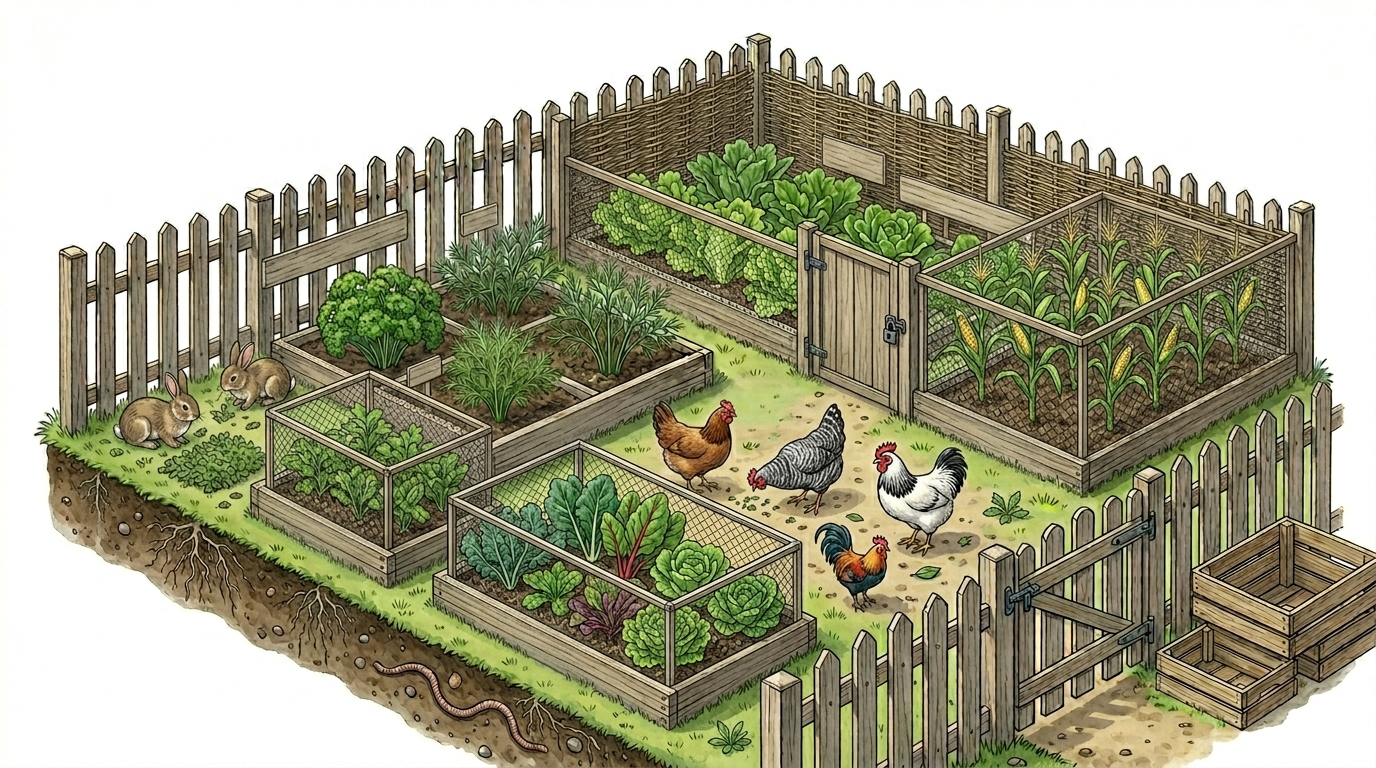
Chickens in the Garden: Safe Plants and Zones
Learn how to design a chicken-friendly garden with suitable plants, protected beds, and well-planned activity areas.
Guide
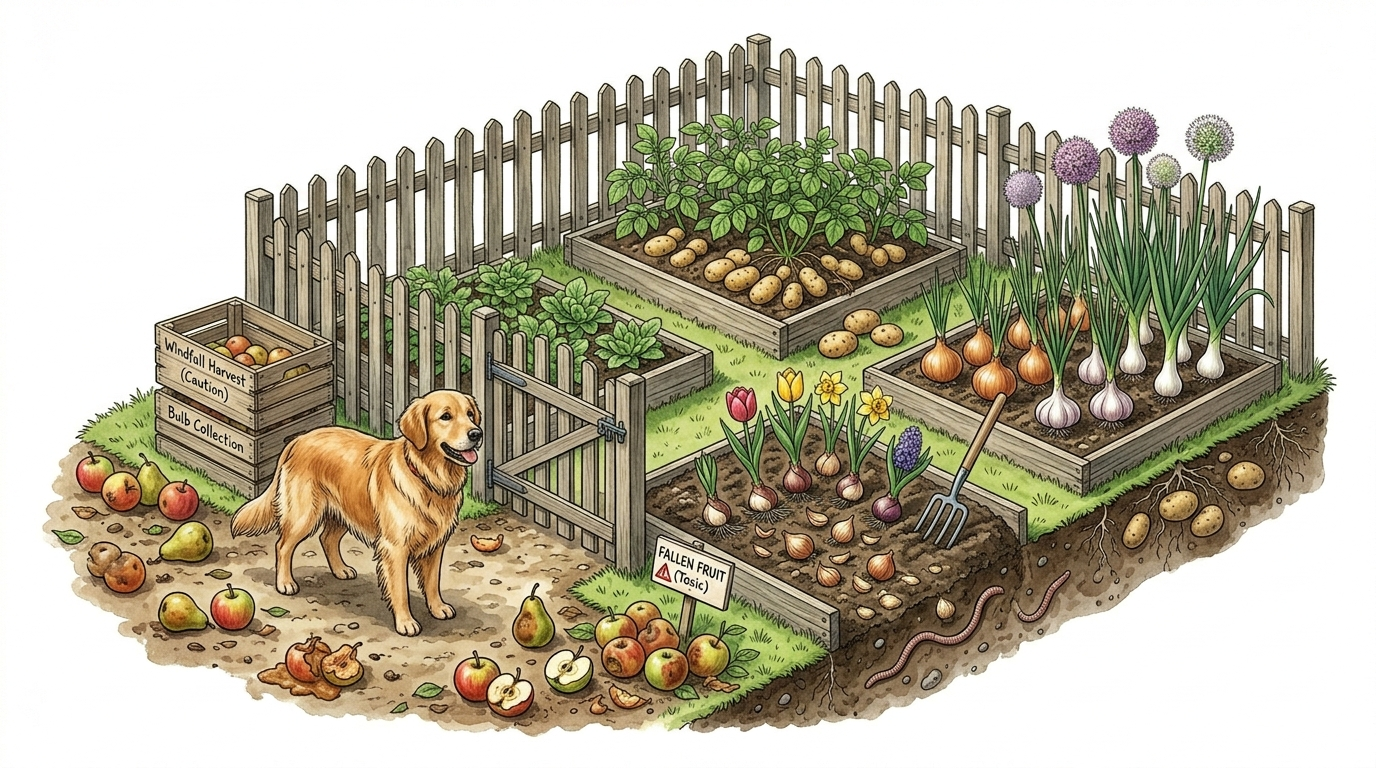
Dogs in the Garden: Windfall Fruit and Risks
Keep your garden dog-safe by managing windfall fruit, seeds, stored crops, and potentially problematic plant parts.
Guide
Horse Pastures and Garden Plants: Safety Checks
Learn how to identify risks near horse pastures, fences, turnout areas, fruit trees, and garden planting zones.
Internal links
Related plants
Lettuce
Both belong to the Asteraceae family.
Belong to the same plant family (Asteraceae) and have similar cultivation requirements.
Jerusalem artichoke
Both belong to the Asteraceae family.
Both belong to the Asteraceae family and are root vegetables, but Jerusalem artichoke has a different texture and taste.
Carrot
Both are root vegetables.
Require similar nutrient levels, especially potassium for root development.
Radish
Both are root vegetables.
kohlrabi
Both prefer consistent soil moisture and are sensitive to drought stress.
Sunflower
Belong to the same plant family (Asteraceae).
Thistle
Both are members of the Asteraceae family.
Asparagus
Similar taste and culinary use as 'winter asparagus'.
Parsnip
Both are root vegetables with similar growth form and harvest time.
Sources
Public sources
- Wikidata entity
Wikidata · 2026-05-15
- GBIF species match
GBIF · 2026-05-15
- Deutschsprachige Wikipedia: Schwarzwurzeln
Wikipedia · 2026-05-15
- English Wikipedia: Scorzonera
Wikipedia · 2026-05-15