Plant Profile
cutting lettuceLactuca sativa var. crispa
Cutting lettuce is a popular and easy-to-grow vegetable variety, characterized by its fast-growing, loose leaf rosettes. It is ideal for cultivation in the garden, on the balcony, or even on the windowsill. Through regular sowings, you can harvest fresh leaves over a long period. Cutting lettuce is rich in vitamins and minerals and a valuable addition to a healthy diet.
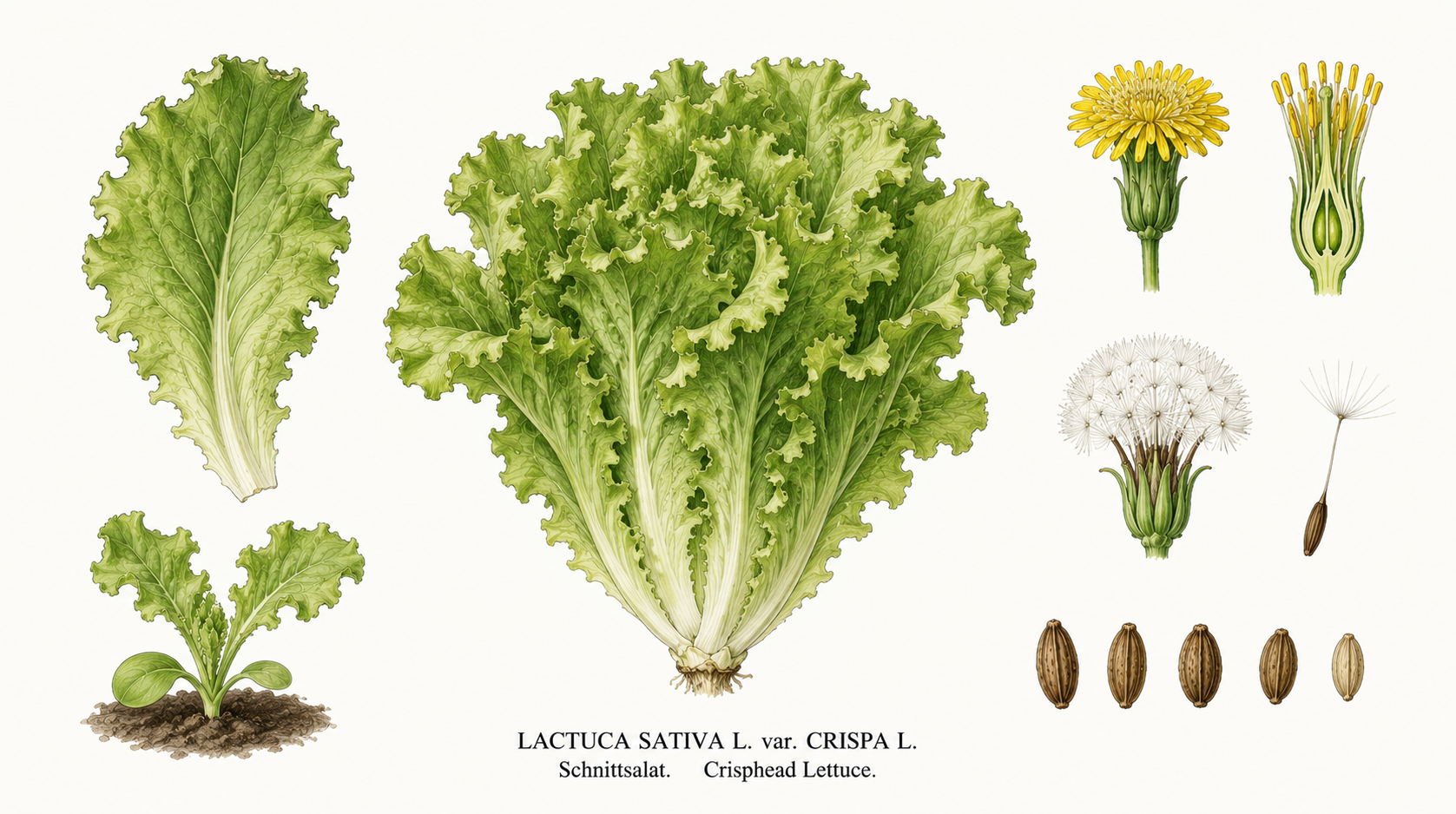
Quick profile
Key data
Suitable growing locations:
Indoor & direct sowing
cutting lettuce: Sowing and germination
Sow from February on the windowsill or in the greenhouse. Later sowing in the open field is also possible.
Direct sowing into the open field from April to August. For continuous harvest, several sowings at 2-3 week intervals are recommended.
Planting & site
cutting lettuce: Planting and spacing
Pre-cultivated young plants can be planted outdoors from April, once the risk of frost has passed. Ensure adequate spacing.
Site & practical notes
Temperature & frost
cutting lettuce: Temperature and site
Water & nutrients
cutting lettuce: Water, nutrients and care
Container & growth
cutting lettuce: Container, support and growth
Year plan
cutting lettuce Calendar
Through regular sowings from spring to late summer, you can harvest fresh lettuce almost year-round.
Recurring tasks
Relevant now
June
- No additional single task
Next up
July
- No additional single task
Monthly tasks
Single tasks from monthly data; repeated seasonal windows are shown in the overview above.
January
Quiet month
February
Direct sowing
- Sowing in the greenhouse or on the windowsill for pre-cultivationindoors: Start of sowing for early harvests.
March
Direct sowing
- First sowings in the open field possible, depending on weatheroutdoors: Early sowing if the soil is workable.
- Sowing in the greenhouse or on the windowsill for pre-cultivationindoors: Continuation of pre-cultivation.
April
Planting
- Planting out pre-cultivated young plants into the open fieldoutdoors: After the last frosts.
Harvest
- Sowing in the open field for continuous harvestoutdoors: Regular sowing every 2-3 weeks for replenishment.
May
Plant health
- Water regularly and check for pestsoutdoors: Lettuce requires consistent moisture.
June
No additional single task
August
Harvest
- Last sowings in the open field for a late harvestoutdoors: Sowing for autumn harvest.
September
Harvest
- Harvest of late sowingsoutdoors: Start of autumn harvest.
Growing
- Provide protection from strong sunlight if neededoutdoors: Can help delay bolting.
October
Harvest
- Continuous harvest until the first frostoutdoors: Harvest as long as temperatures are mild.
November
Quiet month
December
Quiet month
Flowering & pollination
cutting lettuce Flowering & pollination
Self-fertility
high
Pollinator needed
no
Overview
Cutting lettuce is self-pollinating. The flowers are small and inconspicuous. Cross-pollination by insects is possible for seed production but not strictly necessary.
Notes
Although self-pollinating, insects like bees and flies can contribute to pollination and increase genetic diversity, which can be beneficial for seed quality.
Companion guide
cutting lettuce Companion guide
Use & storage
cutting lettuce Use & storage
Harvest begins from April/May, depending on sowing time. Leaves can be harvested continuously from the outside in. With later sowing, harvest continues into autumn.
Storage
Fresh vegetable
Storage life
2-4 days in the refrigerator
Harvest
Harvest begins from April/May, depending on sowing time. Leaves can be harvested continuously from the outside in. With later sowing, harvest continues into autumn.
Processing
After harvest
Store harvested leaves cool immediately. Do not wash until use, keep dry to prevent spoilage. Handle gently to avoid bruising.
Edibility & safety
cutting lettuce Edibility & safety
For people
In brief: which parts are edible, which parts remain risky, and whether raw consumption makes sense.
Safety notes
All parts of cutting lettuce are edible and non-toxic. If the plant bolts prematurely, the leaves may become bitter, but this is not a health concern.
Animal safety
For many animals, this plant is generally low-risk: 14 animal types are rated suitable or mostly suitable. Quantity, plant part, and individual tolerance still matter.
Each row shows which parts are more suitable and which parts are critical.
Companion animals
 Dog
DogLeaves
No risk parts listed
Leaves
No risk parts listed
Overconsumption may cause gastrointestinal upset due to high water and fiber content.
Gastrointestinal upset (with overconsumption)
usually no action needed
Cutting lettuce (Lactuca sativa var. crispa) is safe for dogs in normal amounts and is commonly used as a low-calorie snack. All parts of the plant are edible and contain no known toxic compounds for dogs. Overconsumption may cause temporary gastrointestinal upset due to high water and fiber content.
Open animal page Cat
CatLeaves
No risk parts listed
Leaves
No risk parts listed
Overconsumption may cause gastrointestinal upset.
Gastrointestinal upset (with overconsumption)
usually no action needed
Cutting lettuce (Lactuca sativa var. crispa) is safe for cats and can be fed as an occasional treat. All parts of the plant are edible and non-toxic. If the plant bolts prematurely, the leaves may become bitter, but this is not a health concern. Overconsumption may cause mild gastrointestinal upset.
Open animal page Rabbit
Leaves
No risk parts listed
Leaves
No risk parts listed
Overconsumption may lead to soft stools due to high water content
Soft stools (with overconsumption)
usually no action needed
Cutting lettuce is safe for rabbits and is commonly used as part of their diet. Leaves are the preferred part and can be fed regularly. Due to high water content, it should not be the sole food source.
Open animal page Guinea pig
Leaves
No risk parts listed
Leaves
No risk parts listed
Overconsumption may lead to soft stools due to high water and fiber content
Soft stools (with overconsumption)
usually no action needed
Cutting lettuce is safe for guinea pigs and commonly used as part of their diet. It is low in calories but provides important vitamins and fiber. Due to its high water content, it should not be the sole food source but part of a varied diet with hay and other vegetables.
Open animal page Hamster
Leaves
No risk parts listed
Leaves
No risk parts listed
High water content can lead to diarrhea with overconsumption.
Diarrhea (with overconsumption)
usually no action needed
Cutting lettuce (Lactuca sativa var. crispa) is safe for hamsters and can be fed as part of a balanced diet. All parts of the plant are edible and contain no known toxic compounds. However, due to its high water content, feeding should be done in moderation to avoid diarrhea.
Open animal page Budgie
Leaves
No risk parts listed
Leaves
No risk parts listed
High water content can lead to loose droppings with overconsumption.
Loose droppings (with overconsumption)
usually no action needed
Cutting lettuce is safe for budgies and can be fed regularly as part of a balanced diet. The leaves are low in nutrients but well-tolerated, and budgies often enjoy them due to their high water content and crisp texture. Sudden diet changes or excessive consumption may lead to loose droppings, which is harmless and typically resolves quickly. No known toxic compounds or adverse effects have been observed with…
Open animal pageFarm animals
 Horse
HorseLeaves
No risk parts listed
Leaves
No risk parts listed
Introduction of new feeds should be gradual to avoid digestive upset.
usually no action needed
Cutting lettuce (Lactuca sativa var. crispa) is safe for horses and can be fed as part of a balanced diet. All parts of the plant are edible and contain no known toxic compounds. If the plant bolts prematurely, leaves may become bitter, which may reduce palatability but does not pose a health risk. As with any feed change, introduction should be gradual to avoid digestive upset.
Open animal page Chicken
Leaves
No risk parts listed
Leaves
No risk parts listed
High water content can lead to loose droppings with overconsumption.
Loose droppings (with overconsumption)
usually no action needed
Cutting lettuce is safe for chickens and can be fed as part of a balanced diet. The leaves are nutritious and well accepted. Overconsumption may lead to loose droppings due to high water content, which is harmless. No known toxic compounds in Lactuca sativa.
Open animal page Duck
DuckLeaves
No risk parts listed
Leaves
No risk parts listed
Introduction of new feeds should be gradual to avoid digestive upset.
usually no action needed
Cutting lettuce (Lactuca sativa var. crispa) is safe for ducks and can be included in their diet. All parts of the plant are edible and non-toxic. If the plant bolts prematurely, the leaves may become bitter, but this is not a health concern. As fresh greens, it provides moisture and some nutrients, but should be part of a balanced diet.
Open animal page Goose
GooseLeaves
No risk parts listed
Leaves
No risk parts listed
High water content can lead to loose droppings with overconsumption.
Loose droppings (with overconsumption)
usually no action needed
Cutting lettuce is safe for geese and commonly used as part of their diet. Leaves are safe and nutritious. Overconsumption may lead to loose droppings. No known toxic compounds in this lettuce variety.
Open animal page Sheep
SheepLeaves
No risk parts listed
Leaves
No risk parts listed
Introduction of new feeds should be gradual to avoid digestive upset.
usually no action needed
Cutting lettuce is safe for sheep and is commonly accepted as fresh green forage. All parts are edible and non-toxic. If the plant bolts prematurely, leaves may become bitter, reducing palatability but posing no health risk. As with any fresh feed, gradual introduction is recommended to avoid digestive upset.
Open animal page Goat
GoatLeaves
No risk parts listed
Leaves
No risk parts listed
Overconsumption may cause temporary diarrhea due to high water content
Loose stools (with overconsumption)
usually no action needed
Cutting lettuce (Lactuca sativa var. crispa) is safe for goats and is commonly accepted as fresh greens. All parts are edible and contain no known toxic compounds. Sudden diet changes or overconsumption may lead to loose stools due to high water content, but this is not poisoning. Regular feeding as part of a balanced diet is unproblematic.
Open animal page Cattle
Leaves
No risk parts listed
Leaves
No risk parts listed
Introduction of new feeds should be gradual to avoid digestive upset.
usually no action needed
Cutting lettuce (Lactuca sativa var. crispa) is suitable for cattle as leaf lettuce and is commonly used as fresh green forage. All parts are edible and non-toxic. If the plant bolts prematurely, leaves may become bitter, reducing palatability but posing no health risk. No known toxic compounds or species-specific poisoning cases documented in cattle.
Open animal page Pig
PigLeaves
No risk parts listed
Leaves
No risk parts listed
Introduction of new feeds should be gradual to avoid digestive upset.
usually no action needed
Cutting lettuce is safe for pigs and can be fed as part of a balanced diet. The leaves are nutritious and well-tolerated. If the plant bolts prematurely, the leaves may become bitter, which may reduce palatability but does not pose a health risk.
Open animal pageThese guidelines are for general information only and do not replace veterinary diagnosis. If critical plant parts were ingested or the animal shows unusual behaviour or symptoms, seek veterinary advice.
Max risk
unknown
Highest status
moderation only
Urgency
usually no action needed
Saving seed
cutting lettuce Saving seed
Seed viability
2 - 3 years
Practical tips
cutting lettuce Practical tips
Common beginner mistakes
Success pattern
High-impact tips
Grower observations
Plant Profile
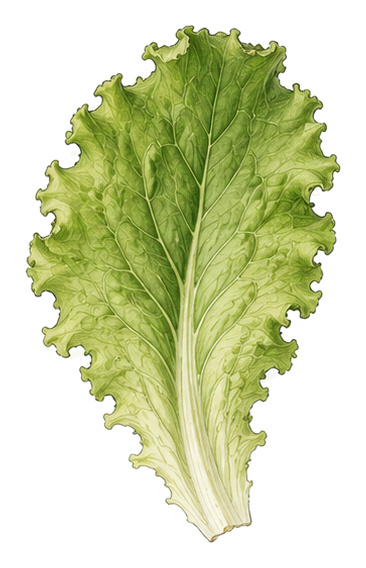
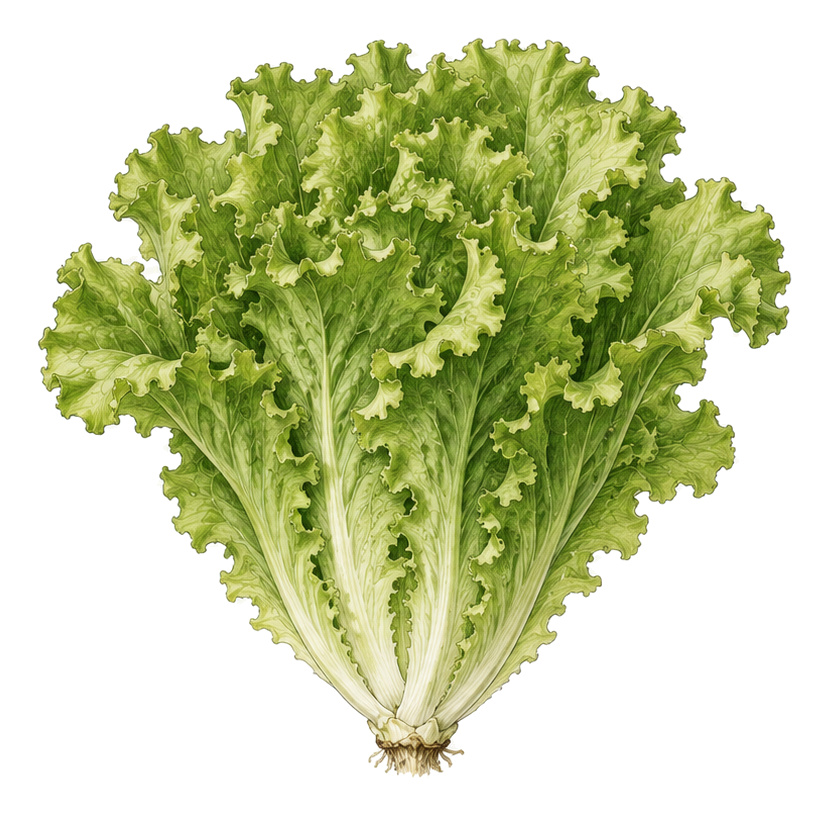
Additional plant images
Health
Pests, Diseases
Pests
Aphids
Small, sucking insects that colonize leaves and stems, feeding on plant sap. They can cause yellowing, growth disorders, and transmit viruses.
Slugs (especially young plants)
Naked slugs eat holes in the leaves; young plants are particularly vulnerable. They are nocturnal and leave slimy trails.
Leaf miners
The larvae of leaf miners tunnel within the leaves, creating serpentine galleries. This weakens the plant and reduces yield.
Diseases
Downy mildew
Fungal disease characterized by yellowish spots on the upper leaf surface and a grayish-brown to purplish spore growth on the underside. Often occurs in humid weather.
Root rot
Caused by various fungi and bacteria, often due to waterlogging. Leads to wilting, yellowing, and eventual plant death.
Bolting (premature flowering)
Lettuce plants prematurely form flower stalks, especially under stress conditions like heat, drought, or nutrient deficiency. The leaves then become bitter and unpalatable.
Deficiencies
Calcium deficiency
Leads to growth disorders, especially at young leaves and shoot tips. Leaf margins may become wilted or necrotic.
Magnesium deficiency
Manifests as chlorosis (yellowing) between the leaf veins, while the veins themselves remain green. Often affects older leaves first.
Plant health
Diagnosis help
cutting lettuce Diagnosis help
Pest groups
Disease groups
Prevention
Diagnosis
Diagnosis of problems in cutting lettuce is based on observing symptoms such as leaf discoloration, feeding damage, wilting, or premature flowering. Distinguishing between pests, diseases, and physiological disorders is important for correct treatment.
Cultural prevention
Monitoring
First response
Diagnostic rules
Yellowish spots on leaves with grayish-brown growth on the underside
Possible causes: Downy mildew
- Check humidity
- Improve ventilation
- Examine affected leaves
Wilting of the plant despite moist soil, rotten roots
Possible causes: Root rot
- Check soil for waterlogging
- Examine roots
Premature flowering, bitter leaves
Possible causes: Bolting
- Check temperature and water supply
- Identify variety
FAQ
When is the best time to sow cutting lettuce?
Cutting lettuce can be sown from spring to late summer. For an early harvest, sow in the greenhouse or on the windowsill from February, and in the open field from April. Regular sowings every 2-3 weeks ensure continuous harvest.
Why is my cutting lettuce bolting?
Bolting is usually triggered by heat, drought, or nutrient deficiency. Choose bolt-resistant varieties, ensure consistent watering, and provide partial shade during extreme heat if necessary.
How do I harvest cutting lettuce correctly?
Harvest the outer leaves from the outside inwards, allowing the inner leaves to continue growing. This enables multiple harvests from the same plant. Alternatively, you can cut the entire plant about 1-2 cm above the ground, which often leads to regrowth.
Can I grow cutting lettuce in a pot?
Yes, cutting lettuce is very suitable for growing in pots, window boxes, or other containers. Ensure sufficient depth and good drainage. Regular watering is important, as soil in containers dries out faster.
Is cutting lettuce safe for Dog?
cutting lettuce is classified as moderation only for Dog. Risk: unknown. Urgency: usually no action needed. Cutting lettuce (Lactuca sativa var. crispa) is safe for dogs in normal amounts and is commonly used as a low-calorie snack. All parts of the plant are edible and contain no known toxic compounds for dogs. Overconsumption may cause temporary gastrointestinal upset due to high water and fiber content.
Is cutting lettuce safe for Cat?
cutting lettuce is classified as moderation only for Cat. Risk: unknown. Urgency: usually no action needed. Cutting lettuce (Lactuca sativa var. crispa) is safe for cats and can be fed as an occasional treat. All parts of the plant are edible and non-toxic. If the plant bolts prematurely, the leaves may become bitter, but this is not a health concern. Overconsumption may cause mild gastrointestinal upset.
Is cutting lettuce safe for Rabbit?
cutting lettuce is classified as suitable for Rabbit. Risk: unknown. Urgency: usually no action needed. Cutting lettuce is safe for rabbits and is commonly used as part of their diet. Leaves are the preferred part and can be fed regularly. Due to high water content, it should not be the sole food source.
Is cutting lettuce safe for Guinea pig?
cutting lettuce is classified as suitable for Guinea pig. Risk: unknown. Urgency: usually no action needed. Cutting lettuce is safe for guinea pigs and commonly used as part of their diet. It is low in calories but provides important vitamins and fiber. Due to its high water content, it should not be the sole food source but part of a varied diet with hay and other vegetables.
Guides
Related guides
Guide
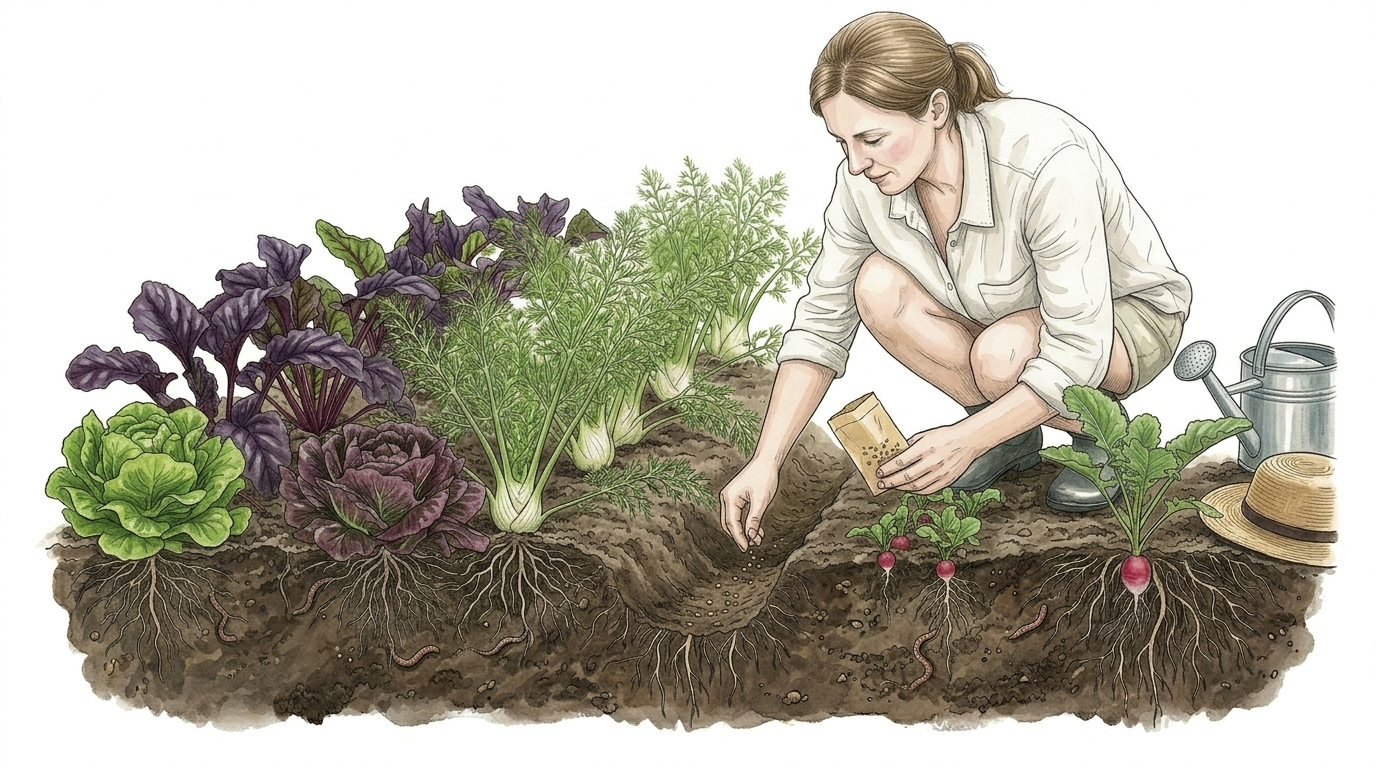
What to Sow in June: Succession Crops and Autumn Harvests
Discover which vegetables to sow in June for succession planting, filling gaps in beds, and planning autumn harvests.
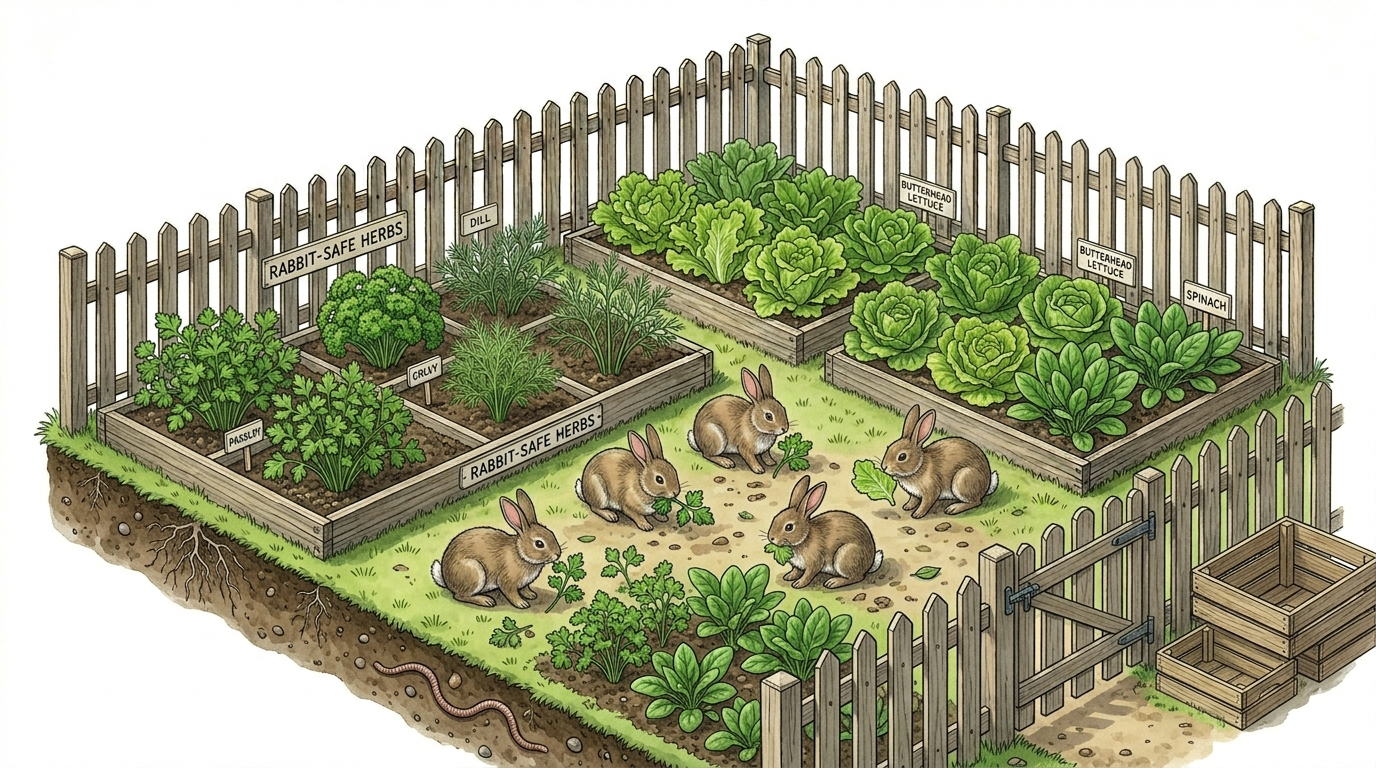
Guide
Rabbits in the Garden: Herbs and Vegetables
Learn how to choose suitable herbs and vegetables for rabbits, grow feeding plants, and plan a rabbit-friendly garden.
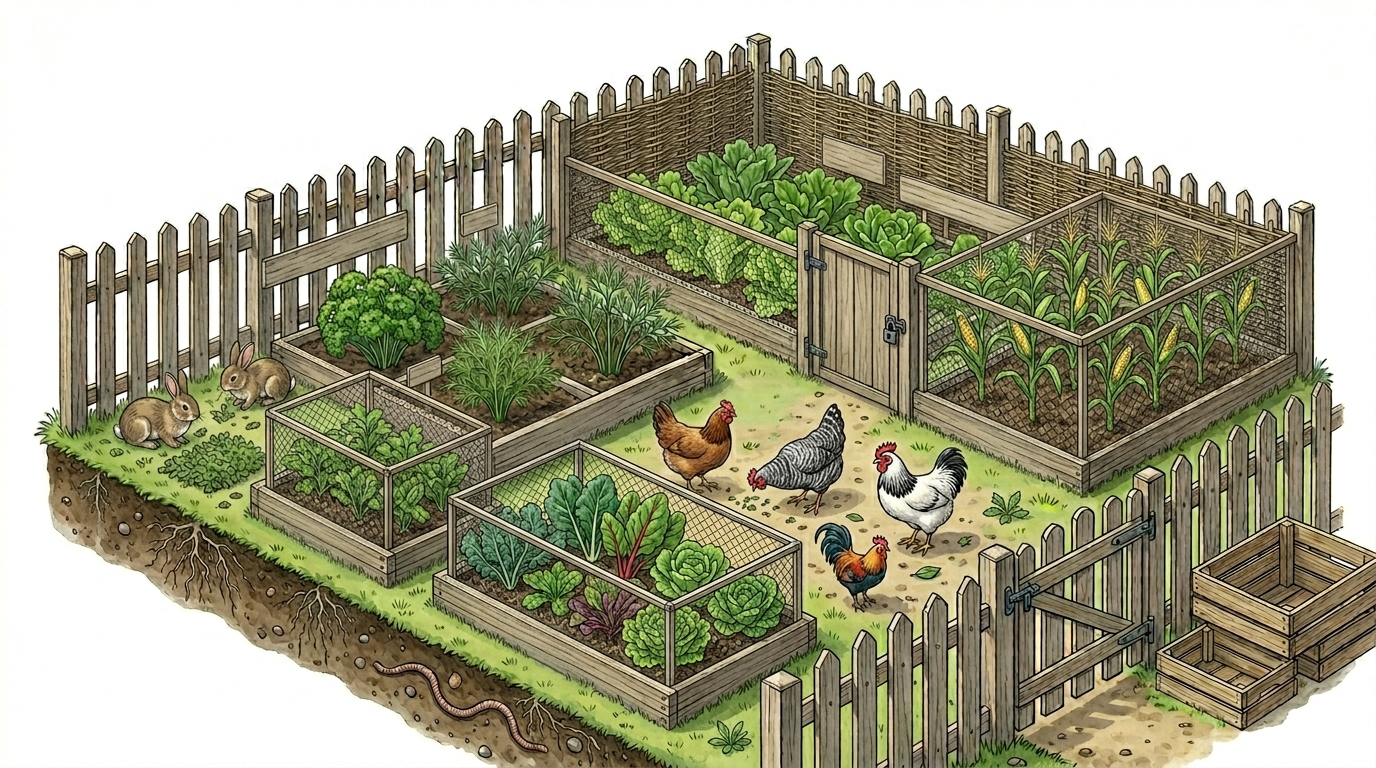
Guide
Chickens in the Garden: Safe Plants and Zones
Learn how to design a chicken-friendly garden with suitable plants, protected beds, and well-planned activity areas.
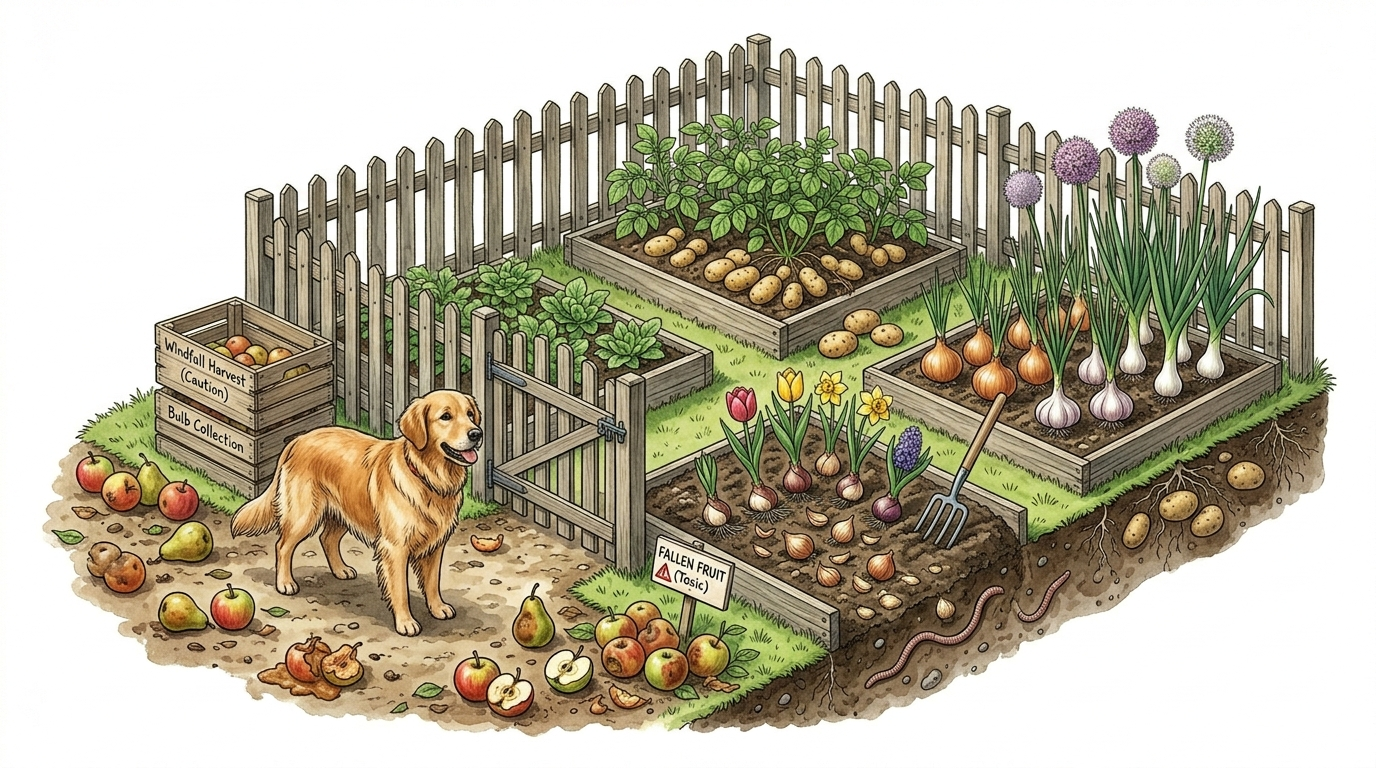
Guide
Dogs in the Garden: Windfall Fruit and Risks
Keep your garden dog-safe by managing windfall fruit, seeds, stored crops, and potentially problematic plant parts.
Internal links
Related plants
Sunflower
Both belong to the Asteraceae family.
Dandelion
Both belong to the Asteraceae family.
Butterhead lettuce
Both are lettuces and belong to the species Lactuca sativa.
Belongs to the same species (Lactuca sativa) and has similar cultivation requirements.
Romaine lettuce
Both are lettuces and belong to the species Lactuca sativa.
Belongs to the same species (Lactuca sativa) and has similar cultivation requirements.
Downy mildew
Commonly occurs in lettuces, especially in humid weather.
Root rot
Can occur with waterlogging, which is problematic for lettuces.
Spinach
Both require moderate nitrogen for good leaf growth.
Both prefer consistent moisture and are sensitive to drought.
Swiss Chard
Both require moderate nitrogen for good leaf growth.
Radish
Both require consistent moisture for fast growth and good quality.
Sources
Public sources
- Wikidata entity
Wikidata · 2026-05-15
- GBIF species match
GBIF · 2026-05-15
- Deutschsprachige Wikipedia: Schnittsalat
Wikipedia · 2026-05-15
- Trefle API - Lactuca sativa
Trefle · 2026-05-15