Plant Profile
sweet potatoIpomoea batatas
Heat-loving root vegetable with sweet tubers, also known as batata.
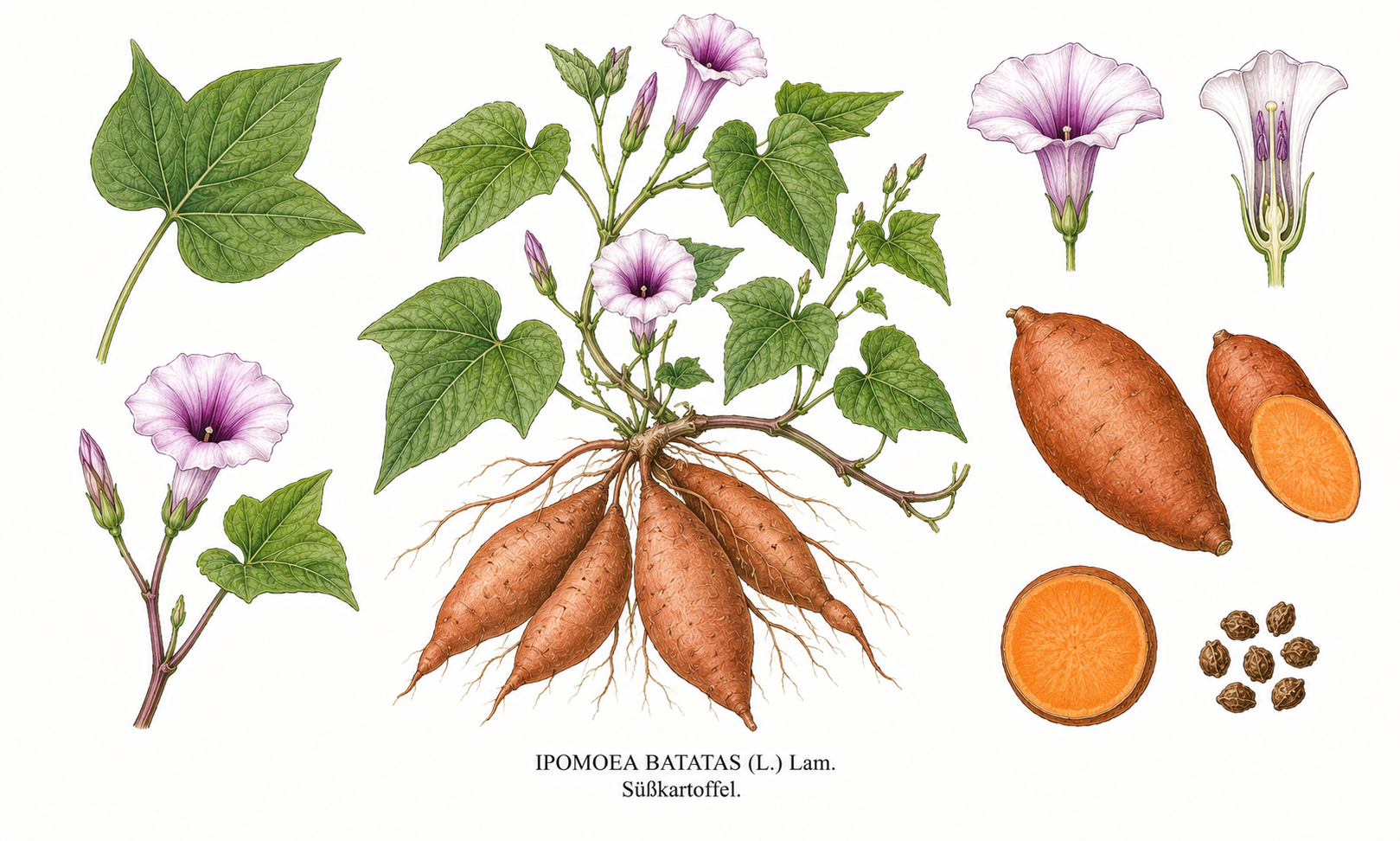
Quick profile
Key data
Suitable growing locations:
Good neighbors
beanmaizecabbage
Avoid
Indoor & direct sowing
sweet potato: Sowing and germination
Start indoors from February in propagation pots at 20–25 °C; use slips or sprouted tubers
Direct sowing outdoors is not common in Central Europe due to frost sensitivity
Planting & site
sweet potato: Planting and spacing
Plant out after the last frost (mid‑May) once soil temperature reaches at least 15 °C
Site & practical notes
Temperature & frost
sweet potato: Temperature and site
Water & nutrients
sweet potato: Water, nutrients and care
Container & growth
sweet potato: Container, support and growth
Year plan
sweet potato Calendar
September is the ideal harvest month for sweet potatoes, as soon as the leaves turn yellow.
Relevant now
June
- No additional single task
Next up
July
- No additional single task
Monthly tasks
Single tasks from monthly data; repeated seasonal windows are shown in the overview above.
January
Growing
- Storage checkCheck overwintered tubers for rot, discard affected ones immediately
February
No additional single task
March
No additional single task
April
Quiet month
May
No additional single task
June
No additional single task
August
Quiet month
September
No additional single task
October
No additional single task
November
Quiet month
December
Quiet month
Flowering & pollination
sweet potato Flowering & pollination
Self-fertility
self-compatible
Pollinator needed
no
Overview
Sweet potatoes are mainly propagated vegetatively by slips or tubers. Seed set is rare in Central Europe and irrelevant for cultivation.
Notes
Flowers are visited by bees, but fruit set does not affect tuber yield.
Companion guide
sweet potato Companion guide
Good neighbors
beanmaizecabbage
Avoid
Use & storage
sweet potato Use & storage
Harvest before the first frost when leaves turn yellow; dig tubers carefully
Storage
Cool, dark space with high humidity
Storage life
3–6 months under optimal conditions
Harvest
Harvest before the first frost when leaves turn yellow; dig tubers carefully
Processing
After harvest
Do not wash tubers, only brush off dry soil. Then cure for one week at 25–30 °C and high humidity to toughen the skin and heal wounds.
Edibility & safety
sweet potato Edibility & safety
For people
In brief: which parts are edible, which parts remain risky, and whether raw consumption makes sense.
Safety notes
The tubers are not toxic raw for humans but can be hard to digest. The seeds contain indole alkaloids and should not be consumed.
Animal safety
For many animals, this plant is generally low-risk: 13 animal types are rated suitable or mostly suitable. Quantity, plant part, and individual tolerance still matter.
Each row shows which parts are more suitable and which parts are critical.
Companion animals
 Dog
Dogtuber (cooked)
No risk parts listed
tuber (cooked)
No risk parts listed
usually no action needed
Cooked sweet potato tuber is suitable in small amounts as a treat. Raw tubers or seeds should be avoided. No specific toxicity data found for dogs.
Open animal page Cat
Cattuber (cooked)
seeds, raw tubers in very large quantities
tuber (cooked)
seeds, raw tubers in very large quantities
excessive consumption of raw tubers, consumption of seeds
gastrointestinal upset, flatulence
observe
Cooked sweet potato tuber is suitable for cats in small amounts as a treat. Raw tubers in large quantities may cause flatulence. Seeds contain indole alkaloids and should be avoided.
Open animal page Rabbit
tuber (cooked)
seeds, raw tubers in very large quantities
tuber (cooked)
seeds, raw tubers in very large quantities
excessive consumption of raw tubers, consumption of seeds
flatulence, gastrointestinal upset
observe
Cooked sweet potato tuber is suitable for rabbits in small amounts as a treat. Raw or in large quantities it may cause flatulence. Seeds contain toxic alkaloids and must be avoided.
Open animal page Guinea pig
tuber (cooked)
seeds, raw tubers in very large quantities
tuber (cooked)
seeds, raw tubers in very large quantities
overfeeding raw tubers, consumption of seeds
flatulence, gastrointestinal discomfort
observe
Cooked sweet potato tuber is suitable for guinea pigs in small amounts as an occasional treat. Raw tubers may cause flatulence and seeds contain toxic alkaloids that should be avoided. A diet based on hay and fresh greens remains essential. If overconsumption of raw parts or seeds is suspected, consult a veterinarian.
Open animal page Hamster
tuber (cooked)
No risk parts listed
tuber (cooked)
No risk parts listed
usually no action needed
Cooked sweet potato tuber is suitable in small amounts as a treat. Raw tubers or seeds should be avoided. No specific toxicity data found for hamsters.
Open animal page Budgie
tuber (cooked)
No risk parts listed
tuber (cooked)
No risk parts listed
usually no action needed
Cooked sweet potato tuber is suitable in small amounts as a treat. Raw tubers or seeds should be avoided. No specific toxicity data found for budgies.
Open animal pageFarm animals
 Horse
Horsetuber (cooked)
No risk parts listed
tuber (cooked)
No risk parts listed
high sugar content, digestive upset with overfeeding
observe
Cooked sweet potato tuber is suitable in small amounts as a treat. Raw tubers or seeds should be avoided. No specific toxicity data found for horses.
Open animal page Chicken
tuber (cooked)
No risk parts listed
tuber (cooked)
No risk parts listed
usually no action needed
Cooked sweet potato tuber is suitable in small amounts as a treat. Raw tubers or seeds should be avoided. No specific toxicity data found for chickens.
Open animal page Duck
Ducktuber (cooked)
No risk parts listed
tuber (cooked)
No risk parts listed
usually no action needed
Cooked sweet potato tuber is suitable in small amounts. Raw tubers or seeds should be avoided. No specific toxicity data found for ducks.
Open animal page Goose
Goosetuber (cooked)
No risk parts listed
tuber (cooked)
No risk parts listed
usually no action needed
Cooked sweet potato tuber is suitable in small amounts as a treat. Raw tubers or seeds should be avoided. No specific toxicity data found for geese.
Open animal page Sheep
Sheeptuber (cooked)
No risk parts listed
tuber (cooked)
No risk parts listed
usually no action needed
Cooked sweet potato tuber is suitable in small amounts as a treat. Raw tubers or seeds should be avoided. No specific toxicity data found for sheep.
Open animal page Goat
Goattuber (cooked)
seeds, raw tubers in very large quantities
tuber (cooked)
seeds, raw tubers in very large quantities
overfeeding raw tubers, consumption of seeds
flatulence, gastrointestinal upset
observe
Cooked sweet potato tuber is suitable in small amounts as a treat. Raw tubers or seeds should be avoided. No specific toxicity data found for goats. Cautious inference from sheep profile.
Open animal page Cattle
tuber (cooked)
No risk parts listed
tuber (cooked)
No risk parts listed
digestive upset with overfeeding
usually no action needed
Cooked sweet potato tuber is suitable in small amounts. Raw tubers or seeds should be avoided. No specific toxicity data found for cattle.
Open animal page Pig
PigNo suitable parts listed
No risk parts listed
No suitable parts listed
No risk parts listed
These guidelines are for general information only and do not replace veterinary diagnosis. If critical plant parts were ingested or the animal shows unusual behaviour or symptoms, seek veterinary advice.
Max risk
unknown
Highest status
not established
Urgency
unknown
Saving seed
sweet potato Saving seed
Seed viability
1 - 2 years
Method
Practical tips
sweet potato Practical tips
Common beginner mistakes
Success pattern
A warm, sheltered location and consistent watering are the keys to success.
High-impact tips
Grower observations
Many hobby gardeners report that sweet potatoes grow better in pots or raised beds than in open ground because the soil is warmer there.
Plant Profile
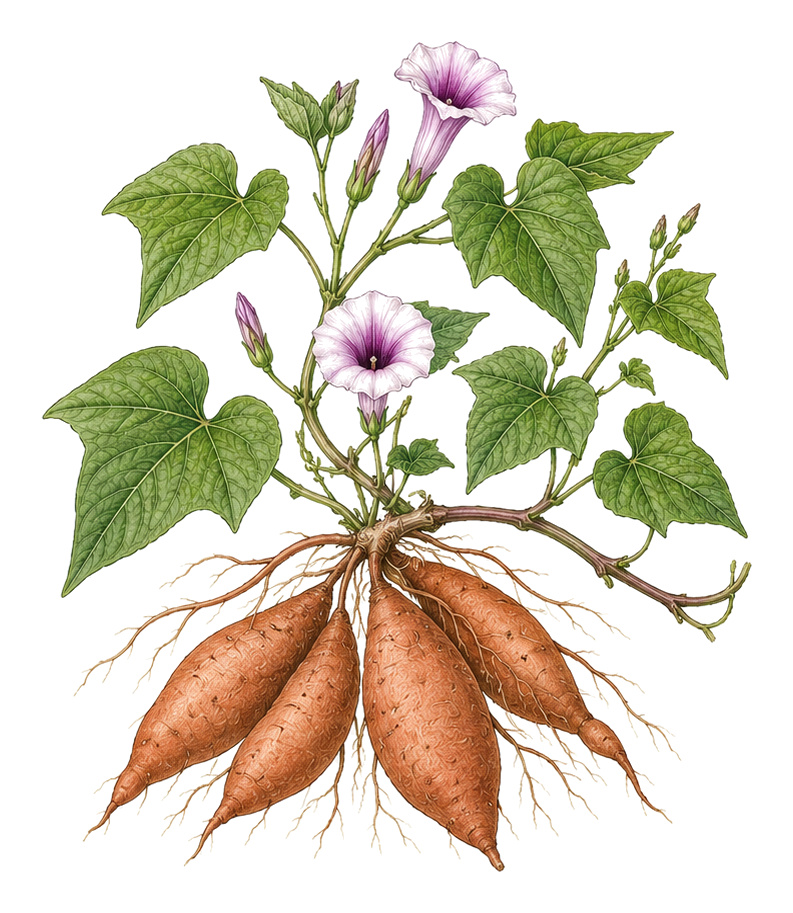
Additional plant images
Health
Pests, Diseases
Pests
wireworm
Larvae of click beetles that bore holes into tubers, reducing quality.
aphid
Various aphid species suck on leaves and shoots, transmit viruses such as sweet potato virus.
two-spotted spider mite
Spider mites occur in hot, dry conditions; they suck cell sap causing silvery leaf stippling.
Diseases
Fusarium wilt
Fungal disease causing wilting, yellowing and dieback; often soilborne.
black rot
Rot caused by fungi or bacteria that makes tubers inedible and spreads during storage.
powdery mildew
White powdery fungal coating on leaves; occurs in high humidity and moderate temperatures.
Deficiencies
- Leaves become pale green to yellow
- Growth slows
- Leaf margins yellow and die back (marginal necrosis)
- Tubers remain small
- Dark green to purple leaf coloration
- Root growth inhibited
Plant health
Diagnosis help
sweet potato Diagnosis help
Pest groups
Disease groups
Prevention
Diagnosis
For wilting symptoms, first check soil moisture; for tuber discolouration, inspect for wireworm entry holes.
Cultural prevention
Monitoring
First response
Diagnostic rules
Wilting and yellowing of leaves
Possible causes: Fusarium wilt, Wassermangel, Waterlogging
- Check soil moisture
- Examine stem base for discolouration
Dark, sunken spots on tubers
Possible causes: Black Rot, Drahtwurmfraß
- Check tubers for entry holes
- Detect rot odour
White powdery coating on leaves
Possible causes: Powdery mildew
- Wipe coating with finger – fungal powder wipes off
FAQ
Can I grow sweet potatoes in a container?
Yes, sweet potatoes thrive in large containers (at least 15 liters) with good drainage. Use loose, nutrient-rich soil.
When is the best time to plant sweet potatoes?
Plant the pre-grown slips outdoors after the last frost (mid-May), once the soil has warmed to at least 15°C.
How should I store sweet potatoes?
After curing (one week at 25-30°C), store the tubers in a dark, cool place with high humidity at 12-15°C. Avoid refrigerator temperatures below 10°C.
Is sweet potato safe for Dog?
sweet potato is classified as moderation only for Dog. Risk: unknown. Urgency: usually no action needed. Cooked sweet potato tuber is suitable in small amounts as a treat. Raw tubers or seeds should be avoided. No specific toxicity data found for dogs.
Is sweet potato safe for Cat?
sweet potato is classified as moderation only for Cat. Risk: unknown. Urgency: observe. Cooked sweet potato tuber is suitable for cats in small amounts as a treat. Raw tubers in large quantities may cause flatulence. Seeds contain indole alkaloids and should be avoided.
Is sweet potato safe for Rabbit?
sweet potato is classified as moderation only for Rabbit. Risk: unknown. Urgency: observe. Cooked sweet potato tuber is suitable for rabbits in small amounts as a treat. Raw or in large quantities it may cause flatulence. Seeds contain toxic alkaloids and must be avoided.
Is sweet potato safe for Guinea pig?
sweet potato is classified as moderation only for Guinea pig. Risk: unknown. Urgency: observe. Cooked sweet potato tuber is suitable for guinea pigs in small amounts as an occasional treat. Raw tubers may cause flatulence and seeds contain toxic alkaloids that should be avoided. A diet based on hay and fresh greens remains essential. If overconsumption of raw parts or seeds is suspected, consult a veterinarian.
Guides
Related guides
Guide
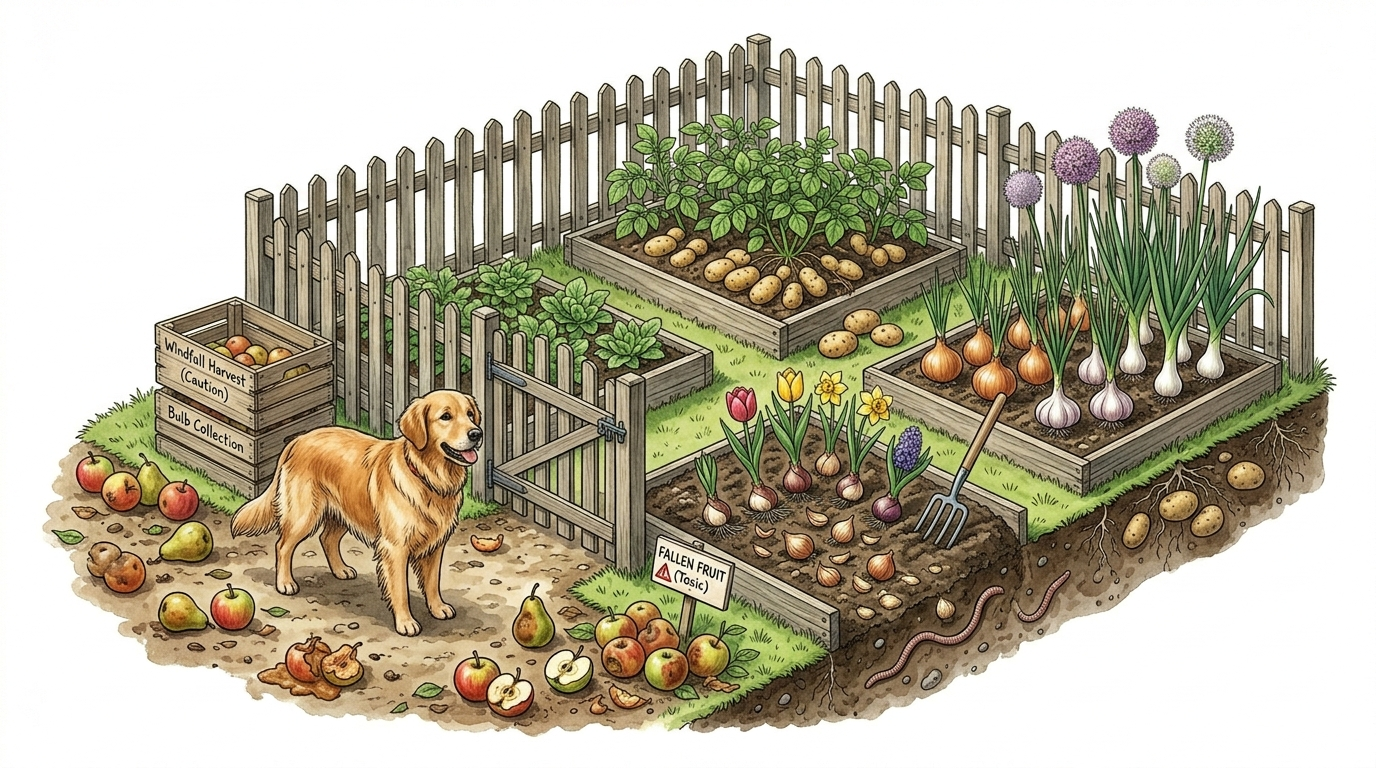
Dogs in the Garden: Windfall Fruit and Risks
Keep your garden dog-safe by managing windfall fruit, seeds, stored crops, and potentially problematic plant parts.
Guide
Horse Pastures and Garden Plants: Safety Checks
Learn how to identify risks near horse pastures, fences, turnout areas, fruit trees, and garden planting zones.
Guide
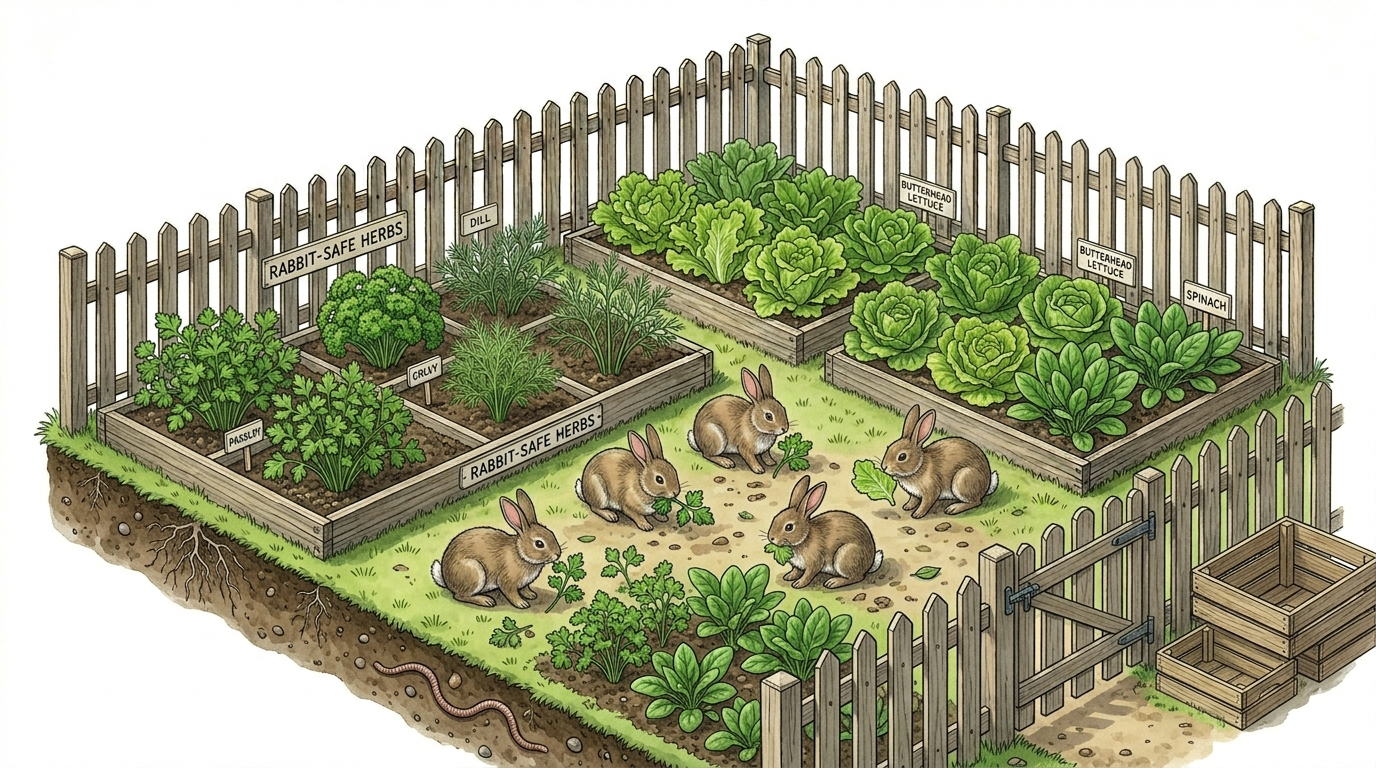
Rabbits in the Garden: Herbs and Vegetables
Learn how to choose suitable herbs and vegetables for rabbits, grow feeding plants, and plan a rabbit-friendly garden.
Guide
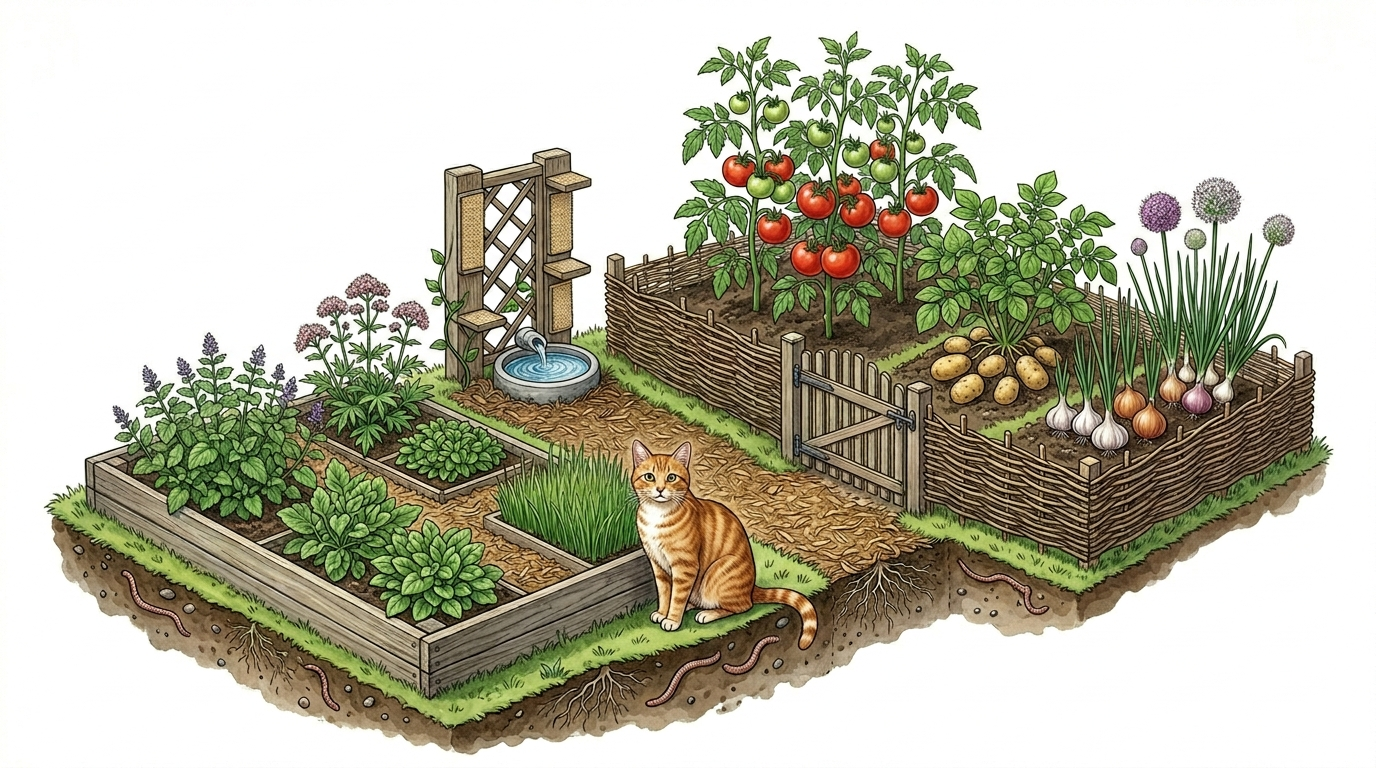
Toxic Garden Plants for Cats: Safer Planning
Learn which garden plants can be risky for cats, how to plan safer beds, and what to do if a cat eats a toxic plant.
Internal links
Related plants
morning glory
Belongs to the morning glory family (Convolvulaceae).
Same family (Convolvulaceae).
Jerusalem artichoke
Also a tuber vegetable with a sweet taste.
yam
In North America, darker sweet potato varieties are often called 'yams', but they are different plants.
Sources
Public sources
- Wikidata entity
Wikidata · 2026-05-15
- GBIF species match
GBIF · 2026-05-15
- Deutschsprachige Wikipedia: Süßkartoffel
Wikipedia · 2026-05-15
- English Wikipedia: Sweet potato
Wikipedia · 2026-05-15