Plant Profile
chili pepperCapsicum annuum
Learn about growing and caring for chili peppers.

Quick profile
Key data
Good neighbors
No data
Avoid
No data
Indoor & direct sowing
chili pepper: Sowing and germination
Start warm; germination needs high temperatures.
Direct outdoor sowing is unreliable in central Europe.
Planting & site
chili pepper: Planting and spacing
Plant after frost risk in a warm site.
Site & practical notes
Watering: Water regularly, but avoid overwatering, Sunlight: Full sun to partial shade, Soil: Well-drained, slightly acidic soil, Fertilizer: Use a balanced fertilizer every 2-3 weeks, Pest control: Monitor for aphids, whiteflies, and thrips. Use organic pest control methods if necessary.
Temperature & frost
chili pepper: Temperature and site
Container & growth
chili pepper: Container, support and growth
Year plan
chili pepper Calendar
Plant in spring for a summer harvest.
Recurring tasks
Relevant now
June
- No additional single task
Next up
July
- No additional single task
Monthly tasks
Single tasks from monthly data; repeated seasonal windows are shown in the overview above.
January
Quiet month
February
No additional single task
March
No additional single task
April
Quiet month
May
No additional single task
June
No additional single task
August
No additional single task
September
No additional single task
October
No additional single task
November
Quiet month
December
Quiet month
Pruning & care
chili pepper Pruning & care
Pruning type
Pruning
Pruning timing
Pruning Prune to encourage new growth.
Pruning Prune to remove dead wood and encourage fruit production.
Remove
Preserve
Avoid
Tools and hygiene
Clean and disinfect tools regularly.
Use & storage
chili pepper Use & storage
Harvest green or fully colored depending on cultivar.
Storage
Storage life: fresh 1-2 weeks, dried much longer, Conditions: cool, clean, and dry or slightly humid depending on crop, Processing options: drying, freezing, pickling
Flavor
mild to very hot
Harvest
Harvest green or fully colored depending on cultivar.
Edibility & safety
chili pepper Edibility & safety
For people
In brief: which parts are edible, which parts remain risky, and whether raw consumption makes sense.
Safety notes
Do not consume if identification is uncertain; do not infer medicinal claims.
Animal safety
For animals, the specific plant part matters here: some parts may be suitable, while others should be avoided. At least one critical rating is listed for 5 animal types.
Each row shows which parts are more suitable and which parts are critical.
Companion animals
 Dog
Dogripe and unripe fruits (without seeds)
No risk parts listed
ripe and unripe fruits (without seeds)
No risk parts listed
usually no action needed
Fruits can be given in small amounts as treats, but seeds and cores should be avoided. No direct species-specific toxicity data for dogs is available, but general plant tolerance and the irritant capsaicin suggest cautious feeding.
Open animal page Cat
CatNo suitable parts listed
fruits, leaves, stems
No suitable parts listed
fruits, leaves, stems
heat level of cultivar, amount of plant material ingested
oral and mucosal irritation, drooling, vomiting
observe
Chili contains capsaicin, which can cause gastrointestinal and mucosal irritation in cats. While not life-threatening, it can cause significant discomfort. No parts of the plant should be offered as feed. In case of eye or mucosal contact, flush immediately with water and consult a veterinarian if symptoms persist.
Open animal page Rabbit
No suitable parts listed
fruits, leaves, stems
No suitable parts listed
fruits, leaves, stems
cultivar heat level, amount ingested
gastrointestinal irritation, diarrhea
observe
Chili contains capsaicin, which can cause gastrointestinal irritation in rabbits. No species-specific long-term studies known. Fruits, leaves, and stems are unsuitable due to the irritant.
Open animal page Guinea pig
No suitable parts listed
fruits, leaves, stems
No suitable parts listed
fruits, leaves, stems
cultivar heat level, amount ingested
gastrointestinal irritation, diarrhea, vomiting
observe
No direct species-specific source was found for guinea pigs. This is a cautious inference from the rabbits profile and the known plant-part risks.
Open animal page Hamster
No suitable parts listed
fruits, leaves, stems
No suitable parts listed
fruits, leaves, stems
irritation from capsaicin, sensitivity of digestive tract in small mammals
gastrointestinal irritation, diarrhea, vomiting
observe
Chili contains capsaicin, which can cause gastrointestinal irritation in hamsters. No species-specific toxicity studies are available, but a conservative classification is made based on known irritant effects in mammals and the sensitivity of the hamster digestive tract. Fruits, leaves, and stems should be avoided. If ingested, observe and consult a veterinarian if symptoms persist.
Open animal page Budgie
No suitable parts listed
fruits, leaves, stems
No suitable parts listed
fruits, leaves, stems
Small body size increases sensitivity to irritants
gastrointestinal irritation, vomiting, diarrhea
contact a vet if symptoms appear
Chili contains capsaicin, which can irritate the mucous membranes of birds. Budgies should have no access to any part of the plant. If ingested, monitor for symptoms and consult a veterinarian if symptoms persist.
Open animal pageFarm animals
 Horse
HorseNo suitable parts listed
No risk parts listed
No suitable parts listed
No risk parts listed
unknown
Chili contains capsaicin, which can cause gastrointestinal irritation in horses. While not life-threatening, feeding is not advisable. Horses naturally avoid spicy food due to taste. If consumed, monitor and contact vet if symptoms persist.
Open animal page Chicken
ripe fruits (in very small amounts)
No risk parts listed
ripe fruits (in very small amounts)
No risk parts listed
usually no action needed
Ripe fruits can be given in very small amounts as treats. No direct species-specific toxicity data for chickens is available. Caution is advised as capsaicin can irritate mucous membranes.
Open animal page Duck
Duckripe fruits
leaves, stems, seeds
ripe fruits
leaves, stems, seeds
hot cultivars, overfeeding, unripe fruits
gastrointestinal irritation, diarrhea, restlessness
observe
No direct species-specific source was found for ducks. This is a cautious inference from the geese profile and the known plant-part risks.
Open animal page Goose
Gooseripe fruits
leaves, stems, seeds
ripe fruits
leaves, stems, seeds
hot cultivars, overfeeding, unripe fruits
gastrointestinal irritation, diarrhea, restlessness
observe
Ripe fruits may be given in very small amounts as an occasional treat, but irritation risk exists due to capsaicin. Leaves, stems, and seeds are unsuitable due to capsaicin and other alkaloids. Monitor for signs of distress and contact a veterinarian if symptoms persist. Regular feeding is not recommended.
Open animal page Sheep
Sheepripe and unripe fruits
seeds, leaves, stems
ripe and unripe fruits
seeds, leaves, stems
consumption of large amounts
nausea, vomiting, diarrhea
contact a vet if symptoms appear
Sheep should eat chili peppers in moderation only, as the seeds, leaves, and stems are toxic.
Open animal page Goat
Goatripe and unripe fruits
leaves, stems, seeds
ripe and unripe fruits
leaves, stems, seeds
High pungency can irritate mucous membranes, Seeds contain higher capsaicin concentration
gastrointestinal irritation, diarrhea, vomiting
observe
Chili peppers can be given to goats in small amounts as an occasional treat, but leaves, stems, and seeds may cause gastrointestinal irritation due to capsaicin. Hot varieties should be avoided. If large amounts are consumed or signs of distress appear, consult a veterinarian.
Open animal page Cattle
ripe and unripe fruits
leaves, stems, seeds
ripe and unripe fruits
leaves, stems, seeds
High capsaicin content in leaves and seeds, Irritation of mucous membranes
gastrointestinal irritation, diarrhea, salivation
observe
Fruits can be fed in small amounts as a treat; leaves, stems, and seeds should be avoided due to capsaicin. Consumption of large amounts or in sensitive animals may cause gastrointestinal disturbances. No known severe poisonings documented in cattle.
Open animal page Pig
Pigripe fruits
leaves, stems, unripe fruits
ripe fruits
leaves, stems, unripe fruits
variety heat level, amount consumed, individual sensitivity
gastrointestinal irritation, vomiting, diarrhea
observe
Ripe fruits may be given in very small amounts as a treat, but irritation risk exists due to capsaicin. Leaves, stems, seeds, and unripe fruits are not suitable and may cause gastrointestinal discomfort. Skin contact may cause irritation. No known severe poisonings documented in pigs, but cautious handling advised due to irritant potential. Feeding only under supervision and in minimal amounts.
Open animal pageThese guidelines are for general information only and do not replace veterinary diagnosis. If critical plant parts were ingested or the animal shows unusual behaviour or symptoms, seek veterinary advice.
Max risk
unknown
Highest status
do not feed
Urgency
contact a vet if symptoms appear
Health
Pests, Diseases
Plant health
Diagnosis help
chili pepper Diagnosis help
Pest groups
Disease groups
Prevention
Diagnosis
Regularly inspect plants for signs of pests and diseases. Keep records of any issues for future reference.
FAQ
Is chili pepper safe for Dog?
chili pepper is classified as selected parts only for Dog. Risk: unknown. Urgency: usually no action needed. Fruits can be given in small amounts as treats, but seeds and cores should be avoided. No direct species-specific toxicity data for dogs is available, but general plant tolerance and the irritant capsaicin suggest cautious feeding.
Is chili pepper safe for Cat?
chili pepper is classified as do not feed for Cat. Risk: unknown. Urgency: observe. Chili contains capsaicin, which can cause gastrointestinal and mucosal irritation in cats. While not life-threatening, it can cause significant discomfort. No parts of the plant should be offered as feed. In case of eye or mucosal contact, flush immediately with water and consult a veterinarian if symptoms persist.
Is chili pepper safe for Rabbit?
chili pepper is classified as do not feed for Rabbit. Risk: unknown. Urgency: observe. Chili contains capsaicin, which can cause gastrointestinal irritation in rabbits. No species-specific long-term studies known. Fruits, leaves, and stems are unsuitable due to the irritant.
Is chili pepper safe for Guinea pig?
chili pepper is classified as do not feed for Guinea pig. Risk: unknown. Urgency: observe. No direct species-specific source was found for guinea pigs. This is a cautious inference from the rabbits profile and the known plant-part risks.
Guides
Related guides
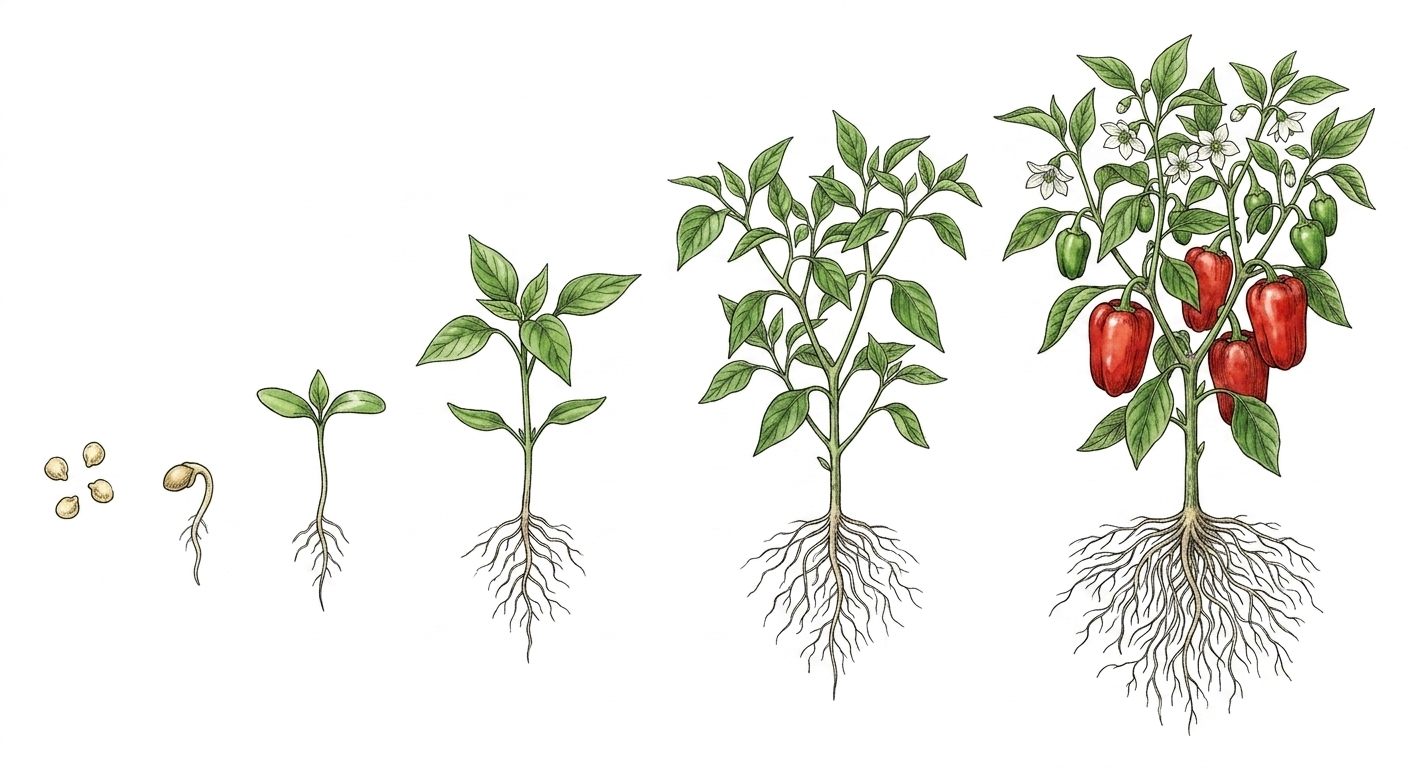
Guide
Starting Peppers and Chilies Indoors Successfully
Learn how to start peppers and chilies indoors with proper warmth, strong light, pricking out, and healthy seedling care.
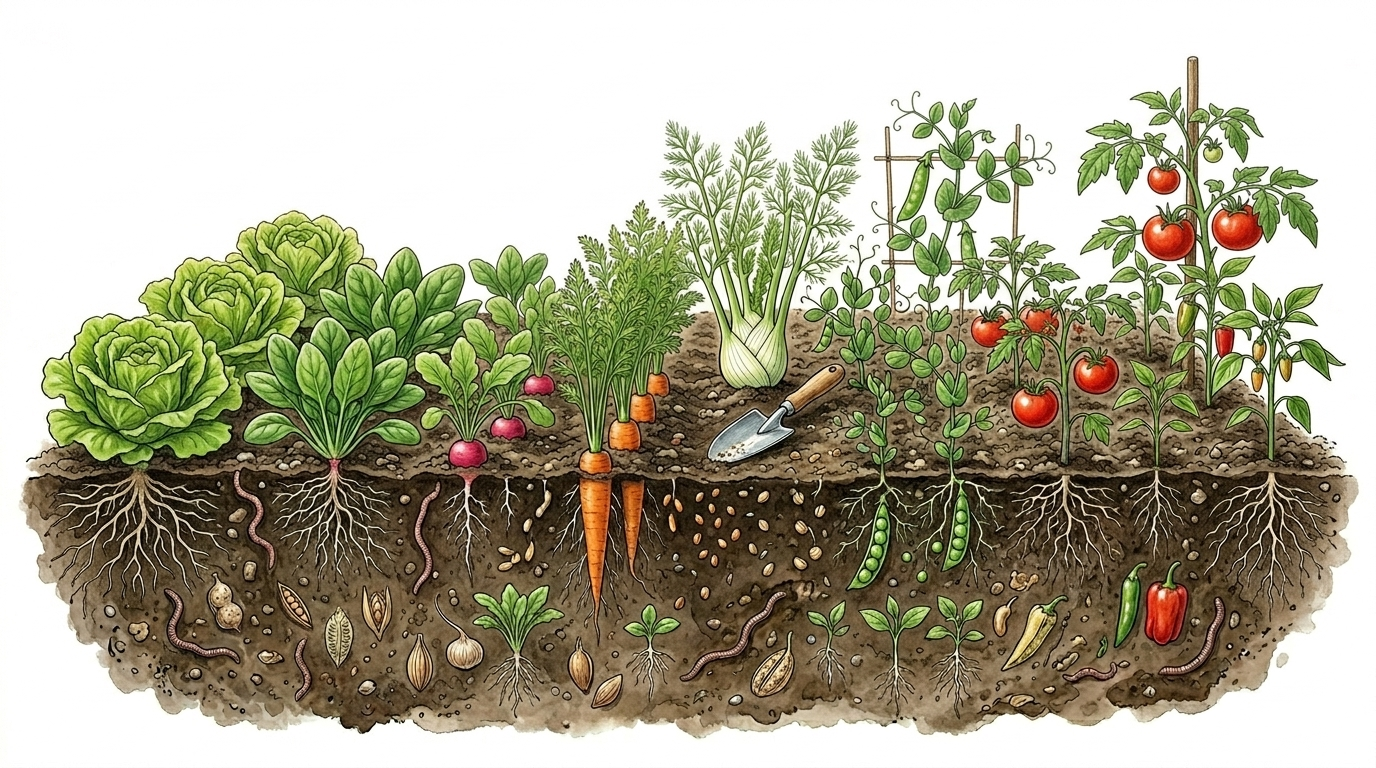
Guide
May Planting Calendar: Transplanting and Succession Sowing
What to plant and sow in May: transplant tender vegetables, continue succession sowing, and make the most of garden beds.
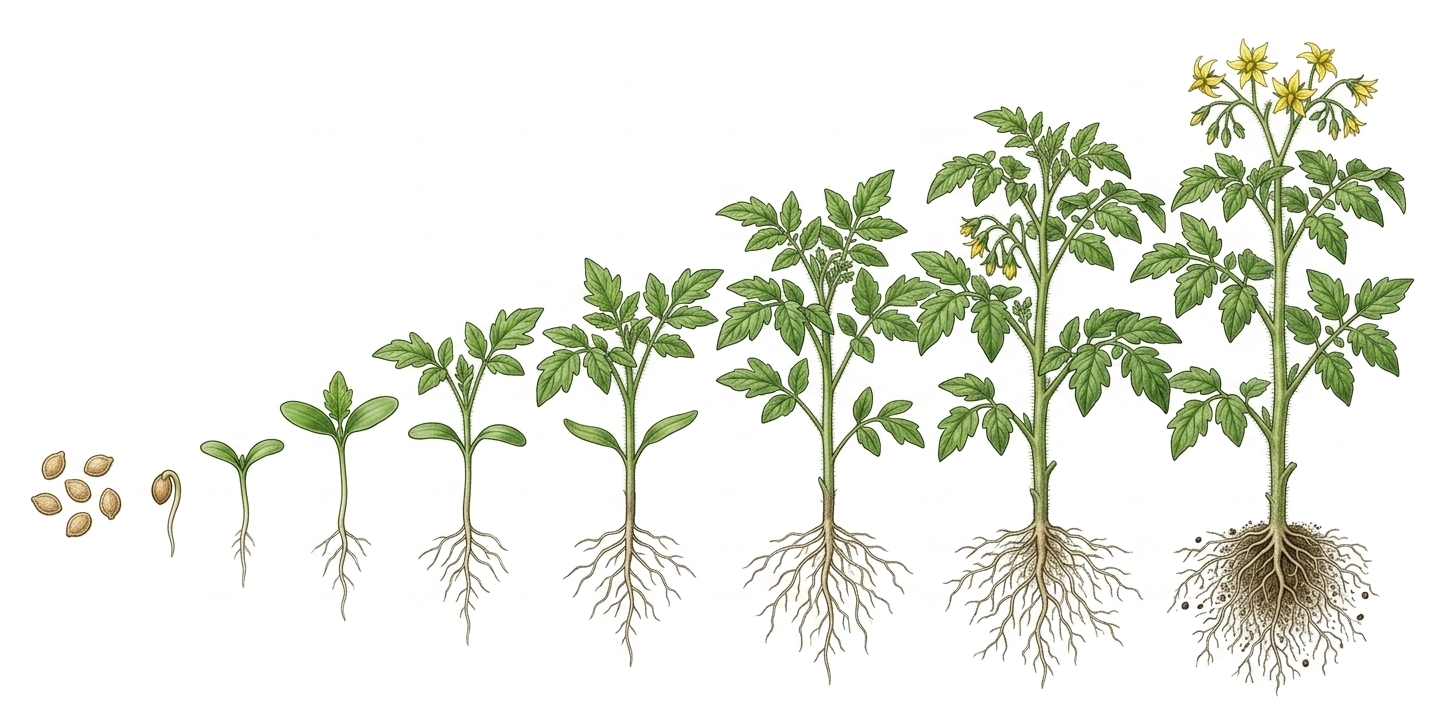
Guide
Starting Tomatoes Indoors: Light, Timing and Pricking Out
Start tomatoes indoors successfully with the right timing, warmth, strong light, pricking out, and care for healthy young plants.
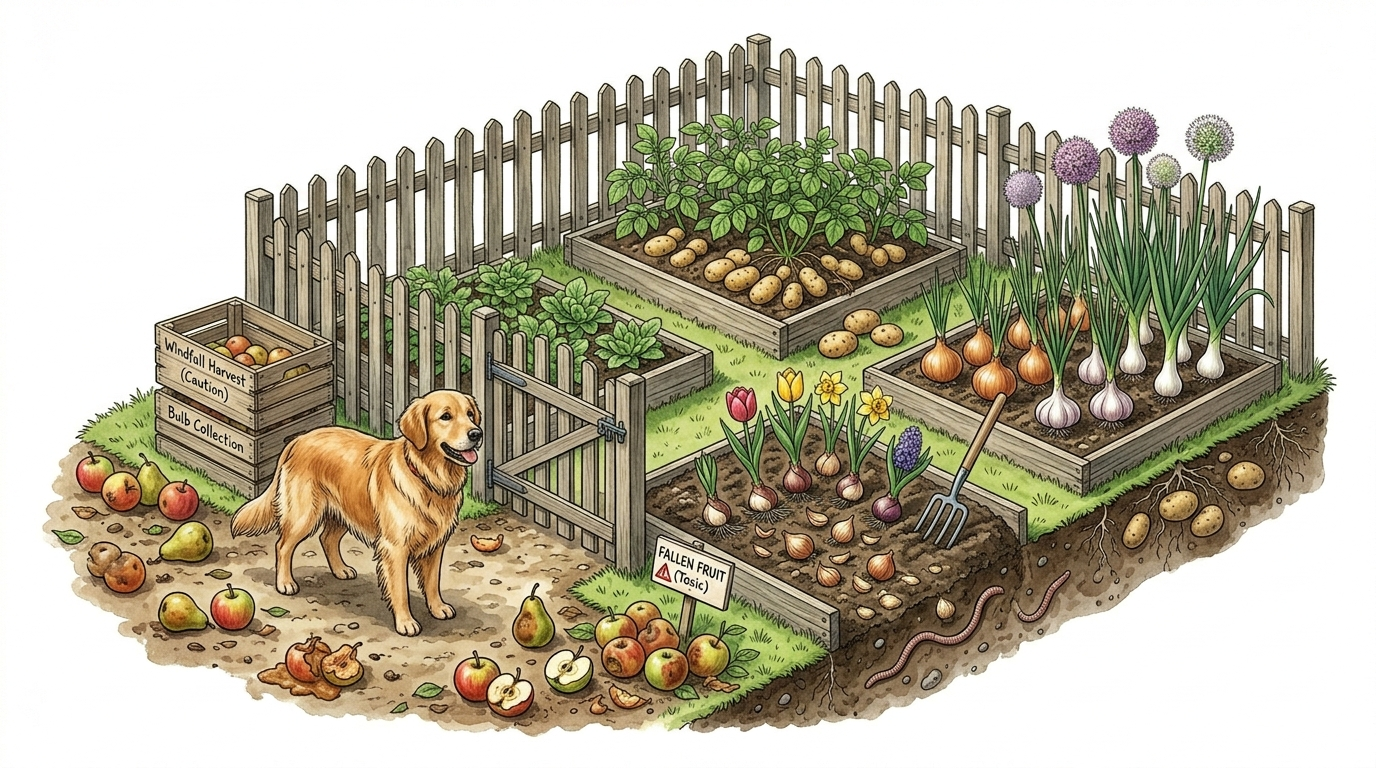
Guide
Dogs in the Garden: Windfall Fruit and Risks
Keep your garden dog-safe by managing windfall fruit, seeds, stored crops, and potentially problematic plant parts.
Internal links
Related plants
Sources
Public sources
- Wikidata entity
Wikidata · 2026-05-12
- GBIF species match
GBIF · 2026-05-12
- Deutschsprachige Wikipedia: Chilipfeffer
Wikipedia · 2026-05-12
- English Wikipedia: Chili pepper
Wikipedia · 2026-05-12