Plant Profile
PepperCapsicum
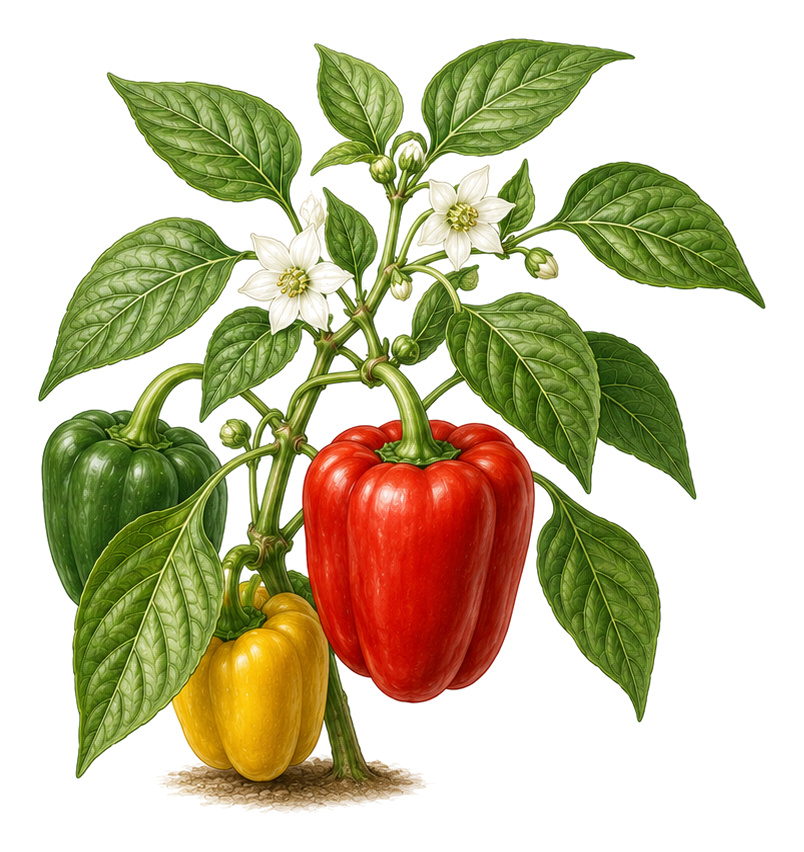
Peppers (Capsicum) are heat-loving stars of the vegetable garden. Whether blocky bell peppers or spicy chilis, cultivation requires patience and plenty of light. In Central Europe, starting seeds indoors as early as February is essential due to their long ripening period. A sunny, sheltered spot or a greenhouse is rewarded with aromatic fruits rich in Vitamin C.
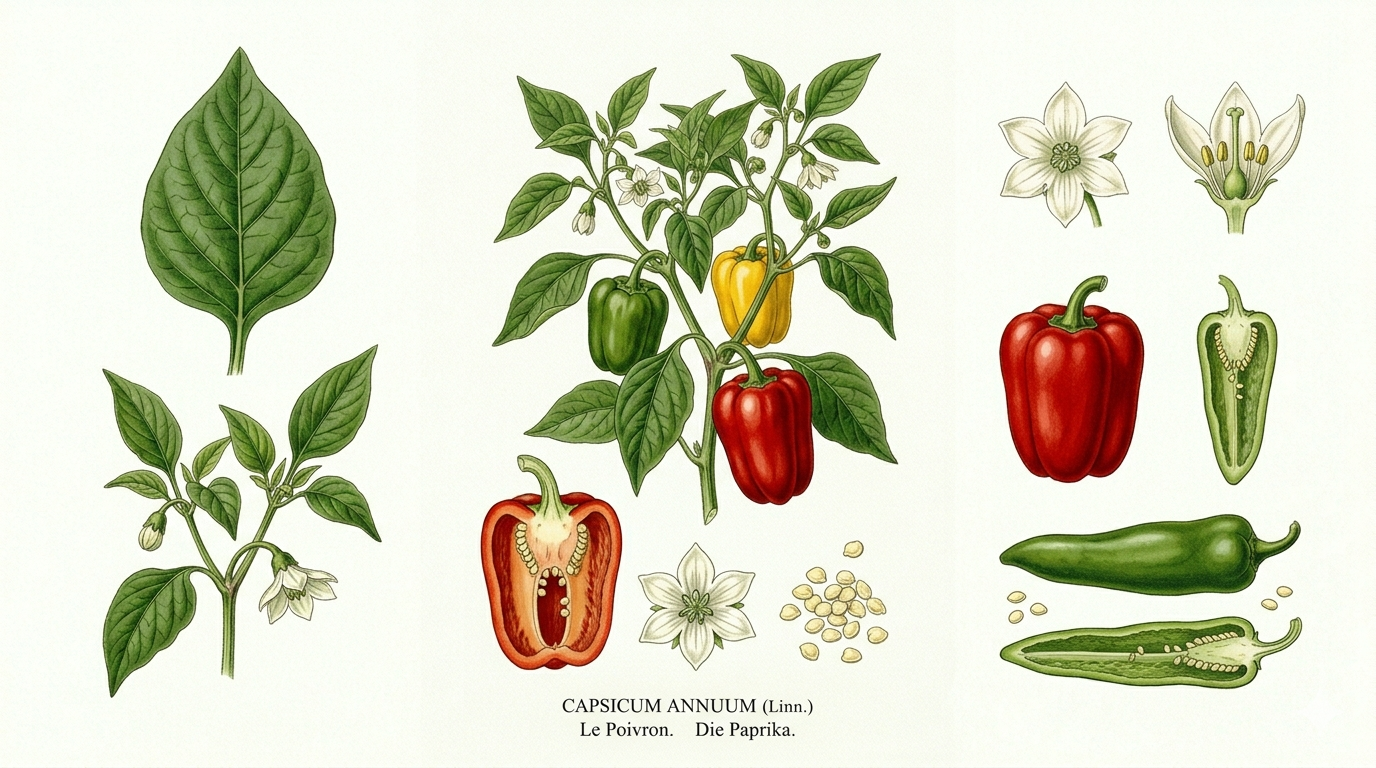
Quick profile
Key data
Suitable growing locations:
Good neighbors
tomatoBasilMarigold
Avoid
PeaFennel
Indoor & direct sowing
Pepper: Sowing and germination
Early indoor sowing is necessary due to long germination and development periods.
Direct outdoor sowing is not recommended in Central Europe due to heat requirements.
Planting & site
Pepper: Planting and spacing
Only plant outdoors after the last frost (mid-May).
Site & practical notes
Title: King Blossom, Text: Pinching off the first flower (king blossom) promotes leaf growth and leads to a higher overall yield.
Temperature & frost
Pepper: Temperature and site
Water & nutrients
Pepper: Water, nutrients and care
Container & growth
Pepper: Container, support and growth
Year plan
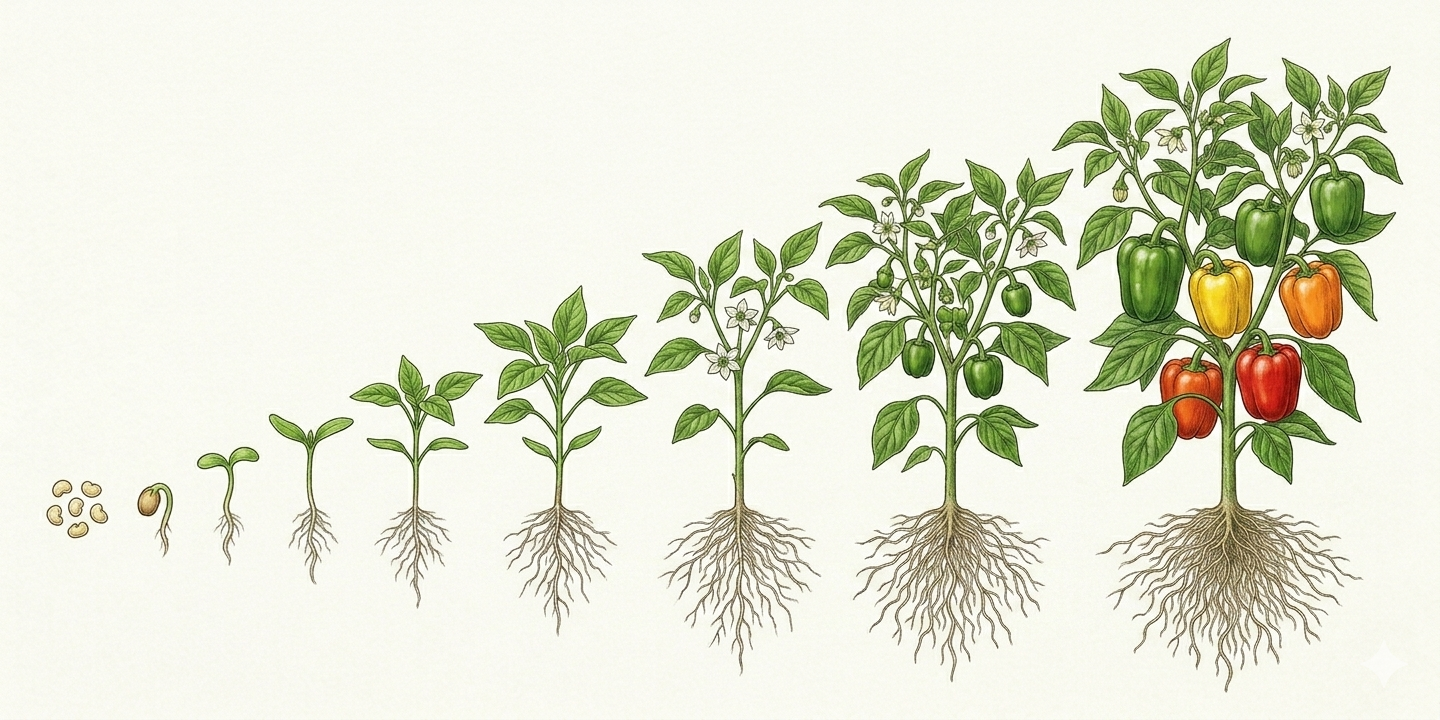
Pepper Calendar
The adventure begins in February on the windowsill.
Recurring tasks
Relevant now
June
- No additional single task
Next up
July
- No additional single task
Monthly tasks
Single tasks from monthly data; repeated seasonal windows are shown in the overview above.
January
Quiet month
February
No additional single task
March
No additional single task
April
No additional single task
May
No additional single task
June
No additional single task
August
No additional single task
September
No additional single task
October
No additional single task
November
Quiet month
December
Quiet month
Flowering & pollination
Pepper Flowering & pollination
Flowering period
June to August
Flower color
White to violet
Self-fertility
high
Pollinator needed
no
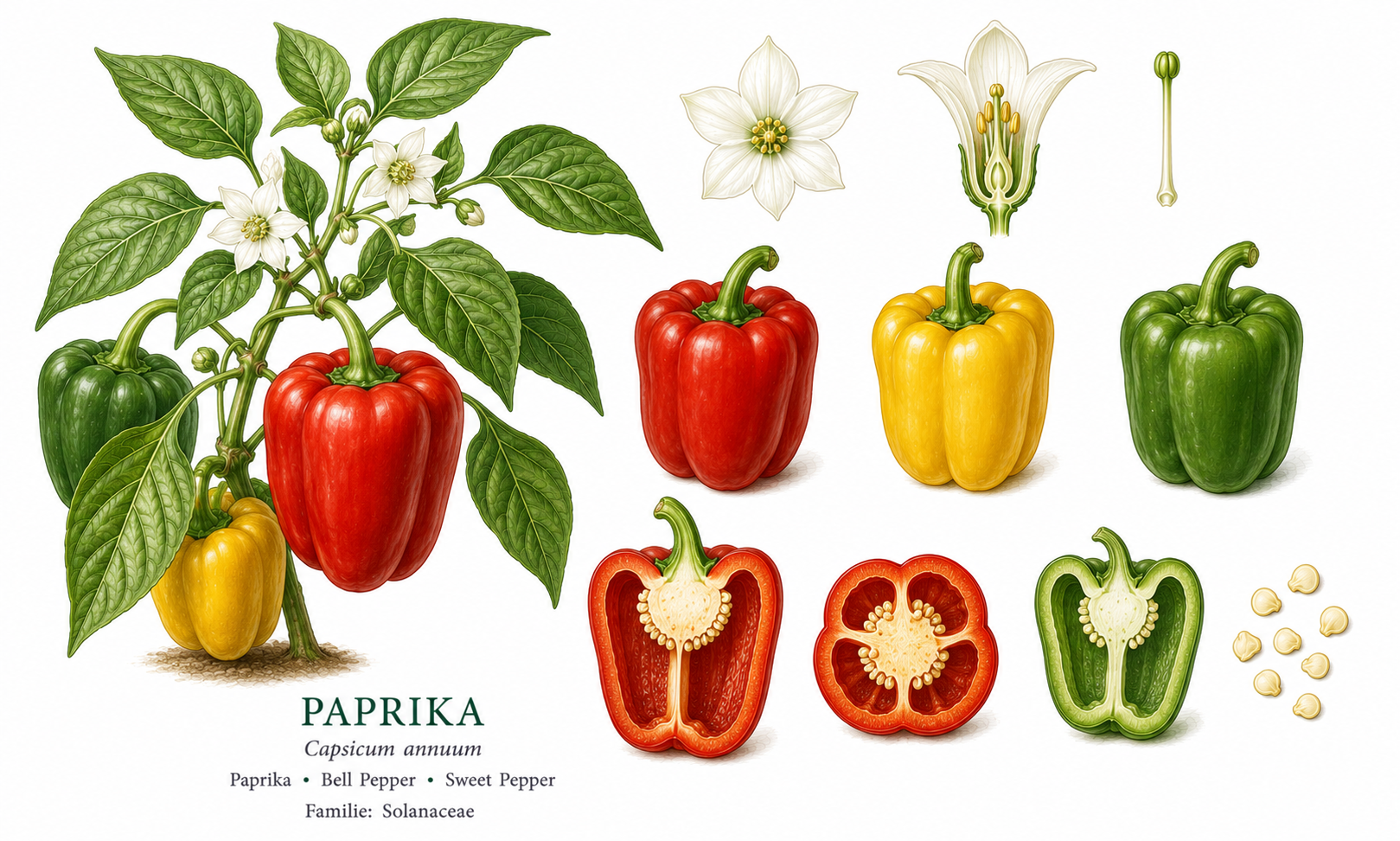
Overview
Self-pollinating, but insect visits or light shaking improves fruit set.
Notes
Bumblebees are particularly effective pollinators in greenhouses.
Pruning & care
Pepper Pruning & care
Pruning type
Light maintenance pruning
Pruning timing
Growth control Remove king blossom as soon as it appears.
Remove
Preserve
Avoid
Tools and hygiene
Wash hands after suckering to prevent virus transmission.
Companion guide
Pepper Companion guide
Good neighbors
tomatoBasilMarigold
Avoid
PeaFennel
Use & storage
Pepper Use & storage
Harvest depending on variety and desired ripeness (green or colored).
Storage
Short-term storage (fresh) or long-term (processed)
Storage life
Fresh in the refrigerator approx. 1-2 weeks.
Flavor
Sweet-aromatic (bell peppers) to extremely spicy (chilis).
Harvest
Harvest depending on variety and desired ripeness (green or colored).
Processing
After harvest
Cut fruits with the stem, do not tear them off to avoid damaging the plant.
Edibility & safety
Pepper Edibility & safety
For people
In brief: which parts are edible, which parts remain risky, and whether raw consumption makes sense.
Safety notes
Like all nightshades, green plant parts contain solanine. Hot varieties can cause mucosal irritation.
Animal safety
This plant is not simply safe or unsafe for animals. 14 animal types have restrictions, so quantity, access, and plant part matter.
Each row shows which parts are more suitable and which parts are critical.
Companion animals
 Dog
DogRipe fruits
Leaves, Stems, Roots
Ripe fruits
Leaves, Stems, Roots
Consumption of green plant parts, High capsaicin concentration in hot varieties, Unripe fruits
Gastrointestinal upset, Vomiting, Diarrhea
observe
Ripe fruits of sweet pepper varieties are suitable for dogs in small amounts as a treat. Green parts and unripe fruits contain solanine and can cause gastrointestinal upset. Hot varieties (chili) can cause mucosal irritation due to capsaicin. No known severe poisonings documented in dogs.
Open animal page Cat
CatRipe fruits
Leaves, Stems, Roots
Ripe fruits
Leaves, Stems, Roots
Plant maturity, Amount consumed, Hot varieties
Gastrointestinal upset, Vomiting, Diarrhea
observe
Ripe fruits of sweet pepper varieties are safe in small amounts as a treat for cats. Green plant parts and unripe fruits contain solanine and may cause gastrointestinal upset. Hot varieties can cause mucosal irritation. Consult a veterinarian if large amounts are ingested or symptoms persist.
Open animal page Rabbit
Ripe fruits
Leaves, Stems, Roots
Ripe fruits
Leaves, Stems, Roots
Excessive consumption of green plant parts, Sensitivity to capsaicin in hot varieties, Unripe fruits
Gastrointestinal upset, Diarrhea, Oral and mucosal irritation (in hot varieties)
observe
The ripe fruits of pepper (Capsicum spp.) are suitable for rabbits in small amounts as a treat and provide valuable vitamin C. Green plant parts (leaves, stems, unripe fruits) contain solanine and may cause gastrointestinal upset if consumed excessively. Hot varieties may cause mucosal irritation due to capsaicin. Introduction should be gradual.
Open animal page Guinea pig
Ripe fruits
Leaves, Stems, Roots
Ripe fruits
Leaves, Stems, Roots
Excessive consumption of green plant parts, Fruit maturity (unripe fruit contains more solanine), hot varieties
Gastrointestinal upset, Diarrhea, Vomiting
contact a vet if symptoms appear
The ripe fruits of pepper (Capsicum) are suitable for guinea pigs in small amounts as a treat and rich in vitamin C. Green plant parts (leaves, stems, unripe fruits) contain solanine and can cause gastrointestinal upset. Hot varieties may additionally cause mucosal irritation. Feed only ripe fruits, remove seeds, and avoid stems/leaves. Seek veterinary advice if signs of poisoning occur.
Open animal page Hamster
Ripe fruits
Leaves, Stems, Roots
Ripe fruits
Leaves, Stems, Roots
Unripe fruits, Green plant parts, Hot varieties
Gastrointestinal upset, Diarrhea, Vomiting
observe
Hamsters can tolerate small amounts of ripe pepper fruit as a treat. Green parts and unripe fruits contain solanine and may cause gastrointestinal upset. Hot varieties can cause mucosal irritation. Feed only occasionally and in small amounts. Remove seeds, as they may pose a choking hazard.
Open animal page Budgie
Ripe fruits
Leaves, Stems, Unripe fruits
Ripe fruits
Leaves, Stems, Unripe fruits
Hot varieties may cause irritation, Unripe plant parts contain more solanine, Overconsumption can lead to digestive issues
Gastrointestinal upset, Diarrhea, Vomiting
contact a vet if symptoms appear
Ripe pepper fruits are suitable for budgies in small amounts as a treat and provide vitamin C. Leaves, stems, unripe fruits, and seeds contain solanine and should be avoided. Hot varieties may irritate mucous membranes. Consult a veterinarian if poisoning is suspected or symptoms persist.
Open animal pageFarm animals
 Horse
HorseRipe fruits
Leaves, Stems, Roots
Ripe fruits
Leaves, Stems, Roots
Consumption of green plant parts, Unripe fruits, Excessive consumption
Gastrointestinal upset, Diarrhea, Oral and mucosal irritation (in hot varieties)
observe
The ripe fruits of paprika (Capsicum) are generally safe for horses in small amounts and can be given as treats. Green plant parts (leaves, stems, unripe fruits) contain solanine and may cause gastrointestinal upset. Hot varieties may additionally cause mucosal irritation. Feeding should be occasional and limited, as overconsumption can lead to digestive issues. Roots are considered mildly toxic and should be…
Open animal page Chicken
Ripe fruits
Leaves, Stems, Roots
Ripe fruits
Leaves, Stems, Roots
Unripe or green plant parts, Excessive consumption, Hot varieties may irritate mucous membranes
Gastrointestinal upset, Diarrhea, Vomiting
observe
Ripe fruits of sweet pepper varieties are safe for chickens in moderation and can be given as treats. Green plant parts contain solanine and should be avoided. Hot varieties may irritate mucous membranes and should be fed very cautiously. No documented cases of severe poisoning in chickens. Excessive consumption of leaves or stems may cause gastrointestinal upset.
Open animal page Duck
DuckRipe fruits
Leaves, Stems, Roots
Ripe fruits
Leaves, Stems, Roots
Consumption of green plant parts, Hot varieties can cause mucosal irritation, unripe fruits
Gastrointestinal upset, Vomiting, Diarrhea
observe
Ripe fruits of sweet pepper varieties are suitable for ducks in small amounts as a treat. Green parts contain solanine and can cause gastrointestinal upset. Hot varieties may irritate mucous membranes. No duck-specific toxicity data found, but conservative classification based on plant toxic compounds and similar poultry tolerance.
Open animal page Goose
GooseRipe fruits
Leaves, Stems, Roots
Ripe fruits
Leaves, Stems, Roots
Unripe fruits, Green plant parts, Overconsumption
Gastrointestinal upset, Vomiting, Diarrhea
observe
The ripe fruits of pepper (Capsicum) are suitable for geese in small amounts as a treat, but contain solanine in green parts and unripe fruits, which can cause gastrointestinal upset if overconsumed. Hot varieties may additionally cause mucosal irritation. Leaves, stems, and roots should be avoided. If poisoning is suspected, the animal should be observed and a veterinarian consulted if symptoms persist.
Open animal page Sheep
SheepRipe fruits
Leaves, Stems, Roots
Ripe fruits
Leaves, Stems, Roots
Consumption of green plant parts, Excessive consumption of unripe fruits, hot varieties
Gastrointestinal upset, Diarrhea, Oral and mucosal irritation (in hot varieties)
observe
Ripe fruits of sweet pepper varieties are safe for sheep in moderation and can be given as treats. Green parts contain solanine and should be avoided. Hot varieties may cause mucosal irritation. If large amounts are consumed or symptoms occur, a veterinarian should be consulted.
Open animal page Goat
GoatRipe fruits
Leaves, Stems, Roots
Ripe fruits
Leaves, Stems, Roots
Consumption of green plant parts, Unripe fruits, Excessive consumption
Gastrointestinal upset, Diarrhea, Oral and mucosal irritation (in hot varieties)
observe
The ripe fruits of pepper (Capsicum) are safe for goats in moderation and can be fed as a treat. Green plant parts contain solanine and may cause gastrointestinal upset if consumed excessively. Hot varieties may additionally cause mucosal irritation. A gradual introduction is recommended to assess tolerance.
Open animal page Cattle
Ripe fruits
Leaves, Stems, Roots
Ripe fruits
Leaves, Stems, Roots
Consumption of green plant parts, Unripe fruits, hot varieties
Gastrointestinal upset, Diarrhea, Oral and mucosal irritation (in hot varieties)
observe
The ripe fruits of pepper (Capsicum) are suitable for cattle in small amounts as a treat, containing vitamin C and generally well-tolerated. Green plant parts (leaves, stems, unripe fruits) contain solanine and can cause gastrointestinal upset if consumed. Hot varieties may additionally cause mucosal irritation. Regular feeding is not recommended, as the nutrient profile is not suited for primary feed needs and…
Open animal page Pig
PigRipe fruits
Leaves, Stems, Roots
Ripe fruits
Leaves, Stems, Roots
Unripe or green plant parts, Excessive consumption, hot varieties
Gastrointestinal upset, Diarrhea, Vomiting
observe
The ripe fruits of pepper (Capsicum) are safe for pigs in moderation and nutritionally rich. Green parts, unripe fruits, as well as leaves and stems contain solanine and may cause gastrointestinal upset. Hot varieties may additionally cause mucosal irritation. Only the fruits should be fed as an occasional treat. Leaves, stems, and roots are not suitable for feeding.
Open animal pageThese guidelines are for general information only and do not replace veterinary diagnosis. If critical plant parts were ingested or the animal shows unusual behaviour or symptoms, seek veterinary advice.
Max risk
unknown
Highest status
selected parts only
Urgency
contact a vet if symptoms appear
Saving seed
Pepper Saving seed
Seed viability
2 - 4 years
Method
Remove seeds from fully ripe (mostly red) fruits and dry them.
Practical tips
Pepper Practical tips
Common beginner mistakes
Planting out too early in May without cold protection.
Success pattern
Early indoor sowing under grow lights leads to sturdier stems.
High-impact tips
Mulching with grass clippings keeps moisture in the soil.
Grower observations
Dark pots on the balcony promote root growth through faster warming.
Plant Profile
Additional plant images
Health
Pests, Diseases
Deficiencies
Calcium deficiency
Nitrogen deficiency
Plant health
Diagnosis help
Pepper Diagnosis help
Pest groups
Disease groups
Prevention
Diagnosis
In case of discoloration, check water supply and temperature first.
Cultural prevention
Monitoring
Weekly inspection of leaf undersides
First response
Diagnostic rules
Black, sunken spots on the bottom of the fruit
Possible causes: Blossom end rot
- Check soil moisture
- Check pH value
FAQ
Why aren't my peppers turning red?
Usually due to a lack of heat or light. Peppers require long periods of high temperatures for the color change.
Is Pepper safe for Dog?
Pepper is classified as selected parts only for Dog. Risk: unknown. Urgency: observe. Ripe fruits of sweet pepper varieties are suitable for dogs in small amounts as a treat. Green parts and unripe fruits contain solanine and can cause gastrointestinal upset. Hot varieties (chili) can cause mucosal irritation due to capsaicin. No known severe poisonings documented in dogs.
Is Pepper safe for Cat?
Pepper is classified as selected parts only for Cat. Risk: unknown. Urgency: observe. Ripe fruits of sweet pepper varieties are safe in small amounts as a treat for cats. Green plant parts and unripe fruits contain solanine and may cause gastrointestinal upset. Hot varieties can cause mucosal irritation. Consult a veterinarian if large amounts are ingested or symptoms persist.
Is Pepper safe for Rabbit?
Pepper is classified as selected parts only for Rabbit. Risk: unknown. Urgency: observe. The ripe fruits of pepper (Capsicum spp.) are suitable for rabbits in small amounts as a treat and provide valuable vitamin C. Green plant parts (leaves, stems, unripe fruits) contain solanine and may cause gastrointestinal upset if consumed excessively. Hot varieties may cause mucosal irritation due to capsaicin. Introduction should be gradual.
Is Pepper safe for Guinea pig?
Pepper is classified as selected parts only for Guinea pig. Risk: unknown. Urgency: contact a vet if symptoms appear. The ripe fruits of pepper (Capsicum) are suitable for guinea pigs in small amounts as a treat and rich in vitamin C. Green plant parts (leaves, stems, unripe fruits) contain solanine and can cause gastrointestinal upset. Hot varieties may additionally cause mucosal irritation. Feed only ripe fruits, remove seeds, and avoid stems/leaves. Seek veterinary advice if signs of poisoning occur.
Guides
Related guides
Guide
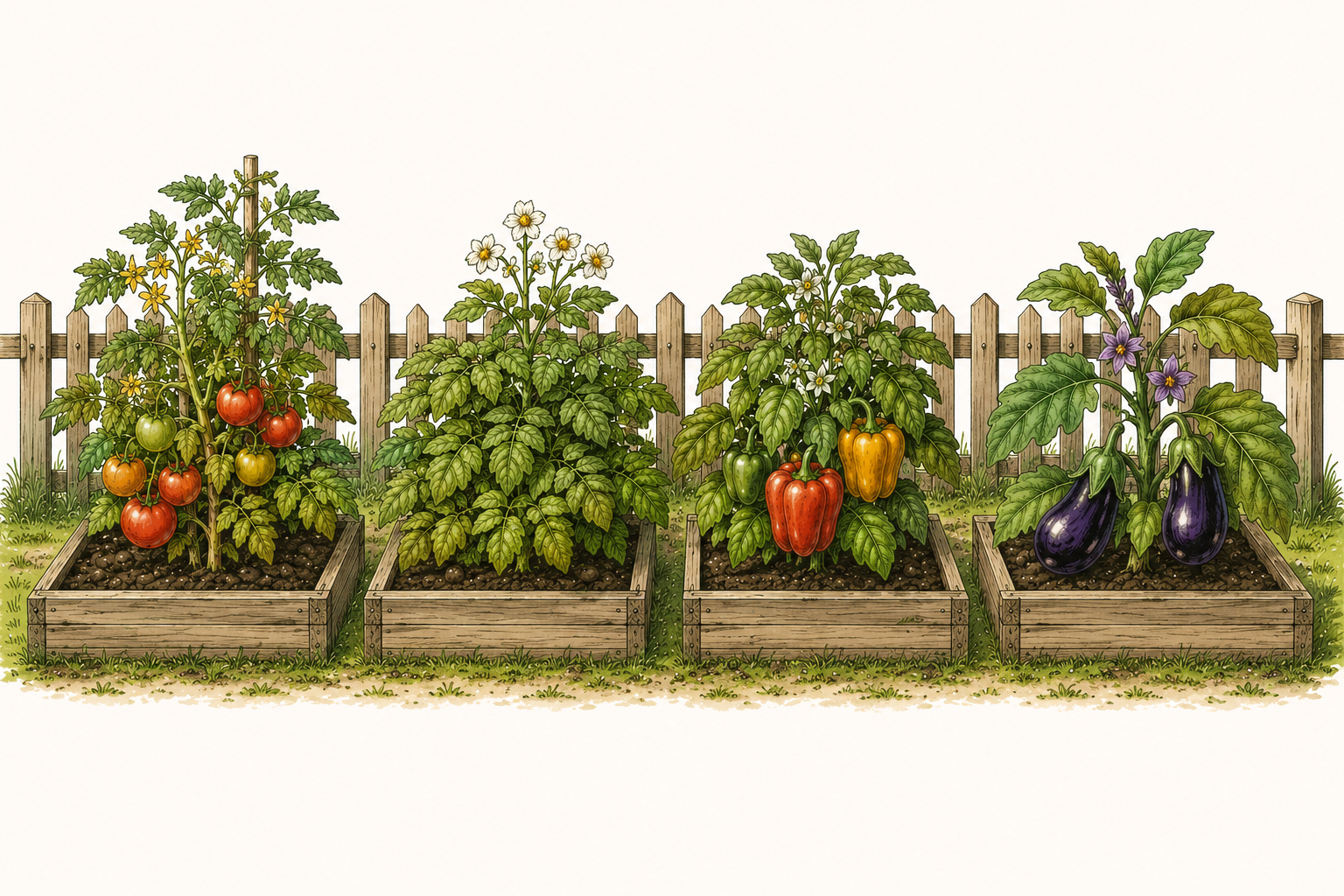
Pets and Nightshades: Tomatoes, Potatoes and More
Learn how to grow tomatoes, potatoes, peppers, and eggplants safely in pet-friendly gardens and understand plant-part risks.
Guide
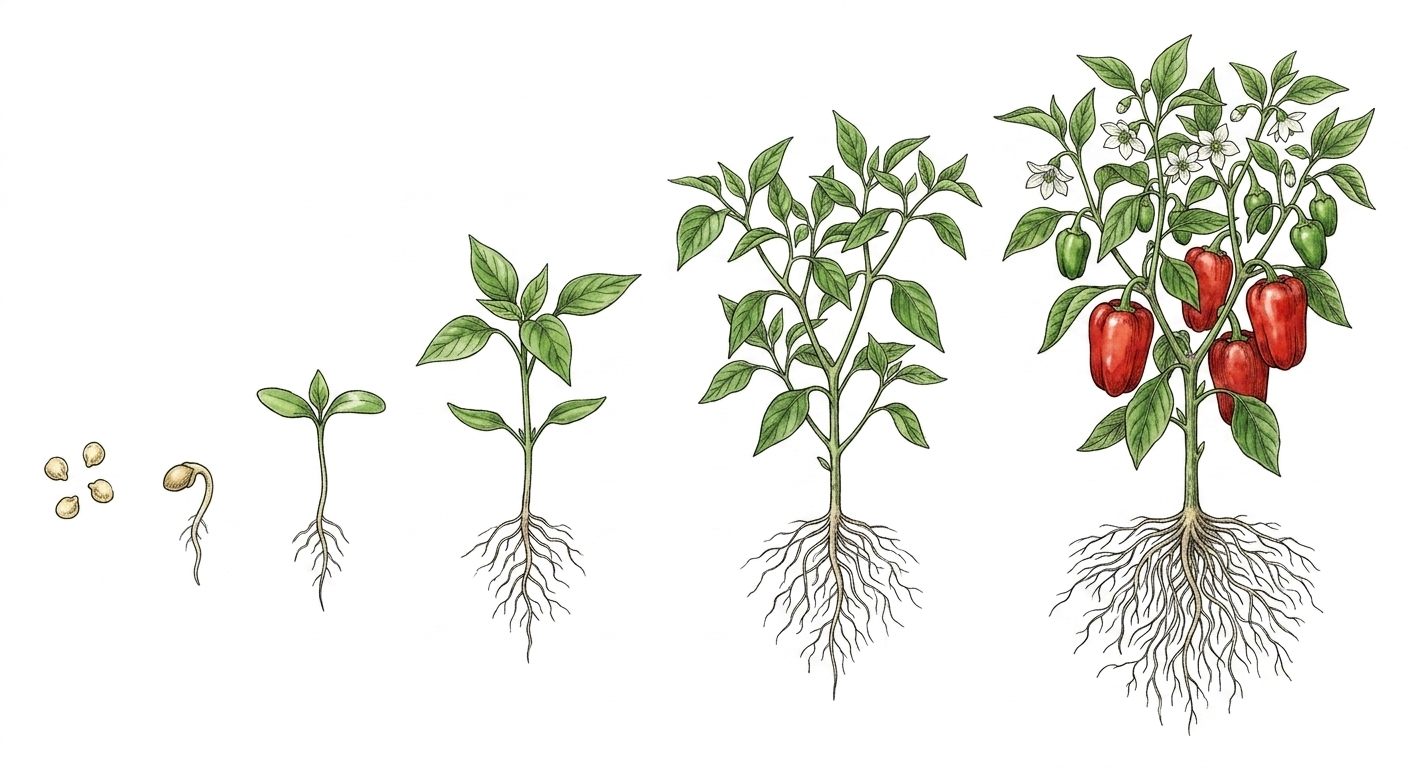
Starting Peppers and Chilies Indoors Successfully
Learn how to start peppers and chilies indoors with proper warmth, strong light, pricking out, and healthy seedling care.
Guide
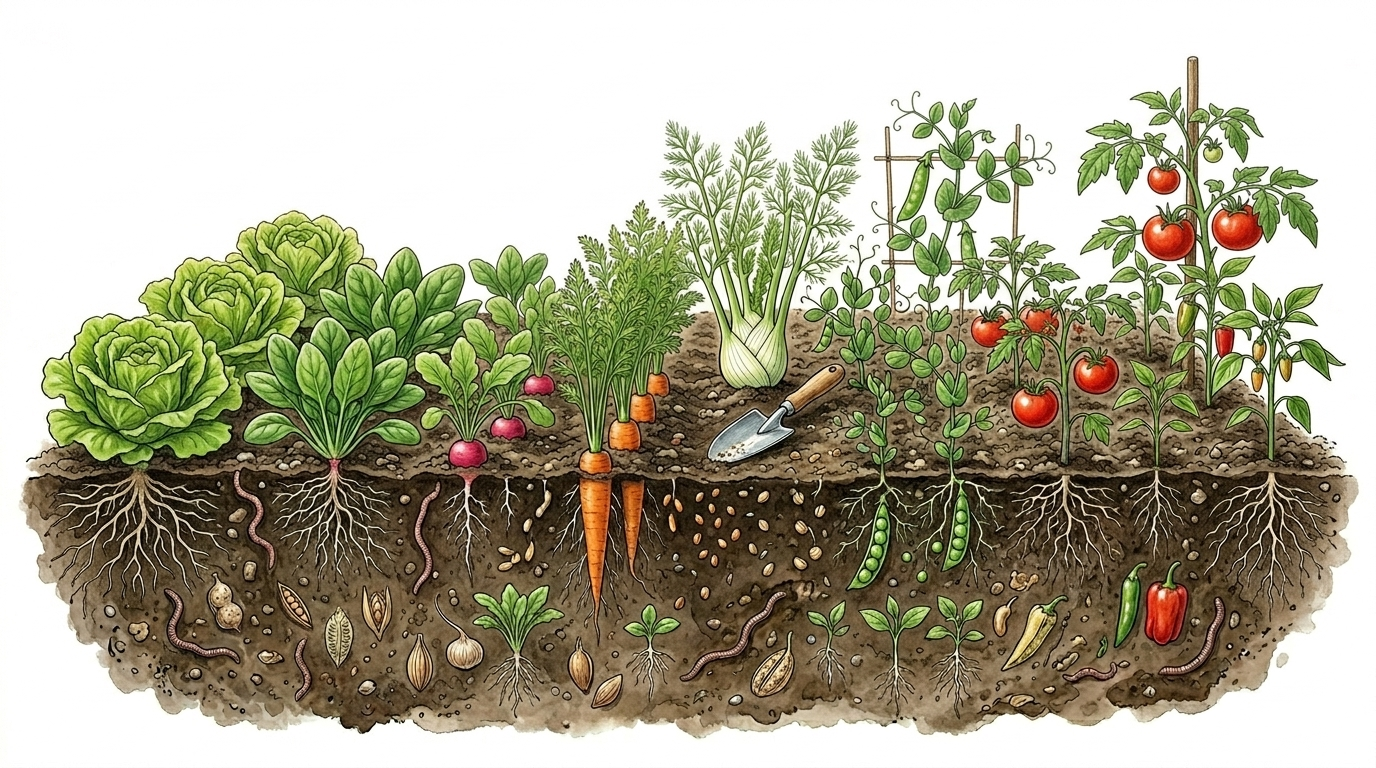
May Planting Calendar: Transplanting and Succession Sowing
What to plant and sow in May: transplant tender vegetables, continue succession sowing, and make the most of garden beds.
Guide
Starting Tomatoes Indoors: Light, Timing and Pricking Out
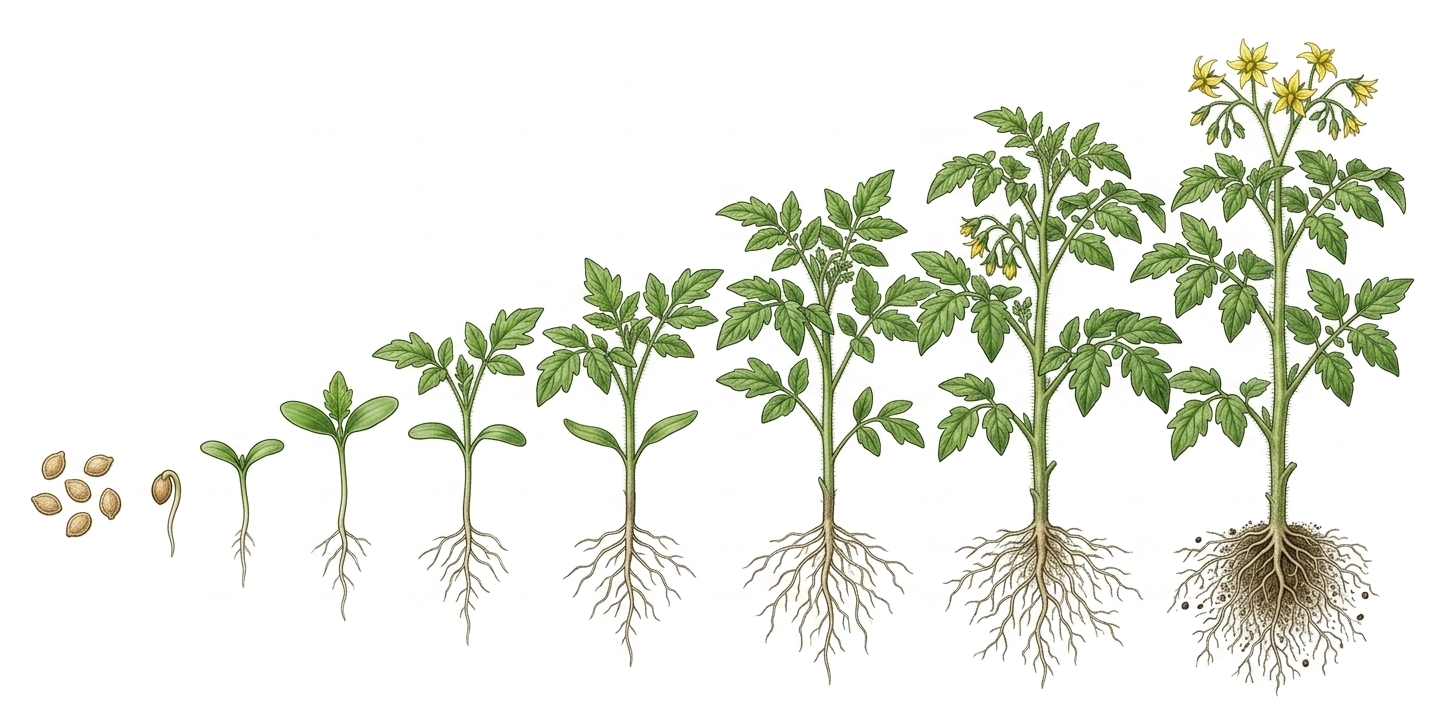
Start tomatoes indoors successfully with the right timing, warmth, strong light, pricking out, and care for healthy young plants.
Internal links
Related plants
tomato
Similar care requirements and site needs.
Frequently used together in salads and Mediterranean dishes.
Eggplant
Both belong to the nightshade family.
Late blight
Cucumber
Paprika powder
Confusion between the living plant and the ground spice.
Sources
Public sources
- Wikidata entity
Wikidata · 2026-05-14
- GBIF species match
GBIF · 2026-05-14
- Deutschsprachige Wikipedia: Paprika
Wikipedia · 2026-05-14
- English Wikipedia: Capsicum
Wikipedia · 2026-05-14