Plant Profile
Bok choyBrassica rapa subsp. chinensis
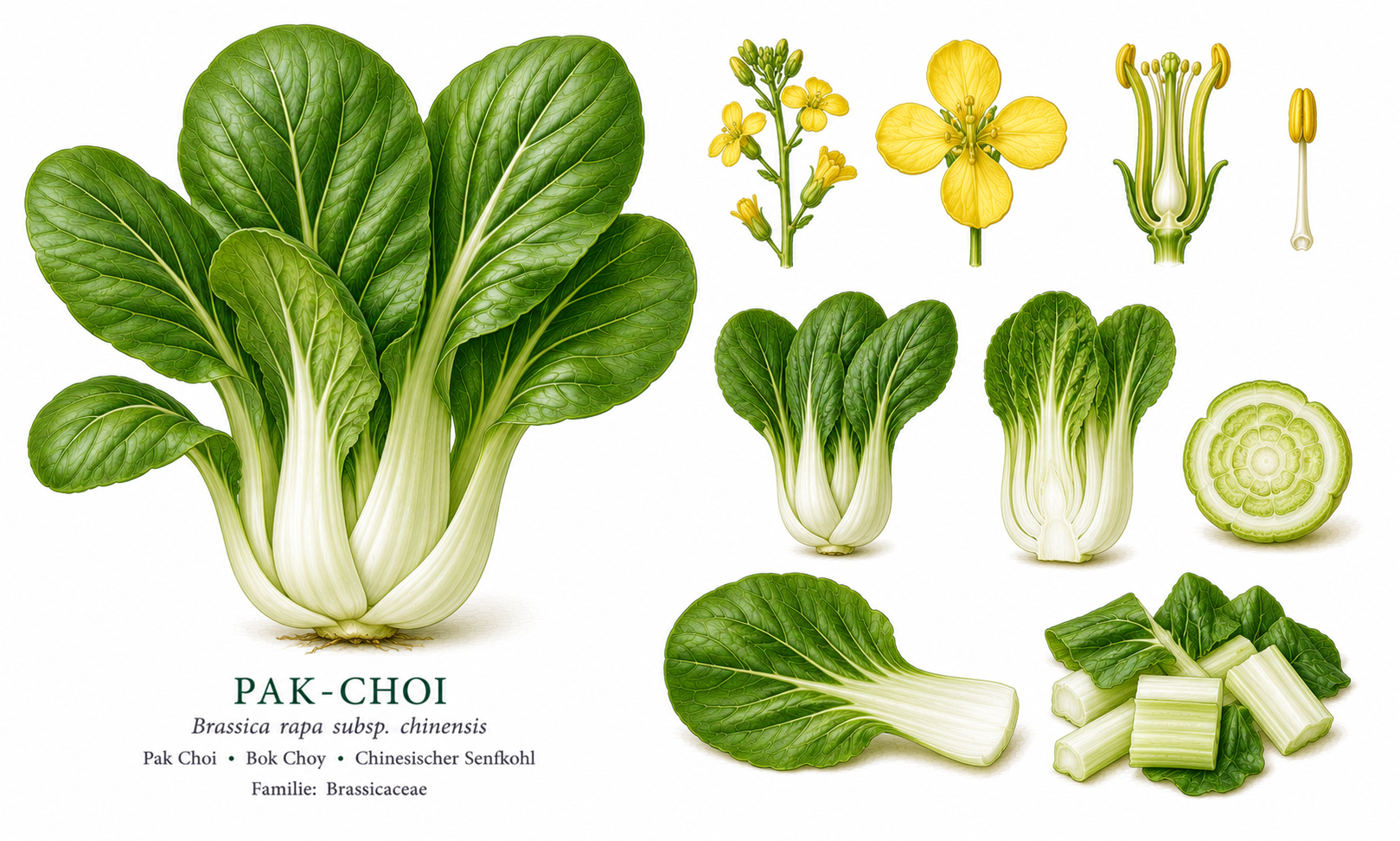
Bok choy is the ideal vegetable for impatient gardeners and fans of Asian cuisine. This close relative of Napa cabbage does not form tight heads, but rather loose rosettes with fleshy white or green stalks. Due to its extremely short cultivation period of often only six to eight weeks, it is excellent as a preceding, succeeding, or catch crop. It performs best in late summer when days shorten, as the risk of premature bolting decreases significantly.
Quick profile
Key data
Suitable growing locations:
Good neighbors
TomatoesLettuce
Avoid
Other BrassicasStrawberries
Indoor & direct sowing
Bok choy: Sowing and germination
Pre-culture for early greenhouse harvests or late outdoor successions.
Direct sowing from April under fleece; main sowing window for autumn harvest is July to August.
Planting & site
Bok choy: Planting and spacing
Transplanting pre-cultures with sufficient spacing.
Site & practical notes
Quick tips: Always choose bolt-resistant varieties for spring planting., Keep the soil consistently moist to maintain the tenderness of the stalks.
Temperature & frost
Bok choy: Temperature and site
Water & nutrients
Bok choy: Water, nutrients and care
Container & growth
Bok choy: Container, support and growth
Year plan
Bok choy Calendar
In autumn, bok choy shows its true strength, filling gaps left by summer crops.
Recurring tasks
Relevant now
June
- No additional single task
Next up
July
- No additional single task
Monthly tasks
Single tasks from monthly data; repeated seasonal windows are shown in the overview above.
January
Quiet month
February
No additional single task
March
No additional single task
April
No additional single task
May
No additional single task
June
No additional single task
August
No additional single task
September
No additional single task
October
No additional single task
November
No additional single task
December
Quiet month
Flowering & pollination
Bok choy Flowering & pollination
Flowering period
June to August (if bolting)
Flower color
Yellow
Self-fertility
partially self-fertile
Pollinator needed
yes
Overview
Cross-pollination by insects, primarily bees and hoverflies.
Notes
Easily crosses with other Brassica rapa subspecies (e.g., Napa cabbage, turnips).
Pruning & care
Bok choy Pruning & care
Pruning type
clean-up
Pruning timing
Crop maintenance and harvest Ongoing inspection and removal of wilted leaves promotes hygiene.
Remove
Preserve
Avoid
Tools and hygiene
Use sharp harvesting knives; disinfect after contact with diseased plants (e.g., downy mildew).
Companion guide
Bok choy Companion guide
Good neighbors
TomatoesLettuce
Avoid
Other BrassicasStrawberries
Use & storage
Bok choy Use & storage
Harvest after 6–10 weeks depending on variety; baby bok choy earlier.
Storage
Short-term storage (refrigeration)
Storage life
In the refrigerator for approx. 3 to 7 days wrapped in a damp cloth.
Flavor
Mild, slightly mustard-like, subtle sweetness, crunchy texture.
Harvest
Harvest after 6–10 weeks depending on variety; baby bok choy earlier.
Processing
After harvest
Trim roots, remove wilted outer leaves, and briefly dip in cold water.
Edibility & safety
Bok choy Edibility & safety
For people
In brief: which parts are edible, which parts remain risky, and whether raw consumption makes sense.
Safety notes
Non-toxic. Contains glucosinolates which in extreme quantities could inhibit iodine uptake (harmless in normal dietary amounts).
Animal safety
The evidence for this plant and animals is still limited. Check the detail rows before allowing access or feeding.
Each row shows which parts are more suitable and which parts are critical.
Companion animals
 Dog
DogNo suitable parts listed
No risk parts listed
No suitable parts listed
No risk parts listed
 Cat
CatNo suitable parts listed
No risk parts listed
No suitable parts listed
No risk parts listed
 Rabbit
No suitable parts listed
No risk parts listed
No suitable parts listed
No risk parts listed
 Guinea pig
No suitable parts listed
No risk parts listed
No suitable parts listed
No risk parts listed
 Hamster
No suitable parts listed
No risk parts listed
No suitable parts listed
No risk parts listed
 Budgie
No suitable parts listed
No risk parts listed
No suitable parts listed
No risk parts listed
Farm animals
 Horse
HorseNo suitable parts listed
No risk parts listed
No suitable parts listed
No risk parts listed
 Chicken
No suitable parts listed
No risk parts listed
No suitable parts listed
No risk parts listed
 Duck
DuckNo suitable parts listed
No risk parts listed
No suitable parts listed
No risk parts listed
 Goose
GooseNo suitable parts listed
No risk parts listed
No suitable parts listed
No risk parts listed
 Sheep
SheepNo suitable parts listed
No risk parts listed
No suitable parts listed
No risk parts listed
 Goat
GoatNo suitable parts listed
No risk parts listed
No suitable parts listed
No risk parts listed
 Cattle
No suitable parts listed
No risk parts listed
No suitable parts listed
No risk parts listed
 Pig
PigNo suitable parts listed
No risk parts listed
No suitable parts listed
No risk parts listed
These guidelines are for general information only and do not replace veterinary diagnosis. If critical plant parts were ingested or the animal shows unusual behaviour or symptoms, seek veterinary advice.
Max risk
unknown
Highest status
not established
Urgency
unknown
Saving seed
Bok choy Saving seed
Seed viability
3 - 5 years
Practical tips
Bok choy Practical tips
Common beginner mistakes
Sowing too early outdoors without protection often leads to bolting.
Success pattern
August sowing usually yields the most vigorous and bolt-resistant plants.
High-impact tips
Use crop protection nets from the start to keep away cabbage flies and flea beetles.
Grower observations
Red varieties are often slightly slower growers but very decorative.
Health
Pests, Diseases
Pests
Flea beetles
Small shotholes in leaves, especially during dry spells.
Diamondback moth
Windowpane feeding damage on leaf undersides.
Diseases
Clubroot
Swollen, distorted roots; leaves wilting in sunlight.
Downy mildew
Yellow spots on top, grey fungal growth underneath.
Deficiencies
Nitrogen deficiency
Pale green to yellowish leaves, stunted growth.
Plant health
Diagnosis help
Bok choy Diagnosis help
Pest groups
Disease groups
Prevention
Diagnosis
In case of wilting leaves, check the roots first for swellings (clubroot).
Cultural prevention
Monitoring
Weekly check for flea beetles
First response
Diagnostic rules
Holes in leaves
Possible causes: Flea beetles, Diamondback Moth, Slugs
- Check leaf undersides
- Look for slug trails
FAQ
Why is my bok choy starting to flower so quickly?
This is usually due to cold stress below 10°C in the early stages or long daylight hours in midsummer. Sow in July/August for better results.
Is Bok choy safe for Dog?
Bok choy is classified as not established for Dog. Risk: unknown. Urgency: unknown. No reliable species-specific assessment is available.
Is Bok choy safe for Cat?
Bok choy is classified as not established for Cat. Risk: unknown. Urgency: unknown. No reliable species-specific assessment is available.
Is Bok choy safe for Rabbit?
Bok choy is classified as not established for Rabbit. Risk: unknown. Urgency: unknown. No reliable species-specific assessment is available.
Is Bok choy safe for Guinea pig?
Bok choy is classified as not established for Guinea pig. Risk: unknown. Urgency: unknown. No reliable species-specific assessment is available.
Guides
Related guides
Guide
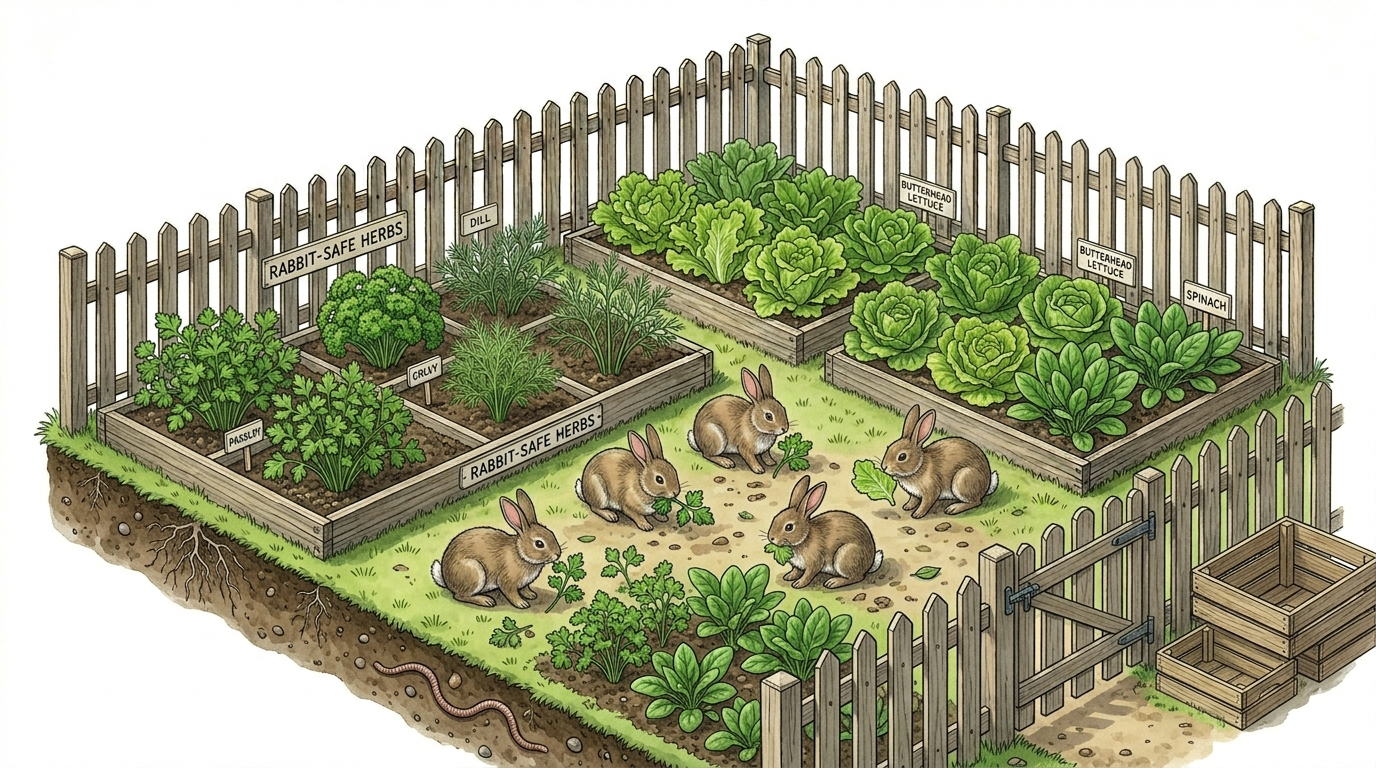
Rabbits in the Garden: Herbs and Vegetables
Learn how to choose suitable herbs and vegetables for rabbits, grow feeding plants, and plan a rabbit-friendly garden.
Guide
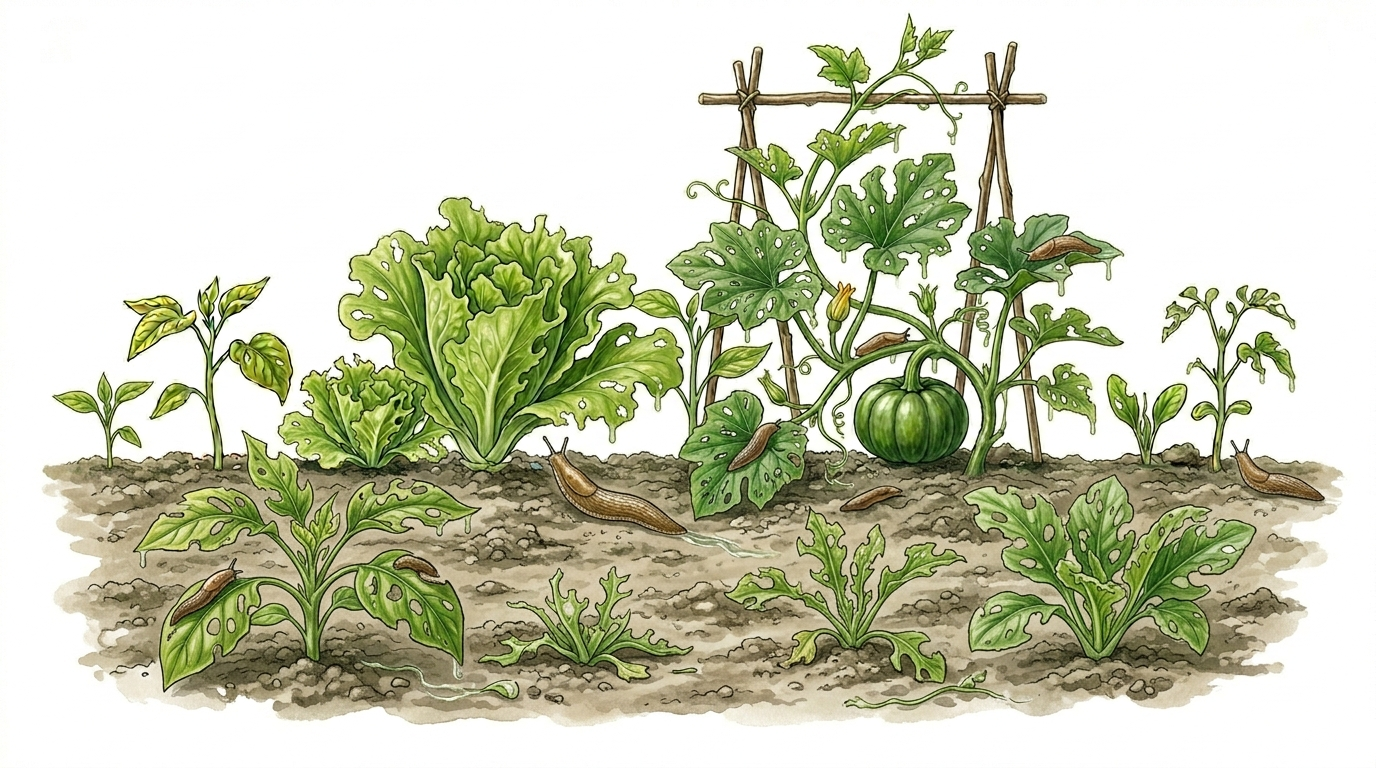
Slugs in Vegetable Beds: Protecting Vulnerable Plants
Learn how to protect vegetables from slugs, recognize feeding damage early, and plan beds to reduce slug pressure.
Guide
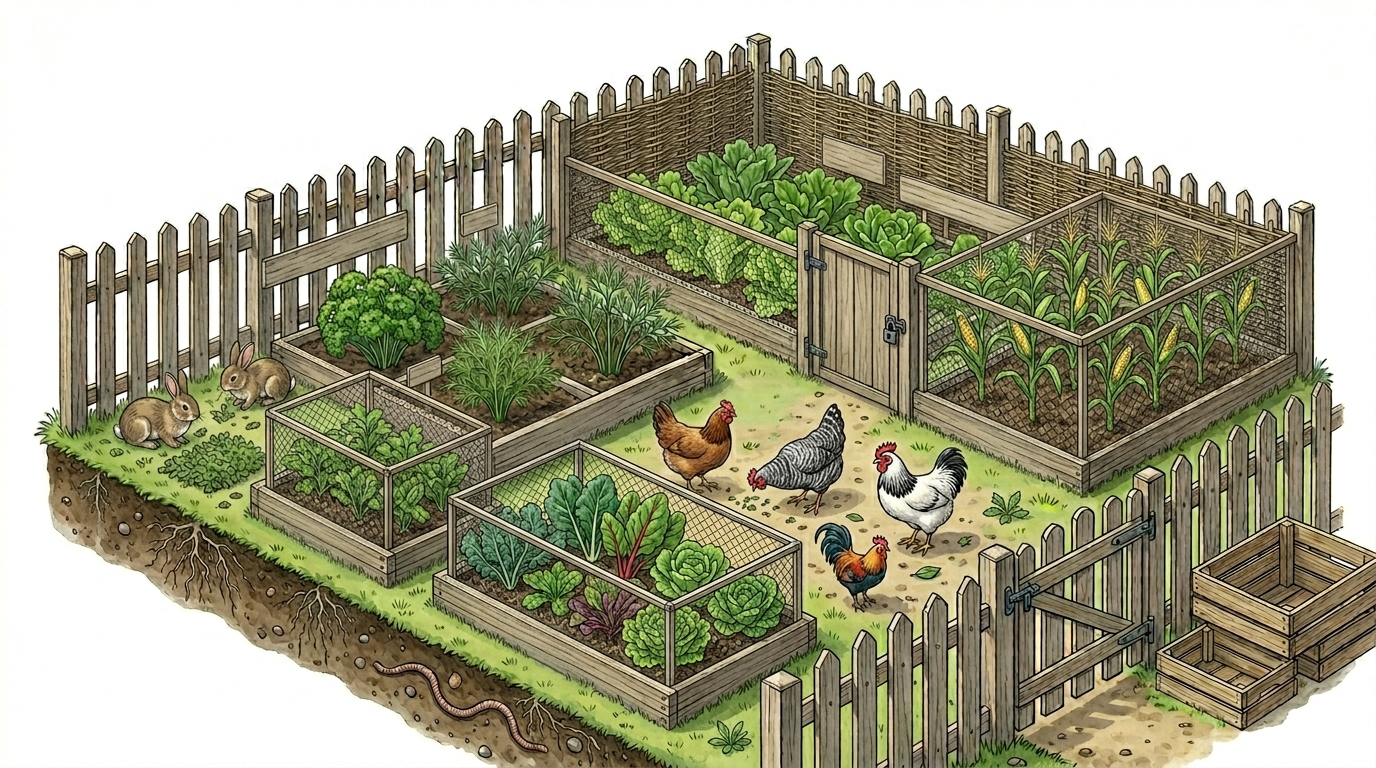
Chickens in the Garden: Safe Plants and Zones
Learn how to design a chicken-friendly garden with suitable plants, protected beds, and well-planned activity areas.
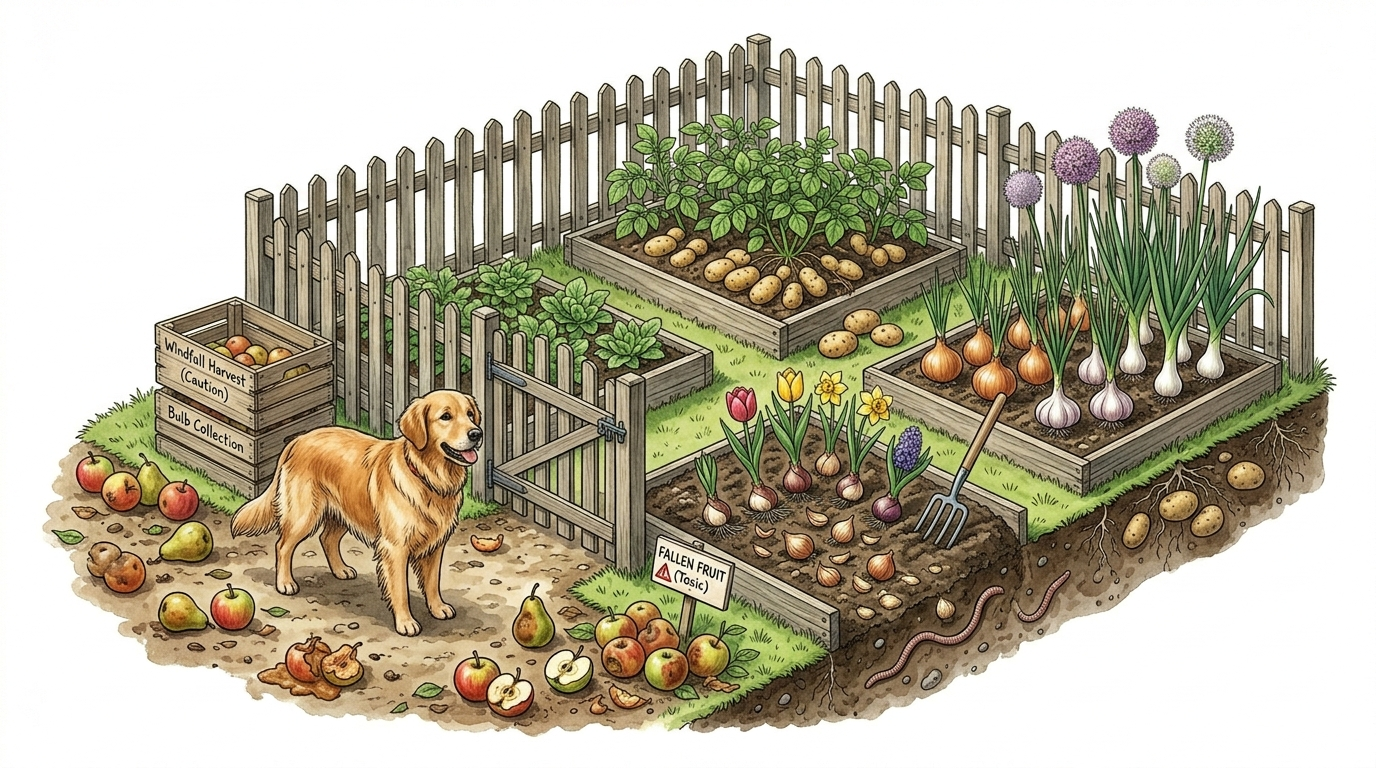
Guide
Dogs in the Garden: Windfall Fruit and Risks
Keep your garden dog-safe by managing windfall fruit, seeds, stored crops, and potentially problematic plant parts.
Internal links
Related plants
Clubroot
Cucumbers
Tatsoi
Similar use and cultivation needs, flatter growth habit.
Radish
Both belong to the Brassicaceae family.
Swiss Chard
Similar structure consisting of leaf stalk and blade.
Napa cabbage
Both are Brassica rapa subspecies, but Napa cabbage forms tight heads.
Sources
Public sources
- Wikidata entity
Wikidata · 2026-05-14
- GBIF species match
GBIF · 2026-05-14
- Deutschsprachige Wikipedia: Pak Choi
Wikipedia · 2026-05-14
- English Wikipedia: Bok choy
Wikipedia · 2026-05-14