Plant Profile
TomatilloPhysalis philadelphica
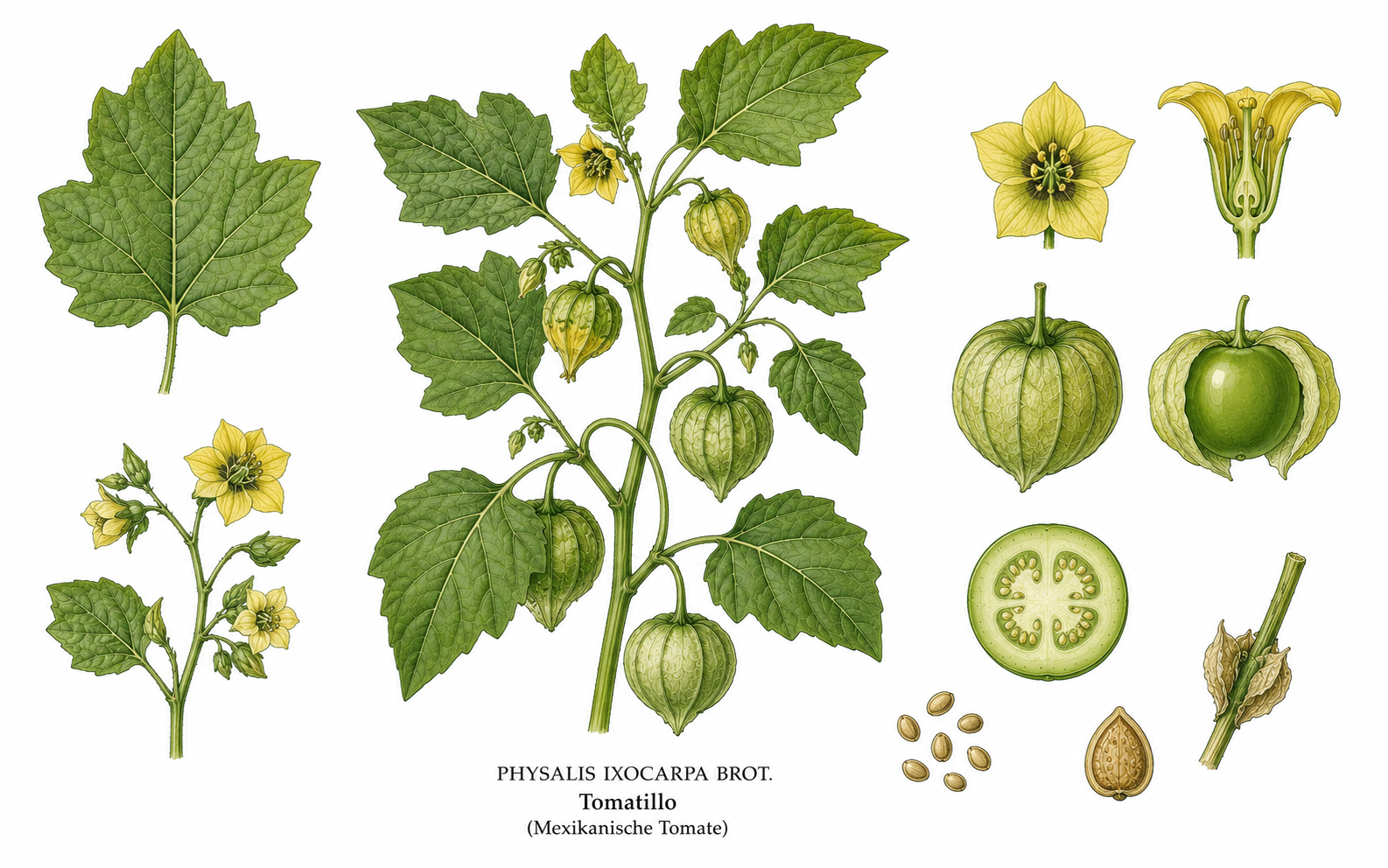
The tomatillo is a heat-loving fruiting vegetable from the nightshade family, known for its tart fruits enclosed in a papery husk. Ideal for salsas and sauces.
Quick profile
Key data
Suitable growing locations:
Good neighbors
Marigolds (Tagetes)NasturtiumsCarrotsOnions
Avoid
FennelTomatoesPotatoes
Indoor & direct sowing
Tomatillo: Sowing and germination
Tomatillos require a long growing season and are frost-sensitive. Therefore, indoor pre-cultivation is essential.
Direct outdoor sowing is not recommended in Central Europe due to frost sensitivity and the need for warmth.
Planting & site
Tomatillo: Planting and spacing
Plant out only after the last frosts, when the soil has warmed sufficiently (mid-May to early June).
Temperature & frost
Tomatillo: Temperature and site
Water & nutrients
Tomatillo: Water, nutrients and care
Container & growth
Tomatillo: Container, support and growth
Year plan
Tomatillo Calendar
Indoor pre-cultivation in spring is crucial, as tomatillos require a long, warm growing season and are extremely frost-sensitive.
Relevant now
June
- Plant out to gardenafter last frost, soil warm: Plant with sufficient spacing (60-80 cm) and water well. Install supports.
- Water regularlydry weather: Ensure consistent moisture, especially after planting out.
Next up
July
- Support plantsplants growing tall: Bushy plants often require additional stakes or cages.
- First harvesthusks split: Harvest first ripe fruits when the husk splits and the fruit underneath is firm.
- Fertilizefirst fruit set: Apply a balanced liquid fertilizer or compost tea.
- Water regularlydry weather, fruit development: Water requirements are high during fruit development.
Monthly tasks
Single tasks from monthly data; repeated seasonal windows are shown in the overview above.
January
Quiet month
February
Quiet month
March
Direct sowing
- Pre-cultivate indoorswarm, bright location: Sow seeds 0.5-1 cm deep in seed-starting mix, germinate at 20-25°C.
April
Direct sowing
- Continue indoor pre-cultivationwarm, bright location: Place young plants in a bright, warm spot; prick out if necessary.
May
Planting
- Harden off plantsno frost risk: Gradually acclimate plants to outdoor temperatures and sun.
Growing
- Prepare garden bedsoil workable: Loosen soil and enrich with compost.
June
Planting
- Plant out to gardenafter last frost, soil warm: Plant with sufficient spacing (60-80 cm) and water well. Install supports.
Growing
- Water regularlydry weather: Ensure consistent moisture, especially after planting out.
August
Planting
- Support plantsheavy fruit load: Provide additional support for heavy, fruit-laden branches.
Harvest
- Main harvesthusks split: Harvest ripe fruits regularly to encourage further production.
Growing
- Fertilizeongoing fruiting: Continue fertilizing every 2-4 weeks.
- Water regularlydry weather, fruit development: Consistent moisture is crucial for good yields.
September
Harvest
- Continue harvesthusks split: Harvest for as long as possible, until the first frost threatens.
Growing
- Reduce wateringcooler weather: Check water needs in cooler temperatures and reduce watering.
October
Harvest
- Last harvest before frostfirst frost imminent: Harvest all remaining fruits before the first frost. Unripe fruits can ripen indoors.
Growing
- Clear garden bedafter harvest: Remove plant debris and prepare the bed for the next season.
November
Quiet month
December
Quiet month
Flowering & pollination
Tomatillo Flowering & pollination
Flowering period
Mid-summer to autumn (July to October)
Flower type
Bell-shaped, small
Flower color
Yellow with a dark center
Self-fertility
self-incompatible
Pollinator needed
yes
Overview
Tomatillos are self-incompatible and require cross-pollination for good fruit set. At least two plants should be grown.
Notes
The flowers are rather inconspicuous and are located in the leaf axils. They are pollinated by insects.
Companion guide
Tomatillo Companion guide
Good neighbors
Marigolds (Tagetes)NasturtiumsCarrotsOnions
Avoid
FennelTomatoesPotatoes
Use & storage
Tomatillo Use & storage
Harvest begins in mid-summer and continues until the first frost. Fruits are ripe when the husk splits or changes color.
Storage
Cool and dry
Storage life
With husk at room temperature 2-3 weeks, in the refrigerator up to 2 months. Shorter without husk.
Flavor
Tart, slightly citrusy, fresh, sometimes slightly resinous
Harvest
Harvest begins in mid-summer and continues until the first frost. Fruits are ripe when the husk splits or changes color.
Processing
After harvest
Harvest the fruits with their husks. The husk protects the fruit and extends its shelf life. Before use, remove the husk and wash off the sticky residue.
Notes
The sticky residue on the fruit after removing the husk is normal and should be washed off before use.
Edibility & safety
Tomatillo Edibility & safety
For people
In brief: which parts are edible, which parts remain risky, and whether raw consumption makes sense.
Safety notes
Like other nightshades, unripe fruits, leaves, and stems contain solanine-like alkaloids, which are toxic in larger quantities. Consume only ripe fruits.
Animal safety
This plant is not simply safe or unsafe for animals. 14 animal types have restrictions, so quantity, access, and plant part matter.
Each row shows which parts are more suitable and which parts are critical.
Companion animals
 Dog
DogRipe fruit
Unripe fruits, Leaves, Stems
Ripe fruit
Unripe fruits, Leaves, Stems
Consumption of unripe plant parts, Overconsumption of ripe fruit
Vomiting, Diarrhea, Gastrointestinal upset
observe
Ripe tomatillo fruits are suitable for dogs in small amounts as a treat. Unripe fruits, leaves, stems, and husk contain solanine-like alkaloids that can cause gastrointestinal upset. If toxic parts are ingested, consult a veterinarian.
Open animal page Cat
CatRipe fruit
Husk (calyx), Unripe fruits, Leaves
Ripe fruit
Husk (calyx), Unripe fruits, Leaves
Consumption of unripe plant parts, Overconsumption
Vomiting, Gastrointestinal upset
contact a vet if symptoms appear
Ripe tomatillo fruits are suitable for cats in small amounts as a treat. Unripe fruits, leaves, stems, and husk contain solanine-like alkaloids that may cause gastrointestinal upset. Feed only ripe fruit and limit quantity.
Open animal page Rabbit
ripe fruit
unripe fruits, leaves, stems
ripe fruit
unripe fruits, leaves, stems
consumption of unripe parts, overconsumption of ripe fruit
gastrointestinal upset, diarrhea
observe
Ripe tomatillo fruits are suitable for rabbits in small amounts as an occasional treat, but contain solanine-like alkaloids in unripe parts and may cause gastrointestinal upset if overfed. Feed only ripe fruit, avoid leaves, stems, and husk.
Open animal page Guinea pig
ripe fruit
unripe fruits, leaves, stems
ripe fruit
unripe fruits, leaves, stems
consumption of unripe plant parts, overconsumption
gastrointestinal upset, vomiting, diarrhea
observe
Ripe tomatillo fruits are suitable for guinea pigs in small amounts as a treat and provide vitamin C. Unripe fruits, leaves, stems, and husk contain solanine-like alkaloids that can cause gastrointestinal upset. Feed only ripe fruit.
Open animal page Hamster
ripe fruit
unripe fruits, leaves, stems
ripe fruit
unripe fruits, leaves, stems
consumption of unripe parts, overconsumption of ripe fruit
gastrointestinal upset, vomiting, diarrhea
observe
No direct species-specific source was found for hamsters. This is a cautious inference from the rabbits profile and the known plant-part risks.
Open animal page Budgie
Ripe fruit
Husk (calyx), Unripe fruits, Leaves
Ripe fruit
Husk (calyx), Unripe fruits, Leaves
Consumption of unripe parts, Overconsumption
Gastrointestinal upset, Vomiting, Diarrhea
contact a vet if symptoms appear
Ripe tomatillo fruits are suitable for budgies in small amounts as an occasional treat. All other plant parts contain toxic alkaloids and must be avoided. If toxic parts are ingested, monitor for symptoms and consult a veterinarian if they occur.
Open animal pageFarm animals
 Horse
HorseRipe fruit
Unripe fruits, Leaves, Stems
Ripe fruit
Unripe fruits, Leaves, Stems
Consumption of unripe plant parts, Overconsumption of ripe fruits
Gastrointestinal upset, Vomiting, Diarrhea
observe
Ripe tomatillo fruits are suitable for horses in small amounts as an occasional treat, but like other nightshades contain solanine-like alkaloids in unripe parts and may cause gastrointestinal upset if overconsumed. Leaves, stems, unripe fruits, and husk are toxic and should be avoided.
Open animal page Chicken
Ripe fruit
Unripe fruits, Leaves, Stems
Ripe fruit
Unripe fruits, Leaves, Stems
Consumption of unripe plant parts, Overconsumption of ripe fruits
Gastrointestinal upset, Vomiting, Diarrhea
observe
Ripe tomatillo fruits are suitable for chickens in small amounts as a treat. Unripe fruits, leaves, stems, and husk contain solanine-like alkaloids and should be avoided. If toxic parts are ingested, observe and contact vet if symptoms appear.
Open animal page Duck
DuckRipe fruit
Husk (calyx), Unripe fruits, Leaves
Ripe fruit
Husk (calyx), Unripe fruits, Leaves
Consumption of unripe plant parts, Overconsumption of ripe fruit
Gastrointestinal upset, Vomiting, Diarrhea
observe
Ripe tomatillo fruit is suitable for ducks in small amounts as an occasional treat. Unripe fruits, leaves, stems, and husk contain solanine-like alkaloids and should be avoided. If toxic parts are ingested, observe and consult a veterinarian if symptoms persist.
Open animal page Goose
GooseRipe fruit
Husk (calyx), Unripe fruits, Leaves
Ripe fruit
Husk (calyx), Unripe fruits, Leaves
Consumption of unripe plant parts, Overconsumption of ripe fruit
Gastrointestinal upset, Vomiting, Diarrhea
observe
Ripe tomatillo fruits are suitable for geese in small amounts as an occasional treat. All other plant parts contain toxic alkaloids and must be avoided. If toxic parts are ingested, observe for symptoms and consult a veterinarian if symptoms persist.
Open animal page Sheep
Sheepripe fruit
unripe fruits, leaves, stems
ripe fruit
unripe fruits, leaves, stems
consumption of unripe plant parts, overconsumption
gastrointestinal upset, vomiting, diarrhea
contact a vet if symptoms appear
No reliable species-specific assessment is available.
Open animal page Goat
Goatripe fruit
unripe fruits, leaves, stems
ripe fruit
unripe fruits, leaves, stems
consumption of unripe plant parts, overconsumption
gastrointestinal upset, vomiting, diarrhea
contact a vet if symptoms appear
No direct species-specific source was found for goats. This is a cautious inference from the sheep profile and the known plant-part risks.
Open animal page Cattle
ripe fruit
unripe fruits, leaves, stems
ripe fruit
unripe fruits, leaves, stems
consumption of unripe plant parts, overconsumption
gastrointestinal upset, vomiting, diarrhea
contact a vet if symptoms appear
No direct species-specific source was found for cattle. This is a cautious inference from the sheep profile and the known plant-part risks.
Open animal page Pig
PigRipe fruit
Unripe fruits, Leaves, Stems
Ripe fruit
Unripe fruits, Leaves, Stems
Consumption of unripe plant parts, Overconsumption
Gastrointestinal upset, Vomiting, Diarrhea
observe
Ripe tomatillo fruits are suitable for pigs in small amounts as an occasional treat. Unripe fruits, leaves, and stems contain solanine-like alkaloids that may cause gastrointestinal upset if consumed excessively. Feed only ripe fruits.
Open animal pageThese guidelines are for general information only and do not replace veterinary diagnosis. If critical plant parts were ingested or the animal shows unusual behaviour or symptoms, seek veterinary advice.
Max risk
unknown
Highest status
selected parts only
Urgency
contact a vet if symptoms appear
Saving seed
Tomatillo Saving seed
Seed viability
4 - 6 years
Notes
To obtain true-to-type seeds, adequate isolation from other tomatillo varieties or related Physalis species is required. Seeds can be cleaned by fermentation, similar to tomato seeds, to improve germination.
Practical tips
Tomatillo Practical tips
Common beginner mistakes
Success pattern
High-impact tips
Grower observations
Plant Profile
Additional plant images

Health
Pests, Diseases
Plant health
Diagnosis help
Tomatillo Diagnosis help
Pest groups
Sucking insects (Aphids, Whiteflies, Spider Mites)
Disease groups
Fungal diseases (Early Blight, Powdery Mildew, Wilts)
Prevention
Diagnosis
When problems arise, first check growing conditions (water, nutrients, site), as many symptoms are due to stress.
Cultural prevention
Monitoring
First response
Diagnostic rules
Dark spots with concentric rings on older leaves, often with a yellow halo.
Possible causes: Early blight
- Check humidity and temperature history
- Check plant spacing and ventilation
White, powdery coating on upper and lower leaf surfaces.
Possible causes: Powdery mildew
- Improve air circulation
- Remove affected leaves
FAQ
Do tomatillos need support?
Yes, tomatillos grow bushy and can collapse under the weight of their fruits. Support with stakes, cages, or a trellis is advisable to keep the plants upright and the fruits off the ground.
Why do tomatillo husks split?
The splitting of the papery husk is a normal sign of ripeness in tomatillos. It indicates that the fruit inside has reached its full size and is ready for harvest. However, inconsistent watering can also promote this prematurely.
Can you eat tomatillos raw?
Yes, ripe tomatillos can be eaten raw, for example in salads or salsas. However, unripe fruits, leaves, and stems contain solanine-like alkaloids and should not be consumed.
What is the best way to store tomatillos?
Ripe tomatillos are best stored cool and dry with their husks. At room temperature, they last about 2-3 weeks; in the refrigerator, up to 2 months. Before use, remove the husk and wash off the sticky residue.
Why aren't my tomatillos producing fruit?
Tomatillos are self-incompatible and require cross-pollination. The most common reason for poor fruit set is growing only one plant or insufficient pollinators. Plant at least two tomatillos and attract bees.
Is Tomatillo safe for Dog?
Tomatillo is classified as selected parts only for Dog. Risk: unknown. Urgency: observe. Ripe tomatillo fruits are suitable for dogs in small amounts as a treat. Unripe fruits, leaves, stems, and husk contain solanine-like alkaloids that can cause gastrointestinal upset. If toxic parts are ingested, consult a veterinarian.
Is Tomatillo safe for Cat?
Tomatillo is classified as selected parts only for Cat. Risk: unknown. Urgency: contact a vet if symptoms appear. Ripe tomatillo fruits are suitable for cats in small amounts as a treat. Unripe fruits, leaves, stems, and husk contain solanine-like alkaloids that may cause gastrointestinal upset. Feed only ripe fruit and limit quantity.
Is Tomatillo safe for Rabbit?
Tomatillo is classified as selected parts only for Rabbit. Risk: unknown. Urgency: observe. Ripe tomatillo fruits are suitable for rabbits in small amounts as an occasional treat, but contain solanine-like alkaloids in unripe parts and may cause gastrointestinal upset if overfed. Feed only ripe fruit, avoid leaves, stems, and husk.
Is Tomatillo safe for Guinea pig?
Tomatillo is classified as selected parts only for Guinea pig. Risk: unknown. Urgency: observe. Ripe tomatillo fruits are suitable for guinea pigs in small amounts as a treat and provide vitamin C. Unripe fruits, leaves, stems, and husk contain solanine-like alkaloids that can cause gastrointestinal upset. Feed only ripe fruit.
Guides
Related guides
Guide
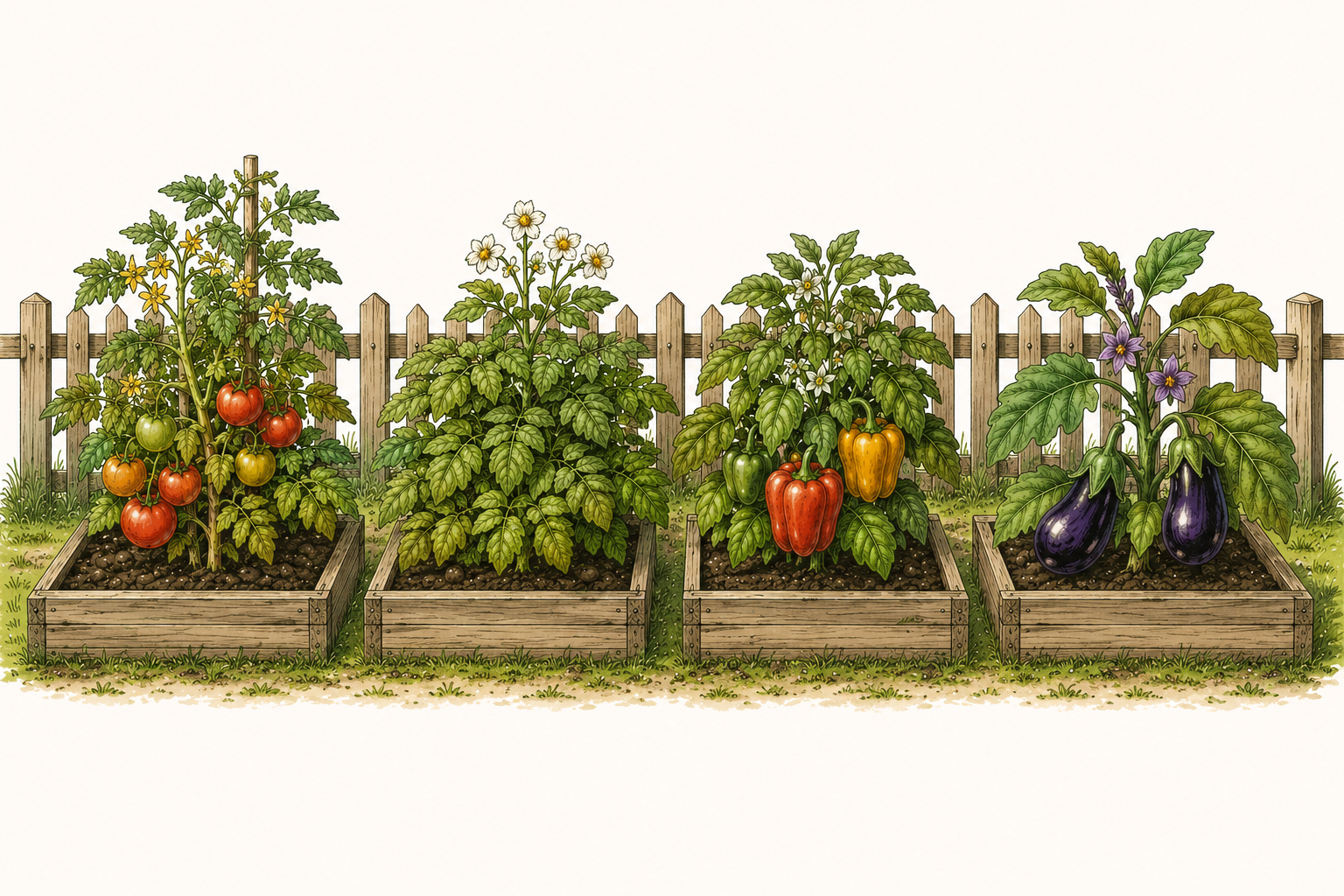
Pets and Nightshades: Tomatoes, Potatoes and More
Learn how to grow tomatoes, potatoes, peppers, and eggplants safely in pet-friendly gardens and understand plant-part risks.
Guide
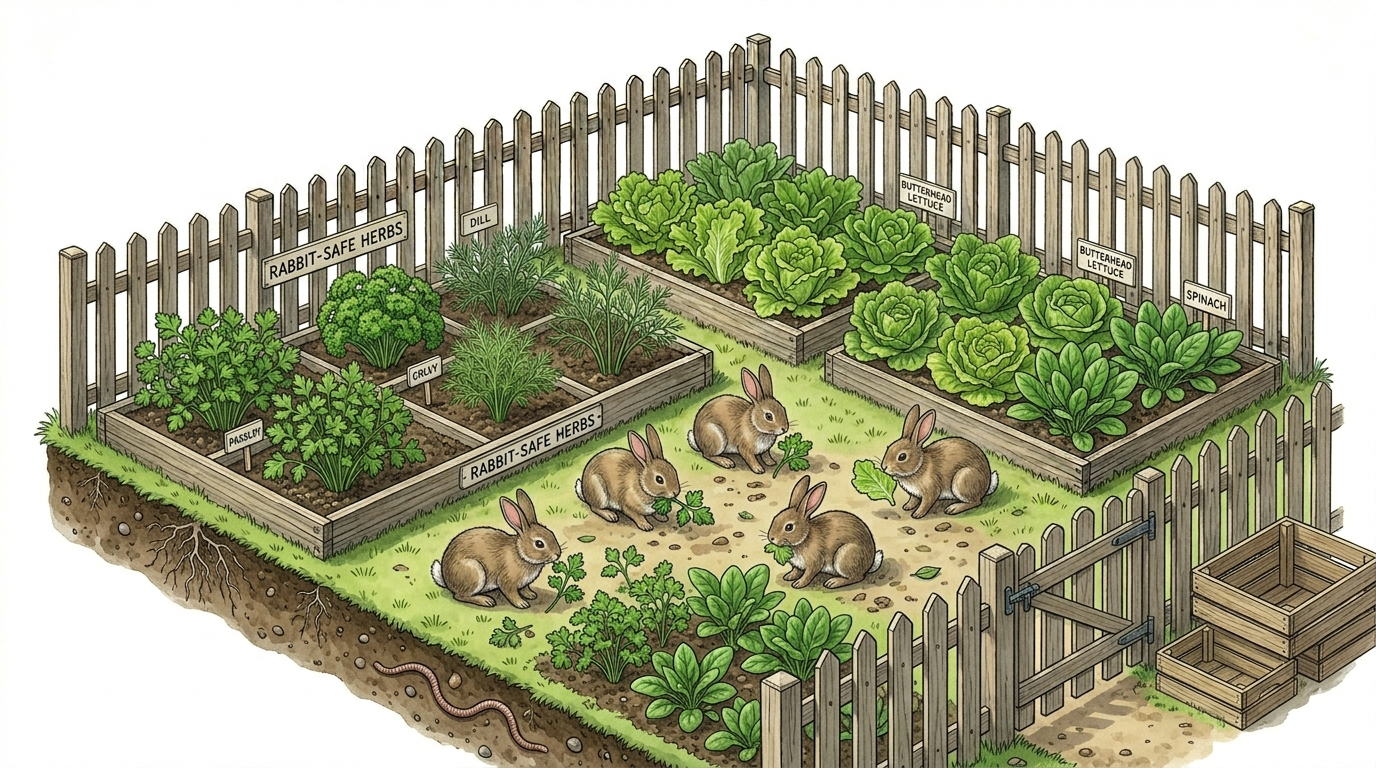
Rabbits in the Garden: Herbs and Vegetables
Learn how to choose suitable herbs and vegetables for rabbits, grow feeding plants, and plan a rabbit-friendly garden.
Guide
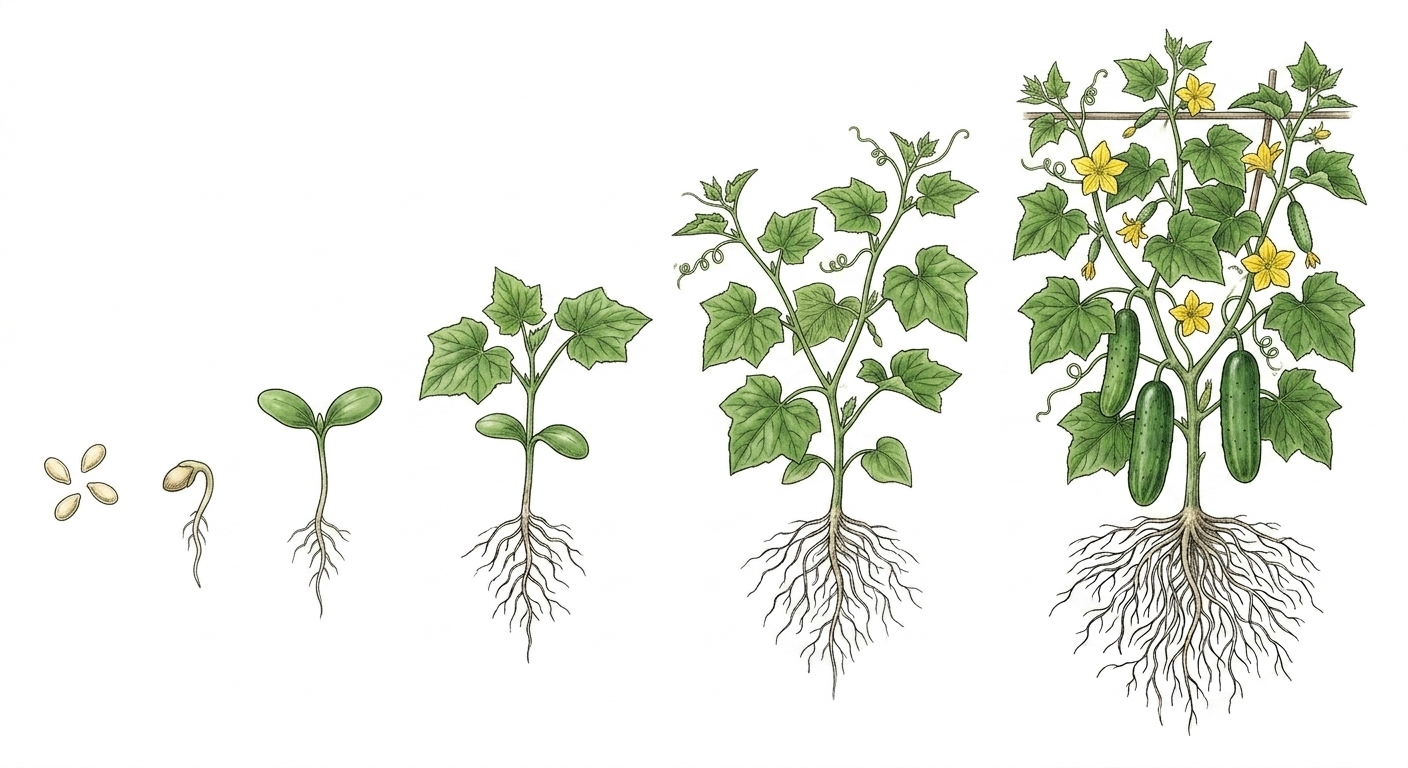
Growing Cucumbers: Starting, Supports and Harvest
Learn how to grow cucumbers successfully with indoor starting, transplanting, trellises, watering, and regular harvesting.
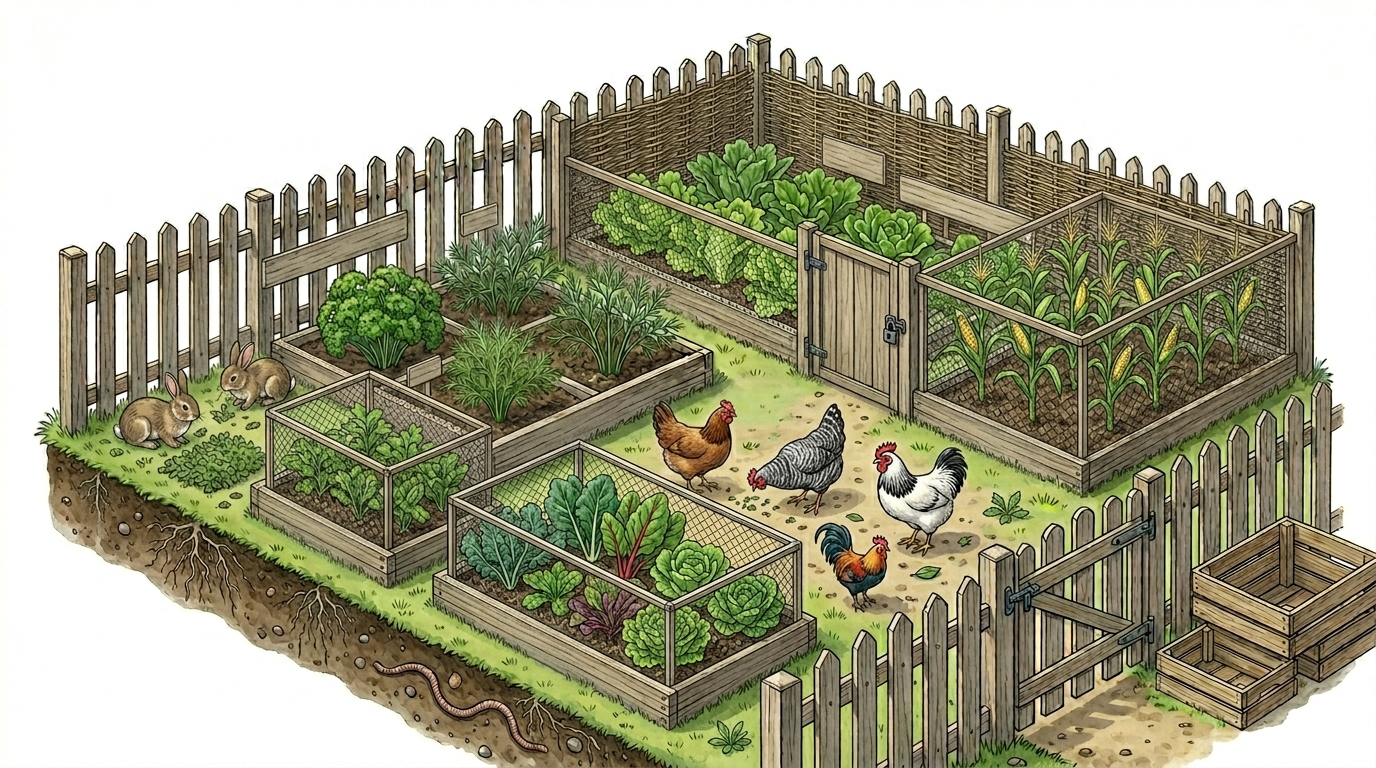
Guide
Chickens in the Garden: Safe Plants and Zones
Learn how to design a chicken-friendly garden with suitable plants, protected beds, and well-planned activity areas.
Internal links
Related plants
tomato
Belongs to the nightshade family (Solanaceae).
Both are fruiting vegetables and belong to the nightshade family.
Pepper
Belongs to the nightshade family (Solanaceae).
Both are fruiting vegetables and belong to the nightshade family.
Eggplant
Belongs to the nightshade family (Solanaceae).
Closely related (nightshade family) and similar cultivation requirements.
Cape Gooseberry
Belongs to the same genus Physalis.
Belongs to the same genus Physalis and also has a husk, but different fruit color and taste.
Potato
As nightshades, they share susceptibilities to certain soil-borne diseases.
Both belong to the nightshade family (Solanaceae).
Zucchini
Also heavy feeders with high nutrient requirements.
Green Tomatoes
Similar color, but tomatillos have a characteristic husk and a more tart flavor.
Sources
Public sources
- Wikidata entity
Wikidata · 2026-05-15
- GBIF species match
GBIF · 2026-05-15
- Deutschsprachige Wikipedia: Tomatillo
Wikipedia · 2026-05-15
- English Wikipedia: Tomatillo
Wikipedia · 2026-05-15