Plant Profile
Common PurslanePortulaca oleracea
A fast-growing, annual leafy vegetable for sunny locations.
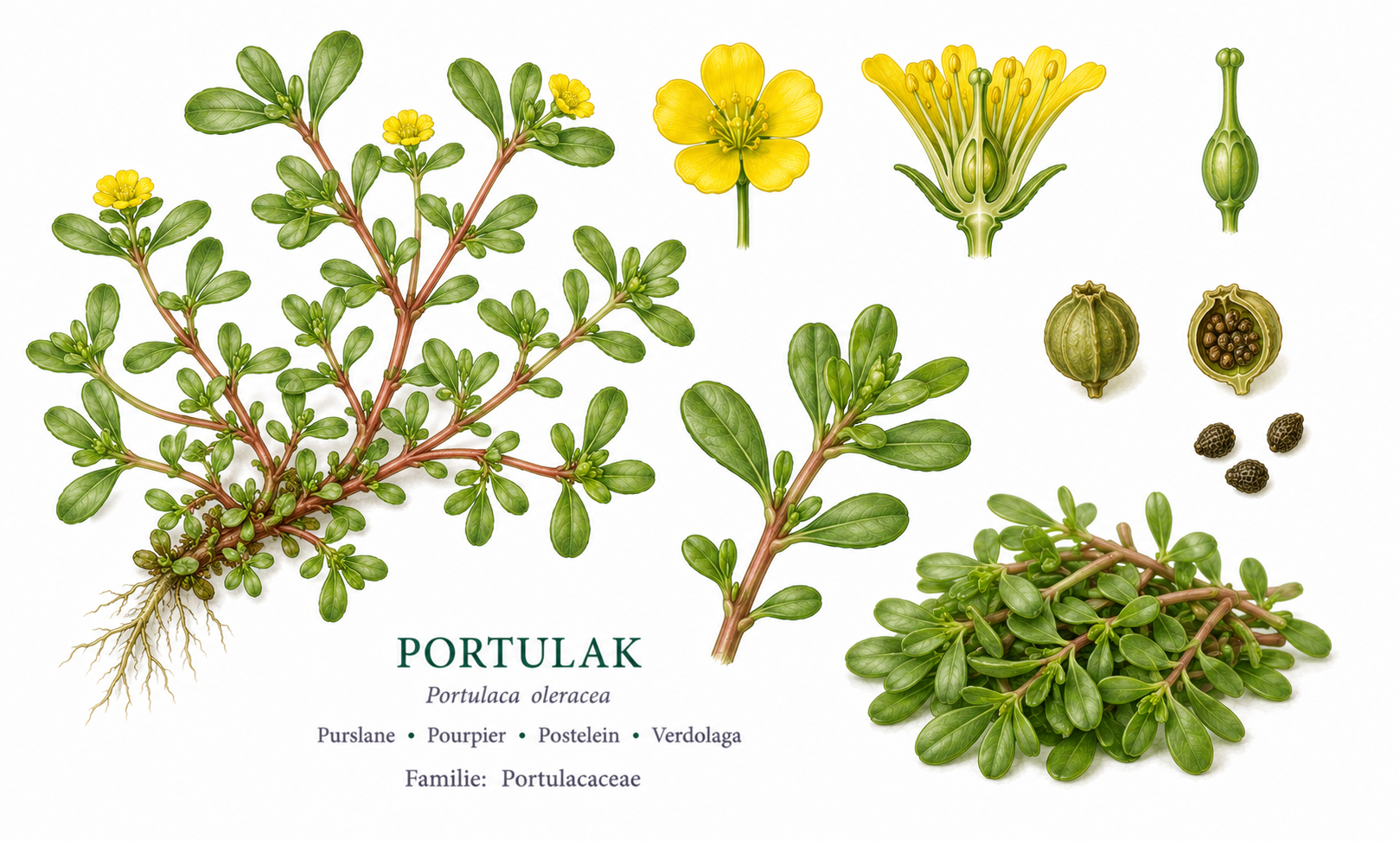
Quick profile
Key data
Suitable growing locations:
Good neighbors
tomatoMaize
Avoid
No data
Indoor & direct sowing
Common Purslane: Sowing and germination
Pre-culture in trays from March for early harvest.
Direct sowing only after the last frost once the soil has warmed up.
Planting & site
Common Purslane: Planting and spacing
Transplant seedlings outdoors starting mid-May.
Site & practical notes
Garden hacks: Mix seeds with sand to achieve even sowing of the tiny grains., Sow purslane under tomatoes to reduce evaporation.
Temperature & frost
Common Purslane: Temperature and site
Water & nutrients
Common Purslane: Water, nutrients and care
Container & growth
Common Purslane: Container, support and growth
Year plan
Common Purslane Calendar
Recurring tasks
Relevant now
June
- No additional single task
Next up
July
- No additional single task
Monthly tasks
Single tasks from monthly data; repeated seasonal windows are shown in the overview above.
January
Quiet month
February
Quiet month
March
No additional single task
April
No additional single task
May
No additional single task
June
No additional single task
August
No additional single task
September
Quiet month
October
No additional single task
November
Quiet month
December
Quiet month
Flowering & pollination
Common Purslane Flowering & pollination
Flowering period
June to September
Flower color
Yellow
Self-fertility
highly self-fertile
Pollinator needed
no
Overview
Self-pollinating or insect-pollinated by bees and hoverflies.
Notes
Flowers are often only open for a few hours in the morning.
Pruning & care
Common Purslane Pruning & care
Pruning type
continuous_topping
Pruning timing
Harvesting and encouraging branching Shorten the tips every 2-3 weeks.
Remove
Preserve
Avoid
Tools and hygiene
Use clean scissors; pinching with fingernails is often sufficient.
Companion guide
Common Purslane Companion guide
Good neighbors
tomatoMaize
Avoid
No data
Use & storage
Common Purslane Use & storage
Harvest young shoot tips before flowering for best flavor.
Storage
Short-term storage (fresh consumption)
Storage life
3-5 days in the refrigerator wrapped in a damp cloth.
Primary use
Fresh produce
Harvest
Harvest young shoot tips before flowering for best flavor.
Processing
After harvest
Wash immediately after harvest and store in a cool place; wilts very quickly.
Edibility & safety
Common Purslane Edibility & safety
For people
In brief: which parts are edible, which parts remain risky, and whether raw consumption makes sense.
Safety notes
Contains oxalic acid; individuals with kidney stones should moderate consumption.
Animal safety
For many animals, this plant is generally low-risk: 14 animal types are rated suitable or mostly suitable. Quantity, plant part, and individual tolerance still matter.
Each row shows which parts are more suitable and which parts are critical.
Companion animals
 Dog
DogLeaves, Stems
Seeds
Leaves, Stems
Seeds
Overconsumption, Consumption of seeds
Gastrointestinal upset, Vomiting, Diarrhea
observe
Common purslane is edible for dogs in small amounts but contains oxalic acid, which can cause gastrointestinal upset if consumed excessively. Seeds should be avoided as they may contain higher concentrations of oxalic acid. Young leaves and stems are most tolerable. If symptoms occur, consult a veterinarian.
Open animal page Cat
CatLeaves, Stems
Seeds
Leaves, Stems
Seeds
Excessive consumption, Seed ingestion
Gastrointestinal upset, Vomiting, Diarrhea
observe
Common purslane is generally safe for cats in small amounts of edible parts, but contains oxalic acid which can cause gastrointestinal upset if consumed excessively. Seeds should be avoided due to higher oxalate concentration. Suitable as an occasional treat.
Open animal page Rabbit
Leaves, Stems
Seeds
Leaves, Stems
Seeds
High oxalic acid content may contribute to urinary stone formation in sensitive animals
Gastrointestinal upset with excessive intake
observe
Common purslane is safe for rabbits in small amounts and valued for its nutrient content. Seeds should be avoided due to higher oxalic acid content. Young leaves are particularly palatable and well-tolerated. Overfeeding may cause gastrointestinal upset. Long-term, it should not be used as a primary feed due to oxalic acid content.
Open animal page Guinea pig
Leaves, Stems
Seeds
Leaves, Stems
Seeds
Excessive seed consumption, High oxalic acid content
Gastrointestinal upset, Diarrhea
observe
Common purslane is safe for guinea pigs in moderation, with leaves, stems, and flower buds being edible. Seeds contain higher concentrations of oxalic acid and should be avoided. Excessive consumption may cause gastrointestinal upset. Young leaves are particularly palatable and nutrient-rich.
Open animal page Hamster
Leaves, Stems
Seeds
Leaves, Stems
Seeds
Excessive seed consumption, Kidney stone formation in predisposed individuals
Gastrointestinal upset, Diarrhea
observe
Common purslane is suitable for hamsters in small amounts as a treat, with leaves, stems, and flower buds being safe. Seeds contain higher concentrations of oxalic acid and should be avoided to prevent gastrointestinal upset or kidney strain. Young leaves are most palatable and nutrient-rich. If larger amounts or seeds are consumed, the animal should be observed and a veterinarian consulted if symptoms persist.
Open animal page Budgie
Leaves, Stems
Seeds
Leaves, Stems
Seeds
High oxalic acid content in seeds, Overfeeding
Gastrointestinal upset with excessive intake
observe
Common purslane is suitable for budgies in small amounts as a treat. The leaves, stems, and flower buds are edible and nutrient-rich but contain oxalic acid. Seeds should be avoided due to their higher oxalic acid content. Excessive intake may cause gastrointestinal upset. Young leaves are the most tender and palatable. Not suitable as a main feed, only feed occasionally as a treat. Consult a veterinarian if signs…
Open animal pageFarm animals
 Horse
HorseLeaves, Stems
Seeds
Leaves, Stems
Seeds
High oxalic acid content in seeds, Kidney burden with pre-existing kidney issues
Gastrointestinal upset with excessive consumption
observe
Common purslane is generally safe for horses in moderation, with leaves, stems, and flower buds being edible. Seeds contain higher concentrations of oxalic acid and should be avoided. Excessive consumption may cause gastrointestinal upset. Young leaves are most palatable and nutrient-rich. Consult a veterinarian if signs of discomfort appear.
Open animal page Chicken
Leaves, Stems
Seeds
Leaves, Stems
Seeds
High oxalic acid content in seeds, Overfeeding
Gastrointestinal upset with excessive consumption
observe
Common purslane is safe for chickens in small amounts, especially young leaves and stems. Seeds contain higher concentrations of oxalic acid and should be avoided. Excessive consumption may cause gastrointestinal upset. Young plant parts are palatable and nutrient-rich. This classification is based on the general toxicity of the plant and known tolerance for poultry in small amounts.
Open animal page Duck
DuckLeaves, Stems
Seeds
Leaves, Stems
Seeds
High oxalic acid content in seeds, Overfeeding
Gastrointestinal upset with excessive consumption
observe
No direct species-specific source was found for ducks. This is a cautious inference from the chicken profile and the known plant-part risks.
Open animal page Goose
GooseLeaves, Stems
Seeds
Leaves, Stems
Seeds
High oxalic acid content in seeds, Overfeeding
Gastrointestinal upset with excessive consumption
observe
No direct species-specific source was found for geese. This is a cautious inference from the chickens profile and the known plant-part risks.
Open animal page Sheep
SheepLeaves, Stems
Seeds
Leaves, Stems
Seeds
High oxalic acid content in seeds, Kidney sensitivity
Gastrointestinal upset from excessive intake due to oxalic acid
observe
No direct species-specific source was found for sheep. This is a cautious inference from the goats profile and the known plant-part risks.
Open animal page Goat
GoatLeaves, Stems
Seeds
Leaves, Stems
Seeds
High oxalic acid content in seeds, Kidney sensitivity
Gastrointestinal upset from excessive intake due to oxalic acid
observe
Common purslane is generally safe for goats in moderation, with leaves, stems, and flower buds being edible. Seeds contain higher concentrations of oxalic acid and should be avoided to prevent gastrointestinal upset or kidney strain. Young leaves are particularly palatable and nutritious. Overconsumption may cause temporary digestive discomfort. Consult a veterinarian if symptoms persist.
Open animal page Cattle
Leaves, Stems
Seeds
Leaves, Stems
Seeds
High oxalic acid content in seeds, Kidney sensitivity
Gastrointestinal upset from excessive intake due to oxalic acid
observe
No direct species-specific source was found for cattle. This is a cautious inference from the sheep profile and the known plant-part risks.
Open animal page Pig
PigLeaves, Stems
Seeds
Leaves, Stems
Seeds
High oxalic acid content in seeds, Overfeeding
Gastrointestinal upset from excessive consumption due to oxalic acid
observe
Common purslane is generally safe for pigs in moderation, especially young leaves and stems. Seeds contain higher concentrations of oxalic acid and should be avoided. With normal feeding, there is a low risk of gastrointestinal upset. Not suitable as a main feed, but acceptable as an occasional supplement. This classification is based on the general toxicity of the plant and known tolerance for livestock in small…
Open animal pageThese guidelines are for general information only and do not replace veterinary diagnosis. If critical plant parts were ingested or the animal shows unusual behaviour or symptoms, seek veterinary advice.
Max risk
unknown
Highest status
moderation only
Urgency
observe
Saving seed
Common Purslane Saving seed
Seed viability
3 - 5 years
Isolation
Not strictly required for variety purity in Portulaca oleracea.
Practical tips
Common Purslane Practical tips
Common beginner mistakes
Sowing too deep prevents germination.
Success pattern
Dense, green carpet within 3 weeks during warm weather.
High-impact tips
Regular pinching promotes bushy growth.
Grower observations
Plants in pots tend to rot quickly if waterlogged.
Plant Profile
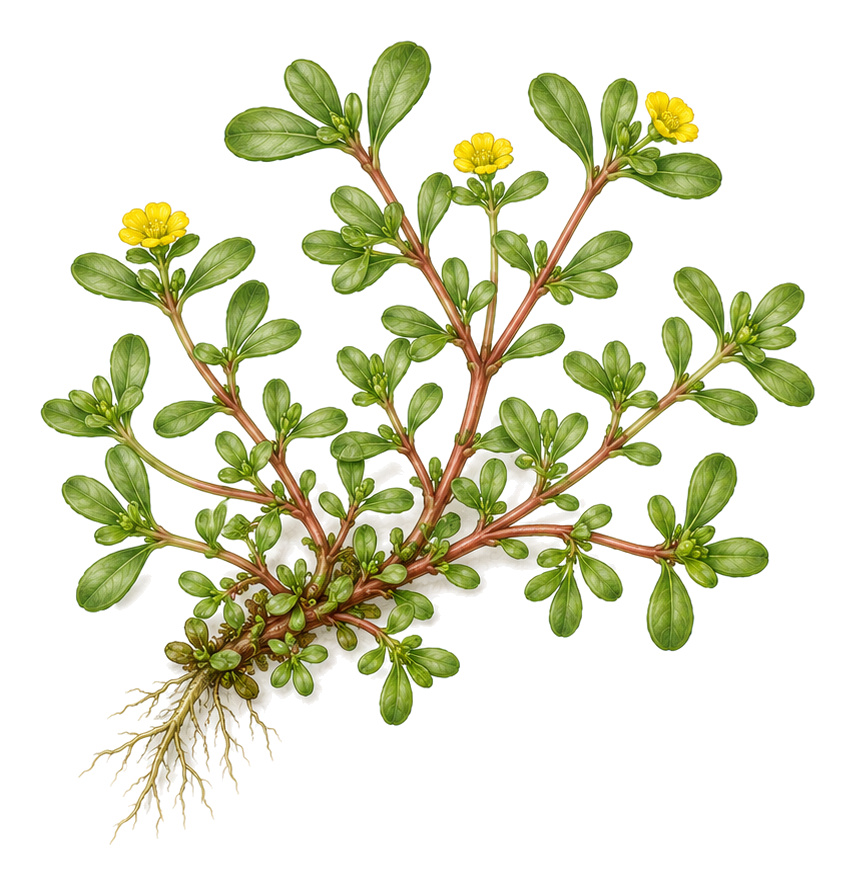
Additional plant images

Health
Pests, Diseases
Pests
Aphids
Diseases
White Rust
Plant health
Diagnosis help
Common Purslane Diagnosis help
Pest groups
Aphids
Disease groups
Oomycetes (White Rust)
Prevention
Diagnosis
Purslane is very robust; problems usually only occur in extremely wet conditions.
Cultural prevention
Monitoring
Weekly check for aphids
First response
Rinsing with water for light aphid infestations
Diagnostic rules
White pustules on the underside of leaves
Possible causes: White rust
- Check underside of leaves
- Monitor soil moisture
FAQ
Is wild purslane edible?
Yes, wild purslane is edible, but should be gathered from clean areas without pollutant contamination.
Why is my purslane not germinating?
Purslane is a light germinator; the seeds must not be covered with soil.
Is Common Purslane safe for Dog?
Common Purslane is classified as moderation only for Dog. Risk: unknown. Urgency: observe. Common purslane is edible for dogs in small amounts but contains oxalic acid, which can cause gastrointestinal upset if consumed excessively. Seeds should be avoided as they may contain higher concentrations of oxalic acid. Young leaves and stems are most tolerable. If symptoms occur, consult a veterinarian.
Is Common Purslane safe for Cat?
Common Purslane is classified as moderation only for Cat. Risk: unknown. Urgency: observe. Common purslane is generally safe for cats in small amounts of edible parts, but contains oxalic acid which can cause gastrointestinal upset if consumed excessively. Seeds should be avoided due to higher oxalate concentration. Suitable as an occasional treat.
Is Common Purslane safe for Rabbit?
Common Purslane is classified as moderation only for Rabbit. Risk: unknown. Urgency: observe. Common purslane is safe for rabbits in small amounts and valued for its nutrient content. Seeds should be avoided due to higher oxalic acid content. Young leaves are particularly palatable and well-tolerated. Overfeeding may cause gastrointestinal upset. Long-term, it should not be used as a primary feed due to oxalic acid content.
Is Common Purslane safe for Guinea pig?
Common Purslane is classified as moderation only for Guinea pig. Risk: unknown. Urgency: observe. Common purslane is safe for guinea pigs in moderation, with leaves, stems, and flower buds being edible. Seeds contain higher concentrations of oxalic acid and should be avoided. Excessive consumption may cause gastrointestinal upset. Young leaves are particularly palatable and nutrient-rich.
Guides
Related guides
Guide
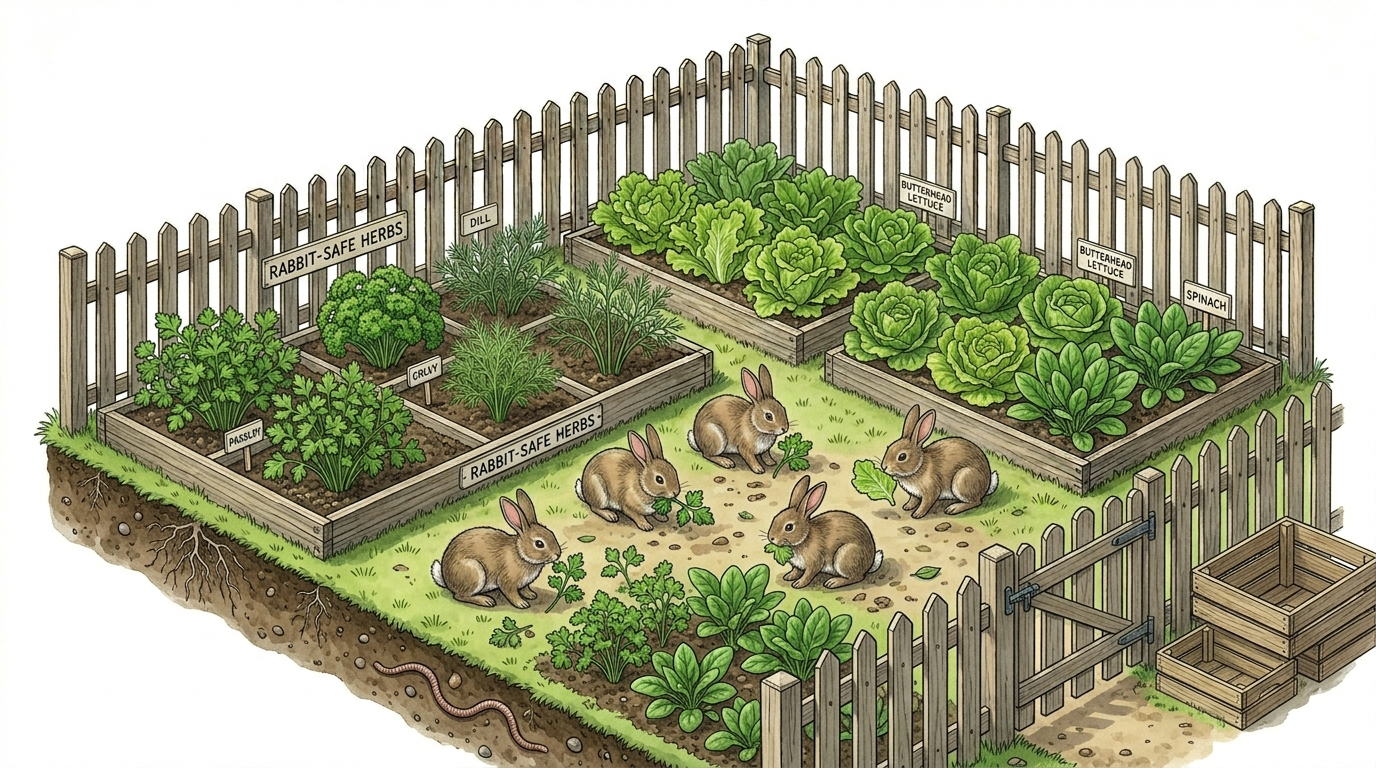
Rabbits in the Garden: Herbs and Vegetables
Learn how to choose suitable herbs and vegetables for rabbits, grow feeding plants, and plan a rabbit-friendly garden.
Guide
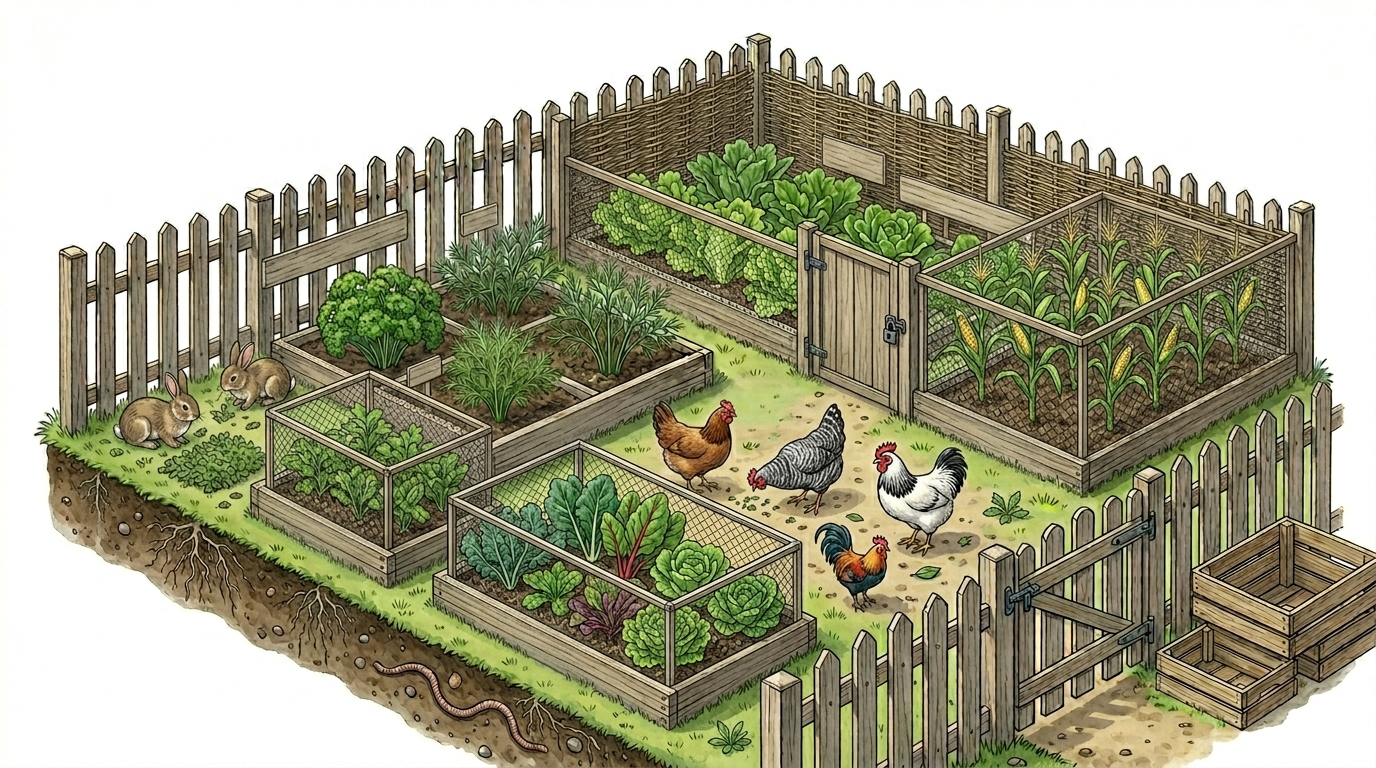
Chickens in the Garden: Safe Plants and Zones
Learn how to design a chicken-friendly garden with suitable plants, protected beds, and well-planned activity areas.
Guide
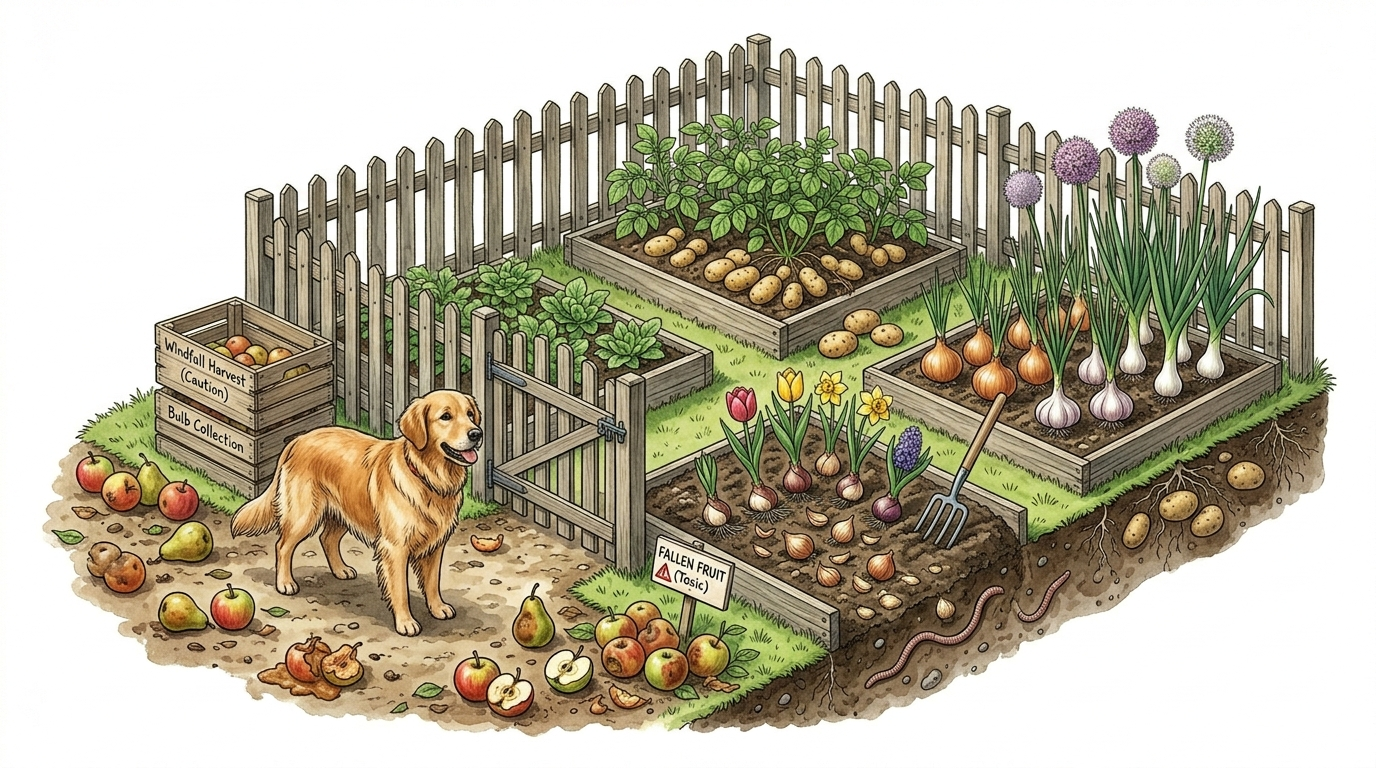
Dogs in the Garden: Windfall Fruit and Risks
Keep your garden dog-safe by managing windfall fruit, seeds, stored crops, and potentially problematic plant parts.
Guide
Horse Pastures and Garden Plants: Safety Checks
Learn how to identify risks near horse pastures, fences, turnout areas, fruit trees, and garden planting zones.
Internal links
Related plants
Moss Rose
Same genus, but primarily used as an ornamental plant.
Lettuce
Lamb's Lettuce
Stonecrop
Spinach
Similar use as leafy greens in salads or steamed.
Winter Purslane
Similar name; however, winter purslane is cold-tolerant and not a succulent.
Sources
Public sources
- Wikidata entity
Wikidata · 2026-05-15
- GBIF species match
GBIF · 2026-05-15
- Deutschsprachige Wikipedia: Portulak
Wikipedia · 2026-05-15
- English Wikipedia: Portulaca oleracea
Wikipedia · 2026-05-15