Plant Profile
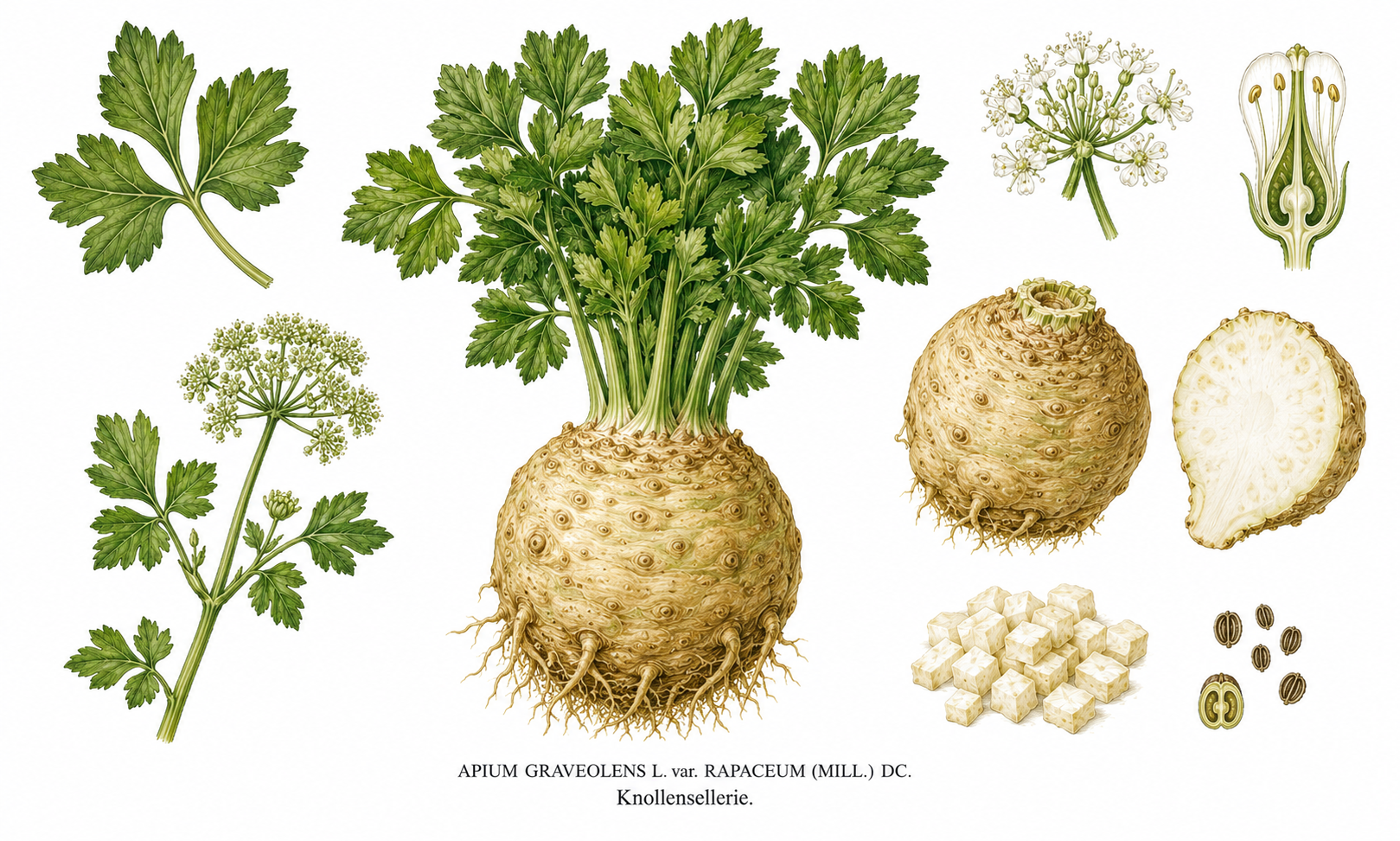
celeriacApium graveolens var. rapaceum
Versatile root vegetable with a savory, earthy flavor, requiring a long growing season and consistent care. Ideal for autumn and winter cuisine.
Quick profile
Key data
Suitable growing locations:
Indoor & direct sowing
celeriac: Sowing and germination
Pre-cultivation from February is recommended to get strong plants.
Direct sowing is possible but generally yields less and is more susceptible to pests.
Planting & site
celeriac: Planting and spacing
Plant out after the last frosts, once plants are strong enough.
Temperature & frost
celeriac: Temperature and site
Water & nutrients
celeriac: Water, nutrients and care
Container & growth
celeriac: Container, support and growth
Year plan
celeriac Calendar
The main celeriac harvest takes place in autumn, often until the first hard frost, making it an ideal winter vegetable for soups, purees, and gratins.
Relevant now
June
- FertilizeTop-dress with compost or organic vegetable fertilizer.
- Remove side shootsRemove outer leaves and side shoots to promote bulb development.
- Water regularlyEnsure adequate water supply, especially during dry periods.
Next up
July
- FertilizeAnother application of fertilizer may be beneficial.
- Remove side shootsContinue to remove side shoots and older outer leaves.
- Water regularlyConsistent moisture is crucial for bulb formation.
Monthly tasks
Single tasks from monthly data; repeated seasonal windows are shown in the overview above.
January
Quiet month
February
Direct sowing
- Start indoor sowingSow seeds shallowly as celeriac is a light germinator. Consistent moisture and warmth (18-22°C) are crucial.
March
Direct sowing
- Continue indoor sowingLater sowings are possible, but bulbs will remain smaller.
- Prick out seedlingsOnce seedlings have their first true leaves, carefully prick them out and plant deeper.
April
Direct sowing
- Direct sowingOnly in mild regions and well-prepared soil. Thin out later.
- Last indoor sowingOnly for late harvest or smaller bulbs.
- Prick out seedlingsRegular pricking out promotes strong young plants.
Planting
- Harden off plantsGradually acclimate young plants to outdoor temperatures to prevent shock.
May
Planting
- PlantingPlant into well-prepared beds after the Ice Saints (mid-May). Do not plant too deeply.
Growing
- Water regularlyConsistent moisture is crucial for bulb development.
Plant health
- Pest controlWatch out for slugs and celery flies.
June
Growing
- FertilizeTop-dress with compost or organic vegetable fertilizer.
- Remove side shootsRemove outer leaves and side shoots to promote bulb development.
- Water regularlyEnsure adequate water supply, especially during dry periods.
August
Harvest
- First harvestEarly varieties can be harvested once bulbs reach the desired size.
Growing
- Water regularlyBulbs are growing rapidly now and require a lot of water.
September
Harvest
- HarvestCarefully lift bulbs from the soil.
Growing
- Water regularlyEnsure sufficient moisture even during the main harvest period.
October
Harvest
- HarvestHarvest late varieties. Bulbs can remain in the ground as long as no hard frost is imminent.
Growing
- Winter preparationCover unharvested bulbs with leaves or straw to protect them from light frost.
November
Harvest
- Final harvestHarvest all remaining bulbs before the first prolonged hard frost.
December
Quiet month
Flowering & pollination
celeriac Flowering & pollination
Flowering period
June - August (in the second year)
Self-fertility
self_fertile_with_insect_assistance
Pollinator needed
yes
Overview
Celeriac is insect-pollinated. The flowers are hermaphroditic and can self-pollinate, but cross-pollination by insects increases seed yield.
Notes
Flowers only appear in the second year of growth if the plant has overwintered. They are attractive to insects.
Companion guide
celeriac Companion guide
Use & storage
celeriac Use & storage
Harvest as soon as the bulbs reach the desired size, until the first hard frost.
Storage
Root vegetable (cool, dark, moist)
Storage life
3-5 months under optimal conditions
Flavor
Savory, earthy, slightly nutty, milder than stalk celery
Harvest
Harvest as soon as the bulbs reach the desired size, until the first hard frost.
Culinary uses
Processing
After harvest
After harvesting, remove the outer leaves and fine roots. Do not wash the bulbs, but brush off soil and allow them to dry slightly in a cool, airy place before storage.
Notes
Celeriac is an excellent low-carb alternative to potatoes and has an intense but delicate flavor.
Edibility & safety
celeriac Edibility & safety
For people
In brief: which parts are edible, which parts remain risky, and whether raw consumption makes sense.
Safety notes
Celeriac is safe for most people to eat. Individuals with a celery allergy should avoid contact and consumption, as severe allergic reactions can occur.
Animal safety
For many animals, this plant is generally low-risk: 13 animal types are rated suitable or mostly suitable. Quantity, plant part, and individual tolerance still matter.
Each row shows which parts are more suitable and which parts are critical.
Companion animals
 Dog
DogBulb (hypocotyl)
No risk parts listed
Bulb (hypocotyl)
No risk parts listed
Gastrointestinal upset
usually no action needed
The bulb of celeriac is suitable for dogs in small amounts as a treat. Leaves and stalks should be avoided as they may contain potentially irritating compounds. Excessive consumption of the bulb can lead to gastrointestinal upset.
Open animal page Cat
CatBulb (hypocotyl), Young leaves (sparingly as seasoning)
Older, fibrous leaves and stalks, Roots
Bulb (hypocotyl), Young leaves (sparingly as seasoning)
Older, fibrous leaves and stalks, Roots
Excessive consumption, Sensitivity to celery compounds
Gastrointestinal upset, Vomiting, Diarrhea
contact a vet if symptoms appear
The bulb of celeriac is suitable for cats in small amounts as a treat. Older leaves and stalks contain higher concentrations of potentially irritating compounds and should be avoided. Consumption of large amounts may cause gastrointestinal upset. Consult a veterinarian if symptoms persist.
Open animal page Rabbit
Bulb (hypocotyl), Young leaves (sparingly as seasoning)
Older, fibrous leaves and stalks, Roots
Bulb (hypocotyl), Young leaves (sparingly as seasoning)
Older, fibrous leaves and stalks, Roots
Overconsumption, Consumption of leaves or stalks, Allergic reactions in sensitive animals
Gastrointestinal upset, Diarrhea, Bloating
contact a vet if symptoms appear
The bulb of celeriac is suitable for rabbits in small amounts as a treat. Leaves and stalks contain furanocoumarins that can cause gastrointestinal upset if consumed in excess. Young leaves can be used sparingly as seasoning. If signs of digestive upset occur, feeding should be discontinued and a veterinarian consulted.
Open animal page Guinea pig
Bulb (hypocotyl), Young leaves (sparingly as seasoning)
Older, fibrous leaves and stalks, Roots
Bulb (hypocotyl), Young leaves (sparingly as seasoning)
Older, fibrous leaves and stalks, Roots
Overconsumption, Consumption of leaves or stalks, Allergic reactions in sensitive animals
Gastrointestinal upset, Diarrhea, Bloating
contact a vet if symptoms appear
No direct species-specific source was found for guinea pigs. This is a cautious inference from the rabbits profile and the known plant-part risks.
Open animal page Hamster
Bulb (hypocotyl)
No risk parts listed
Bulb (hypocotyl)
No risk parts listed
Gastrointestinal upset
usually no action needed
The bulb of celeriac is suitable for hamsters in small amounts as a treat. Leaves and stalks should be avoided as they may contain potentially irritating compounds. Excessive consumption of the bulb can lead to gastrointestinal upset.
Open animal page Budgie
Bulb (hypocotyl), Young leaves (sparingly as seasoning)
Older, fibrous leaves and stalks, Roots
Bulb (hypocotyl), Young leaves (sparingly as seasoning)
Older, fibrous leaves and stalks, Roots
Excessive consumption, Sensitivity to furanocoumarins
Gastrointestinal upset, Diarrhea
contact a vet if symptoms appear
Celeriac is suitable for budgies in small amounts as a treat. The bulb and young leaves can be fed, while older leaves, stalks, and roots should be avoided due to furanocoumarins. Excessive consumption may cause gastrointestinal upset.
Open animal pageFarm animals
 Horse
HorseNo suitable parts listed
No risk parts listed
No suitable parts listed
No risk parts listed
unknown
No reliable species-specific assessment is available. The bulb might be fed as a treat in very small quantities, but there is no specific data on safety or toxicity for horses. Leaves and stalks should be avoided.
Open animal page Chicken
Bulb (hypocotyl), Young leaves (sparingly as seasoning)
Older, fibrous leaves and stalks, Roots
Bulb (hypocotyl), Young leaves (sparingly as seasoning)
Older, fibrous leaves and stalks, Roots
Overconsumption, Consumption of leaves and stalks
Gastrointestinal upset, Diarrhea
contact a vet if symptoms appear
The bulb of celeriac is suitable for chickens in small amounts as a treat. Older leaves and stalks contain higher levels of furanocoumarins and may cause gastrointestinal upset if consumed excessively. Roots should not be fed. Young leaves can be used sparingly as seasoning. If signs of digestive upset occur, discontinue feeding and monitor. Consult a veterinarian if symptoms persist.
Open animal page Duck
DuckBulb (hypocotyl)
No risk parts listed
Bulb (hypocotyl)
No risk parts listed
Gastrointestinal upset
usually no action needed
The bulb of celeriac is suitable for ducks in small amounts as a treat. Leaves and stalks should be avoided as they may contain potentially irritating compounds. Excessive consumption of the bulb can lead to gastrointestinal upset.
Open animal page Goose
GooseBulb (hypocotyl)
No risk parts listed
Bulb (hypocotyl)
No risk parts listed
Gastrointestinal upset
usually no action needed
The bulb of celeriac is suitable for geese in small amounts as a treat. Leaves and stalks should be avoided as they may contain potentially irritating compounds. Excessive consumption of the bulb can lead to gastrointestinal upset.
Open animal page Sheep
SheepBulb (hypocotyl)
No risk parts listed
Bulb (hypocotyl)
No risk parts listed
Gastrointestinal upset
usually no action needed
The bulb of celeriac is suitable for sheep in small amounts as a treat. Leaves and stalks should be avoided as they may contain potentially irritating compounds. Excessive consumption of the bulb can lead to gastrointestinal upset.
Open animal page Goat
GoatBulb (hypocotyl)
No risk parts listed
Bulb (hypocotyl)
No risk parts listed
Gastrointestinal upset
usually no action needed
The bulb of celeriac is suitable for goats in small amounts as a treat. Leaves and stalks should be avoided as they may contain potentially irritating compounds. Excessive consumption of the bulb can lead to gastrointestinal upset.
Open animal page Cattle
Bulb (hypocotyl)
No risk parts listed
Bulb (hypocotyl)
No risk parts listed
Gastrointestinal upset
usually no action needed
The bulb of celeriac is suitable for cattle in small amounts as a treat. Leaves and stalks should be avoided as they may contain potentially irritating compounds. Excessive consumption of the bulb can lead to gastrointestinal upset.
Open animal page Pig
PigBulb (hypocotyl)
No risk parts listed
Bulb (hypocotyl)
No risk parts listed
Gastrointestinal upset
usually no action needed
The bulb of celeriac is suitable for pigs in small amounts as a treat. Leaves and stalks should be avoided as they may contain potentially irritating compounds. Excessive consumption of the bulb can lead to gastrointestinal upset.
Open animal pageThese guidelines are for general information only and do not replace veterinary diagnosis. If critical plant parts were ingested or the animal shows unusual behaviour or symptoms, seek veterinary advice.
Max risk
unknown
Highest status
not established
Urgency
contact a vet if symptoms appear
Saving seed
celeriac Saving seed
Seed saving
yes
Seed viability
3 - 5 years
Storage
Store dry, cool, and dark. Viability 3-5 years.
Notes
Celeriac is biennial and only flowers in its second year. For seed saving, plants must be overwintered. As celery species readily cross-pollinate, sufficient isolation distance from other Apium graveolens varieties (stalk celery, leaf celery) is required.
Practical tips
celeriac Practical tips
Common beginner mistakes
Success pattern
High-impact tips
Grower observations
Plant Profile
Additional plant images
Health
Pests, Diseases
Plant health
Diagnosis help
celeriac Diagnosis help
Pest groups
Disease groups
Prevention
Diagnosis
Look for discolorations, spots, feeding marks on leaves and bulbs, and stunted growth. Precise observation of symptoms is crucial for correct diagnosis.
Cultural prevention
Monitoring
First response
Diagnostic rules
Blister-like swellings on leaves, later brown and dried up.
Possible causes: Selleriefliege
- Check undersides of leaves for larvae
- Is insect netting intact?
Small, round, brown spots on leaves that enlarge and merge.
Possible causes: Sellerieblattfleckenkrankheit
- Check humidity and air circulation
- Is plant spacing adequate?
Internal browning and hollows in the bulb, bulb cracked or woody.
Possible causes: Boron deficiency
- Conduct soil analysis
- Check fertilization practices
Plant forms a flower stalk prematurely, bulb remains small and hard.
Possible causes: Bolting
- Check temperatures during juvenile phase
- Is planting time correct?
FAQ
Why is my celeriac bolting prematurely?
Premature bolting is often triggered by cold stress during the plant's juvenile phase (temperatures below 10°C for extended periods). Plant celeriac only after the last frosts and harden off young plants well to avoid temperature shocks.
My celeriac bulbs remain small or become woody. What's the reason?
This can have several causes: planting too deeply (the heart of the plant should be above ground), insufficient or inconsistent water supply, nutrient deficiency (especially boron and potassium), or compacted, stony soil. Ensure loose soil, consistent moisture, and balanced fertilization.
How do I protect celeriac from the celery fly?
The most effective protection is to cover plants with fine-mesh insect netting from May to July when the flies are active. Companion planting with leeks or onions can also help deter the flies. Infested leaves should be removed immediately.
What's the best way to store celeriac over winter?
Celeriac stores excellently. After harvesting, simply brush off the bulbs (do not wash) and remove the outer leaves. Store them cool (0-5°C), dark, and moist, ideally packed in moist sand in a cellar or root clamp. They will keep for 3-5 months this way.
Is celeriac safe for Dog?
celeriac is classified as moderation only for Dog. Risk: unknown. Urgency: usually no action needed. The bulb of celeriac is suitable for dogs in small amounts as a treat. Leaves and stalks should be avoided as they may contain potentially irritating compounds. Excessive consumption of the bulb can lead to gastrointestinal upset.
Is celeriac safe for Cat?
celeriac is classified as moderation only for Cat. Risk: unknown. Urgency: contact a vet if symptoms appear. The bulb of celeriac is suitable for cats in small amounts as a treat. Older leaves and stalks contain higher concentrations of potentially irritating compounds and should be avoided. Consumption of large amounts may cause gastrointestinal upset. Consult a veterinarian if symptoms persist.
Is celeriac safe for Rabbit?
celeriac is classified as moderation only for Rabbit. Risk: unknown. Urgency: contact a vet if symptoms appear. The bulb of celeriac is suitable for rabbits in small amounts as a treat. Leaves and stalks contain furanocoumarins that can cause gastrointestinal upset if consumed in excess. Young leaves can be used sparingly as seasoning. If signs of digestive upset occur, feeding should be discontinued and a veterinarian consulted.
Is celeriac safe for Guinea pig?
celeriac is classified as moderation only for Guinea pig. Risk: unknown. Urgency: contact a vet if symptoms appear. No direct species-specific source was found for guinea pigs. This is a cautious inference from the rabbits profile and the known plant-part risks.
Guides
Related guides
Guide
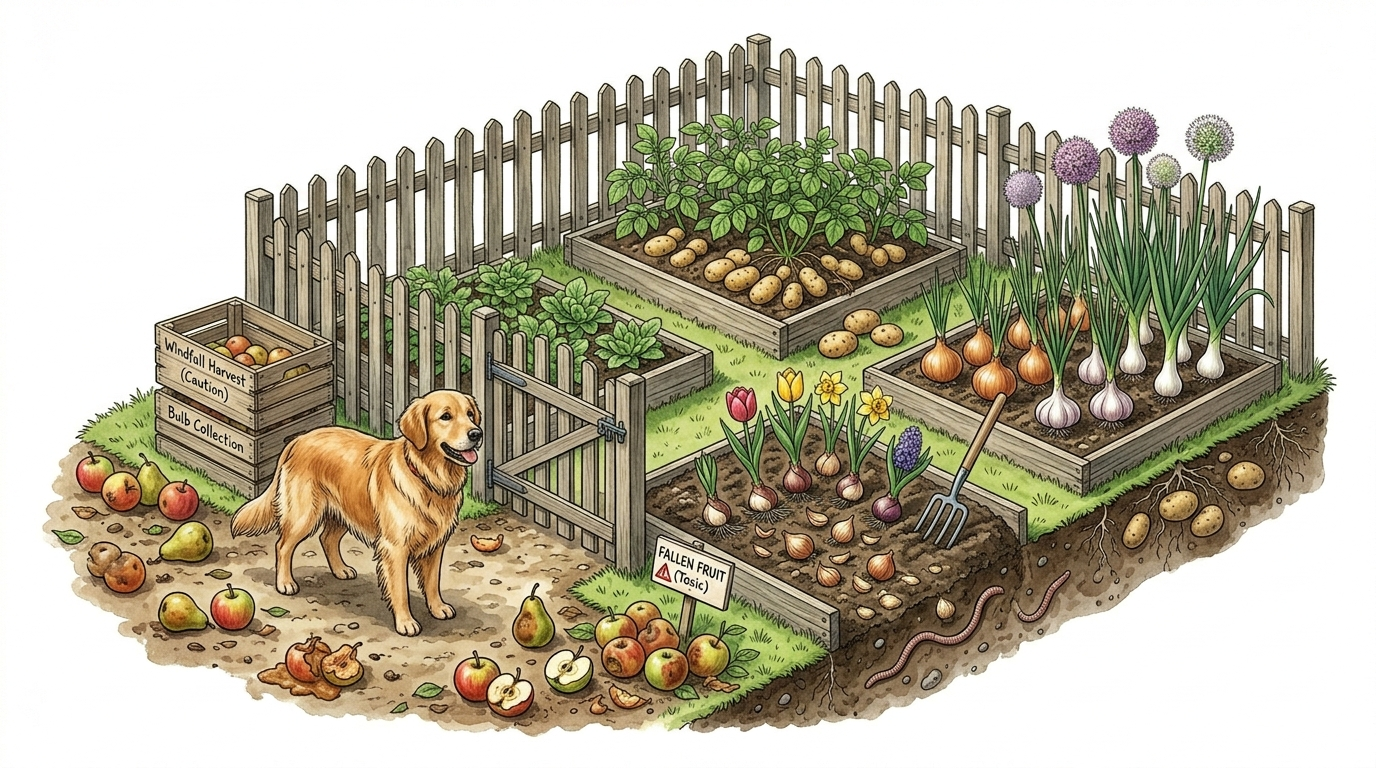
Dogs in the Garden: Windfall Fruit and Risks
Keep your garden dog-safe by managing windfall fruit, seeds, stored crops, and potentially problematic plant parts.
Guide
Horse Pastures and Garden Plants: Safety Checks
Learn how to identify risks near horse pastures, fences, turnout areas, fruit trees, and garden planting zones.
Guide
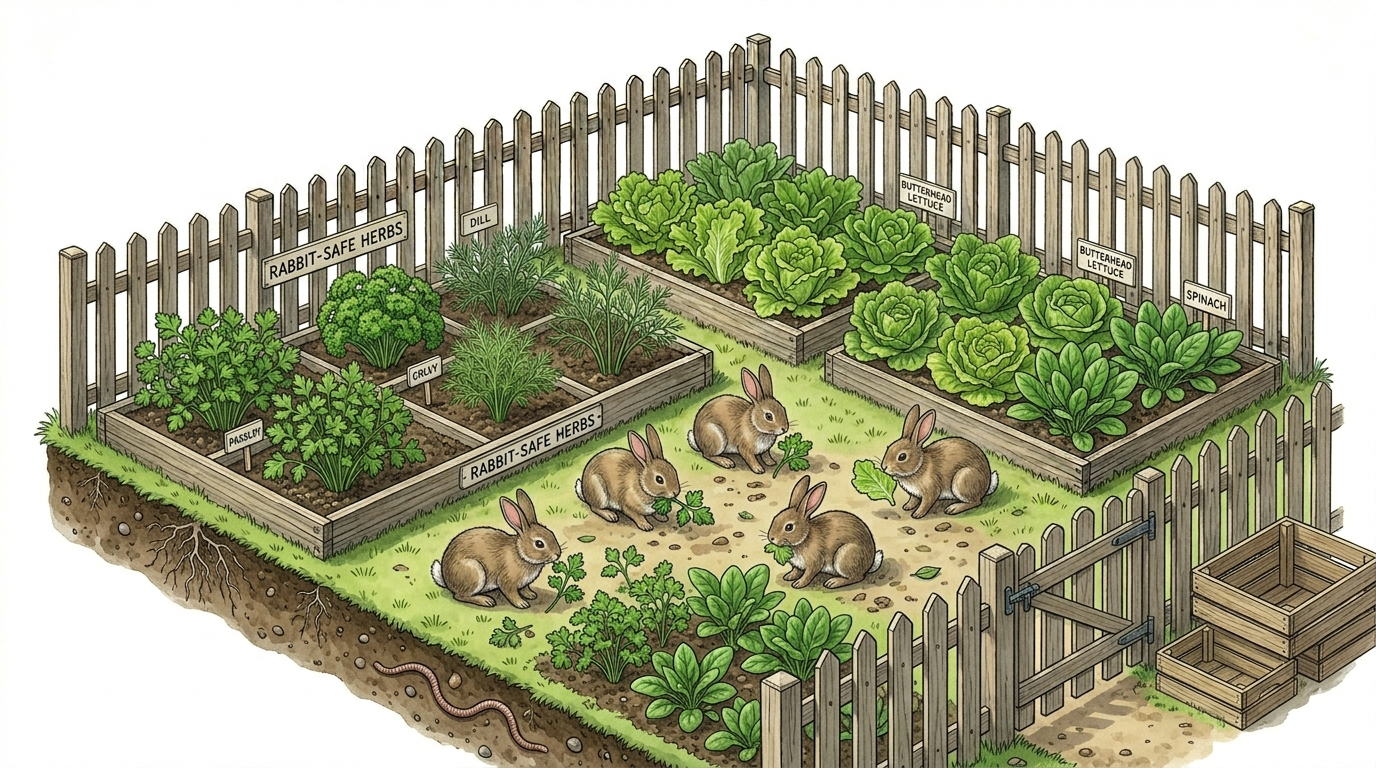
Rabbits in the Garden: Herbs and Vegetables
Learn how to choose suitable herbs and vegetables for rabbits, grow feeding plants, and plan a rabbit-friendly garden.
Guide
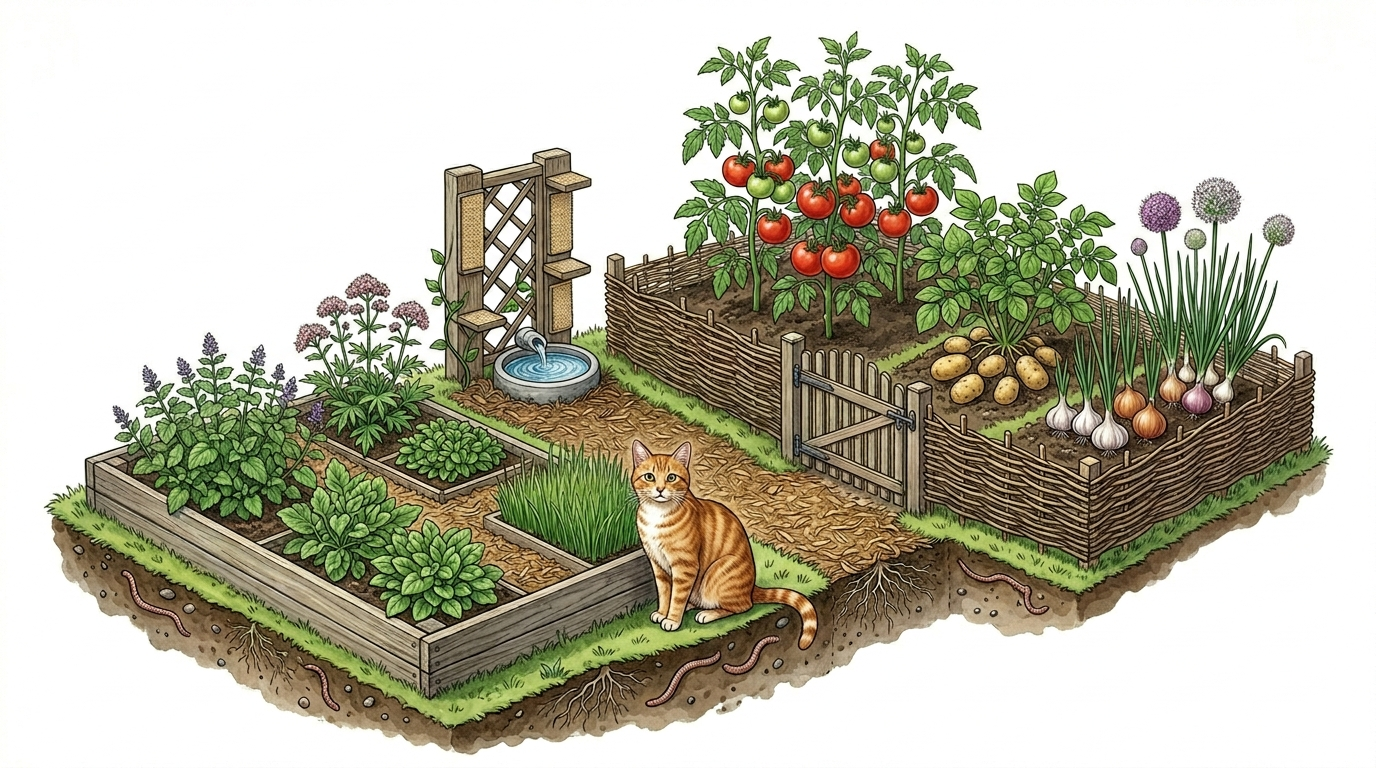
Toxic Garden Plants for Cats: Safer Planning
Learn which garden plants can be risky for cats, how to plan safer beds, and what to do if a cat eats a toxic plant.
Internal links
Related plants
Stalk Celery
Both are varieties of Apium graveolens.
Variety of Apium graveolens.
Leaf Celery
Both are varieties of Apium graveolens.
Variety of Apium graveolens.
Carrot
Belongs to the Apiaceae family.
Both are root vegetables and heavy feeders.
Celery Leaf Spot
This fungal disease affects all celery types and other Apiaceae.
Cabbage
Both are heavy feeders and require many nutrients.
Pumpkin
Both are heavy feeders and require many nutrients.
Cucumber
Both require consistent and high water supply.
Sources
Public sources
- Wikidata entity
Wikidata · 2026-05-13
- GBIF species match
GBIF · 2026-05-13
- Deutschsprachige Wikipedia: Knollensellerie
Wikipedia · 2026-05-13
- English Wikipedia: Celeriac
Wikipedia · 2026-05-13