Plant Profile
Physalis pruinosaPhysalis pruinosa
The Ananaskirsche (Physalis pruinosa), also known as the strawberry groundcherry, is a fascinating fruiting vegetable plant that delights with its sweet-sour fruits reminiscent of tropical flavors. It is relatively easy to grow and also suitable for balconies.
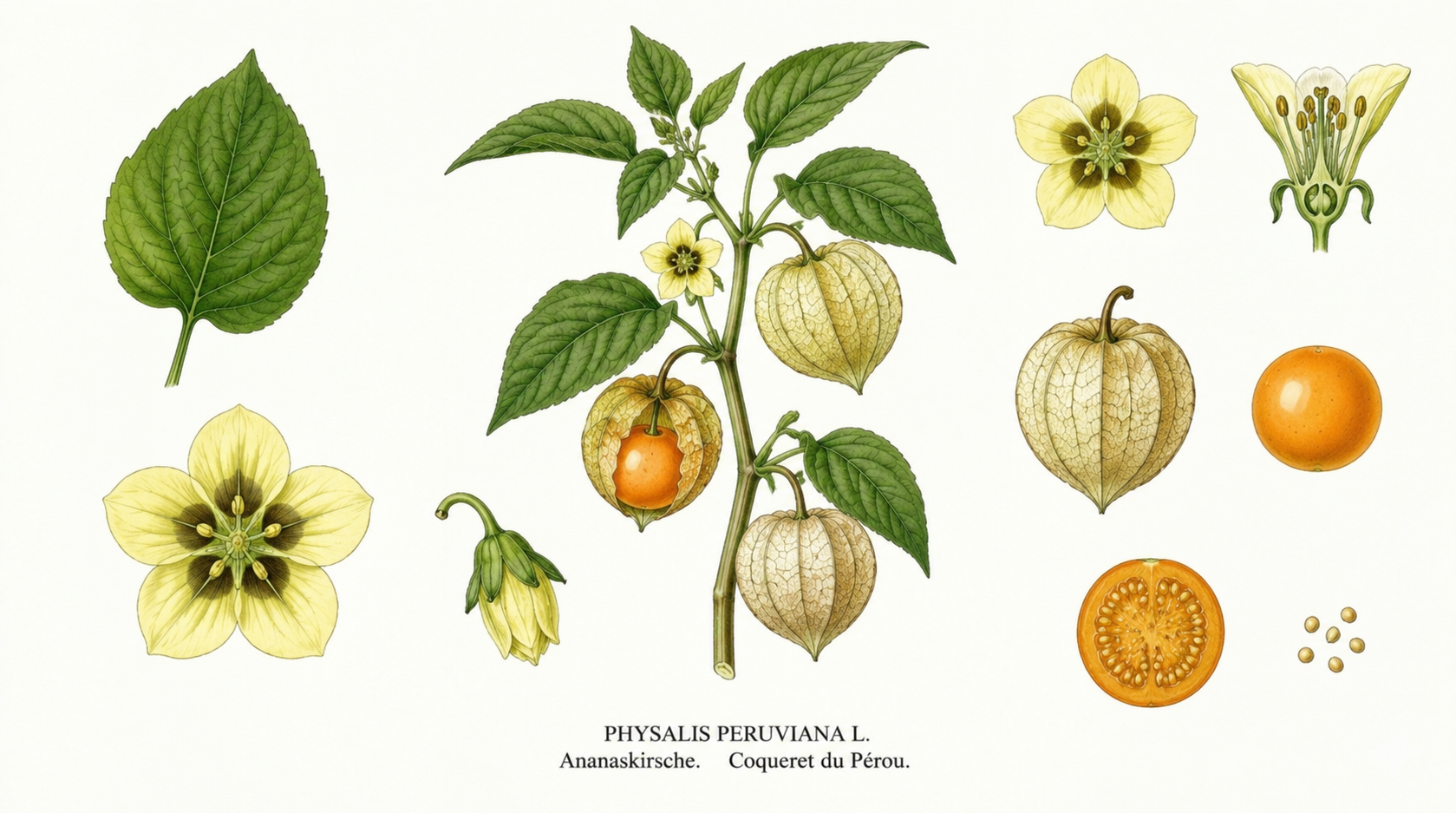
Quick profile
Key data
Suitable growing locations:
Indoor & direct sowing
Physalis pruinosa: Sowing and germination
Start indoors from March in a bright, warm location.
Direct sowing is not recommended due to slow and uneven germination.
Planting & site
Physalis pruinosa: Planting and spacing
Plant outdoors or in a greenhouse after the last frost, from mid-May onwards. Ensure adequate spacing.
Site & practical notes
Physalis pruinosa is an annual plant that requires warm temperatures and plenty of sun. Starting seeds indoors is recommended due to its long growing season. Ensure adequate plant spacing and avoid waterlogging. Fruits are ripe when they turn yellow and fall from their papery husk.
Temperature & frost
Physalis pruinosa: Temperature and site
Water & nutrients
Physalis pruinosa: Water, nutrients and care
Container & growth
Physalis pruinosa: Container, support and growth
Year plan
Physalis pruinosa Calendar
In late summer and autumn, Physalis pruinosa transforms into a sea of yellow fruits just waiting to be harvested.
Relevant now
June
- Fertilizinggrowth phase: Fertilize with a balanced liquid fertilizer if needed.
- Pest controlregular inspection: Regularly inspect for pests such as aphids.
Next up
July
- Supportplants are growing tall: Provide stakes or cages if plants become top-heavy.
- Wateringdry weather: Ensure consistent watering, especially during dry spells.
Monthly tasks
Single tasks from monthly data; repeated seasonal windows are shown in the overview above.
January
Quiet month
February
Quiet month
March
Direct sowing
- Sowingindoors: Sow indoors in a bright, warm location.
April
Growing
- Pricking outseedlings are large enough: Prick out seedlings into individual pots when they are large enough.
May
Planting
- Planting outafter last frost: Plant out into the garden or greenhouse after the last frosts. Ensure adequate spacing.
June
Growing
- Fertilizinggrowth phase: Fertilize with a balanced liquid fertilizer if needed.
Plant health
- Pest controlregular inspection: Regularly inspect for pests such as aphids.
August
Plant health
- Disease and pest controlregular inspection: Monitor for signs of diseases or pest infestation and take appropriate action.
September
Harvest
- Harvestingfruits are ripe: Harvest ripe fruits as they turn yellow and detach easily from the plant.
October
Harvest
- Final harvestbefore first frost: Harvest all remaining ripe fruits before the first frost.
November
Quiet month
December
Quiet month
Flowering & pollination
Physalis pruinosa Flowering & pollination
Self-fertility
self-fertile
Pollinator needed
no
Overview
Physalis pruinosa is self-pollinating, but cross-pollination by wind or insects can enhance fruit set.
Notes
Although self-pollinating, plants benefit from the presence of insects like bees and bumblebees, which aid in pollination.
Companion guide
Physalis pruinosa Companion guide
Use & storage
Physalis pruinosa Use & storage
Fruits are ripe when they turn yellow and fall from their papery husk. Harvest before the first frost.
Storage
Fresh, chilled, processed
Storage life
Fresh: 3-7 days in the refrigerator. Preserved or frozen: several months.
Harvest
Fruits are ripe when they turn yellow and fall from their papery husk. Harvest before the first frost.
Processing
After harvest
Harvested fruits can be carefully removed from their husks and washed. They are delicate and should not be piled up.
Edibility & safety
Physalis pruinosa Edibility & safety
For people
In brief: which parts are edible, which parts remain risky, and whether raw consumption makes sense.
Safety notes
Unripe fruits and other plant parts contain alkaloids (like solanine) and are toxic. Only fully ripe fruits are edible.
Animal safety
For animals, the specific plant part matters here: some parts may be suitable, while others should be avoided. At least one critical rating is listed for 4 animal types.
Each row shows which parts are more suitable and which parts are critical.
Companion animals
 Dog
DogRipe fruits (without calyx)
Unripe fruits, Leaves, Stems
Ripe fruits (without calyx)
Unripe fruits, Leaves, Stems
Ingestion of unripe fruits or other plant parts, Overconsumption
Gastrointestinal upset, Vomiting, Diarrhea
contact a vet if symptoms appear
Only fully ripe fruits are suitable for dogs in moderation as a treat. Unripe fruits, leaves, stems, and roots contain alkaloids (like solanine) and are toxic. Ingestion of larger quantities or unripe plant parts can cause gastrointestinal upset.
Open animal page Cat
CatRipe fruit (in very small amounts, as an occasional treat)
Unripe fruits, Leaves, Stems
Ripe fruit (in very small amounts, as an occasional treat)
Unripe fruits, Leaves, Stems
Ingestion of large quantities, Ingestion of unripe fruits or other plant parts, Young animals
Gastrointestinal upset, Vomiting, Diarrhea
contact a vet if symptoms appear
Unripe fruits and other plant parts contain alkaloids like solanine and are toxic. Only fully ripe fruits are considered edible for humans, but should only be offered to cats in very small amounts and rarely as a treat, as they are not part of a cat's natural diet and even ripe fruits can cause gastrointestinal upset in sensitive animals.
Open animal page Rabbit
No suitable parts listed
No risk parts listed
No suitable parts listed
No risk parts listed
 Guinea pig
Ripe fruits
Unripe fruits, Leaves, Stems
Ripe fruits
Unripe fruits, Leaves, Stems
Ingestion of unripe fruits or other plant parts, Overconsumption
Gastrointestinal upset (diarrhea), Lethargy
contact a vet if symptoms appear
Only fully ripe fruits may be offered in very small quantities as an occasional treat. All other plant parts, especially unripe fruits, leaves, and stems, contain alkaloids and are toxic. Guinea pigs cannot vomit.
Open animal page Hamster
Ripe fruits (in very small amounts as a treat)
Unripe fruits, Leaves, Stems
Ripe fruits (in very small amounts as a treat)
Unripe fruits, Leaves, Stems
Ingestion of unripe fruits or other plant parts, Overconsumption of ripe fruits
Gastrointestinal upset (diarrhea), Lethargy
contact a vet if symptoms appear
Only fully ripe fruits may be offered in very small amounts as an occasional treat. All other plant parts, especially unripe fruits, leaves, and stems, contain toxic alkaloids and are unsuitable for hamsters. Hamsters cannot vomit.
Open animal page Budgie
Ripe fruits (without calyx)
Unripe fruits, Leaves, Stems
Ripe fruits (without calyx)
Unripe fruits, Leaves, Stems
Access to the entire plant, especially unripe fruits or green parts, Small body size of the budgie
Gastrointestinal upset (vomiting, diarrhea), Lethargy, Weakness
contact a vet if symptoms appear
Only fully ripe fruits, without the calyx, may be offered in very small quantities as an occasional treat. All other plant parts, especially unripe fruits, leaves, and stems, contain alkaloids (like solanine) and are toxic. Specific safety data for budgies is lacking, so caution is advised.
Open animal pageFarm animals
 Horse
HorseNo suitable parts listed
Unripe fruits, Leaves, Stems
No suitable parts listed
Unripe fruits, Leaves, Stems
Access to plants in pastures or gardens, Ingestion of unripe fruits or other plant parts
Gastrointestinal upset, Colic, Lethargy
contact a vet if symptoms appear
The plant contains alkaloids (such as solanine), which are concentrated in unripe fruits, leaves, stems, and roots. These parts are toxic to horses. While ripe fruits are edible for humans, distinguishing them for horses is difficult, and the risk of ingesting toxic plant parts is high. Therefore, the plant is not recommended for horses.
Open animal page Chicken
Ripe fruits (in very small quantities, without stem and calyx)
Unripe fruits, Leaves, Stems
Ripe fruits (in very small quantities, without stem and calyx)
Unripe fruits, Leaves, Stems
Access to unripe fruits or other plant parts, High intake
Gastrointestinal upset (vomiting, diarrhea), Lethargy, Weakness
contact a vet if symptoms appear
While ripe Physalis pruinosa fruits are edible for humans, unripe fruits, leaves, stems, and roots contain alkaloids like solanine, which can be toxic to chickens. As chickens tend to peck at various plant parts, the plant is generally not recommended. Ripe fruits should only be offered in very small quantities and without the calyx as an occasional treat, considering the risk of ingesting toxic parts.
Open animal page Duck
DuckRipe fruits (in moderation)
Unripe fruits, Leaves, Stems
Ripe fruits (in moderation)
Unripe fruits, Leaves, Stems
Consumption of unripe fruits or other plant parts, Large quantities
Gastrointestinal upset, Weakness, Neurological signs
contact a vet if symptoms appear
Strawberry groundcherries belong to the nightshade family (Solanaceae). Unripe fruits and all vegetative parts of the plant contain alkaloids like solanine, which are toxic. Only fully ripe fruits are considered safe for consumption in moderation. Ducks are omnivores and foragers, and may ingest toxic plant parts while grazing.
Open animal page Goose
GooseNo suitable parts listed
Unripe fruits, Leaves, Stems
No suitable parts listed
Unripe fruits, Leaves, Stems
Access to unripe fruits or other plant parts, Consumption of large quantities, Young or sick animals
Gastrointestinal upset (vomiting, diarrhea), Lethargy
contact a vet if symptoms appear
Unripe fruits and other plant parts contain alkaloids (like solanine) and are toxic. Only fully ripe fruits are suitable as a very small treat. As geese are grazing animals and might consume leaves and stems, the plant is generally not recommended.
Open animal page Sheep
SheepRipe fruits (in very small amounts as a treat)
Unripe fruits, Leaves, Stems
Ripe fruits (in very small amounts as a treat)
Unripe fruits, Leaves, Stems
Access to plant material, Consumption of unripe fruits or other plant parts, Lack of alternative forage
Gastrointestinal upset (diarrhea), Lethargy, Weakness
emergency vet immediately
All parts of the plant, especially the leaves and unripe fruit, contain solanine, a glycoalkaloid, which is toxic to sheep. Ripe fruit is generally considered safe, but consumption of other plant parts is not recommended and can cause severe symptoms.
Open animal page Goat
GoatNo suitable parts listed
Unripe fruits, Leaves, Stems
No suitable parts listed
Unripe fruits, Leaves, Stems
Access to unripe fruits or other plant parts, Grazing in areas where the plant is present
Gastrointestinal upset (diarrhea), Lethargy, Weakness
contact a vet if ingested
The plant contains alkaloids like solanine in unripe fruits and vegetative parts, which can be toxic to goats. Only fully ripe fruits are considered edible for humans, but there are no specific feeding data for goats. Ingestion of other plant parts should be avoided.
Open animal page Cattle
No suitable parts listed
Unripe fruits, Leaves, Stems
No suitable parts listed
Unripe fruits, Leaves, Stems
Access to plants in pastures, Consumption of unripe fruits or vegetative parts
Gastrointestinal upset (diarrhea, abdominal pain), Neurological symptoms (ataxia, weakness, tremors), Salivation
contact a vet if symptoms appear
Physalis pruinosa belongs to the nightshade family (Solanaceae). Unripe fruits and all vegetative parts contain alkaloids like solanine, which can be toxic to cattle. Ripe fruits are edible for humans but not suitable as feed for cattle.
Open animal page Pig
PigRipe fruits (in moderation)
Unripe fruits, Leaves, Stems
Ripe fruits (in moderation)
Unripe fruits, Leaves, Stems
Consumption of large quantities, Consumption of unripe fruits or other plant parts, Access to whole plants
Gastrointestinal upset, Vomiting, Diarrhea
contact a vet if symptoms appear
Unripe fruits and other plant parts contain alkaloids like solanine, which are toxic to pigs. Ripe fruits may be offered in small quantities as a treat, but should not be a primary food source, as pigs might ingest toxic plant parts while foraging.
Open animal pageThese guidelines are for general information only and do not replace veterinary diagnosis. If critical plant parts were ingested or the animal shows unusual behaviour or symptoms, seek veterinary advice.
Max risk
unknown
Highest status
do not feed
Urgency
emergency vet immediately
Saving seed
Physalis pruinosa Saving seed
Seed viability
2 - 3 years
Practical tips
Physalis pruinosa Practical tips
Common beginner mistakes
Success pattern
High-impact tips
Grower observations
Plant Profile
Additional plant images
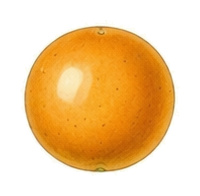


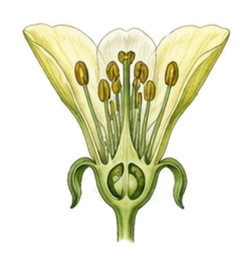
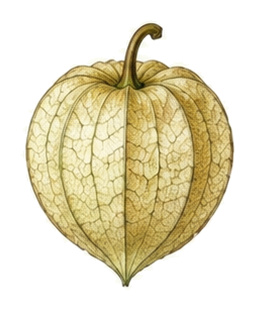
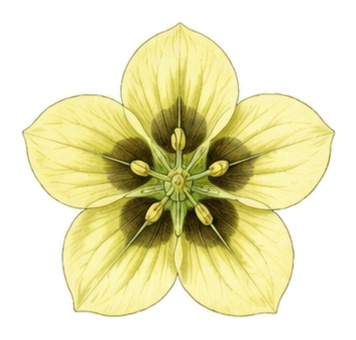
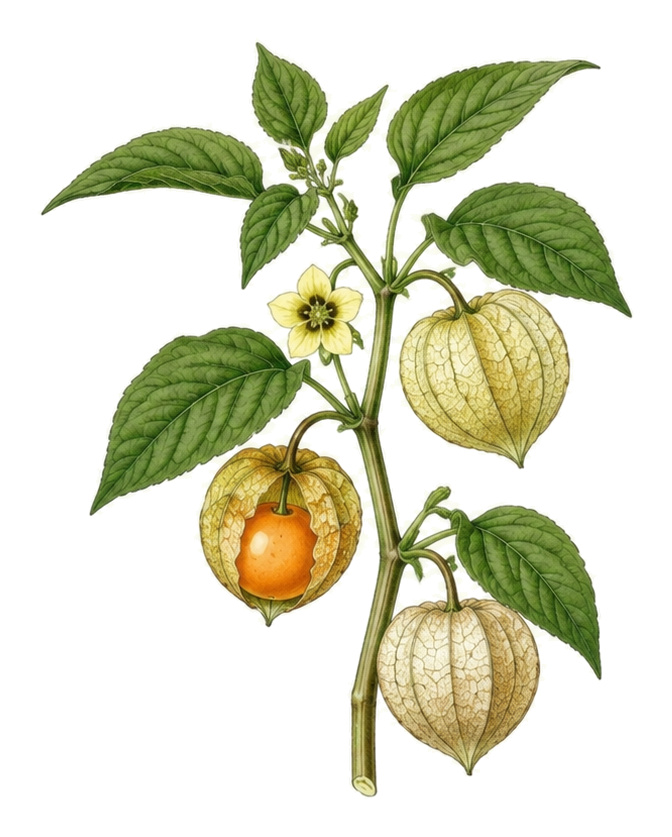
Health
Pests, Diseases
Plant health
Diagnosis help
Physalis pruinosa Diagnosis help
Pest groups
Disease groups
Prevention
Diagnosis
Observe symptoms carefully. Differentiate between pests, diseases, and nutrient deficiencies. Consider growing conditions.
Cultural prevention
Monitoring
First response
Diagnostic rules
White, powdery coating on leaves and stems.
Possible causes: Powdery mildew physalis pruinosa
- Is air circulation good?
- Are the plants planted too densely?
- Are the leaves moist, even in the evening?
Gray, fuzzy coating on fruits and leaves, often with rot.
Possible causes: Gray mold physalis pruinosa
- Are fruits or leaves injured?
- Is humidity very high?
- Is there waterlogging?
FAQ
When and how do I plant Physalis pruinosa?
Physalis pruinosa is started indoors from March and planted outdoors or in a greenhouse after the last frost (from mid-May). Ensure a sunny, warm location and adequate spacing.
Is Physalis pruinosa poisonous?
Only fully ripe fruits are edible. Unripe fruits and other plant parts contain alkaloids and are toxic. Look for the yellow color of the fruits.
How do I care for Physalis pruinosa in pots?
Use a sufficiently large pot (min. 10-20 liters) with good drainage. Keep the soil consistently moist but avoid waterlogging. Fertilize regularly during the growing season. Place the pot in a sunny and warm spot.
When are Physalis pruinosa ripe and how do I harvest them?
Fruits are ripe when they turn yellow and fall from their papery husk. Harvest time is from July to October. Harvest all ripe fruits before the first frost.
Is Physalis pruinosa safe for Dog?
Physalis pruinosa is classified as selected parts only for Dog. Risk: unknown. Urgency: contact a vet if symptoms appear. Only fully ripe fruits are suitable for dogs in moderation as a treat. Unripe fruits, leaves, stems, and roots contain alkaloids (like solanine) and are toxic. Ingestion of larger quantities or unripe plant parts can cause gastrointestinal upset.
Is Physalis pruinosa safe for Cat?
Physalis pruinosa is classified as selected parts only for Cat. Risk: unknown. Urgency: contact a vet if symptoms appear. Unripe fruits and other plant parts contain alkaloids like solanine and are toxic. Only fully ripe fruits are considered edible for humans, but should only be offered to cats in very small amounts and rarely as a treat, as they are not part of a cat's natural diet and even ripe fruits can cause gastrointestinal upset in sensitive animals.
Is Physalis pruinosa safe for Rabbit?
Physalis pruinosa is classified as not established for Rabbit. Risk: unknown. Urgency: unknown. No reliable species-specific assessment is available.
Is Physalis pruinosa safe for Guinea pig?
Physalis pruinosa is classified as selected parts only for Guinea pig. Risk: unknown. Urgency: contact a vet if symptoms appear. Only fully ripe fruits may be offered in very small quantities as an occasional treat. All other plant parts, especially unripe fruits, leaves, and stems, contain alkaloids and are toxic. Guinea pigs cannot vomit.
Guides
Related guides
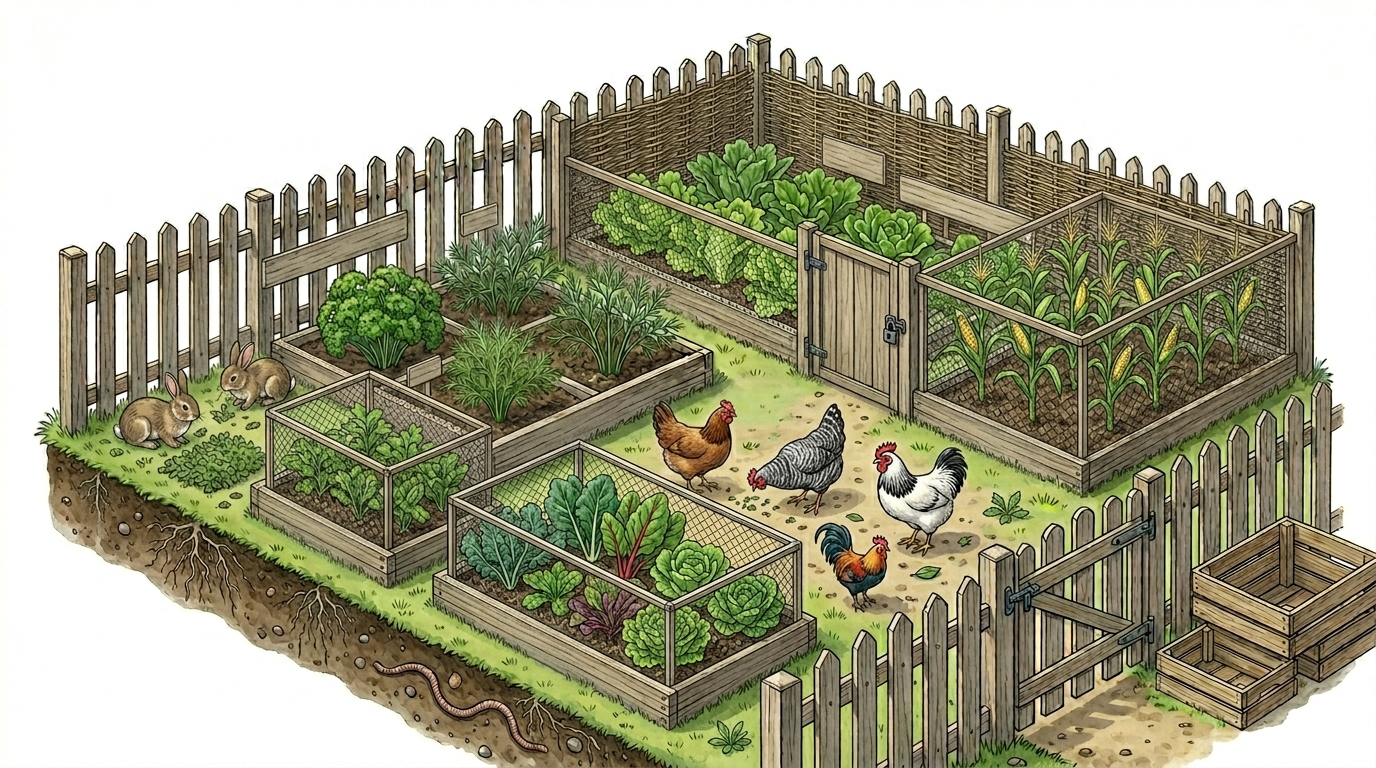
Guide
Chickens in the Garden: Safe Plants and Zones
Learn how to design a chicken-friendly garden with suitable plants, protected beds, and well-planned activity areas.
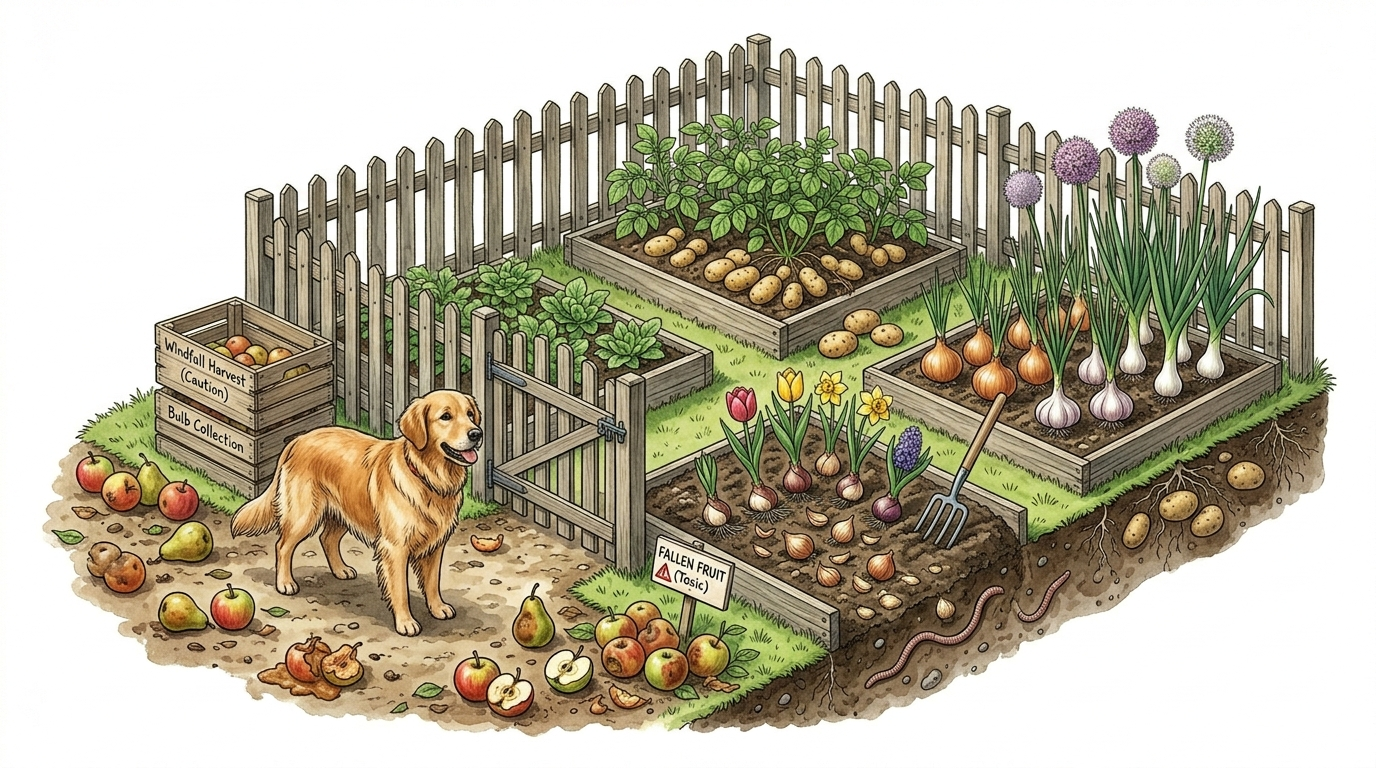
Guide
Dogs in the Garden: Windfall Fruit and Risks
Keep your garden dog-safe by managing windfall fruit, seeds, stored crops, and potentially problematic plant parts.
Guide
Horse Pastures and Garden Plants: Safety Checks
Learn how to identify risks near horse pastures, fences, turnout areas, fruit trees, and garden planting zones.
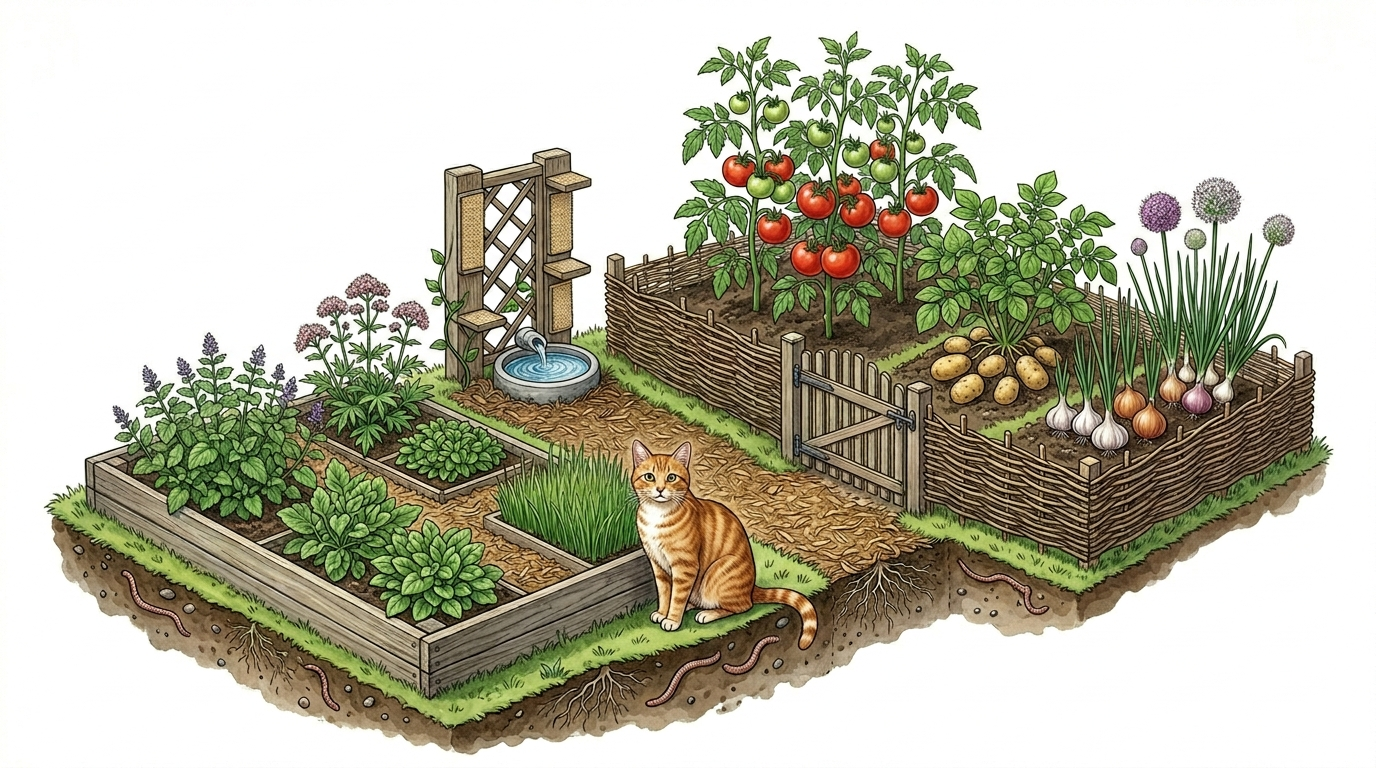
Guide
Toxic Garden Plants for Cats: Safer Planning
Learn which garden plants can be risky for cats, how to plan safer beds, and what to do if a cat eats a toxic plant.
Internal links
Related plants
Potato
Both belong to the nightshade family (Solanaceae).
Both are nightshades (Solanaceae).
Pepper
Both belong to the nightshade family (Solanaceae).
Belong to the same family (Solanaceae) and have similar cultivation requirements.
Eggplant
Both are fruiting vegetables.
Both are nightshades (Solanaceae).
Powdery mildew
Can also occur in other nightshades.
Gray mold (Botrytis)
Can also occur in other nightshades.
Strawberry
Both are often consumed fresh, used in desserts, and made into jams.
Blueberry
Both are small, sweet fruits suitable for desserts and preserves.
Cape gooseberry
Both belong to the genus Physalis and have similar fruits enclosed in a husk.
Sources
Public sources
- Wikidata entity
Wikidata · 2026-05-11
- GBIF species match
GBIF · 2026-05-11
- Deutschsprachige Wikipedia: Physalis pruinosa
Wikipedia · 2026-05-11
- English Wikipedia: Physalis pruinosa
Wikipedia · 2026-05-11
- Trefle API species data
Trefle · 2026-05-11