Plant Profile
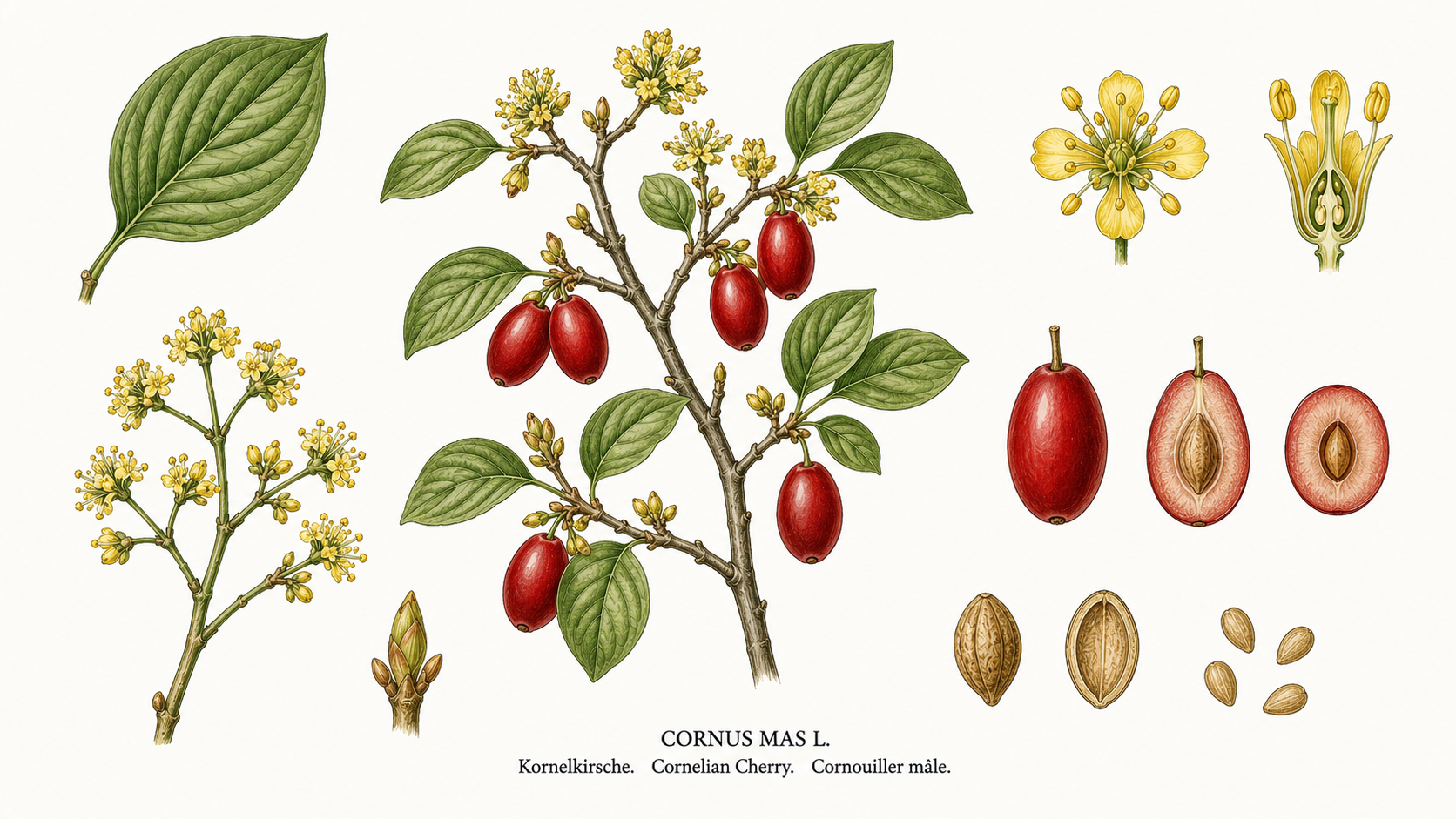
Cornelian cherryCornus mas
Robust wild fruit shrub for every garden.
Quick profile
Key data
Suitable growing locations:
Good neighbors
HazelBlackthorn
Avoid
No data
Indoor & direct sowing
Cornelian cherry: Sowing and germination
Indoor sowing is uncommon; germination is a long process.
Sow immediately after harvest; cold germinator requiring winter frost.
Planting & site
Cornelian cherry: Planting and spacing
Best planting time is autumn or early spring before bud break.
Site & practical notes
Title: Patience during harvest, Text: Only harvest the fruits when they almost fall off by themselves; otherwise, they are extremely tart.
Temperature & frost
Cornelian cherry: Temperature and site
Water & nutrients
Cornelian cherry: Water, nutrients and care
Container & growth
Cornelian cherry: Container, support and growth
Year plan
Cornelian cherry Calendar
Bright yellow blossoms from February.
Recurring tasks
Relevant now
June
- No additional single task
Next up
July
- No additional single task
Monthly tasks
Single tasks from monthly data; repeated seasonal windows are shown in the overview above.
January
Quiet month
February
Quiet month
March
No additional single task
April
No additional single task
May
Quiet month
June
Quiet month
August
No additional single task
September
No additional single task
October
No additional single task
November
No additional single task
December
Quiet month
Flowering & pollination
Cornelian cherry Flowering & pollination
Flowering period
February to March
Flower color
Yellow
Self-fertility
partially self-fertile
Pollinator needed
yes
Overview
Insect pollination by bees, bumblebees, and hoverflies; wind pollination plays a minor role.
Notes
While partially self-fertile, yields increase significantly with cross-pollination from a second variety or wild form.
Pruning & care
Cornelian cherry Pruning & care
Pruning type
minimal_intervention
Pruning timing
Thinning out Before buds swell on frost-free days.
Remove
Preserve
Avoid
Tools and hygiene
Use sharp, clean shears to avoid crushing the smooth bark.
Companion guide
Cornelian cherry Companion guide
Good neighbors
HazelBlackthorn
Avoid
No data
Use & storage
Cornelian cherry Use & storage
Harvest when fruits are fully ripe and dark red to almost black.
Storage
Refrigeration or freezing
Storage life
Fresh in the refrigerator approx. 2-4 days; frozen for several months.
Harvest
Harvest when fruits are fully ripe and dark red to almost black.
Processing
After harvest
Fully ripe fruits are very soft and should be processed quickly or refrigerated.
Edibility & safety
Cornelian cherry Edibility & safety
For people
In brief: which parts are edible, which parts remain risky, and whether raw consumption makes sense.
Safety notes
The plant is non-toxic. The fruits are rich in Vitamin C and anthocyanins.
Animal safety
This plant is not simply safe or unsafe for animals. 11 animal types have restrictions, so quantity, access, and plant part matter.
Each row shows which parts are more suitable and which parts are critical.
Companion animals
 Dog
DogFruit pulp
No risk parts listed
Fruit pulp
No risk parts listed
Overconsumption may cause gastrointestinal upset due to high acid and tannin content.
usually no action needed
The fruit pulp of Cornelian cherry is edible for dogs and is occasionally used as a treat. Seeds are indigestible and should be removed. Leaves may cause skin irritation in sensitive individuals but are not significantly toxic to dogs under normal contact. The plant contains no known dog-toxic compounds. Overconsumption may cause gastrointestinal upset due to the high acid and tannin content of the fruit. Seeds…
Open animal page Cat
CatNo suitable parts listed
No risk parts listed
No suitable parts listed
No risk parts listed
 Rabbit
Fruit pulp
Seeds, Leaves
Fruit pulp
Seeds, Leaves
Overconsumption, Consumption of seeds or leaves
Gastrointestinal upset, Diarrhea
observe
The fruit pulp of Cornelian cherry is suitable for rabbits in small amounts as a treat. Seeds are indigestible and may cause digestive issues. Leaves contain fine hairs that may cause irritation in sensitive rabbits. No known toxic compounds in the plant.
Open animal page Guinea pig
Fruit pulp
Seeds, Leaves
Fruit pulp
Seeds, Leaves
Overconsumption, Consumption of unripe fruit
Gastrointestinal upset, Vomiting
observe
The fruit pulp of Cornelian cherry is suitable for guinea pigs in small amounts as a treat. Seeds are indigestible and can cause digestive issues. Leaves contain fine hairs that may cause irritation in sensitive animals. Overconsumption or eating unripe fruit poses a risk of gastrointestinal upset. If symptoms occur, consult a veterinarian.
Open animal page Hamster
Fruit pulp
Seeds, Leaves
Fruit pulp
Seeds, Leaves
Excessive consumption of seeds or leaves
Gastrointestinal upset, Vomiting
contact a vet if symptoms appear
Fruit pulp of Cornelian cherry is suitable for hamsters in small amounts as a treat. Seeds are indigestible and may cause intestinal blockage. Leaves contain fine hairs that can cause irritation in sensitive animals. No known toxic compounds in the plant.
Open animal page Budgie
Fruit pulp
Seeds, Leaves
Fruit pulp
Seeds, Leaves
Consumption of unripe fruits, Consumption of seeds or leaves
Gastrointestinal upset, Vomiting
observe
The fruit pulp of Cornelian cherry is suitable for budgies in small amounts as an occasional treat. Seeds and leaves should be avoided as they are indigestible and may cause irritation in sensitive birds. Although the plant is generally considered non-toxic, consumption of large amounts of fruit pulp may cause gastrointestinal upset due to high acidity. Budgies have sensitive digestive tracts, so caution is advised.
Open animal pageFarm animals
 Horse
HorseNo suitable parts listed
No risk parts listed
No suitable parts listed
No risk parts listed
unknown
Cornelian cherry (Cornus mas) is considered non-toxic to horses. The fruit is edible and may be occasionally fed as a treat, but should be given in moderation due to its high tannin and acid content. Leaves and other plant parts are not typically consumed and show no known toxic effects in horses. If overconsumption is suspected and symptoms such as diarrhea or colic occur, a veterinarian should be consulted.
Open animal page Chicken
Fruit pulp
Seeds, Leaves
Fruit pulp
Seeds, Leaves
Overconsumption, Consumption of unripe fruits
Gastrointestinal upset, Vomiting
observe
The fruit pulp of Cornelian cherry is suitable for chickens in small amounts as a treat. Seeds are indigestible and may cause digestive issues. Leaves contain fine hairs that can cause irritation in sensitive birds. The plant contains no known toxic compounds for birds. Overconsumption may lead to gastrointestinal upset.
Open animal page Duck
DuckFruit pulp
Seeds, Leaves
Fruit pulp
Seeds, Leaves
Overconsumption of unripe fruits, Consumption of seeds or leaves
Gastrointestinal upset, Vomiting
observe
The fruit pulp of ripe Cornelian cherry is suitable for ducks in small amounts as a treat. Seeds are indigestible and may cause gastrointestinal upset. Leaves may cause skin irritation in sensitive individuals. No known toxic compounds in the plant.
Open animal page Goose
GooseFruit pulp
Seeds, Leaves
Fruit pulp
Seeds, Leaves
Overconsumption of unripe fruits, Ingestion of seeds or leaves
Gastrointestinal upset, Vomiting
observe
The fruit pulp of Cornelian cherry is suitable for geese in small amounts as an occasional treat. Seeds are indigestible and leaves may cause skin irritation in sensitive individuals. No known toxic compounds in the plant. Overconsumption may lead to gastrointestinal upset.
Open animal page Sheep
SheepFruit pulp
Seeds, Leaves
Fruit pulp
Seeds, Leaves
Overconsumption of unripe fruits, Consumption of seeds or leaves
Gastrointestinal upset
observe
Fruit pulp of ripe Cornelian cherry is suitable for sheep in small amounts as a treat. Seeds are indigestible and may cause gastrointestinal upset. Leaves contain fine hairs that may cause irritation in sensitive animals. No known toxic compounds in the plant.
Open animal page Goat
GoatFruit pulp
Seeds, Leaves
Fruit pulp
Seeds, Leaves
Overripe fruits may cause fermentation, Seeds are indigestible and may cause obstruction
Gastrointestinal upset with excessive consumption
observe
Fruit pulp of Cornelian cherry is suitable for goats in small amounts as a treat. Seeds and leaves should be avoided due to indigestibility and possible irritation. Excessive consumption may lead to gastrointestinal upset.
Open animal page Cattle
Fruit pulp
Seeds, Leaves
Fruit pulp
Seeds, Leaves
Overconsumption of unripe fruits, Consumption of seeds or leaves
Gastrointestinal upset
observe
No direct species-specific source was found for cattle. This is a cautious inference from the sheep profile and the known plant-part risks.
Open animal page Pig
PigFruit pulp
Seeds, Leaves
Fruit pulp
Seeds, Leaves
Unripe fruits are very astringent and may cause stomach irritation, Seeds are indigestible and may cause intestinal blockage
Gastrointestinal upset with excessive consumption
These guidelines are for general information only and do not replace veterinary diagnosis. If critical plant parts were ingested or the animal shows unusual behaviour or symptoms, seek veterinary advice.
Max risk
unknown
Highest status
not established
Urgency
contact a vet if symptoms appear
Saving seed
Cornelian cherry Saving seed
Seed viability
1 - 2 years
Method
Clean seeds from the pulp and sow immediately.
Practical tips
Cornelian cherry Practical tips
Common beginner mistakes
Pruning too early; otherwise, you remove the flower buds for the next year.
Success pattern
Once established, the shrub requires almost no attention.
High-impact tips
Place a cloth under the shrub and simply shake off the ripe fruits.
Grower observations
Birds love the fruits; you often have to be quick during harvest.
Health
Pests, Diseases
Plant health
Diagnosis help
Cornelian cherry Diagnosis help
Pest groups
Disease groups
Prevention
Diagnosis
Cornelian cherry is considered one of the most resilient native woody plants. Damage is often physiological (soil structure).
Cultural prevention
Monitoring
Monitor for fruit damage starting in July.
First response
Consistently collect infested fruit and dispose of it via household waste.
Diagnostic rules
Small puncture marks on the fruit, later maggot damage.
Possible causes: Rhagoletis cerasi
- Inspect fruits for maggots.
- Check flight period of the cherry fruit fly.
FAQ
Are Cornelian cherries poisonous?
No, the fruits are edible and very healthy, but contain a hard stone.
Is Cornelian cherry safe for Dog?
Cornelian cherry is classified as suitable for Dog. Risk: unknown. Urgency: usually no action needed. The fruit pulp of Cornelian cherry is edible for dogs and is occasionally used as a treat. Seeds are indigestible and should be removed. Leaves may cause skin irritation in sensitive individuals but are not significantly toxic to dogs under normal contact. The plant contains no known dog-toxic compounds. Overconsumption may cause gastrointestinal upset due to the high acid and tannin content of the fruit. Seeds…
Is Cornelian cherry safe for Cat?
Cornelian cherry is classified as not established for Cat. Risk: unknown. Urgency: unknown. No reliable species-specific assessment is available.
Is Cornelian cherry safe for Rabbit?
Cornelian cherry is classified as selected parts only for Rabbit. Risk: unknown. Urgency: observe. The fruit pulp of Cornelian cherry is suitable for rabbits in small amounts as a treat. Seeds are indigestible and may cause digestive issues. Leaves contain fine hairs that may cause irritation in sensitive rabbits. No known toxic compounds in the plant.
Is Cornelian cherry safe for Guinea pig?
Cornelian cherry is classified as selected parts only for Guinea pig. Risk: unknown. Urgency: observe. The fruit pulp of Cornelian cherry is suitable for guinea pigs in small amounts as a treat. Seeds are indigestible and can cause digestive issues. Leaves contain fine hairs that may cause irritation in sensitive animals. Overconsumption or eating unripe fruit poses a risk of gastrointestinal upset. If symptoms occur, consult a veterinarian.
Guides
Related guides
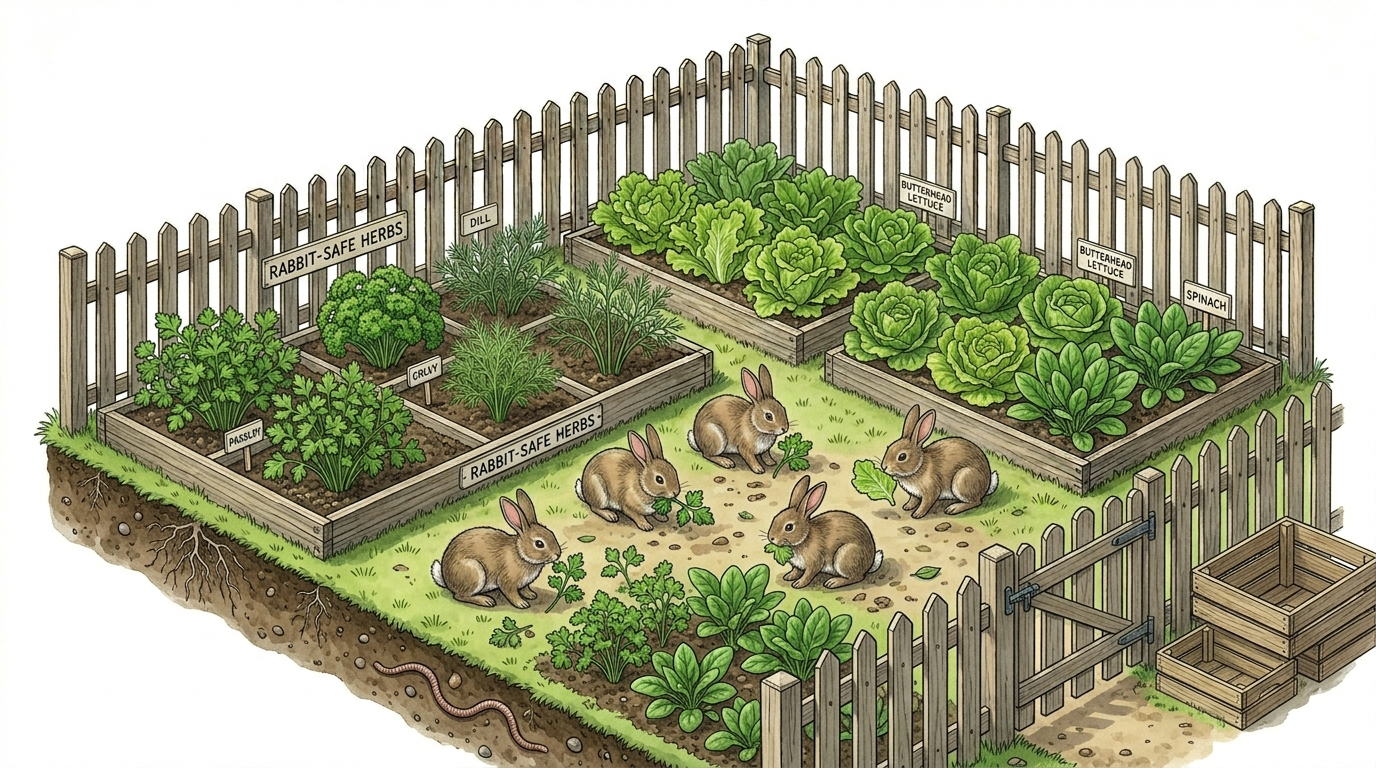
Guide
Rabbits in the Garden: Herbs and Vegetables
Learn how to choose suitable herbs and vegetables for rabbits, grow feeding plants, and plan a rabbit-friendly garden.
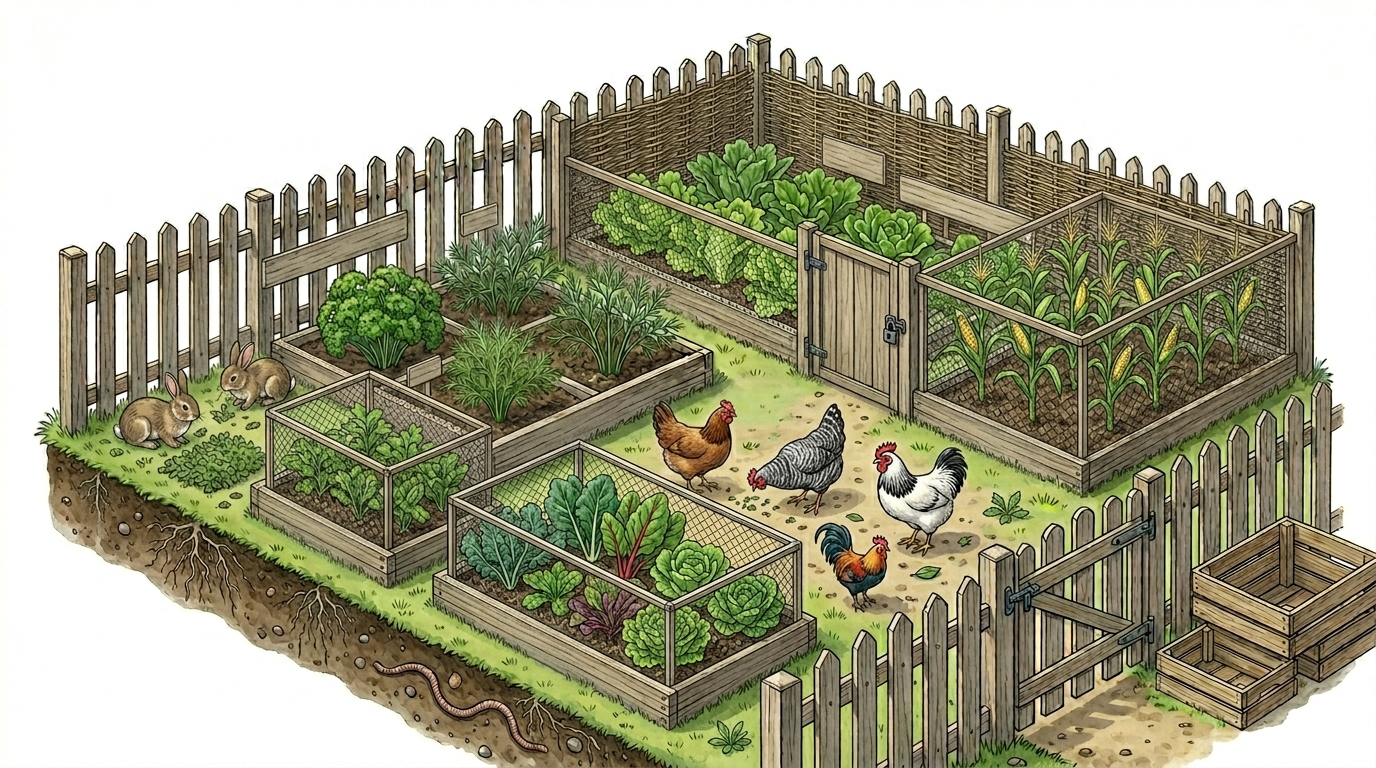
Guide
Chickens in the Garden: Safe Plants and Zones
Learn how to design a chicken-friendly garden with suitable plants, protected beds, and well-planned activity areas.
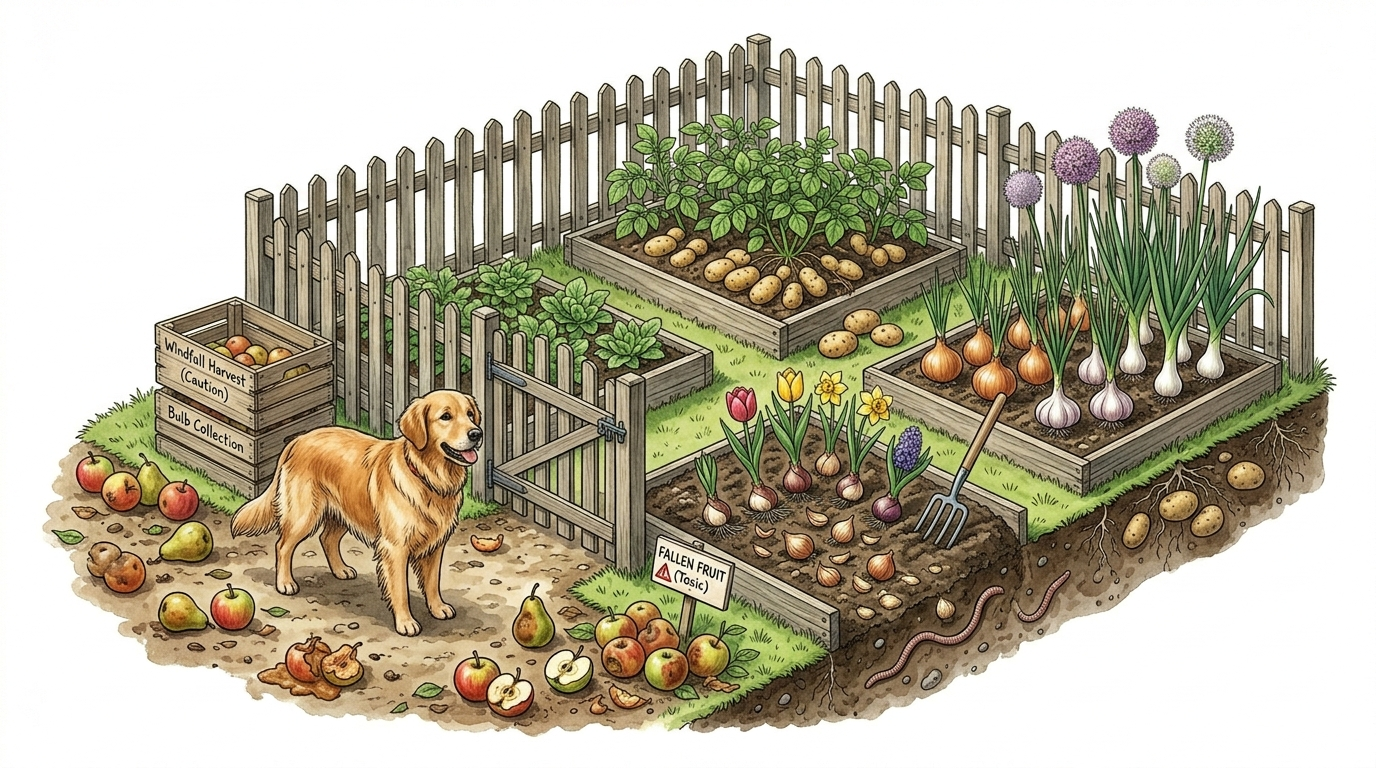
Guide
Dogs in the Garden: Windfall Fruit and Risks
Keep your garden dog-safe by managing windfall fruit, seeds, stored crops, and potentially problematic plant parts.
Guide
Horse Pastures and Garden Plants: Safety Checks
Learn how to identify risks near horse pastures, fences, turnout areas, fruit trees, and garden planting zones.
Internal links
Related plants
Common Dogwood
Closely related, often found in the same hedges.
Sea Buckthorn
Kousa Dogwood
Also has edible fruits but different site requirements.
Elderberry
Wild fruit used for juices and jellies.
Sweet Cherry
Similar name, but botanically unrelated.
Sources
Public sources
- Wikidata entity
Wikidata · 2026-05-13
- GBIF species match
GBIF · 2026-05-13
- Deutschsprachige Wikipedia: Kornelkirsche
Wikipedia · 2026-05-13
- English Wikipedia: Cornus mas
Wikipedia · 2026-05-13