Plant Profile
soybeanGlycine max
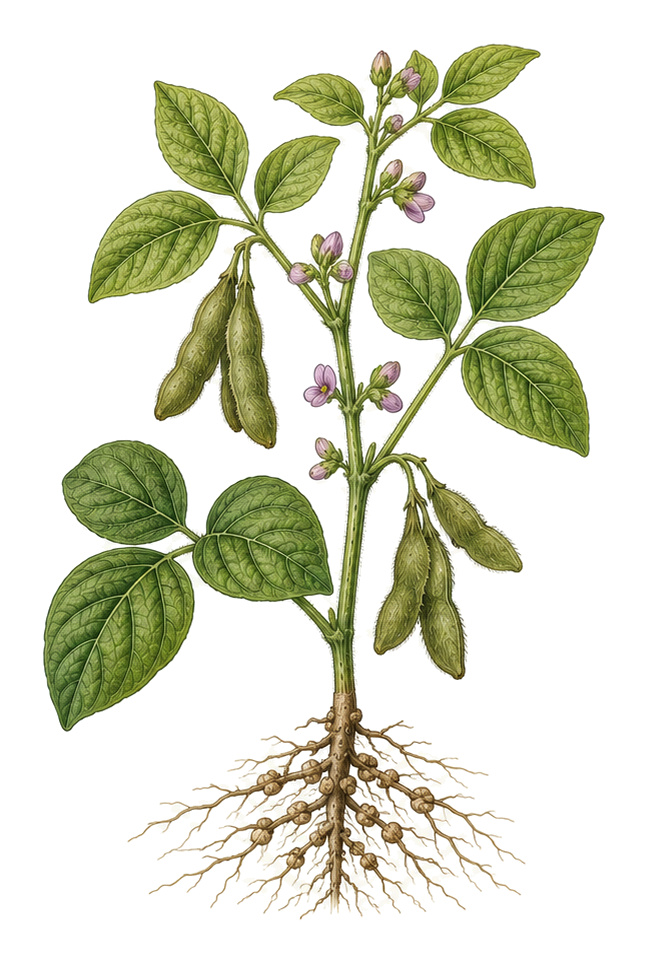
The soybean (Glycine max) is an annual plant from the legume family, cultivated worldwide for its protein-rich seeds. It requires a long, warm growing season and prefers sunny locations with well-draining soil. Soybeans are nitrogen-fixing, thus improving soil quality. Harvest occurs in autumn when the pods are dry. The seeds are versatile after thorough processing but are indigestible raw.

Quick profile
Key data
Suitable growing locations:
Indoor & direct sowing
soybean: Sowing and germination
No indoor sowing recommended.
Sow only after the last frosts and when the soil has warmed sufficiently.
Planting & site
soybean: Planting and spacing
Direct sowing is preferred.
Site & practical notes
Soybeans require a long, warm growing season and are frost-sensitive. Sow only after the last frosts and when the soil has reached at least 10°C. Ensure adequate plant spacing for good air circulation. Regular, but not excessive, watering is important, especially during flowering and pod development. Avoid waterlogging. As a legume, soy needs little nitrogen but benefits from phosphorus and potassium. Harvest when pods are dry and beans are hard. Raw seeds are indigestible and must be cooked or processed.
Temperature & frost
soybean: Temperature and site
Water & nutrients
soybean: Water, nutrients and care
Container & growth
soybean: Container, support and growth
Year plan
soybean Calendar
The long growing season of the soybean requires sowing in late spring and harvesting in early autumn.
Relevant now
June
- Continue sowing or care for young plantsOngoing growth: Resow if needed or remove weeds.
Next up
July
- Pest and disease controlVisible signs of pests or diseases: Regularly check for signs of pests or diseases.
Monthly tasks
Single tasks from monthly data; repeated seasonal windows are shown in the overview above.
January
Quiet month
February
Quiet month
March
Quiet month
April
Quiet month
May
Direct sowing
- Sow soybeansSoil temperature at least 10°C, no frost risk: Sow into well-prepared soil.
June
Planting
- Continue sowing or care for young plantsOngoing growth: Resow if needed or remove weeds.
August
Growing
- Ensure adequate wateringDry weather, flowering or pod development: Especially important during flowering and pod development.
September
Harvest
- Begin harvestBeans are mature and pods are dry: Harvest ripe beans. Pods should be dry.
October
Harvest
- Continue harvestRemaining beans are mature: Harvest remaining beans. Allow to dry further in dry weather.
November
Quiet month
December
Quiet month
Flowering & pollination
soybean Flowering & pollination
Self-fertility
high
Pollinator needed
no
Overview
Soybeans are predominantly self-pollinating. Flowers open in the morning and are often pollinated the same day. Cross-pollination by insects is possible but rare and usually has no significant impact on yield.
Notes
Although insects like bees and hoverflies may visit the flowers, their role in soybean pollination is minor. The primary pollination occurs via pollen transfer within the same flower.
Companion guide
soybean Companion guide
Use & storage
soybean Use & storage
Harvest when pods are dry and beans are hard.
Storage
Dry, cool, and dark
Storage life
With proper storage (dry, cool, airtight), they can last for several years.
Harvest
Harvest when pods are dry and beans are hard.
Processing
After harvest
After harvesting, allow the pods to dry until they split open completely or the beans can be easily removed. The beans must be thoroughly dried to prevent storage losses.
Edibility & safety
soybean Edibility & safety
For people
In brief: which parts are edible, which parts remain risky, and whether raw consumption makes sense.
Safety notes
Raw soybeans contain trypsin inhibitors, which can interfere with protein digestion, as well as other anti-nutrients. These are largely destroyed by cooking, roasting, or fermentation.
Animal safety
For many animals, this plant is generally low-risk: 14 animal types are rated suitable or mostly suitable. Quantity, plant part, and individual tolerance still matter.
Each row shows which parts are more suitable and which parts are critical.
Companion animals
 Dog
Dogcooked seeds
raw seeds
cooked seeds
raw seeds
consumption of raw or immature soybeans
vomiting, diarrhea, bloating
observe
Cooked soybeans are tolerable for dogs in small amounts and can serve as an occasional protein source. Raw soybeans contain trypsin inhibitors and other anti-nutrients that can cause gastrointestinal upset. Overfeeding should be avoided due to high purine and phytoestrogen content. If ingestion of raw beans is suspected, monitor the dog and consult a veterinarian if symptoms persist.
Open animal page Cat
Catcooked seeds
raw seeds
cooked seeds
raw seeds
consumption of raw or immature seeds
vomiting, diarrhea, bloating
observe
Cooked soybeans are suitable for cats in small amounts as a treat. Raw seeds contain anti-nutrients that can cause gastrointestinal upset. No indications of serious toxicity with normal feeding.
Open animal page Rabbit
cooked seeds
raw seeds
cooked seeds
raw seeds
high feed proportion, unprocessed feeding
digestive upset, bloating, diarrhea
observe
['Cooked soybeans are suitable for rabbits in small amounts as a supplement. Raw seeds contain anti-nutrients that can inhibit nutrient absorption and cause digestive issues.']
Open animal page Guinea pig
cooked seeds
raw seeds
cooked seeds
raw seeds
consumption of raw seeds, overfeeding
digestive upset, bloating
observe
Cooked soybeans can be fed in small amounts as a protein-rich supplement. Raw seeds contain anti-nutrients that can impair nutrient absorption and cause gastrointestinal distress. No evidence of specific toxicity for guinea pigs when properly prepared.
Open animal page Hamster
cooked seeds
raw seeds
cooked seeds
raw seeds
high feeding amount, unprocessed seeds
digestive upset, bloating
observe
['Cooked soybeans can be suitable as a protein source in small amounts. Raw seeds contain anti-nutrients that may interfere with nutrient absorption.']
Open animal page Budgie
cooked seeds
raw seeds
cooked seeds
raw seeds
high consumption of raw seeds
digestive discomfort, bloating
observe
Cooked soybeans can be given to budgies as an occasional treat. Raw seeds contain anti-nutrients that can disrupt digestion. Only feed small amounts of plain, cooked seeds. Consult a veterinarian if digestive issues occur.
Open animal pageFarm animals
 Horse
HorseSeeds (after processing/cooking)
Raw seeds
Seeds (after processing/cooking)
Raw seeds
Raw consumption, Excessive consumption of raw seeds
Digestive upset, Bloating, Diarrhea
observe
Processed soybeans (cooked, roasted, or fermented) are suitable for horses in moderation as a protein-rich supplemental feed. Raw seeds contain trypsin inhibitors and anti-nutrients that can cause digestive issues. No indications of severe toxicity when fed appropriately.
Open animal page Chicken
cooked seeds
raw seeds
cooked seeds
raw seeds
feeding raw or inadequately processed soybeans
digestive upset, protein deficiency with long-term feeding of raw seeds
observe
Cooked soybeans are a valuable protein source for chickens in moderation. Raw seeds contain anti-nutrients that can inhibit nutrient absorption and cause digestive issues. A balanced diet should not rely solely on soy. If poisoning from raw seeds is suspected, consult a veterinarian.
Open animal page Duck
Duckcooked seeds
raw seeds, leaves, stems
cooked seeds
raw seeds, leaves, stems
indigestibility, allergies
nausea, vomiting, diarrhea
contact a vet if symptoms appear
Soybeans can serve as a nutritional supplement for ducks, but raw seeds and other plant parts should be avoided.
Open animal page Goose
GooseSeeds (after processing/cooking)
Raw seeds
Seeds (after processing/cooking)
Raw seeds
Raw consumption, Overfeeding, Unprocessed seeds
Digestive upset, Bloating, Diarrhea
observe
Processed soybeans are suitable for geese in moderation as a protein-rich supplemental feed. Raw seeds contain anti-nutrients that can impair nutrient absorption and cause digestive issues. No evidence of specific toxicity for geese when properly processed. If raw seeds are consumed, observe and consult a veterinarian if symptoms persist.
Open animal page Sheep
SheepSeeds (after processing/cooking)
Raw seeds
Seeds (after processing/cooking)
Raw seeds
Consumption of raw or inadequately processed soybeans
Digestive upset, Bloating, Diarrhea
observe
Processed soybeans are suitable for sheep as a protein-rich supplemental feed, but raw seeds should be avoided due to trypsin inhibitors. Gradual introduction is recommended to prevent digestive issues.
Open animal page Goat
Goatcooked or processed seeds
raw seeds
cooked or processed seeds
raw seeds
consumption of raw or inadequately processed seeds, overfeeding
digestive upset, bloating, diarrhea
observe
Cooked soybeans are suitable for goats in moderation as a high-protein supplemental feed. Raw seeds contain anti-nutrients that can inhibit nutrient absorption and may cause digestive upset. Gradual introduction is recommended to assess tolerance.
Open animal page Cattle
Seeds (after processing/cooking)
Raw seeds
Seeds (after processing/cooking)
Raw seeds
Consumption of raw or inadequately processed soybeans, Overfeeding
Digestive upset, Bloating, Diarrhea
observe
Processed soybeans (e.g., soybean meal) are a valuable protein source in cattle feed. Raw soybeans contain anti-nutrients that can inhibit nutrient absorption and cause digestive upset. Gradual introduction is recommended.
Open animal page Pig
PigSeeds (after processing/cooking)
Raw seeds
Seeds (after processing/cooking)
Raw seeds
Consumption of raw or inadequately processed soybeans
Digestive upset, Bloating, Diarrhea
observe
Processed soybeans are a valuable protein and energy source in swine diets. Raw soybeans contain anti-nutrients that can impair nutrient absorption and cause digestive issues. Overfeeding soy may lead to hormonal effects due to isoflavones.
Open animal pageThese guidelines are for general information only and do not replace veterinary diagnosis. If critical plant parts were ingested or the animal shows unusual behaviour or symptoms, seek veterinary advice.
Max risk
unknown
Highest status
moderation only
Urgency
contact a vet if symptoms appear
Saving seed
soybean Saving seed
Seed viability
1 - 3 years
Storage
Store in airtight containers in a cool, dry, and dark place. Viability is maintained for 1-3 years.
Practical tips
soybean Practical tips
Common beginner mistakes
Success pattern
High-impact tips
Grower observations
Plant Profile
Additional plant images

Health
Pests, Diseases
Pests
Soybean aphid
Small, green to yellowish aphids that colonize the underside of leaves and young shoots, sucking plant sap.
Spider mites
Tiny arachnids that form fine webs on leaves and suck plant sap. They prefer dry, warm conditions.
Bean seed beetle
Small beetles whose larvae infest the seeds within the pods. Adult beetles may also feed on leaves and flowers.
Diseases
Soybean rust
A fungus that causes leaf spots, leading to premature defoliation. It favors humid conditions and warm temperatures.
Downy mildew
A fungus that causes yellowish spots on the upper leaf surface and a gray to purplish mold growth on the underside. Humid conditions favor its spread.
Bacterial blight
A bacterial disease causing small, angular, dark brown to black spots on leaves, often with a yellow halo. Can also affect stems and pods.
Deficiencies
Molybdenum deficiency
Molybdenum is essential for nitrogen fixation by root nodule bacteria. Deficiency leads to poor nitrogen supply to the plant.
Phosphorus deficiency
Phosphorus is important for energy transfer, root development, and flowering. Deficiency slows growth and impairs yield formation.
Plant health
Diagnosis help
soybean Diagnosis help
Pest groups
Disease groups
Prevention
Diagnosis
Diagnosing problems in soybeans often requires careful examination of symptoms on leaves, stems, and roots. Consider environmental conditions and the field's cultivation history.
Cultural prevention
Monitoring
First response
Diagnostic rules
Small, reddish-brown spots on leaves, often with a yellow halo, and pustules on the leaf underside.
Possible causes: Soybean rust
- Check the underside of leaves for pustules.
- Note the weather conditions (humid, warm).
Yellowish spots on the upper leaf surface and gray to purplish mold on the underside.
Possible causes: Downy mildew
- Examine the leaf underside in humid weather.
- Look for signs of wilting.
Small, angular, dark brown to black spots on leaves, often with a yellow border.
Possible causes: Bacterial Blight
- Check for angular spots limited by leaf veins.
- Note periods of wet, cool weather.
FAQ
When is the best time to sow soybeans?
Sowing should only occur after the last frosts, when the soil temperature is consistently at least 10°C. This is typically from mid-May through June.
Can soybeans be grown in pots?
Soybeans are generally not well-suited for container growing, as they develop a deep root system and require a certain amount of space. For home use, other legumes like bush beans are better suited.
Why are my soybean leaves turning yellow?
Yellow leaves can be due to several causes: nitrogen deficiency (if nodulation is poor), waterlogging, overly acidic soil, or diseases like soybean rust. A soil test or closer examination of the plant can help determine the cause.
Are raw soybeans edible?
No, raw soybeans are not edible and can be harmful to health, as they contain trypsin inhibitors and other anti-nutrients. They must be cooked, roasted, or fermented before consumption to break down these substances.
Is soybean safe for Dog?
soybean is classified as moderation only for Dog. Risk: unknown. Urgency: observe. Cooked soybeans are tolerable for dogs in small amounts and can serve as an occasional protein source. Raw soybeans contain trypsin inhibitors and other anti-nutrients that can cause gastrointestinal upset. Overfeeding should be avoided due to high purine and phytoestrogen content. If ingestion of raw beans is suspected, monitor the dog and consult a veterinarian if symptoms persist.
Is soybean safe for Cat?
soybean is classified as moderation only for Cat. Risk: unknown. Urgency: observe. Cooked soybeans are suitable for cats in small amounts as a treat. Raw seeds contain anti-nutrients that can cause gastrointestinal upset. No indications of serious toxicity with normal feeding.
Is soybean safe for Rabbit?
soybean is classified as moderation only for Rabbit. Risk: unknown. Urgency: observe. ['Cooked soybeans are suitable for rabbits in small amounts as a supplement. Raw seeds contain anti-nutrients that can inhibit nutrient absorption and cause digestive issues.']
Is soybean safe for Guinea pig?
soybean is classified as moderation only for Guinea pig. Risk: unknown. Urgency: observe. Cooked soybeans can be fed in small amounts as a protein-rich supplement. Raw seeds contain anti-nutrients that can impair nutrient absorption and cause gastrointestinal distress. No evidence of specific toxicity for guinea pigs when properly prepared.
Guides
Related guides
Guide
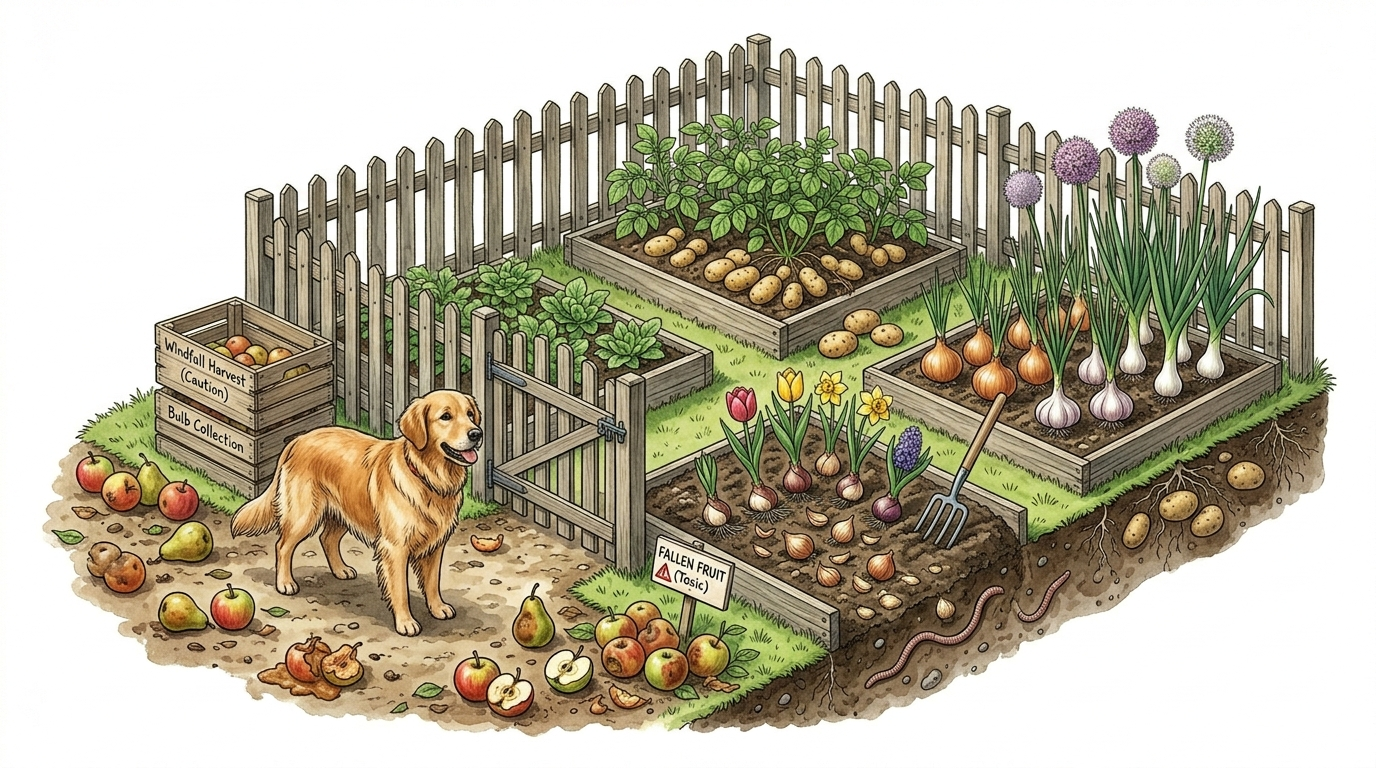
Dogs in the Garden: Windfall Fruit and Risks
Keep your garden dog-safe by managing windfall fruit, seeds, stored crops, and potentially problematic plant parts.
Guide
Horse Pastures and Garden Plants: Safety Checks
Learn how to identify risks near horse pastures, fences, turnout areas, fruit trees, and garden planting zones.
Guide
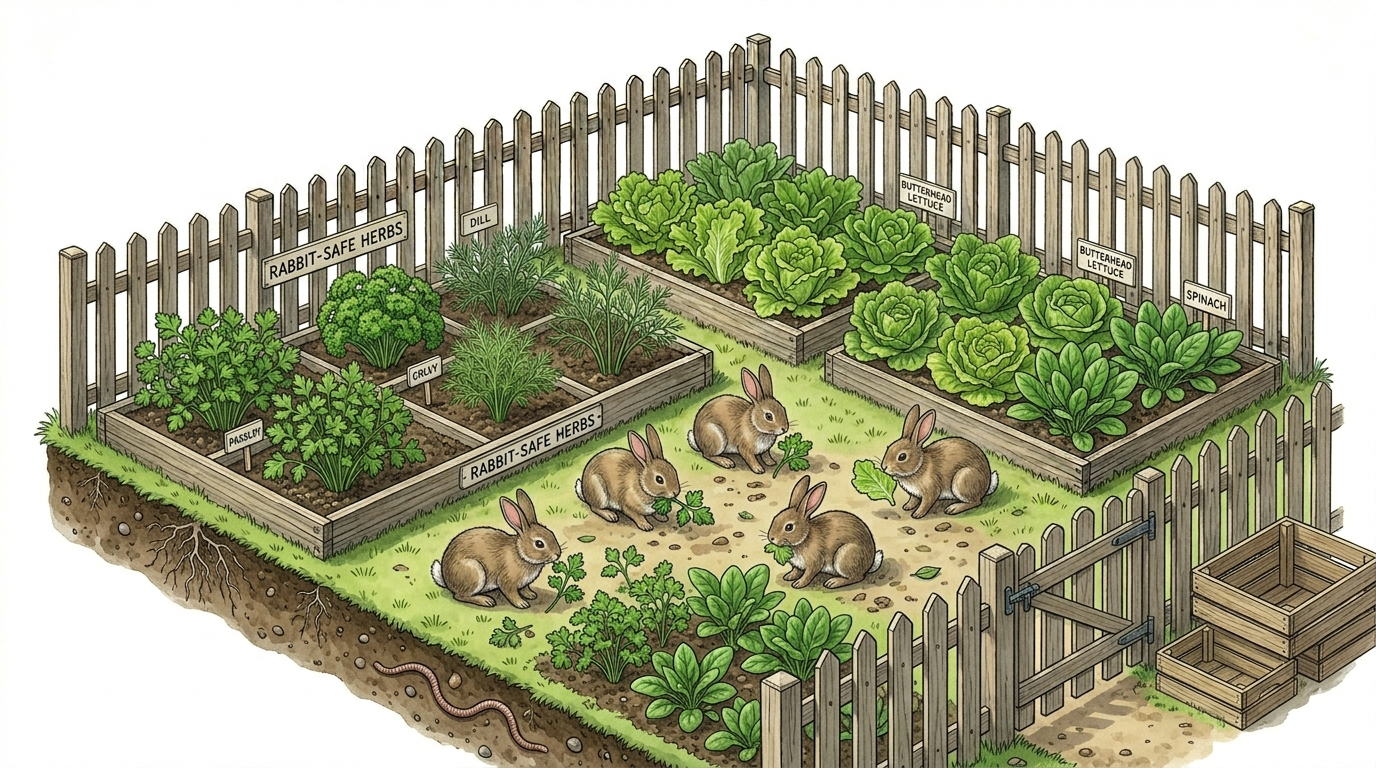
Rabbits in the Garden: Herbs and Vegetables
Learn how to choose suitable herbs and vegetables for rabbits, grow feeding plants, and plan a rabbit-friendly garden.
Guide
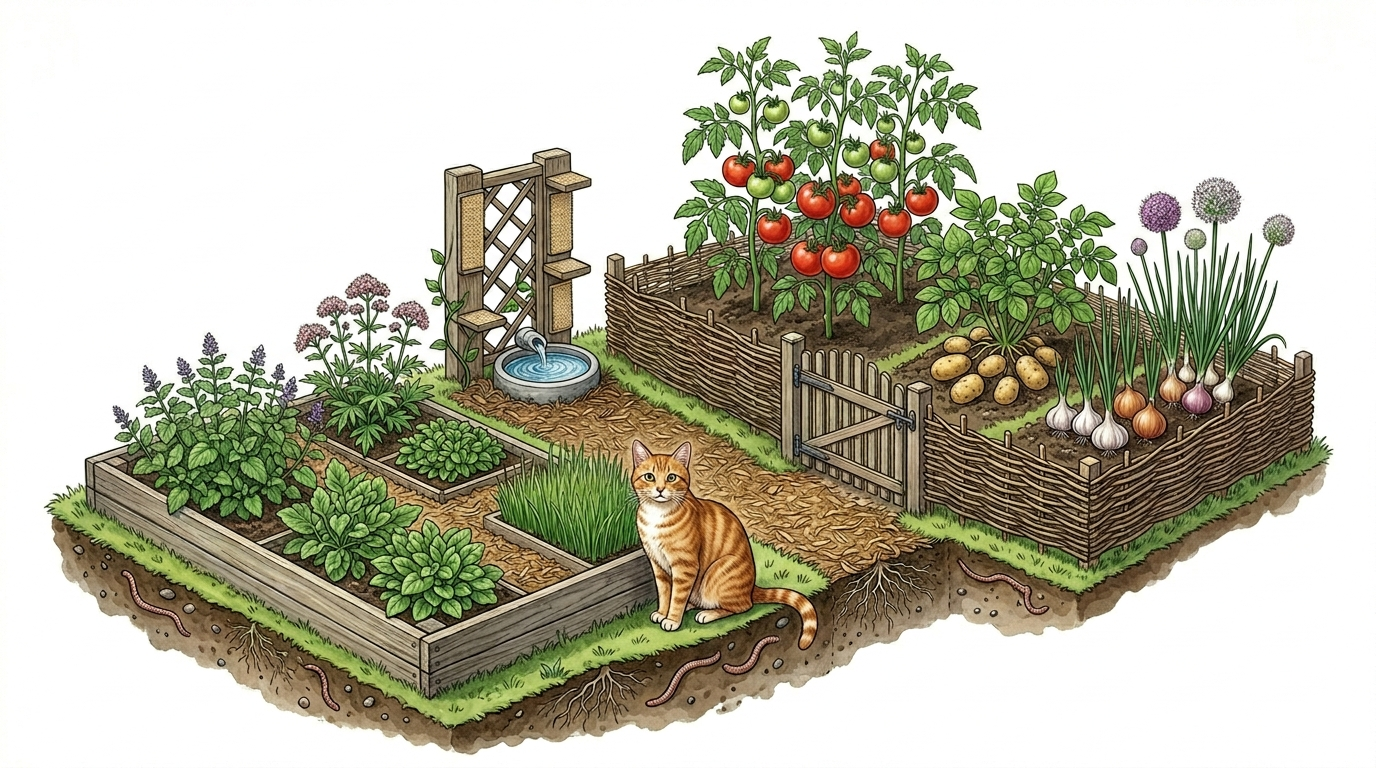
Toxic Garden Plants for Cats: Safer Planning
Learn which garden plants can be risky for cats, how to plan safer beds, and what to do if a cat eats a toxic plant.
Internal links
Related plants
Common bean
Both belong to the Fabaceae family (legumes).
Both are legumes and are grown for their seeds.
Lentil
Both belong to the Fabaceae family (legumes).
Both are important protein sources from the legume family.
Chickpea
Belongs to the Fabaceae family (legumes).
Both are protein-rich legumes that can be used for hummus, stews, and as a side dish.
Sources
Public sources
- Wikidata entity
Wikidata · 2026-05-15
- GBIF species match
GBIF · 2026-05-15
- Trefle API species data
Trefle · 2026-05-15
- Deutschsprachige Wikipedia: Sojabohne
Wikipedia · 2026-05-15
- English Wikipedia: Soybean
Wikipedia · 2026-05-15