Plant Profile
RutabagaBrassica oleracea var. gongylodes
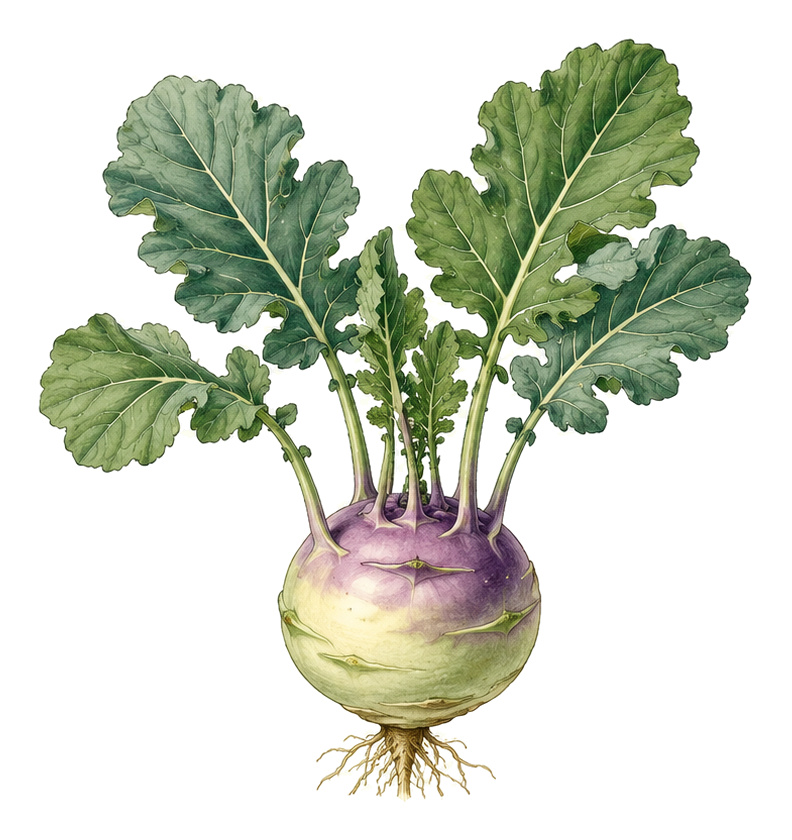
Kohlrabi is a staple of the vegetable garden, prized for its short growing cycle and the mild, nutty flavor of its above-ground stem tuber. It is an ideal introductory vegetable, especially for children.
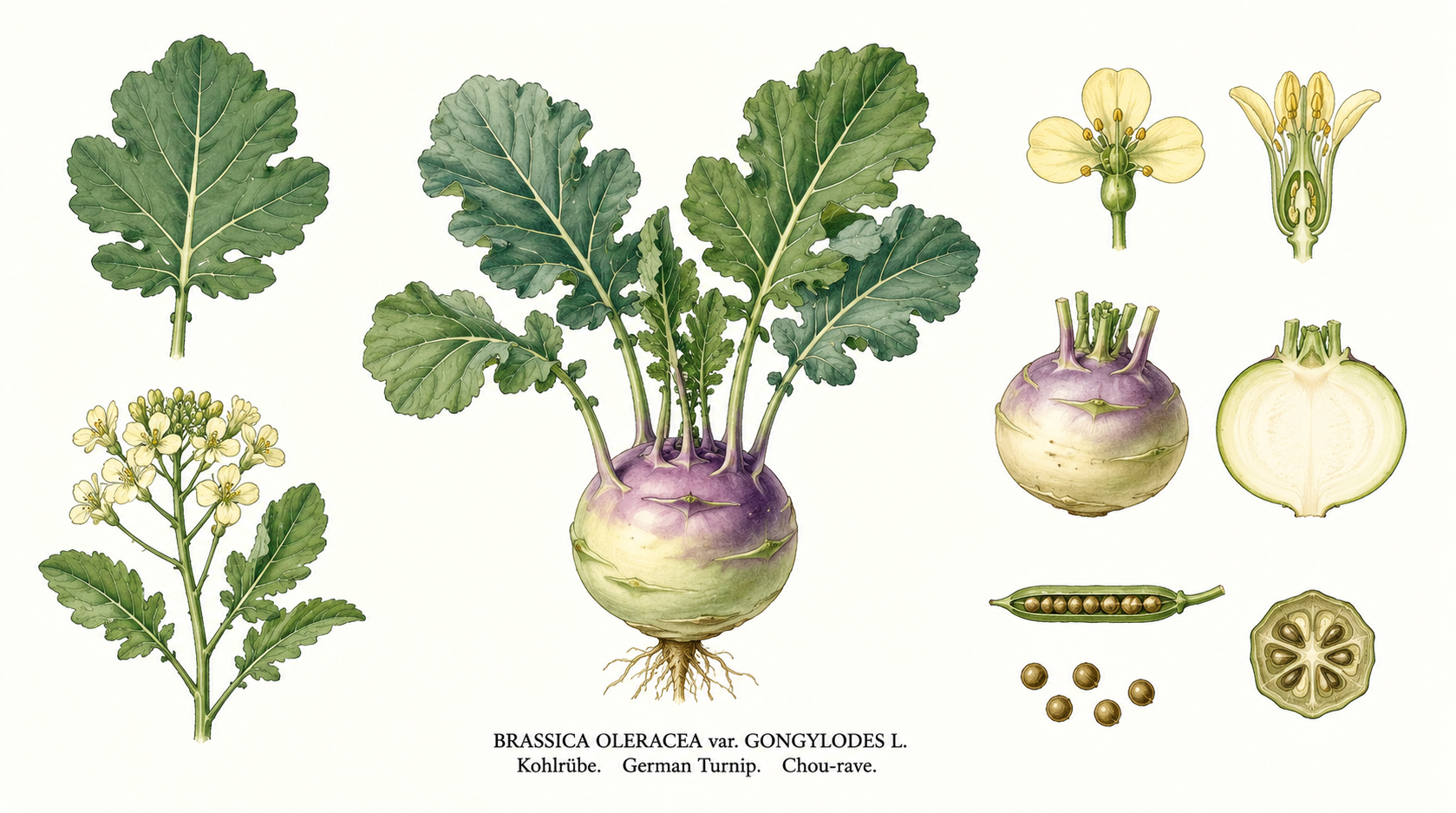
Quick profile
Key data
Suitable growing locations:
Indoor & direct sowing
Rutabaga: Sowing and germination
For an early harvest and to grow seedlings.
Direct sowing is possible from spring to late summer for a continuous harvest.
Planting & site
Rutabaga: Planting and spacing
Plant out pre-grown seedlings after the last frosts.
Site & practical notes
Pro tips: Never plant kohlrabi deeper than they were in the pot, or the tuber will develop poorly., Mulching with grass clippings keeps the soil consistently moist.
Temperature & frost
Rutabaga: Temperature and site
Water & nutrients
Rutabaga: Water, nutrients and care
Container & growth
Rutabaga: Container, support and growth
Year plan
Rutabaga Calendar
Recurring tasks
Relevant now
June
- No additional single task
Next up
July
- No additional single task
Monthly tasks
Single tasks from monthly data; repeated seasonal windows are shown in the overview above.
January
Quiet month
February
No additional single task
March
No additional single task
April
No additional single task
May
No additional single task
June
No additional single task
August
No additional single task
September
No additional single task
October
No additional single task
November
Quiet month
December
Quiet month
Flowering & pollination
Rutabaga Flowering & pollination
Self-fertility
partially self-fertile
Pollinator needed
yes
Overview
Kohlrabi is insect-pollinated.
Notes
Bees and other insects are the primary pollinators. Cross-pollination is beneficial for good seed production.
Companion guide
Rutabaga Companion guide
Use & storage
Rutabaga Use & storage
Harvest as soon as the tubers reach the desired size, before they become woody.
Storage
Root vegetable storage (cool, dark, moist)
Storage life
In the refrigerator for 1-2 weeks. In a cool, moist cellar or packed in sand for up to 2 months. Blanched and frozen for up to 12 months.
Flavor
Mild, slightly sweet, nutty, crisp, with a delicate cabbage flavor.
Harvest
Harvest as soon as the tubers reach the desired size, before they become woody.
Culinary uses
Processing
After harvest
Remove leaves (some young leaves can be left), clean tubers, and store in a cool place.
Edibility & safety
Rutabaga Edibility & safety
For people
In brief: which parts are edible, which parts remain risky, and whether raw consumption makes sense.
Safety notes
Kohlrabi is non-toxic. Like all cruciferous vegetables, it contains glucosinolates, which in large quantities may cause digestive discomfort in sensitive individuals.
Animal safety
For many animals, this plant is generally low-risk: 13 animal types are rated suitable or mostly suitable. Quantity, plant part, and individual tolerance still matter.
Each row shows which parts are more suitable and which parts are critical.
Companion animals
 Dog
DogNo suitable parts listed
No risk parts listed
No suitable parts listed
No risk parts listed
 Cat
CatStem tuber, Young leaves
No risk parts listed
Stem tuber, Young leaves
No risk parts listed
Overconsumption, Sensitivity to cruciferous vegetables
Gastrointestinal upset, Gas
observe
Rutabaga is generally non-toxic to cats. The edible parts (stem tuber and young leaves) can be fed in small amounts as a treat. Due to glucosinolate content, overconsumption may cause gastrointestinal upset. Woody or very old tubers are hard to digest and should be avoided. Flowering stems are not toxic but fibrous and less suitable.
Open animal page Rabbit
Stem tuber, Young leaves
No risk parts listed
Stem tuber, Young leaves
No risk parts listed
Overfeeding, Sensitive individuals
Digestive discomfort with excessive intake
observe
Kohlrabi is safe for rabbits in moderation. The stem tuber and young leaves can be fed as part of a varied diet. Due to glucosinolate content, feeding should be limited to avoid digestive issues. Woody or very old tubers are hard to digest and should be avoided. Flowering stems are fibrous but not toxic.
Open animal page Guinea pig
Stem tuber, Young leaves
No risk parts listed
Stem tuber, Young leaves
No risk parts listed
Overfeeding, Sensitive individuals
Digestive discomfort with excessive intake
observe
No direct species-specific source was found for guinea pigs. This is a cautious inference from the rabbits profile and the known plant-part risks.
Open animal page Hamster
Stem tuber, Young leaves
No risk parts listed
Stem tuber, Young leaves
No risk parts listed
Overfeeding, sensitive individuals
Digestive discomfort in large amounts
observe
Kohlrabi is suitable for hamsters in small amounts as a treat. The stem tuber and young leaves are edible and nutritious. Like all cruciferous vegetables, it contains glucosinolates, which in excess may cause gas or diarrhea. Not for use as a primary feed. Avoid woody or very old tubers (hard to digest). Flowering stems are fibrous and less suitable but not toxic.
Open animal page Budgie
Stem tuber, Young leaves
No risk parts listed
Stem tuber, Young leaves
No risk parts listed
Overfeeding, Sensitivity to cruciferous vegetables
Digestive discomfort with excessive intake
observe
Kohlrabi is suitable for budgies in small amounts as an occasional treat. The stem tuber and young leaves are edible and nutritious but contain glucosinolates that may cause gastrointestinal discomfort if overfed. Woody or very old tubers should be avoided due to poor digestibility. Flowering stems are fibrous but not toxic. No budgie-specific study exists, but the general safety of kohlrabi for birds and…
Open animal pageFarm animals
 Horse
HorseStem tuber, Young leaves
No risk parts listed
Stem tuber, Young leaves
No risk parts listed
Overfeeding, Sensitivity to cruciferous plants
Digestive discomfort with excessive intake
observe
Kohlrabi is non-toxic for horses but should be fed in moderation due to its glucosinolate content. Young leaves and the stem tuber can be offered as treats, while very old or woody tubers are hard to digest and may cause gastrointestinal discomfort. No known cases of severe poisoning in horses have been documented.
Open animal page Chicken
Stem tuber, Young leaves
No risk parts listed
Stem tuber, Young leaves
No risk parts listed
Overfeeding, Sensitivity to cruciferous plants
Digestive discomfort with excessive intake
observe
Kohlrabi is safe for chickens in moderation. The stem tuber and young leaves can be fed as a treat. Due to glucosinolate content, feeding should be limited to avoid digestive issues. Woody or very old tubers are hard to digest and should be avoided. Flowering stems are fibrous but not toxic.
Open animal page Duck
DuckStem tuber, Young leaves
No risk parts listed
Stem tuber, Young leaves
No risk parts listed
Overfeeding causes gas and diarrhea due to glucosinolates and fiber
Digestive discomfort if overfed
observe
Kohlrabi is suitable for ducks in small amounts as a treat. The stem tuber and young leaves are tolerable, but due to glucosinolates, feeding should be limited. Not for use as primary feed. Prefer young leaves, as older leaves may be more fibrous. Offer fresh, clean feed. If signs of digestive upset appear, reduce feeding and consult a veterinarian.
Open animal page Goose
GooseStem tuber, Young leaves
No risk parts listed
Stem tuber, Young leaves
No risk parts listed
Overfeeding causes gas and diarrhea due to glucosinolates and fiber
Digestive discomfort if overfed
observe
No direct species-specific source was found for geese. This is a cautious inference from the ducks profile and the known plant-part risks.
Open animal page Sheep
SheepStem tuber, Young leaves
No risk parts listed
Stem tuber, Young leaves
No risk parts listed
Overfeeding, sensitive animals
Digestive discomfort in large quantities
observe
Kohlrabi is generally safe for sheep, with the stem tuber and young leaves being suitable for feeding. Like all cruciferous vegetables, it contains glucosinolates, which in excessive amounts can cause bloating and digestive issues. Not suitable as a primary feed, but acceptable as an occasional treat or supplement. Woody or very old tubers should be avoided due to poor digestibility. Flowering stems are fibrous but…
Open animal page Goat
GoatStem tuber, Young leaves
No risk parts listed
Stem tuber, Young leaves
No risk parts listed
Overfeeding, sensitive animals
Digestive discomfort in large quantities
observe
No direct species-specific source was found for goats. This is a cautious inference from the sheep profile and the known plant-part risks.
Open animal page Cattle
Stem tuber, Young leaves
No risk parts listed
Stem tuber, Young leaves
No risk parts listed
Overfeeding, sensitive animals
Digestive discomfort in large quantities
observe
No direct species-specific source was found for cattle. This is a cautious inference from the sheep profile and the known plant-part risks.
Open animal page Pig
PigStem tuber, Young leaves
No risk parts listed
Stem tuber, Young leaves
No risk parts listed
Overfeeding, sensitive animals
Digestive discomfort in large quantities
observe
Kohlrabi is safe for pigs in moderation. The stem tuber and young leaves can be given as supplemental feed. Large quantities may cause digestive issues due to glucosinolates. Woody or very old tubers are hard to digest and should be avoided. Flowering stems are fibrous but not toxic.
Open animal pageThese guidelines are for general information only and do not replace veterinary diagnosis. If critical plant parts were ingested or the animal shows unusual behaviour or symptoms, seek veterinary advice.
Max risk
unknown
Highest status
not established
Urgency
unknown
Saving seed
Rutabaga Saving seed
Seed saving
yes
Seed viability
4 - 5 years
Practical tips
Rutabaga Practical tips
Common beginner mistakes
Planting seedlings too deep.
Success pattern
Regular watering almost always results in tender tubers.
High-impact tips
Use crop protection netting against cabbage flies.
Grower observations
In dry summers, tubers often split after a heavy thunderstorm.
Plant Profile
Additional plant images
Health
Pests, Diseases
Plant health
Diagnosis help
Rutabaga Diagnosis help
Pest groups
Disease groups
Prevention
Diagnosis
Diagnosing problems in kohlrabi requires careful observation of symptoms on leaves, stems, and tubers, as well as consideration of growing conditions and crop rotation.
Cultural prevention
Monitoring
First response
Diagnostic rules
Swollen, gall-like roots or root collar
Possible causes: Clubroot
- Check soil pH.
- Review the bed's crop rotation history.
Small, round holes in young leaves
Possible causes: Flea beetle damage
- Inspect plants for small, jumping beetles.
- Consider weather conditions (dry, warm).
Yellowish spots on leaf tops, whitish-gray mold on leaf undersides
Possible causes: Downy mildew
- Assess humidity and leaf wetness.
- Check temperature conditions.
FAQ
Why is my kohlrabi woody?
Woodiness is usually caused by drought stress or harvesting too late.
Is Rutabaga safe for Dog?
Rutabaga is classified as not established for Dog. Risk: unknown. Urgency: unknown. No reliable species-specific assessment is available.
Is Rutabaga safe for Cat?
Rutabaga is classified as moderation only for Cat. Risk: unknown. Urgency: observe. Rutabaga is generally non-toxic to cats. The edible parts (stem tuber and young leaves) can be fed in small amounts as a treat. Due to glucosinolate content, overconsumption may cause gastrointestinal upset. Woody or very old tubers are hard to digest and should be avoided. Flowering stems are not toxic but fibrous and less suitable.
Is Rutabaga safe for Rabbit?
Rutabaga is classified as moderation only for Rabbit. Risk: unknown. Urgency: observe. Kohlrabi is safe for rabbits in moderation. The stem tuber and young leaves can be fed as part of a varied diet. Due to glucosinolate content, feeding should be limited to avoid digestive issues. Woody or very old tubers are hard to digest and should be avoided. Flowering stems are fibrous but not toxic.
Is Rutabaga safe for Guinea pig?
Rutabaga is classified as moderation only for Guinea pig. Risk: unknown. Urgency: observe. No direct species-specific source was found for guinea pigs. This is a cautious inference from the rabbits profile and the known plant-part risks.
Guides
Related guides
Guide
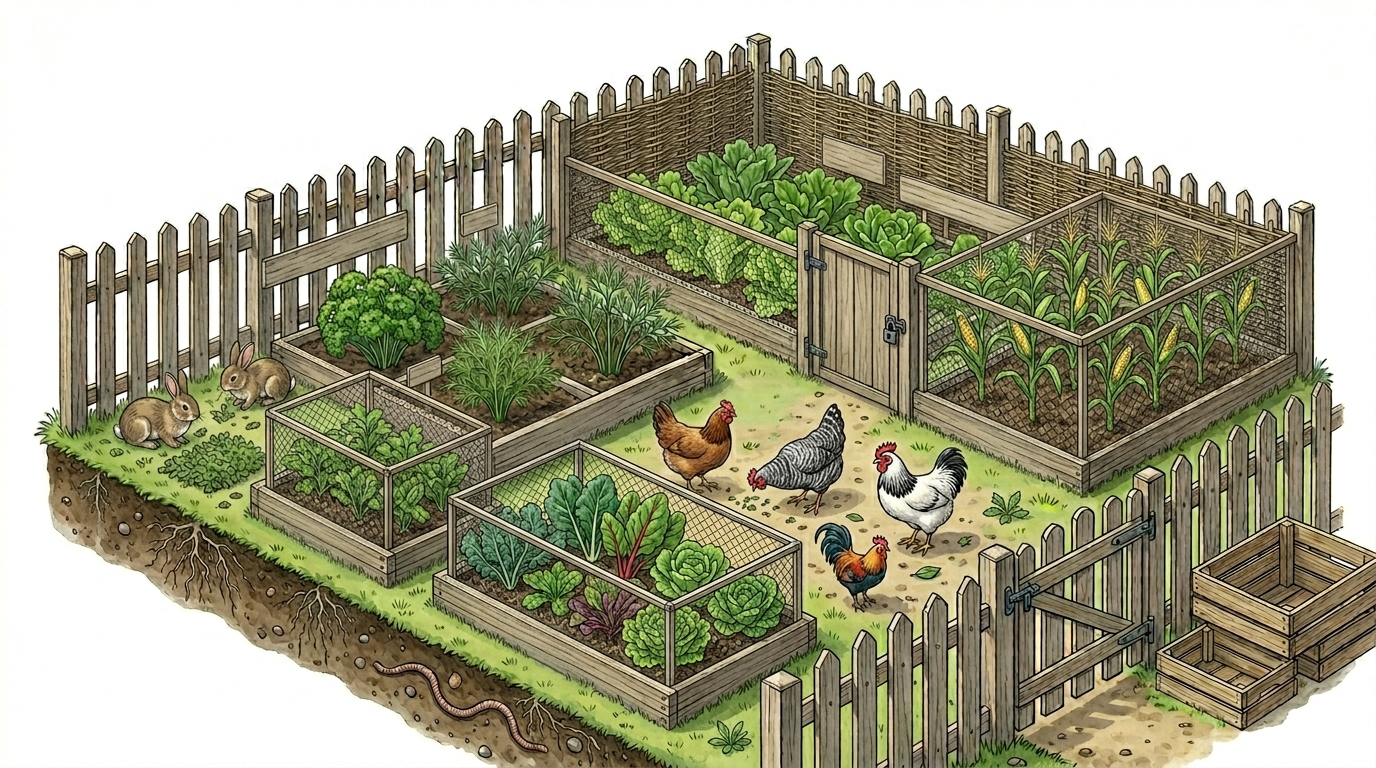
Chickens in the Garden: Safe Plants and Zones
Learn how to design a chicken-friendly garden with suitable plants, protected beds, and well-planned activity areas.
Guide
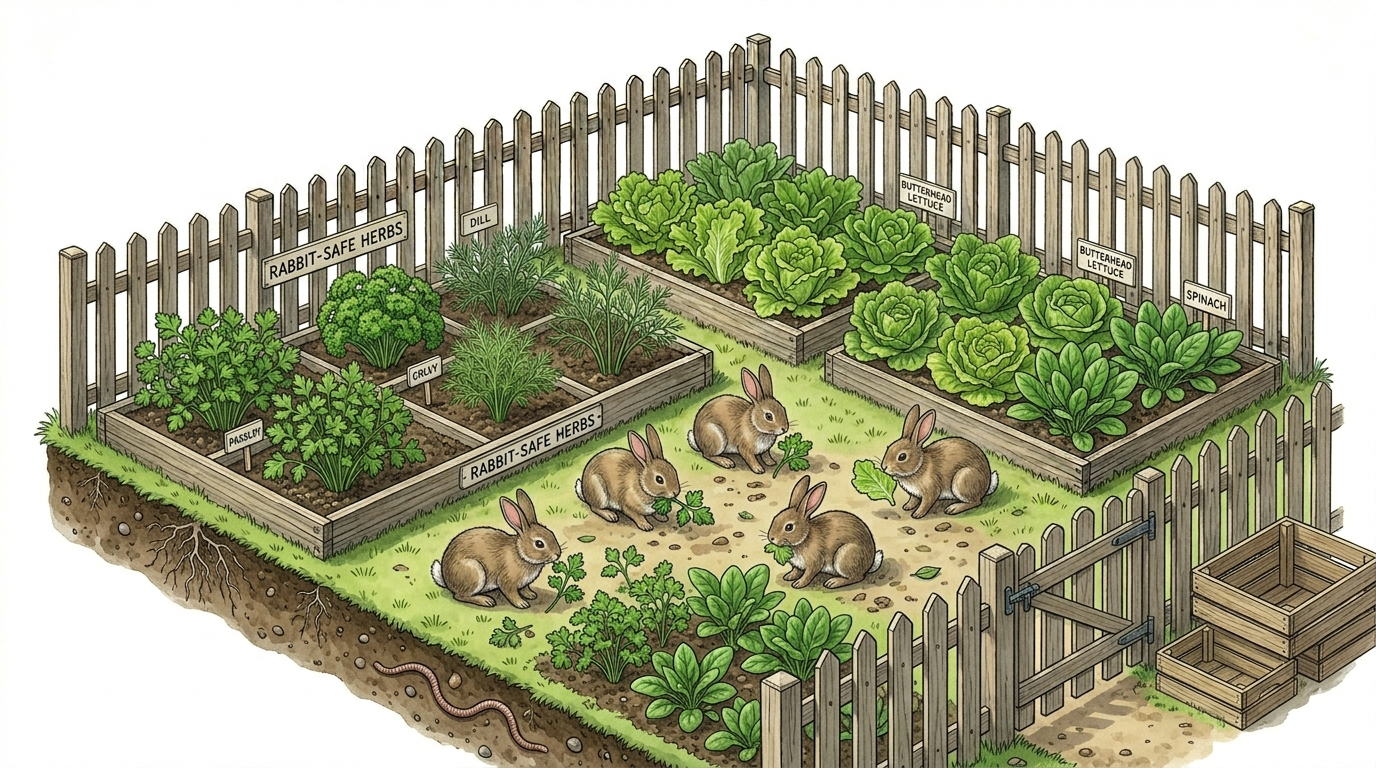
Rabbits in the Garden: Herbs and Vegetables
Learn how to choose suitable herbs and vegetables for rabbits, grow feeding plants, and plan a rabbit-friendly garden.
Guide
Horse Pastures and Garden Plants: Safety Checks
Learn how to identify risks near horse pastures, fences, turnout areas, fruit trees, and garden planting zones.
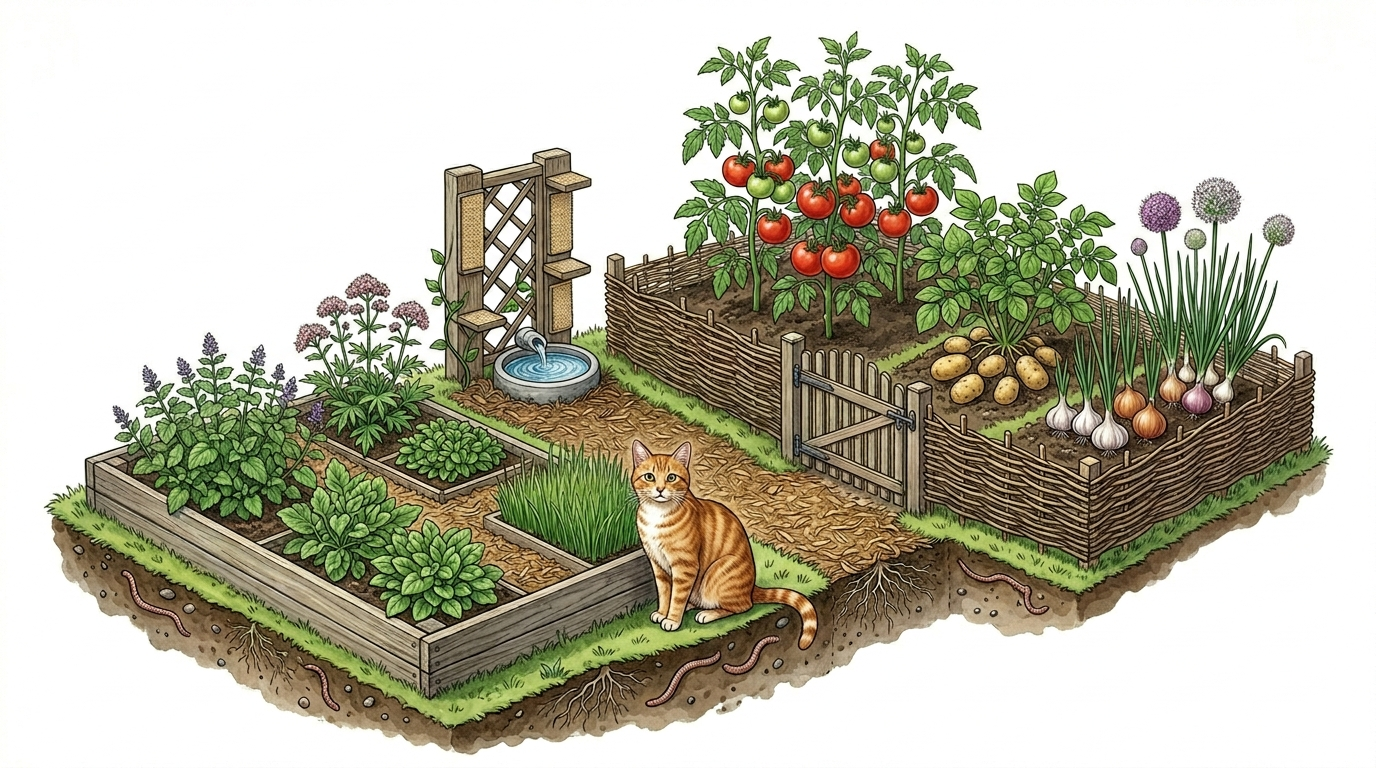
Guide
Toxic Garden Plants for Cats: Safer Planning
Learn which garden plants can be risky for cats, how to plan safer beds, and what to do if a cat eats a toxic plant.
Internal links
Related plants
broccoli
Same species (Brassica oleracea), similar nutrient requirements.
Radish
Both belong to the crucifer family and share pests like flea beetles.
Horseradish
Raw consumption with pungent flavor if harvested late.
Rutabaga
The shared name 'Kohlrübe' often leads to confusion between the above-ground stem tuber (kohlrabi) and the below-ground root (rutabaga).
Sources
Public sources
- Wikidata entity
Wikidata · 2026-05-13
- GBIF species match
GBIF · 2026-05-13
- Deutschsprachige Wikipedia: Kohlrabi
Wikipedia · 2026-05-13
- English Wikipedia: Kohlrabi
Wikipedia · 2026-05-13