Plant Profile
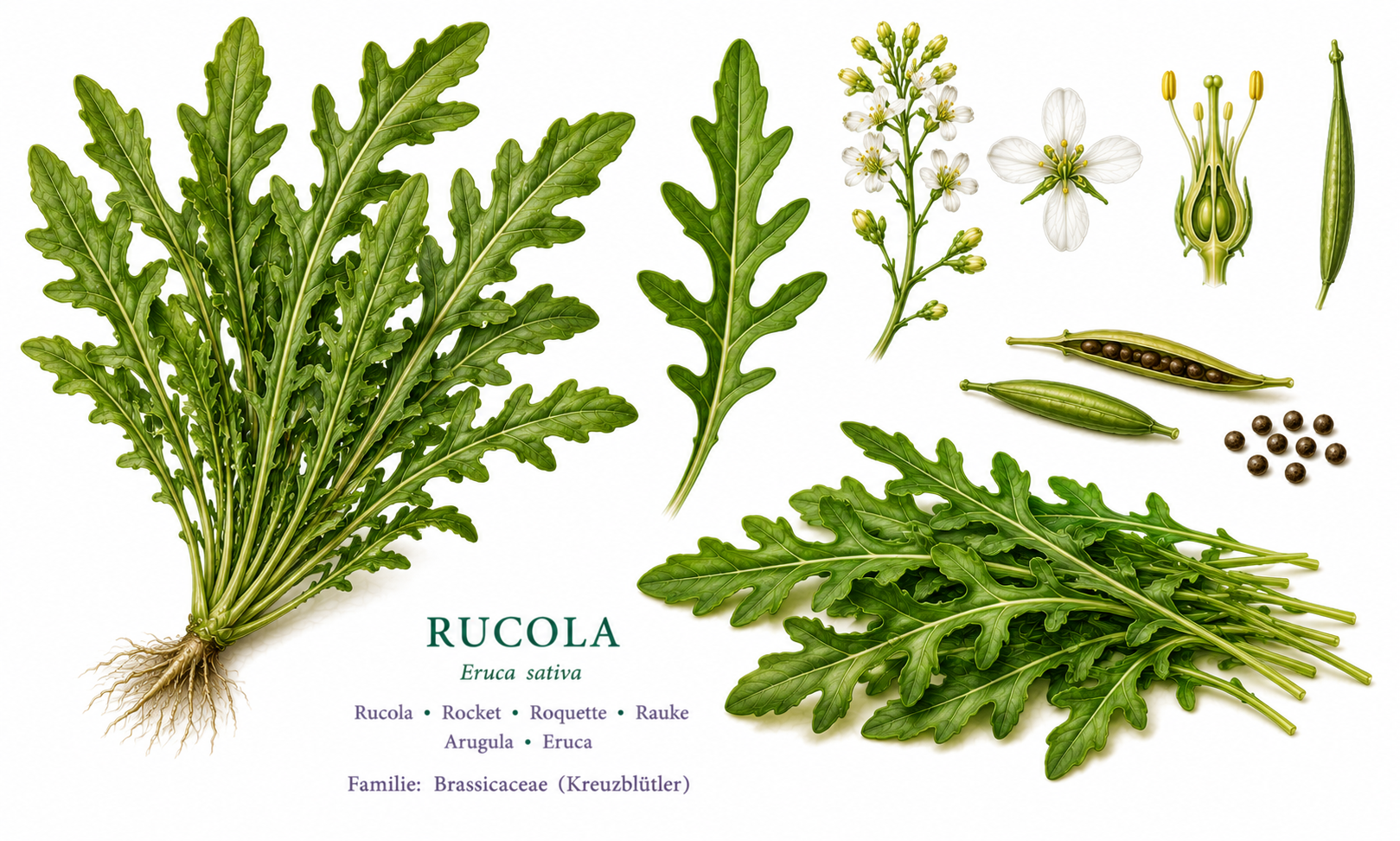
ArugulaEruca vesicaria subsp. sativa
Arugula is a popular leafy green with a spicy, nutty flavor, characterized by fast growth and easy care. Ideal for salads, pesto, and as a side dish.
Quick profile
Key data
Suitable growing locations:
Indoor & direct sowing
Arugula: Sowing and germination
For an early harvest, arugula can be pre-sown indoors in pots in March/April.
Direct sowing is possible from April to September. For continuous harvest, sow every 2-4 weeks.
Planting & site
Arugula: Planting and spacing
Transplant pre-grown plants after the last frosts. Also in autumn for late harvests.
Temperature & frost
Arugula: Temperature and site
Water & nutrients
Arugula: Water, nutrients and care
Container & growth
Arugula: Container, support and growth
Year plan
Arugula Calendar
Arugula is at its best in spring and autumn – in summer, it needs some shade and plenty of water.
Relevant now
June
- Succession sow arugulaFür kontinuierliche Ernte: In summer months, sow in partial shade to prevent bolting.
- Harvest arugulaBlätter sind groß genug: Regular harvesting encourages new growth.
- Water arugula regularlyBesonders bei Trockenheit und Hitze: Consistent moisture prevents premature bolting and bitter leaves.
Next up
July
- Succession sow arugulaFür kontinuierliche Ernte: In mid-summer, choose shadier locations.
- Harvest arugulaBlätter sind groß genug: Leaves become spicier as flowering begins.
- Water arugula regularlyBesonders bei Trockenheit und Hitze: Consistent moisture is crucial.
Monthly tasks
Single tasks from monthly data; repeated seasonal windows are shown in the overview above.
January
Quiet month
February
Quiet month
March
Direct sowing
- Pre-sow arugula indoorsFür eine frühe Ernte: Sow in small pots or seed trays and place in a bright spot.
April
Direct sowing
- Direct sow arugula outdoorsNach den letzten Frösten, Bodentemperatur über 10°C: Sow in rows 15-20 cm apart, thin to 5-10 cm later.
Planting
- Transplant pre-grown arugulaNach den letzten Frösten: Carefully transfer young plants to the garden or larger pots.
May
Direct sowing
- Succession sow arugulaFür kontinuierliche Ernte: Sow a small amount every 2-4 weeks.
Harvest
- Harvest arugulaBlätter sind groß genug (ca. 10-15 cm): Pick outer leaves or cut the entire plant about 2-3 cm above the ground.
June
Direct sowing
- Succession sow arugulaFür kontinuierliche Ernte: In summer months, sow in partial shade to prevent bolting.
Harvest
- Harvest arugulaBlätter sind groß genug: Regular harvesting encourages new growth.
Growing
- Water arugula regularlyBesonders bei Trockenheit und Hitze: Consistent moisture prevents premature bolting and bitter leaves.
August
Direct sowing
- Succession sow arugulaFür späte Ernten: Good yields still possible in late summer.
Harvest
- Harvest arugulaBlätter sind groß genug: Regular harvesting extends the season.
Growing
- Water arugula regularlyBei Bedarf: Ensure adequate soil moisture.
September
Direct sowing
- Succession sow arugulaFür sehr späte Ernten, ggf. unter Schutz: Arugula sown in September grows slower but can be harvested into autumn.
Harvest
- Harvest arugulaBlätter sind groß genug: Last harvests before the first frost.
October
Harvest
- Harvest arugulaSolange kein starker Frost droht: Harvest can be extended under fleece or in a greenhouse.
November
Quiet month
December
Quiet month
Flowering & pollination
Arugula Flowering & pollination
Flowering period
Approximately 6-8 weeks after sowing, especially in warm weather and long days.
Self-fertility
self-fertile
Pollinator needed
no
Overview
Arugula is an insect-pollinated plant, both self-fertile and pollinated by bees and other insects.
Notes
Flowering often signals the end of the prime leaf harvest period, as leaves become spicier and more bitter.
Companion guide
Arugula Companion guide
Use & storage
Arugula Use & storage
Harvest is possible approximately 3-6 weeks after sowing. Pick individual leaves or cut the entire plant.
Storage
In the refrigerator, wrapped in a damp cloth or in an airtight container.
Storage life
2-4 days in the refrigerator.
Primary use
Fresh consumption as a salad or side dish.
Flavor
Peppery, nutty, slightly bitter, with a characteristic pungency.
Harvest
Harvest is possible approximately 3-6 weeks after sowing. Pick individual leaves or cut the entire plant.
Processing
After harvest
Gently wash and spin-dry leaves. Use immediately or store in the refrigerator.
Notes
Young leaves are milder in flavor; older leaves and those grown in heat can be significantly spicier and more bitter.
Edibility & safety
Arugula Edibility & safety
For people
In brief: which parts are edible, which parts remain risky, and whether raw consumption makes sense.
Safety notes
Arugula is non-toxic and safe for consumption.
Animal safety
For many animals, this plant is generally low-risk: 14 animal types are rated suitable or mostly suitable. Quantity, plant part, and individual tolerance still matter.
Each row shows which parts are more suitable and which parts are critical.
Companion animals
 Dog
DogLeaves, Flowers
No risk parts listed
Leaves, Flowers
No risk parts listed
Overconsumption may cause gastrointestinal upset
Gastrointestinal upset (with overconsumption)
usually no action needed
Arugula (Rucola) is non-toxic for dogs and can be fed in moderation as a treat. It contains valuable nutrients like vitamin K, folate, and antioxidants. As with all fresh greens, introduction should be gradual to assess individual tolerance. Overconsumption may cause temporary gastrointestinal upset due to high fiber and glucosinolate content. No known severe toxicities documented for dogs.
Open animal page Cat
CatLeaves, Flowers
No risk parts listed
Leaves, Flowers
No risk parts listed
Overconsumption may cause mild gastrointestinal upset
Gastrointestinal upset (with overconsumption)
usually no action needed
Arugula is non-toxic for cats and can be fed in moderation as an occasional treat. Overconsumption may lead to mild gastrointestinal upset. As cats are obligate carnivores, arugula should only be offered in very small amounts as a supplement.
Open animal page Rabbit
Leaves, Flowers
No risk parts listed
Leaves, Flowers
No risk parts listed
usually no action needed
Arugula is safe for rabbits and can be fed as part of a balanced diet. It contains valuable nutrients and is well tolerated. As with all fresh feeds, a gradual introduction is recommended to avoid digestive upset.
Open animal page Guinea pig
Leaves, Flowers
No risk parts listed
Leaves, Flowers
No risk parts listed
usually no action needed
Arugula is safe for guinea pigs and can be fed as part of their diet. It contains vitamin C and other nutrients important for guinea pigs. As with all fresh feeds, it should be introduced gradually to avoid digestive upset.
Open animal page Hamster
Leaves, Flowers
No risk parts listed
Leaves, Flowers
No risk parts listed
usually no action needed
Arugula is safe for hamsters and can be fed as part of a balanced diet. It contains valuable nutrients and is generally well tolerated. As with all fresh feeds, it should be introduced gradually to avoid digestive upset.
Open animal page Budgie
Leaves, Flowers
No risk parts listed
Leaves, Flowers
No risk parts listed
usually no action needed
Arugula is safe for budgies and can be fed as part of a balanced diet. It contains valuable nutrients and is generally well tolerated. As with all fresh feeds, it should be introduced gradually and given in moderation to avoid digestive upset.
Open animal pageFarm animals
 Horse
HorseLeaves, Flowers
No risk parts listed
Leaves, Flowers
No risk parts listed
Overconsumption may cause gas or bloating
Gas or bloating (with overconsumption)
usually no action needed
Arugula (Rucola) is safe for horses and can be fed in moderation as a treat. It contains valuable nutrients and is generally well-tolerated. As with any new feed introduction, the amount should be gradually increased to avoid digestive upset.
Open animal page Chicken
Leaves, Flowers
No risk parts listed
Leaves, Flowers
No risk parts listed
usually no action needed
Arugula is safe for chickens and can be fed as part of a balanced diet. The leaves, flowers, and young seed pods are edible and nutrient-rich. As with any green feed, it should be introduced gradually to avoid digestive upset.
Open animal page Duck
DuckLeaves, Flowers
No risk parts listed
Leaves, Flowers
No risk parts listed
Overconsumption may cause digestive upset
Digestive upset (with overconsumption)
usually no action needed
Arugula is suitable for ducks in small amounts as a treat. Leaves, flowers, and young seed pods are edible and non-toxic. No known toxic compounds. Overconsumption may pose a risk of digestive upset due to high water and fiber content. Not suitable as a primary feed.
Open animal page Goose
GooseLeaves, Flowers
No risk parts listed
Leaves, Flowers
No risk parts listed
Overconsumption may cause digestive upset
Digestive upset (with overconsumption)
usually no action needed
No direct species-specific source was found for geese. This is a cautious inference from the ducks profile and the known plant-part risks.
Open animal page Sheep
SheepLeaves, Flowers
No risk parts listed
Leaves, Flowers
No risk parts listed
usually no action needed
Arugula is non-toxic for sheep and can be fed as part of their diet. It contains valuable nutrients and is generally well-tolerated. As with any feed, a gradual introduction should be made to avoid digestive upset.
Open animal page Goat
GoatLeaves, Flowers
No risk parts listed
Leaves, Flowers
No risk parts listed
usually no action needed
Arugula is safe for goats and can be included in their diet. It provides valuable nutrients and is well tolerated.
Open animal page Cattle
Leaves, Flowers
No risk parts listed
Leaves, Flowers
No risk parts listed
usually no action needed
Arugula is safe for cattle and can be fed as part of their diet. It provides valuable nutrients and is well tolerated. As with any feed, a gradual introduction should be made to avoid digestive upset.
Open animal page Pig
PigLeaves, Flowers
No risk parts listed
Leaves, Flowers
No risk parts listed
usually no action needed
Arugula is safe for pigs and can be fed as part of a balanced diet. It contains valuable nutrients and is generally well-tolerated. As with any feed, a gradual introduction should be made to assess individual tolerance.
Open animal pageThese guidelines are for general information only and do not replace veterinary diagnosis. If critical plant parts were ingested or the animal shows unusual behaviour or symptoms, seek veterinary advice.
Max risk
unknown
Highest status
moderation only
Urgency
usually no action needed
Saving seed
Arugula Saving seed
Seed viability
3 - 4 years
Isolation
At least 400-800 meters from other Eruca species or other arugula varieties to ensure varietal purity.
Notes
Arugula is an open-pollinated plant, so adequate isolation distance from other Brassicas of the Eruca genus is important for pure seeds. Different arugula varieties can also cross-pollinate.
Practical tips
Arugula Practical tips
Common beginner mistakes
Success pattern
High-impact tips
Grower observations
Plant Profile
Additional plant images
Health
Pests, Diseases
Plant health
Diagnosis help
Arugula Diagnosis help
Pest groups
Disease groups
Fungal diseases (mildew, rust)
Prevention
Diagnosis
Look for the first signs of problems, such as discolorations, holes, or stunted growth. Also check weather conditions and soil moisture.
Cultural prevention
Monitoring
First response
Diagnostic rules
Small, round holes in leaves, especially on young plants.
Possible causes: Flea beetles
- Check plants for small, jumping beetles.
- Check soil moisture.
Plant rapidly forms a tall stalk and flowers, leaves become small and bitter.
Possible causes: Bolting
- Check ambient temperature.
- Check soil moisture.
- Note day length.
Yellowish spots on the upper leaf surface, grey mold on the underside.
Possible causes: Downy mildew
- Check humidity and air circulation.
- Check plant spacing.
Leaves turn pale green to yellow, especially older leaves.
Possible causes: Nitrogen deficiency, Wassermangel, Waterlogging
- Check soil for moisture and nutrient content.
- Check drainage.
FAQ
Why does my arugula turn bitter?
Arugula often turns bitter when stressed, especially due to heat, drought, or nutrient deficiency. Older leaves or plants that are bolting also develop a more bitter taste. Ensure consistent moisture and harvest leaves when young.
How do I prevent arugula from bolting?
Bolting is promoted by heat and long days. To prevent this, sow arugula in spring or late summer, ensure regular watering, and plant it in partial shade during mid-summer. Mulching can help keep the soil cool.
Can I grow arugula in pots on the balcony?
Yes, arugula is very well suited for growing in pots, window boxes, or shallow containers. Ensure good drainage and regular watering, as soil in containers dries out faster.
How often can I harvest arugula?
Using the 'cut-and-come-again' method, you can harvest arugula every 1-2 weeks. Simply cut the outer leaves or the entire plant about 2-3 cm above the ground to allow it to regrow.
Is Arugula safe for Dog?
Arugula is classified as suitable for Dog. Risk: unknown. Urgency: usually no action needed. Arugula (Rucola) is non-toxic for dogs and can be fed in moderation as a treat. It contains valuable nutrients like vitamin K, folate, and antioxidants. As with all fresh greens, introduction should be gradual to assess individual tolerance. Overconsumption may cause temporary gastrointestinal upset due to high fiber and glucosinolate content. No known severe toxicities documented for dogs.
Is Arugula safe for Cat?
Arugula is classified as moderation only for Cat. Risk: unknown. Urgency: usually no action needed. Arugula is non-toxic for cats and can be fed in moderation as an occasional treat. Overconsumption may lead to mild gastrointestinal upset. As cats are obligate carnivores, arugula should only be offered in very small amounts as a supplement.
Is Arugula safe for Rabbit?
Arugula is classified as suitable for Rabbit. Risk: unknown. Urgency: usually no action needed. Arugula is safe for rabbits and can be fed as part of a balanced diet. It contains valuable nutrients and is well tolerated. As with all fresh feeds, a gradual introduction is recommended to avoid digestive upset.
Is Arugula safe for Guinea pig?
Arugula is classified as suitable for Guinea pig. Risk: unknown. Urgency: usually no action needed. Arugula is safe for guinea pigs and can be fed as part of their diet. It contains vitamin C and other nutrients important for guinea pigs. As with all fresh feeds, it should be introduced gradually to avoid digestive upset.
Guides
Related guides
Guide
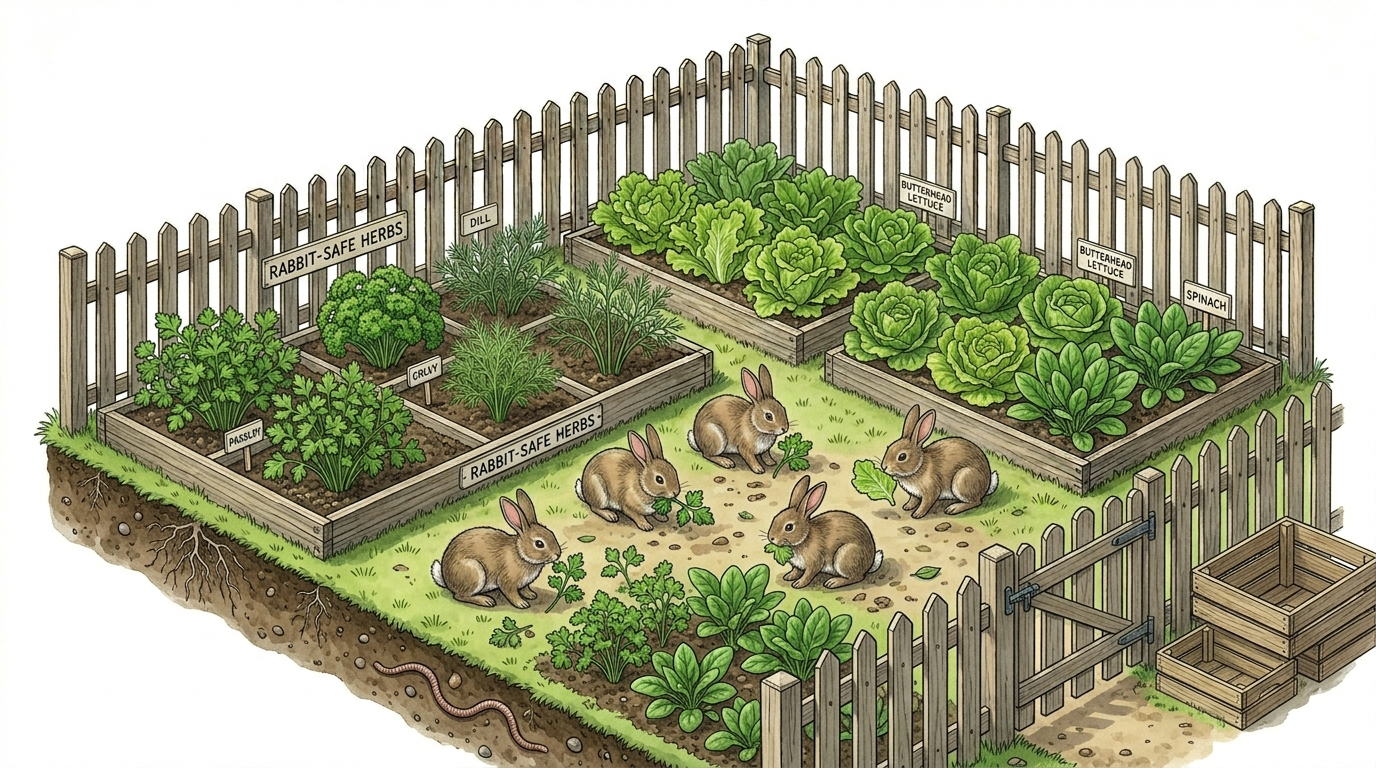
Rabbits in the Garden: Herbs and Vegetables
Learn how to choose suitable herbs and vegetables for rabbits, grow feeding plants, and plan a rabbit-friendly garden.
Guide
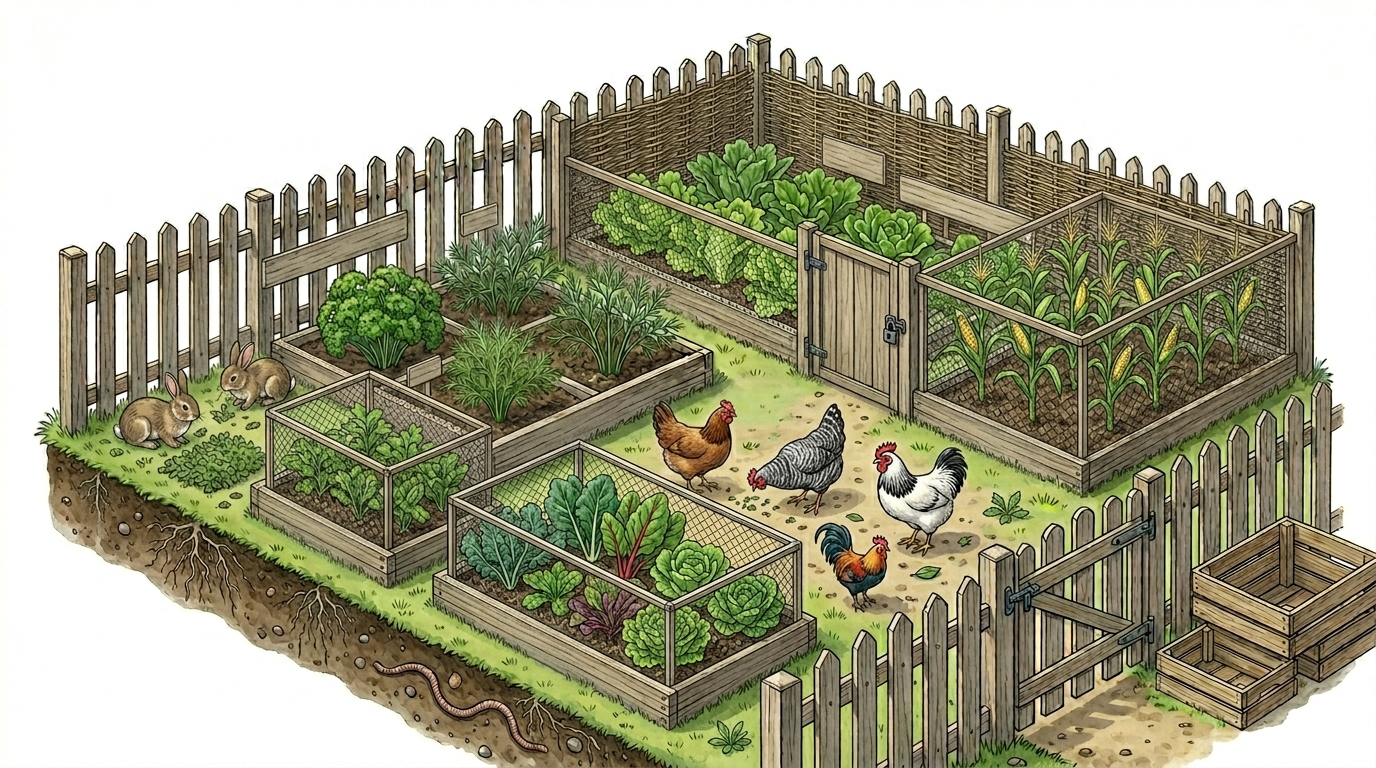
Chickens in the Garden: Safe Plants and Zones
Learn how to design a chicken-friendly garden with suitable plants, protected beds, and well-planned activity areas.
Guide
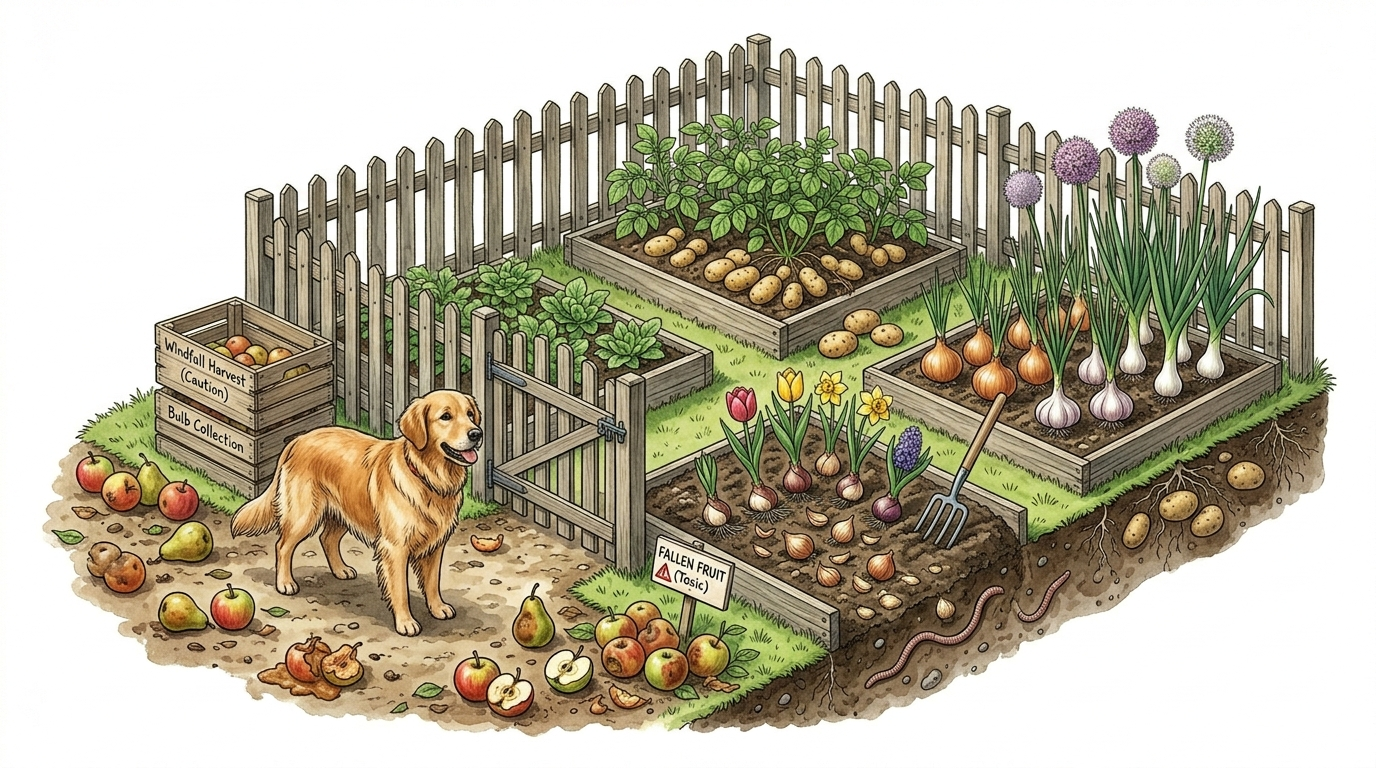
Dogs in the Garden: Windfall Fruit and Risks
Keep your garden dog-safe by managing windfall fruit, seeds, stored crops, and potentially problematic plant parts.
Guide
Horse Pastures and Garden Plants: Safety Checks
Learn how to identify risks near horse pastures, fences, turnout areas, fruit trees, and garden planting zones.
Internal links
Related plants
Cabbage
Belongs to the Brassica family (Brassicaceae).
All cabbage varieties belong to the Brassica family (Brassicaceae).
Radish
Belongs to the Brassica family (Brassicaceae).
Both are sensitive to drought, leading to bolting and bitterness.
Mustard
Belongs to the Brassica family (Brassicaceae).
Lettuce
Both are fast-growing leafy greens used as salad crops.
Both are moderate feeders and require similar nutrient supply.
Spinach
Both are leafy greens consumed raw or lightly cooked.
Both are moderate feeders and benefit from balanced fertilization.
Downy Mildew
Typical fungal disease for Brassicas and leafy greens.
Clubroot
A soil-borne disease that can affect all Brassicas.
Cress
Fast-growing leafy green with similar pungency.
basil
For pesto and as an herb in Mediterranean cuisine.
Sources
Public sources
- Wikidata entity
Wikidata · 2026-05-15
- GBIF species match
GBIF · 2026-05-15
- Deutschsprachige Wikipedia: Garten-Senfrauke
Wikipedia · 2026-05-15
- English Wikipedia: Eruca sativa
Wikipedia · 2026-05-15