Plant Profile
RadishRaphanus sativus
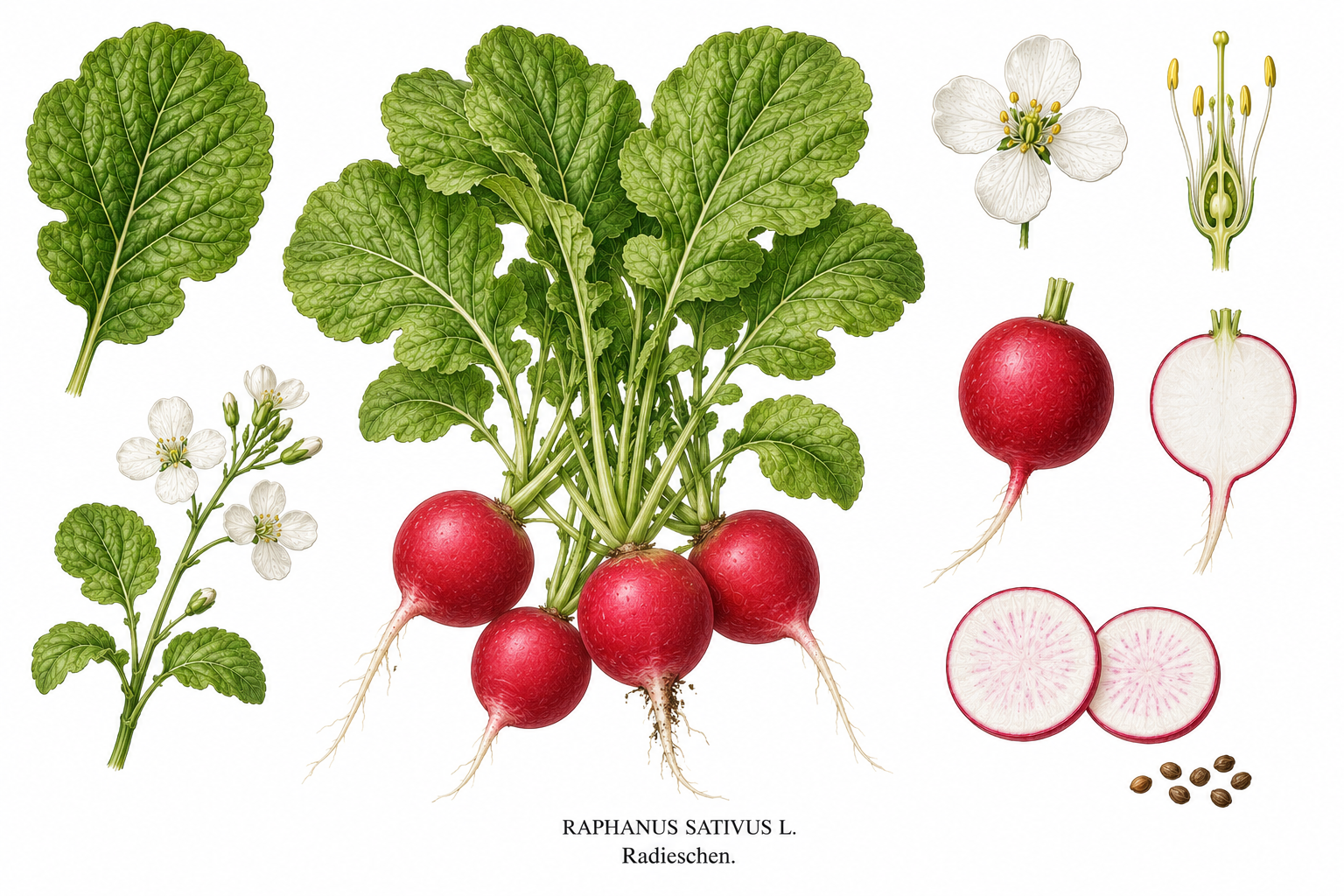
Radishes (Raphanus sativus) are popular, fast-growing root vegetables prized for their pungent, slightly peppery flavor and crisp texture. They are excellent for cultivation in small gardens, on balconies, and in raised beds. With a short cultivation period of only 3-6 weeks, they allow for continuous harvesting through successive sowing from spring to autumn. Radishes prefer a sunny to partial shade location with loose, humus-rich, and well-draining soil. Consistent moisture is crucial for developing fast, pungent roots. They are light feeders and do not require intensive fertilization. Ensure good crop rotation to prevent diseases like clubroot and protect against pests such as flea beetles. Harvest when the roots reach the desired size.
Quick profile
Key data
Suitable growing locations:
Good neighbors
Avoid
kohlrabibroccolicauliflowerCabbage
Indoor & direct sowing
Radish: Sowing and germination
Radishes are not suitable for indoor sowing.
Sow outdoors from March as soon as the soil can be worked. Resow every 2-3 weeks for a continuous harvest.
Planting & site
Radish: Planting and spacing
Radishes are sown directly outdoors and not pricked out.
Site & practical notes
Radishes are ideal for beginners and quick garden success. Sow successively every 2-3 weeks for a continuous harvest. Ensure consistent moisture to avoid woody or overly pungent roots. Young leaves are edible and can be used in salads.
Temperature & frost
Radish: Temperature and site
Water & nutrients
Radish: Water, nutrients and care
Container & growth
Radish: Container, support and growth
Year plan
Radish Calendar
Take advantage of long summer days for rapid growth, but choose heat-tolerant varieties.
Recurring tasks
Relevant now
June
- No additional single task
Next up
July
- No additional single task
Monthly tasks
Single tasks from monthly data; repeated seasonal windows are shown in the overview above.
January
Quiet month
February
Quiet month
March
Direct sowing
- Sow outdoorsSoil workable: As soon as the soil can be worked.
Growing
- Prepare soilLoosen the soil and remove weeds.
April
Direct sowing
- Thin seedlingsSeedlings too dense: If sowing was too dense, to ensure optimal growing conditions.
May
No additional single task
June
No additional single task
August
No additional single task
September
No additional single task
October
Quiet month
November
Quiet month
December
Quiet month
Flowering & pollination
Radish Flowering & pollination
Self-fertility
high
Pollinator needed
no
Overview
Radishes are self-pollinating but can also be cross-pollinated by insects. Isolation is necessary for pure seed saving to prevent cross-pollination with other Brassica species.
Notes
Although self-pollinating, the flowers attract insects, which must be considered when saving seeds.
Companion guide
Radish Companion guide
Good neighbors
Avoid
Use & storage
Radish Use & storage
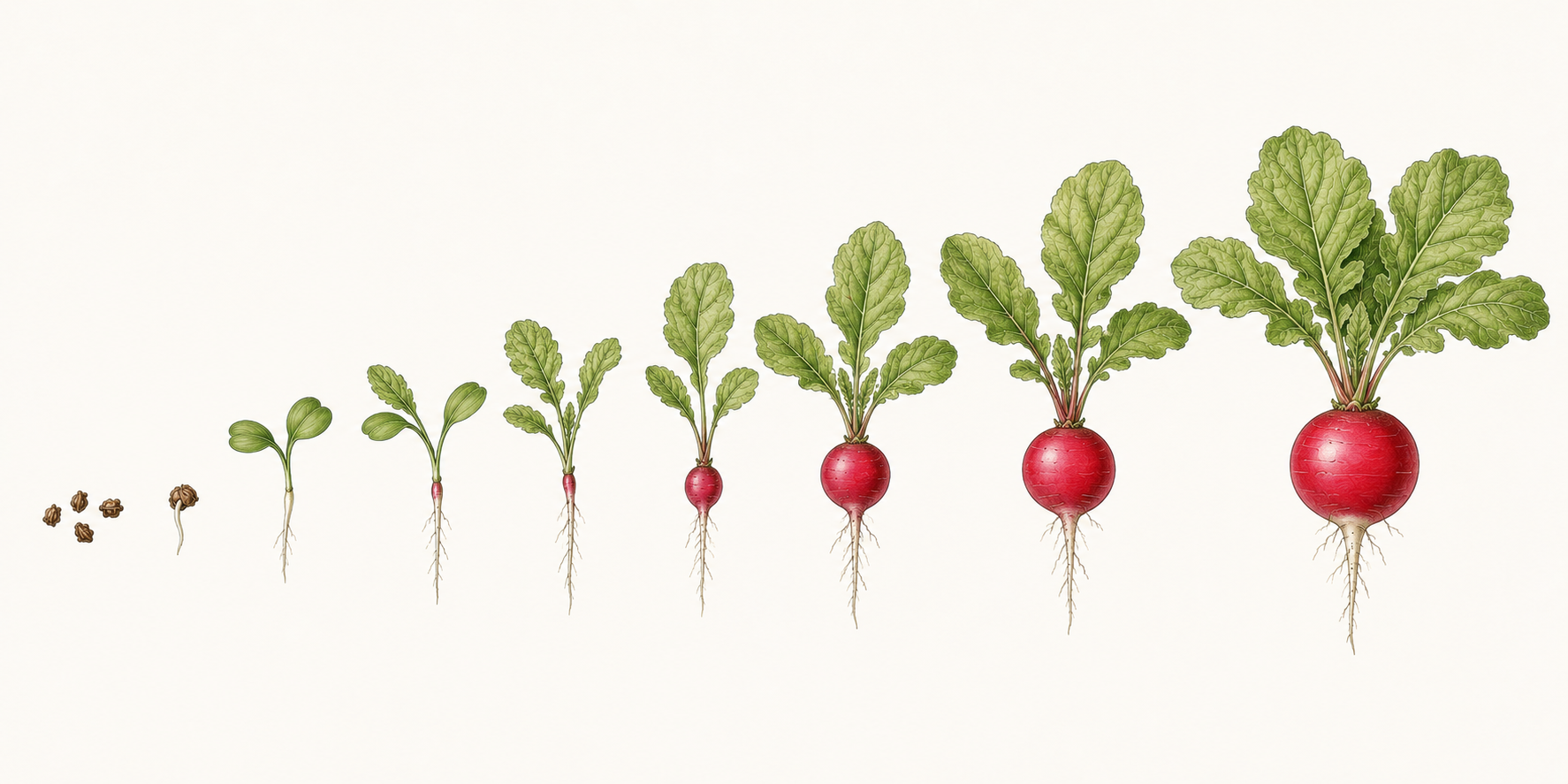
Harvest occurs approximately 4-6 weeks after sowing, depending on variety and weather. Radishes become woody and pungent if left too long or in dry conditions.
Storage
Cool and moist
Storage life
1-2 weeks in the refrigerator
Flavor
Pungent, peppery, slightly earthy
Harvest
Harvest occurs approximately 4-6 weeks after sowing, depending on variety and weather. Radishes become woody and pungent if left too long or in dry conditions.
Processing
After harvest
Trim the leaves, wash the roots gently, and use or store immediately. Discard any damaged roots.
Notes
The peppery leaves are excellent for pesto or as a spicy addition to salads and soups.
Edibility & safety
Radish Edibility & safety
For people
In brief: which parts are edible, which parts remain risky, and whether raw consumption makes sense.
Safety notes
No known toxic properties with normal consumption.
Animal safety
For many animals, this plant is generally low-risk: 13 animal types are rated suitable or mostly suitable. Quantity, plant part, and individual tolerance still matter.
Each row shows which parts are more suitable and which parts are critical.
Companion animals
 Dog
DogRoot
No risk parts listed
Root
No risk parts listed
Overconsumption may cause gastrointestinal upset.
 Cat
CatRoot
No risk parts listed
Root
No risk parts listed
Excessive consumption, Individual sensitivity
Gastrointestinal upset, Vomiting, Diarrhea
observe
Radish roots are safe for cats in small amounts as an occasional treat. Leaves may cause gastrointestinal irritation in sensitive animals. No known serious toxins. Consult a veterinarian if large amounts are consumed or symptoms persist.
Open animal page Rabbit
Root
No risk parts listed
Root
No risk parts listed
Overconsumption may cause gas or diarrhea due to high water and fiber content.
usually no action needed
Radish roots are suitable for rabbits in small amounts as a treat. Leaves can also be fed but should be introduced gradually. No known toxic compounds in normal amounts. Overconsumption may cause digestive upset due to high water and mustard oil content. Introduction should be slow and in moderation.
Open animal page Guinea pig
Root
No risk parts listed
Root
No risk parts listed
Overconsumption may cause gas or diarrhea due to high water and fiber content.
usually no action needed
No direct species-specific source was found for guinea pigs. This is a cautious inference from the rabbits profile and the known plant-part risks.
Open animal page Hamster
Root
No risk parts listed
Root
No risk parts listed
Overconsumption may cause bloating or diarrhea due to high water and fiber content.
usually no action needed
Radish roots are suitable for hamsters in small amounts as a treat. Leaves can be fed in very small quantities but are less preferred due to potential gas. No known toxic compounds with normal consumption. Observation recommended if overconsumed.
Open animal page Budgie
Root
No risk parts listed
Root
No risk parts listed
Overfeeding
usually no action needed
Radish roots are suitable for budgies in small amounts as a treat. Leaves can be fed in moderation but contain glucosinolates which may cause gastrointestinal irritation if overfed. No known severe toxicities with normal consumption.
Open animal pageFarm animals
 Horse
HorseNo suitable parts listed
No risk parts listed
No suitable parts listed
No risk parts listed
unknown
['Radishes (Raphanus sativus) are generally safe for horses in normal amounts. Roots and leaves can be fed as occasional treats. However, due to their sharp taste and high water content, feeding should be limited to small amounts to avoid gastrointestinal discomfort.']
Open animal page Chicken
Root
Leaves, Stems
Root
Leaves, Stems
Excessive consumption of leaves or stems
Gastrointestinal upset
observe
The root (radish) is safe for chickens in moderation and can be fed as a treat. Leaves and stems contain glucosinolates, which may cause gastrointestinal upset if consumed excessively. Not suitable as primary feed. If poisoning is suspected, observe and contact a veterinarian if symptoms persist.
Open animal page Duck
DuckRoot
Leaves in large quantities
Root
Leaves in large quantities
Excessive consumption of leaves
Gastrointestinal upset
observe
:Roots are suitable as treats; leaves contain glucosinolates and may cause gastrointestinal upset if consumed excessively. No duck-specific sources found, but conservative assessment based on general plant toxicity and similar poultry species.
Open animal page Goose
GooseRoot
Leaves in large quantities
Root
Leaves in large quantities
Excessive consumption of leaves
Gastrointestinal upset
observe
No direct species-specific source was found for geese. This is a cautious inference from the ducks profile and the known plant-part risks.
Open animal page Sheep
SheepRoot
Leaves
Root
Leaves
Excessive consumption of leaves
Gastrointestinal upset
observe
Roots are safe in moderation; leaves contain glucosinolates and may cause gastrointestinal upset if consumed excessively.
Open animal page Goat
GoatRoot
Leaves, Stems
Root
Leaves, Stems
Excessive consumption of leaves or stems
Gastrointestinal upset, Diarrhea
observe
Radish roots are safe and nutritious for goats in moderation. Leaves and stems contain glucosinolates that may cause gastrointestinal irritation if consumed excessively. Suitable as occasional feed.
Open animal page Cattle
Root
Leaves, Stems
Root
Leaves, Stems
Excessive consumption of leaves or stems, Wild or immature varieties
Gastrointestinal irritation, Bloating
observe
The root of radish is safe for cattle in moderation and can be fed as a treat. Leaves and stems contain glucosinolates that may cause gastrointestinal irritation if consumed excessively. No known severe poisoning cases documented in cattle.
Open animal page Pig
PigRoot
No risk parts listed
Root
No risk parts listed
Overconsumption may cause gas or gastrointestinal discomfort due to high fiber and sulfur content.
These guidelines are for general information only and do not replace veterinary diagnosis. If critical plant parts were ingested or the animal shows unusual behaviour or symptoms, seek veterinary advice.
Max risk
unknown
Highest status
not established
Urgency
unknown
Saving seed
Radish Saving seed
Seed viability
2 - 4 years
Storage
Store cool, dry, and dark in well-sealed containers.
Method
Select healthy plants, overwinter them, or grow them into their second year, and harvest mature seed pods.
Notes
Cross-pollination with other Brassica species is possible. Isolation is required for pure varietal seed.
Practical tips
Radish Practical tips
Common beginner mistakes
Success pattern
High-impact tips
Grower observations
Plant Profile
Additional plant images


Health
Pests, Diseases
Plant health
Diagnosis help
Radish Diagnosis help
Pest groups
Disease groups
Prevention
Diagnosis
Symptoms like leaf damage indicate flea beetles. Swollen, deformed roots are a sign of clubroot. Wilting and yellowing leaves can indicate root rot or nutrient deficiency.
Cultural prevention
Monitoring
First response
Diagnostic rules
Small, round holes in the leaves
Possible causes: Flea beetles
- Check the leaves for small, jumping beetles.
- See if the holes are fresh or already healed.
Swollen, deformed roots with galls
Possible causes: Clubroot
- Check the soil pH.
- Ensure no brassicas have been grown in this bed for the last 4 years.
Yellowish spots on leaf tops, grey mold on leaf undersides
Possible causes: Downy mildew
- Check the weather conditions (damp, cool).
- Examine the leaf undersides closely.
Roots are woody and radishes are very pungent
Possible causes: Drought stress, Heat stress, Delayed harvest
- Check the soil moisture over the past few weeks.
- See if the harvest time has been exceeded.
FAQ
When is the best time to sow radishes?
Radishes can be sown successively from spring to autumn, ideally every 2-3 weeks for a continuous harvest. The main sowing periods are March to May and August to September.
Why are my radishes pungent or woody?
This is often due to growth interruptions, especially drought, heat, or nutrient imbalance. Consistent watering and rapid, undisturbed development are crucial.
Can radishes be grown on a balcony?
Yes, radishes are very suitable for growing in window boxes or pots on a balcony. Ensure sufficient depth (at least 15 cm) and regular watering.
What are the most common pests affecting radishes?
The most common pests are flea beetles, which eat small holes in the leaves, and aphids. Root maggots can also be problematic.
Is Radish safe for Dog?
Radish is classified as moderation only for Dog. Risk: unknown. Urgency: observe. No reliable species-specific assessment is available.
Is Radish safe for Cat?
Radish is classified as moderation only for Cat. Risk: unknown. Urgency: observe. Radish roots are safe for cats in small amounts as an occasional treat. Leaves may cause gastrointestinal irritation in sensitive animals. No known serious toxins. Consult a veterinarian if large amounts are consumed or symptoms persist.
Is Radish safe for Rabbit?
Radish is classified as moderation only for Rabbit. Risk: unknown. Urgency: usually no action needed. Radish roots are suitable for rabbits in small amounts as a treat. Leaves can also be fed but should be introduced gradually. No known toxic compounds in normal amounts. Overconsumption may cause digestive upset due to high water and mustard oil content. Introduction should be slow and in moderation.
Is Radish safe for Guinea pig?
Radish is classified as moderation only for Guinea pig. Risk: unknown. Urgency: usually no action needed. No direct species-specific source was found for guinea pigs. This is a cautious inference from the rabbits profile and the known plant-part risks.
Guides
Related guides
Guide
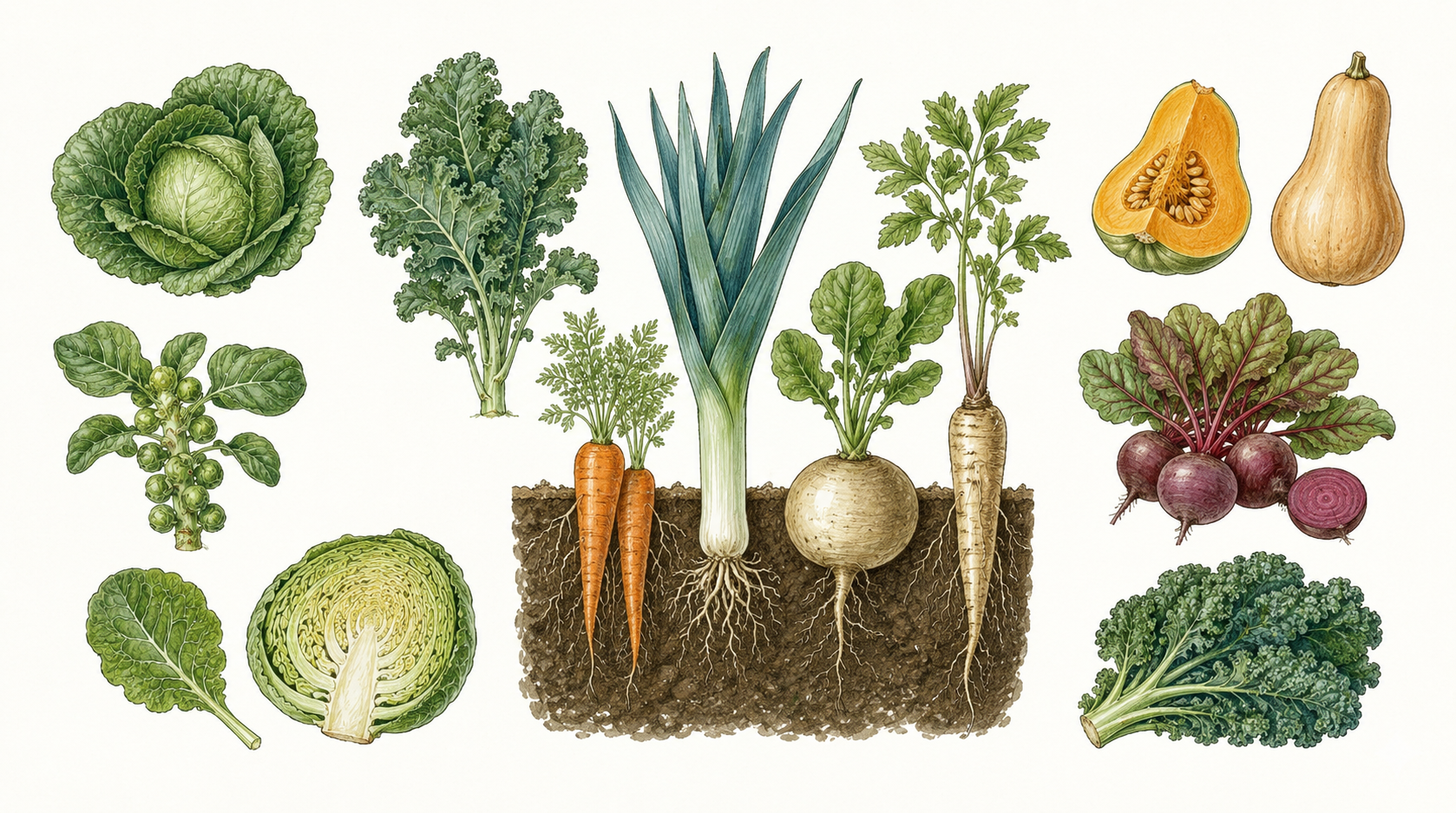
Growing Autumn Vegetables for Winter Harvests
Learn how to grow autumn vegetables such as kale, spinach, lamb's lettuce, and leeks for harvests into winter.
Guide
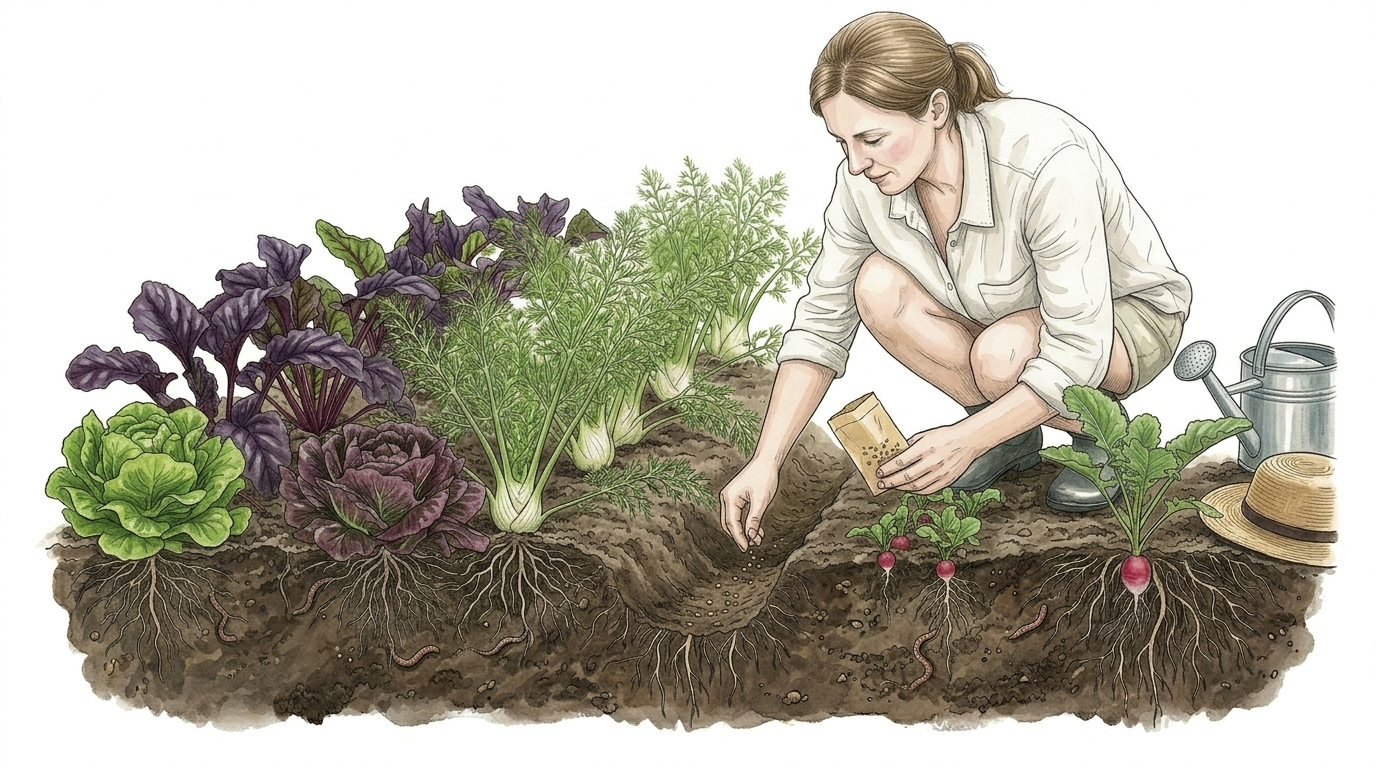
What to Sow in June: Succession Crops and Autumn Harvests
Discover which vegetables to sow in June for succession planting, filling gaps in beds, and planning autumn harvests.
Guide
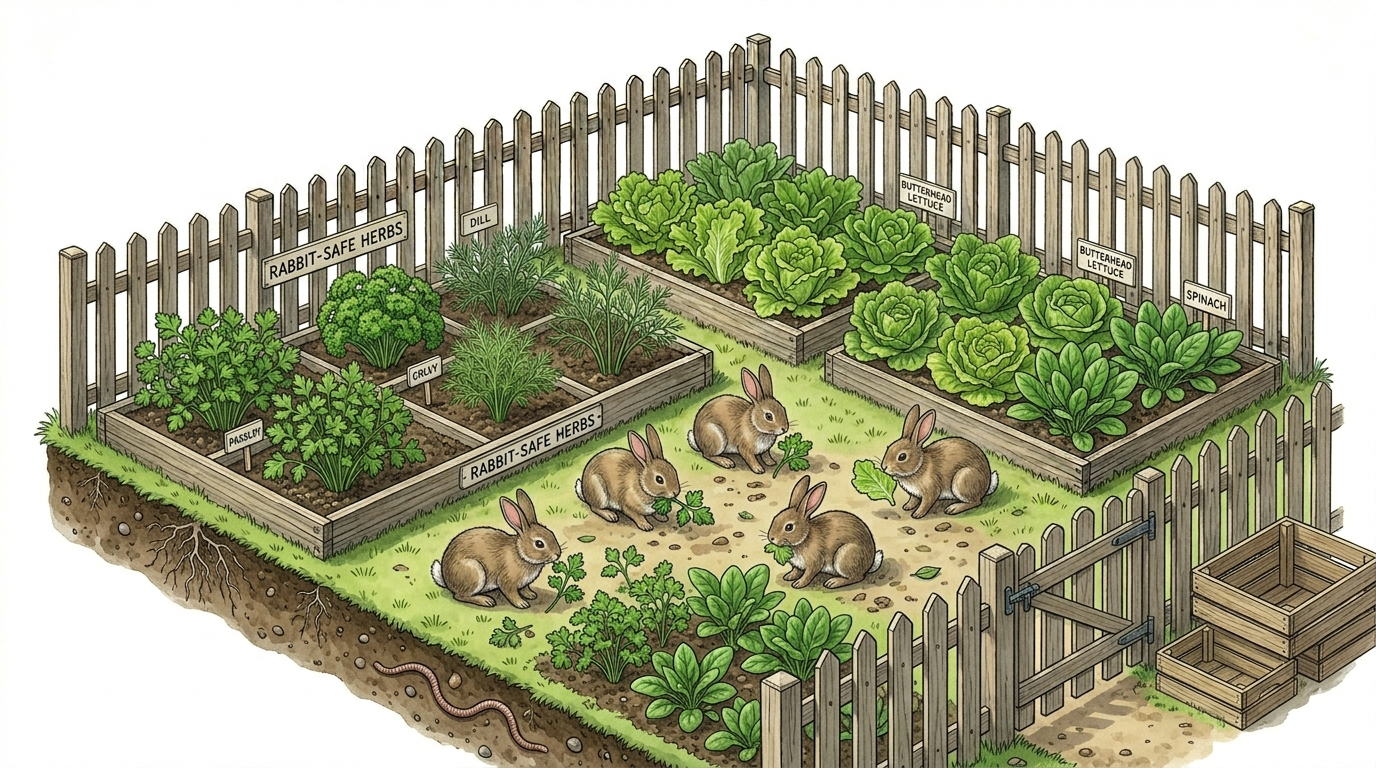
Rabbits in the Garden: Herbs and Vegetables
Learn how to choose suitable herbs and vegetables for rabbits, grow feeding plants, and plan a rabbit-friendly garden.
Guide
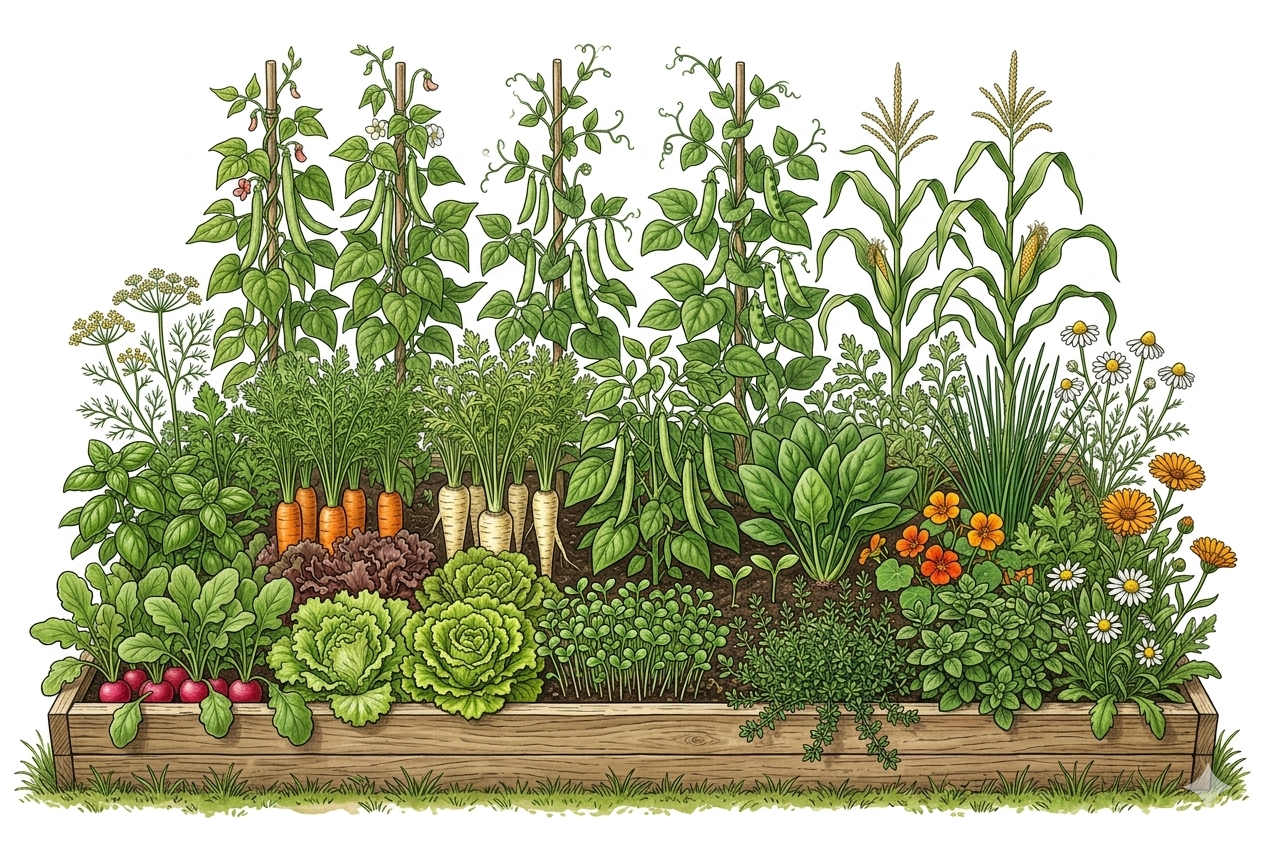
Small Garden Bed Planning: Combine 20 Crops Well
Use small beds efficiently by combining 20 vegetables and herbs, planning successions, and avoiding wasted gaps.
Internal links
Related plants
Cabbage
Brassicaceae
Belong to the same family (Brassicaceae) and share similar pests and diseases.
Mustard
Brassicaceae
Carrot
Root Vegetable
Both are root vegetables that can be used raw or cooked.
Clubroot
Affects Brassicas
Downy mildew
Affects Brassicas
Spinach
Both are light feeders
Lettuce
Both prefer consistent moisture and dislike drought.
Arugula
Belong to the same family (Brassicaceae) and have similar growth requirements.
Sources
Public sources
- Wikidata entity
Wikidata · 2026-05-11
- GBIF species match
GBIF · 2026-05-11
- Deutschsprachige Wikipedia: Garten-Rettich
Wikipedia · 2026-05-11
- English Wikipedia: Radish
Wikipedia · 2026-05-11