Plant Profile
AroniaAronia
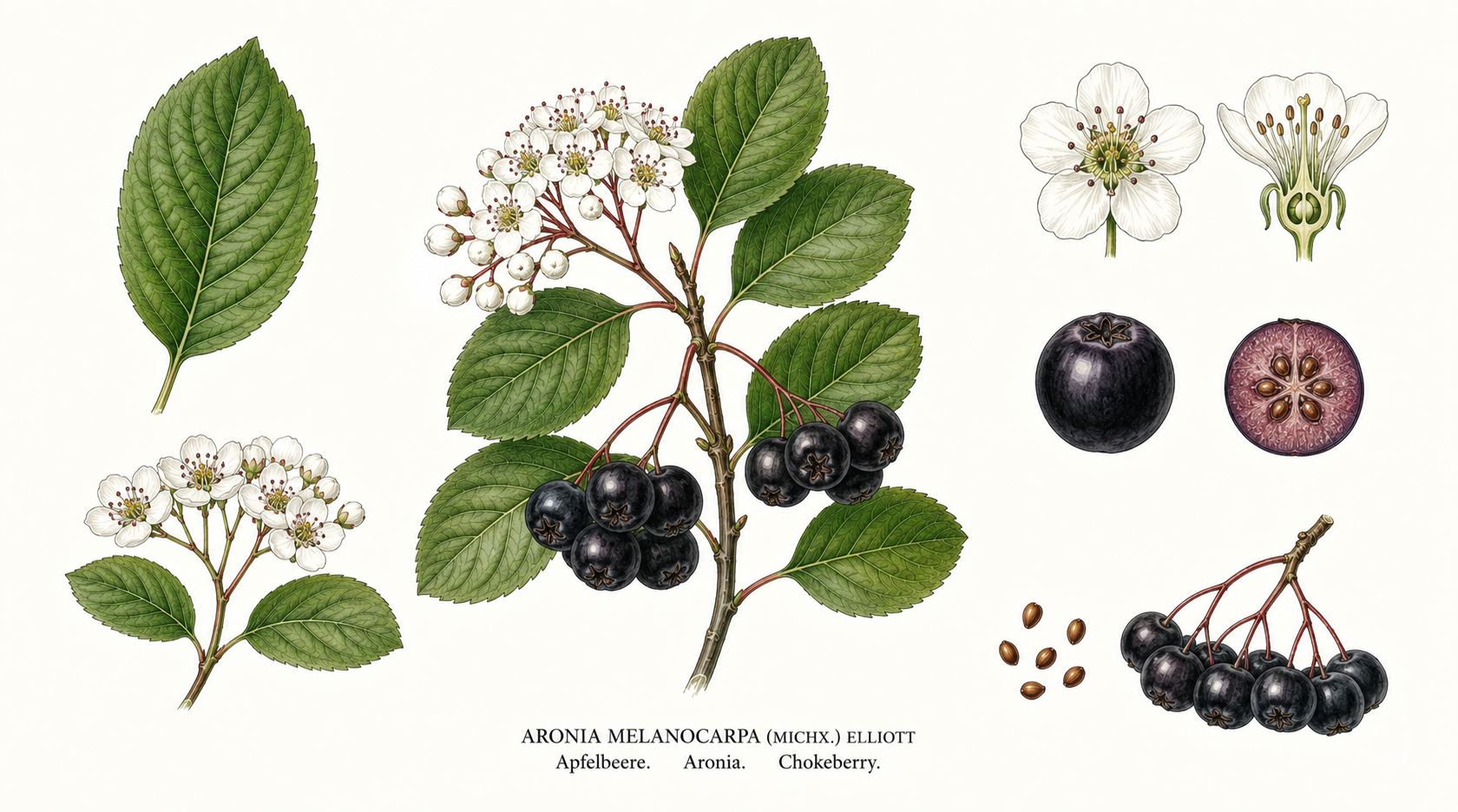
The Aronia (Aronia) is a robust, undemanding shrub valued for its healthy, antioxidant-rich fruits. It is winter-hardy and easy to care for, making it an ideal choice for gardens where health and simple cultivation are prioritized. Its bright red autumn color also provides attractive accents in late summer and autumn.
Quick profile
Key data
Suitable growing locations:
Good neighbors
StrawberryCabbage (various types)Bean (various types)
Avoid
ApplePyrus communisCherry
Indoor & direct sowing
Aronia: Sowing and germination
Aronias are generally not started indoors.
Seed sowing is possible, but germination can be irregular. Young plants are often purchased.
Planting & site
Aronia: Planting and spacing
Planting of young plants or shrubs in spring or autumn.
Site & practical notes
Aronia is a low-maintenance and high-yielding fruit shrub suitable for almost any garden. Ensure a sunny to partial shade location and well-draining soil. The fruits are very tart raw but reach their full potential after processing. The vibrant autumn color is an additional ornamental value.
Temperature & frost
Aronia: Temperature and site
Water & nutrients
Aronia: Water, nutrients and care
Container & growth
Aronia: Container, support and growth
Year plan
Aronia Calendar
Especially in autumn, the Aronia delights with its vibrant red foliage before the dark fruits are harvested.
Recurring tasks
Relevant now
June
- MaintenanceWachstumsperiode: Regular maintenance is important.
- WateringTrockenheit: Especially important for fruit set.
Next up
July
- WateringTrockenheit: Promote consistent moisture.
- InspectionWachstumsperiode: Watch for aphids or fungal issues.
Monthly tasks
Single tasks from monthly data; repeated seasonal windows are shown in the overview above.
January
Quiet month
February
Quiet month
March
Direct sowing
- Prepare for sowingBoden frostfrei: Only if sowing seeds.
Planting
- PlantingBoden frostfrei: Spring planting is well possible.
Pruning
- PruningBoden frostfrei: Remove old, inefficient shoots.
April
Planting
- PlantingBoden bearbeitbar: Spring planting is ideal.
Growing
- FertilizingBoden bearbeitbar: If needed, especially for young plants.
May
Growing
- MaintenanceWachstumsperiode: Retains soil moisture and suppresses weeds.
Plant health
- InspectionWachstumsperiode: Early detection aids control.
June
Growing
- MaintenanceWachstumsperiode: Regular maintenance is important.
- WateringTrockenheit: Especially important for fruit set.
August
Harvest
- HarvestingBeeren reif: Berries are dark and juicy.
Pruning
- PruningNach der Ernte: Improves air circulation and next year's fruiting.
September
Planting
- PlantingBoden bearbeitbar: Autumn planting allows good root establishment before winter.
Harvest
- HarvestingBeeren reif: Berries can be eaten fresh or processed.
October
Planting
- PlantingBoden bearbeitbar: Last planting opportunity before winter.
Harvest
- HarvestingBeeren reif: Often sweeter after light frosts.
Growing
- Soil careNach der Ernte: Incorporate compost or loosen soil.
November
Pruning
- PruningLaubfall: Remove broken or diseased branches.
Plant health
- Winter protectionVor Frosteintritt: Protects roots from severe frost.
December
Quiet month
Flowering & pollination
Aronia Flowering & pollination
Self-fertility
high
Pollinator needed
no
Overview
Aronias are predominantly self-fertile, but cross-pollination by bees or other insects can improve fruit set and size.
Notes
Although self-fertile, the plants benefit from the presence of pollinators.
Pruning & care
Aronia Pruning & care
Pruning type
Renewal pruning and thinning
Pruning timing
Formative pruning for young plants, rejuvenation pruning for established plants, removal of dead/diseased wood. Prune before bud break when the soil is frost-free.
Removal of water sprouts and suckers, light thinning after harvest if needed. Only if necessary, to improve air circulation or correct shape.
Remove
Preserve
Avoid
Tools and hygiene
Clean and disinfect tools after use, especially after cutting diseased branches.
Companion guide
Aronia Companion guide
Good neighbors
StrawberryCabbage (various types)Bean (various types)
Avoid
ApplePyrus communisCherry
Use & storage
Aronia Use & storage
Harvest ripe berries, which are often sweetest after the first frost.
Storage
Short-term fresh, long-term processed.
Storage life
Fresh: a few days in the refrigerator. Frozen: up to 12 months. Dried: up to 1 year.
Harvest
Harvest ripe berries, which are often sweetest after the first frost.
Processing
After harvest
Harvested berries should be stored cool or processed immediately, as they are perishable.
Edibility & safety
Aronia Edibility & safety
For people
In brief: which parts are edible, which parts remain risky, and whether raw consumption makes sense.
Safety notes
The berries are non-toxic, but very tart raw. Consuming large quantities of raw berries may cause stomach upset in sensitive individuals.
Animal safety
This plant is not simply safe or unsafe for animals. 14 animal types have restrictions, so quantity, access, and plant part matter.
Each row shows which parts are more suitable and which parts are critical.
Companion animals
 Dog
DogRipe fruits (in moderation)
Leaves, Stems, Seeds
Ripe fruits (in moderation)
Leaves, Stems, Seeds
Overconsumption of fruits, Consumption of large quantities of other plant parts (leaves, stems, seeds)
Gastrointestinal upset, Vomiting
usually no action needed
Aronia berries are considered non-toxic to dogs. However, large quantities of the raw, tart berries or other plant material (leaves, stems, seeds) may cause mild gastrointestinal upset. Seeds and other plant parts may contain cyanogenic glycosides.
Open animal page Cat
CatRipe fruits (in very small quantities)
Leaves, Stems, Seeds
Ripe fruits (in very small quantities)
Leaves, Stems, Seeds
Overconsumption of plant material (fruits, leaves, stems, seeds)
Mild gastrointestinal upset (vomiting, diarrhea)
observe
Aronia is considered non-toxic for cats. However, ingestion of plant material (especially leaves, stems, seeds, but also large quantities of fruits) may cause mild gastrointestinal upset. Cats are obligate carnivores and do not require plant matter.
Open animal page Rabbit
Ripe fruits (in very small quantities as a treat)
Leaves, Stems, Seeds
Ripe fruits (in very small quantities as a treat)
Leaves, Stems, Seeds
Consumption of large quantities, Consumption of leaves or stems, Sensitive digestion
Gastrointestinal upset, Diarrhea, Abdominal pain
contact a vet if symptoms appear
While aronia berries are considered non-toxic for humans and may be safe in very small quantities as a treat for rabbits, leaves, stems, and seeds should be avoided due to potential cyanogenic glycosides and the sensitive digestive system of rabbits. Large quantities of fruits can also cause gastrointestinal upset. Rabbits cannot vomit.
Open animal page Guinea pig
Ripe fruits (in very small quantities as a treat)
Leaves, Stems, Seeds
Ripe fruits (in very small quantities as a treat)
Leaves, Stems, Seeds
Overconsumption, Consumption of non-fruit plant parts
Gastrointestinal upset, Diarrhea, Abdominal pain
contact a vet if symptoms appear
Aronia fruits can be offered in very small quantities as an occasional treat. Leaves, stems, and seeds should be avoided due to potential toxins (cyanogenic glycosides) and tannins. No specific data available for guinea pigs; classification based on general plant information and precautionary principle.
Open animal page Hamster
Ripe fruits (in very small quantities)
Leaves, Stems, Seeds
Ripe fruits (in very small quantities)
Leaves, Stems, Seeds
Consumption of large quantities of raw fruits, Consumption of leaves, stems, or seeds
Gastrointestinal upset (from large quantities of fruit), Signs of cyanide poisoning (if leaves/seeds are consumed, e.g., difficulty breathing, seizures, weakness), Difficulty breathing
contact a vet if symptoms appear
Aronia fruits are generally considered non-toxic, but raw and in larger quantities, their tartness can cause gastrointestinal upset. For hamsters, they should only be offered as a very rare treat in small amounts. Leaves, stems, and seeds, as with many Rosaceae plants, may contain cyanogenic glycosides and should be avoided.
Open animal page Budgie
Fruit flesh (without seeds)
Seeds, Leaves, Stems
Fruit flesh (without seeds)
Seeds, Leaves, Stems
Ingestion of seeds, Ingestion of large quantities of raw berries, Ingestion of leaves or stems
Gastrointestinal upset (from large quantities of fruit flesh), Respiratory distress, Weakness
contact a vet if symptoms appear
Aronia fruit flesh is generally considered non-toxic but is very tart raw and can cause gastrointestinal upset in large quantities. Seeds, leaves, and stems contain cyanogenic glycosides and are potentially toxic. Offer only the fruit flesh in very small quantities as an occasional treat, ensuring seeds are completely removed.
Open animal pageFarm animals
 Horse
HorseRipe fruits (in moderation)
Leaves, Stems, Seeds
Ripe fruits (in moderation)
Leaves, Stems, Seeds
Overconsumption of raw berries, Animal sensitivity, Consumption of leaves, stems, or seeds
Stomach upset, mild colic (if consumed in large quantities)
contact a vet if symptoms appear
Aronia berries are considered non-toxic, but raw consumption in large quantities can cause stomach upset or mild colic due to their tartness and astringency. Other plant parts (leaves, stems, seeds) are not suitable as feed and may contain cyanogenic glycosides.
Open animal page Chicken
Ripe fruits (without seeds)
Leaves, Stems, Seeds
Ripe fruits (without seeds)
Leaves, Stems, Seeds
Overconsumption of raw berries, Consumption of leaves, stems, or seeds
Gastrointestinal upset (with overconsumption of raw berries)
observe
Aronia berries are generally considered non-toxic but can be very tart raw. Overconsumption of raw berries may lead to gastrointestinal upset in chickens, similar to sensitive individuals. Leaves, stems, and seeds are not recommended as feed and may contain cyanogenic glycosides.
Open animal page Duck
DuckRipe fruits (without seeds)
Leaves, Stems, Seeds
Ripe fruits (without seeds)
Leaves, Stems, Seeds
Consumption of large quantities of raw berries, Consumption of leaves, stems, or seeds
Stomach upset (with large quantities of raw berries)
observe
Aronia berries are considered non-toxic, but due to their tart taste, excessive consumption, especially raw, may cause stomach upset. Suitable for ducks as an occasional treat in small quantities, but seeds, leaves, and stems should be avoided.
Open animal page Goose
GooseRipe fruits (berries, without seeds)
Leaves, Stems, Seeds
Ripe fruits (berries, without seeds)
Leaves, Stems, Seeds
Consumption of large quantities, Consumption of unripe fruits or other plant parts, Sensitive animals
Gastrointestinal upset (with large quantities or sensitive animals), Diarrhea, Vomiting (rare)
observe
Aronia berries are generally considered non-toxic, but raw berries can be very tart due to their high tannin content and may cause gastrointestinal upset if consumed in excess. Seeds contain small amounts of cyanogenic glycosides, which could be potentially problematic if large quantities are ingested. Leaves and stems are not suitable as feed.
Open animal page Sheep
SheepRipe fruits (in small quantities)
Unripe fruits, Leaves, Stems
Ripe fruits (in small quantities)
Unripe fruits, Leaves, Stems
Excessive consumption of raw, tart berries, Consumption of leaves, stems, or seeds without specific safety data
Gastrointestinal upset (with excessive consumption of raw, tart berries)
observe
No direct species-specific source was found for sheep. This is a cautious inference from known plant-part risks (tannins, cyanogenic glycosides in seeds/leaves) and the general non-toxicity of the fruits for other species.
Open animal page Goat
GoatRipe fruits (in small quantities)
Unripe fruits, Leaves, Stems
Ripe fruits (in small quantities)
Unripe fruits, Leaves, Stems
Excessive consumption of raw, tart berries, Consumption of leaves, stems, or seeds without specific safety data
Gastrointestinal upset (with excessive consumption of raw, tart berries)
observe
Aronia berries are generally considered non-toxic but are very tart and astringent when raw. Excessive consumption may lead to gastrointestinal upset in sensitive animals. Specific feeding studies for goats are lacking. Leaves, stems, and seeds are not suitable as feed and may contain cyanogenic glycosides.
Open animal page Cattle
Ripe fruits (in very small quantities)
Leaves, Stems, Seeds
Ripe fruits (in very small quantities)
Leaves, Stems, Seeds
Consumption of large quantities of raw berries, Consumption of leaves, stems, or seeds
Mild gastrointestinal upset (if large quantities of raw berries are consumed)
observe
Aronia berries are generally considered non-toxic, but raw consumption in large quantities may cause mild gastrointestinal upset due to tartness. The plant is not a typical feed for cattle, and direct species-specific evidence for cattle is lacking. Based on general plant knowledge and non-toxicity of fruits for other species, the overall risk is considered low. Leaves, stems, and seeds should be avoided.
Open animal page Pig
PigRipe fruits (in moderation, preferably processed)
Leaves, Stems, Seeds
Ripe fruits (in moderation, preferably processed)
Leaves, Stems, Seeds
Consumption of large quantities of raw berries, Consumption of leaves or stems, Animal sensitivity
Gastrointestinal upset (if large quantities of raw fruits are consumed), Vomiting, Diarrhea
observe
Aronia fruits are suitable for pigs in moderation and preferably processed as a treat. Raw fruits, due to their high tannin content and tartness, may cause gastrointestinal upset if consumed in excess. Leaves, stems, and seeds should be avoided as they potentially contain cyanogenic glycosides.
Open animal pageThese guidelines are for general information only and do not replace veterinary diagnosis. If critical plant parts were ingested or the animal shows unusual behaviour or symptoms, seek veterinary advice.
Max risk
unknown
Highest status
selected parts only
Urgency
contact a vet if symptoms appear
Saving seed
Aronia Saving seed
Seed viability
2 - 3 years
Practical tips
Aronia Practical tips
Common beginner mistakes
Success pattern
High-impact tips
Plant Profile
Additional plant images
Health
Pests, Diseases
Pests
Aphids
Small, sucking insects that colonize young shoots and leaves, feeding on plant sap. They can cause deformities and honeydew.
Spider mites
Tiny arachnids that appear in dry, warm weather. They suck plant sap and leave fine webbing and speckled leaves.
Fruit tree red spider mite
A common spider mite species found on many fruit trees. It causes fine webbing and yellowish speckling on leaves.
Diseases
Fire blight
A bacterial disease primarily affecting pome fruits. It causes rapid wilting and death of shoots, flowers, and fruits, making them appear scorched.
Powdery mildew
Fungal disease that appears as a white, powdery coating on leaves, shoots, and flowers. It occurs particularly in dry weather with high humidity.
Leaf spot diseases
A group of fungal diseases causing various leaf spots. They can damage leaf tissue and lead to premature leaf drop.
Deficiencies
Iron deficiency (chlorosis)
Yellowing of leaves, especially younger ones, while the veins remain green. Caused by iron deficiency in the soil or poor availability.
Magnesium deficiency
Yellowing of leaves, often starting from the margins and spreading between the veins, while the veins themselves remain green. Usually affects older leaves.
Plant health
Diagnosis help
Aronia Diagnosis help
Pest groups
Disease groups
Prevention
Diagnosis
Look for typical symptoms such as leaf discoloration, spots, wilting, or visible pests. Compare symptoms with descriptions and images.
Cultural prevention
Monitoring
First response
Diagnostic rules
Rapid wilting and death of shoots, appearing scorched.
Possible causes: Fire blight
- Check for bacterial ooze on shoots.
- Examine flowers and young leaves for wilting.
White, powdery coating on leaves and shoots.
Possible causes: Powdery mildew
- Identify affected areas.
- Note dry conditions with high humidity.
Spots on the leaves.
Possible causes: Leaf spot disease
- Describe the shape, size, and color of the spots.
- Note wet conditions.
FAQ
When is the best time to plant Aronia?
The best time to plant Aronia is in spring (March-April) or autumn (September-October), when the soil is workable and there is no extreme heat or frost.
Do Aronia shrubs need pruning?
Yes, regular pruning is recommended to promote fruit production and keep the shrub healthy. The main pruning is done in late winter or early spring to remove old stems and make space for new ones.
Are Aronia berries edible raw?
The berries are edible raw, but very tart. They are usually used cooked or processed (e.g., into jam, juice, liqueur) to mellow the tartness and improve the flavor.
How much water does an Aronia shrub need?
Aronia shrubs require regular watering, especially during dry periods and fruit development. However, waterlogging must be strictly avoided.
What diseases can affect Aronia?
Aronia shrubs are relatively robust but can be affected by fire blight, powdery mildew, and leaf spot diseases. Good care and the right location help minimize the risk.
Is Aronia safe for Dog?
Aronia is classified as selected parts only for Dog. Risk: unknown. Urgency: usually no action needed. Aronia berries are considered non-toxic to dogs. However, large quantities of the raw, tart berries or other plant material (leaves, stems, seeds) may cause mild gastrointestinal upset. Seeds and other plant parts may contain cyanogenic glycosides.
Is Aronia safe for Cat?
Aronia is classified as selected parts only for Cat. Risk: unknown. Urgency: observe. Aronia is considered non-toxic for cats. However, ingestion of plant material (especially leaves, stems, seeds, but also large quantities of fruits) may cause mild gastrointestinal upset. Cats are obligate carnivores and do not require plant matter.
Is Aronia safe for Rabbit?
Aronia is classified as selected parts only for Rabbit. Risk: unknown. Urgency: contact a vet if symptoms appear. While aronia berries are considered non-toxic for humans and may be safe in very small quantities as a treat for rabbits, leaves, stems, and seeds should be avoided due to potential cyanogenic glycosides and the sensitive digestive system of rabbits. Large quantities of fruits can also cause gastrointestinal upset. Rabbits cannot vomit.
Is Aronia safe for Guinea pig?
Aronia is classified as selected parts only for Guinea pig. Risk: unknown. Urgency: contact a vet if symptoms appear. Aronia fruits can be offered in very small quantities as an occasional treat. Leaves, stems, and seeds should be avoided due to potential toxins (cyanogenic glycosides) and tannins. No specific data available for guinea pigs; classification based on general plant information and precautionary principle.
Guides
Related guides
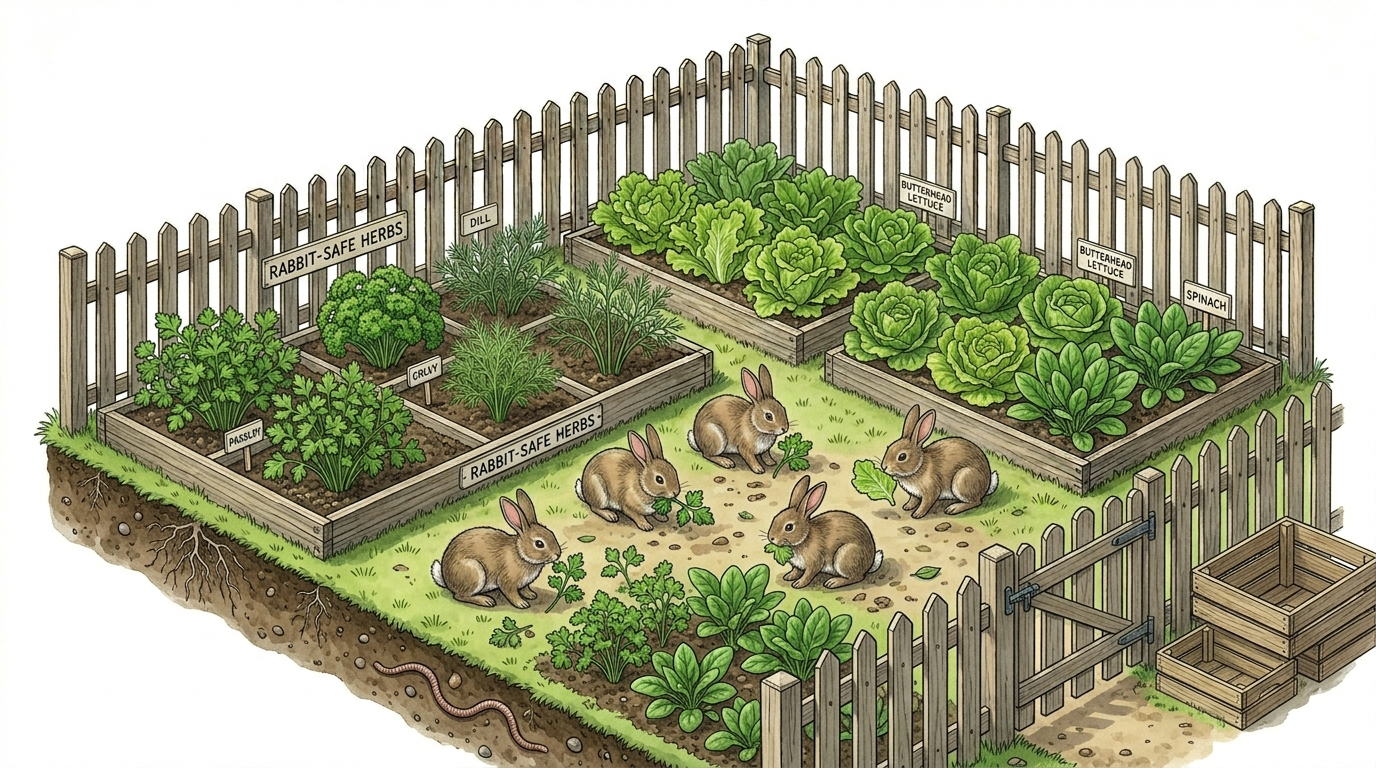
Guide
Rabbits in the Garden: Herbs and Vegetables
Learn how to choose suitable herbs and vegetables for rabbits, grow feeding plants, and plan a rabbit-friendly garden.
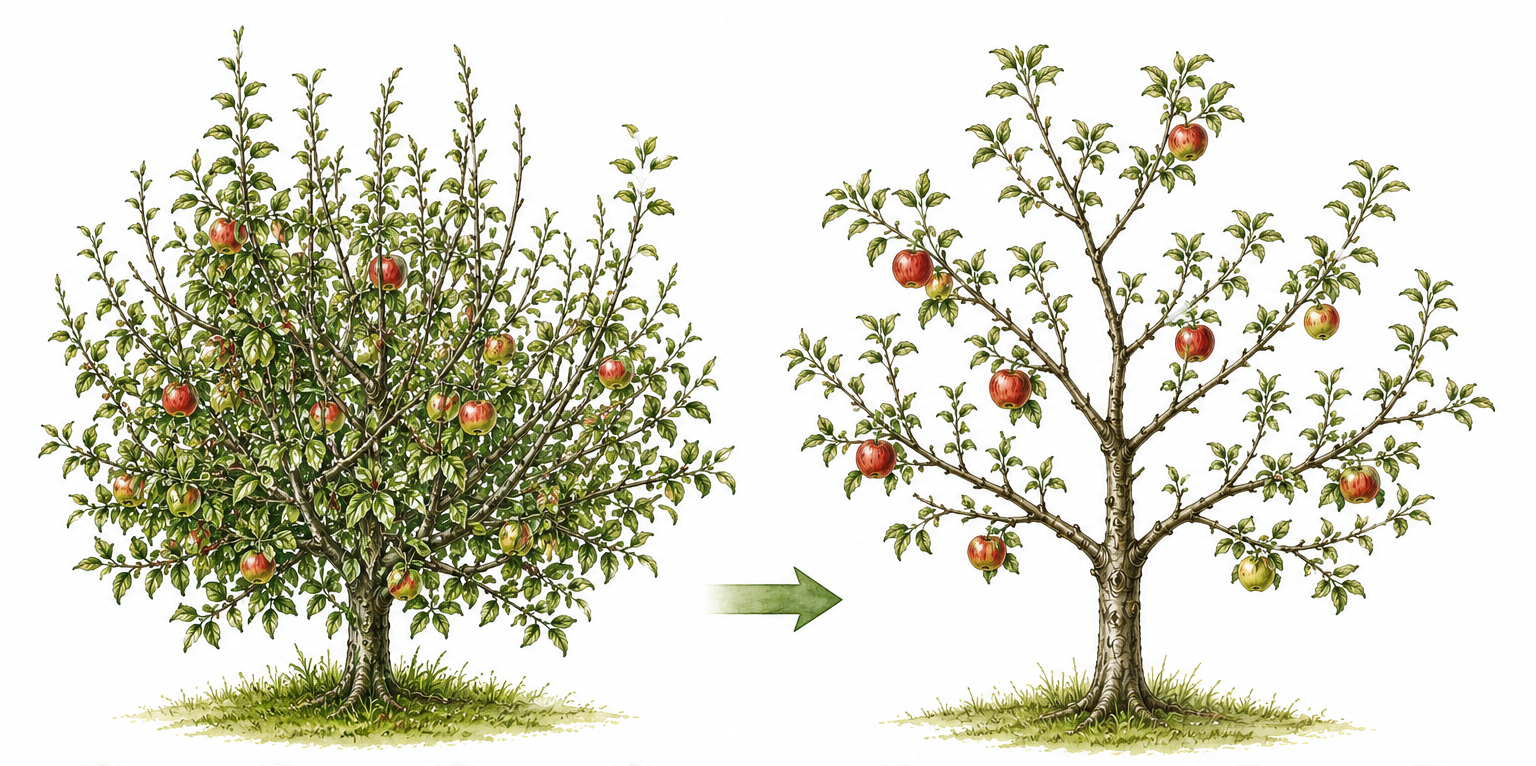
Guide
Pruning Apple Trees: Timing, Techniques, and Common Mistakes
Learn when and how to prune apple trees properly, including winter pruning, summer pruning, training cuts, and maintenance tips for healthy, productive…
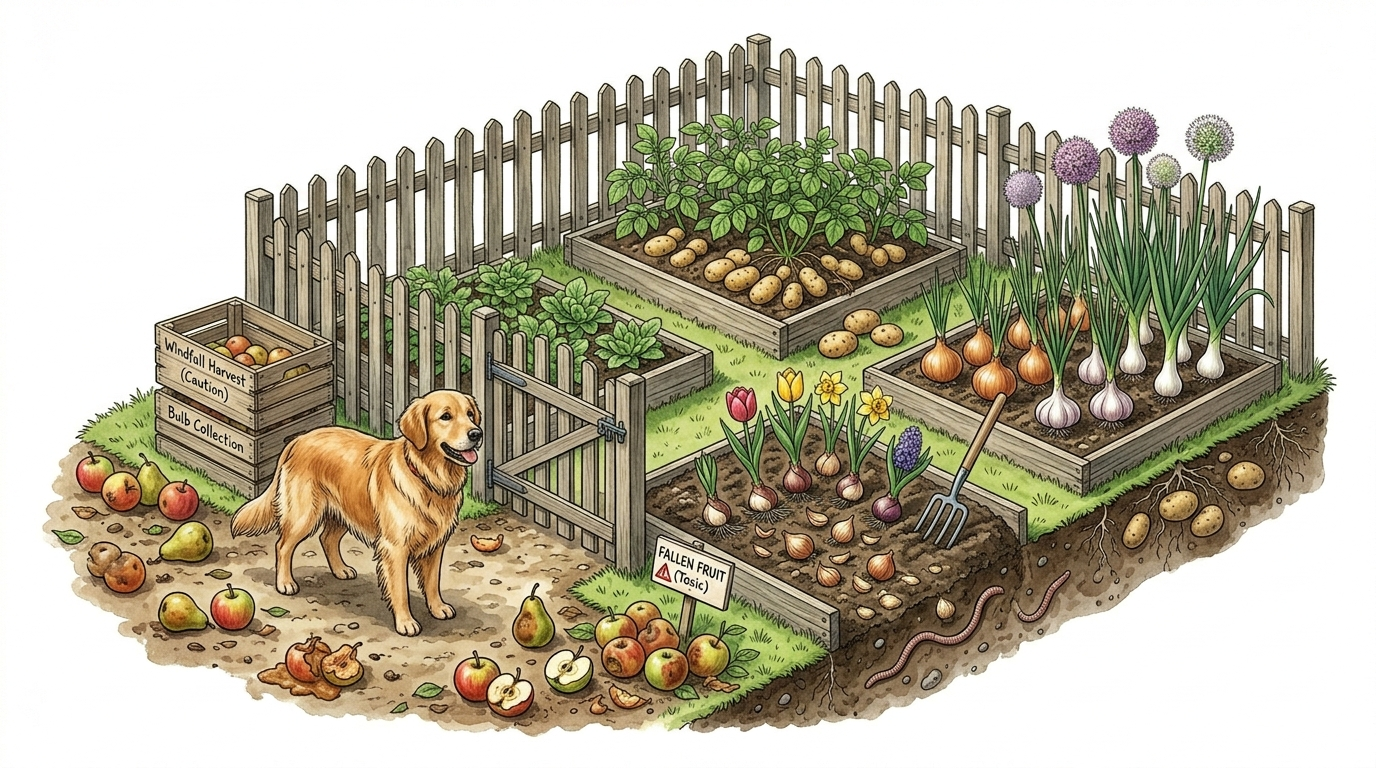
Guide
Dogs in the Garden: Windfall Fruit and Risks
Keep your garden dog-safe by managing windfall fruit, seeds, stored crops, and potentially problematic plant parts.
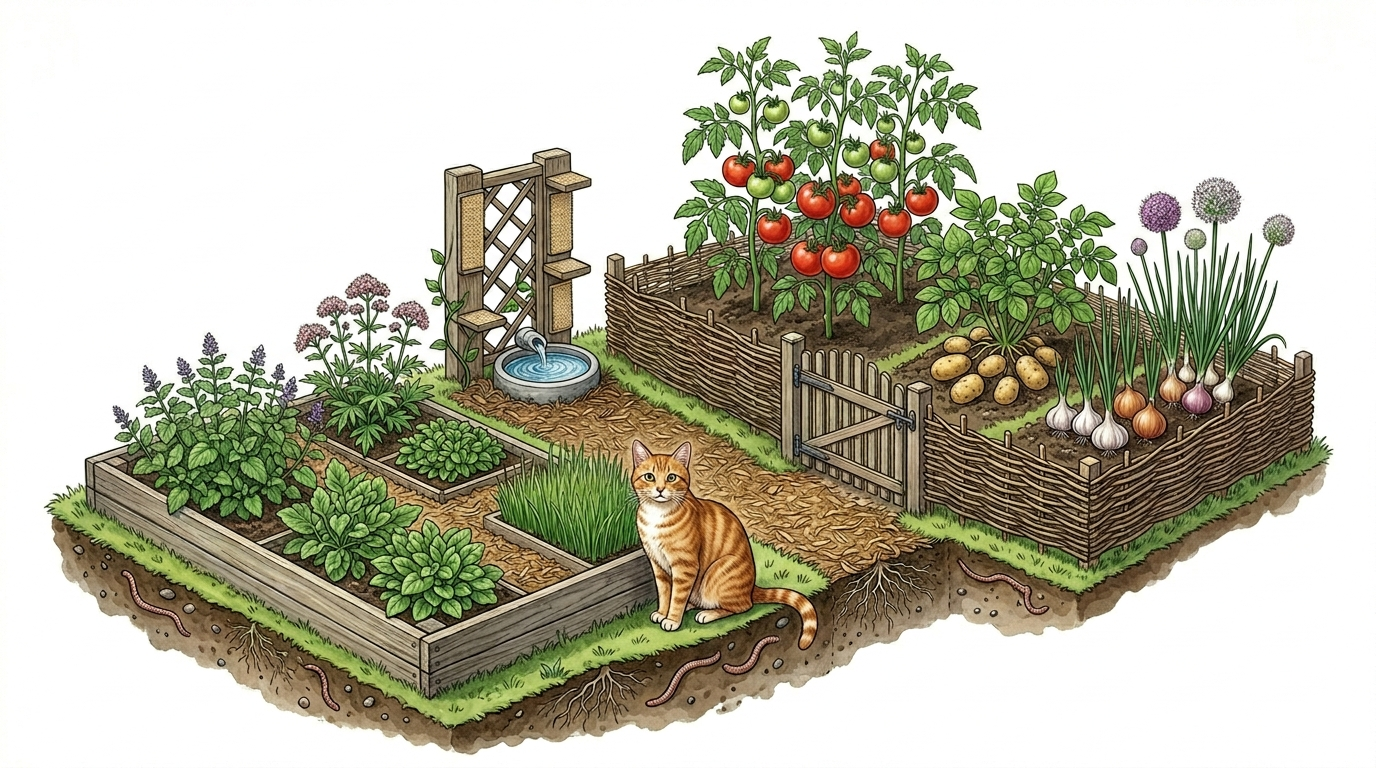
Guide
Toxic Garden Plants for Cats: Safer Planning
Learn which garden plants can be risky for cats, how to plan safer beds, and what to do if a cat eats a toxic plant.
Internal links
Related plants
Rose family
Aronia belongs to the Rose family.
Fruit shrubs
Aronia is a fruit shrub.
Berry shrubs
Requires similar nutrient supply as other berry shrubs.
Requires consistent moisture but tolerates drought better than many other berry shrubs.
Black currant
Both are healthy berry shrubs with high vitamin C content.
Raspberry
Popular and healthy berry fruits for the home garden.
Rubus
Similar growth habit and fruit usage.
Apple
Belongs to the Rosaceae family.
Pyrus communis
Belongs to the Rosaceae family.
Strawberry
Belongs to the Rosaceae family.
Sources
Public sources
- Wikidata entity
Wikidata · 2026-05-11
- GBIF species match
GBIF · 2026-05-11
- Deutschsprachige Wikipedia: Apfelbeeren
Wikipedia · 2026-05-11
- English Wikipedia: Aronia
Wikipedia · 2026-05-11