Plant Profile
Physalis peruvianaPhysalis peruviana
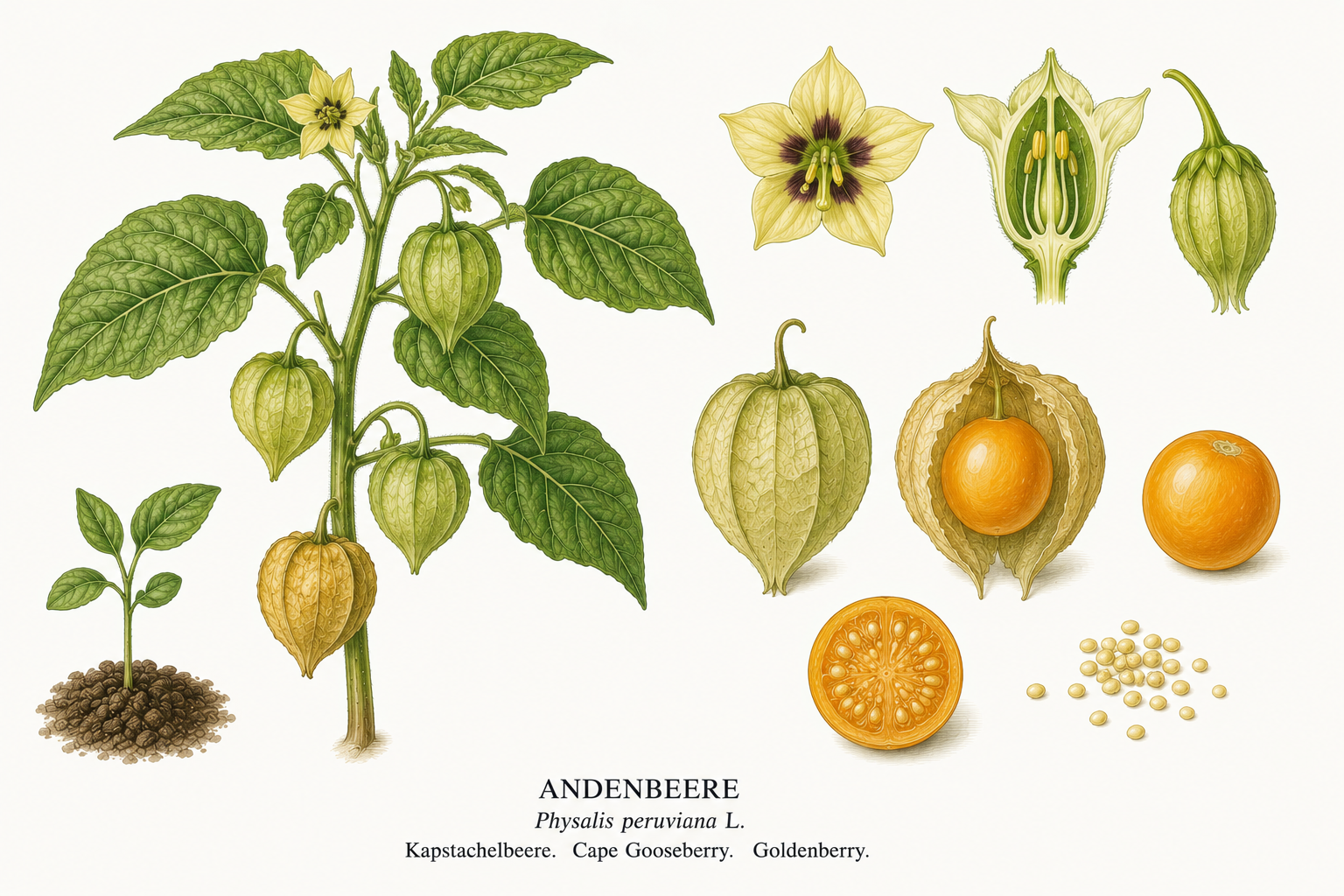
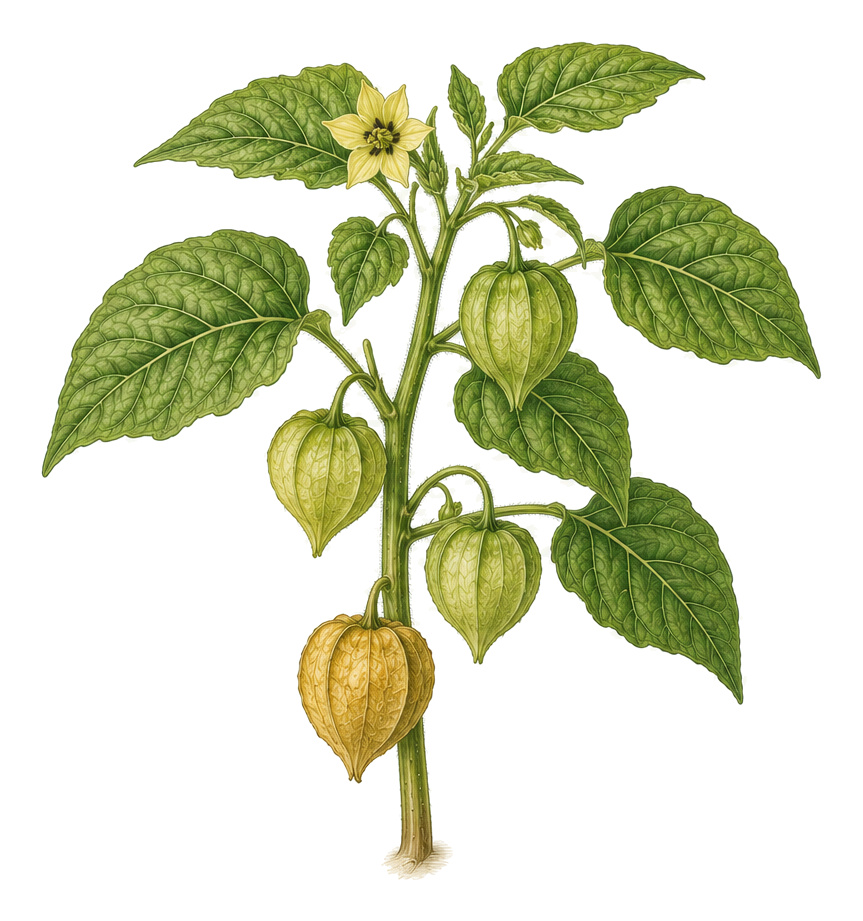
The Andean berry (Physalis peruviana), also known as the Cape gooseberry or goldenberry, is a fascinating fruit plant native to the Andes of South America. It grows as an annual or short-lived perennial shrub, producing small, bright yellow to orange fruits enclosed in a papery husk. These fruits have a unique sweet-tart flavor with tropical notes and are rich in vitamins and antioxidants. In cooler climates, it is typically grown as an annual due to its frost sensitivity. Sowing is done indoors in spring, with transplanting outdoors after the last frost. It prefers a warm, sunny, and wind-sheltered location with well-draining, humus-rich soil. Regular but moderate watering and nutrient supply are important. The harvest season extends from summer to autumn, until the first frost.
Quick profile
Key data
Suitable growing locations:
Good neighbors
BasilMarigoldNasturtiumLegumes
Avoid
PotatotomatoEggplant
Indoor & direct sowing
Physalis peruviana: Sowing and germination
Start sowing indoors from late February to April.
Direct sowing is not recommended due to the plant's long growing season.
Planting & site
Physalis peruviana: Planting and spacing
Plant outdoors or in a greenhouse after the last frost, from mid-May onwards.
Site & practical notes
Temperature & frost
Physalis peruviana: Temperature and site
Water & nutrients
Physalis peruviana: Water, nutrients and care
Container & growth
Physalis peruviana: Container, support and growth
Year plan
Physalis peruviana Calendar
The harvest season for the Andean berry extends from mid-summer to the first frost, during which the fruits develop their full sweetness.
Recurring tasks
Relevant now
June
- Planting out into the open ground or greenhouseSoil warmed, no frost risk: If not already done, plant outdoors.
- Install supports if necessaryPlants growing taller: Install stakes or trellises before plants become too large.
Next up
July
- Monitor for pests and diseasesGrowing season: Regular inspection and treatment if necessary.
Monthly tasks
Single tasks from monthly data; repeated seasonal windows are shown in the overview above.
January
Quiet month
February
No additional single task
March
No additional single task
April
Direct sowing
- Pricking out seedlingsSeedlings have developed true leaves: Transplant seedlings into individual pots.
- Sowing indoorsIndoors, warm conditions: Last sowing indoors if needed.
May
Planting
- Planting out into the open ground or greenhouseAfter last frost, soil warmed: Harden off seedlings gradually to outdoor temperatures.
Growing
- Protection against late frostsRisk of frost: Cover young plants if frost is expected.
June
Planting
- Planting out into the open ground or greenhouseSoil warmed, no frost risk: If not already done, plant outdoors.
Growing
- Install supports if necessaryPlants growing taller: Install stakes or trellises before plants become too large.
August
Harvest
- Harvesting the first fruitsFruits ripe: Harvest the first ripe fruits.
September
Harvest
- Continue harvestingFruits ripe: Harvest ripe fruits regularly.
Growing
- Bring indoors before the first frost if neededRisk of frost: Plants with unripe fruits can be brought indoors to ripen.
October
Harvest
- Harvest until the first frostBefore first frost: Harvest all ripe fruits before the first frost.
November
Quiet month
December
Quiet month
Flowering & pollination
Physalis peruviana Flowering & pollination
Self-fertility
self-fertile
Pollinator needed
no
Overview
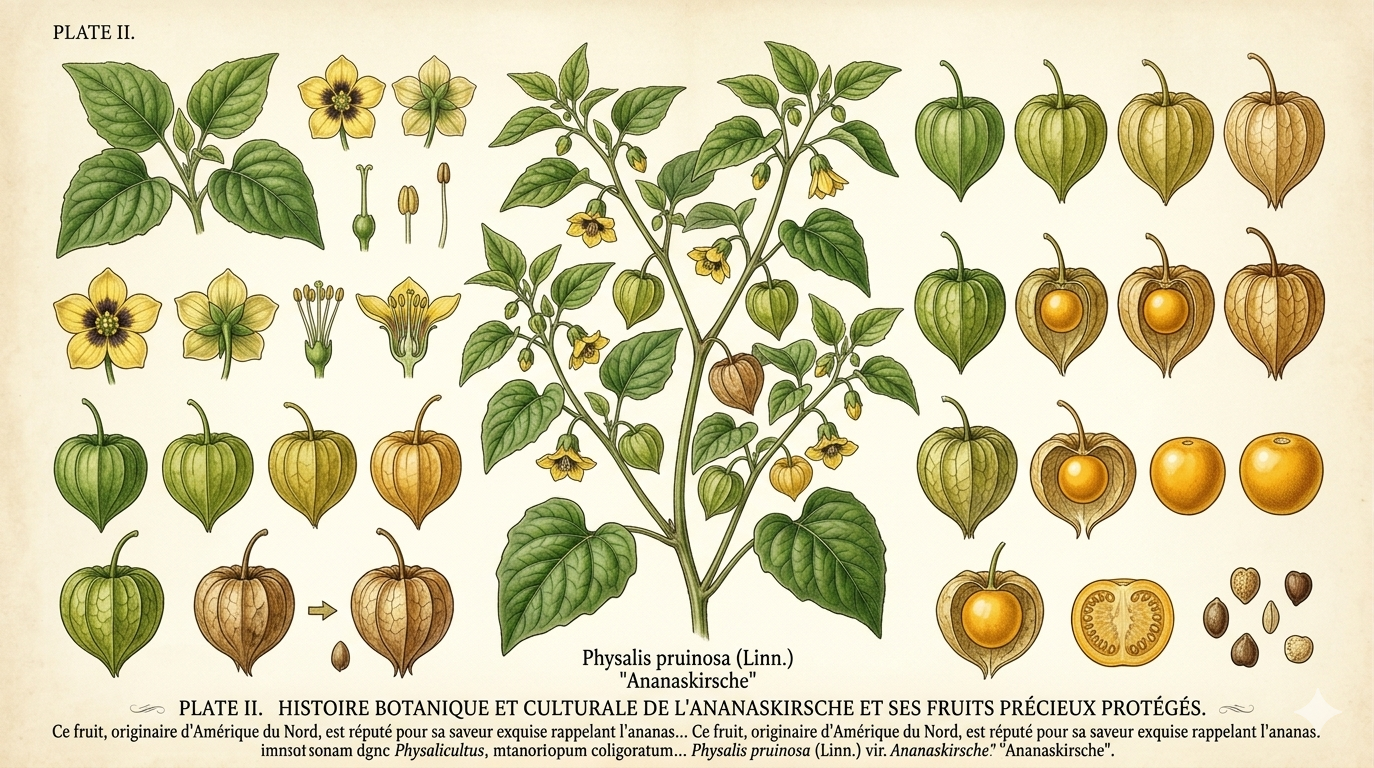
Physalis peruviana is self-pollinating but benefits from the presence of insects for improved fruit set.
Notes
Although self-pollinating, the presence of bees and other pollinators increases fruit quantity and quality.
Companion guide
Physalis peruviana Companion guide
Good neighbors
BasilMarigoldNasturtiumLegumes
Avoid
PotatotomatoEggplant
Use & storage
Physalis peruviana Use & storage
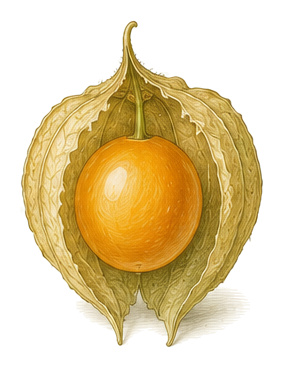
Fruits are ripe when they reach full yellow color and detach easily from the calyx.
Storage
Cool and dry
Storage life
Fresh fruits: 1-2 weeks in the refrigerator. Dried fruits: several months.
Harvest
Fruits are ripe when they reach full yellow color and detach easily from the calyx.
Processing
After harvest
Handle fruits carefully to avoid bruising. The papery husk protects the fruit and should remain on until consumption.
Edibility & safety
Physalis peruviana Edibility & safety
For people
In brief: which parts are edible, which parts remain risky, and whether raw consumption makes sense.
Safety notes
The leaves and stems contain alkaloids and are not intended for consumption. Unripe fruits may also have undesirable effects.
Animal safety
For animals, the specific plant part matters here: some parts may be suitable, while others should be avoided. At least one critical rating is listed for 1 animal types.
Each row shows which parts are more suitable and which parts are critical.
Companion animals
 Dog
DogRipe fruits (without calyx)
Leaves, Stems, Unripe fruits
Ripe fruits (without calyx)
Leaves, Stems, Unripe fruits
Ingestion of leaves, stems, or unripe fruits, Overconsumption of ripe fruits
Gastrointestinal upset, Vomiting, Diarrhea
contact a vet if symptoms appear
Ripe physalis fruits can be offered in very small quantities as an occasional treat. Leaves, stems, and unripe fruits contain alkaloids and should be considered toxic to dogs. The calyx (husk) should also be removed. Gastrointestinal symptoms may occur if toxic parts are ingested or if ripe fruits are overconsumed.
Open animal page Cat
CatNo suitable parts listed
Leaves, Stems, Unripe fruits
No suitable parts listed
Leaves, Stems, Unripe fruits
Access to plant parts
Gastrointestinal upset (vomiting, diarrhea), Lethargy, Weakness
contact a vet if ingested
Cape gooseberry (Physalis peruviana) belongs to the nightshade family and contains alkaloids in leaves, stems, and unripe fruits that can be toxic to cats. All plant parts except ripe fruits should be kept away from cats. No specific studies on toxicity in cats are available; the classification is based on general plant information and precautions for the Solanaceae family.
Open animal page Rabbit
Ripe fruits (in very small quantities)
Leaves, Stems, Unripe fruits
Ripe fruits (in very small quantities)
Leaves, Stems, Unripe fruits
Access to the entire plant, especially leaves and stems, Consumption of unripe fruits
Gastrointestinal upset (diarrhea), Potentially other symptoms due to alkaloids
contact a vet if symptoms appear
While ripe fruits are considered a treat in very small quantities for some animals, leaves, stems, and unripe fruits contain alkaloids and are not suitable for rabbits. Rabbits are herbivores and may consume these toxic parts.
Open animal page Guinea pig
Ripe fruits
Leaves, Stems, Unripe fruits
Ripe fruits
Leaves, Stems, Unripe fruits
Consumption of large quantities, Consumption of leaves or stems, Consumption of unripe fruits
Gastrointestinal upset, Diarrhea, Vomiting (rare in guinea pigs)
contact a vet if symptoms appear
Ripe fruits can be offered in very small quantities as an occasional treat. Leaves, stems, and unripe fruits contain alkaloids and should not be fed.
Open animal page Hamster
Ripe fruits
Leaves, Stems, Unripe fruits
Ripe fruits
Leaves, Stems, Unripe fruits
Ingestion of leaves, stems, or unripe fruits, Overconsumption of ripe fruits (sugar content)
Gastrointestinal upset, Vomiting, Diarrhea
contact a vet if symptoms appear
Ripe Cape gooseberries can be offered to hamsters in very small quantities as an occasional treat. Leaves, stems, and unripe fruits contain alkaloids and are toxic to hamsters. There are no specific studies on toxicity in hamsters; the classification is based on general plant information and precautions for small rodents.
Open animal page Budgie
Ripe fruits
Leaves, Stems, Unripe fruits
Ripe fruits
Leaves, Stems, Unripe fruits
Consumption of leaves, stems, or unripe fruits
Gastrointestinal upset, Vomiting
contact a vet if symptoms appear
Ripe Cape gooseberries can be offered in very small quantities as an occasional treat. Leaves, stems, and unripe fruits contain alkaloids and should not be fed, as they may cause gastrointestinal upset. No specific data for budgies available; classification is based on general plant information and the precautionary principle.
Open animal pageFarm animals
 Horse
HorseRipe fruits (not recommended as feed, only as a very occasional treat in small quantities)
Leaves, Stems, Unripe fruits
Ripe fruits (not recommended as feed, only as a very occasional treat in small quantities)
Leaves, Stems, Unripe fruits
Access to plants in pastures or gardens, Consumption of leaves, stems, or unripe fruits
Gastrointestinal upset (colic, diarrhea), Neurological symptoms (lethargy, weakness, incoordination), Dilated pupils
contact a vet if symptoms appear
Cape gooseberry belongs to the nightshade family (Solanaceae). The leaves, stems, and unripe fruits contain alkaloids that can be toxic to horses, potentially causing gastrointestinal and neurological symptoms. Ripe fruits are considered edible for humans but are not a natural part of a horse's diet and should not be fed in large quantities. The risk primarily arises from the ingestion of vegetative plant parts.
Open animal page Chicken
Ripe fruits (without calyx)
Leaves, Stems, Unripe fruits
Ripe fruits (without calyx)
Leaves, Stems, Unripe fruits
Access to the whole plant, especially leaves, stems, and unripe fruits, Consumption of large quantities
Gastrointestinal upset, Vomiting, Diarrhea
contact a vet if symptoms appear
Ripe Cape gooseberry fruits are considered safe for consumption in moderation, but leaves, stems, and unripe fruits contain alkaloids that can be toxic to chickens. The calyx surrounding the fruit should also be removed. Chickens may ingest these toxic parts while foraging.
Open animal page Duck
DuckRipe fruits
Leaves, Stems, Unripe fruits
Ripe fruits
Leaves, Stems, Unripe fruits
Access to all plant parts, Natural foraging behavior (pecking and grazing)
contact a vet if symptoms appear
Ripe Cape gooseberry fruits are edible for humans and might be safe in very small amounts as an occasional treat for ducks. However, leaves, stems, and unripe fruits contain alkaloids and are considered toxic. As ducks tend to forage and peck, there is a risk they might ingest the toxic plant parts. No specific toxicity data for ducks is available.
Open animal page Goose
GooseRipe fruits (in moderation)
Leaves, Stems, Unripe fruits
Ripe fruits (in moderation)
Leaves, Stems, Unripe fruits
Consumption of leaves, stems, or unripe fruits, Large quantities
Gastrointestinal upset, Vomiting, Diarrhea
contact a vet if symptoms appear
Ripe Cape gooseberry fruits may be safe for geese in small quantities as a treat. However, leaves, stems, and unripe fruits contain alkaloids and are considered toxic. As geese are grazers, there is a high risk of them consuming the toxic plant parts.
Open animal page Sheep
SheepRipe fruits (not recommended as feed)
Leaves, Stems, Unripe fruits
Ripe fruits (not recommended as feed)
Leaves, Stems, Unripe fruits
Access to plants, Consumption of leaves, stems, or unripe fruits
Gastrointestinal upset, Vomiting
contact a vet if symptoms appear
The leaves, stems, and unripe fruits of Physalis peruviana contain alkaloids and are considered toxic. As sheep are grazing animals, there is a risk they may consume these plant parts. Ripe fruits are safe for human consumption but are not suitable as feed for sheep.
Open animal page Goat
GoatRipe fruits (in moderation as a treat)
Leaves, Stems, Unripe fruits
Ripe fruits (in moderation as a treat)
Leaves, Stems, Unripe fruits
Access to plant material (leaves, stems), Consumption of unripe fruits
Gastrointestinal upset (vomiting, diarrhea)
contact a vet if symptoms appear
The leaves and stems of the Cape gooseberry contain alkaloids and are not suitable for goat consumption. Unripe fruits may also have undesirable effects. Ripe fruits are considered edible for humans, but should only be offered to goats in very small quantities as an occasional treat, as there is no specific safety data for goats.
Open animal page Cattle
Ripe fruit (not recommended as feed)
Leaves, Stems, Unripe fruits
Ripe fruit (not recommended as feed)
Leaves, Stems, Unripe fruits
Access to plants in pasture, Consumption of large quantities, Young animals
Gastrointestinal upset, Vomiting (in sensitive animals), Diarrhea
contact a vet if symptoms appear
The leaves, stems, and unripe fruits of Physalis peruviana contain alkaloids that can cause poisoning symptoms in cattle. Ripe fruits are considered edible, but are not a typical feed for cattle and should not be given in large quantities. Ingestion of vegetative plant parts or unripe fruits should be avoided.
Open animal page Pig
PigRipe fruits
Leaves, Stems, Unripe fruits
Ripe fruits
Leaves, Stems, Unripe fruits
Access to leaves, stems, or unripe fruits, Overconsumption of ripe fruits
Gastrointestinal upset, Vomiting, Diarrhea
contact a vet if symptoms appear
The leaves, stems, and unripe fruits of the Cape gooseberry contain alkaloids and are not suitable for pigs. Ripe fruits may be offered in very small quantities as an occasional treat, but should not be fed regularly or in large amounts to avoid gastrointestinal upset. As pigs tend to root and forage, there is a risk they may ingest the toxic plant parts.
Open animal pageThese guidelines are for general information only and do not replace veterinary diagnosis. If critical plant parts were ingested or the animal shows unusual behaviour or symptoms, seek veterinary advice.
Max risk
4 / 5
Highest status
toxic
Urgency
contact a vet if ingested
Saving seed
Physalis peruviana Saving seed
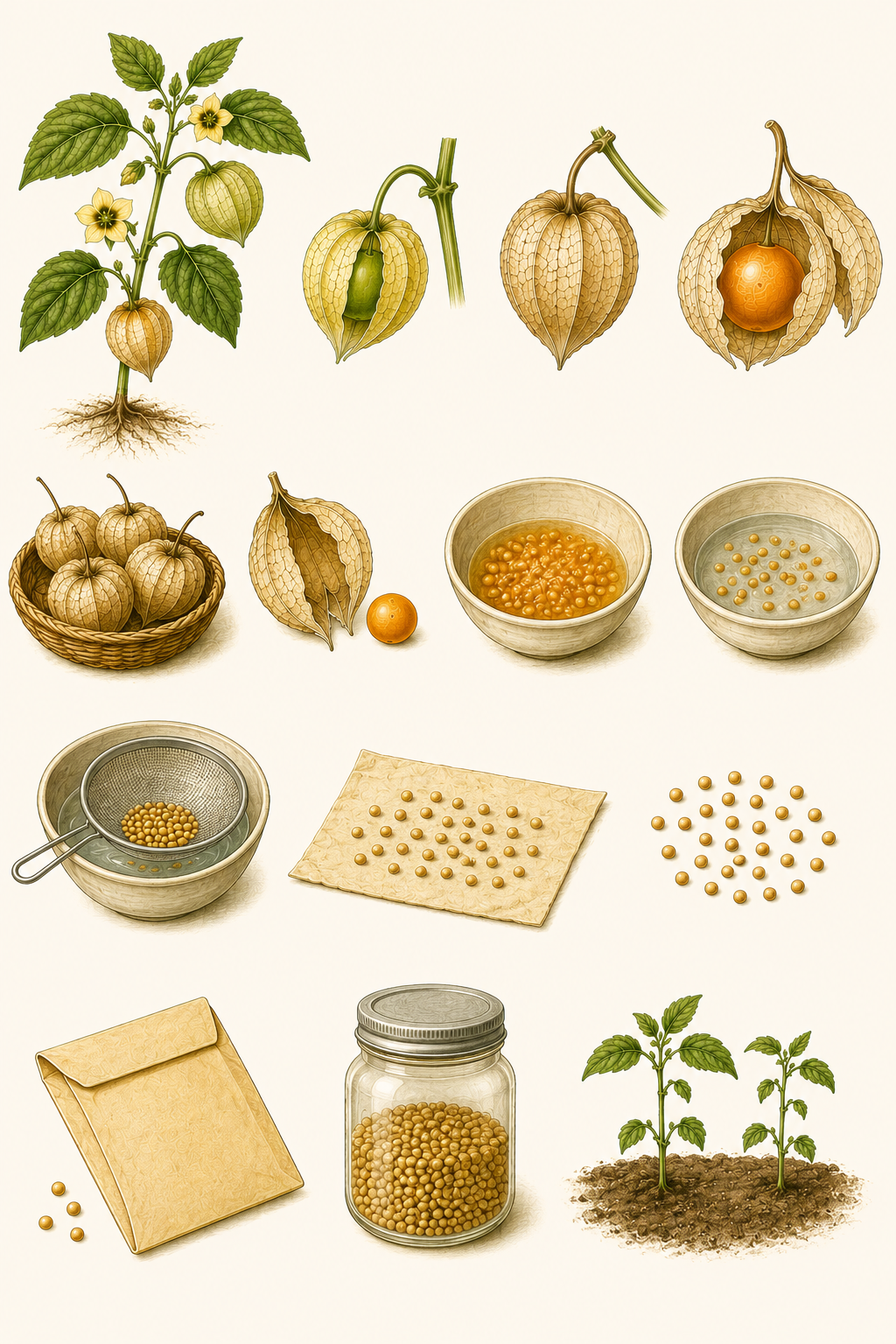
Seed viability
2 - 3 years
Practical tips
Physalis peruviana Practical tips
Common beginner mistakes
Success pattern
High-impact tips
Grower observations
Plant Profile
Additional plant images
Health
Pests, Diseases
Pests
Aphids
Small, sap-sucking insects that colonize young shoots and undersides of leaves, weakening the plant and potentially transmitting viruses.
Whiteflies
Small, flying insects that settle on the underside of leaves and suck plant sap. They leave behind honeydew, which can lead to sooty mold.
Spider mites
Tiny arachnids that colonize the underside of leaves and suck plant sap. They prefer dry, warm conditions and form fine webs.
Diseases
Powdery mildew
Fungal disease appearing as a white, powdery coating on leaves, stems, and flowers. It weakens the plant and affects fruit development.
Grey mold (Botrytis)
Fungal disease that occurs primarily in damp weather, leading to grey, fuzzy mold on fruits, flowers, and stems. Can cause rot.
Deficiencies
Calcium deficiency
A lack of calcium can lead to growth disorders and problems with fruit development.
Magnesium deficiency
Magnesium is a central component of chlorophyll. Deficiency leads to reduced photosynthetic performance.
Plant health
Diagnosis help
Physalis peruviana Diagnosis help
Pest groups
Disease groups
Prevention
Diagnosis
Accurate diagnosis is crucial for problems. Pay attention to specific symptoms such as discoloration, coatings, feeding damage, or the presence of pests. Compare symptoms with descriptions and images.
Cultural prevention
Monitoring
First response
Diagnostic rules
White, powdery coating on leaves and stems
Possible causes: Powdery mildew physalis
- Check humidity
- Improve ventilation
- Examine affected areas
Grey, fuzzy coating on fruits and flowers
Possible causes: Botrytis physalis
- Check moisture in the crop
- Look for plant injuries
- Isolate affected parts
Sticky residue on leaves, visible small insects on leaf undersides
Possible causes: Aphid infestation physalis
- Identify insects
- Determine extent of infestation
- Observe natural predators
FAQ
When is the best time to sow Andean berries?
Sowing is best done indoors in spring (February to April) as the plants require a long growing season and are frost-sensitive.
How much sun does an Andean berry need?
Andean berries prefer a sunny to partial shade location. Full sun is ideal for best fruit production, but they can tolerate light shade.
Can Andean berries be grown in pots?
Yes, Andean berries are well-suited for growing in pots or containers, provided they are sufficiently large (at least 10-20 liters) and have good drainage.
When are Andean berry fruits ripe?
Fruits are ripe when they have reached their full yellow to orange color and detach easily from their papery husk. The harvest season is typically from July to October.
Are the leaves of the Andean berry edible?
No, only the fruits are edible. The leaves and stems contain alkaloids and are not intended for consumption.
Is Physalis peruviana safe for Dog?
Physalis peruviana is classified as selected parts only for Dog. Risk: unknown. Urgency: contact a vet if symptoms appear. Ripe physalis fruits can be offered in very small quantities as an occasional treat. Leaves, stems, and unripe fruits contain alkaloids and should be considered toxic to dogs. The calyx (husk) should also be removed. Gastrointestinal symptoms may occur if toxic parts are ingested or if ripe fruits are overconsumed.
Is Physalis peruviana safe for Cat?
Physalis peruviana is classified as toxic for Cat. Risk: 4 / 5. Urgency: contact a vet if ingested. Cape gooseberry (Physalis peruviana) belongs to the nightshade family and contains alkaloids in leaves, stems, and unripe fruits that can be toxic to cats. All plant parts except ripe fruits should be kept away from cats. No specific studies on toxicity in cats are available; the classification is based on general plant information and precautions for the Solanaceae family.
Is Physalis peruviana safe for Rabbit?
Physalis peruviana is classified as selected parts only for Rabbit. Risk: unknown. Urgency: contact a vet if symptoms appear. While ripe fruits are considered a treat in very small quantities for some animals, leaves, stems, and unripe fruits contain alkaloids and are not suitable for rabbits. Rabbits are herbivores and may consume these toxic parts.
Is Physalis peruviana safe for Guinea pig?
Physalis peruviana is classified as selected parts only for Guinea pig. Risk: unknown. Urgency: contact a vet if symptoms appear. Ripe fruits can be offered in very small quantities as an occasional treat. Leaves, stems, and unripe fruits contain alkaloids and should not be fed.
Guides
Related guides
Guide
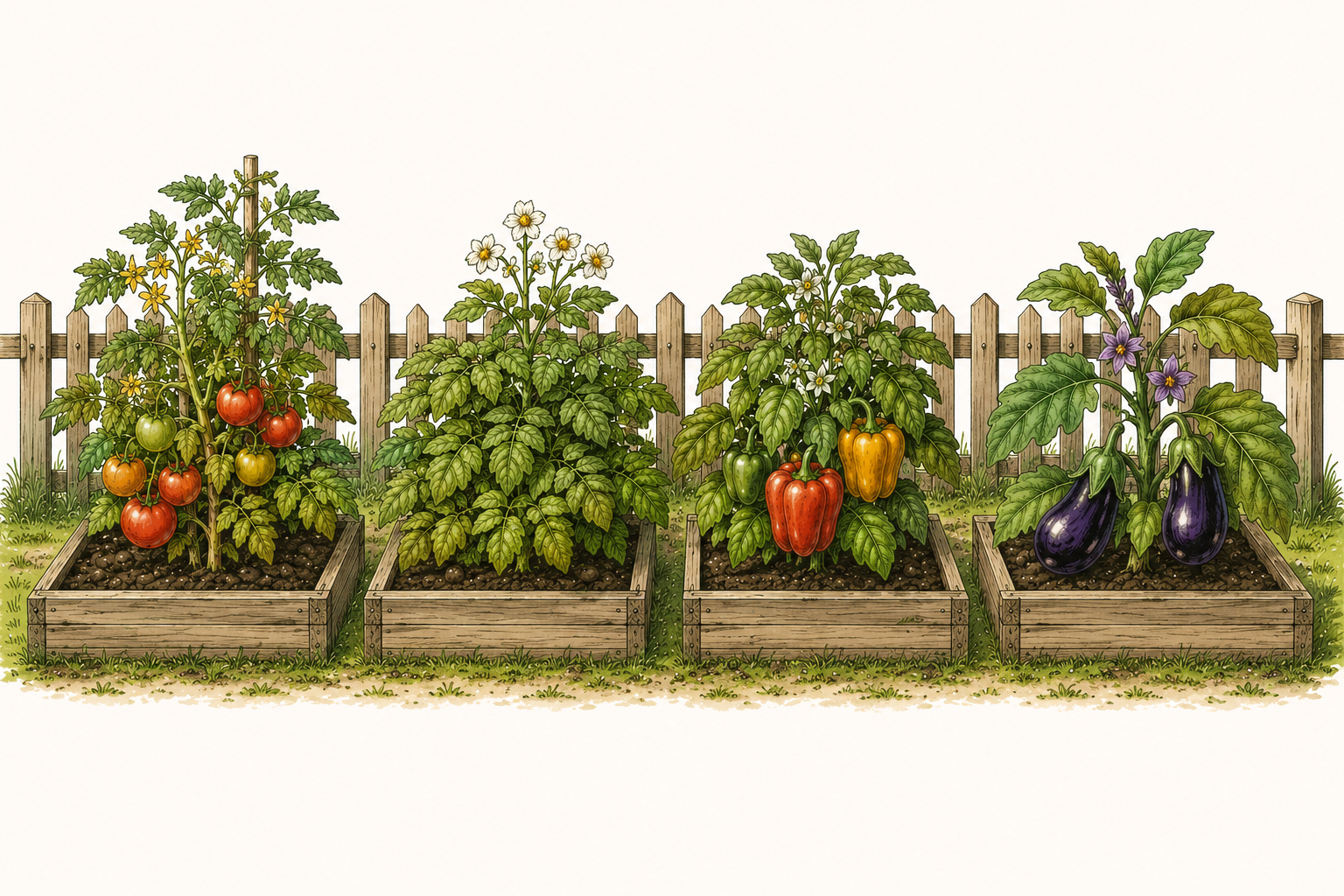
Pets and Nightshades: Tomatoes, Potatoes and More
Learn how to grow tomatoes, potatoes, peppers, and eggplants safely in pet-friendly gardens and understand plant-part risks.
Guide
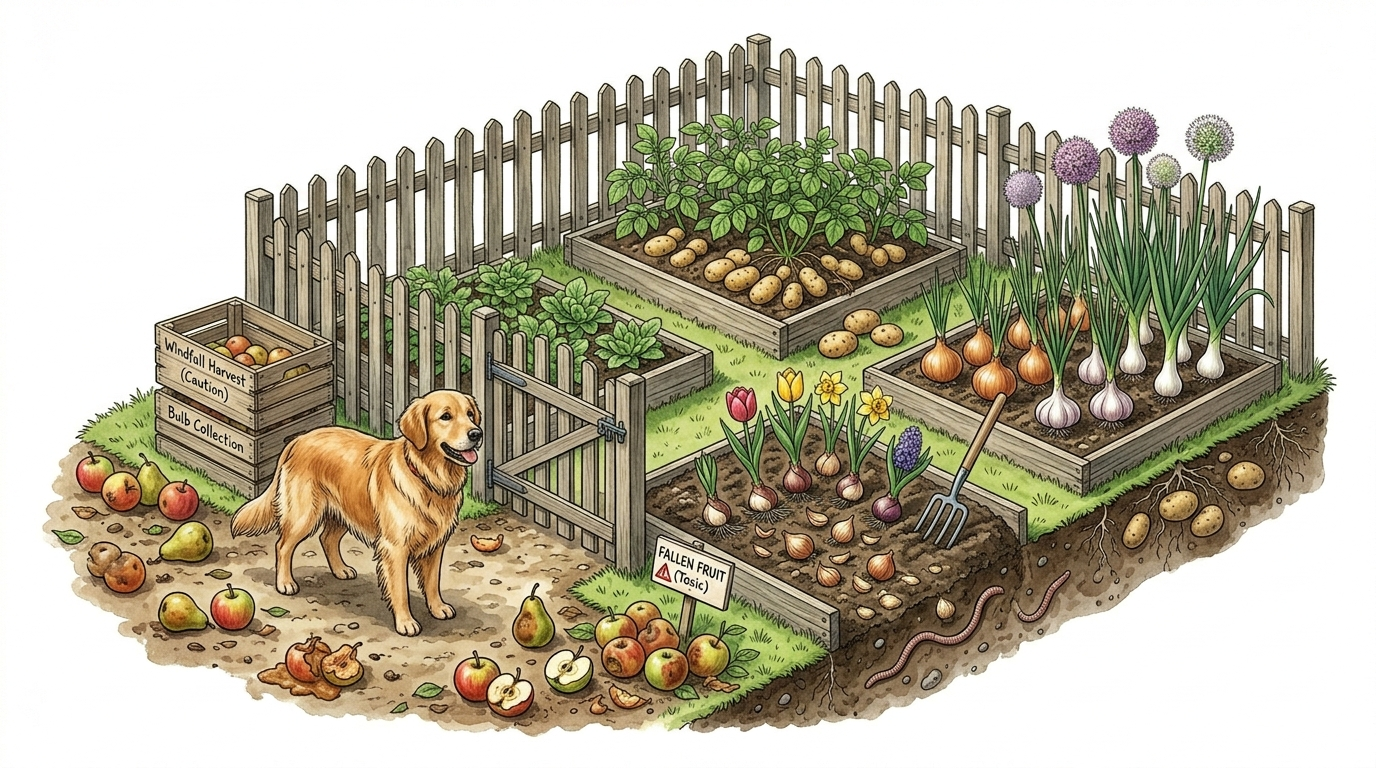
Dogs in the Garden: Windfall Fruit and Risks
Keep your garden dog-safe by managing windfall fruit, seeds, stored crops, and potentially problematic plant parts.
Guide
Horse Pastures and Garden Plants: Safety Checks
Learn how to identify risks near horse pastures, fences, turnout areas, fruit trees, and garden planting zones.
Guide
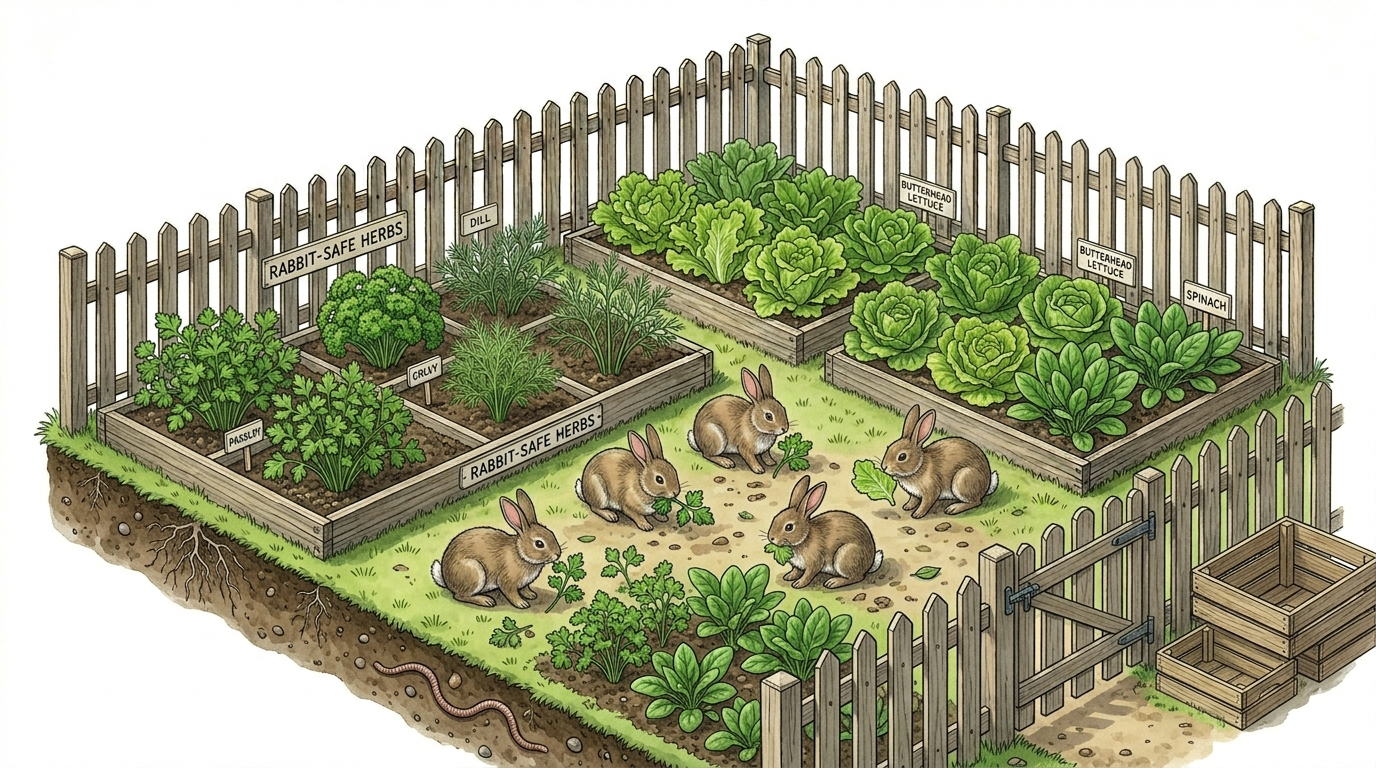
Rabbits in the Garden: Herbs and Vegetables
Learn how to choose suitable herbs and vegetables for rabbits, grow feeding plants, and plan a rabbit-friendly garden.
Internal links
Related plants
tomato
Both are members of the Solanaceae family, sharing similar cultivation needs and susceptibilities to certain pests and diseases.
Both are medium feeders requiring balanced nutrients, particularly during fruiting.
Pepper
Both are members of the Solanaceae family.
Both are medium feeders requiring balanced nutrients, particularly during fruiting.
Eggplant
Both are members of the Solanaceae family, sharing similar cultivation needs and susceptibilities to certain pests and diseases.
Both require consistent moisture and are sensitive to drought and waterlogging.
Potato
Both are members of the Solanaceae family.
Berry
Classified as a berry crop.
Powdery mildew
Can be affected by powdery mildew, similar to other Solanaceae.
Grey mold
Susceptible to grey mold, especially in humid conditions, common in Solanaceae.
Aphids
Commonly attacked by aphids, a widespread pest in many plant families.
Gooseberry
Both are small, tart fruits often used in jams, desserts, and pies.
Sources
Public sources
- Wikidata entity
Wikidata · 2026-05-11
- GBIF species match
GBIF · 2026-05-11
- Deutschsprachige Wikipedia: Kapstachelbeere
Wikipedia · 2026-05-11
- English Wikipedia: Physalis peruviana
Wikipedia · 2026-05-11