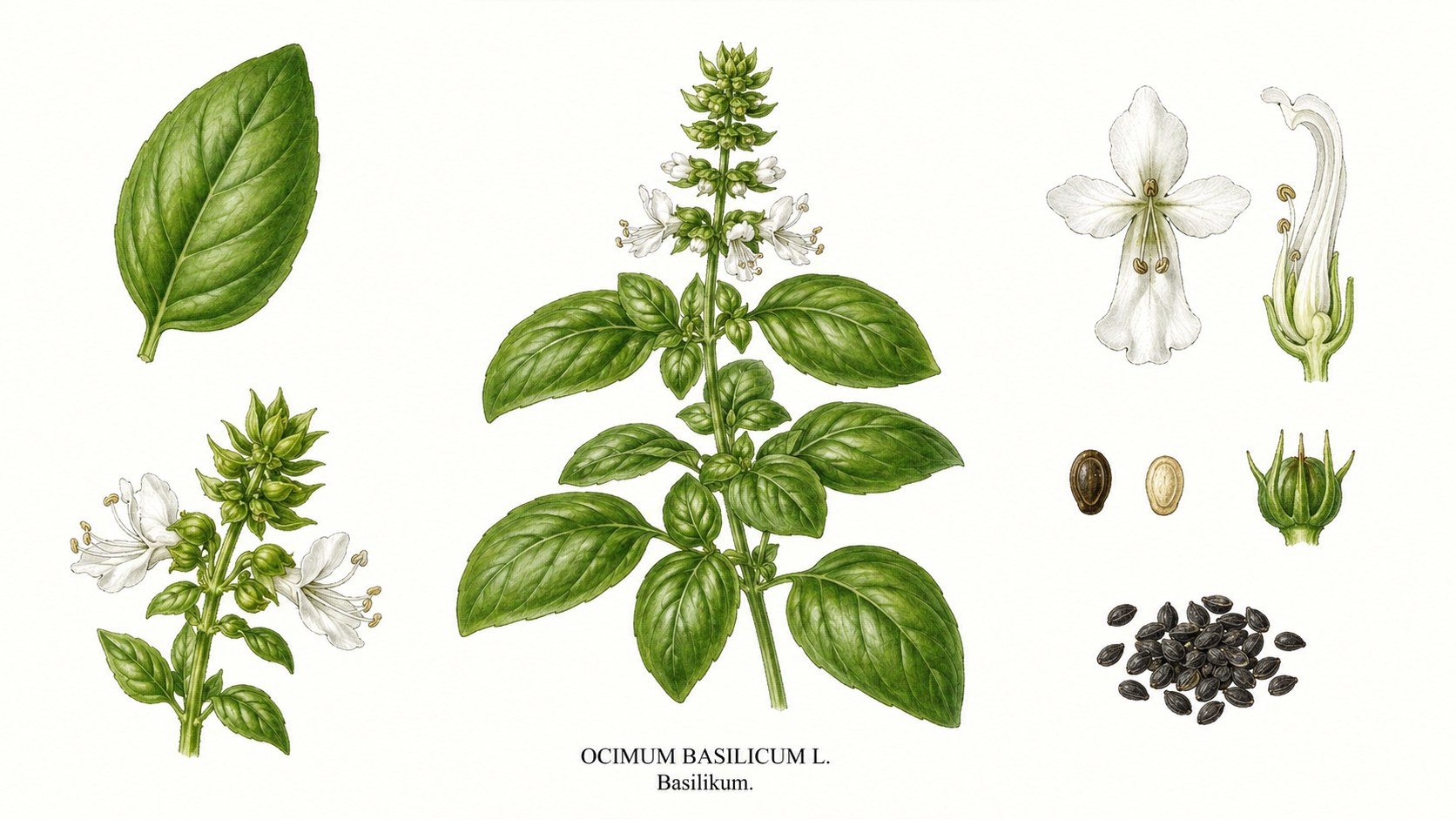
Quick profile
Key data
Suitable growing locations:
Indoor & direct sowing
basil: Sowing and germination
Start warm and bright under cover.
Sow only after frost risk into warm soil.
Planting & site
basil: Planting and spacing
Plant out after frost into warm sheltered sites.
Site & practical notes
Temperature & frost
basil: Temperature and site
Water & nutrients
basil: Water, nutrients and care
Container & growth
basil: Container, support and growth
Year plan
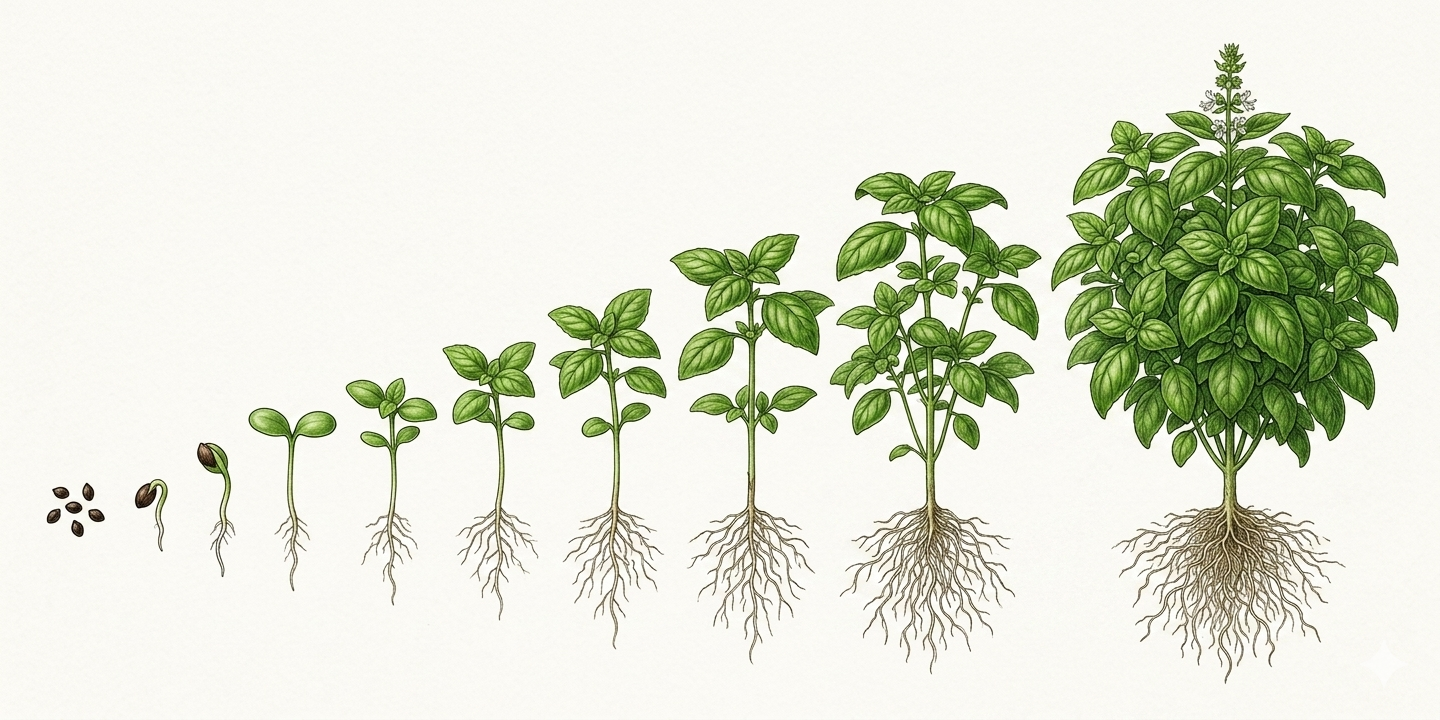
basil Calendar
From mid-May, after the Ice Saints, basil can be planted outdoors. Bring potted plants indoors before the first frost in autumn.
Recurring tasks
Relevant now
June
- No additional single task
Next up
July
- No additional single task
Monthly tasks
Single tasks from monthly data; repeated seasonal windows are shown in the overview above.
January
Quiet month
February
Quiet month
March
No additional single task
April
No additional single task
May
No additional single task
June
No additional single task
August
No additional single task
September
No additional single task
October
Quiet month
November
Quiet month
December
Quiet month
Pruning & care
basil Pruning & care
Pruning timing
Sowing and planting Plant out after the Ice Saints when no late frosts are expected.
Harvesting and succession sowing Harvest regularly to delay flowering and promote leaf growth.
Final harvest and sowing for winter cultivation Growth stops below 10°C. Move pots indoors.
Avoid
Tools and hygiene
Disinfect scissors and knives with alcohol before and after pruning to prevent fungal infections.
Companion guide
basil Companion guide
Use & storage
basil Use & storage
Cut shoot tips regularly.
Storage
Storage life: short fresh shelf life, Conditions: cool, clean, and dry or slightly humid depending on crop, Processing options: pesto, freezing, infused oil
Flavor
sweet-aromatic, spicy depending on cultivar
Harvest
Cut shoot tips regularly.
Edibility & safety
basil Edibility & safety
For people
In brief: which parts are edible, which parts remain risky, and whether raw consumption makes sense.
Safety notes
Do not consume if identification is uncertain; do not infer medicinal claims.
Animal safety
For animals, the specific plant part matters here: some parts may be suitable, while others should be avoided. At least one critical rating is listed for 2 animal types.
Each row shows which parts are more suitable and which parts are critical.
Companion animals
 Dog
Dogleaves, young shoots
No risk parts listed
leaves, young shoots
No risk parts listed
Excessive consumption
usually no action needed
Excessive consumption, as with any plant material, could potentially cause mild gastrointestinal upset.
Open animal page Cat
CatNo suitable parts listed
Stems, Leaves, Seeds
No suitable parts listed
Stems, Leaves, Seeds
 Rabbit
leaves, young shoots
No risk parts listed
leaves, young shoots
No risk parts listed
Excessive consumption, Sensitive animals
Gastrointestinal upset (e.g., diarrhea, gas) if consumed in excess
observe
Basil is often considered a safe treat for rabbits, but specific scientific studies on rabbit safety are lacking. Based on its general culinary use and classification as non-toxic to dogs and cats, it is considered safe in moderation. Excessive consumption may lead to digestive upset.
Open animal page Guinea pig
leaves, young shoots
No risk parts listed
leaves, young shoots
No risk parts listed
Excessive consumption, Sensitive animals
Gastrointestinal upset (e.g., diarrhea, gas) if consumed in excess
observe
No direct species-specific source was found for guinea pigs. This is a cautious inference from the rabbits profile and the known plant-part risks.
Open animal page Hamster
leaves (in moderation), young shoots (in moderation)
No risk parts listed
leaves (in moderation), young shoots (in moderation)
No risk parts listed
overconsumption, individual sensitivity
digestive upset (if overconsumed)
observe
Basil is classified as non-toxic for dogs and cats. While no specific data is available for hamsters, its general culinary use and safety profile suggest it can be offered as an occasional treat in very small quantities. Overconsumption, particularly of essential oils, could potentially lead to digestive upset in sensitive small animals.
Open animal page Budgie
leaves, young shoots
No risk parts listed
leaves, young shoots
No risk parts listed
Excessive consumption, Individual sensitivity to essential oils
usually no action needed
Basil is generally considered non-toxic to many animals and humans. There are no specific toxicity data for budgies, but due to its general safety and nutritional value, it can be offered in very small amounts as an occasional treat. Excessive consumption should be avoided, as essential oils could be potentially problematic in large quantities.
Open animal pageFarm animals
 Horse
HorseNo suitable parts listed
No risk parts listed
No suitable parts listed
No risk parts listed
 Chicken
leaves, flowers
No risk parts listed
leaves, flowers
No risk parts listed
Overconsumption
usually no action needed
Basil is known to be non-toxic for humans and some pets. Likely safe in moderation as a treat for chickens, as it contains no known specific toxins for poultry. Overconsumption may lead to mild digestive upset due to its essential oils.
Open animal page Duck
Duckleaves, young shoots
No risk parts listed
leaves, young shoots
No risk parts listed
Overconsumption
usually no action needed
No direct species-specific source was found for ducks. This is a cautious inference from the geese profile and the known plant-part risks.
Open animal page Goose
Gooseleaves, young shoots
No risk parts listed
leaves, young shoots
No risk parts listed
Overconsumption
usually no action needed
Basil is generally considered non-toxic to humans, dogs, and cats. There is no specific data on toxicity for geese, but due to its general safety profile and culinary use, it is considered safe in moderation. Essential oils could theoretically cause reactions in sensitive animals in very large quantities, but this is unlikely with basil.
Open animal page Sheep
Sheepleaves, young shoots
No risk parts listed
leaves, young shoots
No risk parts listed
Very large quantities
usually no action needed
No specific data on the safety of basil for sheep is available. Basil is generally considered safe for human consumption and non-toxic to dogs and cats. It is classified as 'not recommended' due to the lack of specific feeding data for sheep and because it is not a typical forage plant. In very large quantities, the essential oils present could theoretically cause digestive upset.
Open animal page Goat
Goatleaves, young shoots
No risk parts listed
leaves, young shoots
No risk parts listed
usually no action needed
Basil is generally considered safe for goats in moderate amounts, based on its widespread use as a food plant and the absence of known toxicity for ruminants. Direct species-specific studies for goats are lacking in the provided sources.
Open animal page Cattle
leaves, young shoots
No risk parts listed
leaves, young shoots
No risk parts listed
Overconsumption, Concentrated forms (e.g., essential oils)
usually no action needed
No specific toxicity data is available for cattle. However, basil is considered non-toxic to dogs and cats and is commonly consumed by humans as a culinary herb. In small, incidental amounts, it is classified as safe, but it is not suitable as a regular feed. High quantities or concentrated essential oils could potentially be problematic.
Open animal page Pig
Pigleaves, young shoots
No risk parts listed
leaves, young shoots
No risk parts listed
usually no action needed
Basil is a popular herb that may be safe for pigs in small quantities as a treat. Large amounts or concentrated essential oils should be avoided.
Open animal pageThese guidelines are for general information only and do not replace veterinary diagnosis. If critical plant parts were ingested or the animal shows unusual behaviour or symptoms, seek veterinary advice.
Max risk
4 / 5
Highest status
toxic
Urgency
contact a vet if ingested
Practical tips
basil Practical tips
Common beginner mistakes
Success pattern
High-impact tips
Grower observations
Plant Profile
Additional plant images

Health
Pests, Diseases
Plant health
Diagnosis help
basil Diagnosis help
Pest groups
Disease groups
Prevention
Diagnosis
Assess symptoms together with site, weather, and growth stage.
FAQ
Can you overwinter basil?
Basil is frost-sensitive and cannot overwinter outdoors in Central Europe. Potted plants should be moved indoors before the first frost. Bright, cool rooms at 10–15°C are ideal. Alternatively, propagate basil from cuttings in autumn and overwinter these.
Why is my basil turning yellow?
Yellow leaves can have various causes: too much water (root rot), too little water (drying out), nutrient deficiency (especially nitrogen), or a fungal infection (e.g., downy mildew). Check watering, drainage, and location. If fungal infection occurs, remove affected leaves and treat with a suitable fungicide.
How often should I water basil?
Basil requires evenly moist soil but no waterlogging. Water when the top layer of soil (about 2 cm) is dry. In summer, this may be necessary daily, in pots more frequently than outdoors. Waterlogging leads to root rot and must be avoided.
Can you grow basil from cuttings?
Yes, basil can be easily propagated from cuttings. Cut 10–15 cm long shoot tips, remove the lower leaves, and place the cuttings in a glass of water. Roots form after about 1–2 weeks. Alternatively, cuttings can be planted directly in soil.
What soil does basil need?
Basil prefers nutrient-rich, loose, and well-draining soil with a pH between 6.0 and 7.5. A mix of herb soil and some sand or perlite works well. Avoid heavy, clayey soils that can lead to waterlogging.
Why is my basil flowering?
Basil flowers when it becomes too old or is under stress (e.g., due to insufficient water, nutrient deficiency, or high temperatures). Flowering leads to bitter leaves and reduces flavor. Regular harvesting and pinching off flower buds can prevent this.
Can you grow basil outdoors?
Yes, basil can be grown outdoors once no late frosts are expected (after the Ice Saints, mid-May). Choose a sunny, sheltered spot with nutrient-rich, well-draining soil. Outdoors, the harvest is often more abundant than in pots.
How do you store fresh basil?
Fresh basil lasts about 3–5 days in the refrigerator if the stems are placed in a glass of water and the glass is covered with a plastic bag. Alternatively, wash, dry, and store the leaves in an airtight container in the freezer. Another method is freezing in ice cubes with olive oil.
Can you freeze basil?
Yes, basil freezes well. Wash the leaves, dry them thoroughly, and freeze either in ice cubes with olive oil or in portions in freezer bags. Frozen basil is suitable for cooked dishes but loses some freshness for raw use.
Why is basil turning brown?
Brown leaves or stems can be caused by sunburn (from too intense sun), fungal infections (e.g., botrytis), or very dry air (especially from heating). Check the location and humidity. Remove affected plant parts and treat for fungal infections.
Is basil safe for Dog?
basil is classified as moderation only for Dog. Risk: 1 / 5. Urgency: usually no action needed. Excessive consumption, as with any plant material, could potentially cause mild gastrointestinal upset.
Is basil safe for Cat?
basil is classified as toxic for Cat. Risk: 4 / 5. Urgency: contact a vet if ingested. No reliable species-specific assessment is available.
Is basil safe for Rabbit?
basil is classified as moderation only for Rabbit. Risk: unknown. Urgency: observe. Basil is often considered a safe treat for rabbits, but specific scientific studies on rabbit safety are lacking. Based on its general culinary use and classification as non-toxic to dogs and cats, it is considered safe in moderation. Excessive consumption may lead to digestive upset.
Is basil safe for Sheep?
basil is classified as do not feed for Sheep. Risk: unknown. Urgency: usually no action needed. No specific data on the safety of basil for sheep is available. Basil is generally considered safe for human consumption and non-toxic to dogs and cats. It is classified as 'not recommended' due to the lack of specific feeding data for sheep and because it is not a typical forage plant. In very large quantities, the essential oils present could theoretically cause digestive upset.
Guides
Related guides
Guide
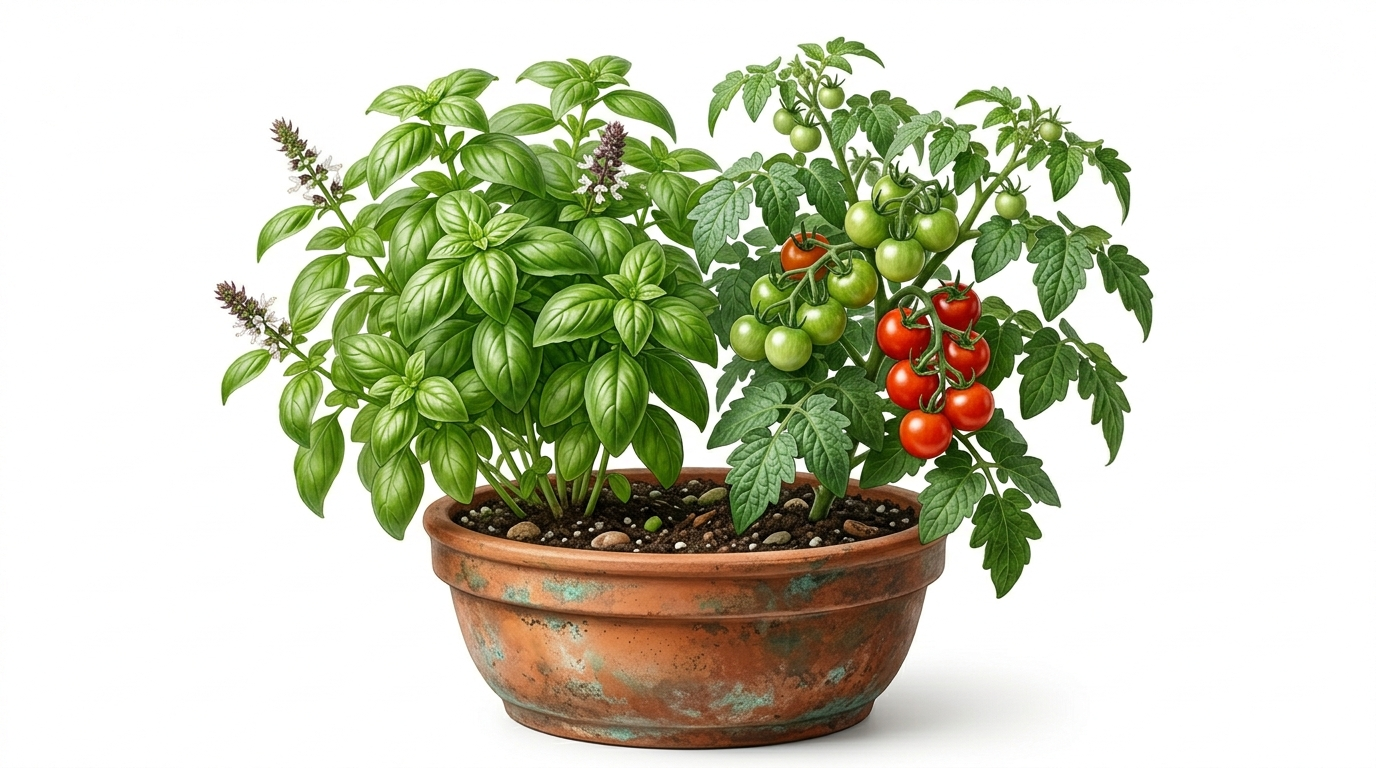
Growing Basil: Site, Watering and Harvesting
Learn how to grow basil successfully with the right site, steady watering, regular harvesting, and tips to delay flowering.
Guide
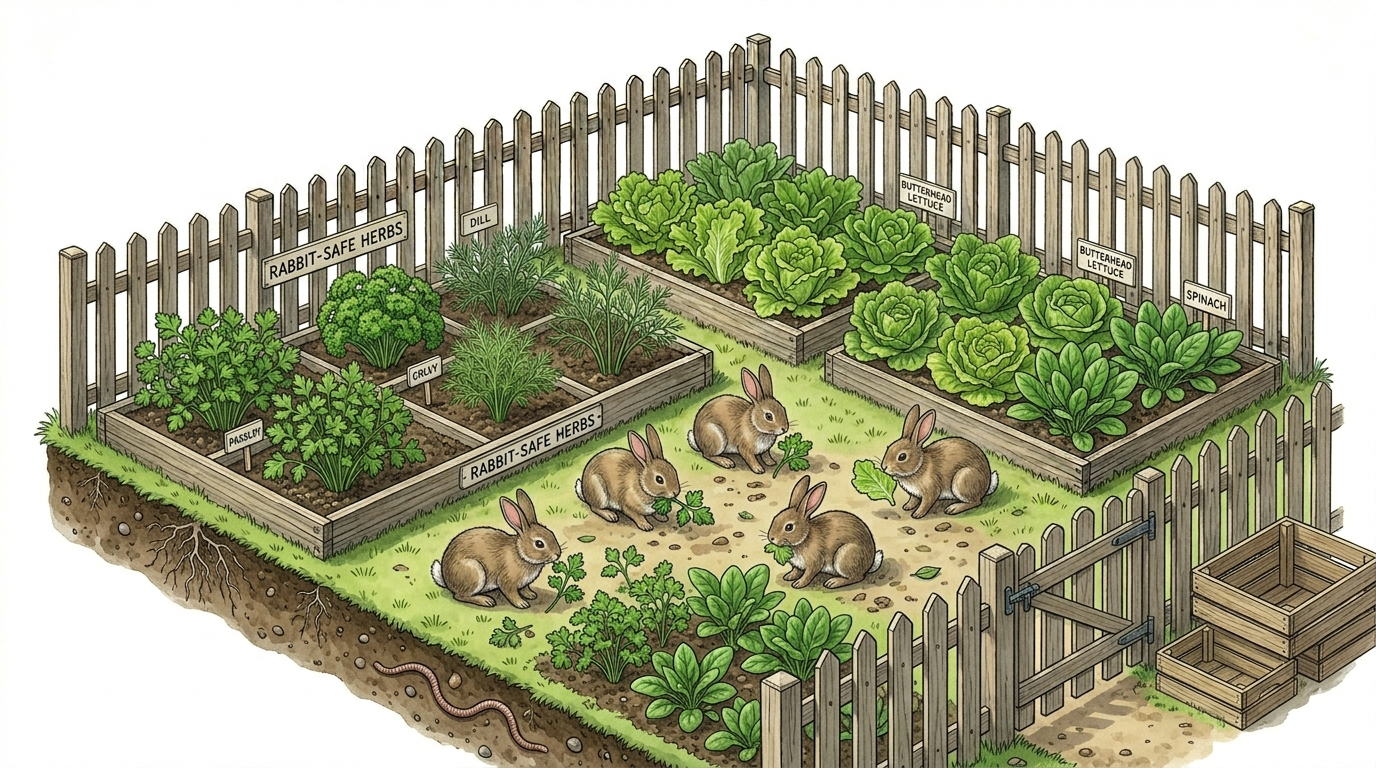
Rabbits in the Garden: Herbs and Vegetables
Learn how to choose suitable herbs and vegetables for rabbits, grow feeding plants, and plan a rabbit-friendly garden.
Guide
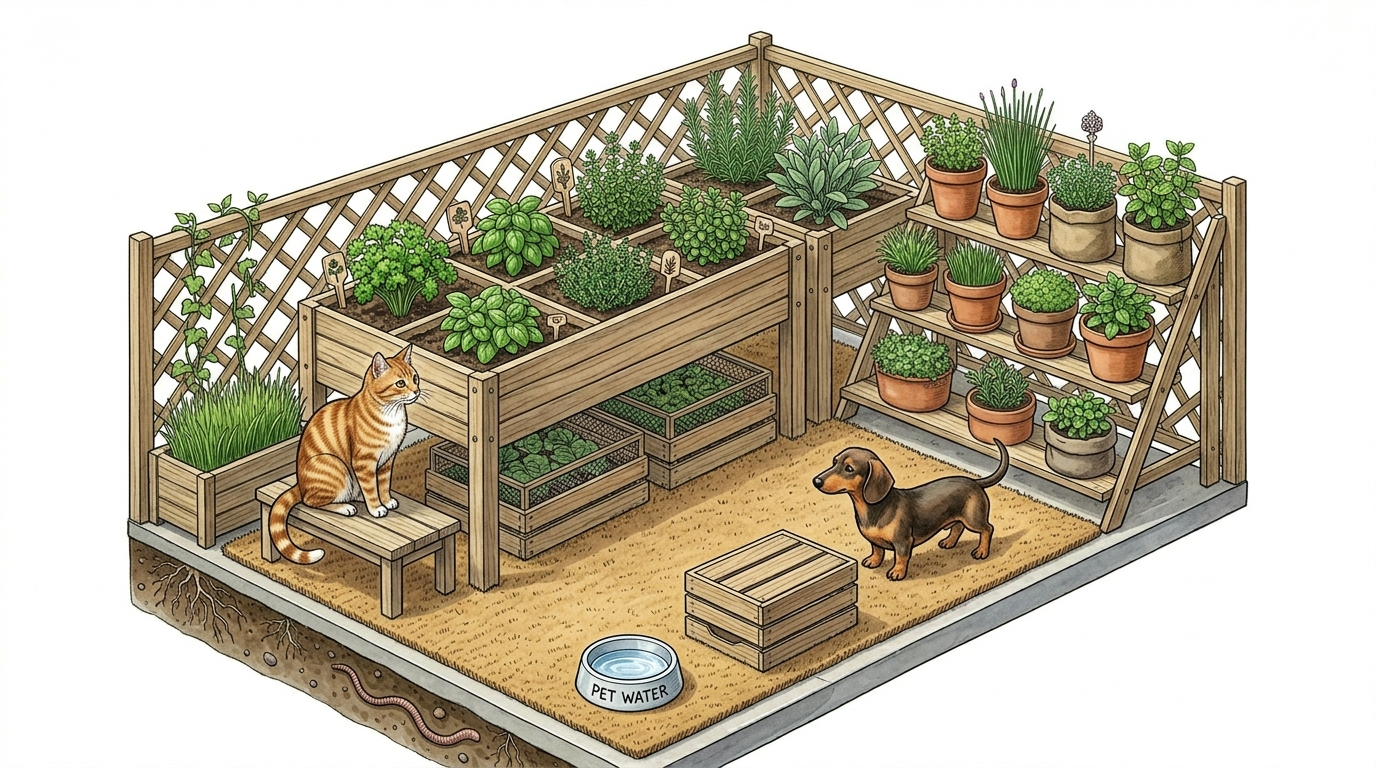
Pet-Safe Herb Gardens for Balconies and Beds
Learn how to create a pet-safe herb garden with suitable herbs, thoughtful layouts, and practical maintenance strategies.
Guide
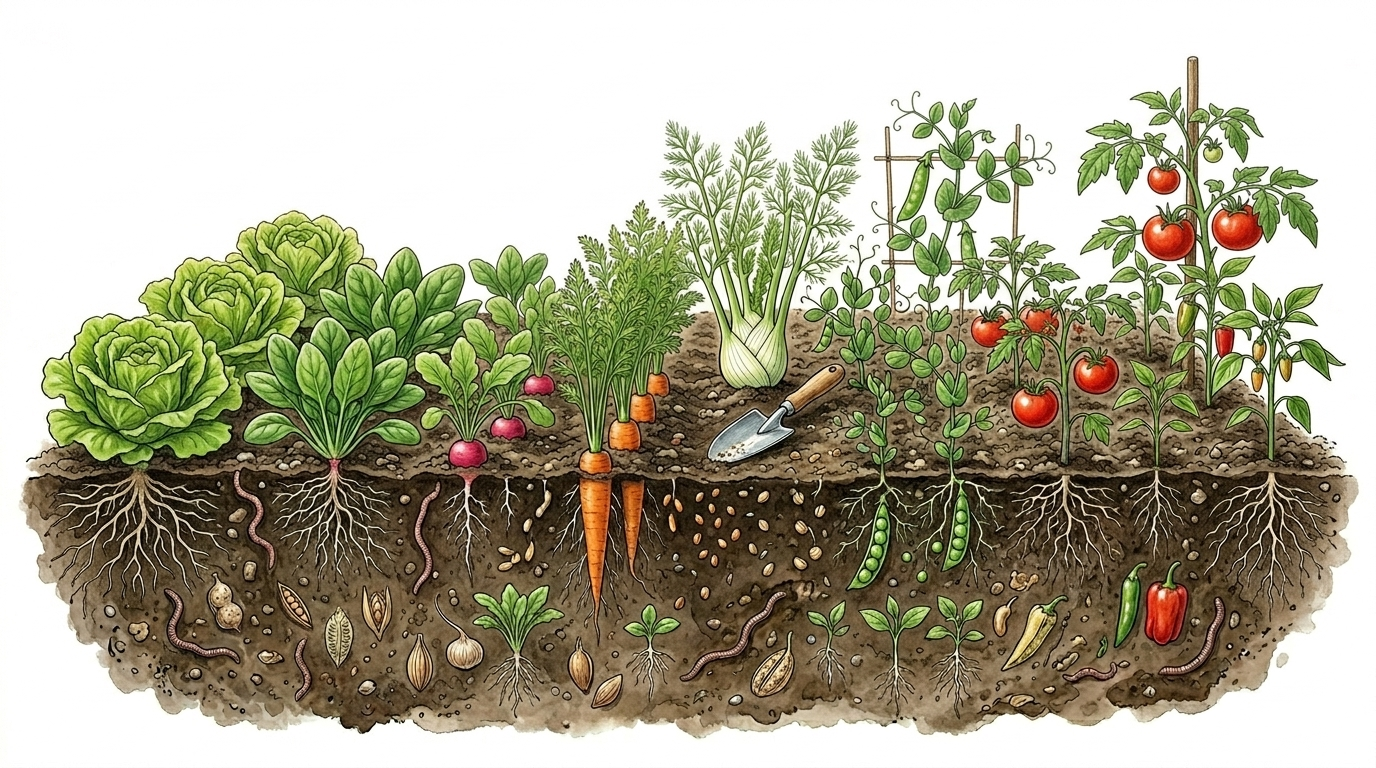
May Planting Calendar: Transplanting and Succession Sowing
What to plant and sow in May: transplant tender vegetables, continue succession sowing, and make the most of garden beds.
Internal links
Related plants
Rosmarinus tomentosus
Both belong to the mint family and have similar site requirements.
Rosemary belongs to the mint family like basil and has similar care requirements.
common sage
Sage is another mint-family herb with Mediterranean origins.
Sage is another mint-family herb with Mediterranean origins and similar growing conditions.
Thymus
Thyme and basil thrive under similar conditions and are often grown together.
Thyme and basil thrive in well-draining, nutrient-rich soil.
peppermint
Peppermint belongs to the mint family like basil.
parsley
Both are popular culinary herbs often grown together.
Both require nutrient-rich soil and regular fertilization for optimal growth.
Coriander
Coriander and basil are often combined in Asian and Mediterranean dishes.
Coriander and basil have similar water requirements.
Dill
Dill and basil have similar site requirements and are often combined in herb gardens.
downy mildew
Downy mildew can also affect basil, especially in humid weather and poor ventilation.
root rot
Basil is particularly susceptible to root rot in waterlogged conditions.
Sources
Public sources
- Wikidata entity
Wikidata · 2026-05-12
- GBIF species match
GBIF · 2026-05-12
- Deutschsprachige Wikipedia: Basilikum
Wikipedia · 2026-05-12
- English Wikipedia: Basil
Wikipedia · 2026-05-12