Plant Profile
gooseberryRibes uva-crispa
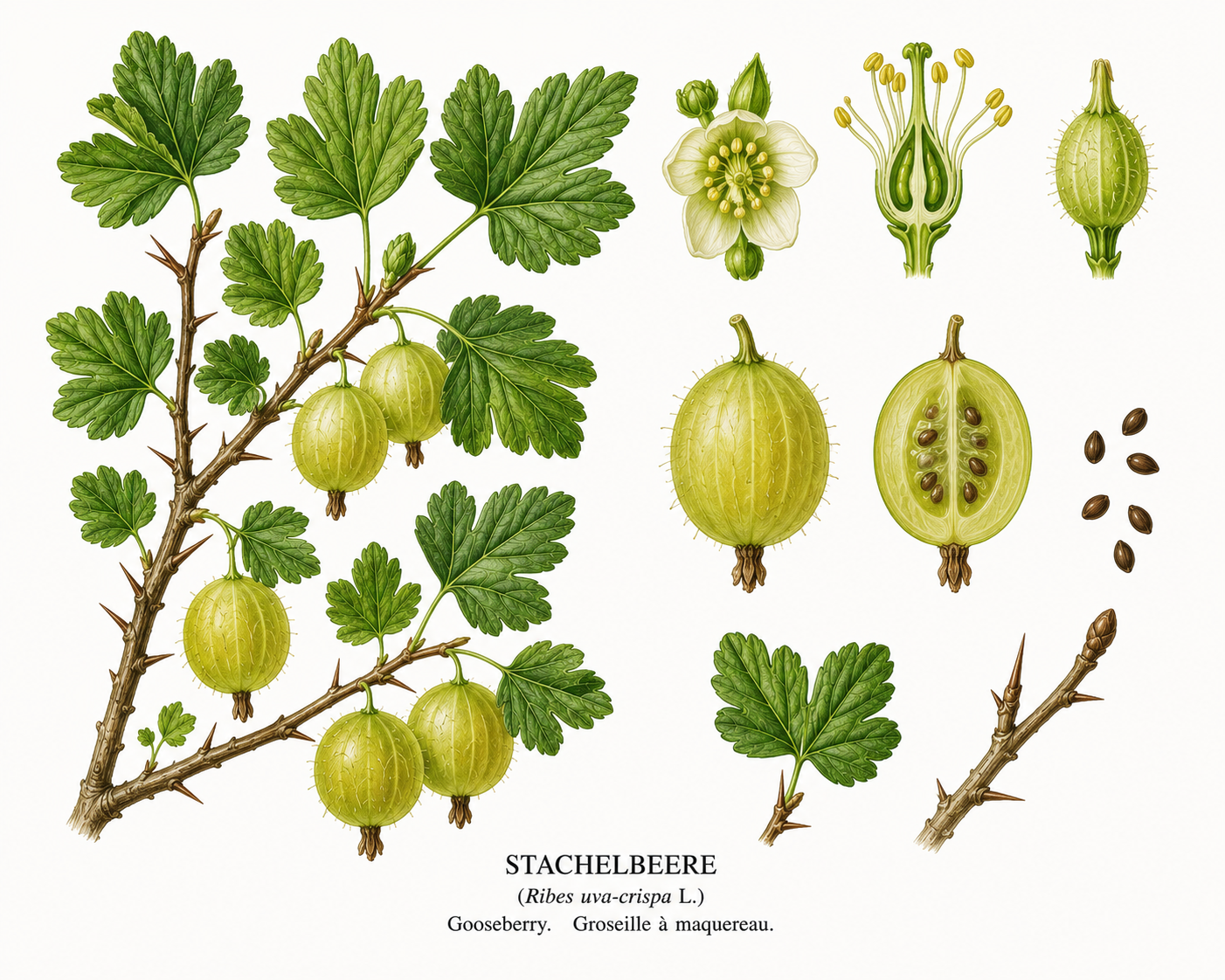
Gooseberry is a hardy, perennial shrub that yields tasty berries from June to August. It prefers sunny to semi-shaded sites and humus-rich soil.
Quick profile
Key data
Suitable growing locations:
Good neighbors
marigoldnasturtiumchives
Avoid
blackcurrantraspberry
Indoor & direct sowing
gooseberry: Sowing and germination
Gooseberries are typically planted as shrubs or propagated by cuttings; indoor sowing from seed is uncommon.
Autumn planting of bushes is ideal; spring planting (March/April) is also possible.
Planting & site
gooseberry: Planting and spacing
Best planted in autumn (October/November) or early spring.
Site & practical notes
Overview: Gooseberries are low-maintenance but require regular pruning and adequate water during fruit development. Choose mildew-resistant varieties., Key actions: Plant in autumn or spring, Prune annually in late winter, Water during dry spells, Apply mulch, Watch for mildew and sawfly
Temperature & frost
gooseberry: Temperature and site
Water & nutrients
gooseberry: Water, nutrients and care
Container & growth
gooseberry: Container, support and growth
Year plan
gooseberry Calendar
In June, harvest begins – the first ripe gooseberries are a special joy.
Recurring tasks
Relevant now
June
- No additional single task
Next up
July
- No additional single task
Monthly tasks
Single tasks from monthly data; repeated seasonal windows are shown in the overview above.
January
Quiet month
February
Pruning
- Complete pruningfrostfrei: Remove old shoots at ground level, leave about 8–10 strongest shoots per bush.
March
No additional single task
April
Growing
- Apply mulchBoden feucht: Mulch retains soil moisture and suppresses weeds.
May
Quiet month
June
No additional single task
August
Harvest
- Harvest late cultivarsFrüchte reif: After-ripening on the plant is possible.
September
No additional single task
October
No additional single task
November
Growing
- Prepare winter protectionMound up soil or mulch around young bushes.
December
Growing
- Check after snowSchneefall: Gently brush snow off branches to prevent breakage.
Flowering & pollination
gooseberry Flowering & pollination
Self-fertility
high
Pollinator needed
no
Overview
Gooseberries are mostly self-fertile, but cross-pollination by bees and bumblebees improves fruit set and size.
Notes
Bees and bumblebees readily visit the flowers. Single-cultivar fruit set is good, but multiple cultivars increase yield.
Pruning & care
gooseberry Pruning & care
Pruning type
Auslichtung
Notes
Prune in late winter (February) on frost-free days. A light thinning cut can also be made after harvest (August/September). For standards, also shape in summer.
Pruning timing
Main prune: thinning, rejuvenation, maintaining fruitfulness. Only on frost-free days.
Light prune: remove spent shoots, thin for better light penetration. Light pruning only, so the plant can still ripen before winter.
Remove
Preserve
Avoid
Tools and hygiene
Disinfect tools before and after pruning (e.g. with 70% alcohol). Especially important with diseased shoots to avoid spreading fungal diseases.
Companion guide
gooseberry Companion guide
Good neighbors
marigoldnasturtiumchives
Avoid
blackcurrantraspberry
Use & storage
gooseberry Use & storage
Main harvest from June to August, depending on the cultivar.
Storage
Short-term storage in refrigerator; longer via freezing, canning or drying.
Storage life
Refrigerator: 3 to 5 days; frozen: 8 to 12 months; canned: 12 to 24 months.
Harvest
Main harvest from June to August, depending on the cultivar.
Processing
After harvest
Store berries cool and shaded; do not wash before cooling. Process immediately or refrigerate. Slightly underripe fruit can be used for jam.
Notes
Enjoy fresh, or use in desserts, sauces, and chutneys. Also in savoury dishes with game or poultry. Remove stem and blossom ends before eating.
Edibility & safety
gooseberry Edibility & safety
For people
In brief: which parts are edible, which parts remain risky, and whether raw consumption makes sense.
Safety notes
Gooseberries are non-toxic. Leaves and unripe fruit contain small amounts of oxalic acid; large quantities may cause stomach upset.
Animal safety
For many animals, this plant is generally low-risk: 14 animal types are rated suitable or mostly suitable. Quantity, plant part, and individual tolerance still matter.
Each row shows which parts are more suitable and which parts are critical.
Companion animals
 Dog
Dogfruit (fully ripe)
No risk parts listed
fruit (fully ripe)
No risk parts listed
usually no action needed
Fully ripe fruit is suitable for dogs in small amounts as an occasional treat. No indications of toxicity in dogs.
Open animal page Cat
Catfruit (fully ripe)
leaves, stems, unripe fruit
fruit (fully ripe)
leaves, stems, unripe fruit
Large quantities of leaves or unripe fruit
stomach upset, vomiting
observe
Fully ripe fruit is suitable for cats in small amounts as an occasional treat. Leaves, stems, and unripe fruit contain oxalic acid and may cause gastrointestinal upset. Seek veterinary advice if large quantities are ingested.
Open animal page Rabbit
fruit (fully ripe)
No risk parts listed
fruit (fully ripe)
No risk parts listed
usually no action needed
Fully ripe fruit is suitable for rabbits in small amounts as an occasional treat. No indications of toxicity in rabbits.
Open animal page Guinea pig
fruit (fully ripe)
leaves, stems, unripe fruit
fruit (fully ripe)
leaves, stems, unripe fruit
Excessive consumption of leaves, stems, or unripe fruit, Large quantities of seeds
gastrointestinal upset, diarrhea
observe
Fully ripe fruit is safe for guinea pigs in moderation and can be given as an occasional treat. Leaves, stems, unripe fruit, and large quantities of seeds contain oxalic acid and may cause gastrointestinal upset. Not suitable as a primary feed.
Open animal page Hamster
fruit (fully ripe)
No risk parts listed
fruit (fully ripe)
No risk parts listed
usually no action needed
Fully ripe fruit is suitable for hamsters in small amounts as an occasional treat. No indications of toxicity in hamsters.
Open animal page Budgie
fruit (fully ripe)
leaves, stems, seeds (in large quantities)
fruit (fully ripe)
leaves, stems, seeds (in large quantities)
Excessive consumption of leaves, stems, or seeds, Unripe fruit
stomach upset, diarrhea
observe
Fully ripe gooseberries are suitable for budgies in small amounts as an occasional treat. Leaves, stems, and seeds contain oxalic acid and may cause gastrointestinal upset if consumed excessively. Only feed ripe fruit, remove seeds, and limit quantity.
Open animal pageFarm animals
 Horse
Horsefruit (fully ripe)
leaves, stems, unripe fruit
fruit (fully ripe)
leaves, stems, unripe fruit
Overconsumption of leaves, stems, or unripe fruit
stomach upset, diarrhea
observe
Fully ripe fruit is safe for horses in moderation and can be given as an occasional treat. Leaves, stems, and unripe fruit contain oxalic acid and may cause gastrointestinal upset if consumed in large quantities. No indications of severe toxicity in horses available.
Open animal page Chicken
fruit (fully ripe)
leaves, stems, unripe fruit
fruit (fully ripe)
leaves, stems, unripe fruit
Excessive consumption of leaves, stems, or unripe fruit, Large quantities of seeds
gastrointestinal upset, diarrhea
observe
Fully ripe fruit is safe for chickens in moderation and can be given as a treat. Leaves, stems, unripe fruit, and large quantities of seeds contain oxalic acid and may cause gastrointestinal upset. No indications of severe poisoning in chickens known. Consult a veterinarian if symptoms occur.
Open animal page Duck
Duckfruit (fully ripe)
leaves, stems, unripe fruit
fruit (fully ripe)
leaves, stems, unripe fruit
Excessive consumption of leaves, stems, or unripe fruit, Large quantities of seeds
gastrointestinal upset, diarrhea
 Goose
Goosefruit (fully ripe)
leaves, stems, seeds (in large quantities)
fruit (fully ripe)
leaves, stems, seeds (in large quantities)
Overconsumption of leaves, stems, or seeds, Consumption of unripe fruit
stomach upset, diarrhea
observe
Fully ripe fruit is safe for geese in moderation and can be given as a treat. Leaves, stems, and seeds contain oxalic acid and may cause gastrointestinal upset if consumed in excess. Unripe fruit should be avoided.
Open animal page Sheep
Sheepfruit (fully ripe)
leaves, stems, unripe fruit
fruit (fully ripe)
leaves, stems, unripe fruit
Overconsumption of leaves, stems, or unripe fruit, Large quantities of seeds
stomach upset, diarrhea
observe
Fully ripe fruit is generally safe for sheep as an occasional treat. Leaves, stems, unripe fruit, and large quantities of seeds contain oxalic acid and may cause gastrointestinal upset. Feed only ripe fruit in limited amounts. Consult a veterinarian if symptoms occur.
Open animal page Goat
Goatfruit (fully ripe)
leaves, stems, unripe fruit
fruit (fully ripe)
leaves, stems, unripe fruit
Excessive consumption of leaves, stems, or unripe fruit
gastrointestinal upset with excessive consumption
observe
Fully ripe fruit is generally safe for goats as an occasional treat. Leaves, stems, and unripe fruit contain oxalic acid and may cause gastrointestinal upset if consumed in large quantities. Goats are natural browsers, so access to plant parts should be controlled.
Open animal page Cattle
fruit (fully ripe)
leaves, stems, unripe fruit
fruit (fully ripe)
leaves, stems, unripe fruit
usually no action needed
Fully ripe fruit is suitable for cattle in small amounts as an occasional treat. Leaves, stems, unripe fruit, and large quantities of seeds may contain oxalic acid and cause gastrointestinal upset. No indications of toxicity in cattle.
Open animal page Pig
Pigfruit (fully ripe)
leaves, stems, seeds (in large quantities)
fruit (fully ripe)
leaves, stems, seeds (in large quantities)
Large quantities of unripe fruit or leaves
stomach upset
observe
Fully ripe fruit is generally safe for pigs as an occasional treat. Leaves, stems, and unripe fruit contain oxalic acid and may cause gastrointestinal upset if consumed in large quantities. Seeds should only be fed in very small amounts due to potential oxalic acid concentration. No indications of severe toxicosis in pigs found in literature. Separation of edible and potentially hazardous parts is important.
Open animal pageThese guidelines are for general information only and do not replace veterinary diagnosis. If critical plant parts were ingested or the animal shows unusual behaviour or symptoms, seek veterinary advice.
Max risk
unknown
Highest status
moderation only
Urgency
observe
Saving seed
gooseberry Saving seed
Method
Extract seeds from fully ripe fruit, remove pulp, allow to dry. Stratification (cold period) required for germination.
Seed extraction
Mash fruit, add water, rinse off pulp. Collect seeds on a sieve, dry.
Germination notes
Germination in spring after stratification, may take several weeks. Germination rate often low.
Notes
True-to-type propagation from seed is not guaranteed. For the garden, vegetative propagation (cuttings, layering) is recommended.
Practical tips
gooseberry Practical tips
Common beginner mistakes
Success pattern
High-impact tips
Grower observations
Plant Profile
Additional plant images

Health
Pests, Diseases
Pests
aphids
curled leaves, distorted shoot tips, sticky honeydew
gooseberry sawfly
Caterpillars eat leaves down to the skeletons.
spider mites
Pale leaves, fine webbing, leaf drop.
Diseases
American gooseberry mildew
White powdery coating on young shoots, leaves, and fruit; shoots become distorted.
gooseberry rust
Orange-red pustules on undersides of leaves, premature leaf drop.
leaf spot (Drepanopeziza ribis)
Brown spots on leaves that enlarge and cause premature leaf drop.
Deficiencies
kaliummangel
Leaf margins yellow and brown, fruits small and sour.
stickstoffmangel
Leaves light green to yellowish, weak growth.
bor
Leaves distorted, flower buds drop, fruit cracking.
Plant health
Diagnosis help
gooseberry Diagnosis help
Pest groups
Disease groups
Prevention
Diagnosis
Start by observing symptoms: powdery coating (mildew), feeding damage (sawflies), webbing (spider mites), spots (leaf spot, rust). Use the diagnostic table for initial assessment.
Cultural prevention
Monitoring
First response
Diagnostic rules
White powdery coating on young shoots, leaves and fruit
Possible causes: Amerikanischer stachelbeermehltau
- Check young shoots and fruit for infection
- Wet weather as trigger
Orange-red pustules on underside of leaves
Possible causes: Stachelbeerrost
- Check for sedges in the area
- Wet weather in recent days
Brown spots on leaves, premature leaf drop
Possible causes: Blattfallkrankheit
- Check for wet weather
- Look for old leaf debris from autumn
FAQ
What is the best time to plant gooseberries?
The best time is autumn (October/November) or early spring (March/April).
How often should I water gooseberries?
Keep evenly moist during fruit development in June/July, but avoid waterlogging. Mulching helps retain moisture.
How do I prune a gooseberry bush correctly?
In late winter on frost-free days, remove about 1/3 of the old shoots at ground level and leave 8–10 strong young shoots.
Which gooseberry variety is most productive?
'Invicta' is a very productive, mildew-resistant green variety. 'Hinnonmäki Röd' is a sweet red variety with good yield.
What to do against mildew on gooseberries?
Preventively choose resistant varieties, plant with sufficient spacing, and keep airy. If infested, spray wettable sulfur or a baking soda solution (1 tbsp per 1 L water).
Is gooseberry safe for Dog?
gooseberry is classified as moderation only for Dog. Risk: unknown. Urgency: usually no action needed. Fully ripe fruit is suitable for dogs in small amounts as an occasional treat. No indications of toxicity in dogs.
Is gooseberry safe for Cat?
gooseberry is classified as moderation only for Cat. Risk: unknown. Urgency: observe. Fully ripe fruit is suitable for cats in small amounts as an occasional treat. Leaves, stems, and unripe fruit contain oxalic acid and may cause gastrointestinal upset. Seek veterinary advice if large quantities are ingested.
Is gooseberry safe for Rabbit?
gooseberry is classified as moderation only for Rabbit. Risk: unknown. Urgency: usually no action needed. Fully ripe fruit is suitable for rabbits in small amounts as an occasional treat. No indications of toxicity in rabbits.
Is gooseberry safe for Guinea pig?
gooseberry is classified as moderation only for Guinea pig. Risk: unknown. Urgency: observe. Fully ripe fruit is safe for guinea pigs in moderation and can be given as an occasional treat. Leaves, stems, unripe fruit, and large quantities of seeds contain oxalic acid and may cause gastrointestinal upset. Not suitable as a primary feed.
Guides
Related guides
Guide
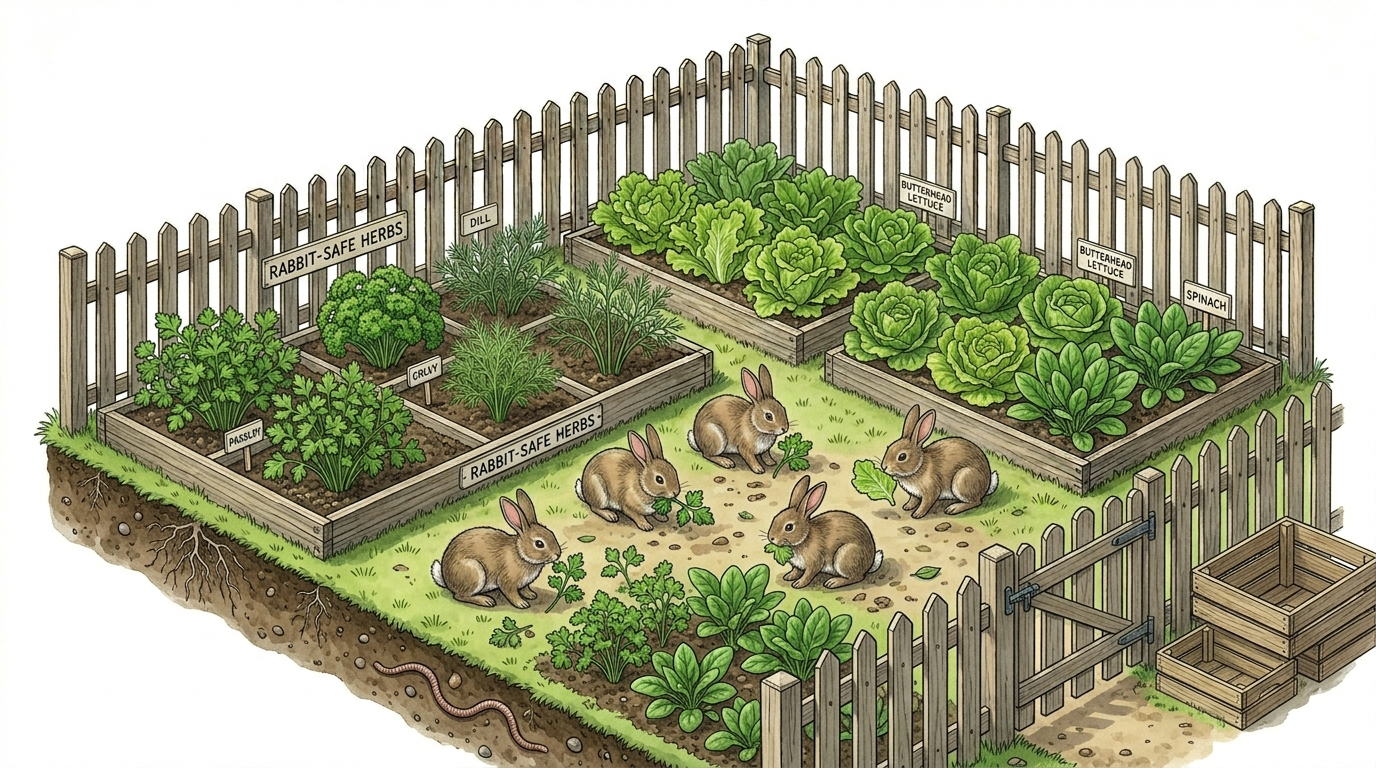
Rabbits in the Garden: Herbs and Vegetables
Learn how to choose suitable herbs and vegetables for rabbits, grow feeding plants, and plan a rabbit-friendly garden.
Guide
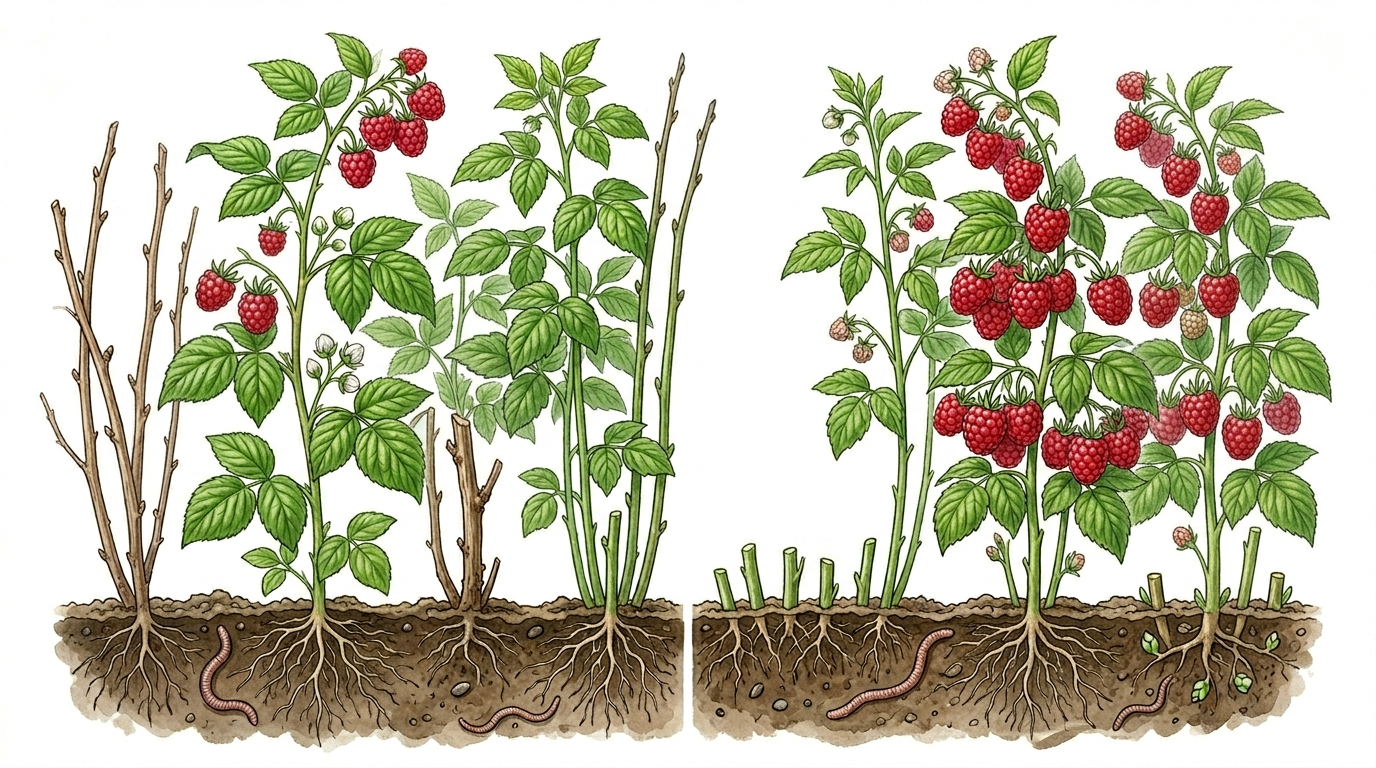
Pruning Raspberries: Summer and Autumn Types
Learn how to prune raspberries correctly by understanding the differences between summer-bearing and autumn-bearing types.
Guide
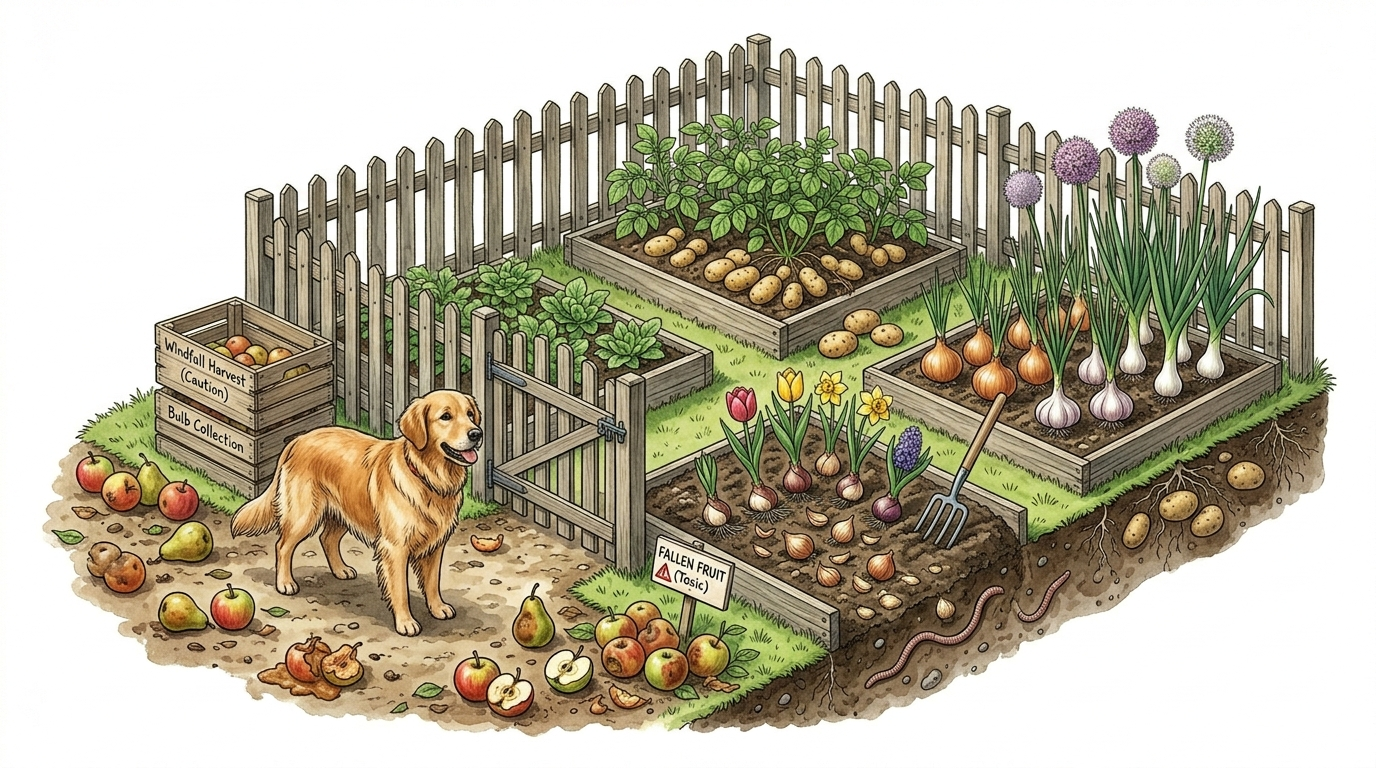
Dogs in the Garden: Windfall Fruit and Risks
Keep your garden dog-safe by managing windfall fruit, seeds, stored crops, and potentially problematic plant parts.
Guide
Horse Pastures and Garden Plants: Safety Checks
Learn how to identify risks near horse pastures, fences, turnout areas, fruit trees, and garden planting zones.
Internal links
Related plants
blackcurrant
Same family Grossulariaceae.
Both belong to the soft fruit group.
redcurrant
Same family Grossulariaceae.
Both belong to the soft fruit group.
Sources
Public sources
- Wikidata entity
Wikidata · 2026-05-15
- GBIF species match
GBIF · 2026-05-15
- Deutschsprachige Wikipedia: Stachelbeere
Wikipedia · 2026-05-15
- English Wikipedia: Ribes uva-crispa
Wikipedia · 2026-05-15