Plant Profile
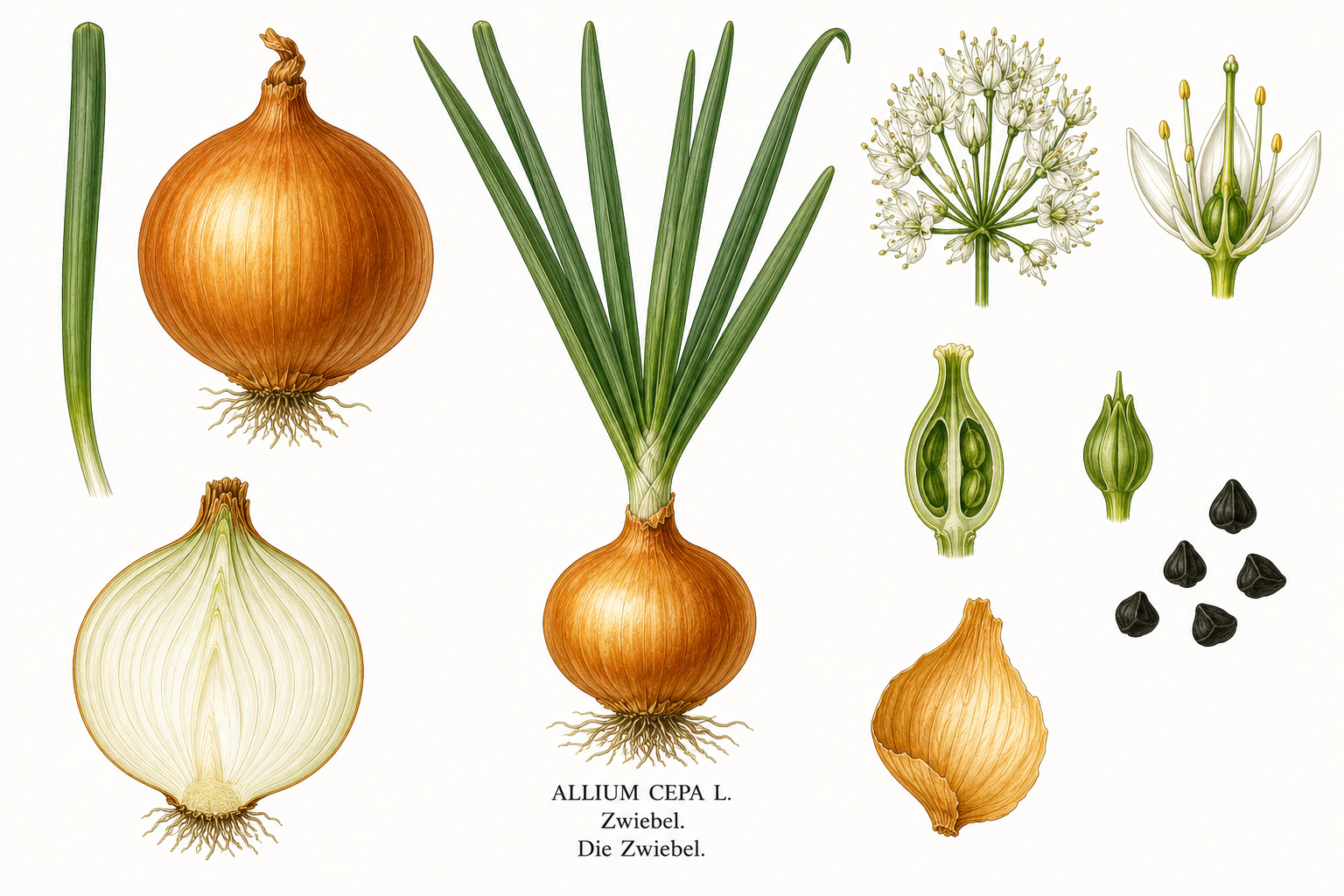
OnionAllium cepa
The bulb onion is an uncomplicated medium feeder boasting excellent shelf life when kept dry.
Quick profile
Key data
Suitable growing locations:
Good neighbors
CarrotLettuce
Avoid
PeaBush bean
Indoor & direct sowing
Onion: Sowing and germination
Indoor sowing for raising large bulb onion transplants.
Direct outdoor sowing as soon as the soil can be worked.
Planting & site
Onion: Planting and spacing
Planting onion sets or transplanting indoor-raised seedlings.
Site & practical notes
Watering rule: From July onwards, gradually cease watering to ensure proper curing and long storage potential., Soil preparation: Deeply loosen beds the previous autumn and work in mature compost; strictly avoid fresh manure in spring.
Temperature & frost
Onion: Temperature and site
Water & nutrients
Onion: Water, nutrients and care
Container & growth
Onion: Container, support and growth
Year plan
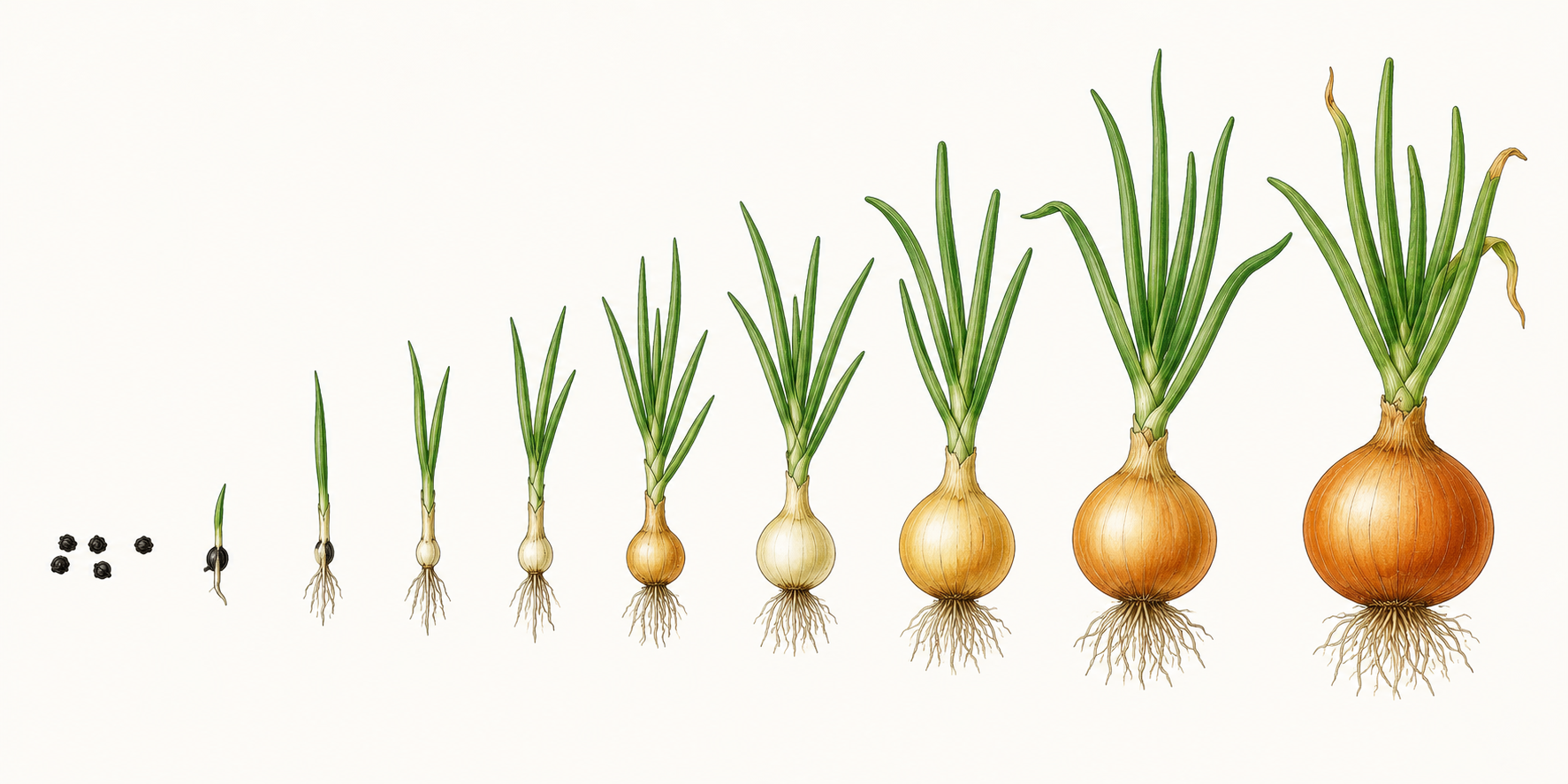
Onion Calendar
March is the ideal window to set the little bulbs into the ground.
Recurring tasks
Relevant now
June
- No additional single task
Next up
July
- No additional single task
Monthly tasks
Single tasks from monthly data; repeated seasonal windows are shown in the overview above.
January
Quiet month
February
No additional single task
March
No additional single task
April
No additional single task
May
Quiet month
June
Quiet month
August
No additional single task
September
No additional single task
October
Quiet month
November
Quiet month
December
Quiet month
Flowering & pollination
Onion Flowering & pollination
Flowering period
Months: 6, 7, 8, Notes: Flowering occurs in the summer of the second year of development.
Self-fertility
partially self-fertile
Pollinator needed
yes
Overview
Pollination is primarily carried out by insects such as honeybees, wild bees, and hoverflies. Wind pollination plays a minor role.
Notes
Although individual flowers are hermaphroditic, protandry mostly prevents self-pollination within the same flower; cross-pollination by insects ensures good seed set.
Pruning & care
Onion Pruning & care
Pruning timing
Suppression of flower development in bolting plants to preserve bulb quality Snap off flower buds at the base as soon as they appear. This rarely improves storage life for affected bulbs; they should be used fresh.
Remove
Prematurely emerging flower scapes (bolters) during the first growing year
Preserve
Healthy green foliage leaves for photosynthesis and bulb development
Avoid
Manually breaking, bending, or cutting healthy green foliage before natural maturity
Tools and hygiene
Tool hygiene is primarily relevant to avoid transmitting fungal diseases like Botrytis (neck rot) if knives are used instead of manual snapping.
Companion guide
Onion Companion guide
Good neighbors
CarrotLettuce
Avoid
PeaBush bean
Use & storage
Onion Use & storage
Harvest when the foliage naturally falls over and dries out.
Storage
Storage vegetable
Storage life
3 to 6 months (up to 8 months depending on the variety and under optimal conditions).
Flavor
Depending on the variety, ranging from pungent and sharp to savory or mild and sweet (sweet onions). Pungency is caused by sulfur-containing compounds.
Harvest
Harvest when the foliage naturally falls over and dries out.
Processing
After harvest
After pulling, let the bulbs cure for a few days on the bed in dry weather or in a well-ventilated, rain-protected location until the necks are completely dry.
Edibility & safety
Onion Edibility & safety
For people
In brief: which parts are edible, which parts remain risky, and whether raw consumption makes sense.
Safety notes
Non-toxic and highly beneficial for humans. Note: Allium species are highly toxic to domestic animals (dogs, cats, horses) due to disulfides, which destroy red blood cells.
Animal safety
For animals, the specific plant part matters here: some parts may be suitable, while others should be avoided. At least one critical rating is listed for 14 animal types.
Each row shows which parts are more suitable and which parts are critical.
Companion animals
 Dog
DogNo suitable parts listed
Bulb, Green shoots (leaves), Flowers
No suitable parts listed
Bulb, Green shoots (leaves), Flowers
All parts of the plant are toxic, Even small amounts can be dangerous, Dried or cooked onion remains toxic
Vomiting, Breakdown of red blood cells (hemolytic anemia, Heinz body anemia), Blood in urine
contact a vet if ingested
Onion (Allium cepa) contains N-propyl disulfide, which can cause hemolytic anemia in dogs. All plant parts are toxic, including raw, cooked, and dried forms. Seek veterinary advice immediately if ingested.
Open animal page Cat
CatNo suitable parts listed
Bulb, Green shoots (leaves), Flowers
No suitable parts listed
Bulb, Green shoots (leaves), Flowers
All onion species are toxic, Even small amounts can be dangerous, Dried or cooked onion remains toxic
Vomiting, Breakdown of red blood cells (hemolytic anemia, Heinz body anemia), Blood in urine
contact a vet if ingested
Onion (Allium cepa) contains N-propyl disulfide, which causes hemolytic anemia in cats. All plant parts are toxic, including raw, cooked, or dried onion. No safe feeding amount known. Seek veterinary advice immediately if ingested.
Open animal page Rabbit
No suitable parts listed
Bulb, Green shoots (leaves), Flowers
No suitable parts listed
Bulb, Green shoots (leaves), Flowers
All plant parts contain the toxic compound N-propyl disulfide, Rabbits are sensitive to hemolytic anemia from Allium compounds, Cumulative effect with repeated ingestion
Blood in urine, Weakness, Elevated heart rate
contact a vet if ingested
Onions (Allium cepa) are toxic to rabbits due to N-propyl disulfide, which causes hemolytic anemia. No part of the plant should be fed. Seek veterinary advice immediately if ingested.
Open animal page Guinea pig
No suitable parts listed
Bulb, Green shoots (leaves), Flowers
No suitable parts listed
Bulb, Green shoots (leaves), Flowers
Even small amounts can be harmful, Effect is cumulative with repeated exposure
Vomiting, Blood in urine, Weakness
contact a vet if ingested
Onions contain N-propyl disulfide, which can cause oxidative damage to red blood cells in guinea pigs. While direct studies in guinea pigs are lacking, the effect is well-documented in related rodents and other species. All parts of the plant are potentially hazardous.
Open animal page Hamster
No suitable parts listed
Bulb, Green shoots (leaves), Flowers
No suitable parts listed
Bulb, Green shoots (leaves), Flowers
All plant parts contain the toxic compound N-propyl disulfide, Small animals like hamsters are particularly sensitive due to low body weight
Vomiting, Blood in urine, Weakness
contact a vet if ingested
Onions are toxic to hamsters due to N-propyl disulfide, which causes hemolytic anemia. Even small amounts can be dangerous. No part of the plant should be fed. Seek veterinary advice immediately if ingested.
Open animal page Budgie
No suitable parts listed
Bulb, Green shoots (leaves), Flowers
No suitable parts listed
Bulb, Green shoots (leaves), Flowers
Even small amounts can be harmful, Cumulative effect with repeated exposure, All plant parts contain the toxin
Vomiting, Blood in urine, Weakness
contact a vet if ingested
Onions are toxic to budgies due to N-propyl disulfide, which causes hemolytic anemia. No part of the plant should be fed. Contact an avian veterinarian immediately if ingested.
Open animal pageFarm animals
 Horse
HorseNo suitable parts listed
Bulb, Green shoots (leaves), Flowers
No suitable parts listed
Bulb, Green shoots (leaves), Flowers
All onion species are toxic, Fresh, dried, or processed forms, Cumulative effect with repeated ingestion
Vomiting, Blood in urine, Weakness
contact a vet if ingested
Onion contains N-propyl disulfide, which causes hemolytic anemia in horses. All plant parts are toxic. No safe feeding amount known. If ingested, seek veterinary advice immediately.
Open animal page Chicken
No suitable parts listed
Bulb, Green shoots (leaves), Flowers
No suitable parts listed
Bulb, Green shoots (leaves), Flowers
Even small amounts can cause hemolytic anemia, All plant parts contain the toxic compound, Cumulative effect with repeated ingestion
Vomiting, Blood in urine, Weakness
contact a vet if ingested
Onions contain N-propyl disulfide, which can cause oxidative damage to erythrocytes in chickens. While specific chicken studies are limited, the effect is well-documented in other birds and mammals, warranting a precautionary avoidance. No part of the plant should be fed.
Open animal page Duck
DuckNo suitable parts listed
Bulb, Green shoots (leaves), Flowers
No suitable parts listed
Bulb, Green shoots (leaves), Flowers
All plant parts contain the toxic compound N-propyl disulfide, Ducks are sensitive to hemolytic anemia from Allium compounds, Consumption leads to destruction of red blood cells
Vomiting, Blood in urine, Weakness
contact a vet if ingested
Onions are toxic to ducks due to N-propyl disulfide, which causes hemolytic anemia. All plant parts should be avoided. If ingested, seek veterinary advice immediately.
Open animal page Goose
GooseNo suitable parts listed
Bulb, Green shoots (leaves), Flowers
No suitable parts listed
Bulb, Green shoots (leaves), Flowers
All plant parts contain the toxic compound N-propyl disulfide, Geese are sensitive to hemolytic anemia from Allium compounds, Even small amounts can be toxic
Vomiting, Blood in urine, Weakness
contact a vet if ingested
Onions (Allium cepa) are toxic to geese due to N-propyl disulfide, which causes hemolytic anemia. All plant parts are hazardous. No safe parts are known. Seek veterinary advice immediately if ingested.
Open animal page Sheep
SheepNo suitable parts listed
Bulb, Green shoots (leaves), Flowers
No suitable parts listed
Bulb, Green shoots (leaves), Flowers
All Allium species contain disulfides that can cause hemolytic anemia in ruminants. Sheep are particularly sensitive to Allium toxicity. Even small amounts can be dangerous. Dried or processed onions retain toxicity. Contaminated feed or hay presents an exposure risk.
Vomiting, Blood in urine, Weakness
 Goat
GoatNo suitable parts listed
Bulb, Green shoots (leaves), Flowers
No suitable parts listed
Bulb, Green shoots (leaves), Flowers
Alle Zwiebelarten enthalten Disulfide, die bei Wiederkäuern hämolytische Anämie verursachen können. Ziegen sind besonders empfindlich aufgrund ihres Stoffwechsels und ihrer Neigung, breitblättrige Pflanzen zu fressen. Bereits geringe Mengen können toxisch sein.
Vomiting, Blood in urine, Weakness
contact a vet if ingested
Onions are toxic to goats due to N-propyl disulfide causing oxidative damage to erythrocytes and hemolytic anemia. All plant parts are potentially hazardous.
Open animal page Cattle
No suitable parts listed
Bulb, Green shoots (leaves), Flowers
No suitable parts listed
Bulb, Green shoots (leaves), Flowers
All Allium species contain disulfides that can cause hemolytic anemia in ruminants. Cattle are sensitive, particularly with repeated or large intake.
Vomiting, Blood in urine, Weakness
contact a vet if ingested
Onions are toxic to cattle due to N-propyl disulfide, which can cause hemolytic anemia. All parts of the plant are potentially hazardous.
Open animal page Pig
PigNo suitable parts listed
Bulb, Green shoots (leaves), Flowers
No suitable parts listed
Bulb, Green shoots (leaves), Flowers
All plant parts contain the toxic compound N-propyl disulfide, Even small amounts can cause hemolytic anemia in pigs, Effect is cumulative with repeated ingestion
Vomiting, Breakdown of red blood cells (hemolytic anemia, Heinz body anemia), Blood in urine
contact a vet if ingested
Onions (Allium cepa) are toxic to pigs due to N-propyl disulfide, which causes hemolytic anemia. All plant parts are hazardous. No safe feeding recommended. Seek veterinary advice immediately if ingested.
Open animal pageThese guidelines are for general information only and do not replace veterinary diagnosis. If critical plant parts were ingested or the animal shows unusual behaviour or symptoms, seek veterinary advice.
Max risk
4 / 5
Highest status
toxic
Urgency
contact a vet if ingested
Saving seed
Onion Saving seed
Seed viability
1 - 2 years
Practical tips
Onion Practical tips
Common beginner mistakes
Planting sets too deep; the tips should always remain just visible above the soil surface.
Success pattern
Combining insect nets in May with a strict cessation of watering in July reliably yields superb storage bulbs.
High-impact tips
Simply leave the pulled onions on the dry soil for 3 days to cure effortlessly.
Grower observations
Plots situated in breezy, open locations suffer significantly less fly damage.
Plant Profile
Additional plant images
Health
Pests, Diseases
Plant health
Diagnosis help
Onion Diagnosis help
Pest groups
Disease groups
Prevention
Diagnosis
In case of wilting without visible foliar pests, always inspect the base of the bulb for maggot damage or fungal mycelium.
Cultural prevention
Monitoring
Inspect weekly from May onwards for silvery streaks (thrips) or mining trails.
First response
Diagnostic rules
Foliage yellows prematurely, collapses limply, and bulb rots
Possible causes: Delia antiqua, Waterlogging
- Dig up the bulb base and check for small white maggots.
- Check soil moisture levels and drainage efficiency.
FAQ
Why are my onions flowering in their first year?
Bolting is typically triggered by a cold shock (late spring frosts), especially if overly large onion sets were planted.
Should I manually bend or break onion foliage before harvest?
No. Manually breaking the foliage damages vital vascular pathways and invites pathogens like neck rot to enter the bulb.
Is Onion safe for Dog?
Onion is classified as toxic for Dog. Risk: 4 / 5. Urgency: contact a vet if ingested. Onion (Allium cepa) contains N-propyl disulfide, which can cause hemolytic anemia in dogs. All plant parts are toxic, including raw, cooked, and dried forms. Seek veterinary advice immediately if ingested.
Is Onion safe for Cat?
Onion is classified as toxic for Cat. Risk: 4 / 5. Urgency: contact a vet if ingested. Onion (Allium cepa) contains N-propyl disulfide, which causes hemolytic anemia in cats. All plant parts are toxic, including raw, cooked, or dried onion. No safe feeding amount known. Seek veterinary advice immediately if ingested.
Is Onion safe for Rabbit?
Onion is classified as do not feed for Rabbit. Risk: unknown. Urgency: contact a vet if ingested. Onions (Allium cepa) are toxic to rabbits due to N-propyl disulfide, which causes hemolytic anemia. No part of the plant should be fed. Seek veterinary advice immediately if ingested.
Is Onion safe for Guinea pig?
Onion is classified as toxic for Guinea pig. Risk: 4 / 5. Urgency: contact a vet if ingested. Onions contain N-propyl disulfide, which can cause oxidative damage to red blood cells in guinea pigs. While direct studies in guinea pigs are lacking, the effect is well-documented in related rodents and other species. All parts of the plant are potentially hazardous.
Guides
Related guides
Guide
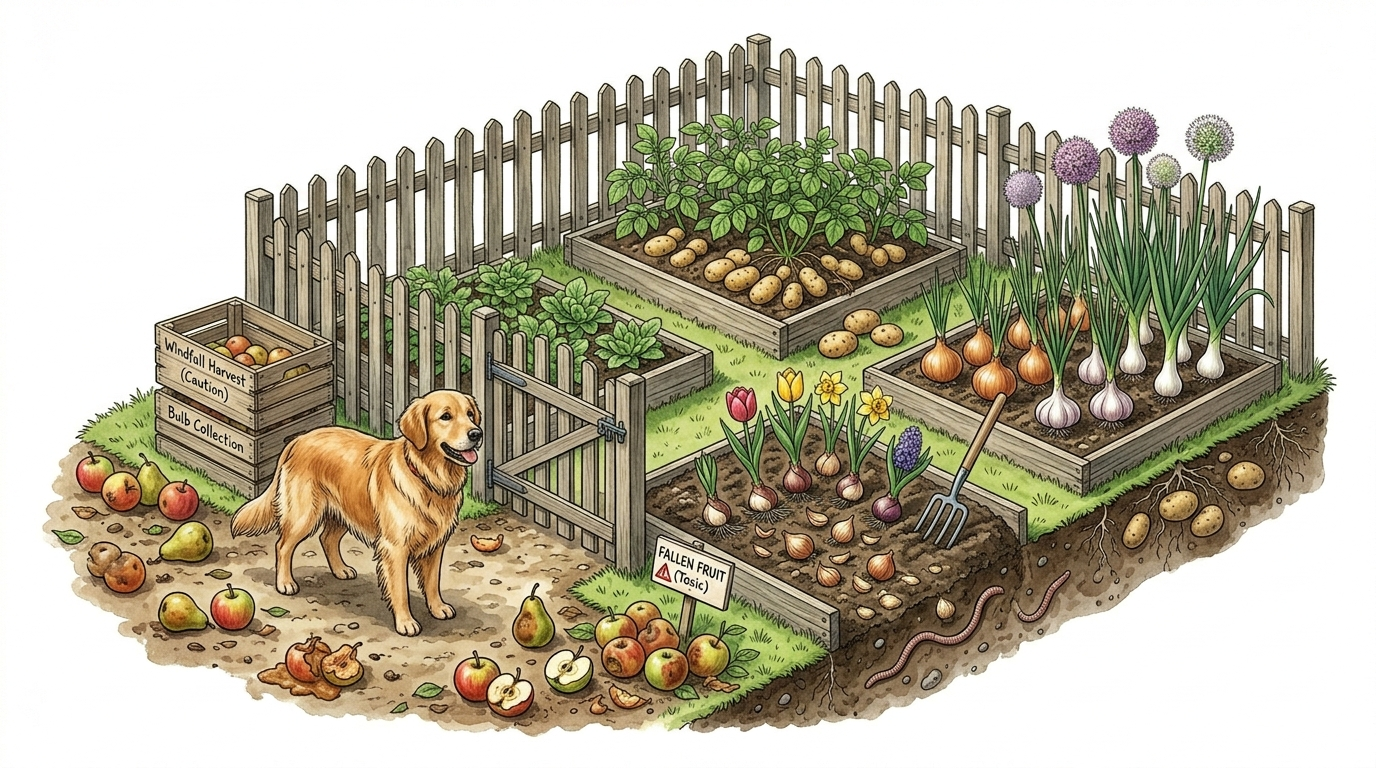
Dogs in the Garden: Windfall Fruit and Risks
Keep your garden dog-safe by managing windfall fruit, seeds, stored crops, and potentially problematic plant parts.
Guide
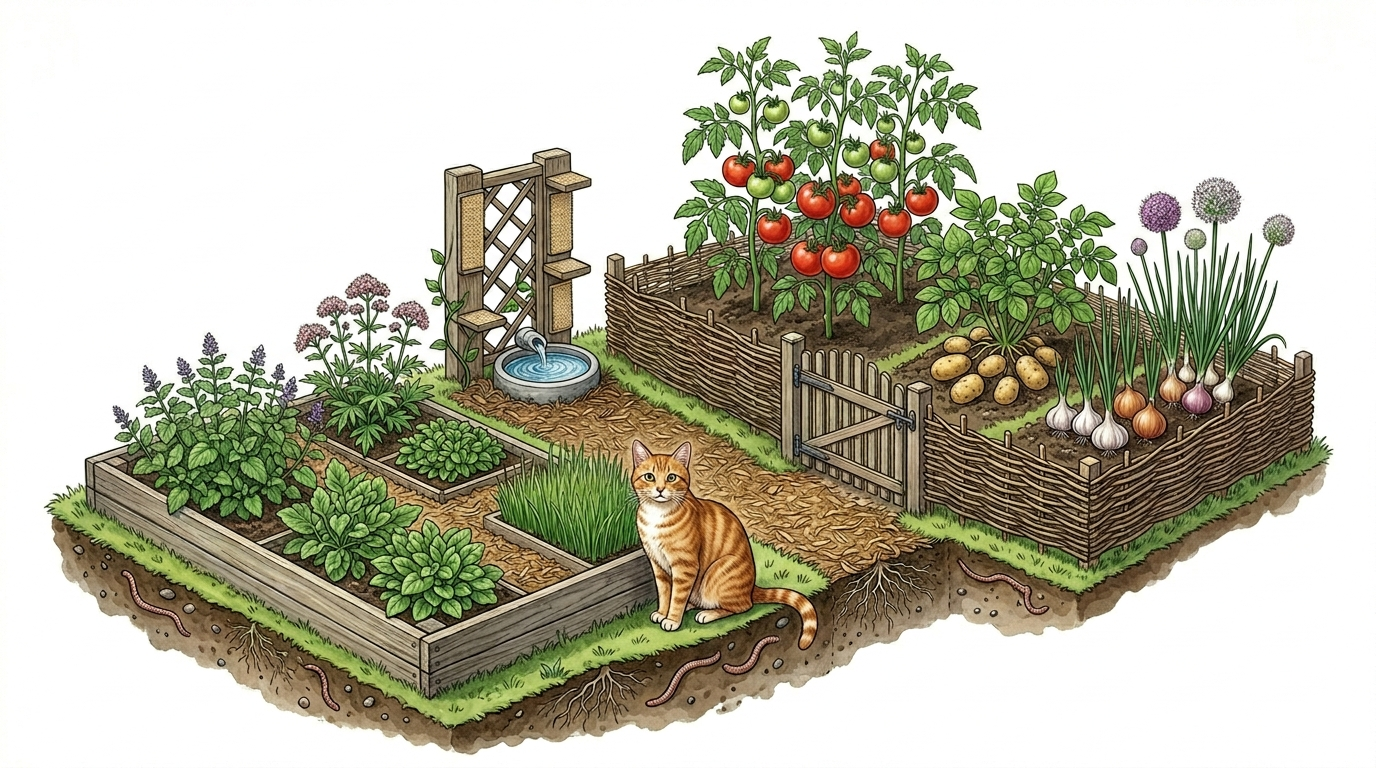
Toxic Garden Plants for Cats: Safer Planning
Learn which garden plants can be risky for cats, how to plan safer beds, and what to do if a cat eats a toxic plant.
Guide
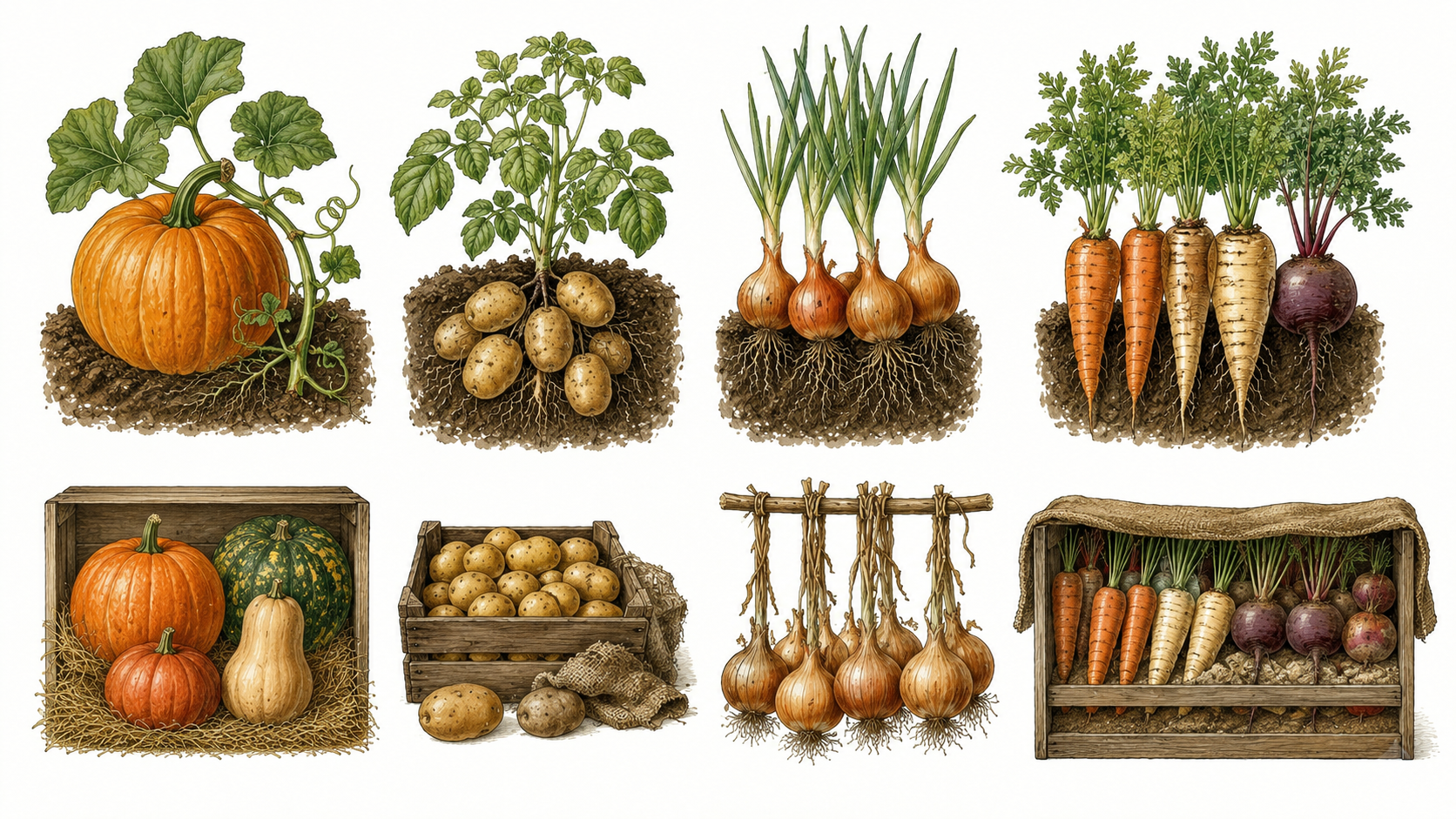
Autumn Harvest and Storage for Squash and Root Crops
Learn how to harvest and store squash, potatoes, onions, and root vegetables for longer freshness through autumn and winter.
Guide
Horse Pastures and Garden Plants: Safety Checks
Learn how to identify risks near horse pastures, fences, turnout areas, fruit trees, and garden planting zones.
Internal links
Related plants
Garlic
Same genus Allium, shares disease vulnerabilities.
Also a member of the Amaryllidaceae family with highly similar soil and maintenance needs.
Leek
Both are bulb vegetables requiring strict crop rotation intervals.
Allioideae crop sharing the same rotation requirements and pest vulnerabilities like the onion fly.
Welsh onion
Susceptible to Peronospora destructor (Downy mildew).
Closely related Allium species grown primarily for its green stalks and mild flavor.
Lettuce
Both are classified as medium feeders in vegetable gardening.
Carrot
Moderate water requirements with a critical phase in early summer.
Shallot
Botanical variety of Allium cepa that forms clusters of smaller, more delicately flavored bulbs.
Chives
Used like the young green shoots of onions as a fresh, pungently aromatic culinary herb.
Flower bulb
Botanical term for the storage organ of ornamental plants like tulips, as opposed to the crop species Allium cepa.
Sources
Public sources
- Wikidata entity
Wikidata · 2026-05-16
- GBIF species match
GBIF · 2026-05-16
- Deutschsprachige Wikipedia: Zwiebel
Wikipedia · 2026-05-16
- English Wikipedia: Onion
Wikipedia · 2026-05-16