Plant Profile
Ground IvyGlechoma hederacea
Versatile wild herb for shady garden areas.
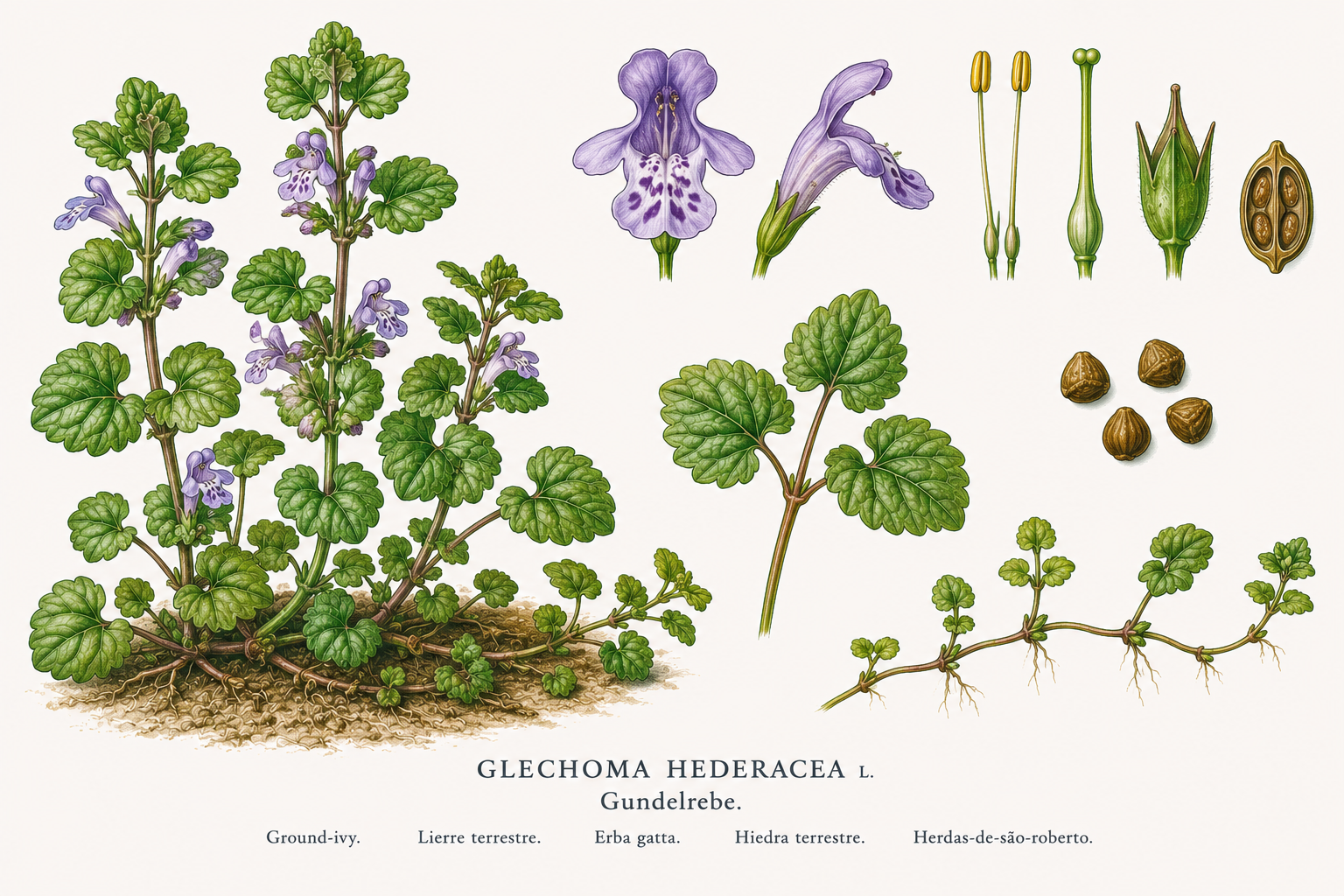
Quick profile
Key data
Suitable growing locations:
Good neighbors
BlackcurrantApple tree
Avoid
Thyme
Indoor & direct sowing
Ground Ivy: Sowing and germination
Indoor pre-culture possible but usually unnecessary.
Direct sowing in spring or autumn.
Planting & site
Ground Ivy: Planting and spacing
Planting of runners possible almost year-round.
Site & practical notes
Title: Growth Control, Text: In small gardens, keep in pots or rigorously sever runners in autumn.
Temperature & frost
Ground Ivy: Temperature and site
Water & nutrients
Ground Ivy: Water, nutrients and care
Container & growth
Ground Ivy: Container, support and growth
Year plan
Ground Ivy Calendar
Recurring tasks
Relevant now
June
- No additional single task
Next up
July
- No additional single task
Monthly tasks
Single tasks from monthly data; repeated seasonal windows are shown in the overview above.
January
Quiet month
February
No additional single task
March
No additional single task
April
No additional single task
May
No additional single task
June
No additional single task
August
No additional single task
September
No additional single task
October
No additional single task
November
Quiet month
December
Quiet month
Flowering & pollination
Ground Ivy Flowering & pollination
Flowering period
Months: 3, 4, 5, 6, Peak: April to May
Flower color
Blue-violet
Self-fertility
partially self-fertile
Pollinator needed
no
Overview
Pollination is primarily carried out by hymenopterans such as bumblebees and wild bees.
Notes
Important early forage plant for bees; often exhibits gynodioecy (separate female and hermaphrodite plants).
Pruning & care
Ground Ivy Pruning & care
Pruning type
herbaceous_maintenance
Pruning timing
Harvest and shape correction Pruning encourages the growth of tender, aromatic leaves.
Area limitation Final check of runners before winter.
Remove
Preserve
Avoid
Tools and hygiene
Disinfect tools after contact with rust-infected leaves.
Companion guide
Ground Ivy Companion guide
Good neighbors
BlackcurrantApple tree
Avoid
Thyme
Use & storage
Ground Ivy Use & storage
Best harvest time for leaves before and during flowering.
Storage
Herbaceous/Dried
Storage life
Fresh for a short time, dried long-term.
Flavor
Savory, tart-aromatic, slightly minty with a bitter note.
Harvest
Best harvest time for leaves before and during flowering.
Processing
After harvest
Use fresh or dry gently in the shade.
Edibility & safety
Ground Ivy Edibility & safety
For people
In brief: which parts are edible, which parts remain risky, and whether raw consumption makes sense.
Safety notes
Toxic to many mammals (especially horses and rodents). Safe for humans in moderation.
Animal safety
For animals, the specific plant part matters here: some parts may be suitable, while others should be avoided. At least one critical rating is listed for 14 animal types.
Each row shows which parts are more suitable and which parts are critical.
Companion animals
 Dog
DogNo suitable parts listed
Leaves, Flowers, Stems
No suitable parts listed
Leaves, Flowers, Stems
Ingestion of plant parts, Common occurrence in gardens and lawns
Vomiting, Diarrhea, Gastrointestinal upset
observe
Ground ivy contains essential oils and tannins that can cause gastrointestinal irritation in dogs. While not classified as highly toxic, ingestion can lead to discomfort. Consult a veterinarian if large amounts are consumed or symptoms persist.
Open animal page Cat
CatNo suitable parts listed
Leaves, Flowers, Stems
No suitable parts listed
Leaves, Flowers, Stems
Plant part ingestion, Curious cats
Vomiting, Diarrhea, Gastrointestinal upset
contact a vet if symptoms appear
Ground ivy contains essential oils and tannins that can cause gastrointestinal irritation in cats. While no severe poisonings are reported, ingestion is not recommended. Consult a veterinarian if symptoms occur.
Open animal page Rabbit
No suitable parts listed
Leaves, Flowers, Young shoots
No suitable parts listed
Leaves, Flowers, Young shoots
Nagetiere sind besonders empfindlich gegenüber den ätherischen Ölen und Gerbstoffen in Gundelrebe. Selbst kleine Mengen können bei Kaninchen zu Verdauungsstörungen führen., Rodents are particularly sensitive to the essential oils and tannins in ground ivy. Even small amounts can cause digestive disturbances in rabbits.
Gastrointestinal upset, Diarrhea
contact a vet if symptoms appear
Ground ivy contains essential oils, tannins, and saponins that can cause gastrointestinal upset in rabbits. Although no specific rabbit studies are available, a conservative classification as not recommended is made based on known toxicity in rodents and general plant toxicity.
Open animal page Guinea pig
No suitable parts listed
Leaves, Flowers, Young shoots
No suitable parts listed
Leaves, Flowers, Young shoots
Nagetiere sind besonders empfindlich gegenüber den ätherischen Ölen und Gerbstoffen in Gundelrebe. Selbst kleine Mengen können bei Meerschweinchen zu Verdauungsstörungen führen., Rodents are particularly sensitive to the essential oils and tannins in ground ivy. Even small amounts can cause digestive disturbances in guinea pigs.
Gastrointestinal upset, Vomiting, Diarrhea
contact a vet if symptoms appear
Ground ivy contains essential oils, tannins, and saponins that can be irritating to rodents like guinea pigs. While safe for humans in moderation, small mammals face an increased risk of gastrointestinal upset. No species-specific long-term studies available, but due to known toxicity in rodents and plant composition, classify conservatively.
Open animal page Hamster
No suitable parts listed
Leaves, Flowers, Young shoots
No suitable parts listed
Leaves, Flowers, Young shoots
Rodents are particularly sensitive, Small animals have lower tolerance
Gastrointestinal upset, Vomiting, Diarrhea
contact a vet if symptoms appear
Ground ivy contains essential oils and tannins that can cause gastrointestinal irritation in hamsters. While not highly toxic, feeding is not recommended due to rodent sensitivity.
Open animal page Budgie
No suitable parts listed
Leaves, Flowers, Stems
No suitable parts listed
Leaves, Flowers, Stems
Small body size increases sensitivity, Curious gnawing behavior in birds
Gastrointestinal upset, Vomiting, Diarrhea
contact a vet if symptoms appear
No species-specific sources found for budgies. Due to known toxicity in mammals and presence of irritant compounds, a conservative assessment is made. Young shoots and flowers might be less risky, but without specific data the entire plant is considered potentially harmful. Budgies have sensitive respiratory systems and may react to essential oils. If ingestion occurs, monitor for symptoms and consult a veterinarian.
Open animal pageFarm animals
 Horse
HorseNo suitable parts listed
Leaves, Flowers, Stems
No suitable parts listed
Leaves, Flowers, Stems
Fresh or dried herb, Misidentification with similar plants, Pasture access
Gastrointestinal upset, Diarrhea, Vomiting
contact a vet if symptoms appear
Ground ivy contains essential oils, tannins, and saponins that can cause gastrointestinal irritation in horses. While no specific equine studies are available, the plant is listed in veterinary sources as potentially toxic to horses, particularly with repeated ingestion or larger quantities. If ingestion is suspected, a veterinarian should be consulted.
Open animal page Chicken
No suitable parts listed
Leaves, Flowers, Young shoots
No suitable parts listed
Leaves, Flowers, Young shoots
Limited toxicology data for chickens, Plant contains compounds that are irritant to mammals
Gastrointestinal upset, Diarrhea, Vomiting
observe
No chicken-specific sources found. Based on known toxicity in mammals and the presence of irritant compounds, a conservative classification as not recommended is made. Young shoots and flowers may pose similar risks as leaves. If ingested, observe and consult veterinarian if symptoms occur. Not suitable as feed.
Open animal page Duck
DuckNo suitable parts listed
Leaves, Flowers, Young shoots
No suitable parts listed
Leaves, Flowers, Young shoots
Toxicity documented in many mammals, Plant parts contain potentially irritating compounds
Gastrointestinal upset, Vomiting, Diarrhea
contact a vet if symptoms appear
No duck-specific sources found. Based on documented toxicity in mammals and the presence of essential oils, tannins, and saponins, a conservative assessment is made. All plant parts should be considered potentially risky. If ingested, monitor for symptoms and consult a veterinarian if symptoms persist or worsen.
Open animal page Goose
GooseNo suitable parts listed
Leaves, Flowers, Stems
No suitable parts listed
Leaves, Flowers, Stems
Limited toxicology data for geese, Plant contains compounds known to be toxic to mammals
Gastrointestinal upset, Vomiting, Diarrhea
contact a vet if symptoms appear
No reliable species-specific assessment is available.
Open animal page Sheep
SheepNo suitable parts listed
Leaves, Flowers, Young shoots
No suitable parts listed
Leaves, Flowers, Young shoots
Grazing animals, Fresh forage, High intake
Gastrointestinal upset, Diarrhea, Vomiting
contact a vet if symptoms appear
Ground ivy contains essential oils, tannins, and saponins that can cause gastrointestinal upset in sheep. Although no species-specific sources are available, the plant is toxic to many mammals, especially horses and rodents. Sheep should not have access to fresh ground ivy, particularly not as part of their forage. If ingested, observe and contact a veterinarian if symptoms occur.
Open animal page Goat
GoatNo suitable parts listed
Leaves, Flowers, Stems
No suitable parts listed
Leaves, Flowers, Stems
Consumption of leaves in larger quantities, Grazing in dense growth
Gastrointestinal upset, Diarrhea, Vomiting
observe
Ground ivy contains essential oils and tannins that can cause gastrointestinal irritation in goats. While acute poisoning is not expected, consumption is not recommended due to potential discomfort.
Open animal page Cattle
No suitable parts listed
Leaves, Flowers, Stems
No suitable parts listed
Leaves, Flowers, Stems
Grazing animals, Fresh forage, High intake
Gastrointestinal upset, Diarrhea, Vomiting
contact a vet if symptoms appear
Ground ivy contains essential oils and tannins that can cause gastrointestinal irritation in cattle. While no specific cattle studies are available, a conservative assessment is made based on toxicity in similar livestock (horses, sheep) and known active compounds. Not suitable as feed. If ingested, observe for symptoms and consult a veterinarian if signs persist.
Open animal page Pig
PigNo suitable parts listed
Leaves, Flowers, Stems
No suitable parts listed
Leaves, Flowers, Stems
Consumption of large quantities, Access to fresh plant material
Gastrointestinal upset, Vomiting, Diarrhea
contact a vet if symptoms appear
Ground ivy contains essential oils, tannins, and saponins that can cause gastrointestinal irritation in pigs. Although no species-specific toxicity studies are available, a conservative classification as not recommended is made based on known toxicity in similar rodents and the presence of irritant compounds. Leaves, flowers, and stems are considered potentially risky parts. If ingested, the animal should be…
Open animal pageThese guidelines are for general information only and do not replace veterinary diagnosis. If critical plant parts were ingested or the animal shows unusual behaviour or symptoms, seek veterinary advice.
Max risk
4 / 5
Highest status
toxic
Urgency
contact a vet if symptoms appear
Saving seed
Ground Ivy Saving seed
Seed viability
2 - 4 years
Practical tips
Ground Ivy Practical tips
Common beginner mistakes
Underestimating the speed of spread in moist soils.
Success pattern
Rapid ground cover under shrubs from the second year onwards.
High-impact tips
Plant in a hanging basket – the trailing shoots look great.
Grower observations
In winter, the leaves often turn a decorative reddish color.
Health
Pests, Diseases
Pests
Leaf miners
Pale feeding galleries in the leaves.
Aphids
Curled shoot tips.
Diseases
Ground ivy rust
Brown pustules on the leaf undersides.
Powdery mildew
White, wipeable coating on the leaves.
Deficiencies
Nitrogen deficiency
Stunted growth, pale green to yellowish leaves.
Plant health
Diagnosis help
Ground Ivy Diagnosis help
Pest groups
Disease groups
Prevention
Diagnosis
Ground ivy is very robust; damage is usually aesthetic and rarely threatens the plant's survival.
Cultural prevention
Monitoring
Weekly visual inspection in spring
First response
Generous removal of infected shoots
Diagnostic rules
Yellow spots on top of leaves, brown pustules underneath
Possible causes: Puccinia glechomatis
- Check leaf undersides
FAQ
Is ground ivy toxic?
Non-toxic for humans in normal amounts, but dangerous for horses and rodents.
Is Ground Ivy safe for Dog?
Ground Ivy is classified as do not feed for Dog. Risk: unknown. Urgency: observe. Ground ivy contains essential oils and tannins that can cause gastrointestinal irritation in dogs. While not classified as highly toxic, ingestion can lead to discomfort. Consult a veterinarian if large amounts are consumed or symptoms persist.
Is Ground Ivy safe for Cat?
Ground Ivy is classified as do not feed for Cat. Risk: unknown. Urgency: contact a vet if symptoms appear. Ground ivy contains essential oils and tannins that can cause gastrointestinal irritation in cats. While no severe poisonings are reported, ingestion is not recommended. Consult a veterinarian if symptoms occur.
Is Ground Ivy safe for Rabbit?
Ground Ivy is classified as do not feed for Rabbit. Risk: unknown. Urgency: contact a vet if symptoms appear. Ground ivy contains essential oils, tannins, and saponins that can cause gastrointestinal upset in rabbits. Although no specific rabbit studies are available, a conservative classification as not recommended is made based on known toxicity in rodents and general plant toxicity.
Is Ground Ivy safe for Horse?
Ground Ivy is classified as toxic for Horse. Risk: 4 / 5. Urgency: contact a vet if symptoms appear. Ground ivy contains essential oils, tannins, and saponins that can cause gastrointestinal irritation in horses. While no specific equine studies are available, the plant is listed in veterinary sources as potentially toxic to horses, particularly with repeated ingestion or larger quantities. If ingestion is suspected, a veterinarian should be consulted.
Guides
Related guides
Guide
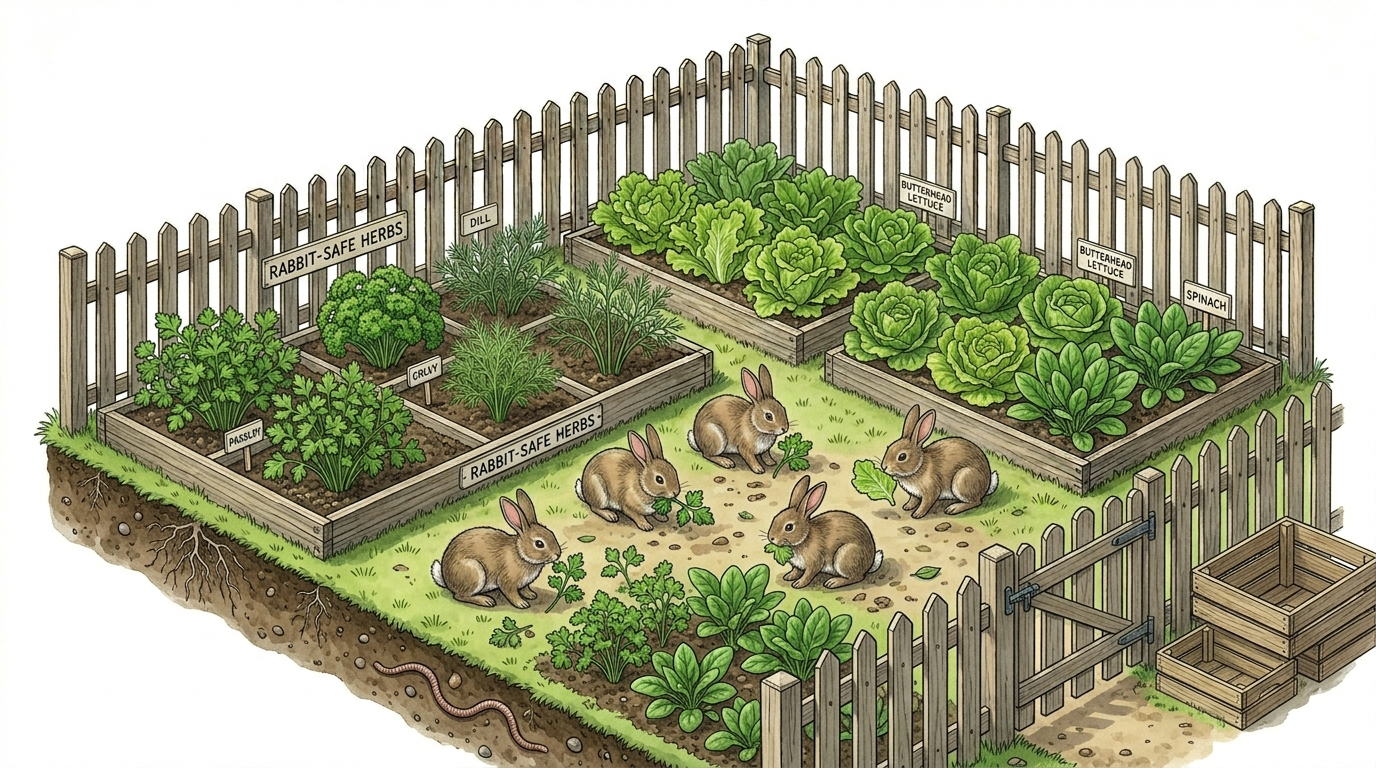
Rabbits in the Garden: Herbs and Vegetables
Learn how to choose suitable herbs and vegetables for rabbits, grow feeding plants, and plan a rabbit-friendly garden.
Guide
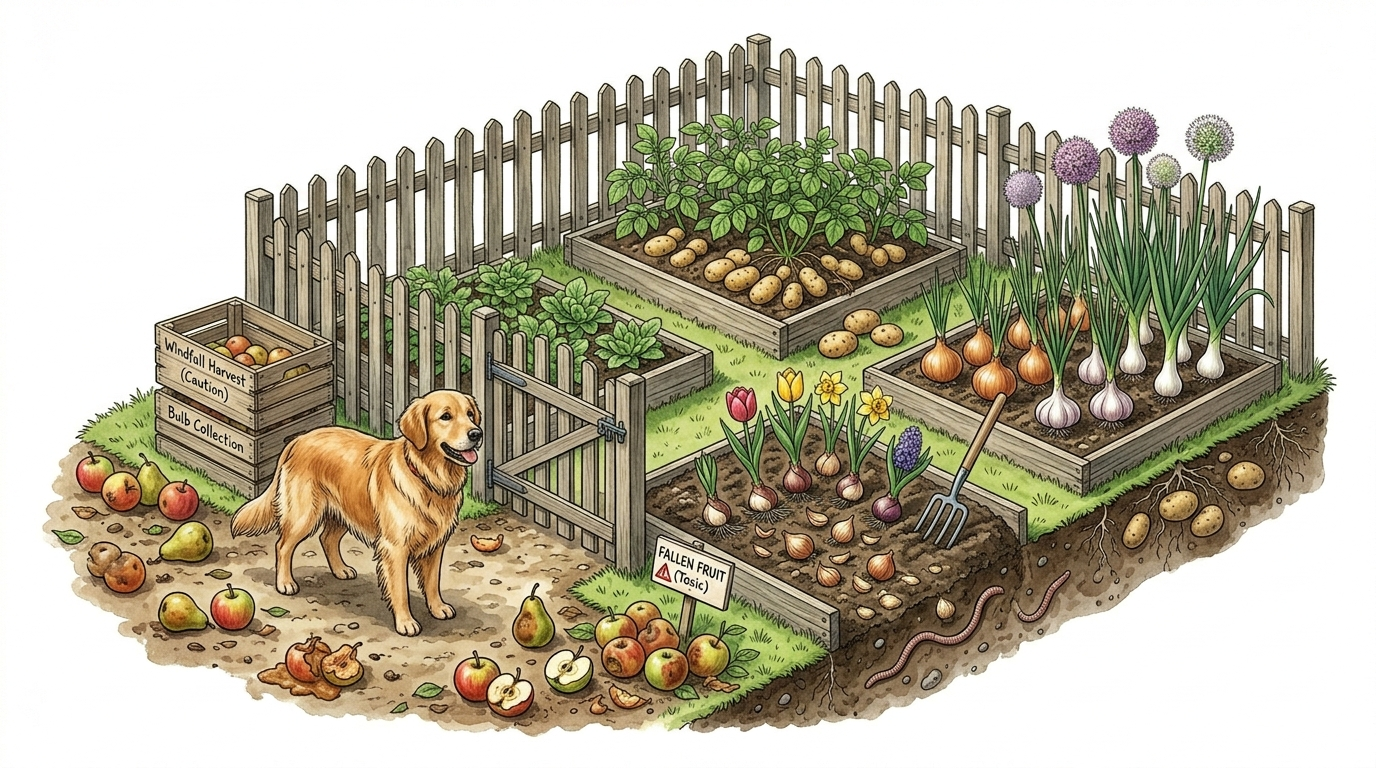
Dogs in the Garden: Windfall Fruit and Risks
Keep your garden dog-safe by managing windfall fruit, seeds, stored crops, and potentially problematic plant parts.
Guide
Horse Pastures and Garden Plants: Safety Checks
Learn how to identify risks near horse pastures, fences, turnout areas, fruit trees, and garden planting zones.
Guide
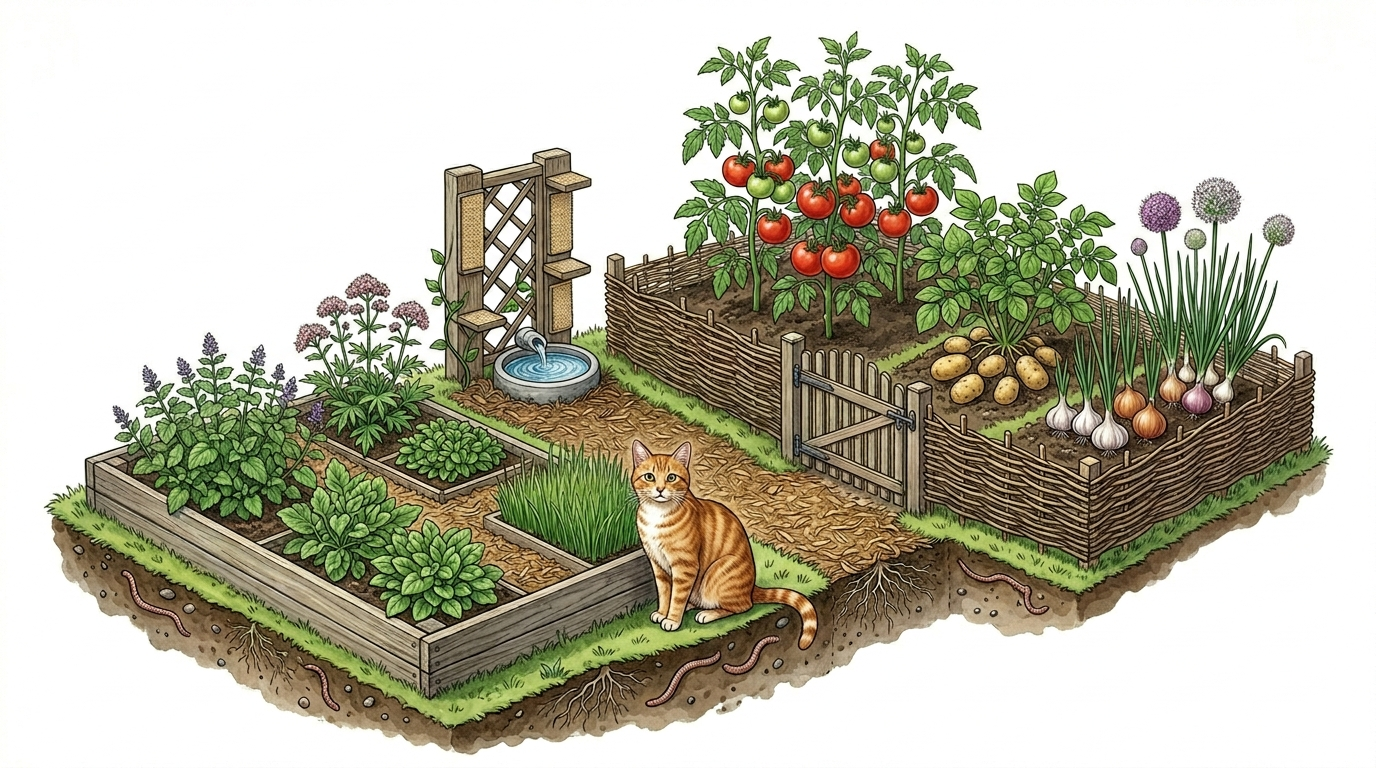
Toxic Garden Plants for Cats: Safer Planning
Learn which garden plants can be risky for cats, how to plan safer beds, and what to do if a cat eats a toxic plant.
Internal links
Related plants
Dead-nettle
Mint
Catnip
Closely related genus within the Mentheae tribe.
White Dead-nettle
Also belongs to the Mint family (Lamiaceae).
Wild Garlic
Popular wild herb for spring culinary use.
Creeping Jenny
Similar creeping habit, but Creeping Jenny has yellow flowers and rounder leaves.
Sources
Public sources
- Wikidata entity
Wikidata · 2026-05-13
- GBIF species match
GBIF · 2026-05-13
- Deutschsprachige Wikipedia: Gundermann
Wikipedia · 2026-05-13
- English Wikipedia: Glechoma hederacea
Wikipedia · 2026-05-13