Plant Profile
marjoramOriganum majorana
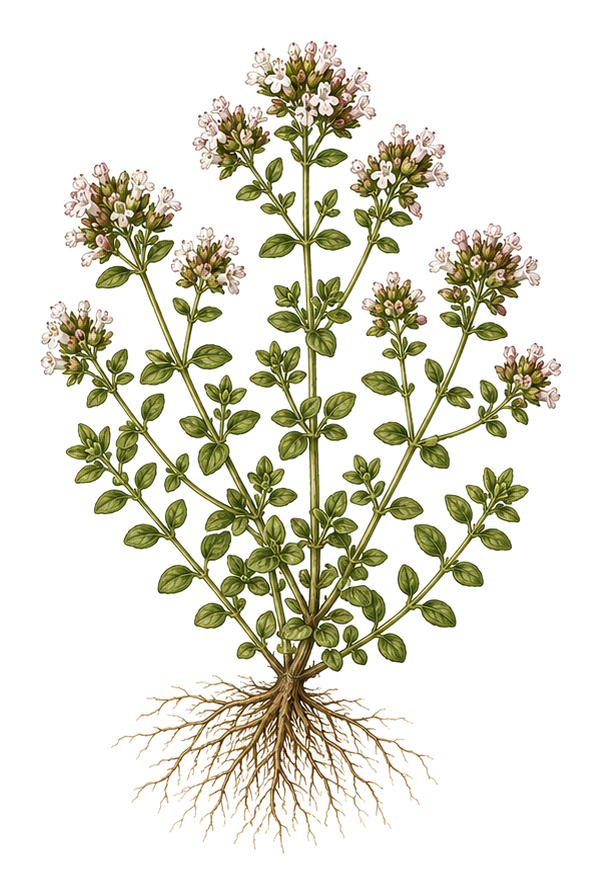
Marjoram is a cornerstone of European culinary tradition. Its warm, aromatic scent is unmistakable, making it an indispensable companion for hearty meat dishes and stews. In temperate climates, it is typically grown as an annual due to its frost sensitivity, but in a sunny spot on the balcony or in the garden bed, it rewards the gardener with a bountiful harvest until late autumn.
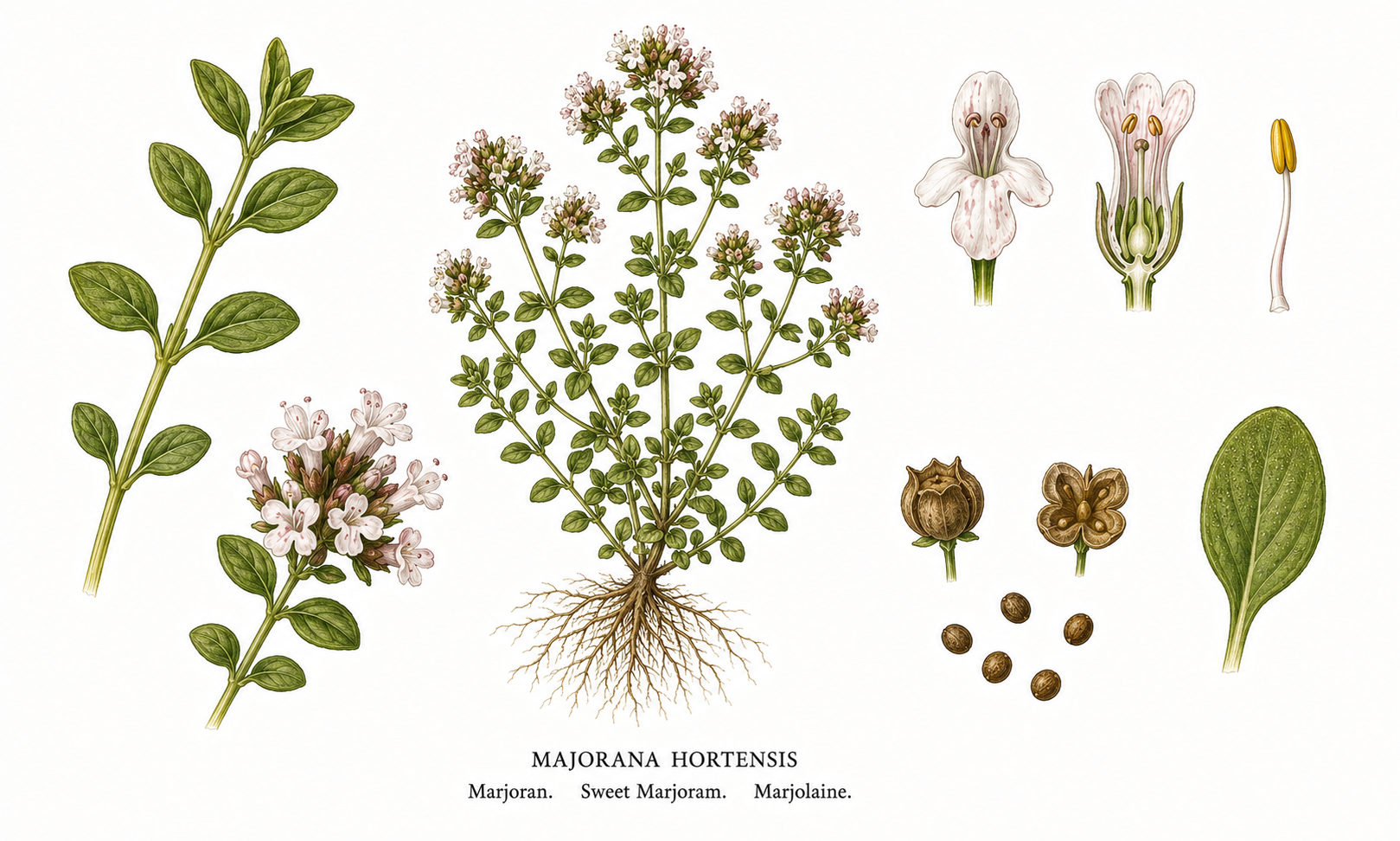
Quick profile
Key data
Suitable growing locations:
Good neighbors
OnionCucumber
Avoid
OreganoThyme
Indoor & direct sowing
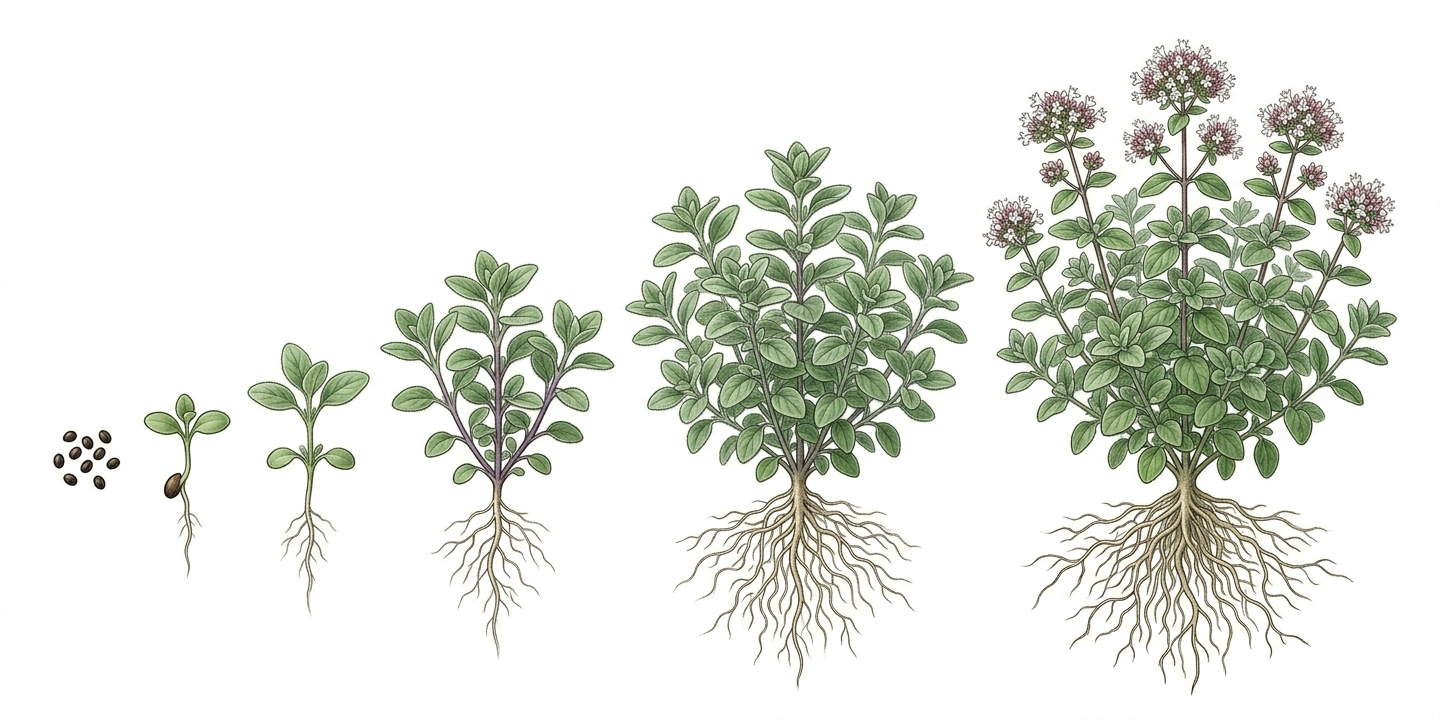
marjoram: Sowing and germination
Pre-culture in trays on the windowsill.
Direct sowing only after the last frost once the soil is sufficiently warm.
Planting & site
marjoram: Planting and spacing
Plant out pre-cultured seedlings from mid-May (after frost risk).
Site & practical notes
Germination tip: As light germinators, seeds should only be pressed lightly and not covered with soil., Aroma boost: Harvest just before flowering in the late morning for the highest essential oil content.
Temperature & frost
marjoram: Temperature and site
Water & nutrients
marjoram: Water, nutrients and care
Container & growth
marjoram: Container, support and growth
Year plan
marjoram Calendar
May is finally time for the outdoors.
Recurring tasks
Relevant now
June
- No additional single task
Next up
July
- No additional single task
Monthly tasks
Single tasks from monthly data; repeated seasonal windows are shown in the overview above.
January
Quiet month
February
Quiet month
March
No additional single task
April
No additional single task
May
Planting
- Planting outHardening off before planting out is recommended.
June
No additional single task
August
No additional single task
September
No additional single task
October
Quiet month
November
Quiet month
December
Quiet month
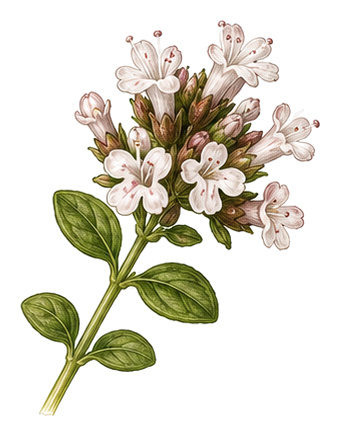
Flowering & pollination
marjoram Flowering & pollination
Flowering period
June to September
Flower color
White to pale pink
Self-fertility
self-fertile
Pollinator needed
yes
Overview
Pollination is primarily carried out by insects such as bees and hoverflies.
Notes
Excellent bee pasture; attracts many beneficial insects to the garden.
Pruning & care
marjoram Pruning & care
Pruning type
cut-and-come-again
Pruning timing
Main harvest and growth stimulation Cut shoots approx. 5 cm above the ground to allow for a second flush of growth.
Final cleanup Final cut before frost; remove plant remains in annual cultivation.
Remove
Preserve
Avoid
Tools and hygiene
Use clean, sharp herb snips to avoid crushing the soft stems.
Companion guide
marjoram Companion guide
Good neighbors
OnionCucumber
Avoid
OreganoThyme
Use & storage
marjoram Use & storage
Continuous harvest possible; best aroma just before flowering.
Storage
Dry storage or freezing
Storage life
Dried approx. 1 year with full aroma; frozen approx. 6 months.
Primary use
Culinary herb
Flavor
Spicy, sweet-bitter, slightly camphor-like
Harvest
Continuous harvest possible; best aroma just before flowering.
Processing
After harvest
Do not wash if it is to be dried; bundle immediately and hang upside down.
Edibility & safety
marjoram Edibility & safety
For people
In brief: which parts are edible, which parts remain risky, and whether raw consumption makes sense.
Safety notes
Non-toxic; excessive consumption of the essential oil may cause headaches.
Animal safety
The evidence for this plant and animals is still limited. Check the detail rows before allowing access or feeding.
Each row shows which parts are more suitable and which parts are critical.
Companion animals
 Dog
DogNo suitable parts listed
No risk parts listed
No suitable parts listed
No risk parts listed
 Cat
CatNo suitable parts listed
No risk parts listed
No suitable parts listed
No risk parts listed
 Rabbit
No suitable parts listed
No risk parts listed
No suitable parts listed
No risk parts listed
 Guinea pig
No suitable parts listed
No risk parts listed
No suitable parts listed
No risk parts listed
 Hamster
No suitable parts listed
No risk parts listed
No suitable parts listed
No risk parts listed
 Budgie
No suitable parts listed
No risk parts listed
No suitable parts listed
No risk parts listed
Farm animals
 Horse
HorseNo suitable parts listed
No risk parts listed
No suitable parts listed
No risk parts listed
 Chicken
No suitable parts listed
No risk parts listed
No suitable parts listed
No risk parts listed
 Duck
DuckNo suitable parts listed
No risk parts listed
No suitable parts listed
No risk parts listed
 Goose
GooseNo suitable parts listed
No risk parts listed
No suitable parts listed
No risk parts listed
 Sheep
SheepNo suitable parts listed
No risk parts listed
No suitable parts listed
No risk parts listed
 Goat
GoatNo suitable parts listed
No risk parts listed
No suitable parts listed
No risk parts listed
 Cattle
No suitable parts listed
No risk parts listed
No suitable parts listed
No risk parts listed
 Pig
PigNo suitable parts listed
No risk parts listed
No suitable parts listed
No risk parts listed
These guidelines are for general information only and do not replace veterinary diagnosis. If critical plant parts were ingested or the animal shows unusual behaviour or symptoms, seek veterinary advice.
Max risk
unknown
Highest status
not established
Urgency
unknown
Saving seed
marjoram Saving seed
Seed viability
2 - 3 years
Practical tips
marjoram Practical tips
Common beginner mistakes
Covering seeds with soil during sowing.
Success pattern
A heavy pruning in July often leads to a full second harvest in September.
High-impact tips
Plant together with onions to deter pests.
Grower observations
In pots on a south-facing terrace, it develops a much more intense aroma than in partial shade.
Plant Profile
Additional plant images
Health
Pests, Diseases
Deficiencies
Pale, yellowish leaves; stunted growth.
Plant health
Diagnosis help
marjoram Diagnosis help
Pest groups
Disease groups
Prevention
Diagnosis
Watch for leaf discoloration and sticky residues.
Cultural prevention
Monitoring
Weekly inspection of leaf undersides
First response
Diagnostic rules
Yellow leaves
Possible causes: Nitrogen deficiency, Waterlogging
- Check soil moisture
- Review fertilization
FAQ
Is marjoram frost-hardy?
No, in Central Europe it is usually grown as an annual as it rarely survives temperatures below freezing.
Can you plant marjoram and oregano together?
It is not advisable as they can cross-pollinate, which negatively affects the flavor of the marjoram.
Is marjoram safe for Dog?
marjoram is classified as not established for Dog. Risk: unknown. Urgency: unknown. No reliable species-specific assessment is available.
Is marjoram safe for Cat?
marjoram is classified as not established for Cat. Risk: unknown. Urgency: unknown. No reliable species-specific assessment is available.
Is marjoram safe for Rabbit?
marjoram is classified as not established for Rabbit. Risk: unknown. Urgency: unknown. No reliable species-specific assessment is available.
Is marjoram safe for Guinea pig?
marjoram is classified as not established for Guinea pig. Risk: unknown. Urgency: unknown. No reliable species-specific assessment is available.
Guides
Related guides
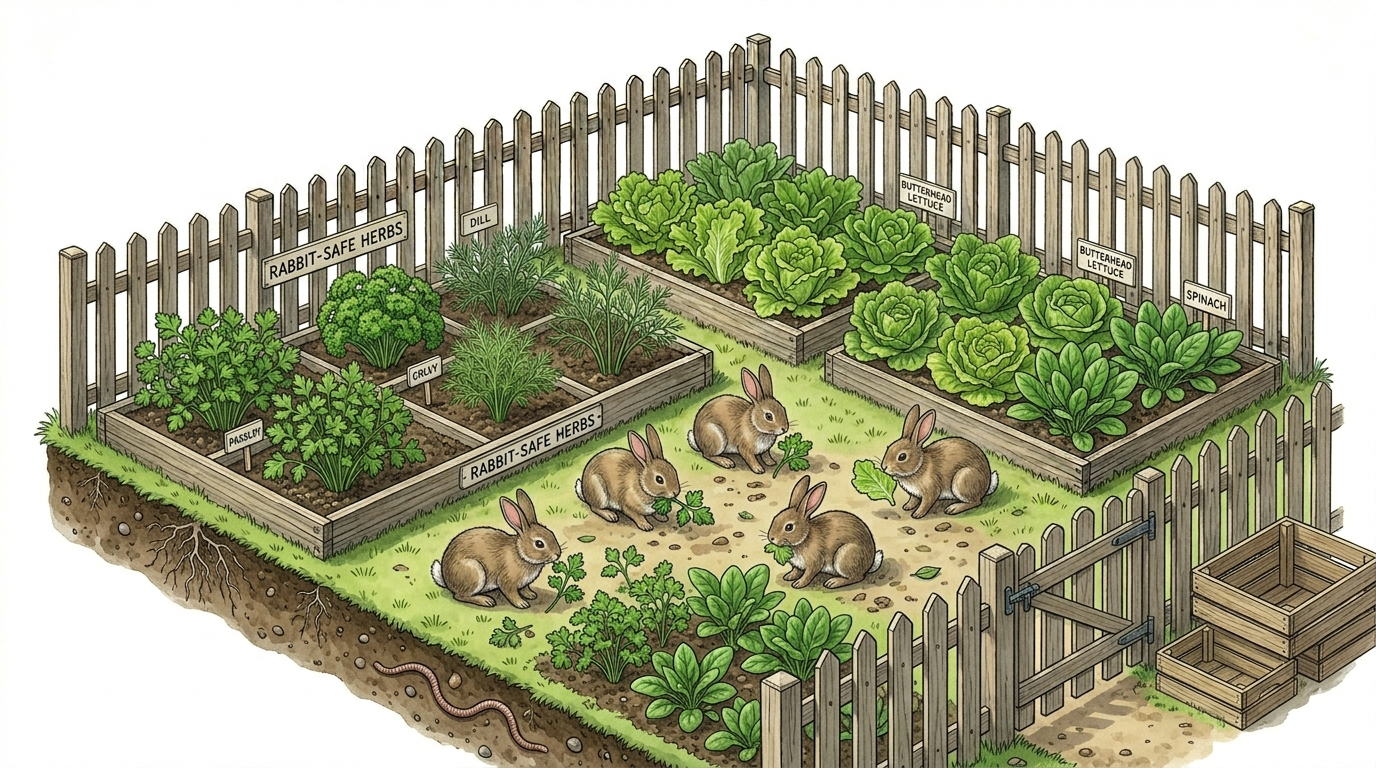
Guide
Rabbits in the Garden: Herbs and Vegetables
Learn how to choose suitable herbs and vegetables for rabbits, grow feeding plants, and plan a rabbit-friendly garden.
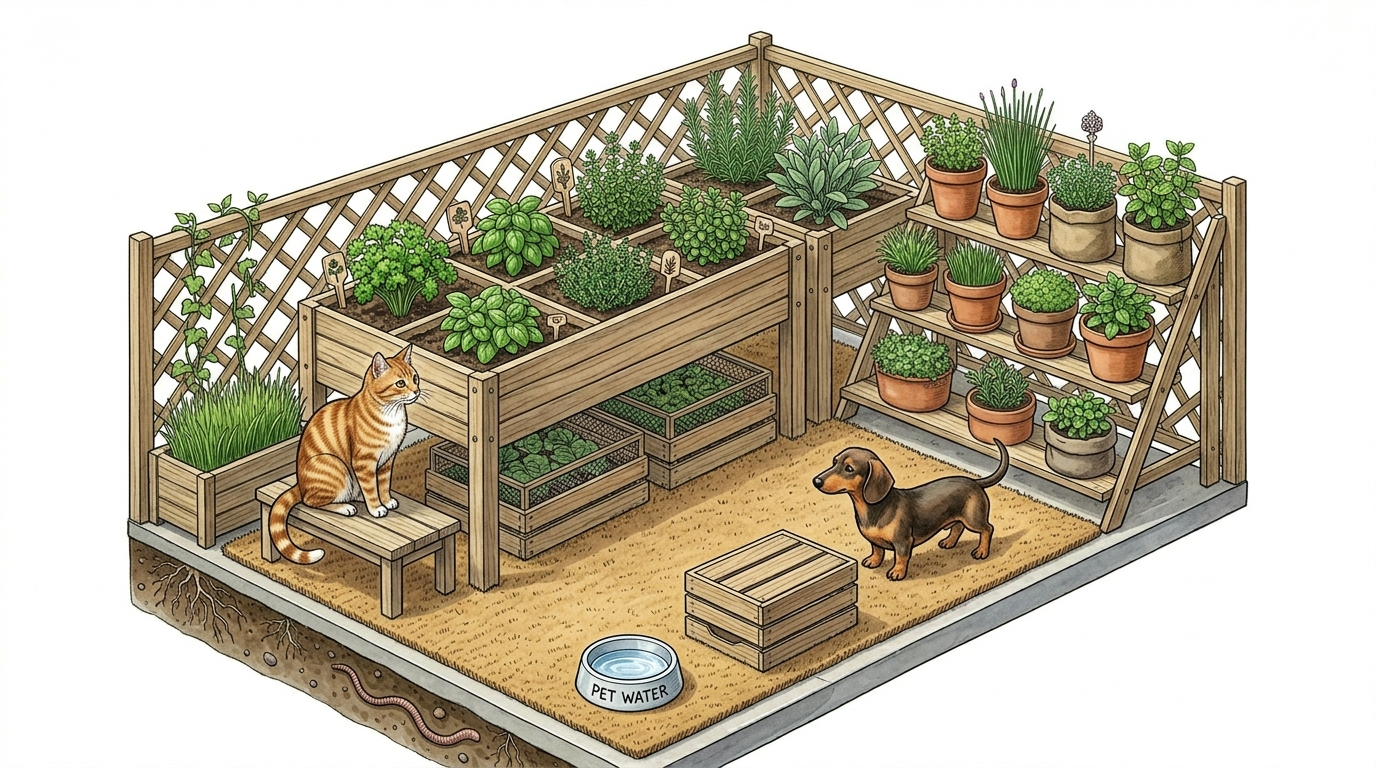
Guide
Pet-Safe Herb Gardens for Balconies and Beds
Learn how to create a pet-safe herb garden with suitable herbs, thoughtful layouts, and practical maintenance strategies.
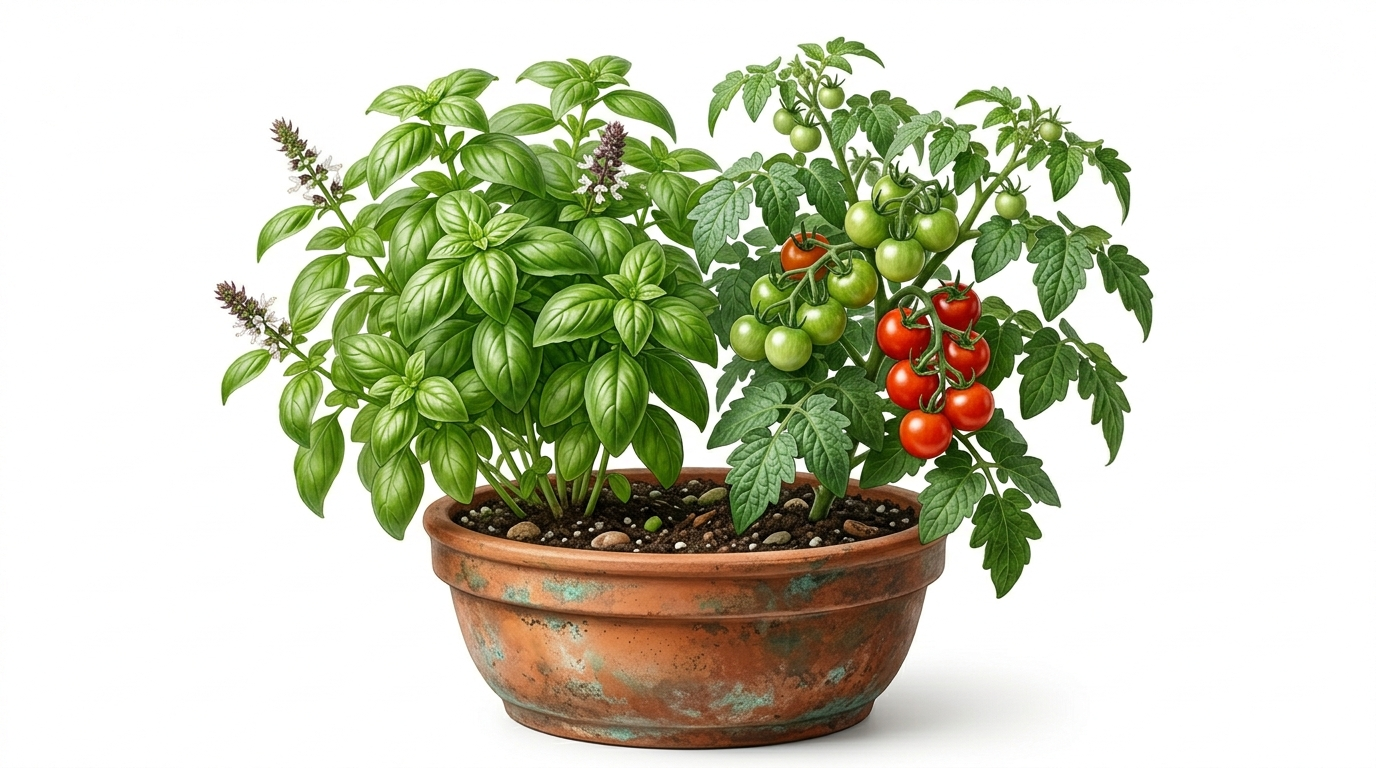
Guide
Growing Basil: Site, Watering and Harvesting
Learn how to grow basil successfully with the right site, steady watering, regular harvesting, and tips to delay flowering.
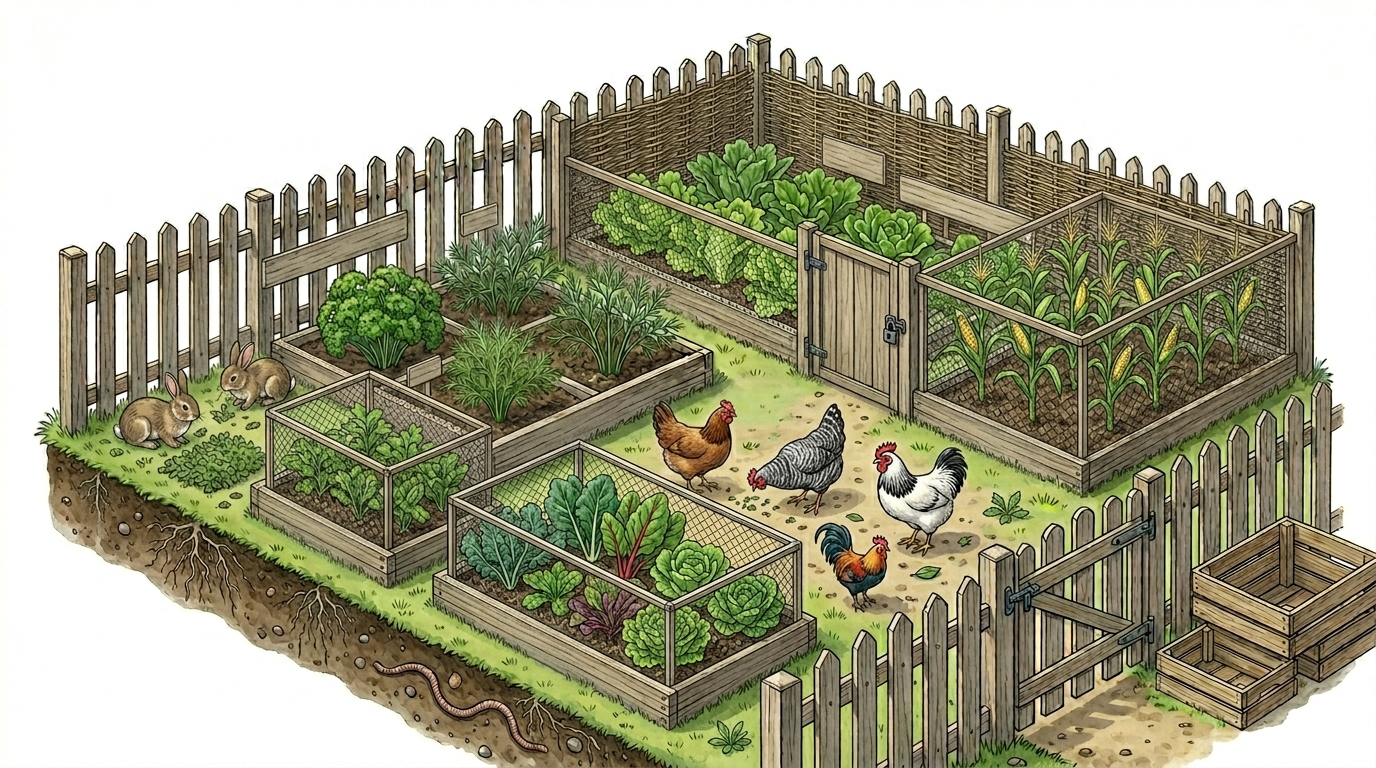
Guide
Chickens in the Garden: Safe Plants and Zones
Learn how to design a chicken-friendly garden with suitable plants, protected beds, and well-planned activity areas.
Internal links
Related plants
Rosemary
Oregano
Closely related botanically and similar appearance, but distinct flavor profiles.
Mint
Both can be susceptible to rust fungi.
Lavender
Sage
Common Thyme
Similar site requirements and culinary applications.
Sage
Both belong to the mint family (Lamiaceae).
Summer Savory
Both are frequently used for heavy meat and stew dishes.
Sources
Public sources
- Wikidata entity
Wikidata · 2026-05-14
- GBIF species match
GBIF · 2026-05-14
- Deutschsprachige Wikipedia: Majoran
Wikipedia · 2026-05-14
- English Wikipedia: Marjoram
Wikipedia · 2026-05-14