Plant Profile
red kuri squashCucurbita maxima
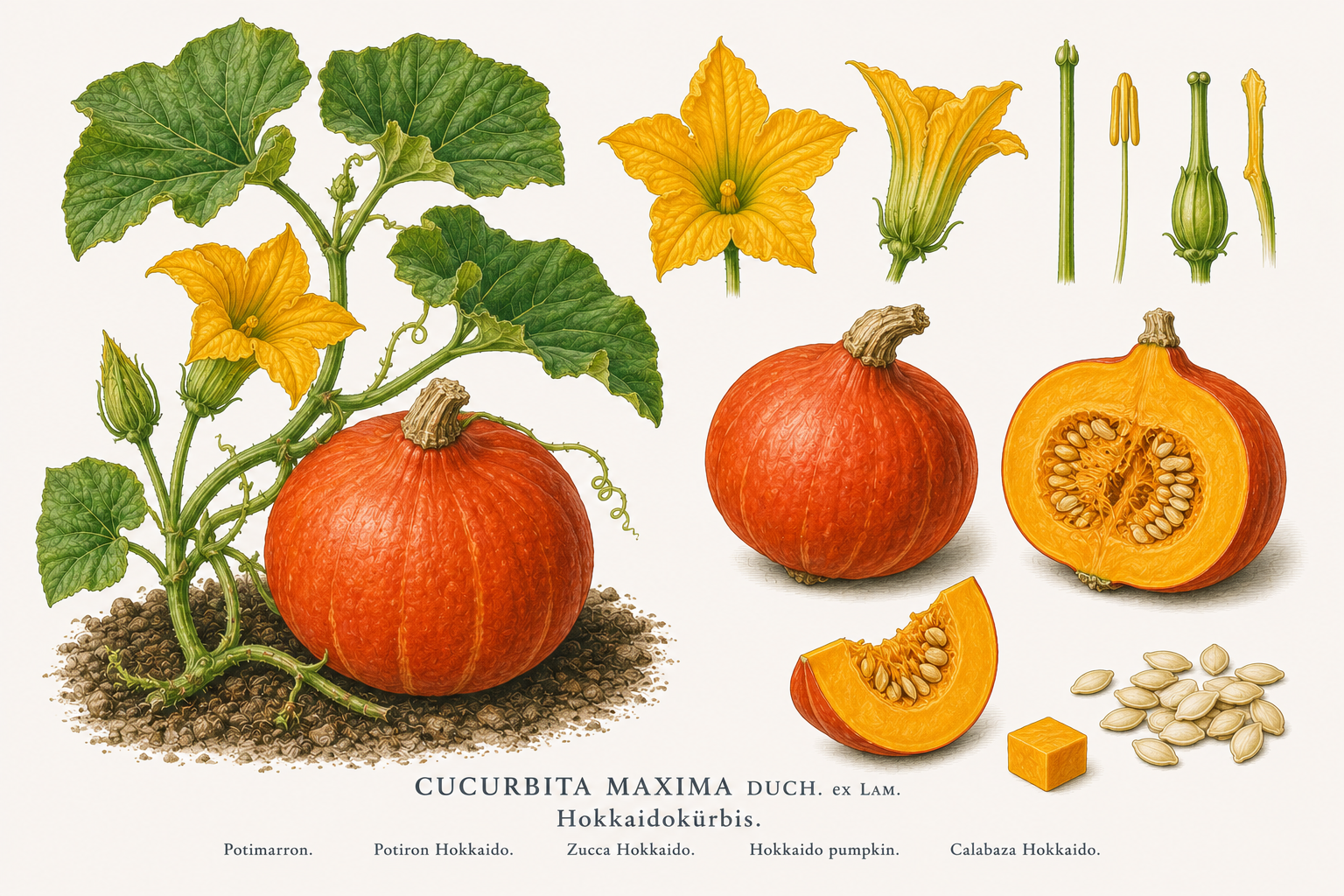
Hokkaido squash is a popular and versatile variety of winter squash, distinguished by its bright orange-red color and its nutty, chestnut-like flavor. Its thin skin is edible, simplifying preparation. It is rich in vitamins and minerals and is excellent for soups, purees, curries, and as a side dish.
Quick profile
Key data
Suitable growing locations:
Indoor & direct sowing
red kuri squash: Sowing and germination
Start sowing indoors from early March to get a head start.
Direct sowing outdoors only after the last frosts, once the soil has warmed up.
Planting & site
red kuri squash: Planting and spacing
Transplant seedlings outdoors when the risk of frost has passed and the soil is warm enough.
Site & practical notes
Hokkaido squash is an easy-to-care-for and high-yielding variety. Ensure sufficient space, regular watering, and nutrient supply. Prevention against slugs and fungal diseases is important. The edible skin saves preparation time.
Temperature & frost
red kuri squash: Temperature and site
Water & nutrients
red kuri squash: Water, nutrients and care
Container & growth
red kuri squash: Container, support and growth
Year plan
red kuri squash Calendar
From spring sowing to autumn harvest – Hokkaido squash accompanies you throughout the entire gardening season.
Relevant now
June
- Provide initial fertilizationAfter planting: With organic fertilizer if needed.
- Water regularlyDry weather: Especially important during dry spells.
Next up
July
- Weed and mulchOngoing: Renew mulch layer to retain moisture and suppress weeds.
- Monitor for pests and diseasesOngoing: Pay particular attention to slugs and squash vine borers.
Monthly tasks
Single tasks from monthly data; repeated seasonal windows are shown in the overview above.
January
Quiet month
February
Quiet month
March
Growing
- Start indoor cultivationIndoor sowing: Sow seeds about 2-3 cm deep in seed-starting mix.
April
Planting
- Cultivate young plants on the windowsillIndoor cultivation: Prick out and transplant into larger pots if necessary.
May
Planting
- Transplant seedlings outdoorsAfter last frost, soil warm: Maintain a spacing of approx. 1-1.5 m. Harden off seedlings beforehand.
Growing
- Prepare site for squashBefore planting: A sunny, sheltered, and nutrient-rich location is ideal.
June
Growing
- Provide initial fertilizationAfter planting: With organic fertilizer if needed.
- Water regularlyDry weather: Especially important during dry spells.
August
Growing
- Final fertilization if necessaryLate growth stage: Only if needed to support fruit development.
- Prune vines if necessaryVigorous growth: Can help focus energy on fruit development.
September
Harvest
- Harvest first squashFruit ripe: Harvest before the first frost. Leave a small piece of stem attached.
Growing
- Dry and store squashAfter harvest: Store in a cool, dry place.
October
Harvest
- Harvest remaining squashBefore frost: Ensure all ripe fruits are harvested before the first hard frost.
Growing
- Clear and prepare bedsEnd of season: Remove plant debris, sow cover crops if desired.
November
No additional single task
December
Quiet month
Flowering & pollination
red kuri squash Flowering & pollination
Self-fertility
cross-pollinating
Pollinator needed
yes
Overview
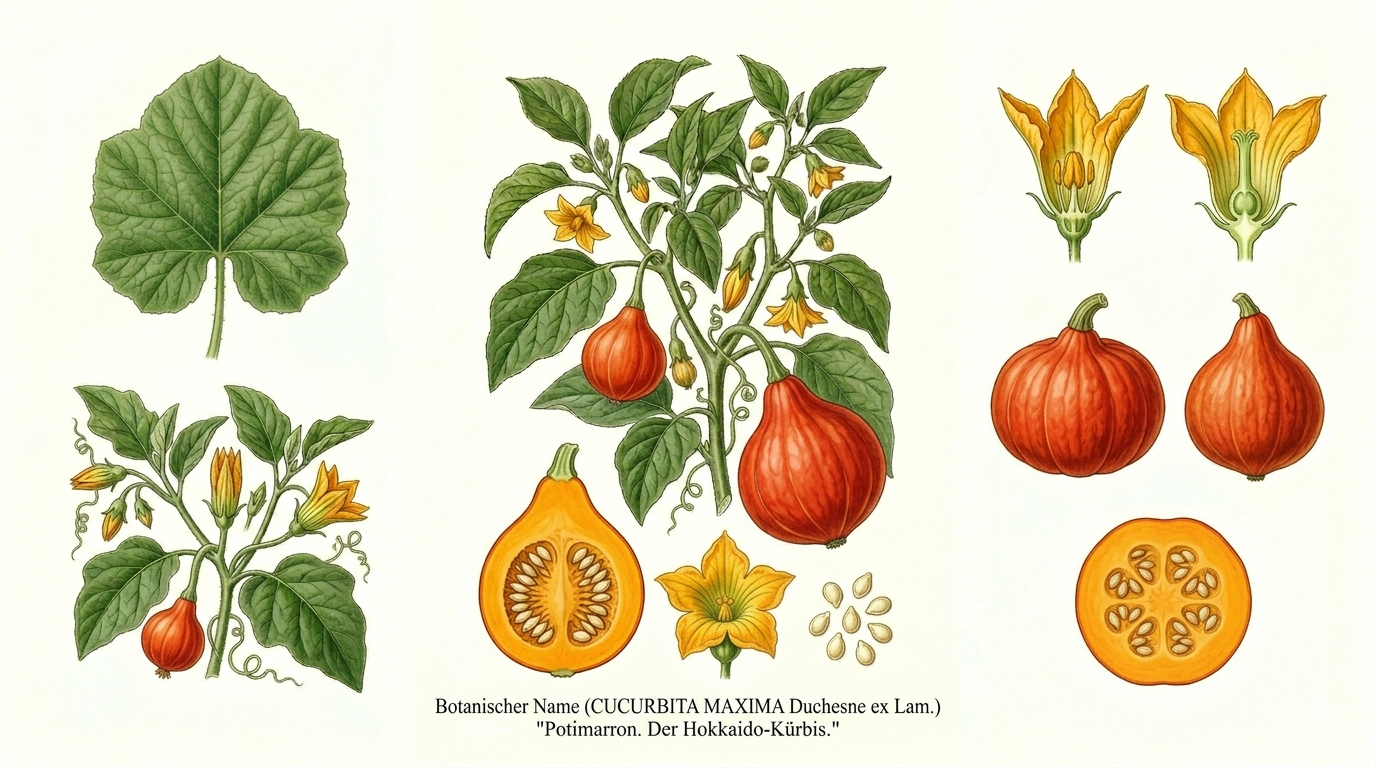
Cross-pollination by insects (bees, bumblebees). Male and female flowers are separate but on the same plant.
Notes
Abundant insect pollination is essential for good fruit set. A bee-friendly garden promotes yields.
Companion guide
red kuri squash Companion guide
Use & storage
red kuri squash Use & storage
Harvest before the first frost. The squash can be stored well.
Storage
Winter Squash
Storage life
Several months (3-6 months under optimal conditions).
Harvest
Harvest before the first frost. The squash can be stored well.
Processing
After harvest
Harvest squash carefully, leaving a short stem attached. Allow to cure for a few days in a warm, dry place to harden the rind before storage.
Edibility & safety
red kuri squash Edibility & safety
For people
In brief: which parts are edible, which parts remain risky, and whether raw consumption makes sense.
Safety notes
Non-toxic. Be aware of bitter compounds (cucurbitacins) that can occur due to stress or improper storage. Do not consume bitter fruits.
Animal safety
This plant is not simply safe or unsafe for animals. 14 animal types have restrictions, so quantity, access, and plant part matter.
Each row shows which parts are more suitable and which parts are critical.
Companion animals
 Dog
DogFlesh, Skin
Flower stem
Flesh, Skin
Flower stem
Bitter taste due to cucurbitacins, Consumption of flower stem
Gastrointestinal upset, Vomiting, Diarrhea
observe
The flesh and skin of red kuri squash are suitable for dogs in small amounts as a treat. Bitter fruits due to cucurbitacins can cause gastrointestinal upset and should be avoided. Flower stem should not be fed.
Open animal page Cat
CatFlesh, Skin
Flower stem
Flesh, Skin
Flower stem
Bitter taste due to cucurbitacins, Consumption of flower stem
Gastrointestinal upset, Vomiting, Diarrhea
observe
The flesh and skin of red kuri squash are suitable for cats in small amounts as a treat. Avoid the flower stem and bitter-tasting fruits due to possible cucurbitacins. Consumption of large amounts or bitter parts may cause gastrointestinal upset. Consult a veterinarian if symptoms persist.
Open animal page Rabbit
Flesh, Skin
Seeds (raw), Flower stem
Flesh, Skin
Seeds (raw), Flower stem
Bitter taste, Overfeeding
Gastrointestinal upset, Diarrhea
observe
The flesh and skin of red kuri squash are suitable for rabbits in small amounts as a treat. Avoid bitter fruits due to cucurbitacins, which can cause gastrointestinal irritation. Do not feed the flower stem. Consult a veterinarian if symptoms occur.
Open animal page Guinea pig
Flesh, Skin
Seeds (raw), Flower stem
Flesh, Skin
Seeds (raw), Flower stem
Bitter taste, Raw seed consumption
Gastrointestinal upset, Vomiting, Diarrhea
observe
The flesh and skin of red kuri squash are suitable for guinea pigs in small amounts as a treat. Raw seeds may cause gastrointestinal upset due to potential cucurbitacins. Do not feed bitter-tasting fruits.
Open animal page Hamster
Flesh, Skin
Seeds (raw), Flower stem
Flesh, Skin
Seeds (raw), Flower stem
Bitter fruits due to stress or improper storage, Excessive consumption of raw seeds
Gastrointestinal upset, Vomiting, Diarrhea
observe
The flesh and skin of red kuri squash are suitable for hamsters in small amounts as a treat. Raw seed material contains potentially harmful cucurbitacins and should be avoided. Never feed bitter-tasting fruits.
Open animal page Budgie
Flesh, Skin
Seeds (raw), Flower stem
Flesh, Skin
Seeds (raw), Flower stem
Bitter taste, Overfeeding, Raw feeding of seeds
Gastrointestinal upset, Vomiting, Diarrhea
observe
The flesh and skin of red kuri squash are suitable for budgies in small amounts as a treat. Raw feeding of seeds is not recommended due to potential cucurbitacins and digestive issues. Do not feed if bitter tasting.
Open animal pageFarm animals
 Horse
HorseFlesh, Skin
Seeds (raw), Flower stem
Flesh, Skin
Seeds (raw), Flower stem
Bitter taste, Overfeeding, Consumption of raw seeds
Gastrointestinal upset, Diarrhea
observe
Hokkaido squash is suitable for horses in small amounts as a treat, provided the flesh is not bitter. Raw seeds and flower stems should be avoided due to potential cucurbitacins. If bitter taste is detected, discontinue feeding immediately and consult a veterinarian.
Open animal page Chicken
Flesh, Skin
Seeds (raw), Flower stem
Flesh, Skin
Seeds (raw), Flower stem
Raw seed consumption, Bitter fruits due to stress
Gastrointestinal upset, Vomiting, Diarrhea
observe
The flesh and skin of red kuri squash are suitable for chickens in small amounts as a treat. Raw seeds may cause gastrointestinal upset. Bitter fruits due to cucurbitacins should be avoided.
Open animal page Duck
DuckFlesh, Skin
Seeds (raw), Flower stem
Flesh, Skin
Seeds (raw), Flower stem
Bitter taste, Excessive consumption of raw seeds
Gastrointestinal upset, Vomiting, Diarrhea
observe
No direct species-specific source was found for ducks. This is a cautious inference from the geese profile and the known plant-part risks.
Open animal page Goose
GooseFlesh, Skin
Seeds (raw), Flower stem
Flesh, Skin
Seeds (raw), Flower stem
Bitter taste, Excessive consumption of raw seeds
Gastrointestinal upset, Vomiting, Diarrhea
observe
The flesh and skin of red kuri squash are suitable for geese in small amounts as a treat. Raw seeds may cause gastrointestinal upset due to cucurbitacins. Bitter-tasting fruits should not be fed.
Open animal page Sheep
SheepFlesh, Skin
Flower stem
Flesh, Skin
Flower stem
Bitter taste, Unripe or stress-induced fruit
Gastrointestinal upset, Vomiting, Diarrhea
observe
The flesh, skin, and roasted seeds of red kuri squash are safe for sheep in moderation. Bitter fruits due to cucurbitacins may cause gastrointestinal upset and should be avoided. The flower stem should not be fed.
Open animal page Goat
GoatFlesh, Skin
Flower stem
Flesh, Skin
Flower stem
Bitter taste, Unripe or stress-induced fruit
Gastrointestinal upset, Vomiting, Diarrhea
observe
No direct species-specific source was found for goats. This is a cautious inference from the sheep profile and the known plant-part risks.
Open animal page Cattle
Flesh, Skin
Flower stem
Flesh, Skin
Flower stem
Bitter taste due to cucurbitacins, Overfeeding
Gastrointestinal upset, Vomiting, Diarrhea
observe
Hokkaido squash is generally non-toxic for cattle, with the flesh, skin, and roasted seeds suitable as an occasional treat in moderation. The flower stem should be avoided, and bitter fruits must not be fed due to potential cucurbitacins. Overfeeding may cause gastrointestinal upset.
Open animal page Pig
PigFlesh, Skin
Flower stem
Flesh, Skin
Flower stem
Bitter taste due to cucurbitacins, Overfeeding
Gastrointestinal upset, Vomiting, Diarrhea
observe
Flesh and skin of red kuri squash are safe for pigs in moderation and can be fed as a treat. Avoid bitter fruits due to cucurbitacins, which can cause gastrointestinal upset. Do not feed flower stem.
Open animal pageThese guidelines are for general information only and do not replace veterinary diagnosis. If critical plant parts were ingested or the animal shows unusual behaviour or symptoms, seek veterinary advice.
Max risk
unknown
Highest status
selected parts only
Urgency
observe
Saving seed
red kuri squash Saving seed
Seed viability
3 - 5 years
Practical tips
red kuri squash Practical tips
Common beginner mistakes
Success pattern
High-impact tips
Grower observations
Health
Pests, Diseases
Plant health
Diagnosis help
red kuri squash Diagnosis help
Pest groups
Disease groups
Prevention
Diagnosis
Accurate diagnosis requires observing symptoms, location of infestation, and environmental conditions. Confusion between pests and diseases is possible.
Cultural prevention
Monitoring
First response
Diagnostic rules
White, powdery coating on leaves
Possible causes: Powdery mildew
- Check weather conditions (dry-warm)
- Inspect leaves for texture
Yellowish spots on upper leaf surface, gray coating on underside
Possible causes: Downy mildew
- Check weather conditions (damp-cool)
- Inspect leaf undersides
Gray, fuzzy coating on stems or fruits, soft rot
Possible causes: Gray mold
- Check humidity levels
- Look for injuries or fruit contact with soil
FAQ
When is the best time to sow Hokkaido squash?
Indoor sowing starts from early March. Direct sowing outdoors is done from mid-May, after the last frosts and when the soil has warmed up.
How much space does a Hokkaido squash plant need?
Hokkaido squash plants are vigorous growers and require ample space. Plan for about 1 to 1.5 square meters per plant.
Can you eat the skin of Hokkaido squash?
Yes, the skin of Hokkaido squash is thin and softens during cooking, making it edible. This saves preparation time.
When and how to harvest Hokkaido squash?
Harvest takes place in autumn, before the first frost (September to November). Cut the fruits with a short stem attached. Store them in a cool, dry place.
What to do about pests on Hokkaido squash?
Common pests include slugs, squash vine borers, and aphids. Prevention through good crop rotation, encouraging beneficial insects, and possibly protective netting. Use biological methods if infestation occurs.
Is red kuri squash safe for Dog?
red kuri squash is classified as selected parts only for Dog. Risk: unknown. Urgency: observe. The flesh and skin of red kuri squash are suitable for dogs in small amounts as a treat. Bitter fruits due to cucurbitacins can cause gastrointestinal upset and should be avoided. Flower stem should not be fed.
Is red kuri squash safe for Cat?
red kuri squash is classified as selected parts only for Cat. Risk: unknown. Urgency: observe. The flesh and skin of red kuri squash are suitable for cats in small amounts as a treat. Avoid the flower stem and bitter-tasting fruits due to possible cucurbitacins. Consumption of large amounts or bitter parts may cause gastrointestinal upset. Consult a veterinarian if symptoms persist.
Is red kuri squash safe for Rabbit?
red kuri squash is classified as selected parts only for Rabbit. Risk: unknown. Urgency: observe. The flesh and skin of red kuri squash are suitable for rabbits in small amounts as a treat. Avoid bitter fruits due to cucurbitacins, which can cause gastrointestinal irritation. Do not feed the flower stem. Consult a veterinarian if symptoms occur.
Is red kuri squash safe for Guinea pig?
red kuri squash is classified as selected parts only for Guinea pig. Risk: unknown. Urgency: observe. The flesh and skin of red kuri squash are suitable for guinea pigs in small amounts as a treat. Raw seeds may cause gastrointestinal upset due to potential cucurbitacins. Do not feed bitter-tasting fruits.
Guides
Related guides
Guide
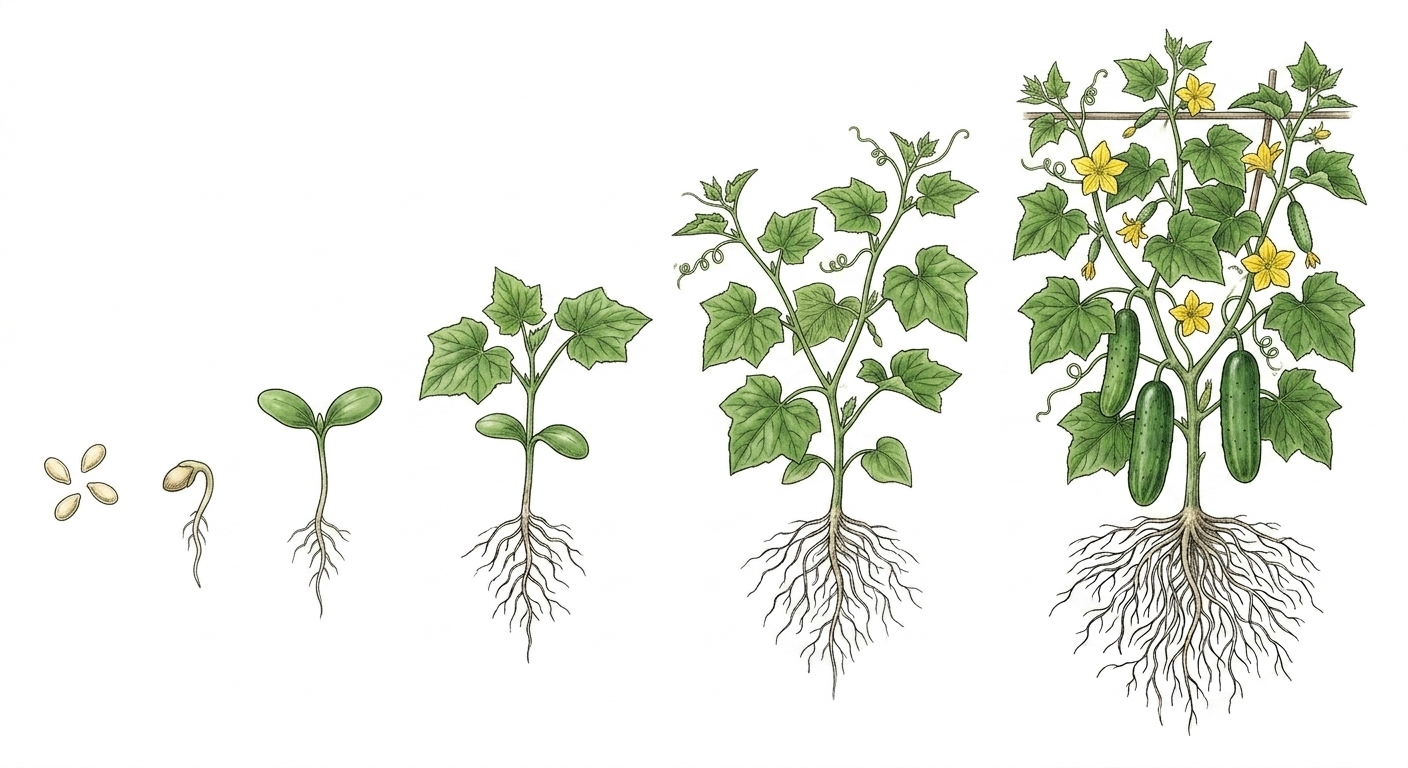
Growing Cucumbers: Starting, Supports and Harvest
Learn how to grow cucumbers successfully with indoor starting, transplanting, trellises, watering, and regular harvesting.
Guide
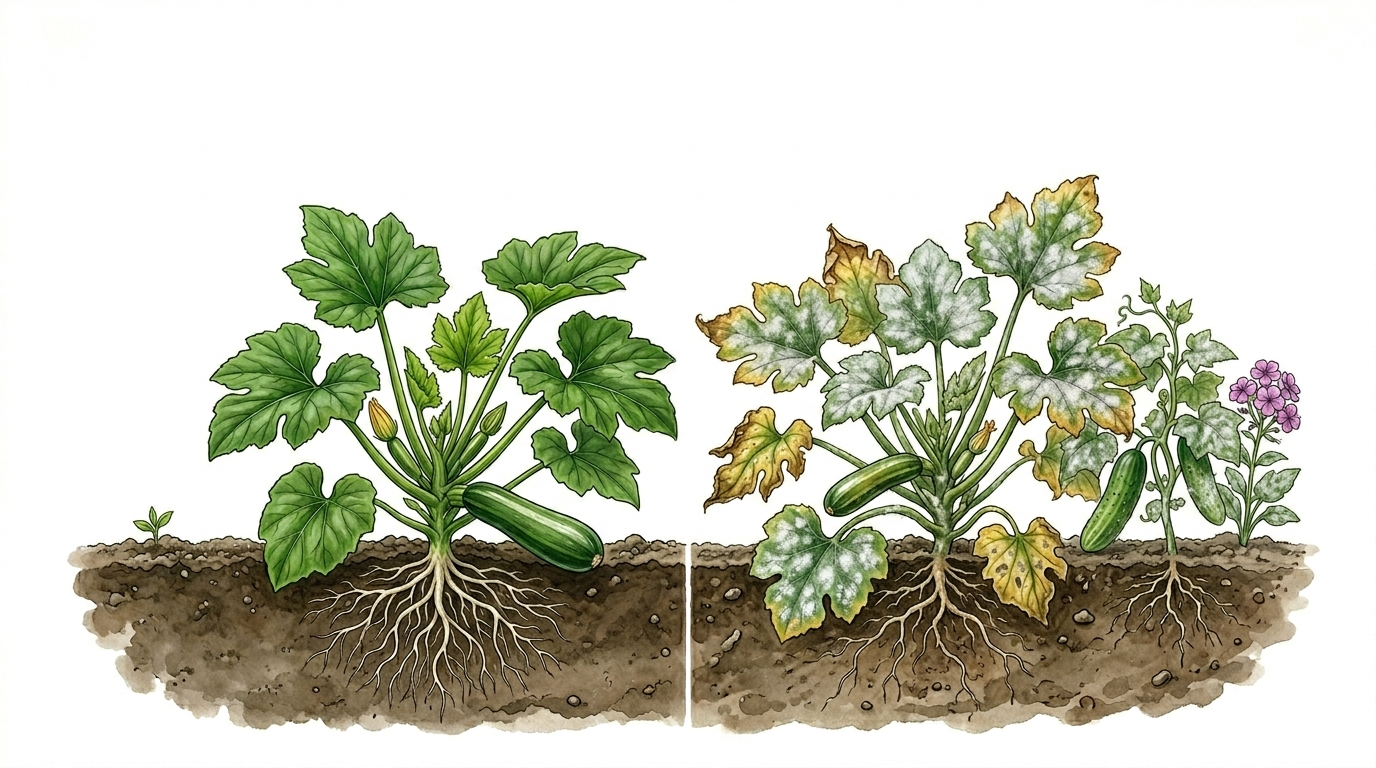
Powdery Mildew in the Garden: Prevention and Care
Learn how to recognize powdery mildew early, improve airflow, and care for affected vegetables in the garden.
Guide
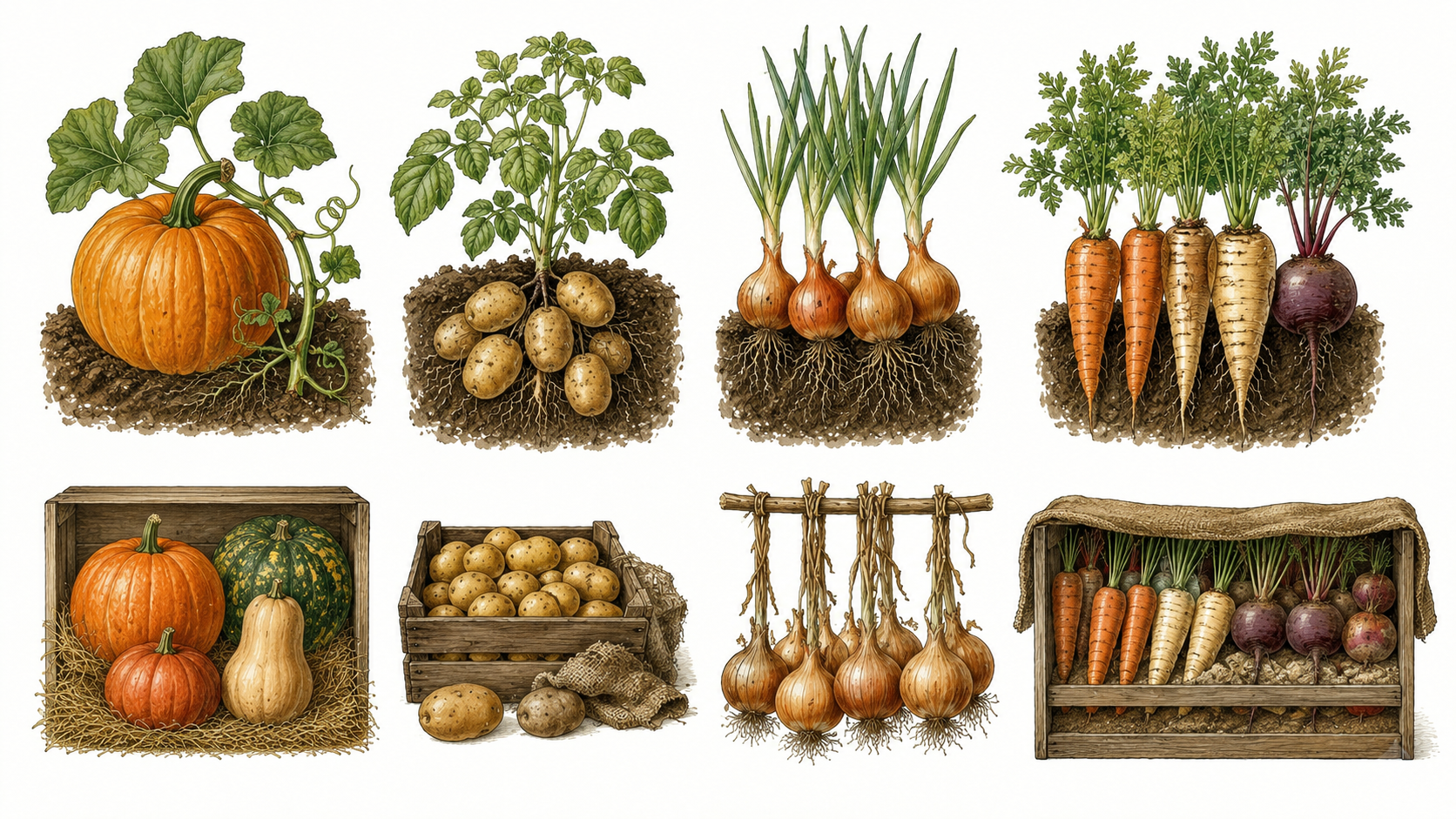
Autumn Harvest and Storage for Squash and Root Crops
Learn how to harvest and store squash, potatoes, onions, and root vegetables for longer freshness through autumn and winter.
Guide
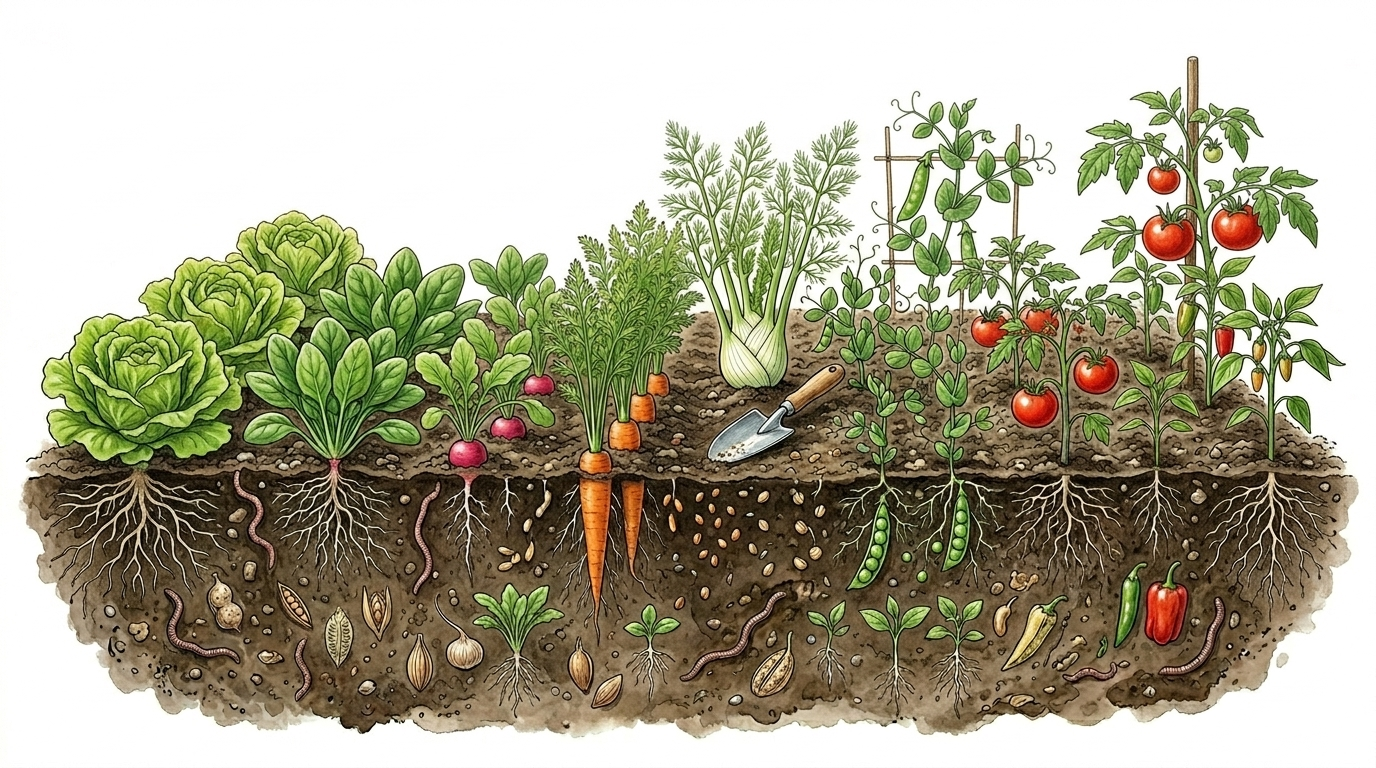
May Planting Calendar: Transplanting and Succession Sowing
What to plant and sow in May: transplant tender vegetables, continue succession sowing, and make the most of garden beds.
Internal links
Related plants
Cucumber
Both belong to the Cucurbitaceae family.
Both require consistent and adequate watering, especially in warm weather.
Melon
Both belong to the Cucurbitaceae family.
Belongs to the Cucurbitaceae family.
Butternut squash
Both are winter squash.
Musk squash
Both are squash.
Versatile in the kitchen, often sweet in flavor.
Powdery mildew
Common fungal disease in cucurbits.
Downy mildew
Also occurs in cucurbits.
tomato
Both are heavy feeders and require abundant nutrients, especially potassium and phosphorus.
Cabbage
Similar nutrient requirements, especially during the growth phase.
Zucchini
High water requirement during growth and fruit development.
Sources
Public sources
- Wikidata entity
Wikidata · 2026-05-13
- GBIF species match
GBIF · 2026-05-13
- Deutschsprachige Wikipedia: Hokkaidokürbis
Wikipedia · 2026-05-13
- English Wikipedia: Red kuri squash
Wikipedia · 2026-05-13
- Trefle API: Cucurbita maxima
Trefle · 2026-05-13