Plant Profile
Leafy GoosefootBlitum virgatum
Strawberry spinach is a charming heritage plant that offers both ornamental value and culinary utility. The bright red pseudo-fruits, which sit in the leaf axils like small strawberries, make it an eye-catcher in cottage gardens or on balconies.
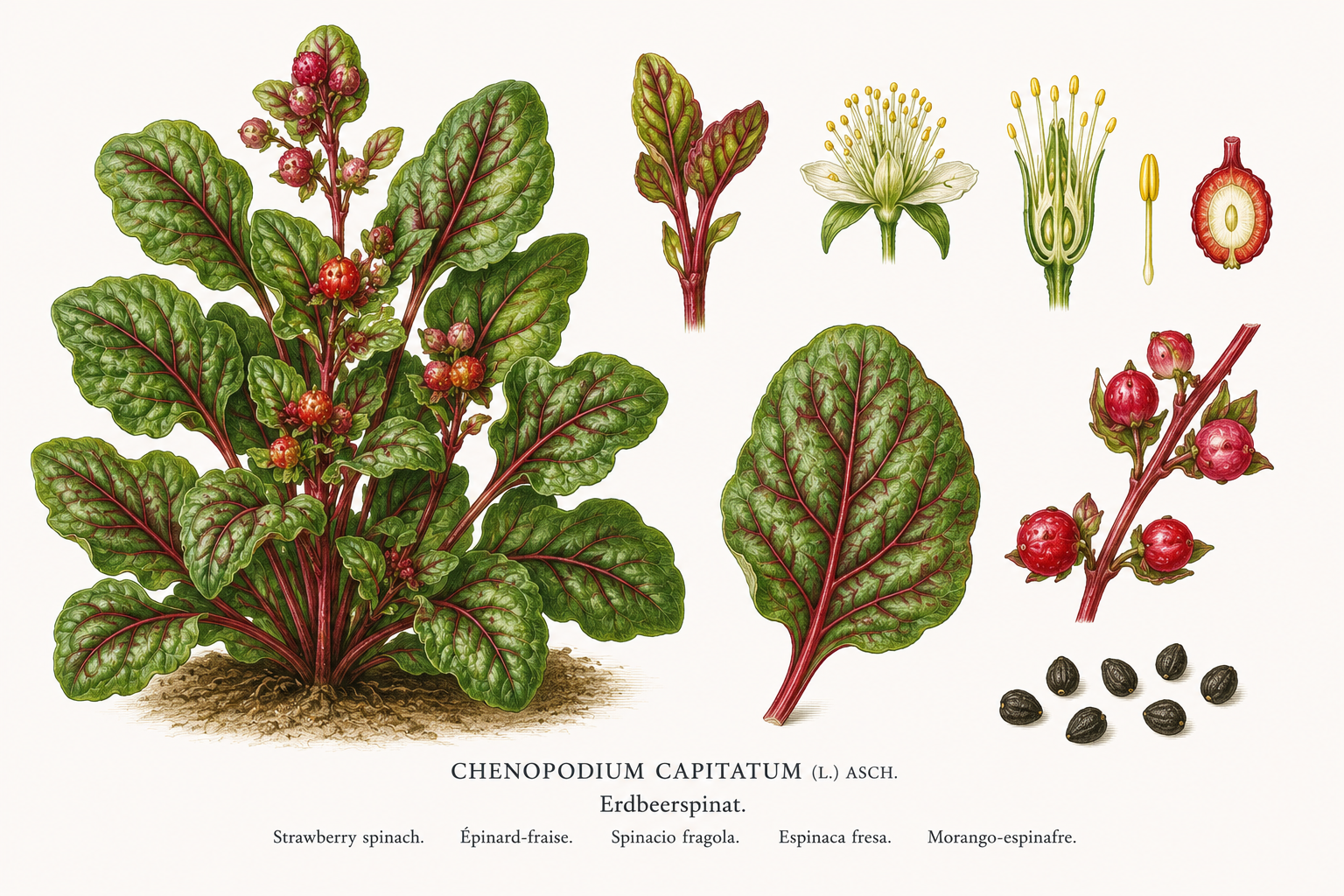
Quick profile
Key data
Suitable growing locations:
Good neighbors
PeasLettuce
Avoid
SpinachBeetroot
Indoor & direct sowing
Leafy Goosefoot: Sowing and germination
Pre-culture in pots possible for an earlier harvest.
Direct sowing in rows; successive sowings recommended for continuous harvest.
Planting & site
Leafy Goosefoot: Planting and spacing
Carefully transplant seedlings with their root ball.
Site & practical notes
Temperature & frost
Leafy Goosefoot: Temperature and site
Water & nutrients
Leafy Goosefoot: Water, nutrients and care
Container & growth
Leafy Goosefoot: Container, support and growth
Year plan
Leafy Goosefoot Calendar
Recurring tasks
Relevant now
June
- No additional single task
Next up
July
- No additional single task
Monthly tasks
Single tasks from monthly data; repeated seasonal windows are shown in the overview above.
January
Quiet month
February
Quiet month
March
No additional single task
April
No additional single task
May
No additional single task
June
No additional single task
August
No additional single task
September
No additional single task
October
No additional single task
November
Quiet month
December
Quiet month
Flowering & pollination
Leafy Goosefoot Flowering & pollination
Flowering period
6, 7, 8
Flower type
Glomerule inflorescence
Flower color
Greenish-inconspicuous
Self-fertility
self-fertile
Pollinator needed
no
Overview
Pollination occurs primarily via wind (anemophily), as is common for many Amaranthaceae.
Notes
Insects play a minor role in pollination; the plant is largely self-fertile.
Pruning & care
Leafy Goosefoot Pruning & care
Pruning timing
Harvesting and vitality maintenance Regular picking of outer leaves encourages new growth.
Remove
Preserve
Avoid
Tools and hygiene
Use clean harvesting knives to avoid grey mold infections at cut sites.
Companion guide
Leafy Goosefoot Companion guide
Good neighbors
PeasLettuce
Avoid
SpinachBeetroot
Use & storage
Leafy Goosefoot Use & storage
Pick leaves continuously; harvest berries when fully ripe (deep red).
Storage
Short-lived fresh produce
Storage life
Leaves and fruits stay fresh in the refrigerator for only 1-2 days.
Harvest
Pick leaves continuously; harvest berries when fully ripe (deep red).
Processing
After harvest
Handle the harvest carefully as ripe fruits crush easily; process as quickly as possible.
Edibility & safety
Leafy Goosefoot Edibility & safety
For people
In brief: which parts are edible, which parts remain risky, and whether raw consumption makes sense.
Safety notes
Like all goosefoots, contains oxalic acid and saponins; harmless in moderate quantities.
Animal safety
For animals, the specific plant part matters here: some parts may be suitable, while others should be avoided. At least one critical rating is listed for 1 animal types.
Each row shows which parts are more suitable and which parts are critical.
Companion animals
 Dog
DogLeaves, Young shoots
Roots, Green (unripe) fruits, Seeds (in large quantities)
Leaves, Young shoots
Roots, Green (unripe) fruits, Seeds (in large quantities)
Excessive consumption of seeds or unripe fruits, Pre-existing kidney problems in dogs due to oxalic acid
Gastrointestinal upset, Diarrhea, Vomiting
contact a vet if symptoms appear
Leaves, young shoots, and ripe pseudo-fruits are safe in small amounts as a treat. Roots, unripe fruits, and large quantities of seeds may cause gastrointestinal upset due to oxalic acid and saponins. Avoid consumption in dogs with known kidney sensitivity due to oxalic acid.
Open animal page Cat
CatLeaves, Young shoots
Roots, Green (unripe) fruits, Seeds (in large quantities)
Leaves, Young shoots
Roots, Green (unripe) fruits, Seeds (in large quantities)
Excessive consumption of seeds or unripe fruits, Pre-existing kidney issues in cats due to oxalic acid
Gastrointestinal upset, Vomiting, Diarrhea
contact a vet if symptoms appear
Leaves, young shoots, and ripe pseudo-fruits of strawberry blite are safe for cats in small amounts. Roots, unripe fruits, and especially seeds contain higher concentrations of oxalic acid and saponins and should be avoided. Excessive consumption may cause gastrointestinal upset. In cats with known kidney sensitivity, even moderate consumption should be avoided due to oxalic acid content.
Open animal page Rabbit
Leaves, Young shoots
Roots, Green (unripe) fruits, Seeds (in large quantities)
Leaves, Young shoots
Roots, Green (unripe) fruits, Seeds (in large quantities)
Excessive seed consumption, Consumption of unripe fruits
Gastrointestinal upset, Diarrhea
observe
Leaves, young shoots, and ripe pseudo-fruits are safe in moderation; roots, unripe fruits, and large quantities of seeds contain oxalic acid and saponins and may cause gastrointestinal upset. Can be offered as supplemental feed occasionally.
Open animal page Guinea pig
Leaves, Young shoots
Roots, Green (unripe) fruits, Seeds (in large quantities)
Leaves, Young shoots
Roots, Green (unripe) fruits, Seeds (in large quantities)
Excessive consumption of seeds or unripe fruits, High oxalic acid content with large feeding
Gastrointestinal upset, Diarrhea
observe
Leafy Goosefoot contains oxalic acid and saponins, which can cause gastrointestinal upset if consumed excessively. Young leaves and ripe pseudo-fruits are tolerable in moderation. Roots, unripe fruits, and large quantities of seeds should be avoided. Suitable as supplemental feed but not as primary food. Observation recommended if symptoms occur.
Open animal page Hamster
Leaves, Young shoots
Roots, Green (unripe) fruits, Seeds (in large quantities)
Leaves, Young shoots
Roots, Green (unripe) fruits, Seeds (in large quantities)
High oxalic acid content may cause kidney strain in large quantities, Saponins can be irritating with excessive consumption
Gastrointestinal upset with excessive consumption
 Budgie
Leaves, Young shoots
Roots, Green (unripe) fruits, Seeds (in large quantities)
Leaves, Young shoots
Roots, Green (unripe) fruits, Seeds (in large quantities)
Excessive consumption of seeds or unripe fruits, High oxalic acid content with large feeding
Gastrointestinal upset, Diarrhea
observe
Strawberry blite contains oxalic acid and saponins, which can cause gastrointestinal upset in budgies if consumed in large quantities. Young leaves and ripe pseudo-fruits are suitable as occasional treats in small amounts. Roots, unripe fruits, and large quantities of seeds should be avoided.
Open animal pageFarm animals
 Horse
HorseLeaves, Young shoots
Roots, Green (unripe) fruits, Seeds (in large quantities)
Leaves, Young shoots
Roots, Green (unripe) fruits, Seeds (in large quantities)
Excessive consumption of seeds or unripe fruits
Gastrointestinal upset with excessive intake
observe
Leaves, young shoots, and ripe pseudo-fruits are safe in moderation. Roots, unripe fruits, and seeds (especially in large quantities) contain higher concentrations of oxalic acid and saponins and should be avoided. Excessive intake may cause gastrointestinal upset.
Open animal page Chicken
Leaves, Young shoots
Roots, Green (unripe) fruits, Seeds (in large quantities)
Leaves, Young shoots
Roots, Green (unripe) fruits, Seeds (in large quantities)
Excessive consumption of seeds or unripe fruits, High oxalic acid content with large feeding
Gastrointestinal upset, Kidney strain with excessive intake
observe
Leaves, young shoots, and ripe pseudo-fruits are safe for chickens in moderation. Roots, unripe fruits, and seeds (especially in large quantities) should be avoided due to oxalic acid and saponins. Excessive intake may cause gastrointestinal upset or kidney strain.
Open animal page Duck
DuckLeaves, Young shoots
Roots, Green (unripe) fruits, Seeds (in large quantities)
Leaves, Young shoots
Roots, Green (unripe) fruits, Seeds (in large quantities)
Excessive consumption of seeds or unripe fruits
Gastrointestinal upset with excessive intake
observe
Leaves, young shoots, and ripe pseudo-fruits are safe for ducks in moderation. Roots, unripe fruits, and large quantities of seeds should be avoided due to oxalic acid and saponins. Suitable as part of a varied diet.
Open animal page Goose
GooseLeaves, Young shoots
Roots, Green (unripe) fruits, Seeds (in large quantities)
Leaves, Young shoots
Roots, Green (unripe) fruits, Seeds (in large quantities)
High oxalic acid content may strain kidneys, Saponins may irritate mucous membranes
Gastrointestinal upset with overconsumption
observe
Leaves, young shoots, and ripe pseudo-fruits are edible for geese in moderation and are sometimes used as forage. Roots, unripe fruits, and seeds in larger quantities should be avoided due to oxalic acid and saponins. Overconsumption may cause vomiting or diarrhea. No indications of severe poisoning under normal feeding.
Open animal page Sheep
SheepLeaves, Young shoots
Roots, Green (unripe) fruits, Seeds (in large quantities)
Leaves, Young shoots
Roots, Green (unripe) fruits, Seeds (in large quantities)
High oxalate content may bind calcium, Saponins can be irritating in large amounts
Gastrointestinal upset with excessive consumption
observe
No direct species-specific source was found for sheep. This is a cautious inference from the goats profile and the known plant-part risks.
Open animal page Goat
GoatLeaves, Young shoots
Roots, Green (unripe) fruits, Seeds (in large quantities)
Leaves, Young shoots
Roots, Green (unripe) fruits, Seeds (in large quantities)
High oxalate content may bind calcium, Saponins can be irritating in large amounts
Gastrointestinal upset with excessive consumption
 Cattle
Leaves, Young shoots
Roots, Green (unripe) fruits, Seeds (in large quantities)
Leaves, Young shoots
Roots, Green (unripe) fruits, Seeds (in large quantities)
Excessive consumption, Weak digestion
Nausea, Vomiting, Diarrhea
contact a vet if symptoms appear
Leafy Goosefoot contains oxalic acid and saponins, which can be harmful in large quantities. Only moderate amounts of the leaves, young shoots, and ripe pseudo-fruits are suitable for cattle.
Open animal page Pig
PigLeaves, Young shoots
Roots, Green (unripe) fruits, Seeds (in large quantities)
Leaves, Young shoots
Roots, Green (unripe) fruits, Seeds (in large quantities)
High oxalate content may bind calcium, Saponins can be irritating in large amounts
Gastrointestinal upset with excessive consumption
observe
Leaves, young shoots, and ripe pseudo-fruits are tolerable in moderation. Roots, unripe fruits, and seeds in large quantities should be avoided due to oxalic acid and saponins. Excessive consumption may cause vomiting or diarrhea. No indications of severe poisoning in pigs from normal feeding of edible parts.
Open animal pageThese guidelines are for general information only and do not replace veterinary diagnosis. If critical plant parts were ingested or the animal shows unusual behaviour or symptoms, seek veterinary advice.
Max risk
unknown
Highest status
do not feed
Urgency
contact a vet if symptoms appear
Saving seed
Leafy Goosefoot Saving seed
Seed type
orthodox
Seed viability
3 - 5 years
Practical tips
Leafy Goosefoot Practical tips
Common beginner mistakes
Harvesting leaves too late; they become tough and bitter once flowering starts.
Success pattern
Successive sowings every 3 weeks ensure fresh greens all summer long.
High-impact tips
The fruits are excellent for natural food coloring.
Grower observations
Plants tend to flop over when fruits are fully ripe; light earthing up helps.
Plant Profile
Additional plant images

Health
Pests, Diseases
Pests
Aphids
Curled leaves, sticky honeydew.
Slugs
Holes eaten into young leaves.
Diseases
Downy Mildew
Yellowish spots on leaf tops, grey coating underneath.
Leaf Spot Disease
Small, brown or black spots on leaves.
Deficiencies
Pale, yellowish leaves and stunted growth.
Plant health
Diagnosis help
Leafy Goosefoot Diagnosis help
Pest groups
Disease groups
Fungal diseases
Prevention
Diagnosis
Regularly check the underside of leaves for aphids and fungal coatings.
Cultural prevention
Monitoring
Weekly check for pests
First response
Diagnostic rules
White, powdery coating on leaves
Possible causes: Powdery mildew
- Check soil moisture
- Check site ventilation
FAQ
Are the red fruits of strawberry spinach poisonous?
No, they are edible but relatively tasteless. However, the seeds inside contain saponins and should be consumed in moderation.
Can strawberry spinach be grown as a perennial?
No, it is a classic annual plant, but it often returns the following year through self-seeding.
Is Leafy Goosefoot safe for Dog?
Leafy Goosefoot is classified as moderation only for Dog. Risk: unknown. Urgency: contact a vet if symptoms appear. Leaves, young shoots, and ripe pseudo-fruits are safe in small amounts as a treat. Roots, unripe fruits, and large quantities of seeds may cause gastrointestinal upset due to oxalic acid and saponins. Avoid consumption in dogs with known kidney sensitivity due to oxalic acid.
Is Leafy Goosefoot safe for Cat?
Leafy Goosefoot is classified as moderation only for Cat. Risk: unknown. Urgency: contact a vet if symptoms appear. Leaves, young shoots, and ripe pseudo-fruits of strawberry blite are safe for cats in small amounts. Roots, unripe fruits, and especially seeds contain higher concentrations of oxalic acid and saponins and should be avoided. Excessive consumption may cause gastrointestinal upset. In cats with known kidney sensitivity, even moderate consumption should be avoided due to oxalic acid content.
Is Leafy Goosefoot safe for Rabbit?
Leafy Goosefoot is classified as moderation only for Rabbit. Risk: unknown. Urgency: observe. Leaves, young shoots, and ripe pseudo-fruits are safe in moderation; roots, unripe fruits, and large quantities of seeds contain oxalic acid and saponins and may cause gastrointestinal upset. Can be offered as supplemental feed occasionally.
Is Leafy Goosefoot safe for Cattle?
Leafy Goosefoot is classified as do not feed for Cattle. Risk: unknown. Urgency: contact a vet if symptoms appear. Leafy Goosefoot contains oxalic acid and saponins, which can be harmful in large quantities. Only moderate amounts of the leaves, young shoots, and ripe pseudo-fruits are suitable for cattle.
Guides
Related guides
Guide
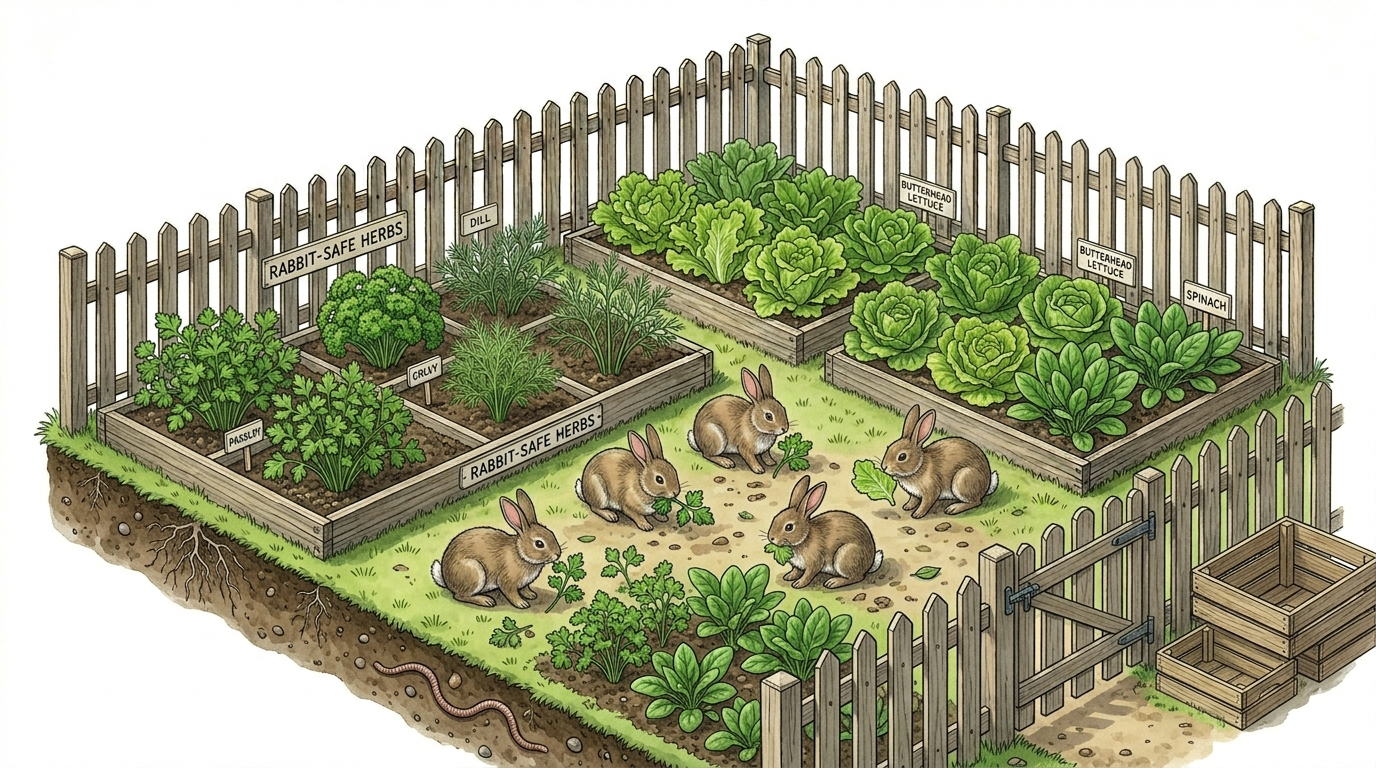
Rabbits in the Garden: Herbs and Vegetables
Learn how to choose suitable herbs and vegetables for rabbits, grow feeding plants, and plan a rabbit-friendly garden.
Guide
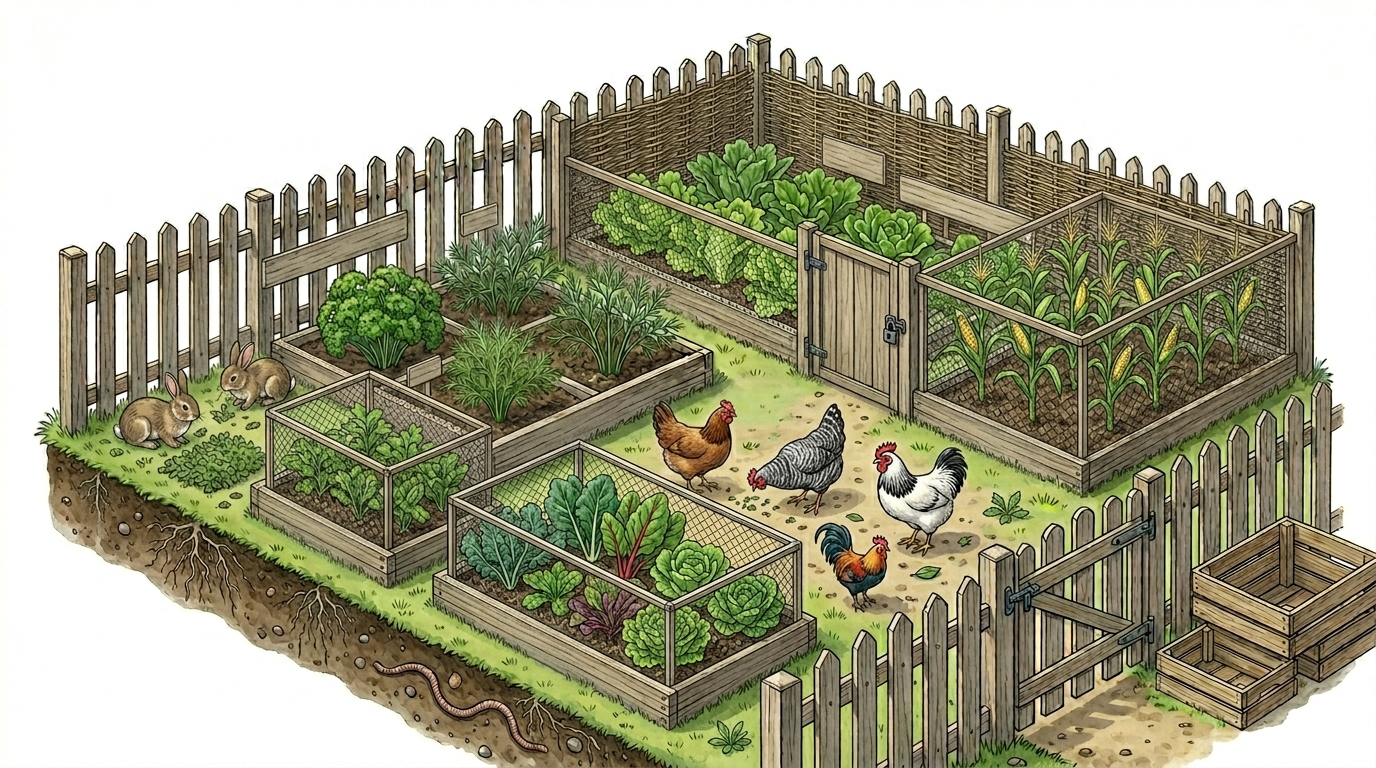
Chickens in the Garden: Safe Plants and Zones
Learn how to design a chicken-friendly garden with suitable plants, protected beds, and well-planned activity areas.
Guide
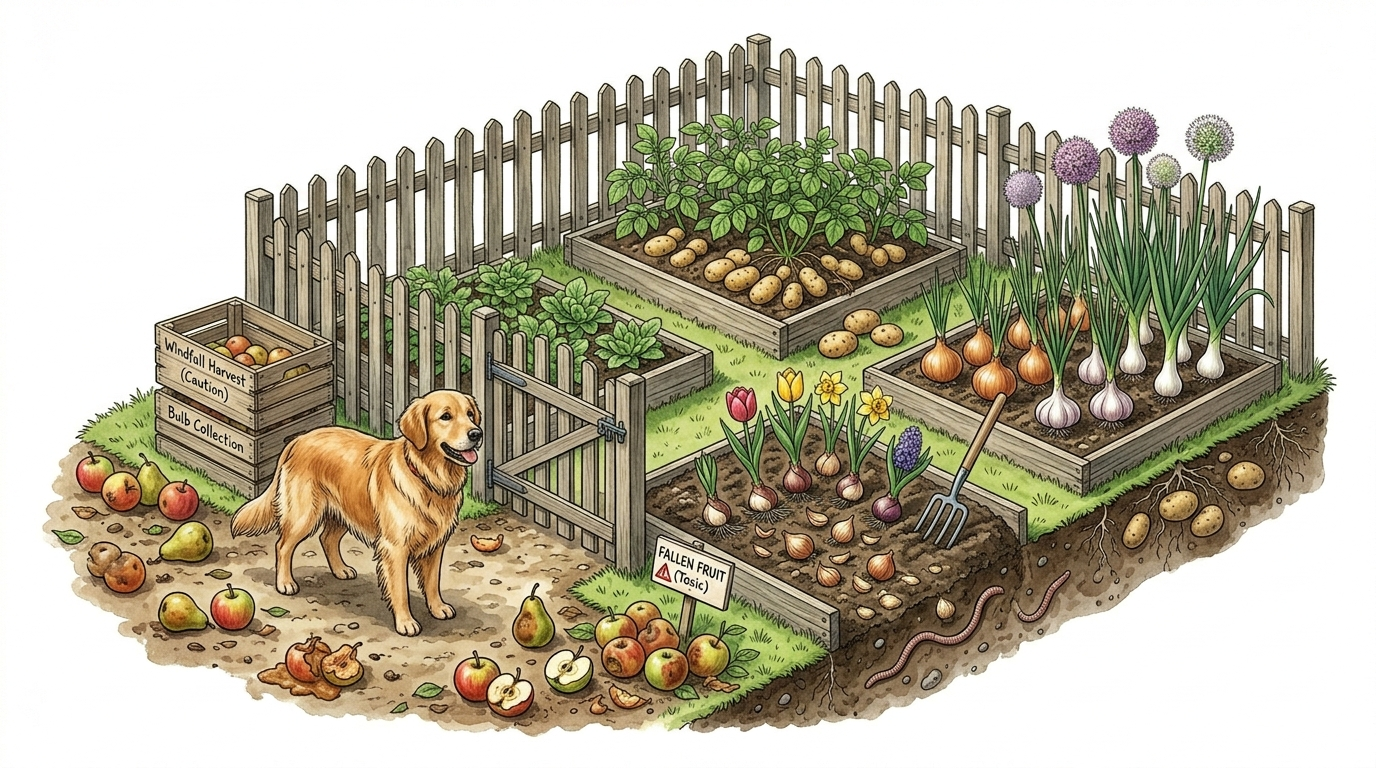
Dogs in the Garden: Windfall Fruit and Risks
Keep your garden dog-safe by managing windfall fruit, seeds, stored crops, and potentially problematic plant parts.
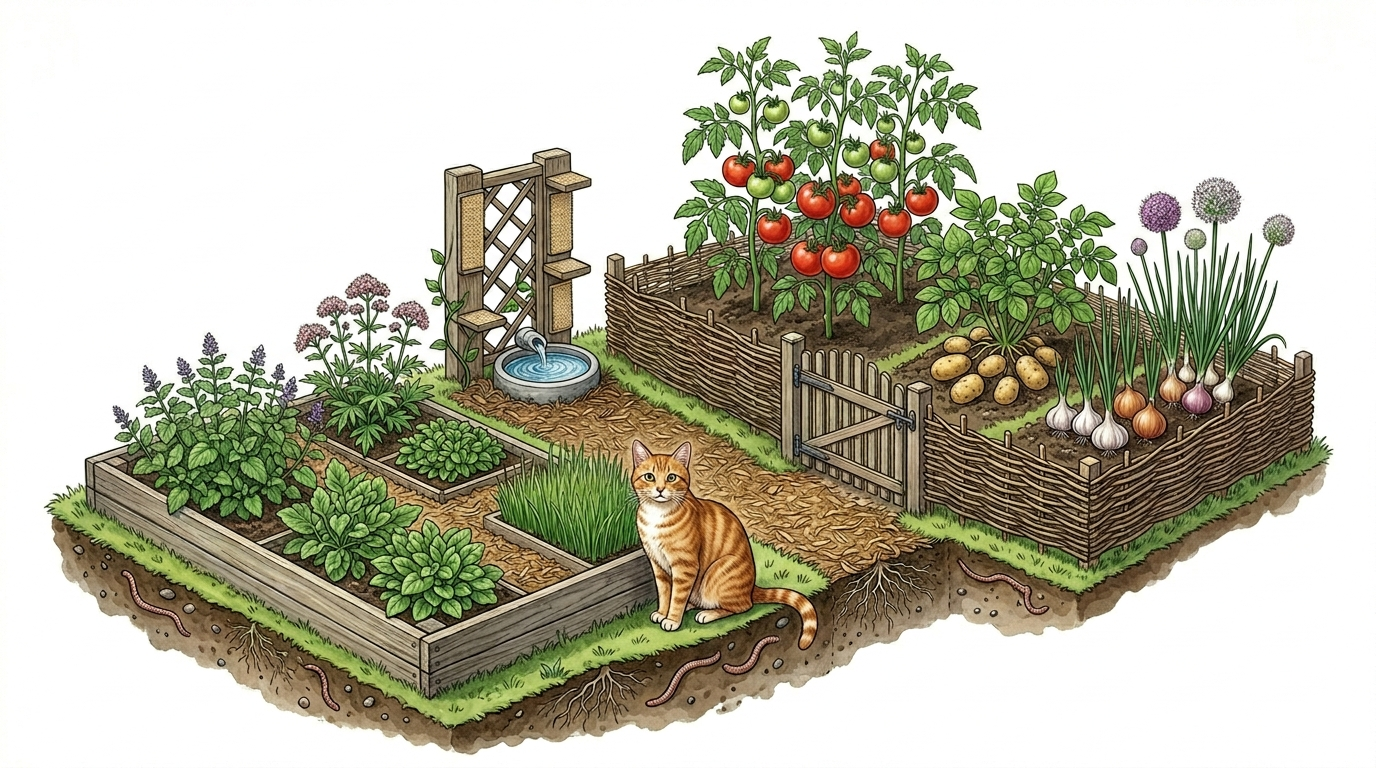
Guide
Toxic Garden Plants for Cats: Safer Planning
Learn which garden plants can be risky for cats, how to plan safer beds, and what to do if a cat eats a toxic plant.
Internal links
Related plants
Quinoa
Garden Orache
Beetroot
Both susceptible to leaf spot diseases.
Lettuce
Spinach
Similar use of leaves and same botanical family.
Swiss Chard
Both belong to the subfamily Chenopodioideae.
New Zealand Spinach
Also grown as a more heat-tolerant substitute for true spinach.
Strawberry Blite
Closely related species with terminal inflorescences; usage is identical.
Sources
Public sources
- Wikidata entity
Wikidata · 2026-05-13
- GBIF species match
GBIF · 2026-05-13
- Trefle Global Plants Database
Trefle · 2026-05-13