Plant Profile
May turnipBrassica rapa var. majalis
Fast-growing, tender root vegetable for early cultivation.
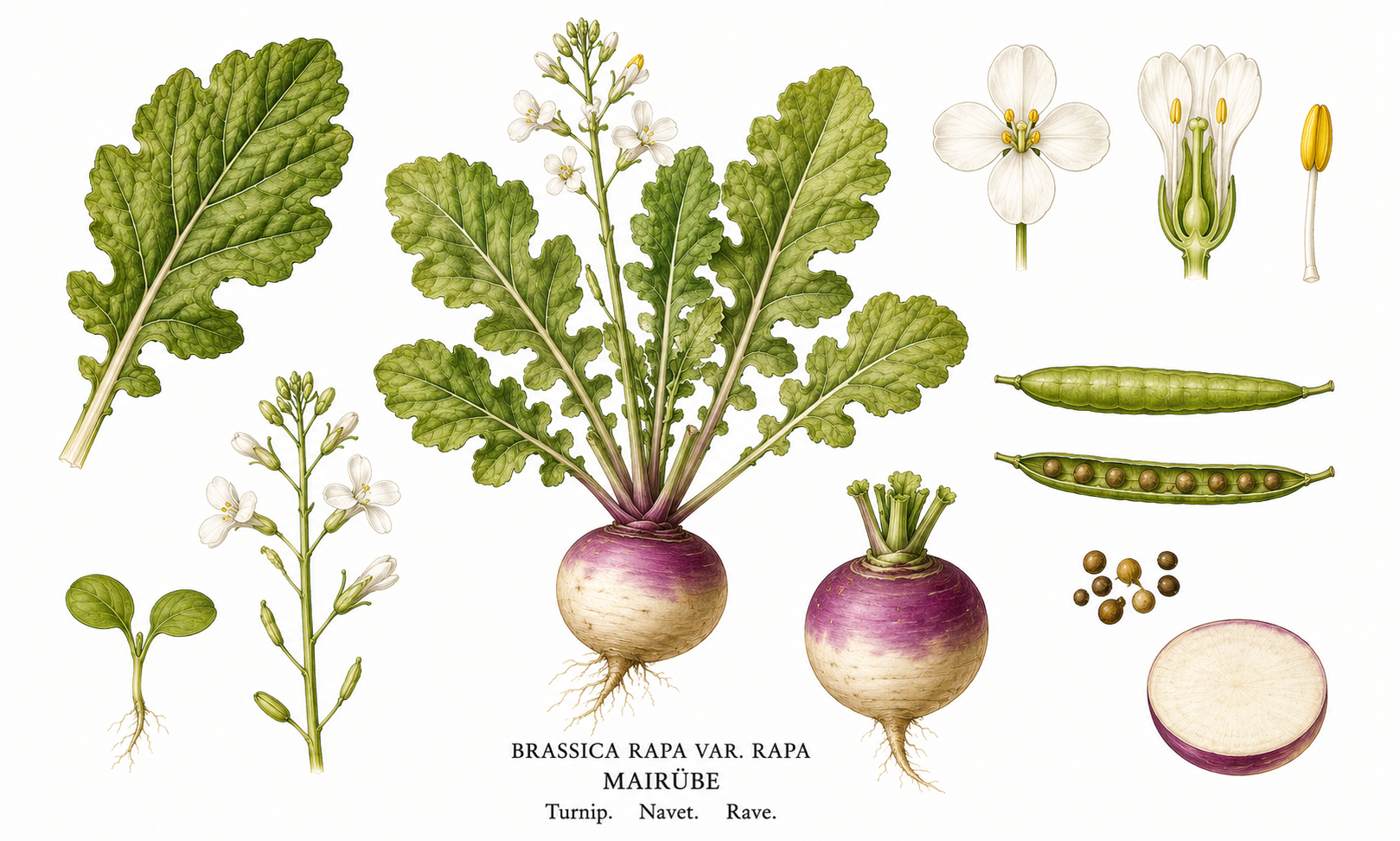
Quick profile
Key data
Suitable growing locations:
Good neighbors
LettuceSpinachPeasBeans
Avoid
Other brassicas (cabbage, radishes, daikon)StrawberriesTomatoes
Indoor & direct sowing
May turnip: Sowing and germination
May turnips are typically direct-sown outdoors.
For an early harvest, sow from March under fleece or foil. Later sowings until August for an autumn harvest.
Planting & site
May turnip: Planting and spacing
May turnips are direct-sown and not transplanted.
Temperature & frost
May turnip: Temperature and site
Water & nutrients
May turnip: Water, nutrients and care
Container & growth
May turnip: Container, support and growth
Year plan
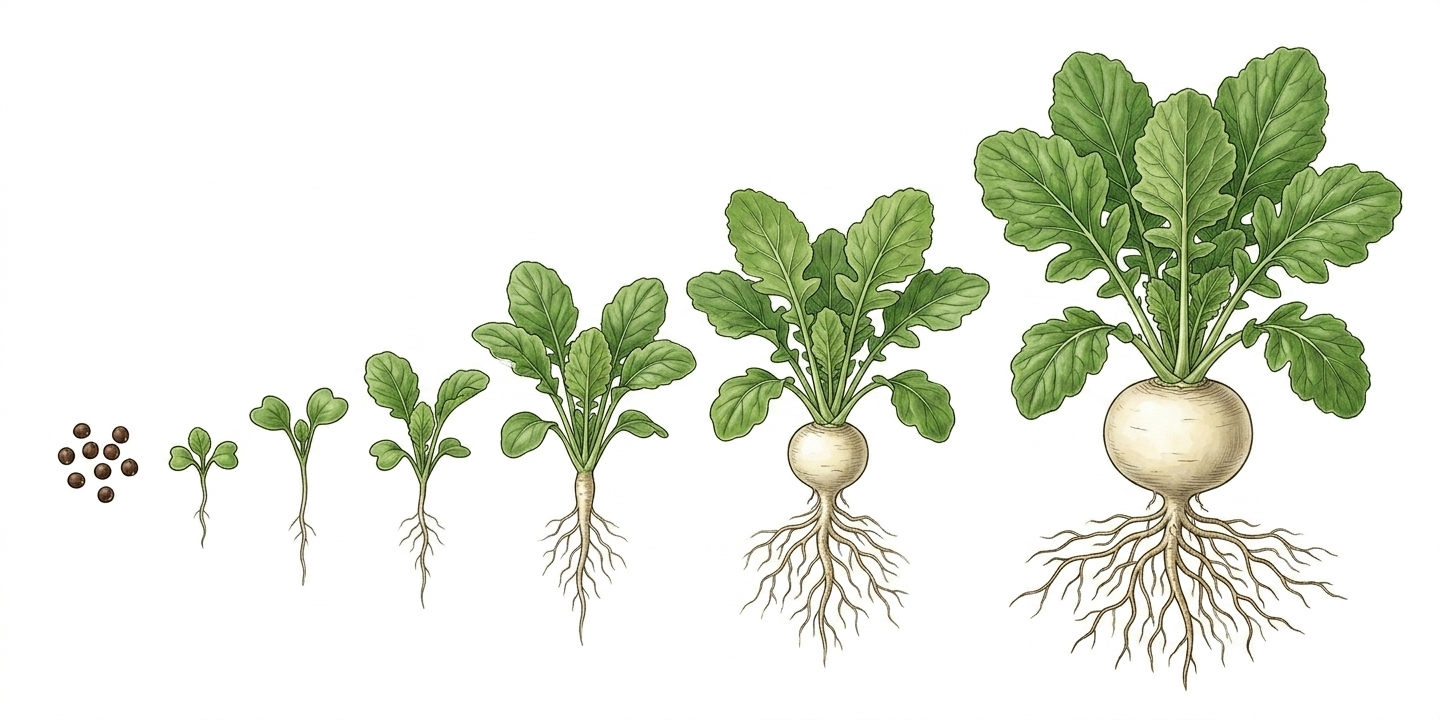
May turnip Calendar
As early as May, the first crisp May turnips can be harvested, making them one of the earliest outdoor harvests of the year.
Recurring tasks
Relevant now
June
- No additional single task
Next up
July
- No additional single task
Monthly tasks
Single tasks from monthly data; repeated seasonal windows are shown in the overview above.
January
Quiet month
February
Quiet month
March
Direct sowing
- Direct sowingBodentemperatur über 5°C: Sow under fleece or foil for early harvests.
Growing
- Prepare bedVor der Aussaat: Loosen soil and enrich with compost.
April
Direct sowing
- Direct sowingBodentemperatur über 5°C: Regular succession sowings every 2-3 weeks for continuous harvest.
May
Quiet month
June
Quiet month
August
Direct sowing
- Direct sowingLetzte Aussaat für Herbsternte: Last sowing for an autumn harvest.
September
Quiet month
October
Harvest
- HarvestRüben sind walnuss- bis faustgroß: Last harvest of late sowings before the first hard frost.
November
Quiet month
December
Quiet month
Flowering & pollination
May turnip Flowering & pollination
Flowering period
In the second year, usually early summer
Flower color
Yellow
Self-fertility
self-fertile
Pollinator needed
yes
Overview
May turnips are insect-pollinated. They are self-fertile, but seed production benefits from insect pollination.
Notes
May turnips are usually harvested before they flower. If left for seed production, they flower in their second year and are insect-pollinated.
Companion guide
May turnip Companion guide
Good neighbors
LettuceSpinachPeasBeansDillMintRosemaryThymeOnionsGarlicChamomile
Avoid
Other brassicas (cabbage, radishes, daikon)StrawberriesTomatoes
Use & storage
May turnip Use & storage
Harvest occurs approximately 6-8 weeks after sowing, when the turnips are walnut to fist-sized.
Storage
General storage category: Cool and moist, Storage life: Fresh: 1-2 weeks in the refrigerator; Longer: Stored in moist sand/soil for up to 2 months, Processing options: Pickling, Freezing (cooked or blanched), Cooking, Drying (leaves)
Flavor
Mild, slightly sweet, slightly pungent (especially in older turnips)
Harvest
Harvest occurs approximately 6-8 weeks after sowing, when the turnips are walnut to fist-sized.
Culinary uses
After harvest
Gently pull or dig turnips from the soil. Leaves can be trimmed just above the root or used for consumption. Wash and dry.
Notes
May turnips are an early and refreshing vegetable option. Their mild flavor pairs well with many dishes.
Edibility & safety
May turnip Edibility & safety
For people
In brief: which parts are edible, which parts remain risky, and whether raw consumption makes sense.
Safety notes
May turnips are non-toxic. However, older or bolted turnips can become woody and bitter, making them less palatable.
Animal safety
For many animals, this plant is generally low-risk: 14 animal types are rated suitable or mostly suitable. Quantity, plant part, and individual tolerance still matter.
Each row shows which parts are more suitable and which parts are critical.
Companion animals
 Dog
DogRoot (turnip), Leaves (young)
Older, woody turnips, Flower stalks (after bolting)
Root (turnip), Leaves (young)
Older, woody turnips, Flower stalks (after bolting)
Overconsumption, Ingestion of older or woody parts
Vomiting, Gastrointestinal upset
contact a vet if symptoms appear
May turnips are considered non-toxic to dogs. However, consumption of large quantities or older, woody turnips and bolted flower stalks may lead to gastrointestinal upset. Offer only young, fresh turnips and leaves as an occasional treat.
Open animal page Cat
CatRoot (turnip), Leaves (young)
Older, woody turnips, Flower stalks (after bolting)
Root (turnip), Leaves (young)
Older, woody turnips, Flower stalks (after bolting)
Overconsumption
Mild gastrointestinal upset (if overconsumed)
usually no action needed
May turnips are considered non-toxic to cats. As with any plant material, overconsumption may lead to mild gastrointestinal upset. Older or woody parts are less palatable.
Open animal page Rabbit
Young turnips (root), Young leaves
Older, woody turnips, Bolted flower stalks
Young turnips (root), Young leaves
Older, woody turnips, Bolted flower stalks
Overconsumption, Feeding older or woody plant parts, Sudden introduction to diet
Mild digestive upset, Gas, Diarrhea (if overconsumed)
observe
May turnips can be offered to rabbits in moderation as part of a varied diet. Young turnips and leaves are particularly suitable. Overconsumption, especially of older or woody parts, can lead to digestive upset.
Open animal page Guinea pig
Root (turnip), Leaves (young)
Older, woody turnips, Flower stalks (after bolting)
Root (turnip), Leaves (young)
Older, woody turnips, Flower stalks (after bolting)
Excessive consumption, Consumption of old or bolted plant parts
Gastrointestinal upset (with excessive consumption or unsuitable parts)
observe
May turnips (root and young leaves) can be offered in moderation as a supplemental feed for guinea pigs. Older or bolted plant parts are woody and bitter and should be avoided.
Open animal page Hamster
Young turnips (root), Young leaves
Older, woody turnips, Bolted flower stalks
Young turnips (root), Young leaves
Older, woody turnips, Bolted flower stalks
Overconsumption, Feeding older or woody plant parts, Sudden introduction to diet
Mild digestive upset, Gas, Diarrhea (if overconsumed)
observe
No direct species-specific source was found for hamsters. This is a cautious inference from the rabbits profile and the known plant-part risks.
Open animal page Budgie
Young leaves, Young turnip root (in small amounts)
Older, woody turnips, Flower stalks (after bolting)
Young leaves, Young turnip root (in small amounts)
Older, woody turnips, Flower stalks (after bolting)
Overconsumption, Consumption of older, woody plant parts
Gastrointestinal upset (with overconsumption), Diarrhea (with overconsumption)
usually no action needed
May turnips are generally classified as non-toxic for birds. Young leaves and small amounts of the young root can be offered as an occasional treat. However, overconsumption may lead to digestive upset. Older or bolted plant parts are woody and bitter and should not be fed.
Open animal pageFarm animals
 Horse
HorseRoot (turnip), Leaves (young)
Older, woody turnips, Flower stalks (after bolting)
Root (turnip), Leaves (young)
Older, woody turnips, Flower stalks (after bolting)
Overconsumption may lead to digestive upset., Older or bolted plants can be woody and bitter and may not be eaten.
Gastrointestinal upset (with overconsumption)
usually no action needed
May turnips are considered non-toxic for horses. Young roots and leaves can be offered in moderation as a supplement or treat. Older or bolted plants may become woody and bitter, but are not toxic and are generally avoided.
Open animal page Chicken
Root (turnip), Young leaves
Older or bolted leaves and stalks
Root (turnip), Young leaves
Older or bolted leaves and stalks
Overconsumption, especially of older or bolted plant material
Digestive upset, reduced feed intake, thyroid issues (with extremely high amounts over extended periods)
observe
May turnips are suitable for chickens in moderation as a supplemental feed or treat. Young roots and leaves are preferred. Excessive consumption, especially of older or bolted leaves and stalks, could potentially cause issues due to glucosinolates or digestive upset.
Open animal page Duck
DuckRoot (turnip), Leaves (young)
Older, woody turnips, Flower stalks (after bolting)
Root (turnip), Leaves (young)
Older, woody turnips, Flower stalks (after bolting)
Overconsumption, Consumption of older, woody, or bolted plant parts
Gastrointestinal upset (if overconsumed)
usually no action needed
May turnips are generally considered non-toxic. Young turnips and leaves can be offered in moderation as a treat. Older or bolted plant parts can become woody and bitter, making them less palatable or harder to digest, which may lead to gastrointestinal upset.
Open animal page Goose
GooseRoot (turnip), Young leaves
Older, woody turnips, Flower stalks (after bolting)
Root (turnip), Young leaves
Older, woody turnips, Flower stalks (after bolting)
Overconsumption, Consumption of older, woody, or bolted plant parts
Gastrointestinal upset (with excessive consumption or unsuitable parts)
usually no action needed
May turnips are generally considered non-toxic and can be offered to geese in moderation as a supplemental feed. Especially young turnips and leaves are well-tolerated. Older or bolted plant parts are not toxic but can become woody and bitter, making them less palatable or harder to digest, which might lead to mild gastrointestinal upset. A balanced diet is important to avoid potential, albeit low, risks associated…
Open animal page Sheep
SheepRoot (turnip), Leaves (young)
Older, woody turnips, Flower stalks (after bolting)
Root (turnip), Leaves (young)
Older, woody turnips, Flower stalks (after bolting)
Older or bolted plants can become woody and bitter and are then less readily eaten., Excessive consumption without other feed sources can lead to digestive upset.
Digestive upset (with overconsumption), Thyroid issues (with extremely high amounts over extended periods)
usually no action needed
May turnips are non-toxic for sheep and can serve as a forage crop. Young turnips and leaves are digestible and palatable. Older or bolted plants can become woody and bitter, reducing palatability but not posing a toxicity risk. As with all Brassica species, excessive feeding should be avoided to prevent digestive issues.
Open animal page Goat
GoatRoot (turnip), Leaves
Older, woody turnips, Flower stalks (after bolting)
Root (turnip), Leaves
Older, woody turnips, Flower stalks (after bolting)
Excessive consumption of Brassica species can lead to digestive upset or goiter in ruminants, but is unlikely with May turnips in a balanced diet.
Digestive upset (with overconsumption), Goiter (with excessive consumption of Brassica species)
usually no action needed
May turnips are generally safe for goats and can be offered as feed or forage. Older or bolted plants may become woody and bitter but are not toxic. As with all Brassica species, excessive feeding should be avoided to prevent digestive issues.
Open animal page Cattle
Root (turnip), Young leaves
Older, woody turnips, Flower stalks (after bolting)
Root (turnip), Young leaves
Older, woody turnips, Flower stalks (after bolting)
Overconsumption, Rapid introduction to diet
Digestive upset (with overconsumption), Goiter (with excessive consumption of Brassica species)
usually no action needed
May turnips are a common forage crop for cattle and are considered non-toxic. The roots and young leaves are palatable and digestible. Older or bolted plant parts can become woody and bitter, reducing palatability and digestibility, but are not toxic. As with any dietary change, slow introduction is recommended to prevent digestive upset. Excessive consumption of Brassica plants can theoretically lead to issues…
Open animal page Pig
PigRoot (turnip), Leaves (young)
Older, woody turnips, Flower stalks (after bolting)
Root (turnip), Leaves (young)
Older, woody turnips, Flower stalks (after bolting)
Older or woody plant parts may be less palatable and can cause digestive upset.
Gastrointestinal upset (with overconsumption)
usually no action needed
May turnips are generally considered non-toxic and can be fed to pigs in moderation, especially the young roots and leaves. Older or woody plant parts are less palatable and may cause digestive upset, but are not toxic.
Open animal pageThese guidelines are for general information only and do not replace veterinary diagnosis. If critical plant parts were ingested or the animal shows unusual behaviour or symptoms, seek veterinary advice.
Max risk
unknown
Highest status
moderation only
Urgency
contact a vet if symptoms appear
Saving seed
May turnip Saving seed
Seed saving
yes
Seed viability
4 - 5 years
Notes
May turnips are brassicas and readily cross-pollinate with other Brassica rapa varieties (e.g., Chinese cabbage, pak choi, other turnips). Sufficient isolation distance or hand-pollination is required for pure seeds. Plants must overwinter to produce seeds.
Practical tips
May turnip Practical tips
Common beginner mistakes
Success pattern
High-impact tips
Grower observations
Plant Profile
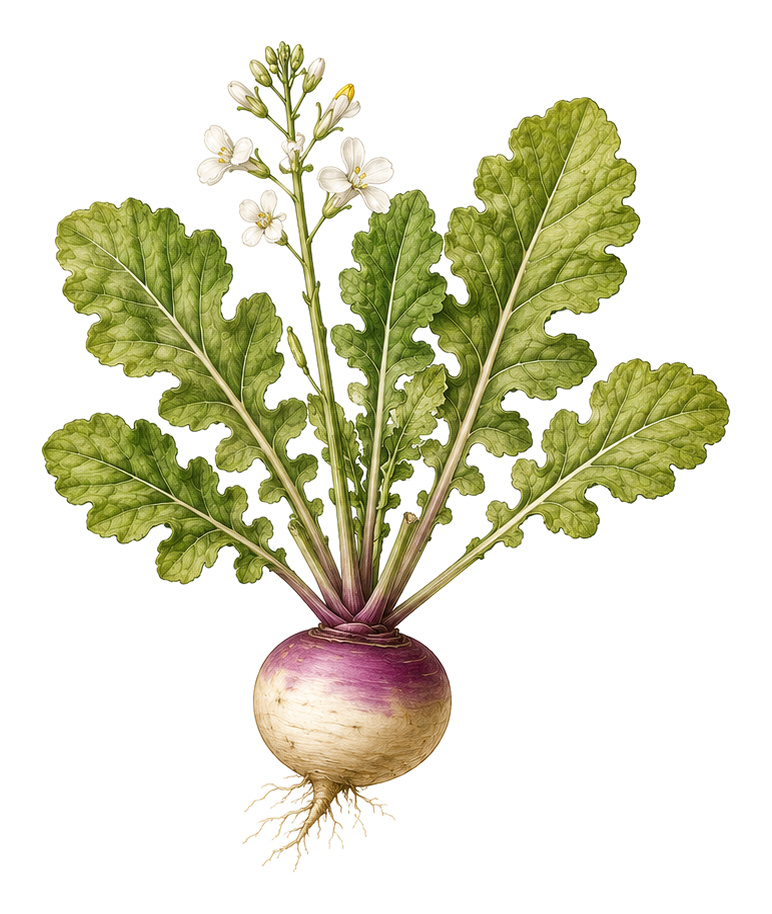
Additional plant images
Health
Pests, Diseases
Pests
Flea beetles
Small, round holes in leaves, especially on young plants. Severe infestation can lead to plant death.
Cabbage root fly
Wilting plants, stunted growth, discolored leaves. Larvae tunnel into the roots.
Cabbage white butterfly (caterpillars)
Large feeding holes on leaves, visible green caterpillars on the leaves.
Slugs
Feeding damage on leaves and turnips, slime trails on plants and soil.
Aphids
Small insect colonies on shoot tips and undersides of leaves, curled leaves, honeydew.
Diseases
Clubroot
Wilting leaves during the day, swollen, distorted roots, stunted growth.
Downy mildew
Yellowish spots on the upper leaf surface, gray fungal growth on the underside of leaves.
White blister
White, pustule-like growths on leaves and stems.
Deficiencies
Boron deficiency
Hollow, brown spots inside the turnip, stunted growth, cracked turnip surface.
Nitrogen deficiency
Yellowish leaves, especially older ones, slowed growth.
Plant health
Diagnosis help
May turnip Diagnosis help
Pest groups
Disease groups
Fungal diseases (clubroot, downy mildew, white blister)
Prevention
Diagnosis
Look for early signs of pests or diseases, such as feeding damage, discoloration, or wilting. Prompt action is often crucial to prevent greater damage.
Cultural prevention
Monitoring
First response
Diagnostic rules
Small, round holes in young leaves
Possible causes: Flea beetles
- Check plants for small, jumping beetles
- Check insect netting
Plants wilting, roots thickened/distorted
Possible causes: Clubroot, Cabbage Root Fly
- Carefully check roots
- Test soil pH
Yellowish spots on upper leaf surface, gray fungal growth on underside of leaves
Possible causes: Downy mildew
- Check humidity and ventilation
Plant forms flower stalk, turnip becomes woody
Possible causes: Bolting
- Check temperatures (too hot?)
- Check water supply (too dry?)
FAQ
When is the best time to sow May turnips?
May turnips can be direct-sown outdoors from March to August. For an early harvest in May, sowing from March under fleece or foil is ideal. Regular succession sowings every 2-3 weeks ensure a continuous harvest.
Why are my May turnips woody or bitter?
Woody or bitter turnips are often the result of insufficient water, heat stress, or late harvesting. Ensure consistent watering and harvest the turnips when they are still young and tender (walnut to fist-sized).
Can May turnips be grown in pots?
Yes, May turnips are well-suited for growing in pots or balcony boxes. Choose pots with at least 20 cm depth and diameter and ensure good drainage. Smaller varieties are particularly suitable for this.
What pests most commonly affect May turnips?
Common pests include flea beetles, cabbage root flies, and cabbage white butterfly caterpillars. Insect netting is an effective method to keep many of these pests away, especially from young plants.
Is May turnip safe for Dog?
May turnip is classified as moderation only for Dog. Risk: unknown. Urgency: contact a vet if symptoms appear. May turnips are considered non-toxic to dogs. However, consumption of large quantities or older, woody turnips and bolted flower stalks may lead to gastrointestinal upset. Offer only young, fresh turnips and leaves as an occasional treat.
Is May turnip safe for Cat?
May turnip is classified as moderation only for Cat. Risk: unknown. Urgency: usually no action needed. May turnips are considered non-toxic to cats. As with any plant material, overconsumption may lead to mild gastrointestinal upset. Older or woody parts are less palatable.
Is May turnip safe for Rabbit?
May turnip is classified as moderation only for Rabbit. Risk: unknown. Urgency: observe. May turnips can be offered to rabbits in moderation as part of a varied diet. Young turnips and leaves are particularly suitable. Overconsumption, especially of older or woody parts, can lead to digestive upset.
Is May turnip safe for Guinea pig?
May turnip is classified as moderation only for Guinea pig. Risk: unknown. Urgency: observe. May turnips (root and young leaves) can be offered in moderation as a supplemental feed for guinea pigs. Older or bolted plant parts are woody and bitter and should be avoided.
Guides
Related guides
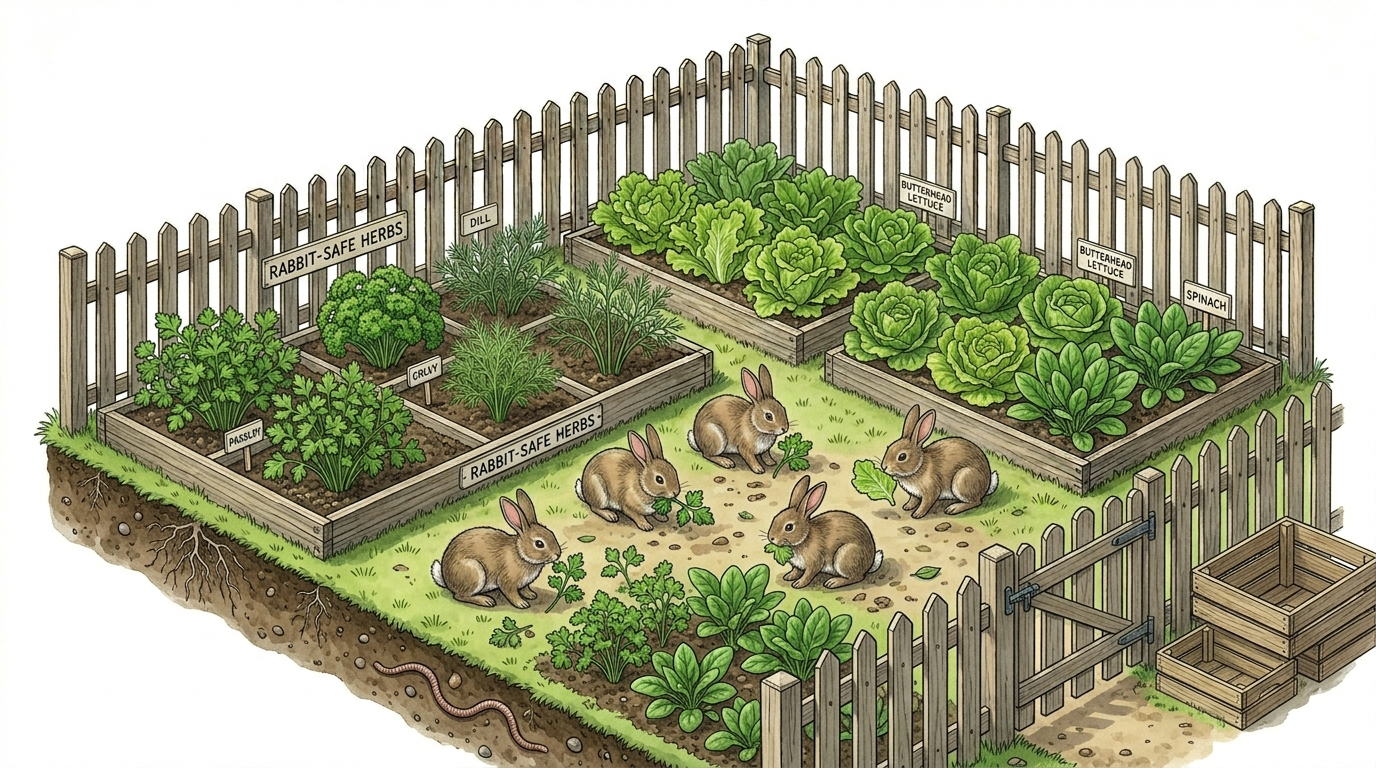
Guide
Rabbits in the Garden: Herbs and Vegetables
Learn how to choose suitable herbs and vegetables for rabbits, grow feeding plants, and plan a rabbit-friendly garden.
Guide
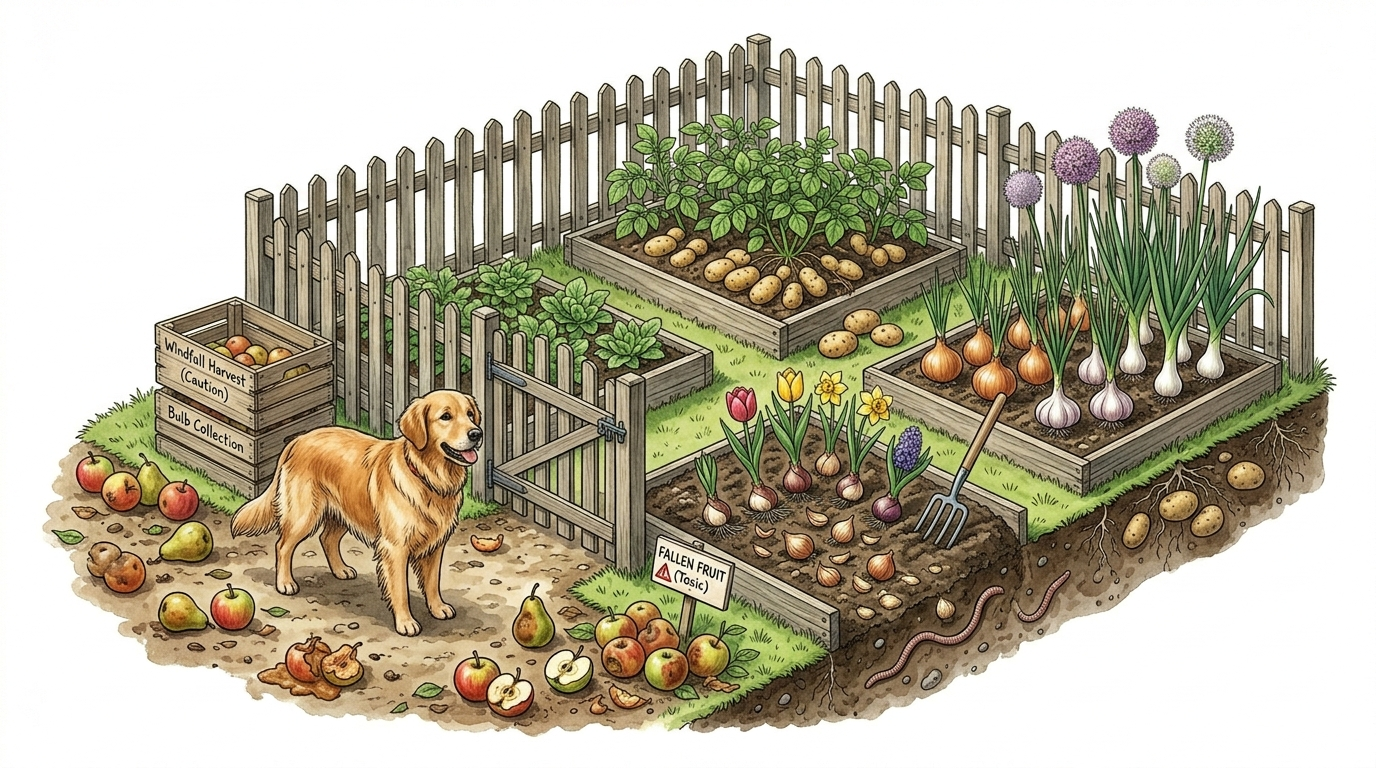
Dogs in the Garden: Windfall Fruit and Risks
Keep your garden dog-safe by managing windfall fruit, seeds, stored crops, and potentially problematic plant parts.
Guide
Horse Pastures and Garden Plants: Safety Checks
Learn how to identify risks near horse pastures, fences, turnout areas, fruit trees, and garden planting zones.
Guide
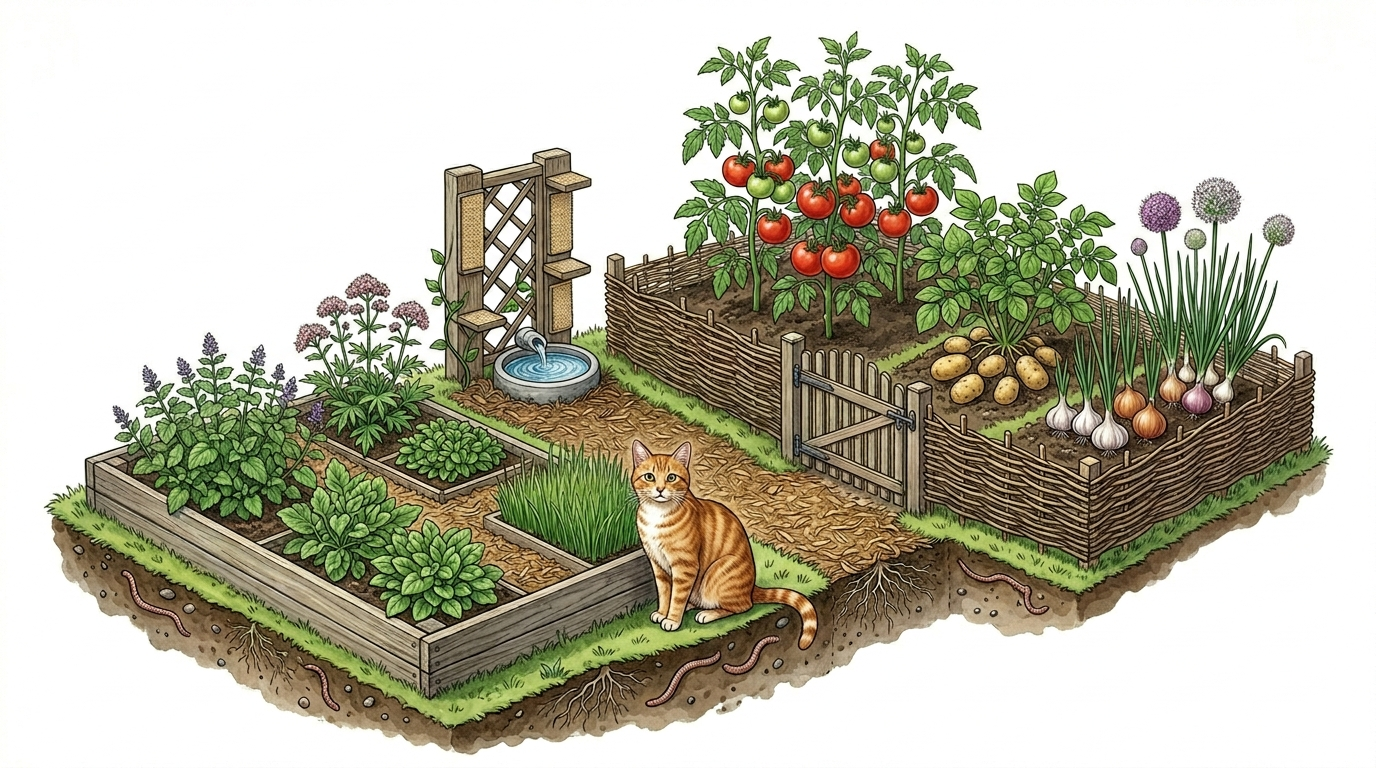
Toxic Garden Plants for Cats: Safer Planning
Learn which garden plants can be risky for cats, how to plan safer beds, and what to do if a cat eats a toxic plant.
Internal links
Related plants
Cabbage
All belong to the brassica family (Brassicaceae).
Belong to the brassica crop group.
Radish
All belong to the brassica family (Brassicaceae).
Both are medium feeders and prefer similar soil conditions.
Clubroot
Typical disease for brassicas.
Downy mildew
Can also affect other brassicas.
kohlrabi
Both are medium feeders and prefer similar soil conditions.
Brassica with similar care requirements and culinary uses.
Lettuce
Both benefit from consistent soil moisture.
cauliflower
Belongs to the brassica family (Brassicaceae).
Teltow Turnip
Closely related, but smaller and more intense-flavored turnips.
Sources
Public sources
- Wikidata entity
Wikidata · 2026-05-14
- GBIF species match
GBIF · 2026-05-14
- Deutschsprachige Wikipedia: Mairübe
Wikipedia · 2026-05-14