Plant Profile
StielmusBrassica rapa subsp. rapa
Fast-growing brassica, harvested for stems and leaves.
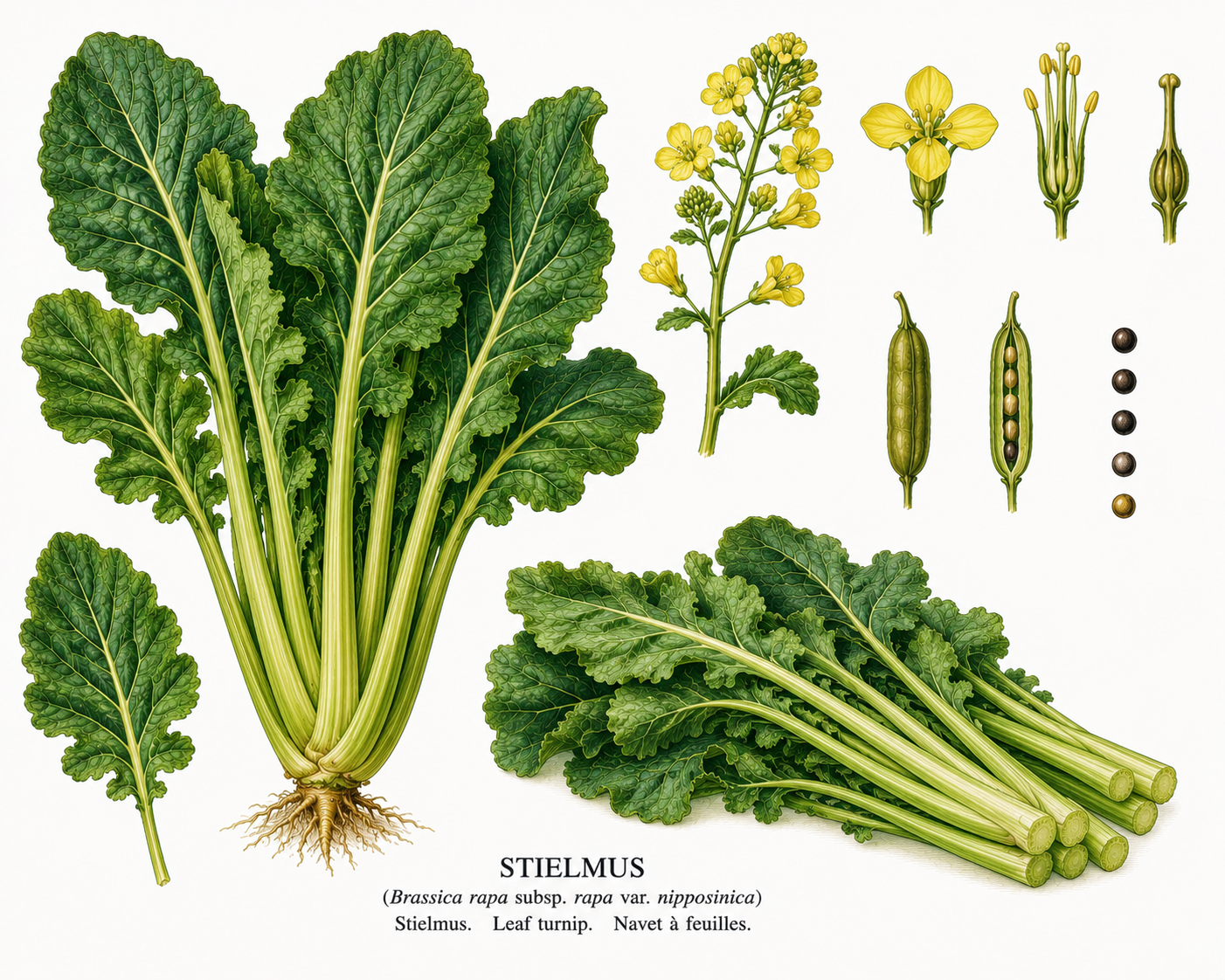
Quick profile
Key data
Suitable growing locations:
Good neighbors
PeaCarrotOnion
Avoid
Cabbagebroccoli
Indoor & direct sowing
Stielmus: Sowing and germination
Stielmus is usually not pre-cultivated; direct sowing is common and easy.
Outdoor sowing possible from March to August; cool periods are preferred.
Planting & site
Stielmus: Planting and spacing
No transplanting needed as direct sowing is practiced.
Site & practical notes
General: Direct sow from March, succession sow every 2–3 weeks for continuous harvest., Water to prevent bolting., Harvest before flowering when stems are 15–25 cm long., Light frost is tolerable, hard frost damages plants., Stielmus is a medium feeder; fertilize with compost before sowing., Sowing tips: Sow seeds 1–2 cm deep, row spacing 20 cm., Keep soil moist during germination., Germination at 5–25 °C, ideal 10 °C., No pre-culture needed., Harvest tips: Cut stems or harvest whole plant just above ground., Harvest every 1–2 weeks with succession sowing., Harvest before flowering for best quality.
Temperature & frost
Stielmus: Temperature and site
Water & nutrients
Stielmus: Water, nutrients and care
Container & growth
Stielmus: Container, support and growth
Year plan
Stielmus Calendar
The best harvest time is spring and autumn, when temperatures are mild.
Relevant now
June
- HarvestBlätter 15–25 cm: Regularly harvest young stems
- Last main harvest sowingSowing for summer harvest
Next up
July
- Autumn sowingSowing for autumn harvest
Monthly tasks
Single tasks from monthly data; repeated seasonal windows are shown in the overview above.
January
Quiet month
February
Quiet month
March
Growing
- Prepare bedsfrostfrei: Loosen weed-free soil with compost amendment
April
Direct sowing
- Staggered direct sowingBoden 5–10 °C: Sow from mid-April depending on weather, row spacing 20 cm
May
Direct sowing
- Follow-up sowingFurther sowing every 2–3 weeks for continuous harvest
Growing
- WeedingKeep young seedlings weed-free
June
Harvest
- HarvestBlätter 15–25 cm: Regularly harvest young stems
- Last main harvest sowingSowing for summer harvest
August
Direct sowing
- Late summer sowingLast chance for autumn harvest
September
Harvest
- Autumn harvestHarvest before hard frost
October
Harvest
- Final harvest before frostFrost droht: Harvest entire plant
November
Quiet month
December
Quiet month
Flowering & pollination
Stielmus Flowering & pollination
Flowering period
May to July (with staggered sowing)
Flower type
Hermaphroditic, four-petaled, yellow
Self-fertility
self-incompatible
Pollinator needed
yes
Overview
Stielmus is self-incompatible and requires cross-pollination by insects, mainly bees and hoverflies.
Notes
Open pollination is necessary for seed production. Individual varieties must be isolated as they cross with other Brassica rapa types.
Pruning & care
Stielmus Pruning & care
Pruning type
Nicht zutreffend – keine Schnittpflege erforderlich.
Tools and hygiene
Not applicable, as no pruning is performed.
Companion guide
Stielmus Companion guide
Good neighbors
PeaCarrotOnion
Avoid
Cabbagebroccoli
Use & storage
Stielmus Use & storage
Harvest of stems and leaves about 6–10 weeks after sowing, before flowering.
Storage
Short-term storage (like leafy greens)
Storage life
3–5 days in refrigerator
Flavor
Mildly spicy, slightly mustard-like, similar to arugula or young kohlrabi, but more tender.
Harvest
Harvest of stems and leaves about 6–10 weeks after sowing, before flowering.
Processing
After harvest
Store harvested stems and leaves immediately cool and moist to prevent wilting. Wash thoroughly before use.
Edibility & safety
Stielmus Edibility & safety
For people
In brief: which parts are edible, which parts remain risky, and whether raw consumption makes sense.
Safety notes
Stielmus is edible and non-toxic. In rare cases, consuming large amounts of raw leaves may cause mild stomach discomfort in sensitive individuals (as with other brassicas).
Animal safety
For many animals, this plant is generally low-risk: 14 animal types are rated suitable or mostly suitable. Quantity, plant part, and individual tolerance still matter.
Each row shows which parts are more suitable and which parts are critical.
Companion animals
 Dog
DogStems, Leaves
Old, woody stems, Flower stalks (if already bloomed), Seed pods
Stems, Leaves
Old, woody stems, Flower stalks (if already bloomed), Seed pods
Excessive consumption of raw leaves may cause gastrointestinal upset in sensitive dogs., Seeds and mature flower stalks should be avoided.
Gastrointestinal upset
observe
Stielmus (Brassica rapa subsp. rapa) is edible and non-toxic for dogs in small amounts. Young stems, leaves, and roots can be fed as an occasional treat. Older, woody parts and seeds should be avoided due to potential digestibility issues.
Open animal page Cat
CatStems, Leaves
Old, woody stems, Flower stalks (if already bloomed), Seed pods
Stems, Leaves
Old, woody stems, Flower stalks (if already bloomed), Seed pods
Excessive consumption of raw leaves may cause gastrointestinal upset in sensitive animals., Old, woody parts are difficult to digest., Seed pods may pose an intestinal blockage risk if consumed in large quantities.
Gastrointestinal upset
observe
Stielmus is edible and non-toxic for cats, but only specific parts are safe. Young stems, leaves, and young roots can occasionally be fed as a treat. Older, woody stems, bloomed flower stalks, and seed pods should be avoided as they may cause digestive upset or pose a physical risk. Consumption of large amounts of raw leaves may cause mild gastrointestinal upset in sensitive cats.
Open animal page Rabbit
Stems, Leaves
Old, woody stems, Flower stalks (if already bloomed), Seed pods
Stems, Leaves
Old, woody stems, Flower stalks (if already bloomed), Seed pods
Overconsumption may cause gas or gastrointestinal upset, Woody parts are difficult to digest
Gas, Gastrointestinal upset
observe
Stielmus is edible and non-toxic for rabbits, but only young, tender parts should be fed. Older, woody stems and seeds are difficult to digest and should be avoided. When feeding young leaves and stems normally, there is no toxicity risk.
Open animal page Guinea pig
Stems, Leaves
Old, woody stems, Flower stalks (if already bloomed), Seed pods
Stems, Leaves
Old, woody stems, Flower stalks (if already bloomed), Seed pods
Overconsumption may cause gas or gastrointestinal upset, Woody parts are difficult to digest
Gas, Gastrointestinal upset
observe
No direct species-specific source was found for guinea pigs. This is a cautious inference from the rabbits profile and the known plant-part risks.
Open animal page Hamster
Stems, Leaves
Old, woody stems, Flower stalks (if already bloomed), Seed pods
Stems, Leaves
Old, woody stems, Flower stalks (if already bloomed), Seed pods
Excessive consumption of raw leaves, Sensitivity to brassicas
Gastrointestinal upset, Gas
observe
Stielmus is edible and generally safe for hamsters, but only young, tender parts should be fed. Older, woody stems, flower stalks, and seeds may cause gas or gastrointestinal discomfort. Suitable as occasional greens, not as a staple diet. Discontinue feeding and observe if any signs of discomfort appear. Consult a veterinarian if symptoms persist.
Open animal page Budgie
Stems, Leaves
Old, woody stems, Flower stalks (if already bloomed), Seed pods
Stems, Leaves
Old, woody stems, Flower stalks (if already bloomed), Seed pods
Excessive consumption of raw leaves, Sensitivity to brassicas
Gastrointestinal upset, Bloating
observe
Stielmus is edible and generally non-toxic for budgies, but due to its glucosinolate content, it should be fed only in moderation, especially the young, tender parts. Older, woody stems and seed stalks should be avoided. Excessive consumption may cause gastrointestinal upset. There are no budgie-specific studies, but the classification is based on the general safety of Brassica rapa for birds and the known feeding…
Open animal pageFarm animals
 Horse
HorseStems, Leaves
Old, woody stems, Flower stalks (if already bloomed), Seed pods
Stems, Leaves
Old, woody stems, Flower stalks (if already bloomed), Seed pods
Excessive consumption of mature or woody parts, Consumption of seeds or flower stalks
Gastrointestinal upset
observe
Stielmus is edible and non-toxic for horses when young, tender parts are fed. Older, woody stems, flower stalks, and seeds may be difficult to digest and can cause gastrointestinal upset if consumed in excess.
Open animal page Chicken
Stems, Leaves
Old, woody stems, Flower stalks (if already bloomed), Seed pods
Stems, Leaves
Old, woody stems, Flower stalks (if already bloomed), Seed pods
Excessive consumption of raw parts, Sensitivity to brassicas
Gastrointestinal upset, bloating
observe
Stielmus is edible and non-toxic for chickens in normal amounts. Young, tender parts can be given as supplemental feed. Old, woody stems, flower stalks, and seeds should be avoided as they are difficult to digest and may contain higher concentrations of glucosinolates.
Open animal page Duck
DuckStems, Leaves
Old, woody stems, Flower stalks (if already bloomed), Seed pods
Stems, Leaves
Old, woody stems, Flower stalks (if already bloomed), Seed pods
Excessive consumption of raw leaves, Sensitive individuals
Gastrointestinal upset, Bloating
observe
No direct species-specific source was found for ducks. This is a cautious inference from the geese profile and the known plant-part risks.
Open animal page Goose
GooseStems, Leaves
Old, woody stems, Flower stalks (if already bloomed), Seed pods
Stems, Leaves
Old, woody stems, Flower stalks (if already bloomed), Seed pods
Excessive consumption of raw leaves, Sensitive individuals
Gastrointestinal upset, Bloating
observe
Stielmus is edible and generally non-toxic for geese. Young stems, leaves, and young roots can occasionally be fed as part of a varied diet. Older, woody stems, flower stalks, and seed pods should be avoided due to higher glucosinolate concentrations and potential digestive upset. Excessive consumption may cause bloating and gastrointestinal discomfort. Consult a veterinarian if symptoms persist.
Open animal page Sheep
SheepStems, Leaves
Old, woody stems, Flower stalks (if already bloomed), Seed pods
Stems, Leaves
Old, woody stems, Flower stalks (if already bloomed), Seed pods
Overconsumption can cause bloat, Young animals are more sensitive
Bloat
observe
Stielmus is edible and non-toxic for sheep when young, tender parts are fed. Older, woody stems and seeds should be avoided as they are poorly digestible and may cause bloat if consumed in excess.
Open animal page Goat
GoatStems, Leaves
Old, woody stems, Flower stalks (if already bloomed), Seed pods
Stems, Leaves
Old, woody stems, Flower stalks (if already bloomed), Seed pods
Overconsumption of mature or woody parts may cause gastrointestinal upset., Seeds contain higher concentrations of glucosinolates, which can be harmful in large amounts.
Gastrointestinal upset
observe
Stielmus is edible and generally non-toxic for goats, but only specific parts are safe for consumption. Young stems, leaves, and roots are preferred. Older, woody stems, flower stalks, and seeds should be avoided as they may be harder to digest or contain higher levels of potentially irritating compounds. When fed as a supplemental feed in moderation, the risk is low. Overconsumption of immature or woody parts may…
Open animal page Cattle
Stems, Leaves
Old, woody stems, Flower stalks (if already bloomed), Seed pods
Stems, Leaves
Old, woody stems, Flower stalks (if already bloomed), Seed pods
Overconsumption can cause bloat, Young animals are more sensitive
Bloat
observe
No direct species-specific source was found for cattle. This is a cautious inference from the sheep profile and the known plant-part risks.
Open animal page Pig
PigStems, Leaves
Old, woody stems, Flower stalks (if already bloomed), Seed pods
Stems, Leaves
Old, woody stems, Flower stalks (if already bloomed), Seed pods
Overconsumption of mature or woody parts, Consumption of seeds or flower stalks
Gastrointestinal upset
observe
Stielmus is edible and non-toxic for pigs, with young, tender stems and leaves being preferred. Older, woody parts and seeds may cause gastrointestinal discomfort if consumed in excess.
Open animal pageThese guidelines are for general information only and do not replace veterinary diagnosis. If critical plant parts were ingested or the animal shows unusual behaviour or symptoms, seek veterinary advice.
Max risk
unknown
Highest status
moderation only
Urgency
observe
Saving seed
Stielmus Saving seed
Seed viability
4 - 5 years
Method
Allow some plants to flower and set seed. Harvest seed heads when dry and brown. Thresh seeds from pods and clean.
Isolation
At least 500 m from other Brassica rapa species (e.g., Chinese cabbage, pak choi) due to cross-pollination.
Practical tips
Stielmus Practical tips
Common beginner mistakes
Success pattern
Spring sowing in March/April and autumn harvest in September/October yield the best results.
High-impact tips
Grower observations
Plant Profile
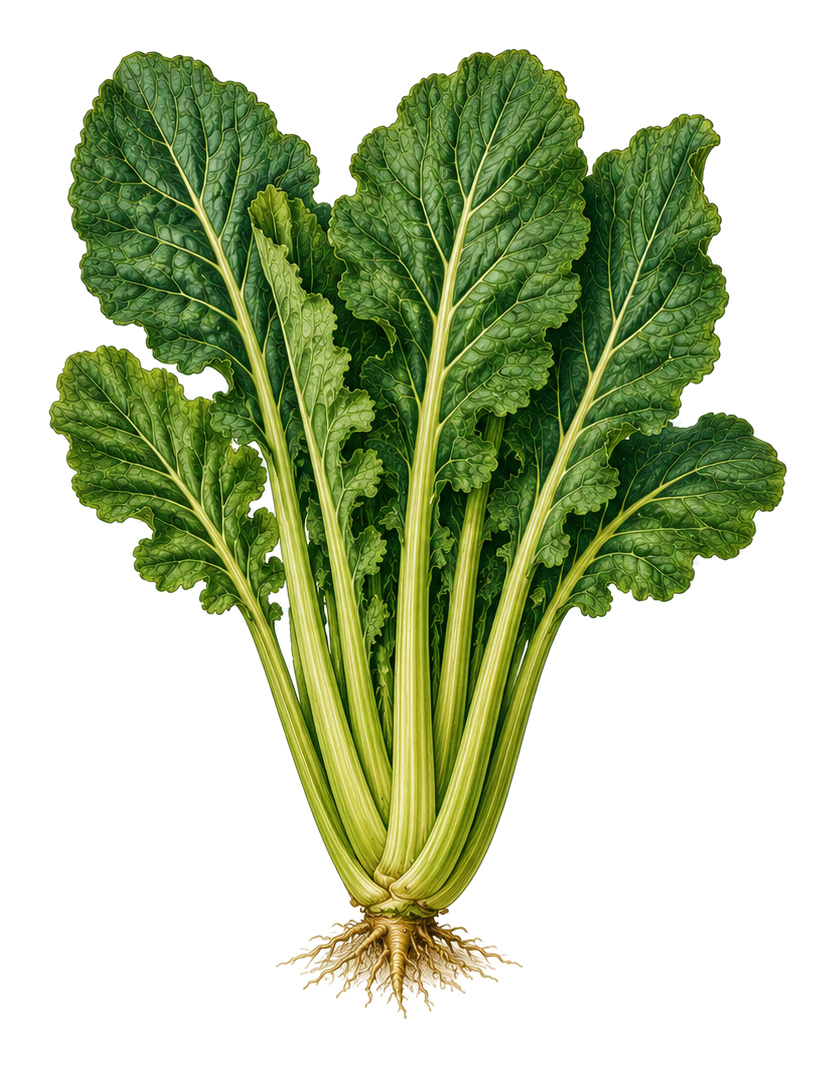
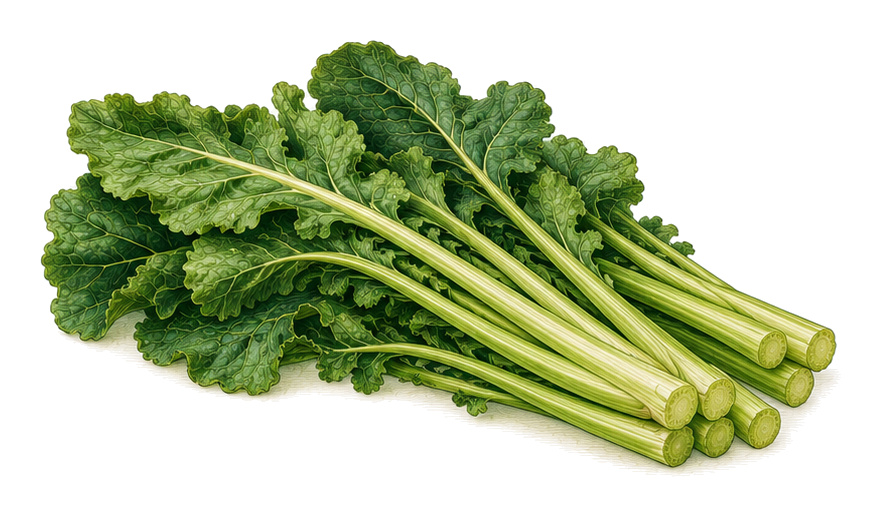
Additional plant images
Health
Pests, Diseases
Plant health
Diagnosis help
Stielmus Diagnosis help
Pest groups
Disease groups
Prevention
Diagnosis
For unclear symptoms, first check water supply and pest infestation.
Cultural prevention
Monitoring
First response
Diagnostic rules
Leaves with irregular holes
Possible causes: Flea beetles, Kohlweißling Raupen
- Check soil moisture
- Inspect leaf undersides
Wilting despite adequate watering
Possible causes: Clubroot, Root rot
- Dig up roots and check for swellings
- Measure soil pH
FAQ
When is Stielmus sown?
Direct sowing from March to August is possible, succession sow every 2–3 weeks.
How do you harvest Stielmus correctly?
Cut stems or harvest whole plant just above ground, before flowering, when 15–25 cm long.
Why is my Stielmus bolting?
Heat stress, drought, or long days cause early bolting. Even watering and partial shade can help.
Can you eat Stielmus raw?
Yes, young stems and leaves have a mild, spicy flavor and are good in salads.
What is the ideal location for Stielmus?
Sunny to partially shaded location with loose, humus-rich soil.
Is Stielmus safe for Dog?
Stielmus is classified as moderation only for Dog. Risk: unknown. Urgency: observe. Stielmus (Brassica rapa subsp. rapa) is edible and non-toxic for dogs in small amounts. Young stems, leaves, and roots can be fed as an occasional treat. Older, woody parts and seeds should be avoided due to potential digestibility issues.
Is Stielmus safe for Cat?
Stielmus is classified as moderation only for Cat. Risk: unknown. Urgency: observe. Stielmus is edible and non-toxic for cats, but only specific parts are safe. Young stems, leaves, and young roots can occasionally be fed as a treat. Older, woody stems, bloomed flower stalks, and seed pods should be avoided as they may cause digestive upset or pose a physical risk. Consumption of large amounts of raw leaves may cause mild gastrointestinal upset in sensitive cats.
Is Stielmus safe for Rabbit?
Stielmus is classified as moderation only for Rabbit. Risk: unknown. Urgency: observe. Stielmus is edible and non-toxic for rabbits, but only young, tender parts should be fed. Older, woody stems and seeds are difficult to digest and should be avoided. When feeding young leaves and stems normally, there is no toxicity risk.
Is Stielmus safe for Guinea pig?
Stielmus is classified as moderation only for Guinea pig. Risk: unknown. Urgency: observe. No direct species-specific source was found for guinea pigs. This is a cautious inference from the rabbits profile and the known plant-part risks.
Guides
Related guides
Guide
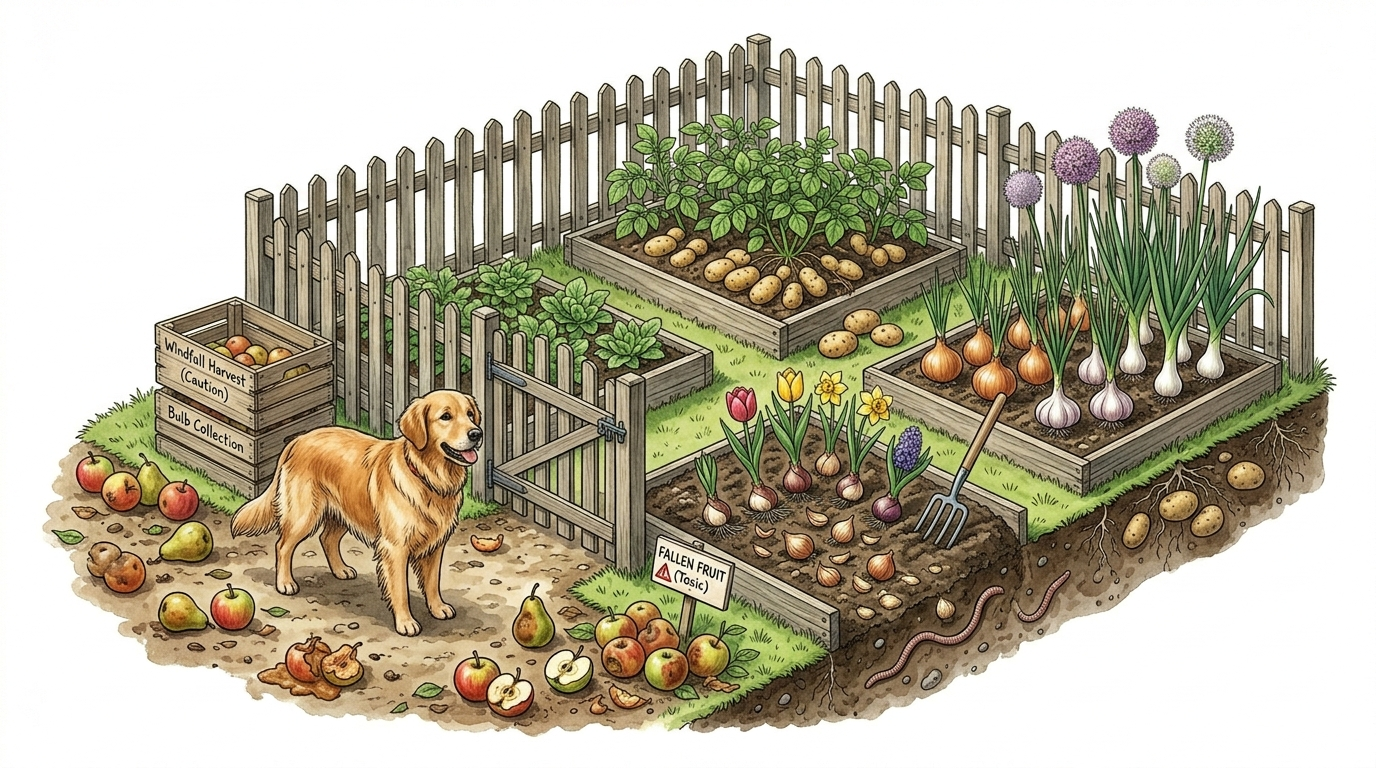
Dogs in the Garden: Windfall Fruit and Risks
Keep your garden dog-safe by managing windfall fruit, seeds, stored crops, and potentially problematic plant parts.
Guide
Horse Pastures and Garden Plants: Safety Checks
Learn how to identify risks near horse pastures, fences, turnout areas, fruit trees, and garden planting zones.
Guide
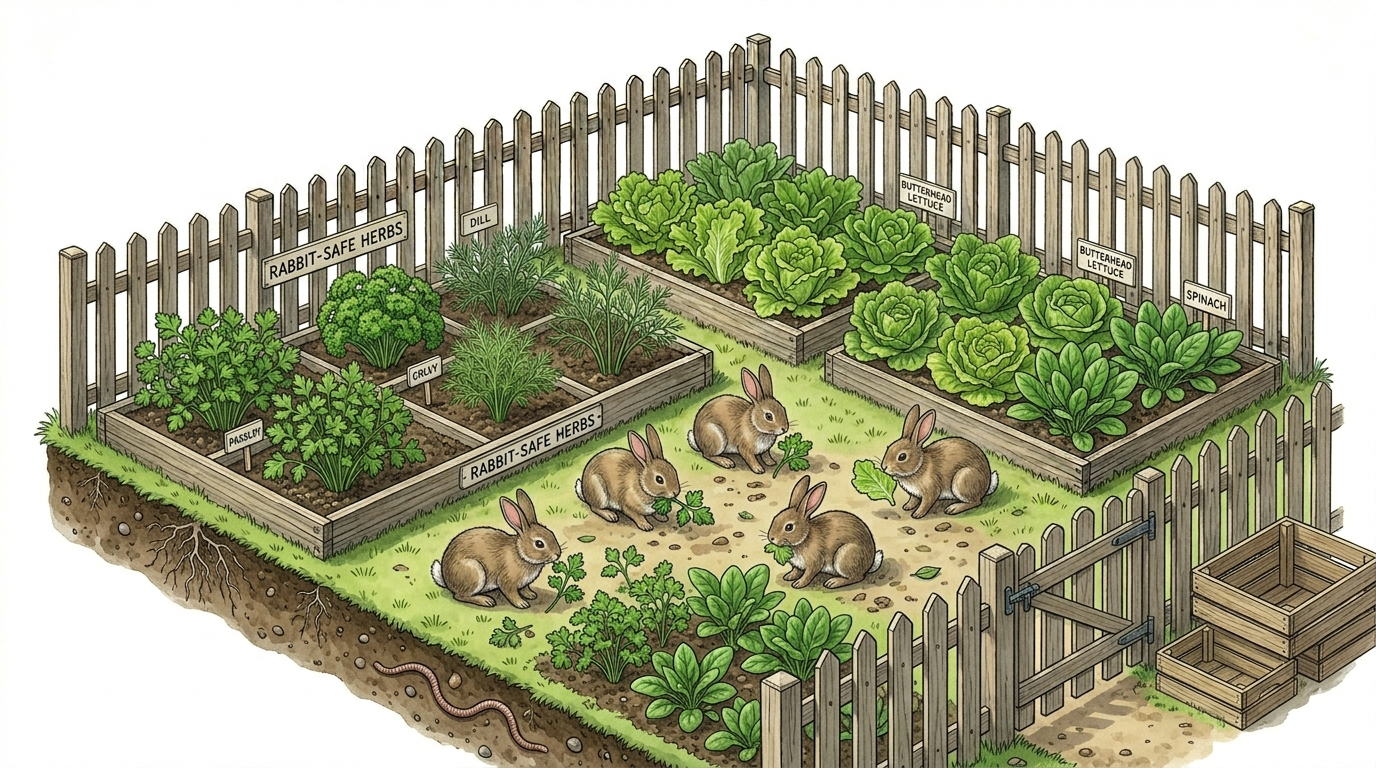
Rabbits in the Garden: Herbs and Vegetables
Learn how to choose suitable herbs and vegetables for rabbits, grow feeding plants, and plan a rabbit-friendly garden.
Guide
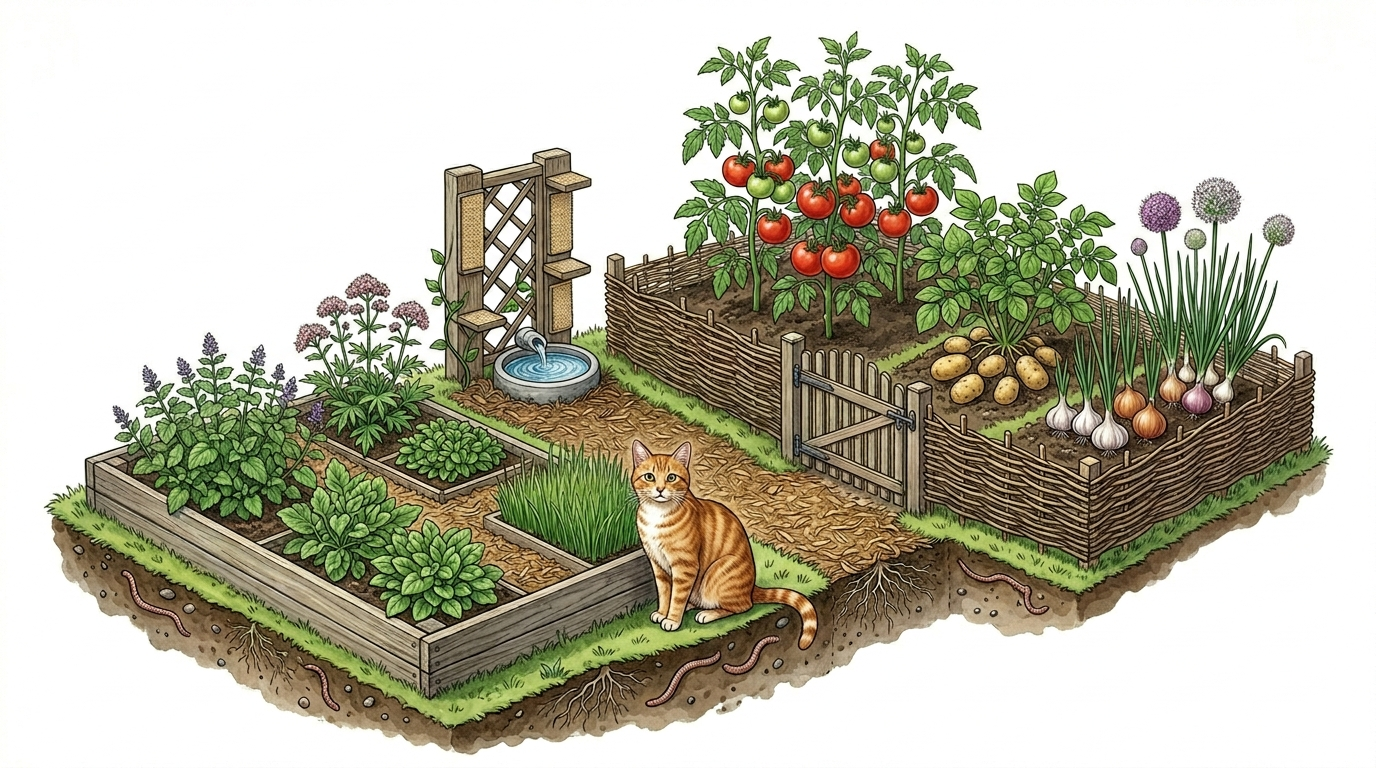
Toxic Garden Plants for Cats: Safer Planning
Learn which garden plants can be risky for cats, how to plan safer beds, and what to do if a cat eats a toxic plant.
Internal links
Related plants
Clubroot
Affects all brassicas.
Cabbage
Medium feeder.
Ruebstiel
Regional name for Stielmus.
Swiss Chard
Stems are prepared similarly.
Rapini / Broccoli raab
Sometimes referred to as 'rapini' in English, but it is a different variety.
Sources
Public sources
- Wikidata search
Wikidata · 2026-05-15
- GBIF species match
GBIF · 2026-05-15