Plant Profile
Levisticum officinaleLevisticum officinale
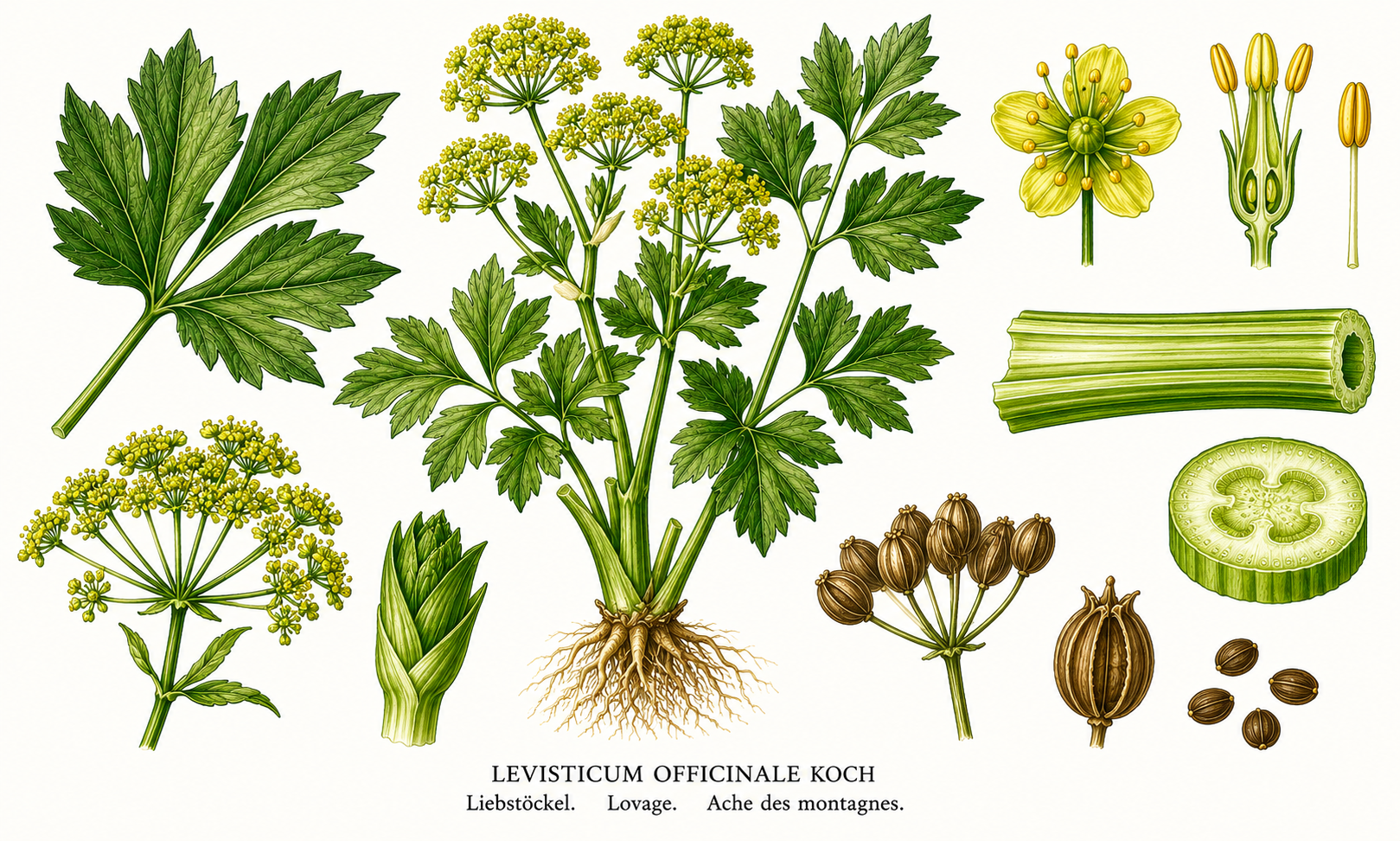
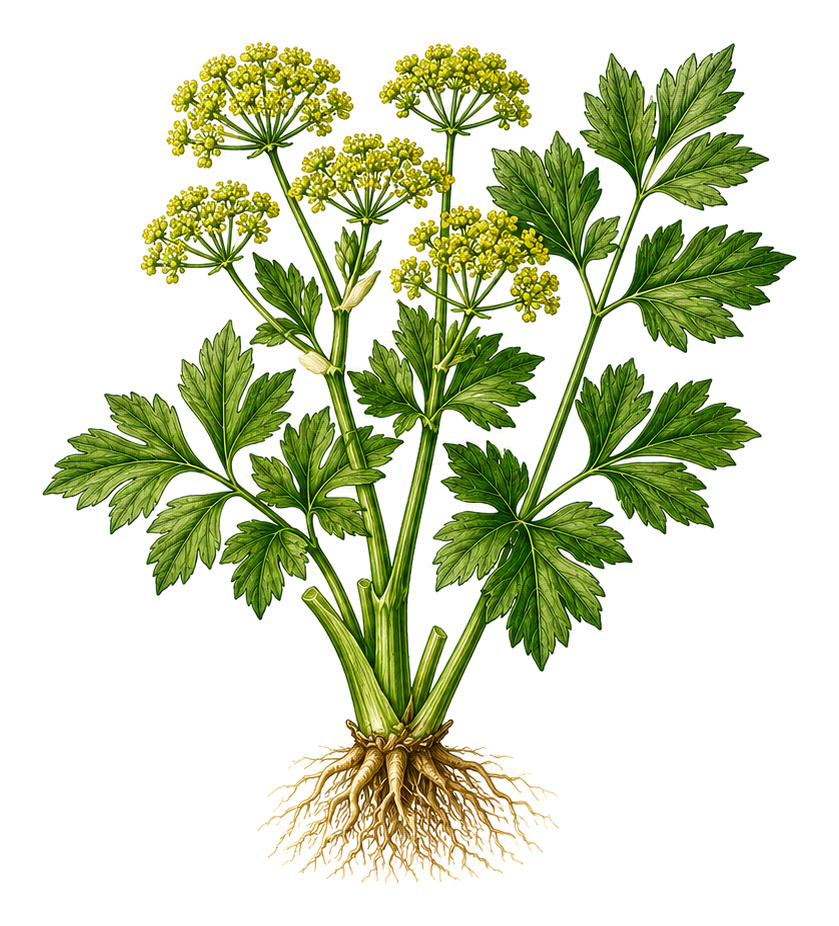
Lovage (Levisticum officinale) is a robust, perennial herb with an intense, celery-like aroma, earning it the nickname 'Maggi herb'. Originally from the Mediterranean region, it is now found in many gardens. Its leaves, stems, roots, and seeds are edible and versatile. The plant reaches a height of up to 2 meters and prefers a sunny location with deep, humus-rich soil. Lovage is hardy, winter-proof, and easy to care for, but requires ample space. It is a valuable ingredient in soups, stews, and many savory dishes.
Quick profile
Key data
Suitable growing locations:
Good neighbors
RosePotatoCabbage
Avoid
CarrotDelicate, low-growing herbsSmall herbs
Indoor & direct sowing
Levisticum officinale: Sowing and germination
For an earlier harvest, lovage can be pre-cultured indoors.
Direct sowing outdoors after the last frosts.
Planting & site
Levisticum officinale: Planting and spacing
Plant out pre-cultured plants after the last expected frosts (Ice Saints).
Site & practical notes
Lovage is a very undemanding plant that grows almost anywhere. Ensure it has enough space, as it can become very large. Regular harvesting of leaves promotes growth and prevents the plant from becoming too dense. The roots can be harvested in autumn or early spring and are also aromatic. Roots can rot in waterlogged conditions, so good drainage is important.
Temperature & frost
Levisticum officinale: Temperature and site
Water & nutrients
Levisticum officinale: Water, nutrients and care
Container & growth
Levisticum officinale: Container, support and growth
Year plan
Levisticum officinale Calendar
From spring to autumn, lovage continuously provides fresh leaves for the kitchen.
Recurring tasks
Relevant now
June
- No additional single task
Next up
July
- No additional single task
Monthly tasks
Single tasks from monthly data; repeated seasonal windows are shown in the overview above.
January
Quiet month
February
Quiet month
March
Direct sowing
- Start pre-cultureSow seeds in pots or seed trays and keep warm.
April
No additional single task
May
No additional single task
June
No additional single task
August
No additional single task
September
No additional single task
October
Planting
- Cut back plantCut back stems after harvest or before winter.
November
Growing
- Apply winter protectionProtect the root area with a layer of mulch or leaves.
December
Quiet month
Flowering & pollination
Levisticum officinale Flowering & pollination
Flowering period
July to August
Self-fertility
self-fertile, pollinators improve seed set
Pollinator needed
yes
Overview
Lovage is an insect-pollinated plant, attracting a variety of pollinators.
Notes
Bees, flies, and other small insects readily visit the flowers. Good pollination promotes seed set.
Companion guide
Levisticum officinale Companion guide
Good neighbors
RosePotatoCabbage
Avoid
CarrotDelicate, low-growing herbsSmall herbs
Use & storage
Levisticum officinale Use & storage
Leaves can be harvested continuously from spring to autumn. Roots in autumn or early spring, seeds in late summer.
Storage
Herb storage (fresh, dried, frozen)
Storage life
Fresh leaves: 3-5 days. Dried leaves/seeds: 6-12 months. Frozen leaves: up to 12 months. Fresh roots: several weeks to months. Dried roots: 1-2 years.
Flavor
Intensely savory, celery-like, slightly bitter, earthy, with a hint of yeast extract (often called 'Maggi herb').
Harvest
Leaves can be harvested continuously from spring to autumn. Roots in autumn or early spring, seeds in late summer.
Processing
After harvest
Wash and dry leaves and stems. Clean roots thoroughly. Separate seeds from umbels and dry completely.
Edibility & safety
Levisticum officinale Edibility & safety
For people
In brief: which parts are edible, which parts remain risky, and whether raw consumption makes sense.
Safety notes
In large quantities, furocoumarins in lovage can cause phototoxic reactions (skin sensitivity to sunlight) in sensitive individuals. Pregnant women and individuals with kidney problems should avoid consumption or consult a doctor.
Animal safety
For many animals, this plant is generally low-risk: 14 animal types are rated suitable or mostly suitable. Quantity, plant part, and individual tolerance still matter.
Each row shows which parts are more suitable and which parts are critical.
Companion animals
 Dog
Dogleaves, stems
seeds
leaves, stems
seeds
consumption of large amounts, consumption of seeds
gastrointestinal upset, phototoxic reactions with sun exposure
observe
Leaves and stems are generally tolerable in small amounts, but seeds may contain furocoumarins that can cause phototoxic reactions and gastrointestinal upset in dogs. Feed only under supervision and in limited quantities.
Open animal page Cat
Catleaves, stems
seeds
leaves, stems
seeds
consumption of large amounts, consumption of seeds
gastrointestinal upset, phototoxic reactions upon sun exposure
contact a vet if symptoms appear
Leaves and stems suitable as an occasional treat in small amounts; avoid seeds due to furocoumarins. Consumption of large amounts or seeds may cause gastrointestinal upset or phototoxic reactions.
Open animal page Rabbit
leaves, stems
seeds
leaves, stems
seeds
excessive consumption, consumption of seeds, sun exposure after consumption
gastrointestinal upset, phototoxic reactions with sun exposure
observe
Leaves and stems suitable as occasional treat in small amounts. Seeds contain furocoumarins and should be avoided. Excessive consumption may cause gastrointestinal upset. Phototoxic reactions possible with sun exposure after consumption.
Open animal page Guinea pig
leaves, stems
seeds
leaves, stems
seeds
consumption of large amounts, consumption of seeds
gastrointestinal upset, phototoxic reactions with sunlight exposure
observe
Leaves and stems can be fed in small amounts as an occasional treat. Seeds contain furocoumarins and should be avoided. If large amounts are consumed or seeds are ingested, observe and contact vet if symptoms appear.
Open animal page Hamster
leaves, stems
seeds
leaves, stems
seeds
consumption of large amounts, consumption of seeds
gastrointestinal upset, phototoxic reactions with sunlight exposure
observe
Leaves and stems suitable as occasional treats in small amounts; seeds contain furocoumarins and should be avoided. Consumption of large amounts may cause gastrointestinal upset and phototoxic reactions with sunlight exposure. No hamster-specific sources found, but conservative classification based on known plant toxins and rodent diet.
Open animal page Budgie
leaves, stems
seeds
leaves, stems
seeds
seed ingestion, excessive consumption
gastrointestinal upset, phototoxic reactions
observe
Leaves and stems are suitable in small amounts for budgies, but the seeds contain furocoumarins which can cause gastrointestinal upset and phototoxic reactions if consumed excessively. Due to the bird's small size, even a small amount of seeds can be potentially risky. No species-specific studies are available; classification is based on general plant toxicity and avian diets.
Open animal pageFarm animals
 Horse
Horseleaves, stems
seeds
leaves, stems
seeds
large quantities, sensitive animals
phototoxic reactions, skin sensitivity to sunlight
observe
Leaves and stems can be fed in small amounts as a treat, avoid seeds due to furocoumarins. Consumption of large quantities may cause skin reactions upon sun exposure.
Open animal page Chicken
leaves, stems
seeds
leaves, stems
seeds
Consumption of large quantities, Consumption of seeds
Gastrointestinal upset, Phototoxic reactions upon sunlight exposure
observe
Leaves and stems of lovage can be given to chickens in small amounts as a herbal supplement. Seeds contain furocoumarins and should be avoided due to potential phototoxic effects and gastrointestinal irritation. If large quantities or seeds are consumed, observe for symptoms. Contact vet if signs of distress appear.
Open animal page Duck
Duckleaves, stems
seeds
leaves, stems
seeds
consumption of large quantities, consumption of seeds
gastrointestinal upset, phototoxic reactions upon sun exposure
observe
No direct species-specific source was found for ducks. This is a cautious inference from the geese profile and the known plant-part risks.
Open animal page Goose
Gooseleaves, stems
seeds
leaves, stems
seeds
consumption of large quantities, consumption of seeds
gastrointestinal upset, phototoxic reactions upon sun exposure
observe
Lovage leaves and stems are tolerable for geese in small amounts, but the seeds contain furocoumarins that may cause gastrointestinal upset and phototoxic reactions if consumed excessively. Feed only the green parts and remove seeds.
Open animal page Sheep
Sheepleaves, stems
seeds
leaves, stems
seeds
high furocoumarin concentration in seeds, sensitive animals
phototoxic reactions, skin sensitivity to sunlight
observe
No direct species-specific source was found for sheep. This is a cautious inference from the goats profile and the known plant-part risks.
Open animal page Goat
Goatleaves, stems
seeds
leaves, stems
seeds
high furocoumarin concentration in seeds, sensitive animals
phototoxic reactions, skin sensitivity to sunlight
observe
Leaves and stems can be given in small amounts as supplemental feed. Seeds contain furocoumarins and should be avoided due to phototoxic risks. If seeds are ingested, check skin for sunlight sensitivity.
Open animal page Cattle
leaves, stems
seeds
leaves, stems
seeds
high furocoumarin concentration in seeds, sensitive animals
phototoxic reactions, skin sensitivity to sunlight
observe
No direct species-specific source was found for cattle. This is a cautious inference from the sheep profile and the known plant-part risks.
Open animal page Pig
Pigleaves, stems
seeds
leaves, stems
seeds
high dosage, sensitive animals
phototoxic reactions, skin sensitivity to sunlight
observe
Leaves and stems can be used as supplemental feed in small amounts. Seeds contain furocoumarins and should be avoided. Consumption of large amounts may cause phototoxic reactions.
Open animal pageThese guidelines are for general information only and do not replace veterinary diagnosis. If critical plant parts were ingested or the animal shows unusual behaviour or symptoms, seek veterinary advice.
Max risk
unknown
Highest status
moderation only
Urgency
contact a vet if symptoms appear
Saving seed
Levisticum officinale Saving seed
Seed saving
yes
Seed type
open_pollinated
Seed viability
2 - 3 years
Practical tips
Levisticum officinale Practical tips
Common beginner mistakes
Success pattern
High-impact tips
Grower observations
Plant Profile
Additional plant images
Health
Pests, Diseases
Plant health
Diagnosis help
Levisticum officinale Diagnosis help
Pest groups
Disease groups
Prevention
Diagnosis
Lovage is a very robust plant and rarely affected by serious problems. Most issues are due to unfavorable site conditions.
Cultural prevention
Monitoring
First response
Diagnostic rules
Wilting leaves despite moist soil
Possible causes: Root rot
- Check soil for waterlogging
- Examine roots for rot
White, powdery coating on leaves
Possible causes: Powdery mildew
- Check air circulation
- Control plant spacing
Yellow leaves, stunted growth
Possible causes: Nutrient deficiency, Water stress
- Perform soil analysis
- Adjust watering habits
FAQ
Why is lovage also called 'Maggi herb'?
The name 'Maggi herb' comes from the intense, savory aroma of lovage, which is reminiscent of the taste of the well-known Maggi seasoning. It is often used as a natural flavor enhancer in savory dishes.
Can lovage be grown in a pot?
Yes, lovage can be grown in a pot, but it requires a very large pot (at least 30-50 liters in volume) due to its size and deep root system. Ensure good drainage and regular watering.
How often do I need to water lovage?
Lovage prefers consistently moist soil. Water regularly, especially during dry periods and for young plants. Waterlogging must be avoided, as it can lead to root rot.
When is the best time to harvest lovage?
The leaves and young stems can be harvested continuously from spring to autumn. For root harvest, autumn or early spring is best. Seeds are harvested in late summer when they are ripe and dry.
Is Levisticum officinale safe for Dog?
Levisticum officinale is classified as moderation only for Dog. Risk: unknown. Urgency: observe. Leaves and stems are generally tolerable in small amounts, but seeds may contain furocoumarins that can cause phototoxic reactions and gastrointestinal upset in dogs. Feed only under supervision and in limited quantities.
Is Levisticum officinale safe for Cat?
Levisticum officinale is classified as moderation only for Cat. Risk: unknown. Urgency: contact a vet if symptoms appear. Leaves and stems suitable as an occasional treat in small amounts; avoid seeds due to furocoumarins. Consumption of large amounts or seeds may cause gastrointestinal upset or phototoxic reactions.
Is Levisticum officinale safe for Rabbit?
Levisticum officinale is classified as moderation only for Rabbit. Risk: unknown. Urgency: observe. Leaves and stems suitable as occasional treat in small amounts. Seeds contain furocoumarins and should be avoided. Excessive consumption may cause gastrointestinal upset. Phototoxic reactions possible with sun exposure after consumption.
Is Levisticum officinale safe for Guinea pig?
Levisticum officinale is classified as moderation only for Guinea pig. Risk: unknown. Urgency: observe. Leaves and stems can be fed in small amounts as an occasional treat. Seeds contain furocoumarins and should be avoided. If large amounts are consumed or seeds are ingested, observe and contact vet if symptoms appear.
Guides
Related guides
Guide
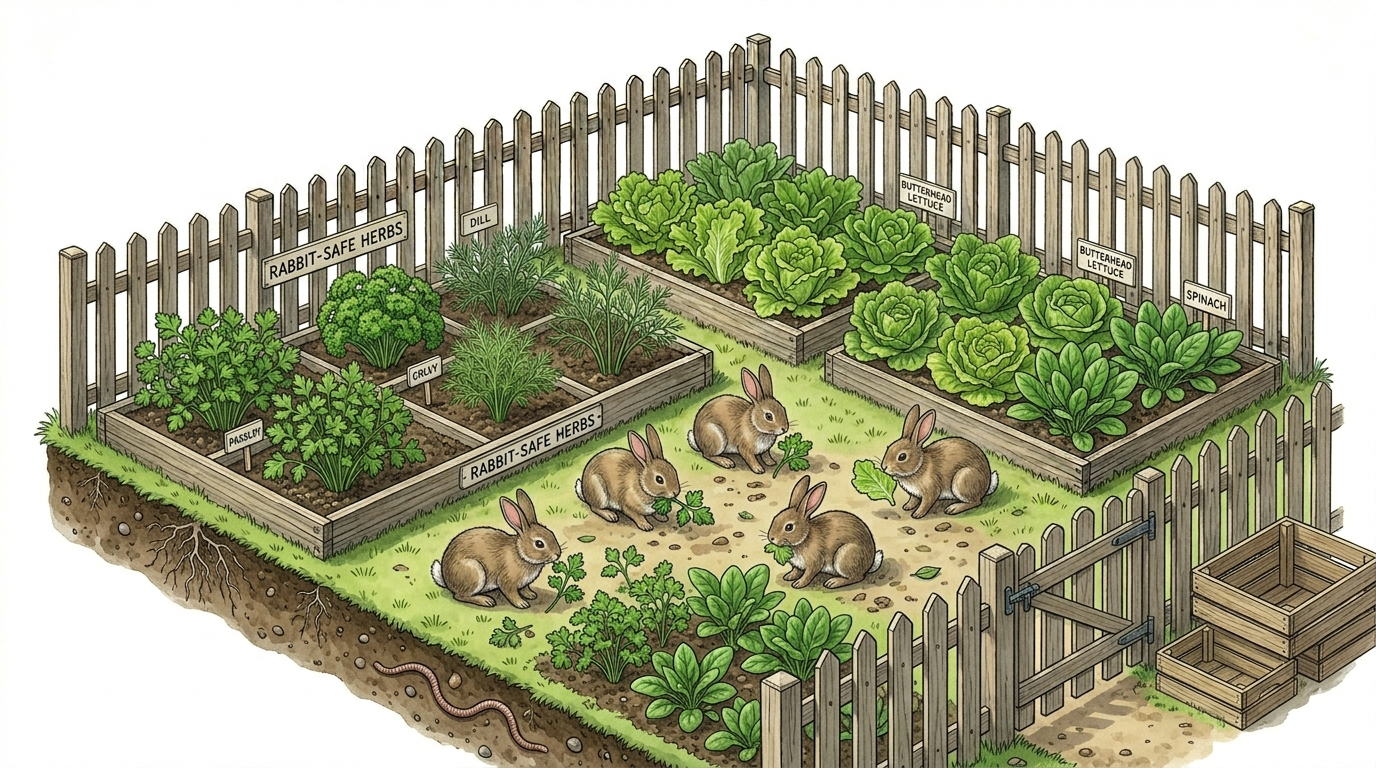
Rabbits in the Garden: Herbs and Vegetables
Learn how to choose suitable herbs and vegetables for rabbits, grow feeding plants, and plan a rabbit-friendly garden.
Guide
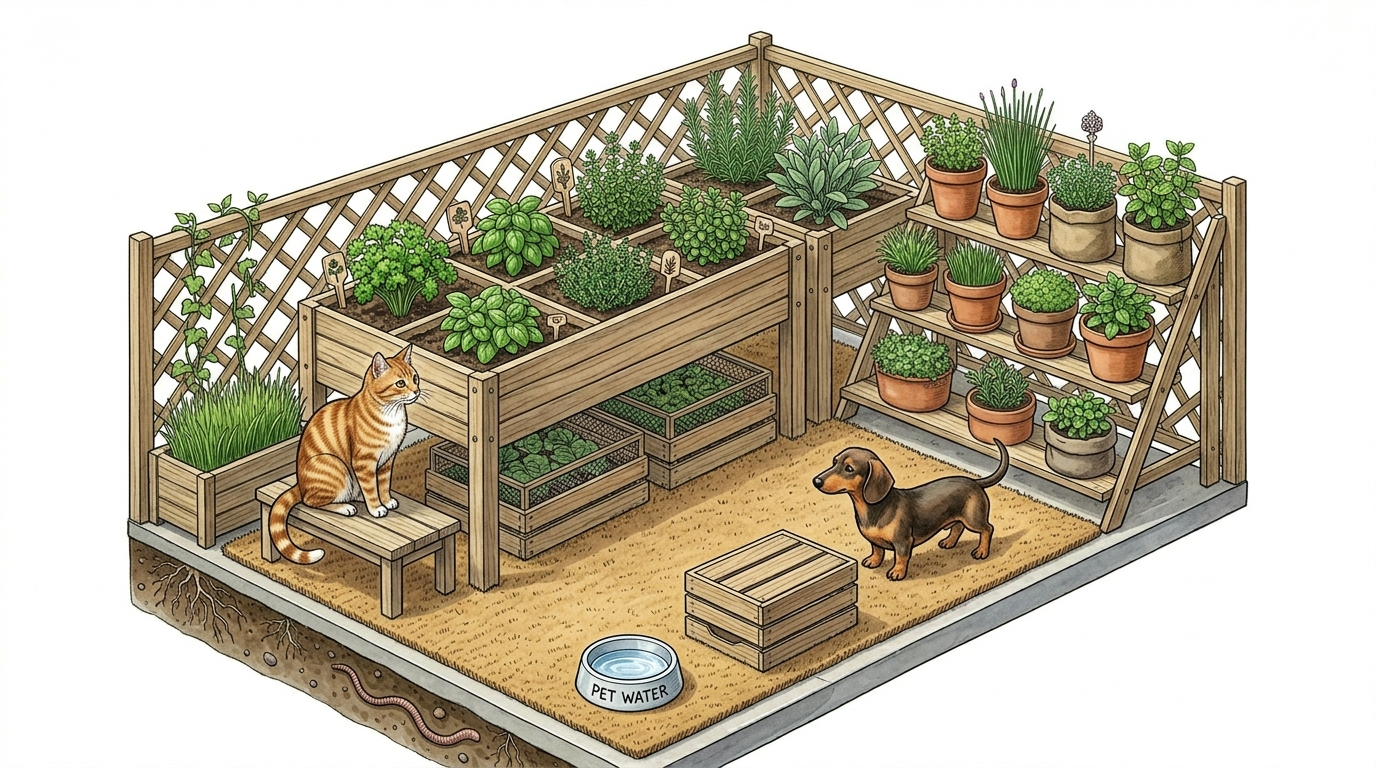
Pet-Safe Herb Gardens for Balconies and Beds
Learn how to create a pet-safe herb garden with suitable herbs, thoughtful layouts, and practical maintenance strategies.
Guide
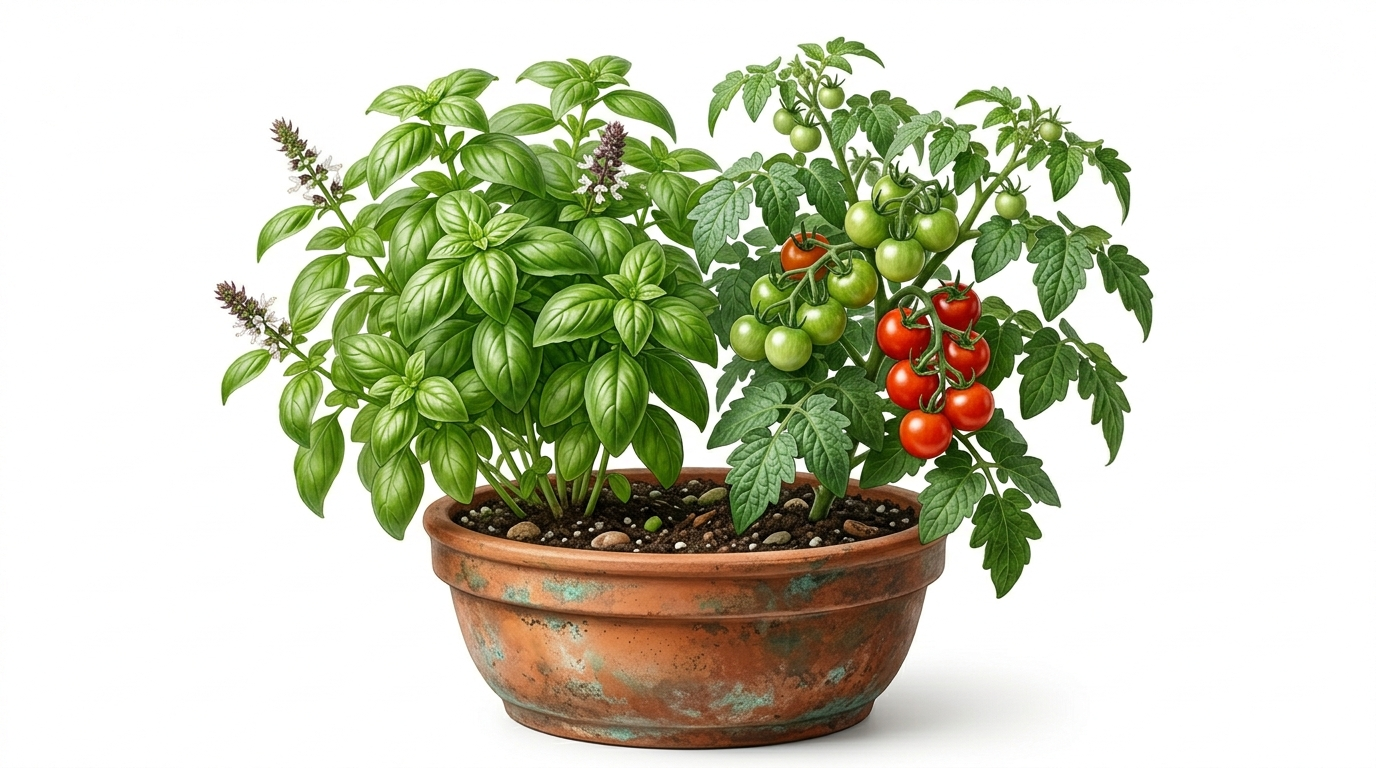
Growing Basil: Site, Watering and Harvesting
Learn how to grow basil successfully with the right site, steady watering, regular harvesting, and tips to delay flowering.
Guide
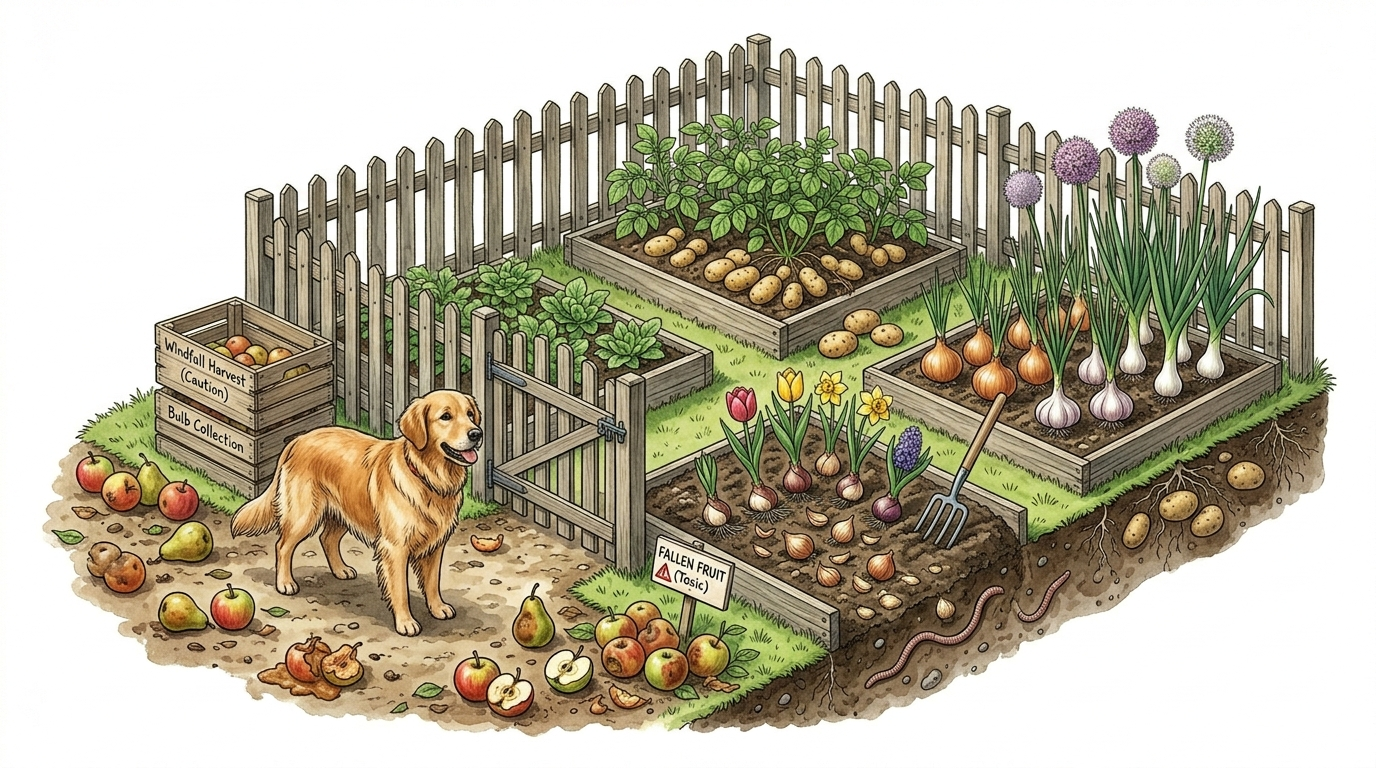
Dogs in the Garden: Windfall Fruit and Risks
Keep your garden dog-safe by managing windfall fruit, seeds, stored crops, and potentially problematic plant parts.
Internal links
Related plants
Apiaceae
Levisticum officinale belongs to the Apiaceae family.
Culinary herbs
Lovage is mainly used as a culinary herb.
parsley
Both are medium-feeding herbs and benefit from similar nutrient supply.
Both prefer even moisture and are sensitive to drought.
Celery
Shares a similar aromatic profile.
Carrot
Both belong to the Apiaceae family (umbellifers).
Fennel
Both belong to the Apiaceae family (umbellifers).
Celery leaves
Similar aromatic profile, often used in soups and stews.
Angelica
Similar growth habit and flower umbels, but different taste and constituents.
Sources
Public sources
- Wikidata entity
Wikidata · 2026-05-13
- GBIF species match
GBIF · 2026-05-13
- Deutschsprachige Wikipedia: Liebstöckel
Wikipedia · 2026-05-13
- English Wikipedia: Lovage
Wikipedia · 2026-05-13