Plant Profile
tarragonArtemisia dracunculus
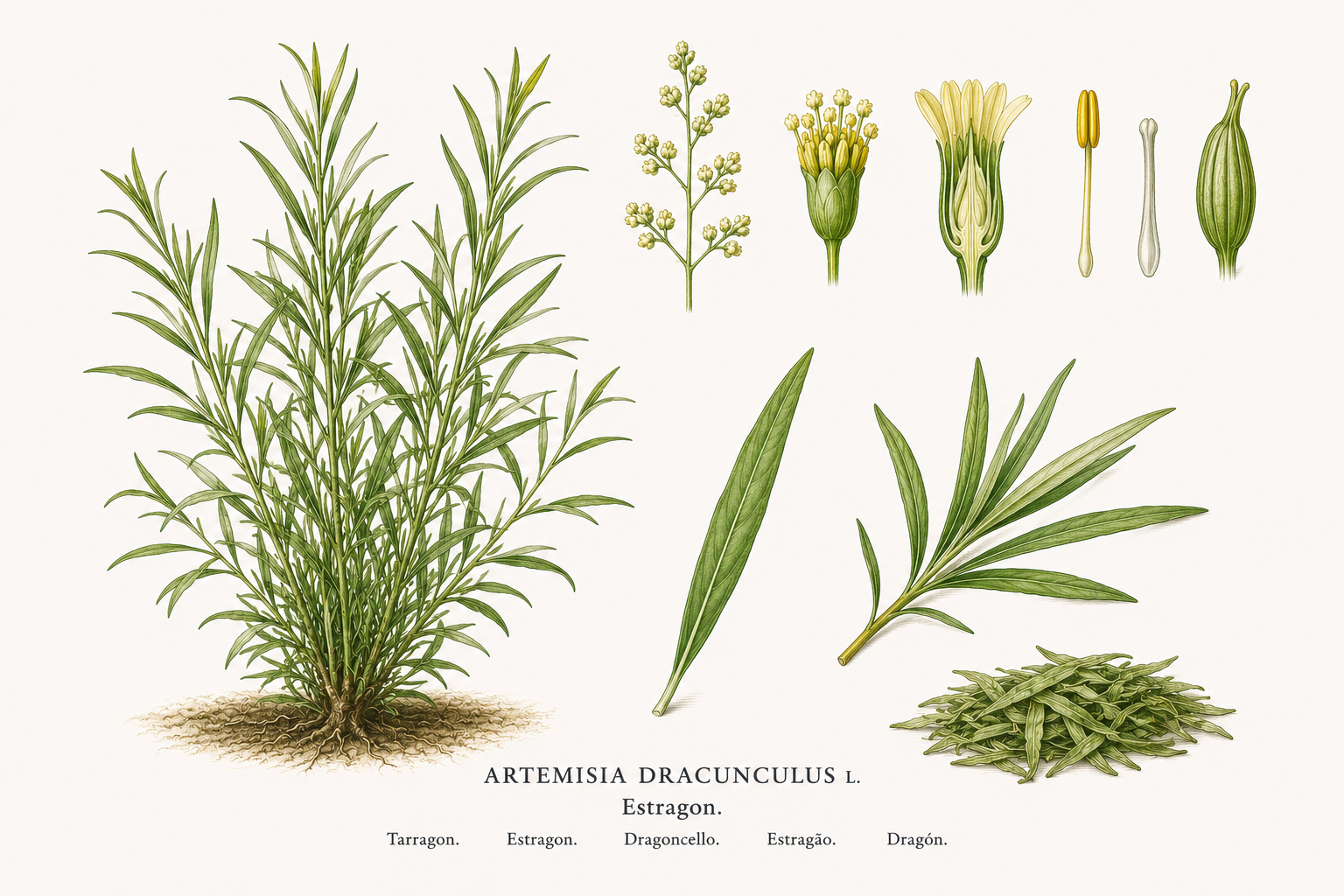
Tarragon is the jewel of fine French cuisine. While Russian tarragon impresses with its robustness and size, it is the French type that shines in sauces like Béarnaise with its delicate anise aroma. In the garden, it prefers warm, sheltered spots and rewards regular division every few years with vigorous growth.
Quick profile
Key data
Suitable growing locations:
Good neighbors
Chivestomato
Avoid
SouthernwoodWormwood
Indoor & direct sowing
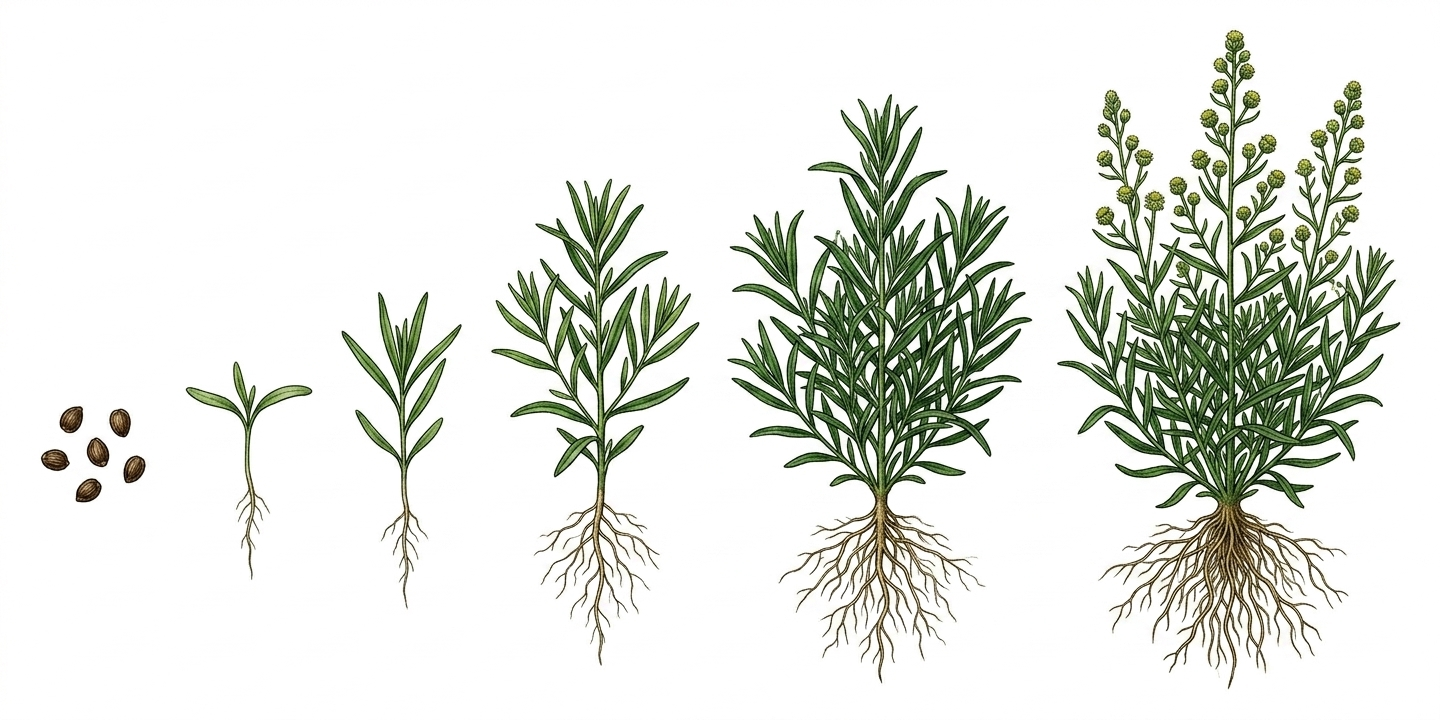
tarragon: Sowing and germination
Pre-culture possible for Russian tarragon; French tarragon usually propagated via cuttings/division only.
Direct sowing only for Russian tarragon from mid-April.
Planting & site
tarragon: Planting and spacing
Best planting time is spring after the last frost.
Site & practical notes
Title: The Aroma Check, Text: Rub a leaf: if it smells strongly of anise, it's the high-quality French tarragon. If it just tastes like 'grass', it's the Russian variety.
Temperature & frost
tarragon: Temperature and site
Water & nutrients
tarragon: Water, nutrients and care
Container & growth
tarragon: Container, support and growth
Year plan
tarragon Calendar
The aroma reaches its peak in June.
Recurring tasks
Relevant now
June
- No additional single task
Next up
July
- No additional single task
Monthly tasks
Single tasks from monthly data; repeated seasonal windows are shown in the overview above.
January
Quiet month
February
Quiet month
March
Pruning
- PruningRemove old stems before new growth begins.
April
No additional single task
May
No additional single task
June
No additional single task
August
No additional single task
September
No additional single task
October
No additional single task
November
Quiet month
December
Quiet month
Flowering & pollination
tarragon Flowering & pollination
Flowering period
7, 8, 9
Flower type
Inconspicuous capitula in panicles
Flower color
Yellow-green
Self-fertility
self-fertile
Pollinator needed
no
Overview
Wind-pollinated; the flowers are inconspicuous and do not rely on insects.
Notes
Primarily wind pollination (anemophily).
Pruning & care
tarragon Pruning & care
Pruning type
herbaceous-perennial-cleanup
Pruning timing
Spring cleanup Remove old remains before the first visible sprouting.
Continuous harvest and branching promotion Regular harvesting of the tips acts as a light formative and maintenance prune.
Preparation for winter dormancy In harsh climates, leave stems as winter protection and only prune in spring.
Remove
Preserve
Avoid
Tools and hygiene
Use sharp shears to avoid crushing soft shoots; disinfect tools if rust infestation is present.
Companion guide
tarragon Companion guide
Good neighbors
Chivestomato
Avoid
SouthernwoodWormwood
Use & storage
tarragon Use & storage
Continuous harvest of shoot tips; peak aroma just before flowering.
Storage
Short to medium term
Storage life
Fresh in the fridge approx. 1 week; dried approx. 1 year; frozen approx. 6 months.
Flavor
Anise-like, slightly sweet, aromatic-bitter
Harvest
Continuous harvest of shoot tips; peak aroma just before flowering.
Processing
After harvest
Use fresh or dry quickly at low temperatures (< 35°C).
Edibility & safety
tarragon Edibility & safety
For people
In brief: which parts are edible, which parts remain risky, and whether raw consumption makes sense.
Safety notes
Contains estragole; safe in culinary amounts, but avoid excessive consumption during pregnancy.
Animal safety
For animals, the specific plant part matters here: some parts may be suitable, while others should be avoided. At least one critical rating is listed for 14 animal types.
Each row shows which parts are more suitable and which parts are critical.
Companion animals
 Dog
DogNo suitable parts listed
Leaves, Young shoots
No suitable parts listed
Leaves, Young shoots
Excessive consumption
Mild vomiting, Diarrhea
contact a vet if ingested
Tarragon contains essential oils and estragole, which can cause gastrointestinal upset in dogs if consumed excessively. Culinary amounts as a herb are likely safe, but larger quantities should be avoided.
Open animal page Cat
CatNo suitable parts listed
Leaves, Young shoots
No suitable parts listed
Leaves, Young shoots
Amount of plant ingested, Individual sensitivity
Vomiting, Diarrhea
contact a vet if symptoms appear
Tarragon contains essential oils and estragole, which can cause gastrointestinal irritation in cats. Although toxicity is low, ingestion should be avoided. Contact a veterinarian if symptoms occur.
Open animal page Rabbit
Leaves, Young shoots
Woody stems
Leaves, Young shoots
Woody stems
Excessive consumption, Consumption of woody parts
Diarrhea
observe
Tarragon contains essential oils and estragole, which can cause gastrointestinal irritation in rabbits if consumed excessively. Young leaves and shoots are suitable as an occasional treat in small amounts, but woody stems should be avoided. No species-specific studies available; classification is based on general plant toxicity and known compounds.
Open animal page Guinea pig
No suitable parts listed
Leaves, Young shoots
No suitable parts listed
Leaves, Young shoots
Excessive consumption, Pregnancy
Vomiting, Diarrhea
contact a vet if symptoms appear
Tarragon contains essential oils and estragole, which can cause gastrointestinal upset in guinea pigs. While safe in human culinary amounts, the plant is not suitable as fodder for rodents. Leaves and young shoots are considered potentially toxic.
Open animal page Hamster
No suitable parts listed
Leaves, Young shoots
No suitable parts listed
Leaves, Young shoots
Excessive consumption
Vomiting, Diarrhea
contact a vet if symptoms appear
Tarragon contains estragole and essential oils that can cause gastrointestinal upset in hamsters. While safe in human culinary amounts, feeding to hamsters is not advisable due to their small size and sensitivity. Leaves and young shoots are considered potentially risky, while woody stems are less likely to be consumed.
Open animal page Budgie
No suitable parts listed
Leaves, Young shoots
No suitable parts listed
Leaves, Young shoots
Excessive consumption
Vomiting, Diarrhea
Farm animals
 Horse
HorseNo suitable parts listed
Leaves, Young shoots
No suitable parts listed
Leaves, Young shoots
Excessive consumption, Pregnancy
Mild vomiting, Diarrhea
contact a vet if symptoms appear
Tarragon contains essential oils and estragole, which can cause gastrointestinal upset in horses. While it is safe for humans in culinary amounts, it should be avoided for horses. Young leaves and shoots are the most likely parts to be ingested.
Open animal page Chicken
Leaves, Young shoots
Woody stems
Leaves, Young shoots
Woody stems
Excessive consumption, Consumption of woody parts
Mild gastrointestinal upset
observe
Tarragon contains estragole and essential oils that can cause gastrointestinal irritation in chickens when consumed in large amounts. Leaves and young shoots are suitable as an occasional treat in small amounts, but woody stems should be avoided. No chicken-specific sources found; inference based on general plant toxicity and known compounds.
Open animal page Duck
DuckNo suitable parts listed
Leaves, Young shoots
No suitable parts listed
Leaves, Young shoots
Excessive consumption
Vomiting, Diarrhea
observe
No direct species-specific source was found for ducks. This is a cautious inference from the geese profile and the known plant-part risks.
Open animal page Goose
GooseNo suitable parts listed
Leaves, Young shoots
No suitable parts listed
Leaves, Young shoots
Excessive consumption
Vomiting, Diarrhea
observe
Tarragon contains essential oils and estragole, which may cause gastrointestinal upset in geese if consumed excessively. While it is safe for humans in culinary amounts, goose-specific studies are lacking. Based on toxicity to related species like horses and the presence of essential oils, a conservative assessment is made. Leaves and young shoots are considered potentially risky, while woody stems are less likely…
Open animal page Sheep
SheepNo suitable parts listed
Leaves, Young shoots
No suitable parts listed
Leaves, Young shoots
Excessive consumption, Pregnancy
Vomiting, Diarrhea
observe
Tarragon contains estragole and essential oils that may cause gastrointestinal upset in sheep if consumed excessively. Culinary amounts are likely safe, but it is not suitable as feed.
Open animal page Goat
GoatNo suitable parts listed
Leaves, Young shoots
No suitable parts listed
Leaves, Young shoots
Excessive consumption, Pregnancy
Vomiting, Diarrhea
observe
No direct species-specific source was found for goats. This is a cautious inference from the sheep profile and the known plant-part risks.
Open animal page Cattle
No suitable parts listed
Leaves, Young shoots
No suitable parts listed
Leaves, Young shoots
Excessive consumption, Pregnancy
Vomiting, Diarrhea
observe
No direct species-specific source was found for cattle. This is a cautious inference from the sheep profile and the known plant-part risks.
Open animal page Pig
PigNo suitable parts listed
Leaves, Young shoots
No suitable parts listed
Leaves, Young shoots
Excessive consumption, Pregnancy
Vomiting, Diarrhea
observe
Tarragon contains essential oils and estragole, which can cause gastrointestinal upset in pigs if consumed excessively. Culinary amounts are likely safe, but it is not suitable as feed.
Open animal pageThese guidelines are for general information only and do not replace veterinary diagnosis. If critical plant parts were ingested or the animal shows unusual behaviour or symptoms, seek veterinary advice.
Max risk
4 / 5
Highest status
toxic
Urgency
contact a vet if ingested
Saving seed
tarragon Saving seed
Seed type
Fine seed
Seed viability
1 - 3 years
Practical tips
tarragon Practical tips
Common beginner mistakes
Confusing it with Russian tarragon when purchasing.
Success pattern
Lush growth after the second year with good drainage.
High-impact tips
Infusing in vinegar preserves the aroma perfectly for winter.
Grower observations
French tarragon often sprouts later in spring than expected – be patient.
Health
Pests, Diseases
Pests
Aphids
Distorted shoot tips, sticky honeydew.
Leaf miners
Light-colored winding tunnels in leaves.
Diseases
Tarragon rust
Yellow-orange to brown pustules on leaf undersides.
Powdery mildew
White, powdery coating on leaf surfaces.
Deficiencies
Nitrogen deficiency
Stunted growth, pale green to yellowish discoloration of older leaves.
Plant health
Diagnosis help
tarragon Diagnosis help
Pest groups
Disease groups
Prevention
Diagnosis
Leaf discolorations are often the first sign of rust infestation or nutrient imbalance.
Cultural prevention
Monitoring
Weekly check of shoot tips starting in May
First response
Diagnostic rules
Yellow spots on leaves
Possible causes: Puccinia artemisiicola, Nitrogen deficiency
- Check leaf underside for pustules
- Check soil moisture
FAQ
Why does my tarragon have no flavor?
This is usually due to the variety. Russian tarragon is robust but has little flavor. Only French tarragon possesses the typical anise aroma.
Is tarragon safe for Dog?
tarragon is classified as toxic for Dog. Risk: 4 / 5. Urgency: contact a vet if ingested. Tarragon contains essential oils and estragole, which can cause gastrointestinal upset in dogs if consumed excessively. Culinary amounts as a herb are likely safe, but larger quantities should be avoided.
Is tarragon safe for Cat?
tarragon is classified as toxic for Cat. Risk: 4 / 5. Urgency: contact a vet if symptoms appear. Tarragon contains essential oils and estragole, which can cause gastrointestinal irritation in cats. Although toxicity is low, ingestion should be avoided. Contact a veterinarian if symptoms occur.
Is tarragon safe for Rabbit?
tarragon is classified as do not feed for Rabbit. Risk: unknown. Urgency: observe. Tarragon contains essential oils and estragole, which can cause gastrointestinal irritation in rabbits if consumed excessively. Young leaves and shoots are suitable as an occasional treat in small amounts, but woody stems should be avoided. No species-specific studies available; classification is based on general plant toxicity and known compounds.
Is tarragon safe for Horse?
tarragon is classified as toxic for Horse. Risk: 4 / 5. Urgency: contact a vet if symptoms appear. Tarragon contains essential oils and estragole, which can cause gastrointestinal upset in horses. While it is safe for humans in culinary amounts, it should be avoided for horses. Young leaves and shoots are the most likely parts to be ingested.
Guides
Related guides
Guide
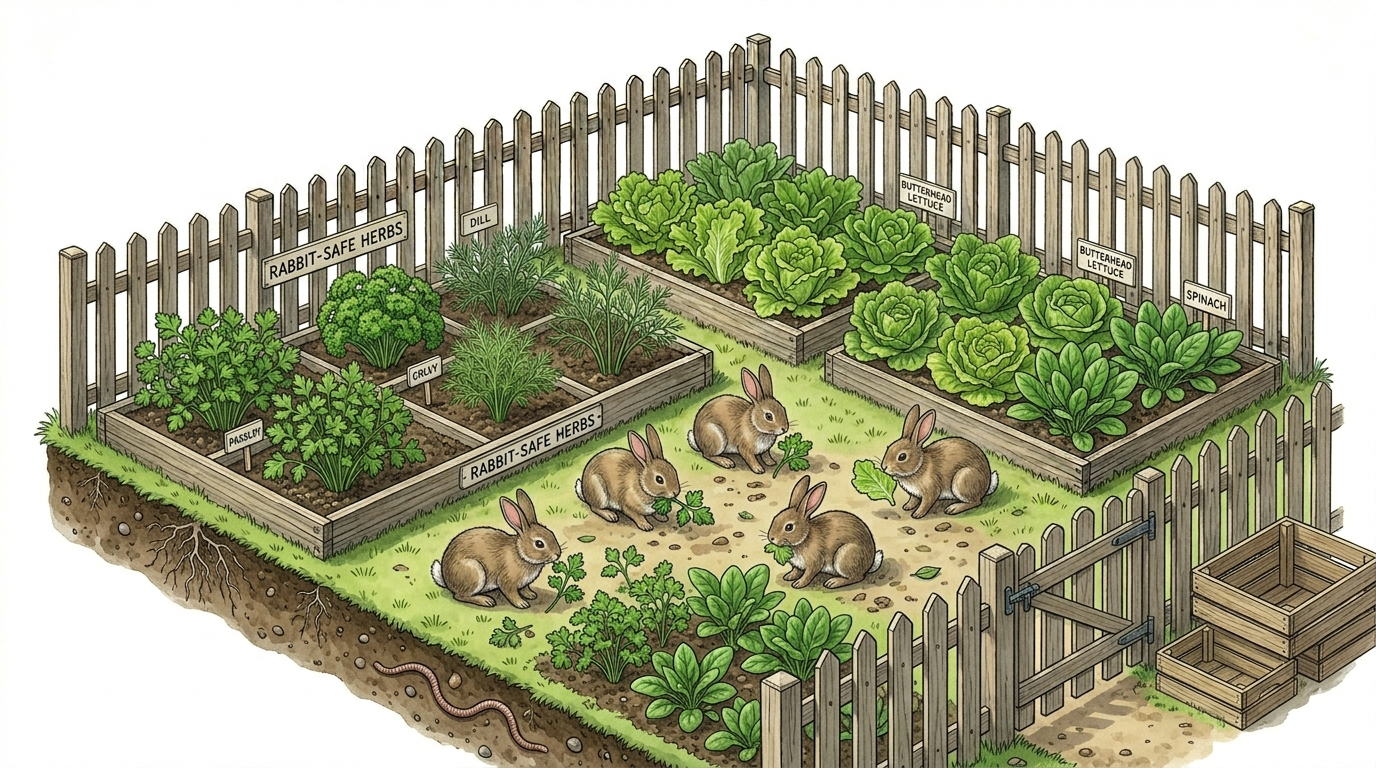
Rabbits in the Garden: Herbs and Vegetables
Learn how to choose suitable herbs and vegetables for rabbits, grow feeding plants, and plan a rabbit-friendly garden.
Guide
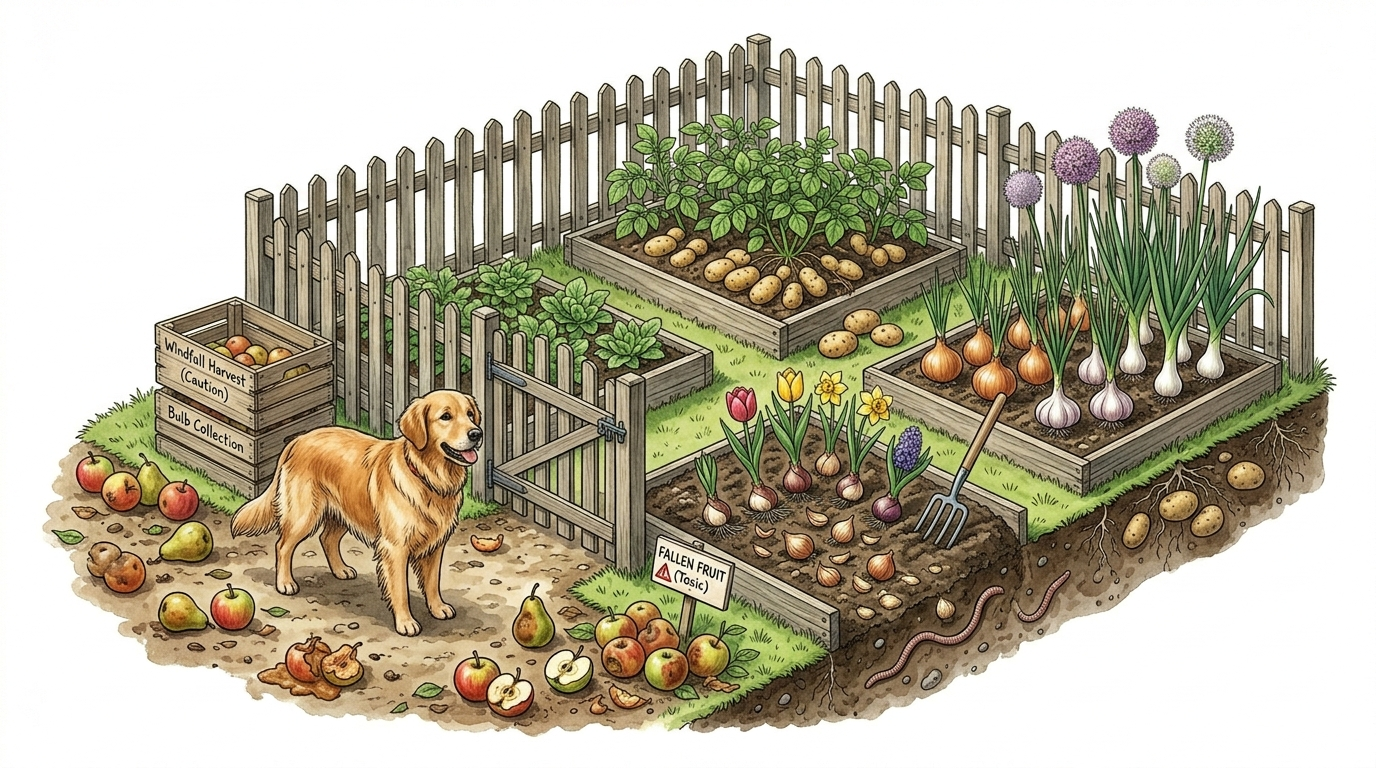
Dogs in the Garden: Windfall Fruit and Risks
Keep your garden dog-safe by managing windfall fruit, seeds, stored crops, and potentially problematic plant parts.
Guide
Horse Pastures and Garden Plants: Safety Checks
Learn how to identify risks near horse pastures, fences, turnout areas, fruit trees, and garden planting zones.
Guide
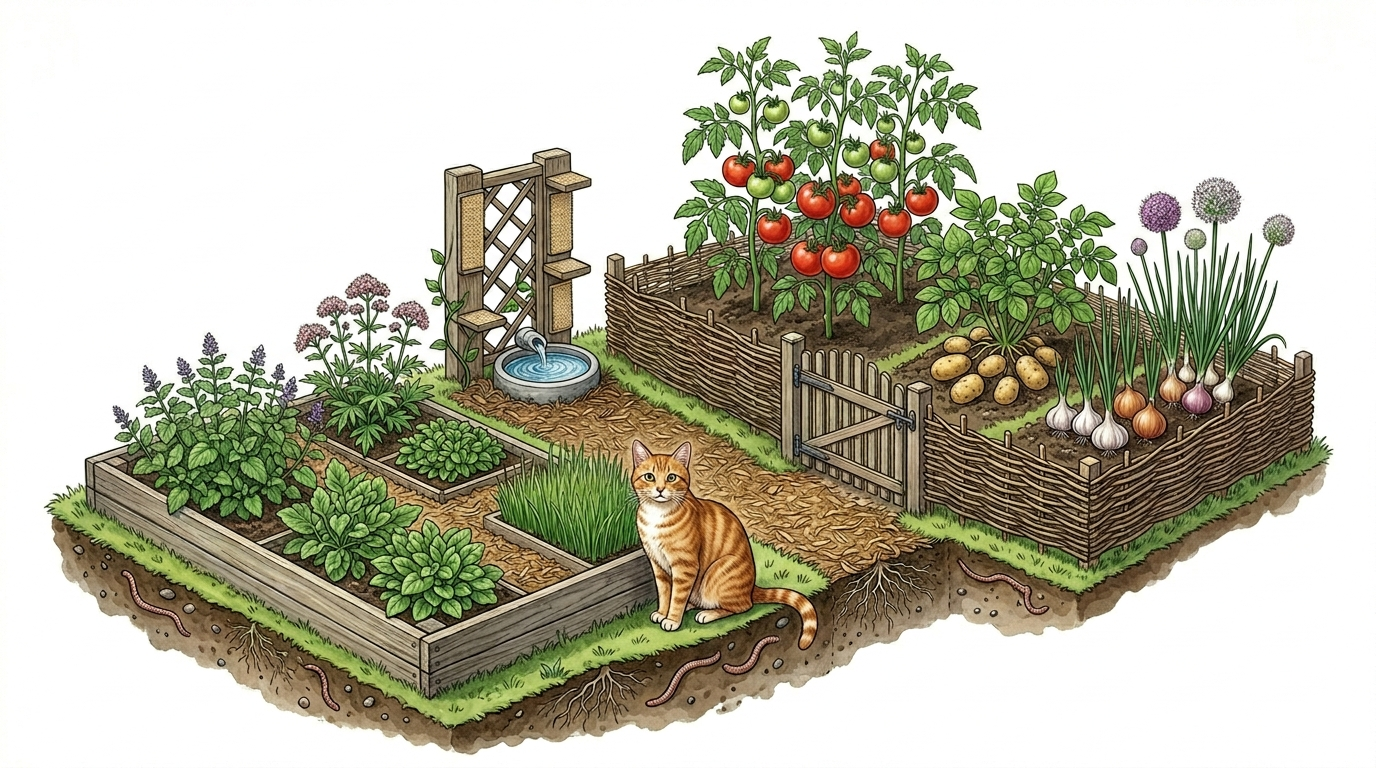
Toxic Garden Plants for Cats: Safer Planning
Learn which garden plants can be risky for cats, how to plan safer beds, and what to do if a cat eats a toxic plant.
Internal links
Related plants
Wormwood
Lovage
Mugwort
Sage
Rosemary
Wormwood
Same genus, similar site requirements.
Chives
Classic combination in the kitchen and the garden bed.
Anise
Share the characteristic anise-like flavor profile.
Mexican Marigold (Texas Tarragon)
Similar flavor and usage but botanically distinct.
Sources
Public sources
- Wikidata entity
Wikidata · 2026-05-13
- GBIF species match
GBIF · 2026-05-13
- Deutschsprachige Wikipedia: Estragon
Wikipedia · 2026-05-13
- English Wikipedia: Tarragon
Wikipedia · 2026-05-13