Plant Profile
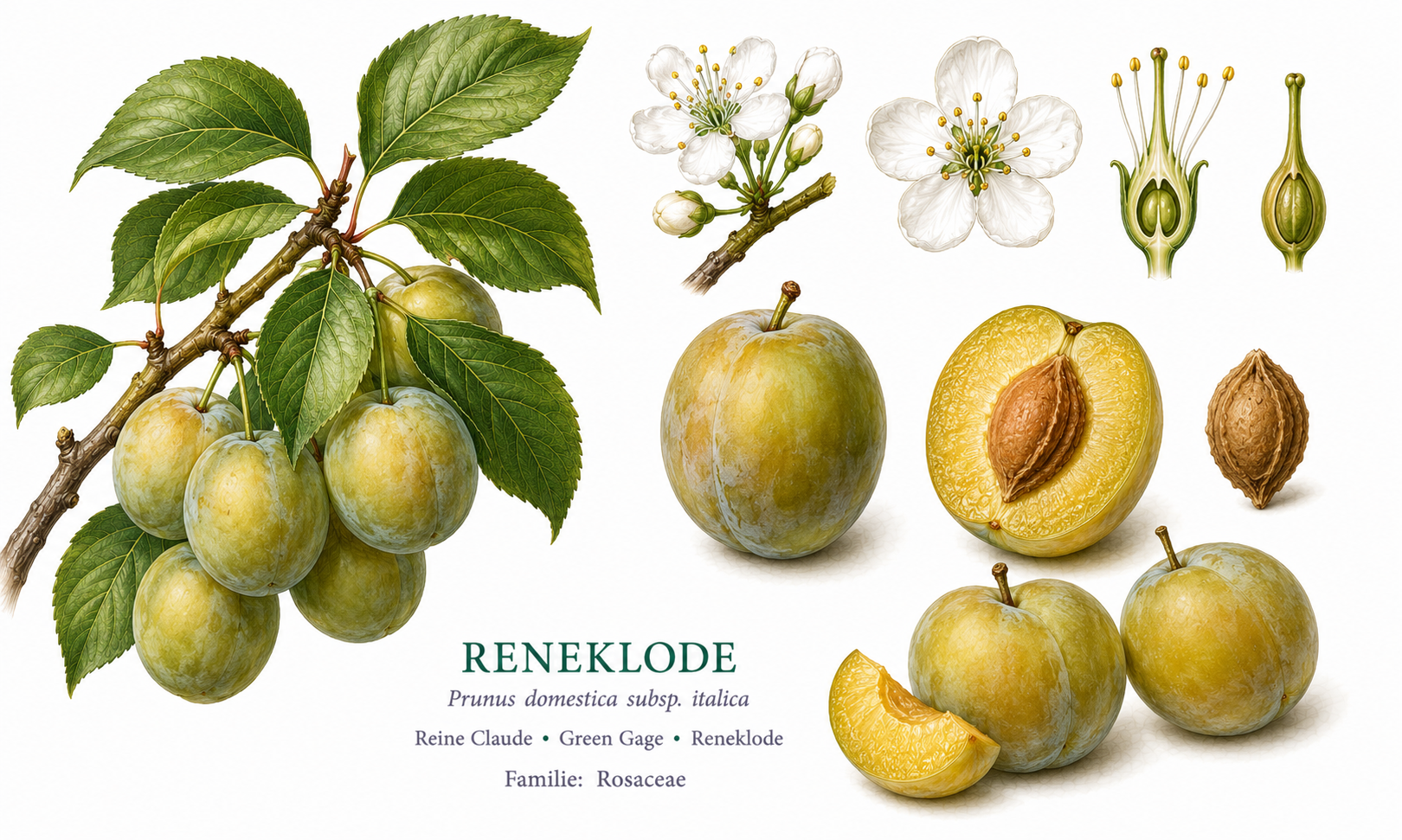
GreengagePrunus domestica subsp. italica
Highly esteemed dessert plum with excellent aroma.
Quick profile
Key data
Suitable growing locations:
Good neighbors
NasturtiumGarlicComfrey
Avoid
Potato
Indoor & direct sowing
Greengage: Sowing and germination
Propagation is typically done via grafting, not sowing.
Sowing possible for breeding purposes, but will not come true to type.
Planting & site
Greengage: Planting and spacing
Best planting time is late autumn (October/November) or early spring before bud break.
Site & practical notes
Topic: pollination, Note: When buying, ensure a suitable pollinator variety is nearby, as many greengages are not self-fertile.
Temperature & frost
Greengage: Temperature and site
Water & nutrients
Greengage: Water, nutrients and care
Container & growth
Greengage: Container, support and growth
Year plan
Greengage Calendar
Recurring tasks
Relevant now
June
- No additional single task
Next up
July
- No additional single task
Monthly tasks
Single tasks from monthly data; repeated seasonal windows are shown in the overview above.
January
Quiet month
February
Quiet month
March
Growing
- FertilizationLightly work in organic fertilizer or compost.
April
No additional single task
May
Quiet month
June
Quiet month
August
Quiet month
September
Quiet month
October
No additional single task
November
No additional single task
December
Quiet month
Flowering & pollination
Greengage Flowering & pollination
Flowering period
April - May
Flower color
White
Self-fertility
partial_to_sterile
Pollinator needed
yes
Overview
Pollination is carried out by insects; many varieties are self-sterile or only partially self-fertile.
Notes
Good pollinator varieties include other common plums or specific greengage varieties like 'Reine Claude Verte'.
Pruning & care
Greengage Pruning & care
Pruning type
modified_central_leader
Pruning timing
Rejuvenation and framework building Only on frost-free days; strongly stimulates growth.
Growth suppression and aeration After harvest or in July; reduces the risk of Monilia.
Remove
Preserve
Avoid
Tools and hygiene
Disinfect tools with 70% alcohol after each tree to prevent the spread of bacterial canker.
Companion guide
Greengage Companion guide
Good neighbors
NasturtiumGarlicComfrey
Avoid
Potato
Use & storage
Greengage Use & storage
Harvest from August to September depending on variety; fruits do not ripen after picking.
Storage
Short-term storage / Fresh consumption
Storage life
Can be kept in the refrigerator for approx. 3–5 days.
Harvest
Harvest from August to September depending on variety; fruits do not ripen after picking.
Processing
After harvest
Fruits are very sensitive to bruising; store carefully in shallow crates.
Edibility & safety
Greengage Edibility & safety
For people
In brief: which parts are edible, which parts remain risky, and whether raw consumption makes sense.
Safety notes
Pits contain cyanogenic glycosides and should not be consumed.
Animal safety
This plant is not simply safe or unsafe for animals. 14 animal types have restrictions, so quantity, access, and plant part matter.
Each row shows which parts are more suitable and which parts are critical.
Companion animals
 Dog
DogFruit flesh, Fruit skin
Seeds (pit), Leaves, Bark
Fruit flesh, Fruit skin
Seeds (pit), Leaves, Bark
Consumption of pits, leaves, or bark, Unripe fruit
Vomiting, Diarrhea, Abdominal pain
contact a vet if symptoms appear
The fruit flesh of greengage is suitable for dogs in small amounts as a treat. Pits, leaves, and bark contain cyanogenic glycosides and can cause poisoning symptoms. If hazardous parts are consumed, seek veterinary advice immediately.
Open animal page Cat
CatFruit flesh, Fruit skin
Seeds (pit), Leaves, Bark
Fruit flesh, Fruit skin
Seeds (pit), Leaves, Bark
Consumption of pits, leaves, or bark, Unripe fruit
Vomiting, Diarrhea, Abdominal pain
contact a vet if symptoms appear
The fruit flesh of the greengage is safe for cats in small amounts as a treat. Pits, leaves, and bark contain cyanogenic glycosides and can cause poisoning symptoms. If hazardous parts are ingested, seek veterinary advice.
Open animal page Rabbit
Fruit flesh, Fruit skin
Seeds (pit), Leaves, Bark
Fruit flesh, Fruit skin
Seeds (pit), Leaves, Bark
Consumption of pits, leaves, or bark, Excessive fruit consumption
Diarrhea, Abdominal pain
contact a vet if symptoms appear
The fruit flesh of greengage is suitable for rabbits in small amounts as a treat. Pits, leaves, and bark contain cyanogenic glycosides and are toxic. If toxic parts are consumed, seek veterinary advice immediately. If only fruit flesh is consumed, monitor and seek veterinary advice if symptoms occur.
Open animal page Guinea pig
Fruit flesh, Fruit skin
Seeds (pit), Leaves, Bark
Fruit flesh, Fruit skin
Seeds (pit), Leaves, Bark
Consumption of seeds or pits, Excessive fruit flesh consumption
Vomiting, Diarrhea, Breathing difficulties
contact a vet if symptoms appear
The fruit flesh of greengage is suitable for guinea pigs in small amounts as a treat. Pits, leaves, and bark contain cyanogenic glycosides and are toxic. If toxic parts are ingested, seek veterinary advice immediately. Excessive fruit consumption may cause digestive issues due to sugar content.
Open animal page Hamster
Fruit flesh, Fruit skin
Seeds (pit), Leaves, Bark
Fruit flesh, Fruit skin
Seeds (pit), Leaves, Bark
Consumption of pits, leaves, or bark, Excessive fruit consumption
Vomiting, Diarrhea, Abdominal pain
contact a vet if symptoms appear
No direct species-specific source was found for hamsters. This is a cautious inference from the rabbits profile and the known plant-part risks.
Open animal page Budgie
Fruit flesh, Fruit skin
Seeds (pit), Leaves, Bark
Fruit flesh, Fruit skin
Seeds (pit), Leaves, Bark
Pit ingestion, Leaf or bark chewing
Vomiting, Diarrhea, Respiratory distress
contact a vet if symptoms appear
The fruit flesh of greengage is suitable for budgies in small amounts as a treat. Pits, leaves, and bark contain cyanogenic glycosides and are toxic. Overfeeding fruit may cause diarrhea due to sugar content.
Open animal pageFarm animals
 Horse
HorseFruit flesh, Fruit skin
Seeds (pit), Leaves, Bark
Fruit flesh, Fruit skin
Seeds (pit), Leaves, Bark
Consumption of pits, leaves, or bark, Unripe fruit
Vomiting, Diarrhea, Respiratory distress
contact a vet if symptoms appear
The fruit flesh of greengage is suitable for horses in small amounts as a treat. Pits, leaves, and bark contain cyanogenic glycosides and can cause poisoning symptoms. If toxic parts are ingested, contact a veterinarian immediately.
Open animal page Chicken
Fruit flesh, Fruit skin
Seeds (pit), Leaves, Bark
Fruit flesh, Fruit skin
Seeds (pit), Leaves, Bark
Pit ingestion, Leaf consumption
Vomiting, Diarrhea, Respiratory distress
contact a vet if symptoms appear
The fruit flesh of the greengage is suitable for chickens in small amounts as a treat. Pits, leaves, and bark contain cyanogenic glycosides and are toxic. If toxic parts are ingested, monitor for symptoms and contact a veterinarian if signs appear.
Open animal page Duck
DuckFruit flesh
Seeds (pit), Leaves, Bark
Fruit flesh
Seeds (pit), Leaves, Bark
Consumption of pits, leaves, or bark, Unripe fruit, Crushed pits
Vomiting, Diarrhea, Breathing difficulties
contact a vet if symptoms appear
The fruit flesh of greengage is suitable for ducks in small amounts as a treat, but contains cyanogenic glycosides in pits, leaves, and bark. These compounds can release cyanide when crushed, potentially causing poisoning. Ducks should only be given the fruit flesh, never pits or other plant parts. If hazardous parts are consumed, contact a veterinarian immediately.
Open animal page Goose
GooseFruit flesh, Fruit skin
Seeds (pit), Leaves, Bark
Fruit flesh, Fruit skin
Seeds (pit), Leaves, Bark
Pit ingestion, Leaf consumption, Unripe fruit
Vomiting, Diarrhea, Breathing difficulty
contact a vet if symptoms appear
Fruit flesh in small amounts suitable as a treat. Pits, leaves, and bark contain cyanogenic compounds and are toxic. If hazardous parts are ingested, monitor for symptoms and contact vet if signs of poisoning appear.
Open animal page Sheep
SheepFruit flesh, Fruit skin
Seeds (pit), Leaves, Bark
Fruit flesh, Fruit skin
Seeds (pit), Leaves, Bark
Consumption of pits, leaves, or bark, Unripe fruits, Excessive fruit consumption
Vomiting, Diarrhea, Respiratory distress
contact a vet if symptoms appear
The fruit flesh of greengage is suitable for sheep in small amounts as a treat. Pits, leaves, and bark contain cyanogenic glycosides and can cause poisoning symptoms. If toxic parts are consumed, contact a veterinarian immediately.
Open animal page Goat
GoatFruit flesh, Fruit skin
Seeds (pit), Leaves, Bark
Fruit flesh, Fruit skin
Seeds (pit), Leaves, Bark
Pit ingestion, Leaf or bark consumption
Difficulty breathing, Tremors, Mucous membrane irritation
contact a vet if ingested
The fruit flesh of greengage is suitable for goats in small amounts as a treat. Pits, leaves, and bark contain cyanogenic glycosides and can cause poisoning if consumed. Feed only the fruit flesh and remove pits. Seek veterinary advice immediately if hazardous parts are ingested.
Open animal page Cattle
Fruit flesh
Seeds (pit), Leaves, Bark
Fruit flesh
Seeds (pit), Leaves, Bark
 Pig
PigFruit flesh, Fruit skin
Seeds (pit), Leaves, Bark
Fruit flesh, Fruit skin
Seeds (pit), Leaves, Bark
Consumption of pits, leaves, or bark, Unripe fruit
Vomiting, Diarrhea, Respiratory distress
contact a vet if symptoms appear
The fruit flesh of greengage is suitable for pigs in small amounts as a treat. Pits, leaves, and bark contain cyanogenic glycosides and can cause poisoning symptoms. If toxic parts are consumed, seek veterinary advice immediately.
Open animal pageThese guidelines are for general information only and do not replace veterinary diagnosis. If critical plant parts were ingested or the animal shows unusual behaviour or symptoms, seek veterinary advice.
Max risk
unknown
Highest status
selected parts only
Urgency
contact a vet if ingested
Saving seed
Greengage Saving seed
Seed viability
1 - 2 years
Method
Cold stratification of the pits over winter is necessary.
Practical tips
Greengage Practical tips
Common beginner mistakes
Harvesting too early; greengages only taste good when fully ripe.
Success pattern
Regular summer pruning ensures healthy wood.
High-impact tips
Mulching keeps soil moisture stable.
Grower observations
Fruits tend to split easily during heavy rain just before harvest.
Plant Profile
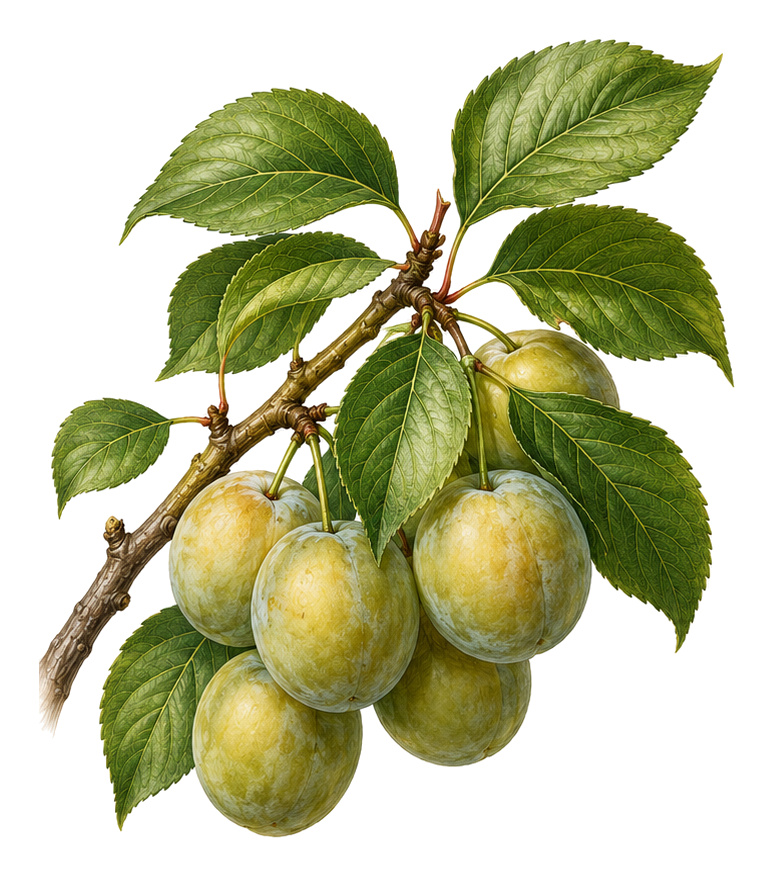
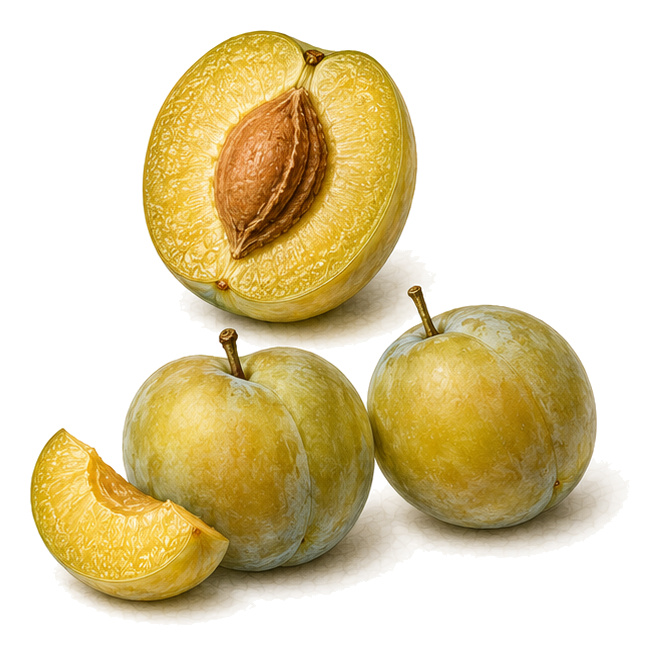
Additional plant images
Health
Pests, Diseases
Pests
Plum sawfly
Holes in young fruit, bedbug-like smell, premature fruit drop.
Plum fruit moth
Larvae inside the fruit, gumming at the entry point.
Diseases
Monilia fruit rot
Brown rot rings on the fruit, grey mold pustules.
Plum pox virus
Ring-shaped spots on leaves and fruit, sunken flesh.
Deficiencies
Nitrogen deficiency
Stunted growth, pale green to yellowish leaves.
Potassium deficiency
Leaf margins turn brown and curl upwards.
Plant health
Diagnosis help
Greengage Diagnosis help
Pest groups
Disease groups
Prevention
Diagnosis
Check leaves for discoloration and fruits for entry holes or atypical gumming.
Cultural prevention
Monitoring
First response
Diagnostic rules
Sticky, amber-colored sap oozes from the trunk or branches.
Possible causes: Gummosis, Stress, Bacterial canker
- Check site for waterlogging
- Inspect bark for mechanical damage
FAQ
How can I tell when greengages are ripe?
The fruits yield to light pressure, smell sweet, and the color usually changes from dark green to a lighter greenish-yellow or yellow.
Is Greengage safe for Dog?
Greengage is classified as selected parts only for Dog. Risk: unknown. Urgency: contact a vet if symptoms appear. The fruit flesh of greengage is suitable for dogs in small amounts as a treat. Pits, leaves, and bark contain cyanogenic glycosides and can cause poisoning symptoms. If hazardous parts are consumed, seek veterinary advice immediately.
Is Greengage safe for Cat?
Greengage is classified as selected parts only for Cat. Risk: unknown. Urgency: contact a vet if symptoms appear. The fruit flesh of the greengage is safe for cats in small amounts as a treat. Pits, leaves, and bark contain cyanogenic glycosides and can cause poisoning symptoms. If hazardous parts are ingested, seek veterinary advice.
Is Greengage safe for Rabbit?
Greengage is classified as selected parts only for Rabbit. Risk: unknown. Urgency: contact a vet if symptoms appear. The fruit flesh of greengage is suitable for rabbits in small amounts as a treat. Pits, leaves, and bark contain cyanogenic glycosides and are toxic. If toxic parts are consumed, seek veterinary advice immediately. If only fruit flesh is consumed, monitor and seek veterinary advice if symptoms occur.
Is Greengage safe for Guinea pig?
Greengage is classified as selected parts only for Guinea pig. Risk: unknown. Urgency: contact a vet if symptoms appear. The fruit flesh of greengage is suitable for guinea pigs in small amounts as a treat. Pits, leaves, and bark contain cyanogenic glycosides and are toxic. If toxic parts are ingested, seek veterinary advice immediately. Excessive fruit consumption may cause digestive issues due to sugar content.
Guides
Related guides
Guide
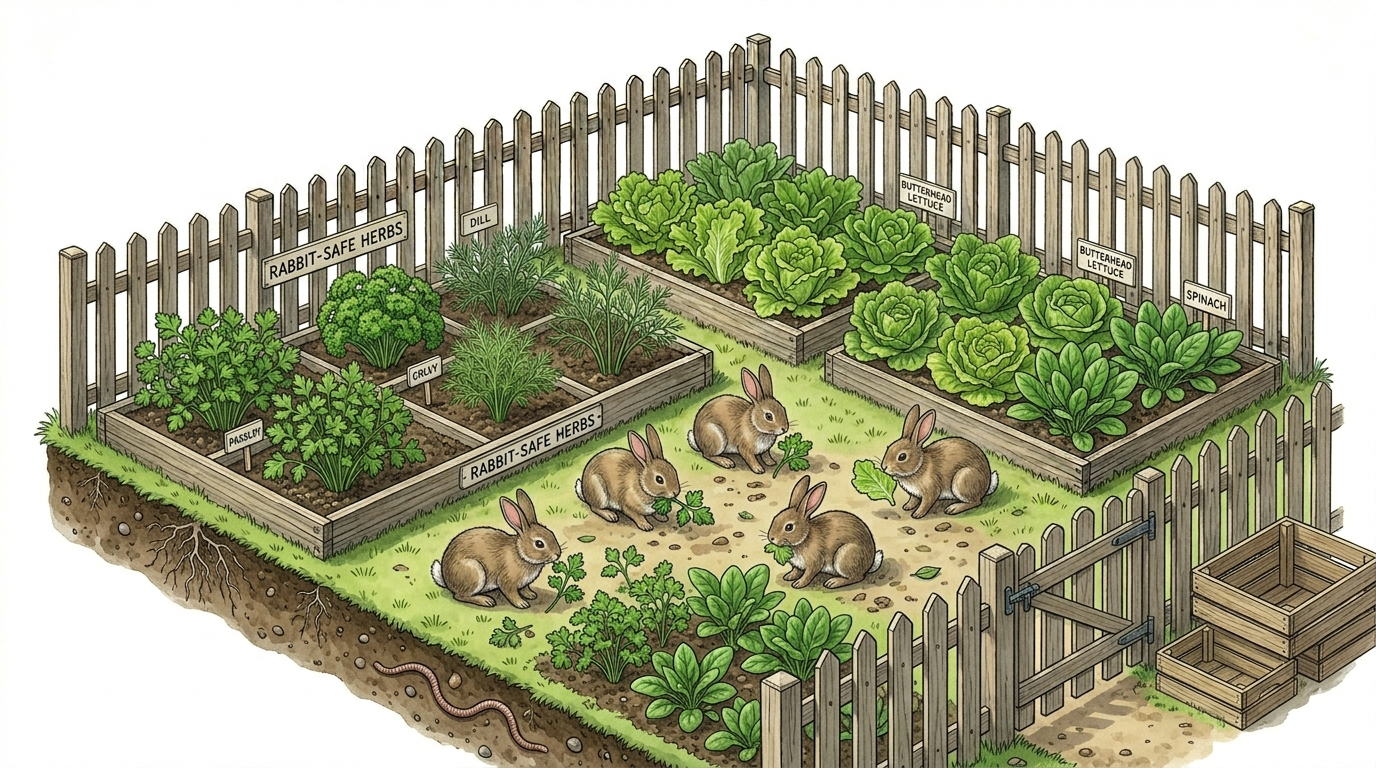
Rabbits in the Garden: Herbs and Vegetables
Learn how to choose suitable herbs and vegetables for rabbits, grow feeding plants, and plan a rabbit-friendly garden.
Guide
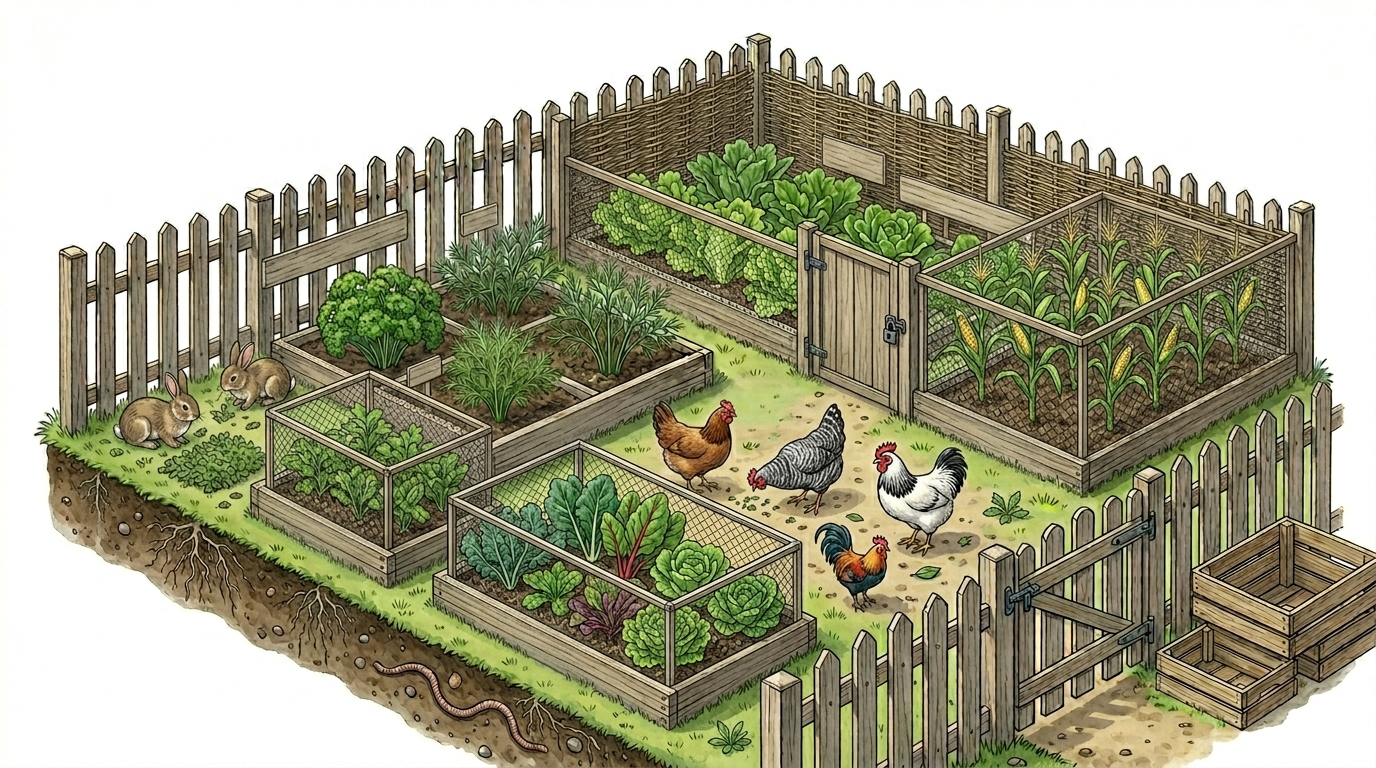
Chickens in the Garden: Safe Plants and Zones
Learn how to design a chicken-friendly garden with suitable plants, protected beds, and well-planned activity areas.
Guide
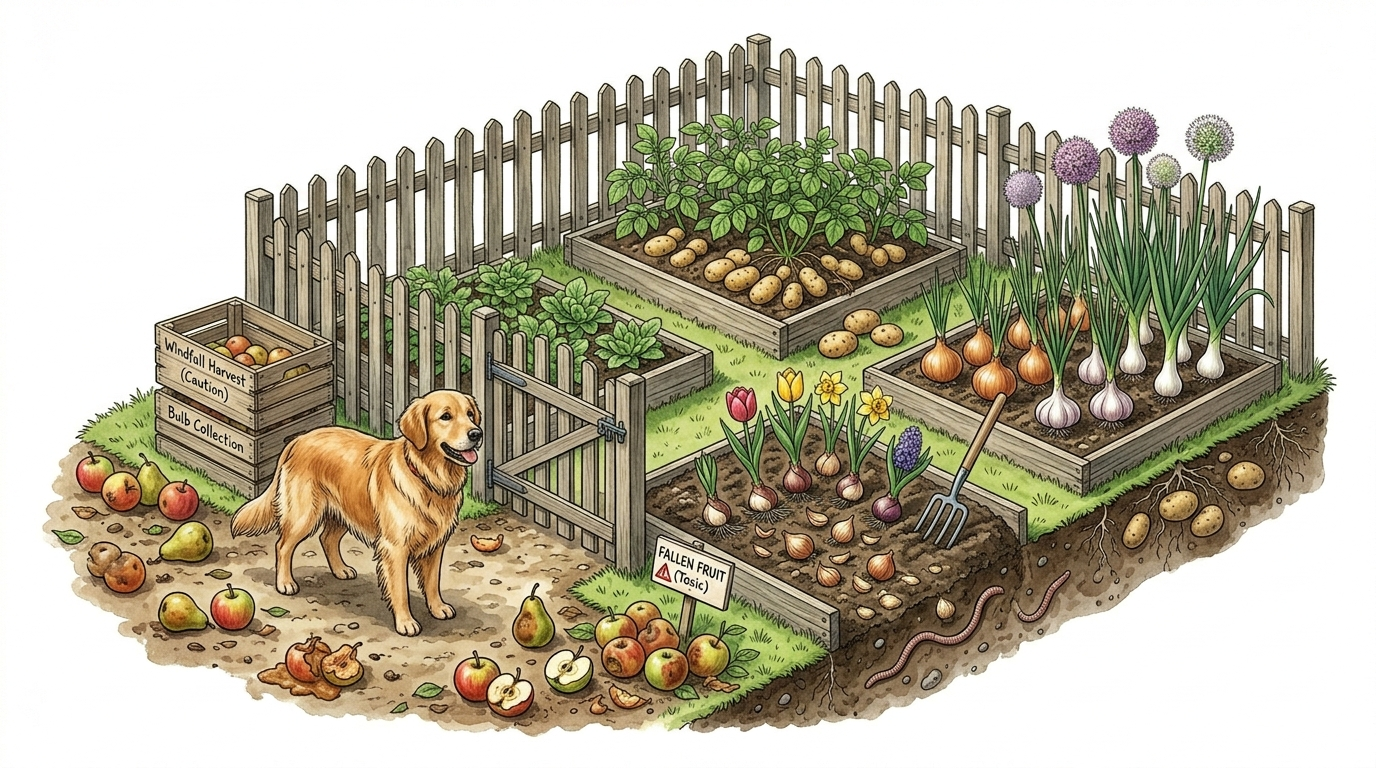
Dogs in the Garden: Windfall Fruit and Risks
Keep your garden dog-safe by managing windfall fruit, seeds, stored crops, and potentially problematic plant parts.
Guide
Horse Pastures and Garden Plants: Safety Checks
Learn how to identify risks near horse pastures, fences, turnout areas, fruit trees, and garden planting zones.
Internal links
Related plants
Apple
Peach
Sour Cherry
Both are susceptible to Monilia blossom wilt.
Plum
Closely related, often serves as a pollinator.
Pear
Cherry
Also belongs to the Rose family.
Apricot
Similar use for fresh consumption and jams.
Mirabelle plum
Both are small and often yellowish, but greengages are larger and rounder.
Sources
Public sources
- Wikidata entity
Wikidata · 2026-05-15
- GBIF species match
GBIF · 2026-05-15
- Deutschsprachige Wikipedia: Edel-Pflaume
Wikipedia · 2026-05-15
- English Wikipedia: Greengage
Wikipedia · 2026-05-15