Profile

garden chervilAnthriscus cerefolium

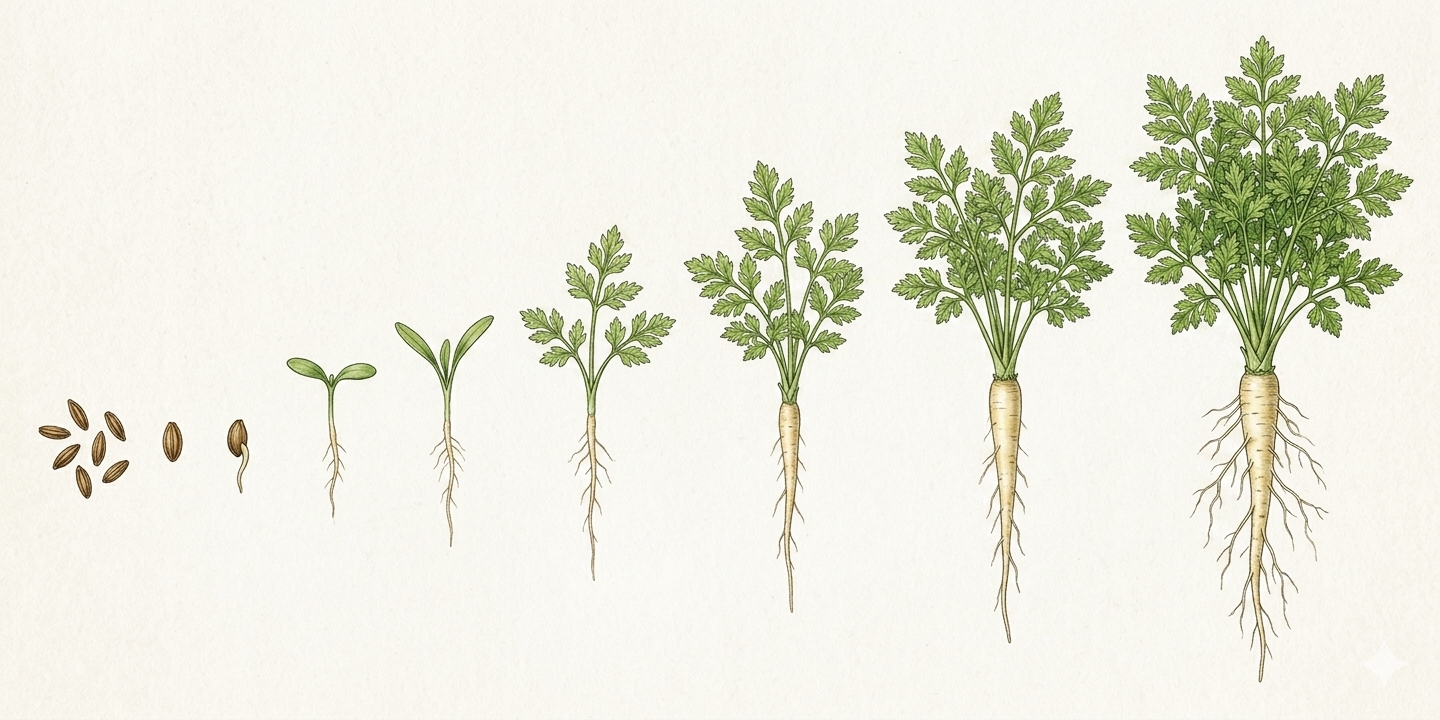
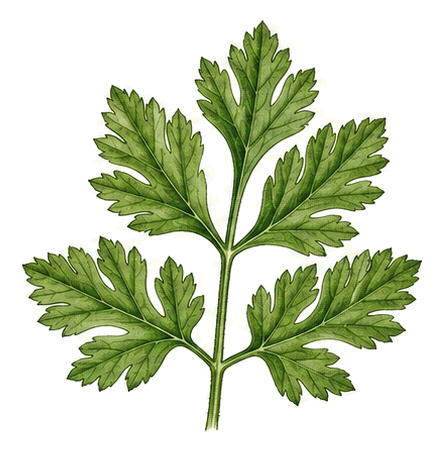
A fast-growing annual herb with a delicate, anise-like aroma, ideal for salads, soups, and sauces. Prefers cool, moist locations.
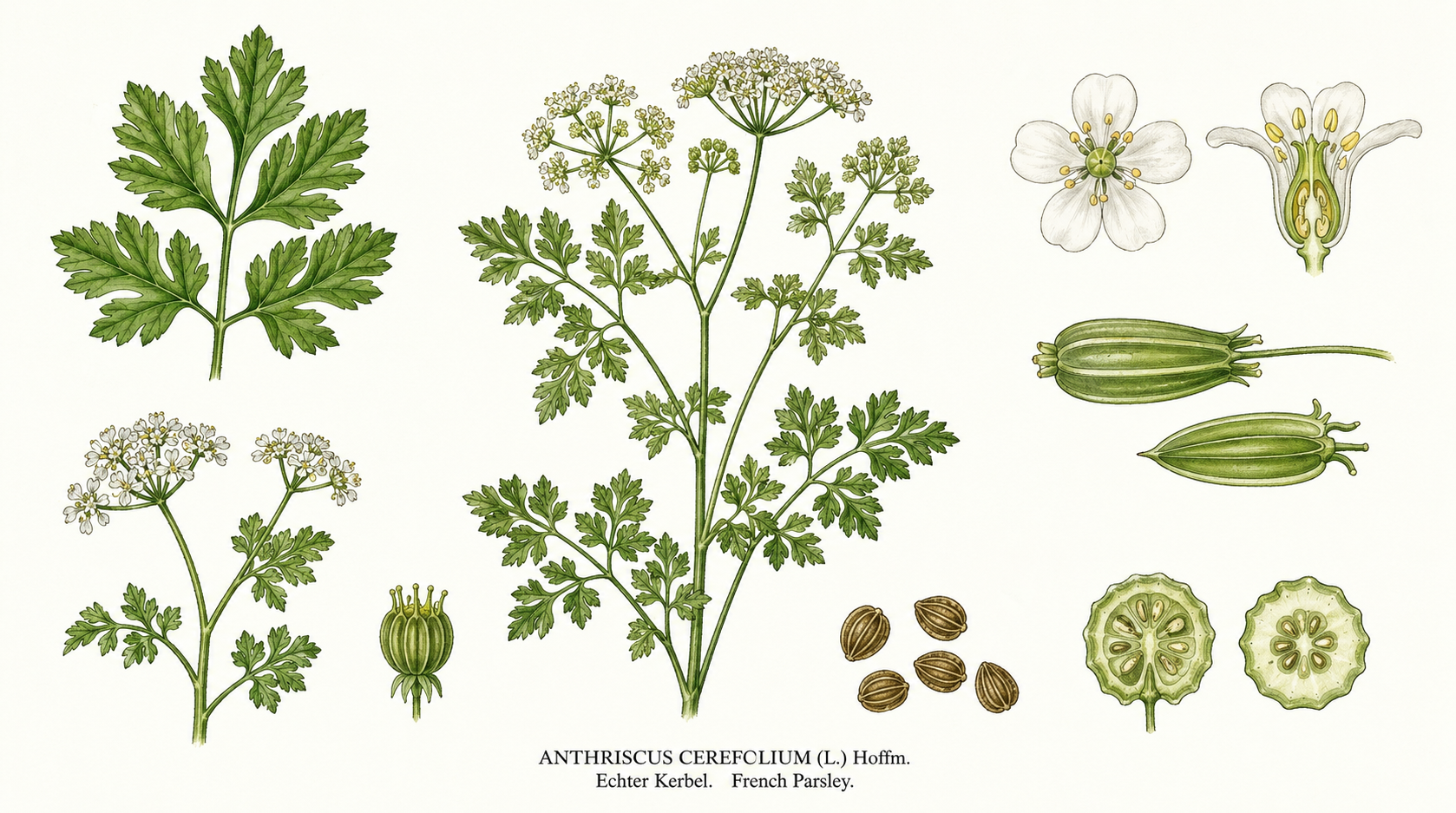
garden chervil (Anthriscus cerefolium): plant portrait for plant portrait - Herbs, Carrot family, Harvest Apr, May, Jun
garden chervil: plant portrait. harvest: Apr, May, Jun, Jul, Aug, Sep, Oct.

Quick profile

Key data

Harvest

Apr, May, Jun, Jul, Aug, Sep, Oct

Water

medium

Good neighbors

LettuceRadishCarrotsCabbage (Brassicas)

Avoid

Fennel

Growing data

garden chervil Growing data

Seed depth

0.5 - 1 cm

Plant spacing

15 - 20 cm

Row spacing

20 - 30 cm

Germination temp

10 - 20 °C

Sowing and germination

Seed depth0.5 - 1 cm
Germination temp10 - 20 °C
Germination time7 - 14 days
Seed viability1 - 2 years
Light germinatorNo
Dark germinatorYes
Cold germinatorNo
Stratification neededNo
Pre-soaking recommendedNo
Direct sowing possibleYes
Pre-culture recommendedNo

Planting and spacing

Plant spacing15 - 20 cm
Row spacing20 - 30 cm
Plants per m²25 - 35 per m²
Spacing9

Temperature and site

Soil temperature8 - 15 °C
Growing temperaturefrom 5 °C
Optimal temperature15 - 20 °C
Frost sensitiveYes
Late frost sensitiveYes
Heat tolerancelow
Cold tolerancemedium

Water, nutrients and care

Watermedium
Critical water phasesgermination, seedling development, growth phase
Watering methodbase_watering
Droughthigh
Waterlogging sensitiveYes
Mulching recommendedYes
Nutrient needlight_feeder
Compost recommendedYes
Fertilizer sensitivitymedium

Container, support and growth

Container suitableYes
Pot sizeVolume: from 3 l; Recommended: from 5 l; Diameter: from 15 cm; Depth: from 15 cm
SupportNo
Height30 - 60 cm
Width15 - 25 cm
Root depth15 - 25 cm

Year plan

garden chervil Calendar

All plants
Indoor sowingDirect sowingPlantingHarvest

Indoor sowing

No data

Chervil is rarely pre-cultivated indoors as it is sensitive to transplanting. Direct sowing is preferred.

Direct sowing

MarAprMayJunJulAugSep

Sow every 2-3 weeks for a continuous harvest. Spring sowings are the most productive.

Planting

No data

Chervil is usually direct-sown and not transplanted.

Harvest

AprMayJunJulAugSepOct

Harvest begins approximately 6-8 weeks after sowing. Regular harvesting promotes new growth and delays bolting.

Year plan
  1. Direct sowing outdoors
  2. Prepare soil
  3. Succession sowing
  4. Harvest
  5. Succession sowing
  6. Water regularly
  7. Succession sowing
  8. Water regularly
  9. Succession sowing
  10. Water regularly
  11. Succession sowing
  12. Water regularly
  13. Late sowing
  14. Harvest
  15. Final harvest

Growing

garden chervil Site, soil and care

Spacing

15 - 20 cm

Storage

Storage suitability: Fresh (very short-term), Freezing, Drying suitability: Moderate (flavor diminishes significantly), Canning suitability: Not suitable, Notes: Chervil loses its aroma quickly. Best used fresh. Freezing is the best method to preserve its flavor.

Sowing tips: Sow chervil directly outdoors, as it tolerates transplanting poorly. For a continuous harvest, sow new rows every 2-3 weeks., Bolting prevention: To prevent premature bolting, choose a partial shade location and ensure consistent soil moisture. Mulching helps keep the soil cool., Harvest best practice: Regularly harvest the outer leaves to stimulate growth and extend the plant's lifespan. Best harvested in the morning., Container growing: Chervil is well-suited for growing in pots on balconies or windowsills, provided a cool, partially shaded location and adequate watering are ensured.

Cultivation timeline for garden chervil (Anthriscus cerefolium) with sowing, planting, care, and harvest months
garden chervil: cultivation timeline. calendar: Mar, Apr, May, Jun, Jul, Aug, Sep, Oct.

Pruning

garden chervil Pruning

not_applicable

Goal

not_applicable

Tools and hygiene

Not applicable, as chervil is not pruned.

Companion guide

garden chervil Companion guide

Companion guide

Good neighbors

LettuceRadishCarrotsCabbage (Brassicas)

Avoid

Fennel

Health

Pests, Diseases

FAQ

Why does my chervil bolt so quickly?

Chervil is very sensitive to heat and drought. High temperatures and insufficient watering cause the plant to quickly form flowers and the leaves to become bitter. Ensure a partial shade location and consistent soil moisture.

How do I harvest chervil correctly?

Harvest the outer leaves or entire plants just above ground level once they are about 15 cm (6 inches) tall. Regular harvesting promotes regrowth and delays bolting. Best harvested in the morning when the aroma is most intense.

Can chervil be grown in pots?

Yes, chervil is well-suited for growing in pots on balconies or windowsills. Ensure a pot with at least 3-5 liters (0.8-1.3 gallons) volume, good drainage, and a cool, partially shaded location. Regular watering is especially important here.

What's the best way to store chervil to preserve its flavor?

Chervil loses its aroma quickly. It is best used fresh. For longer preservation, freezing is the best method: Freeze chopped chervil in ice cube trays with a little water or oil. Drying leads to significant flavor loss.

Is chervil poisonous or can it be confused with other plants?

Garden chervil is non-toxic. However, it belongs to the Apiaceae family, which also includes highly poisonous plants like poison hemlock or fool's parsley. Extreme caution must be exercised when foraging wild plants to avoid misidentification.

Related plants

parsley

Same familySame crop groupShared diseases

Both belong to the Apiaceae family.

Both are leafy herbs.

Carrot

Same family

Both belong to the Apiaceae family.

Celery

Same family

Both belong to the Apiaceae family.

Dill

Same family

Both belong to the Apiaceae family.

Chives

Same crop group

Both are leafy herbs.

Lettuce

Similar nutrient needsSimilar water needs

Both are light feeders and require only moderate nutrient applications.

Both require consistently moist soil for optimal growth and to prevent bolting.

Radish

Similar nutrient needs

Both are light feeders.

Spinach

Similar water needs

Both prefer consistent soil moisture and are sensitive to drought.

Sources

Public sources

  1. Wikidata entity

    Wikidata · 2026-05-13

  2. GBIF species match

    GBIF · 2026-05-13

  3. Deutschsprachige Wikipedia: Echter Kerbel

    Wikipedia · 2026-05-13

  4. English Wikipedia: Chervil

    Wikipedia · 2026-05-13

Details

More public plant data

Names
Common

garden chervil

Plural

garden chervil

BotanicalAnthriscus cerefolium
Botanical author(L.) Hoffm.
Scientific synonyms
  1. Anthriscus cerefolium var. trichosperma
  2. Anthriscus cerefolium var. trichocarpa
  3. Anthriscus cerefolium var. vulgare
  4. Anthriscus cerefolium var. crispum
  5. Selinum cerefolium
  6. Anthriscus longirostris
  7. Anthriscus chaerophyllus
  8. Cerefolium sativum
  9. Chaerophyllum cerefolium
  10. Anthriscus cerefolium subsp. trichosperma
  11. Anthriscus trachysperma
  12. Chaerefolium cerefolium subsp. trichospermum
  13. Anthriscus sativa
  14. Myrrhodes cerefolium
  15. Scandix cerefolium
  16. Scandix tenuifolia
  17. Cerefolium cerefolium
  18. Cerefolium trichospermum
  19. Anthriscus vulgaris var. trichosperma
  20. Chaerefolium trichospermum
  21. Chaerefolium cerefolium
  22. Anthriscus cerefolium var. longirostris
Synonyms
  1. garden chervil
  2. chervil
  3. French parsley
  4. Anthriscus cerefolium
Common synonyms
  1. chervil
  2. French parsley
  3. Anthriscus cerefolium
Regional names
Historical names
Market names
Misspellings
Search terms
  1. garden chervil
  2. chervil
  3. French parsley
  4. Anthriscus cerefolium
Taxonomy
KingdomPlantae
OrderApiales
Family botanicalApiaceae
Family

Carrot family

Family idapiaceae
GenusAnthriscus
Speciescerefolium
Hybrid statusnot_hybrid
Classification
Main groupHerbs
Sub groupCulinary Herbs
Crop groupLeafy Herbs
Life cycleAnnual
Perennialno
Woodyno
Treeno
Shrubno
Edible parts
  1. leaves
  2. herb
Calendar
Sowing indoor
Notes

Chervil is rarely pre-cultivated indoors as it is sensitive to transplanting. Direct sowing is preferred.

Sowing outdoor
Months
  1. 3
  2. 4
  3. 5
  4. 6
  5. 7
  6. 8
  7. 9
Earliest month3
Latest month9
Notes

Sow every 2-3 weeks for a continuous harvest. Spring sowings are the most productive.

Planting out
Notes

Chervil is usually direct-sown and not transplanted.

Harvest
Months
  1. 4
  2. 5
  3. 6
  4. 7
  5. 8
  6. 9
  7. 10
Earliest month4
Latest month10
Notes

Harvest begins approximately 6-8 weeks after sowing. Regular harvesting promotes new growth and delays bolting.

Month tasks
3
  1. Begin direct sowing outdoors as soon as the soil is workable.

  2. Prepare soil: loosen and enrich with compost.

4
  1. Perform succession sowings for continuous harvest.

  2. First harvest of spring sowings.

5
  1. Perform succession sowings.

  2. Water regularly, especially during dry periods.

6
  1. Perform succession sowings.

  2. Watch for bolting and remove plants if necessary.

  3. Mulch to keep the soil cool and moist.

7
  1. Perform succession sowings, preferably in shadier spots.

  2. Harvest regularly to keep plants productive.

8
  1. Last succession sowings for an autumn harvest.

  2. Continue to water regularly.

9
  1. Harvest of late sowings.

  2. Protect plants from heavy frost if desired.

10
  1. Last harvest before winter.

Book content
Introduction

Chervil, also known as garden chervil or French parsley, is a delicate annual culinary herb belonging to the carrot family (Apiaceae). It is renowned for its fine, slightly anise-like aroma, reminiscent of a blend of parsley and anise. Chervil is an essential component of the French 'Fines Herbes' and is used fresh in salads, soups, sauces, and egg dishes. Its short growing season and sensitivity to heat require careful cultivation planning to ensure a continuous harvest.

Cultivation tips

Chervil prefers a cool, partially shaded location with humus-rich, well-drained soil. Direct sowing is recommended as it is sensitive to transplanting. For a continuous harvest, succession sowings should be done every 2-3 weeks. Ensure consistent soil moisture to prevent premature bolting. Mulching helps keep the soil cool and moist.

Harvest storage

Harvest the outer leaves once plants are about 15 cm (6 inches) tall, ideally in the morning. Regular harvesting promotes regrowth and delays bolting. Chervil loses its aroma quickly after harvest. It is best used fresh. For preservation, freezing (chopped in ice cube trays with water or oil) is the best method, as drying leads to significant flavor loss.

Culinary uses

Chervil's delicate flavor pairs wonderfully with mild dishes. It is a classic in soups, sauces (like Béarnaise sauce), salads, egg dishes, fish, and poultry. Since heat destroys its aroma, chervil should always be added at the end of cooking or fresh as a garnish. It harmonizes well with other fine herbs like parsley, chives, and tarragon.

Structured month tasks
3
  1. Tasksow_outdoor
    Label

    Direct sowing outdoors

    Priorityhigh
    Months
    1. 3
    ConditionBoden bearbeitbar
    Estimated effortmedium
    Notes

    Start direct sowing as soon as the soil is frost-free and workable. Chervil is tolerant of cool temperatures.

  2. Tasksoil_preparation
    Label

    Prepare soil

    Prioritymedium
    Months
    1. 3
    ConditionVor der Aussaat
    Estimated effortmedium
    Notes

    Loosen the soil and enrich it with well-rotted compost to create a good foundation.

4
  1. Tasksow_outdoor
    Label

    Succession sowing

    Prioritymedium
    Months
    1. 4
    ConditionAlle 2-3 Wochen
    Estimated effortlow
    Notes

    Sow new rows every 2-3 weeks for a continuous harvest.

  2. Taskharvest
    Label

    Harvest

    Priorityhigh
    Months
    1. 4
    ConditionPflanzen ausreichend groß
    Estimated effortlow
    Notes

    Begin harvesting outer leaves once plants are about 15 cm (6 inches) tall.

5
  1. Tasksow_outdoor
    Label

    Succession sowing

    Prioritymedium
    Months
    1. 5
    ConditionAlle 2-3 Wochen
    Estimated effortlow
    Notes

    Sow new rows every 2-3 weeks for a continuous harvest.

  2. Taskwatering
    Label

    Water regularly

    Priorityhigh
    Months
    1. 5
    ConditionBoden feucht halten
    Estimated effortlow
    Notes

    Chervil requires consistently moist soil to prevent bolting.

  3. Taskharvest
    Label

    Harvest

    Priorityhigh
    Months
    1. 5
    ConditionRegelmäßig
    Estimated effortlow
    Notes

    Regular harvesting promotes regrowth and delays bolting.

6
  1. Tasksow_outdoor
    Label

    Succession sowing

    Prioritymedium
    Months
    1. 6
    ConditionAlle 2-3 Wochen
    Estimated effortlow
    Notes

    Sow new rows every 2-3 weeks for a continuous harvest. Choose shadier spots in summer.

  2. Taskwatering
    Label

    Water regularly

    Priorityhigh
    Months
    1. 6
    ConditionBoden feucht halten
    Estimated effortlow
    Notes

    Ensure adequate watering, especially during warm periods.

  3. Taskmulching
    Label

    Mulch

    Prioritylow
    Months
    1. 6
    ConditionBei Bedarf
    Estimated effortlow
    Notes

    A layer of mulch helps keep the soil cool and moist and suppresses weeds.

  4. Taskharvest
    Label

    Harvest

    Priorityhigh
    Months
    1. 6
    ConditionRegelmäßig
    Estimated effortlow
    Notes

    Regular harvesting promotes regrowth and delays bolting.

7
  1. Tasksow_outdoor
    Label

    Succession sowing

    Prioritymedium
    Months
    1. 7
    ConditionAlle 2-3 Wochen
    Estimated effortlow
    Notes

    In mid-summer, sow preferably in shadier spots to prevent bolting.

  2. Taskwatering
    Label

    Water regularly

    Priorityhigh
    Months
    1. 7
    ConditionBoden feucht halten
    Estimated effortlow
    Notes

    Consistent moisture is crucial to maintain leaf quality.

  3. Taskharvest
    Label

    Harvest

    Priorityhigh
    Months
    1. 7
    ConditionRegelmäßig
    Estimated effortlow
    Notes

    Regular harvesting promotes regrowth and delays bolting.

8
  1. Tasksow_outdoor
    Label

    Succession sowing

    Prioritymedium
    Months
    1. 8
    ConditionAlle 2-3 Wochen
    Estimated effortlow
    Notes

    Last sowings for an autumn harvest.

  2. Taskwatering
    Label

    Water regularly

    Priorityhigh
    Months
    1. 8
    ConditionBoden feucht halten
    Estimated effortlow
    Notes

    Continue to ensure adequate watering.

  3. Taskharvest
    Label

    Harvest

    Priorityhigh
    Months
    1. 8
    ConditionRegelmäßig
    Estimated effortlow
    Notes

    Regular harvesting promotes regrowth.

9
  1. Tasksow_outdoor
    Label

    Late sowing

    Prioritylow
    Months
    1. 9
    ConditionFür sehr späte Ernte oder Überwinterung
    Estimated effortlow
    Notes

    A very late sowing can overwinter with protection and provide an early spring harvest.

  2. Taskharvest
    Label

    Harvest

    Priorityhigh
    Months
    1. 9
    ConditionRegelmäßig
    Estimated effortlow
    Notes

    Harvest the last fresh leaves before the first heavy frost.

10
  1. Taskharvest
    Label

    Final harvest

    Prioritymedium
    Months
    1. 10
    ConditionVor dem Winter
    Estimated effortlow
    Notes

    Utilize the last mild days for a final harvest.

Cultivation specs
Seed
Seed depth cm min.0.5
Seed depth cm max.1
Light germinatorno
Dark germinatoryes
Cold germinatorno
Stratification neededno
Pre soaking recommendedno
Germination temperature c min.10
Germination temperature c max.20
Germination days min.7
Germination days max.14
Seed lifespan years min.1
Seed lifespan years max.2
Direct sowing possibleyes
Pre culture recommendedno
Spacing
Plant spacing cm min.15
Plant spacing cm max.20
Row spacing cm min.20
Row spacing cm max.30
Recommended density per sqm min.25
Recommended density per sqm max.35
Thinning distance10 cm
Square foot gardening spacing9
Spacing notes

Sow thinly and thin to the recommended spacing later.

Growth dimensions
Height cm min.30
Height cm max.60
Width cm min.15
Width cm max.25
Root depth cm min.15
Root depth cm max.25
Growth speedfast
Final size notes

Size varies greatly depending on location, water supply, and harvesting frequency.

Temperature
Min. growing temperature5 °C
Optimal temperature c min.15
Optimal temperature c max.20
Max. heat tolerance25 °C
Soil temperature for sowing c min.8
Soil temperature for sowing c optimal15
Frost sensitiveyes
Late frost sensitiveyes
Heat tolerancelow
Cold tolerancemedium
Temperature notes

Chervil bolts quickly in heat and drought. It prefers cool temperatures and tolerates light frost.

Water
Water needmedium
Critical water phases
  1. germination
  2. seedling development
  3. growth phase
Drought tolerantno
Drought sensitivityhigh
Waterlogging sensitiveyes
Mulching recommendedyes
Water notes

Consistent soil moisture is crucial to prevent bolting and promote tender leaves.

Nutrition
Nutrient grouplight_feeder
Heavy feederno
Medium feederno
Light feederyes
Nitrogen needlow
Phosphorus needlow
Potassium needlow
Calcium needlow
Magnesium needlow
Compost recommendedyes
Mulching recommendedyes
Fertilizer sensitivitymedium
Nutrition notes

A moderate application of compost before sowing is sufficient. Over-fertilization, especially with nitrogen, can impair flavor.

Container
Container suitableyes
Min. pot volume3 l
Recommended pot volume5 l
Min. pot depth15 cm
Min. pot diameter15 cm
Plants per container min.1
Plants per container max.3
Drainage requiredyes
Repotting neededno
Container notes

In pots, ensure adequate watering and a cool location.

Support
Needs supportno
Support recommendedno
Climbingno
Viningno
Trellis recommendedno
Training requiredno
Support notes

Chervil does not require support.

Cultivation modes
Outdoor bed suitableyes
Raised bed suitableyes
Container suitableyes
Balcony suitableyes
Greenhouse suitableyes
Polytunnel suitableyes
Indoor suitableno
Windowsill suitableyes
Hydroponic possibleno
Permaculture suitableyes
No dig suitableyes
Yield density
Yield unitg
Yield reliabilityhigh
Yield notes

Chervil provides a continuous harvest of leaves as long as it does not bolt. Yield depends heavily on care.

Site
Sun exposure

Partial shade, also full sun in cooler regions or seasons.

Wind exposure

Sheltered

Notes

A location with morning sun and afternoon shade is ideal to delay bolting.

Soil
Soil type
  1. Humus-rich
  2. loose
  3. well-drained
PH min.6
PH max.7
PH optimal6.5
Notes

Chervil prefers nutrient-rich but not too heavy soil. Avoid waterlogging at all costs.

Watering
Frequency

Regularly, keep soil consistently moist.

Method

Water directly at the root zone, keep leaves dry.

Notes

Pay particular attention to adequate water supply during warm periods and when growing in pots to prevent bolting.

Nutrition
Fertilization frequency

Once during soil preparation with compost.

Fertilizer type

Well-rotted compost

Notes

Chervil is a light feeder and does not require additional fertilization during growth. Too much nitrogen can impair flavor.

Cultivation planning
Succession sowing
Possibleyes
Interval days min.14
Interval days max.21
Bed planning notes

Chervil is a good filler plant and can be used well between slow-growing crops or as an early crop.

Rotation prioritylow
Interplanting potentialhigh
Mechanization relevancelow
Crop rotation
Family rotation groupApiaceae
Rotation interval years3
Notes

Chervil is a light feeder. A crop rotation of 2-3 years with other Apiaceae (e.g., carrots, celery) is advisable to prevent the buildup of specific diseases and pests.

Preceding crops good
  1. legumes
  2. leafy greens
  3. cucurbits
Preceding crops bad
  1. Other Apiaceae (carrots, celery, parsley)
Following crops good
  1. legumes
  2. heavy feeders (after compost application)
Following crops bad
  1. Other Apiaceae
Rotation benefits
  1. Reduction of pathogens and pests
  2. Maintenance of soil health
Deficiencies
Common deficiencies
  1. Slugstickstoffmangel
    Name

    Nitrogen Deficiency

    Description

    Older leaves yellow uniformly, growth is stunted. Rare in chervil as it is a light feeder.

    Severitylow
    Control methods
    1. Light application of compost or organic liquid fertilizer
    Prevention
    1. Soil preparation with well-rotted compost
Notes

Chervil is a light feeder and requires few nutrients. Deficiencies are rare and often indicate other problems like waterlogging or unfavorable pH.

Problems
Common problems
  1. Slugschiessen
    Name

    Bolting (premature flowering)

    Description

    The plant quickly forms a flower stalk and seeds, leaves become bitter, and harvest ends. Triggered by heat, drought, or long days.

    Severityhigh
    Control methods
    1. Regular harvesting of leaves (delays bolting)
    2. Remove bolting plants and resow
    Prevention
    1. Grow in partial shade
    2. Ensure consistent soil moisture
    3. Regular succession sowings
    4. Mulch to cool the soil
  2. Sluggelbe_blaetter
    Name

    Yellowing Leaves

    Description

    Leaves turn yellow. Can be caused by overwatering, waterlogging, nutrient deficiency, or the natural end of the life cycle.

    Severitymedium
    Control methods
    1. Adjust watering
    2. Check drainage
    3. Loosen soil
    4. Apply light fertilizer if needed
    Prevention
    1. Consistent watering
    2. Good soil drainage
    3. Balanced nutrient supply
Notes

Bolting is the most common problem in chervil cultivation and requires careful site selection and watering.

Problem management
Common pest groups
  1. Aphids
  2. Slugs
Common disease groups
  1. Fungal diseases (powdery mildew)
  2. Root rot
Prevention principles
  1. Site selection: Partial shade and protected from direct midday sun.
  2. Soil: Humus-rich, loose, and well-drained, avoid waterlogging.
  3. Watering: Keep consistently moist, especially during warm periods.
  4. Plant spacing: Adequate space for good air circulation.
  5. Crop rotation: Change location every 2-3 years.
  6. Regular inspection: Early detection of problems.
Diagnosis notes

Pay attention to specific symptoms (discoloration, coatings, feeding damage) and growing conditions (heat, drought, wetness) to narrow down the cause.

Disease graph
Scopecommon_problems_and_diseases
Profiles
  1. Slugschiessen
    Severityhigh
    Conditions
    1. High temperatures (>20°C)
    2. Drought
    3. Long daylight hours
    Affected parts
    1. Entire plant
    2. Stems
    3. Leaves (become bitter)
    4. Flowers
    Prevention
    1. Partial shade cultivation
    2. Consistent soil moisture
    3. Regular succession sowings
    4. Mulching
    Organic control
    1. Regular harvesting (delays)
    2. Remove plants at first sign of bolting
  2. Slugblattlaeuse
    Severitymedium
    Conditions
    1. Warm, dry periods
    2. Weakened plants
    3. Nitrogen excess
    Affected parts
    1. Young shoots
    2. Undersides of leaves
    3. Flower buds
    Prevention
    1. Encouraging beneficial insects (ladybugs)
    2. Balanced fertilization
    3. Regular inspection
    Organic control
    1. Rinsing with water jet
    2. Neem oil
    3. Insecticidal soap
    4. Introducing beneficial insects
  3. Slugechter_mehltau
    Severitymedium
    Conditions
    1. High humidity
    2. Poor air circulation
    3. Temperature fluctuations (cool, damp nights, warm days)
    Affected parts
    1. Leaves (upper and lower side)
    2. Stems
    Prevention
    1. Adequate plant spacing
    2. Good air circulation
    3. Avoid overhead watering
    4. Partial shade location
    Organic control
    1. Remove affected leaves
    2. Milk-water spray
    3. Sulfur-based fungicides
Diagnostic rules
  1. Symptom

    Plant quickly forms a tall stalk and flowers, leaves become bitter.

    Possible causes
    1. schiessen
    First checks
    1. Is it hot and dry?
    2. Is the plant in full sun?
    3. Has it been harvested regularly?
  2. Symptom

    Small insects on young shoots and undersides of leaves, leaves distorted or sticky.

    Possible causes
    1. blattlaeuse
    First checks
    1. Are the insects green, black, or yellow?
    2. Are there ants nearby?
  3. Symptom

    White, powdery coating on leaves and stems.

    Possible causes
    1. echter_mehltau
    First checks
    1. Is the humidity high?
    2. Are the plants too crowded?
    3. Are there large temperature differences between day and night?
  4. Symptom

    Leaves yellow, plant wilts despite moist soil.

    Possible causes
    1. wurzelfaeule
    2. gelbe_blaetter
    First checks
    1. Is the soil waterlogged?
    2. Does the soil smell foul?
    3. Are the roots soft and brown?
Prevention strategy
Cultural
  1. Choose a location with partial shade, especially in hot regions.
  2. Ensure loose, humus-rich, and well-drained soil.
  3. Keep the soil consistently moist, but avoid waterlogging.
  4. Sow in succession every 2-3 weeks to ensure a continuous harvest and prevent bolting.
  5. Mulch the soil to keep it cool and moist.
Monitoring
  1. Regularly inspect plants for signs of pests (aphids, slugs) or diseases (powdery mildew).
  2. Monitor growth for signs of bolting, especially as temperatures rise.
Organic first response
  1. For aphids: Rinse with a strong jet of water or spray with insecticidal soap.
  2. For slugs: Hand-pick or use organic slug pellets.
  3. For powdery mildew: Remove affected leaves and spray with a milk-water mixture.
  4. For bolting: Harvest immediately or remove the plant and resow.
Notes

The best strategy for chervil is prevention through optimal growing conditions and regular care to avoid bolting and stress.

Diagnosis
Notes

Diagnosing problems with chervil often focuses on growing conditions, as the plant quickly bolts or becomes more susceptible to general pests when stressed. Look for signs of heat, drought, or waterlogging.

Phenology
Stages
  1. Germination
  2. Leaf development
  3. Vegetative growth
  4. Bolting (stem elongation)
  5. Flowering
  6. Seed maturation
  7. Senescence
Notes

Chervil completes its annual life cycle very quickly. In warm temperatures and drought, it bolts prematurely and ceases leaf production.

Flowering pollination
Flower type

Small, white flowers in compound umbels

Flowering period

June to August (if not harvested regularly)

Attracts pollinatorsyes
Pollinator attraction notes

The flowers attract a variety of pollinators, including bees, hoverflies, and other small insects.

Harvest
Harvest parts
  1. Leaves
  2. tender stems
Harvest method

Snip outer leaves or entire plants just above ground level.

Harvest timing

Starting approximately 6-8 weeks after sowing, before flowering.

Notes

Regular harvesting promotes regrowth and delays bolting. Best harvested in the morning when leaves are most aromatic.

Harvest details
Harvest frequency

Every 1-2 weeks, for a continuous harvest.

Harvest indicators
  1. Tender, bright green leaves
  2. Plant height approx. 15-20 cm (6-8 inches)
  3. Before flower stalks appear
Post harvest handling

Gently wash leaves, pat dry, and use immediately or store in a cool place. Do not crush.

Storage
Storage suitability
  1. Fresh (very short-term)
  2. Freezing
Drying suitability

Moderate (flavor diminishes significantly)

Canning suitability

Not suitable

Notes

Chervil loses its aroma quickly. Best used fresh. Freezing is the best method to preserve its flavor.

Storage details
General storage category

Short-term fresh, medium-term frozen

Storage life

Fresh: 2-3 days in the refrigerator. Frozen: 6-12 months. Dried: 3-6 months (with significant flavor loss).

Processing options
  1. Freezing (chopped in ice cube trays with water or oil)
  2. Drying (air dry or dehydrator at low temperature)
Processing use
Primary use

Fresh consumption and seasoning

Secondary use

Freezing for flavor preservation

Notes

Chervil is sensitive to heat, so it should usually be added at the end of cooking to preserve its delicate flavor.

Kitchen usage
Flavor profile

Delicate, slightly anise-like, parsley-like, fresh, sweetish

Culinary uses
  1. Soups
  2. Sauces (e.g., Béarnaise sauce)
  3. Salads
  4. Egg dishes
  5. Fish
  6. Poultry
  7. Vegetables
  8. Herb butter
  9. Fines Herbes
Preparation notes

Chervil should not be cooked for long, as it loses its aroma. Best chopped fresh and added just before serving.

Pairing suggestions
  1. Tarragon
  2. Chives
  3. Parsley
  4. Lemon juice
  5. Butter
Safety and edibility
Edible parts
  1. leaves
  2. tender stems
Inedible or caution parts
  1. seeds (not culinarily used)
  2. roots (not commonly eaten)
Toxicity notes

Garden chervil (Anthriscus cerefolium) is non-toxic. However, it belongs to the Apiaceae family, which also includes highly poisonous plants like hemlock (Conium maculatum). Extreme caution must be exercised when foraging wild plants to avoid misidentification.

Raw consumption

Yes, very well suited and commonly used raw in salads or as a garnish.

Seed saving
Seed saving possibleyes
Seed typeopen_pollinated
Annual biennial perennialannual
Notes

As chervil is an annual plant, seeds must be collected each year for the next season. Allow some plants to flower and set seed.

Seed saving advanced
Seed maturation indicators

Seed heads turn brown and dry, and the seeds themselves are dark brown to black and hard.

Harvesting method

Cut entire seed heads when most seeds are mature but before they drop. Allow to dry further in paper bags.

Drying method

Allow to mature and dry in a cool, dry, and well-ventilated place.

Cleaning method

Rub seed heads to release seeds. Remove chaff by sieving and winnowing.

Storage conditions

Store in a cool, dark, dry place in airtight containers.

Isolation distance

For pure seeds, maintain at least 100-200 meters (330-660 feet) from other chervil varieties or wild Anthriscus species. For home use, this is often less critical.

Notes

Chervil seeds are viable for only 1-2 years, so it is advisable to collect fresh seeds annually.

Woody crop details
Rootstock relevancenot_applicable
Renewal pruning relevancenot_applicable
Notes

Chervil is an annual herbaceous plant and not a woody crop. Therefore, these details are not relevant.

Ecology
Pollinator valuehigh
Wildlife valuemedium
Biodiversity notes

Chervil's small white flowers attract a variety of pollinators, including bees, hoverflies, and other small insects, contributing to local biodiversity. The seeds can be a food source for birds.

Practical notes
Sowing tips

Sow chervil directly outdoors, as it tolerates transplanting poorly. For a continuous harvest, sow new rows every 2-3 weeks.

Bolting prevention

To prevent premature bolting, choose a partial shade location and ensure consistent soil moisture. Mulching helps keep the soil cool.

Harvest best practice

Regularly harvest the outer leaves to stimulate growth and extend the plant's lifespan. Best harvested in the morning.

Container growing

Chervil is well-suited for growing in pots on balconies or windowsills, provided a cool, partially shaded location and adequate watering are ensured.