Plant Profile
Cynara scolymusCynara scolymus
The artichoke (Cynara scolymus) is an impressive, thistle-like plant valued for its edible flower buds. It requires a sunny, sheltered location and deep, nutrient-rich soil. Cultivation is usually done from seed indoors, with planting out into the open field after the last frosts. Regular watering and fertilizing are essential for a good harvest. The flower buds are harvested before they open and can be used in various culinary ways. Artichokes require frost protection in winter.
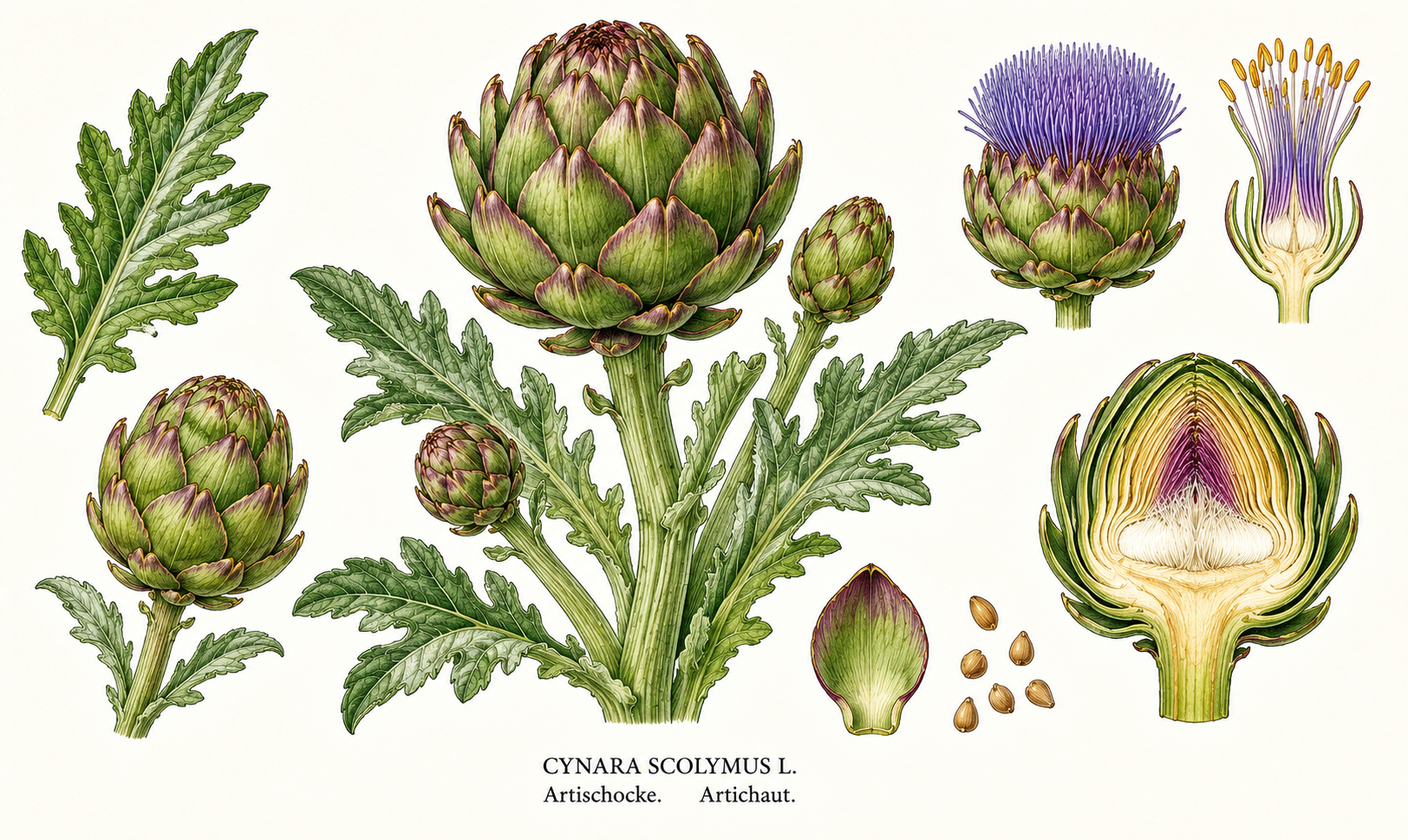
Quick profile
Key data
Suitable growing locations:
Indoor & direct sowing
Cynara scolymus: Sowing and germination
Sow in trays or pots indoors or in a greenhouse.
Direct sowing in the open field is unusual for artichokes and only recommended in very mild regions.
Planting & site
Cynara scolymus: Planting and spacing
Plant outdoors after the last frosts. Harden off pre-grown plants.
Site & practical notes
Artichokes are perennial and require a permanent spot in the garden. They are heavy feeders and need nutrient-rich soil and regular watering. Winter protection is crucial for the plant's survival. Harvest the flower buds before they open for the best flavor.
Temperature & frost
Cynara scolymus: Temperature and site
Water & nutrients
Cynara scolymus: Water, nutrients and care
Container & growth
Cynara scolymus: Container, support and growth
Year plan
Cynara scolymus Calendar
The harvest season extends throughout the summer into autumn.
Recurring tasks
Relevant now
June
- No additional single task
Next up
July
- No additional single task
Monthly tasks
Single tasks from monthly data; repeated seasonal windows are shown in the overview above.
January
Quiet month
February
Direct sowing
- Sow indoors/in greenhouseindoors: Sow in pots or trays.
March
Direct sowing
- Sow indoors/in greenhouseindoors: Further sowing if needed.
April
Direct sowing
- Harden off seedlingsoutdoors: Gradually acclimatize plants to outdoor temperatures.
Planting
- Plant out seedlingsoutdoors: After the last frosts, with adequate spacing.
Pruning
- Thinning and rejuvenationPerform in April before new growth begins.
May
Planting
- Plant out seedlingsoutdoors: Plant further seedlings if needed.
Growing
- Mulchoutdoors: Helps retain moisture and suppress weeds.
June
No additional single task
August
Quiet month
September
Growing
- Fertilizeoutdoors: A light feeding can extend the harvest.
- Water regularlyoutdoors: If needed, especially during dry spells.
October
Planting
- Cut back spent stemsoutdoors: Remove dead plant parts.
Harvest
- Harvestoutdoors: Final harvest before the first frost.
Growing
- Prepare winter protectionoutdoors: Protect from hard frost, e.g., with leaves or fleece.
Pruning
- Pruning after harvestPerform after the final harvest in October/November.
November
Growing
- Apply winter protectionoutdoors: Ensure plants are well protected.
December
Quiet month
Flowering & pollination
Cynara scolymus Flowering & pollination
Self-fertility
partial
Pollinator needed
yes
Overview
Artichokes are protandrous (male first), meaning the anthers shed pollen before the stigmas mature. This promotes cross-pollination, although self-pollination can occur.
Notes
Primarily pollinated by insects, especially bees and bumblebees. The presence of pollinators is important for good seed set.
Pruning & care
Cynara scolymus Pruning & care
Pruning type
renewal
Pruning timing
Pruning after harvest Perform after the final harvest in October/November.
Thinning and rejuvenation Perform in April before new growth begins.
Remove
Preserve
Avoid
Tools and hygiene
Disinfect shears and tools with alcohol after use to prevent disease transmission.
Companion guide
Cynara scolymus Companion guide
Use & storage
Cynara scolymus Use & storage
Harvest as soon as the outer bracts begin to open slightly. Do not harvest too late, as the flower heads will otherwise open.
Storage
Cool and dark
Storage life
Fresh: a few days in the refrigerator. Frozen: several months. Dried: up to 1 year.
Harvest
Harvest as soon as the outer bracts begin to open slightly. Do not harvest too late, as the flower heads will otherwise open.
Processing
After harvest
Store flower heads cool after harvest to delay opening. Dry or process leaves immediately after harvest.
Edibility & safety
Cynara scolymus Edibility & safety
For people
In brief: which parts are edible, which parts remain risky, and whether raw consumption makes sense.
Safety notes
The artichoke is generally recognized as safe and edible. No toxic properties are known.
Animal safety
For many animals, this plant is generally low-risk: 14 animal types are rated suitable or mostly suitable. Quantity, plant part, and individual tolerance still matter.
Each row shows which parts are more suitable and which parts are critical.
Companion animals
 Dog
DogFlower bud base (heart), Inner, tender parts of the bracts
Choke (the fine hairs inside the flower head), Outer, tough parts of the bracts, Stems (raw)
Flower bud base (heart), Inner, tender parts of the bracts
Choke (the fine hairs inside the flower head), Outer, tough parts of the bracts, Stems (raw)
Excessive consumption, Consumption of non-edible parts
Vomiting, Gastrointestinal upset
observe
The artichoke is generally recognized as safe and edible. No specific toxic properties are known. Raw consumption of the flower heads is possible but often less palatable and harder to digest than cooked artichokes. The leaves are bitter raw and are mostly used for medicinal purposes. Excessive consumption or consumption of non-edible parts can lead to gastrointestinal upset.
Open animal page Cat
CatFlower bud base (heart), Inner, tender parts of the bracts
Choke (the fine hairs inside the flower head), Outer, tough parts of the bracts, Stems (raw)
Flower bud base (heart), Inner, tender parts of the bracts
Choke (the fine hairs inside the flower head), Outer, tough parts of the bracts, Stems (raw)
Excessive consumption, Consumption of leaves, stems, or choke
Gastrointestinal upset (vomiting, diarrhea) with excessive consumption or consumption of unsuitable plant parts
usually no action needed
Artichoke is generally considered safe for cats when only the edible parts (flower bud heart, inner bract parts) are fed in moderation. Consumption of leaves, stems, or the choke can lead to gastrointestinal upset. No specific toxic compounds are known.
Open animal page Rabbit
Flower bud base (heart), Inner, tender parts of the bracts
Choke (the fine hairs inside the flower head), Outer, tough parts of the bracts, Leaves (raw, bitter)
Flower bud base (heart), Inner, tender parts of the bracts
Choke (the fine hairs inside the flower head), Outer, tough parts of the bracts, Leaves (raw, bitter)
Excessive consumption, Consumption of the choke or outer, tough leaves/stems
Gastrointestinal upset (with excessive consumption or consumption of unsuitable parts)
observe
Artichoke is generally considered safe for rabbits when edible parts are fed in moderation. The choke and outer leaves/stems should be avoided. Excessive consumption can lead to gastrointestinal upset.
Open animal page Guinea pig
Flower bud base (heart), Inner, tender parts of the bracts
Choke (the fine hairs inside the flower head), Outer, tough parts of the bracts, Stems (raw)
Flower bud base (heart), Inner, tender parts of the bracts
Choke (the fine hairs inside the flower head), Outer, tough parts of the bracts, Stems (raw)
Excessive consumption, Consumption of inedible parts
Gastrointestinal upset if consumed in excess
usually no action needed
The artichoke is generally recognized as safe and edible. The edible parts (flower bud base, inner bracts) can be fed in moderation. The choke and outer parts are inedible and should be avoided. Raw stems are also not recommended.
Open animal page Hamster
Flower bud base (heart), Inner, tender parts of the bracts
Choke (the fine hairs inside the flower head), Outer, tough parts of the bracts, Stems (raw)
Flower bud base (heart), Inner, tender parts of the bracts
Choke (the fine hairs inside the flower head), Outer, tough parts of the bracts, Stems (raw)
Excessive consumption, Consumption of leaves or choke
Gastrointestinal upset (with excessive consumption or consumption of unsuitable parts)
observe
Artichoke is generally safe for hamsters when only the edible flower bud base and tender parts of the bracts are fed in moderation. Raw leaves and the choke should be avoided. Excessive consumption can lead to gastrointestinal upset.
Open animal page Budgie
Flower bud base (heart), Inner, tender parts of the bracts
Choke (the fine hairs inside the flower head), Outer, tough parts of the bracts, Stems (raw)
Flower bud base (heart), Inner, tender parts of the bracts
Choke (the fine hairs inside the flower head), Outer, tough parts of the bracts, Stems (raw)
Excessive consumption, Consumption of inedible parts
Gastrointestinal upset if consumed in excess
usually no action needed
Artichoke is generally considered safe for birds when edible parts are offered in moderation. Fibrous or tough parts should be avoided.
Open animal pageFarm animals
 Horse
HorseFlower bud base (heart), Inner, tender parts of the bracts
Choke (the fine hairs inside the flower head), Outer, tough parts of the bracts, Stems (raw)
Flower bud base (heart), Inner, tender parts of the bracts
Choke (the fine hairs inside the flower head), Outer, tough parts of the bracts, Stems (raw)
Excessive consumption, Ingestion of leaves, stems, or choke
Gastrointestinal upset with excessive consumption or ingestion of unsuitable parts
observe
Artichoke is generally considered safe for horses, especially the edible flower bud base. Excessive consumption or ingestion of leaves and stems may cause mild gastrointestinal upset. No known toxic compounds.
Open animal page Chicken
Flower bud base (heart), Inner, tender parts of the bracts
Choke (the fine hairs inside the flower head), Outer, tough parts of the bracts, Stems (raw)
Flower bud base (heart), Inner, tender parts of the bracts
Choke (the fine hairs inside the flower head), Outer, tough parts of the bracts, Stems (raw)
Excessive consumption of non-edible parts
Digestive upset
usually no action needed
The artichoke is generally recognized as safe and edible. The edible parts (flower bud heart and inner bracts) are safe for chickens in moderation. Non-edible parts like the outer leaves and choke should be avoided to prevent digestive upset.
Open animal page Duck
DuckFlower bud base (heart), Inner, tender parts of the bracts
Choke (the fine hairs inside the flower head), Outer, tough parts of the bracts, Stems (raw)
Flower bud base (heart), Inner, tender parts of the bracts
Choke (the fine hairs inside the flower head), Outer, tough parts of the bracts, Stems (raw)
Excessive consumption, Consumption of stems or tough leaves, Consumption of the choke
Gastrointestinal upset with excessive consumption or consumption of unsuitable parts
observe
Artichoke is generally considered safe for ducks when edible parts (flower bud base, inner bracts) are fed in moderation. Unsuitable parts like stems or the choke should be avoided. No specific toxins are known.
Open animal page Goose
GooseFlower bud base (heart), Inner, tender parts of the bracts
Choke (the fine hairs inside the flower head), Outer, tough parts of the bracts, Stems (raw)
Flower bud base (heart), Inner, tender parts of the bracts
Choke (the fine hairs inside the flower head), Outer, tough parts of the bracts, Stems (raw)
Excessive consumption, Consumption of the choke or tough outer leaves
Gastrointestinal upset if consumed in excess or if unsuitable parts are eaten
usually no action needed
Artichoke is generally considered safe for poultry. Edible parts (flower bud heart, inner tender bracts) can be fed in moderation as a treat or supplement. Unsuitable parts like the choke or tough outer leaves should be avoided as they are indigestible and may cause gastrointestinal upset. No specific toxins are known.
Open animal page Sheep
SheepFlower bud base (heart), Inner, tender parts of the bracts
Choke (the fine hairs inside the flower head), Outer, tough parts of the bracts, Stems (raw)
Flower bud base (heart), Inner, tender parts of the bracts
Choke (the fine hairs inside the flower head), Outer, tough parts of the bracts, Stems (raw)
Excessive consumption, Consumption of choke or tough plant parts
Gastrointestinal upset if excessive amounts are consumed or unsuitable parts are eaten.
observe
Artichoke is generally considered safe for sheep when edible parts are fed in moderation. Unsuitable parts or excessive consumption may lead to mild gastrointestinal upset.
Open animal page Goat
GoatFlower bud base (heart), Inner, tender parts of the bracts
Choke (the fine hairs inside the flower head), Outer, tough parts of the bracts, Stems (raw)
Flower bud base (heart), Inner, tender parts of the bracts
Choke (the fine hairs inside the flower head), Outer, tough parts of the bracts, Stems (raw)
Excessive consumption, Consumption of leaves, stems, or choke
Gastrointestinal upset (with excessive consumption or consumption of unsuitable parts)
observe
Artichoke is generally considered safe for goats when the edible parts (flower bud heart, inner bracts) are fed in moderation. Unsuitable parts like leaves, stems, and the choke can cause gastrointestinal upset. No specific toxic compounds are known.
Open animal page Cattle
Flower bud base (heart), Inner, tender parts of the bracts
Choke (the fine hairs inside the flower head), Outer, tough parts of the bracts, Stems (raw)
Flower bud base (heart), Inner, tender parts of the bracts
Choke (the fine hairs inside the flower head), Outer, tough parts of the bracts, Stems (raw)
Excessive consumption of non-edible parts
Gastrointestinal upset
usually no action needed
The artichoke is generally recognized as safe for consumption by livestock. The edible parts are the flower bud base and the tender parts of the bracts. The choke and the tough outer parts of the bracts, as well as raw stems, are inedible and should be avoided. No toxic properties are known.
Open animal page Pig
PigFlower bud base (heart), Inner, tender parts of the bracts
Choke (the fine hairs inside the flower head), Outer, tough parts of the bracts, Stems (raw)
Flower bud base (heart), Inner, tender parts of the bracts
Choke (the fine hairs inside the flower head), Outer, tough parts of the bracts, Stems (raw)
Excessive consumption, Ingestion of the choke or tough outer leaves
Gastrointestinal upset with excessive consumption or ingestion of unsuitable parts
observe
Artichoke is generally considered safe for pigs when edible parts (flower bud base, inner bracts) are fed in moderation. Unsuitable parts like the choke or raw stems can cause digestive upset. No specific toxic compounds are known.
Open animal pageThese guidelines are for general information only and do not replace veterinary diagnosis. If critical plant parts were ingested or the animal shows unusual behaviour or symptoms, seek veterinary advice.
Max risk
unknown
Highest status
moderation only
Urgency
observe
Saving seed
Cynara scolymus Saving seed
Seed viability
2 - 3 years
Practical tips
Cynara scolymus Practical tips
Common beginner mistakes
Success pattern
High-impact tips
Grower observations
Plant Profile
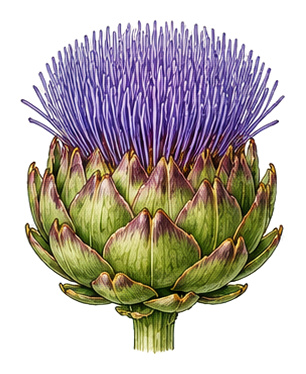
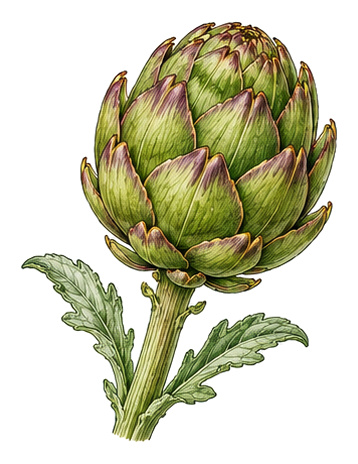
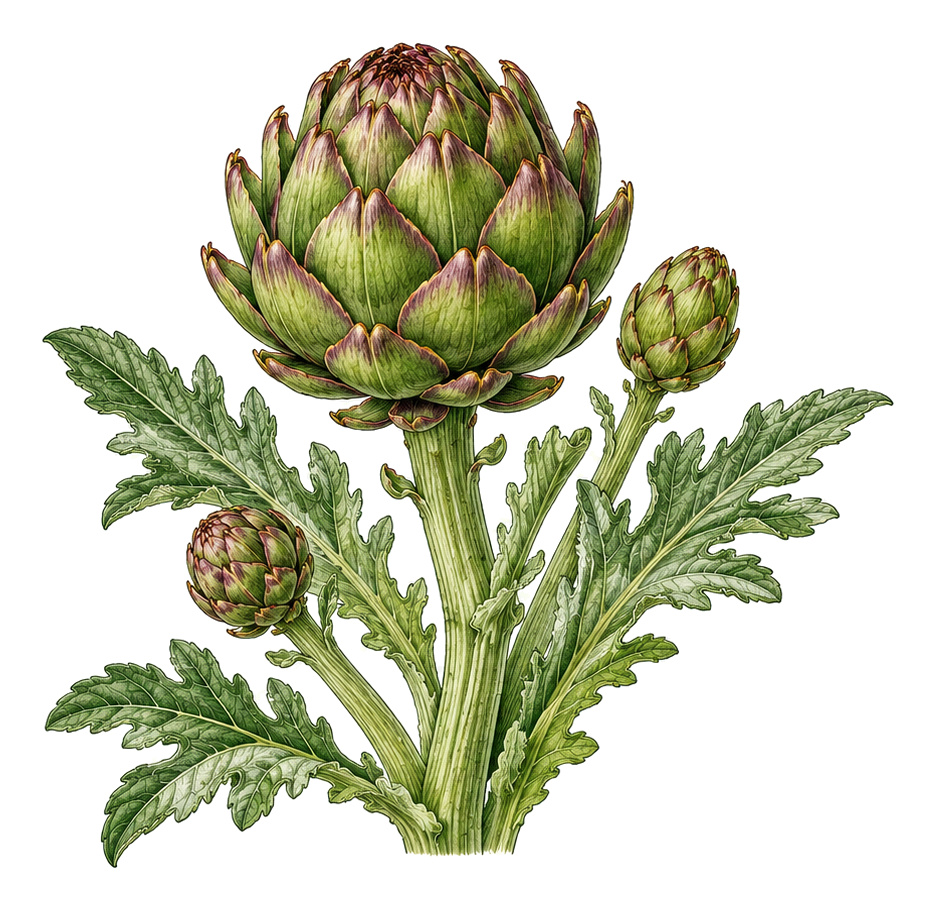
Additional plant images
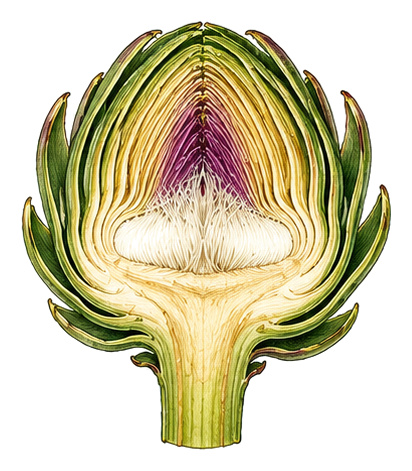
Health
Pests, Diseases
Plant health
Diagnosis help
Cynara scolymus Diagnosis help
Pest groups
Disease groups
Prevention
Diagnosis
Accurate diagnosis requires observing symptoms such as leaf discoloration, feeding damage, fungal attack, or growth disorders. The combination of symptoms and environmental conditions aids identification.
Cultural prevention
Monitoring
First response
Diagnostic rules
White, powdery coating on leaves and stems
Possible causes: Powdery mildew
- Check humidity
- Assess plant ventilation
Gray, fuzzy coating on flower heads and leaves, often with a rotten smell
Possible causes: Gray mold
- Check for moisture and wetness on affected areas
- Look for plant injuries
Wilting plants, yellowish discoloration of lower leaves, rot at the roots
Possible causes: Root rot
- Check soil moisture (waterlogging?)
- Carefully expose roots and examine for rot
FAQ
When is the best time to plant artichokes?
Artichokes are best planted outdoors in spring (April/May) after the last frosts have passed. Pre-cultivation indoors from February/March is recommended.
How do I overwinter artichokes correctly?
In autumn, cut the plants back close to the ground and cover the base with a thick layer of leaves, compost, or brushwood. In very cold regions, fleece or jute can also be wrapped around the plant.
Why do my artichoke heads open before I can harvest them?
This can be due to harvesting too late, inconsistent watering, or high temperatures. Harvest the buds as soon as the outer bracts begin to open slightly, but before the petals become visible.
Are artichokes perennial?
Yes, artichokes are perennial plants that can grow in the same location for several years with good care. However, they require winter protection to survive the cold season.
Is Cynara scolymus safe for Dog?
Cynara scolymus is classified as moderation only for Dog. Risk: unknown. Urgency: observe. The artichoke is generally recognized as safe and edible. No specific toxic properties are known. Raw consumption of the flower heads is possible but often less palatable and harder to digest than cooked artichokes. The leaves are bitter raw and are mostly used for medicinal purposes. Excessive consumption or consumption of non-edible parts can lead to gastrointestinal upset.
Is Cynara scolymus safe for Cat?
Cynara scolymus is classified as moderation only for Cat. Risk: unknown. Urgency: usually no action needed. Artichoke is generally considered safe for cats when only the edible parts (flower bud heart, inner bract parts) are fed in moderation. Consumption of leaves, stems, or the choke can lead to gastrointestinal upset. No specific toxic compounds are known.
Is Cynara scolymus safe for Rabbit?
Cynara scolymus is classified as moderation only for Rabbit. Risk: unknown. Urgency: observe. Artichoke is generally considered safe for rabbits when edible parts are fed in moderation. The choke and outer leaves/stems should be avoided. Excessive consumption can lead to gastrointestinal upset.
Is Cynara scolymus safe for Guinea pig?
Cynara scolymus is classified as moderation only for Guinea pig. Risk: unknown. Urgency: usually no action needed. The artichoke is generally recognized as safe and edible. The edible parts (flower bud base, inner bracts) can be fed in moderation. The choke and outer parts are inedible and should be avoided. Raw stems are also not recommended.
Guides
Related guides
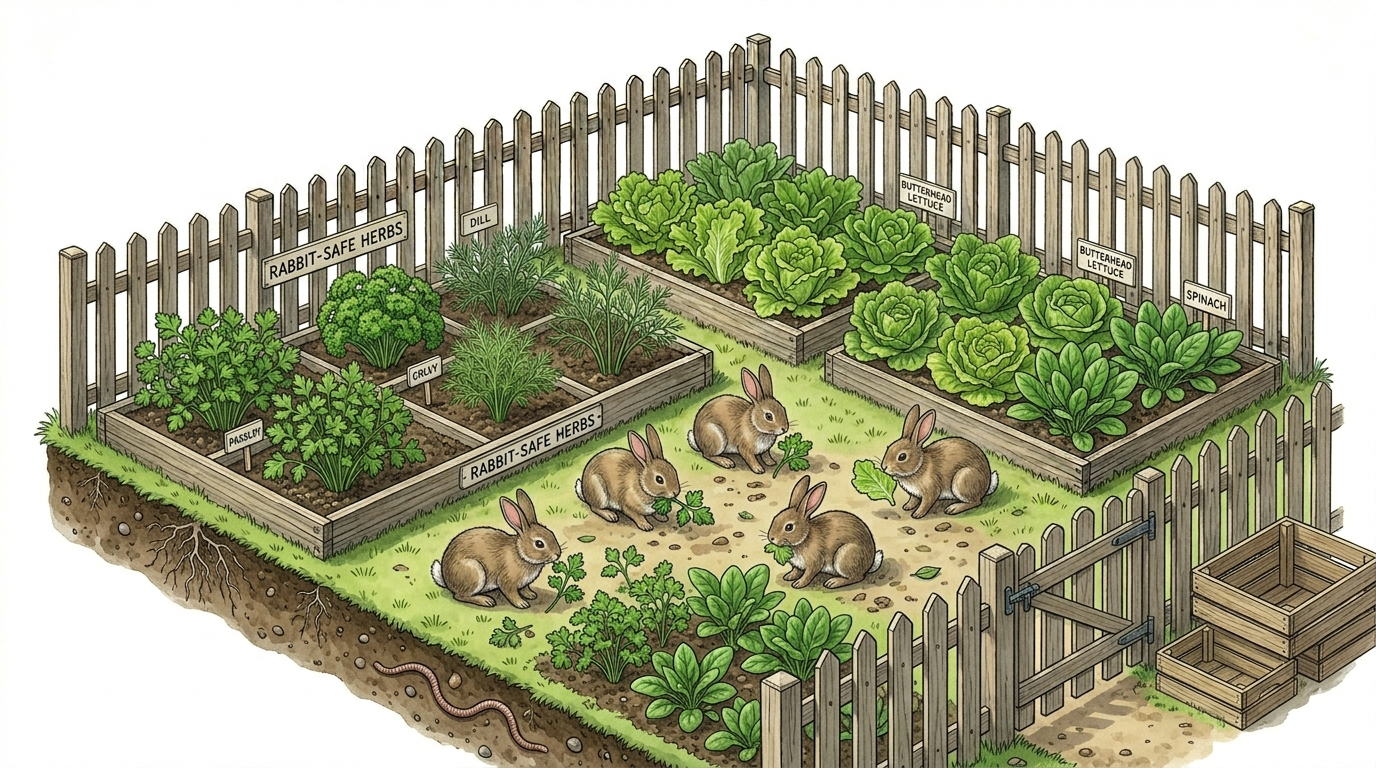
Guide
Rabbits in the Garden: Herbs and Vegetables
Learn how to choose suitable herbs and vegetables for rabbits, grow feeding plants, and plan a rabbit-friendly garden.
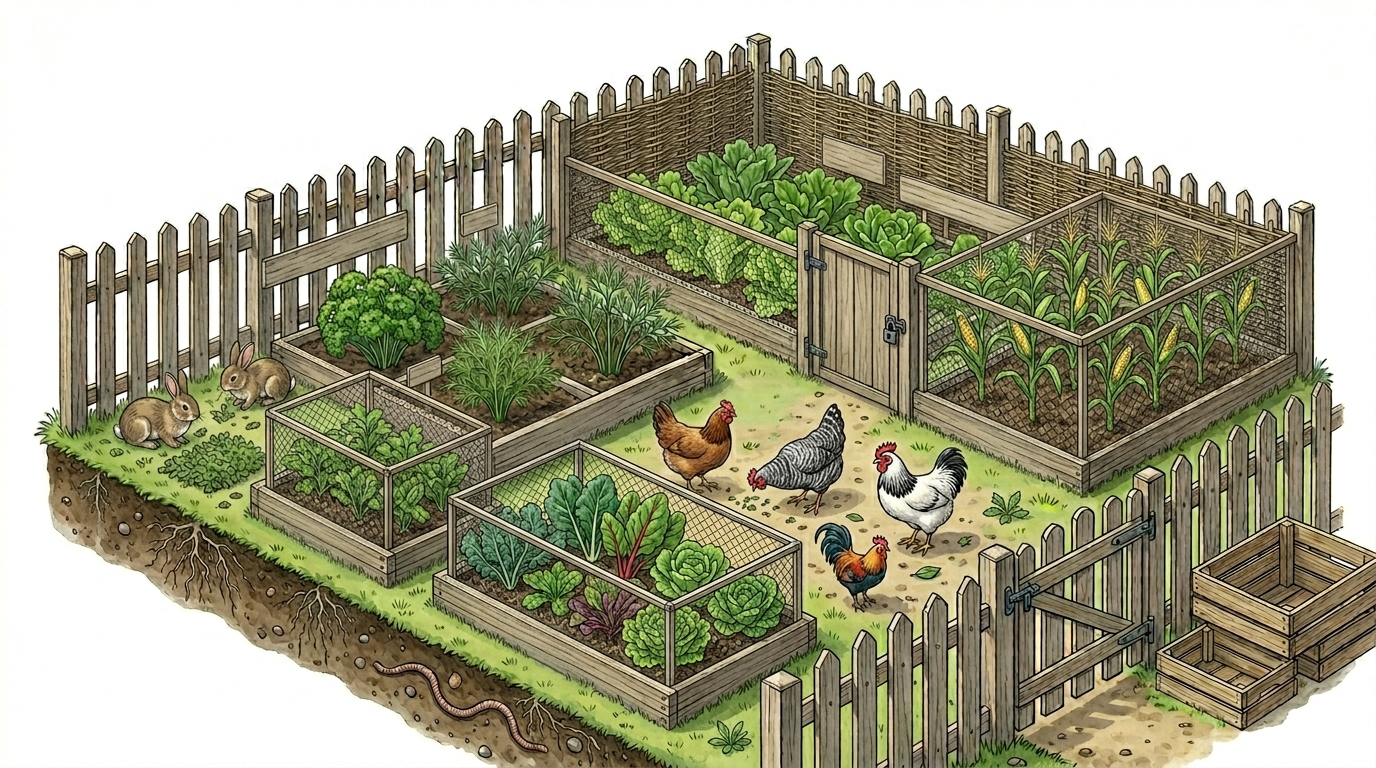
Guide
Chickens in the Garden: Safe Plants and Zones
Learn how to design a chicken-friendly garden with suitable plants, protected beds, and well-planned activity areas.
Guide
Horse Pastures and Garden Plants: Safety Checks
Learn how to identify risks near horse pastures, fences, turnout areas, fruit trees, and garden planting zones.
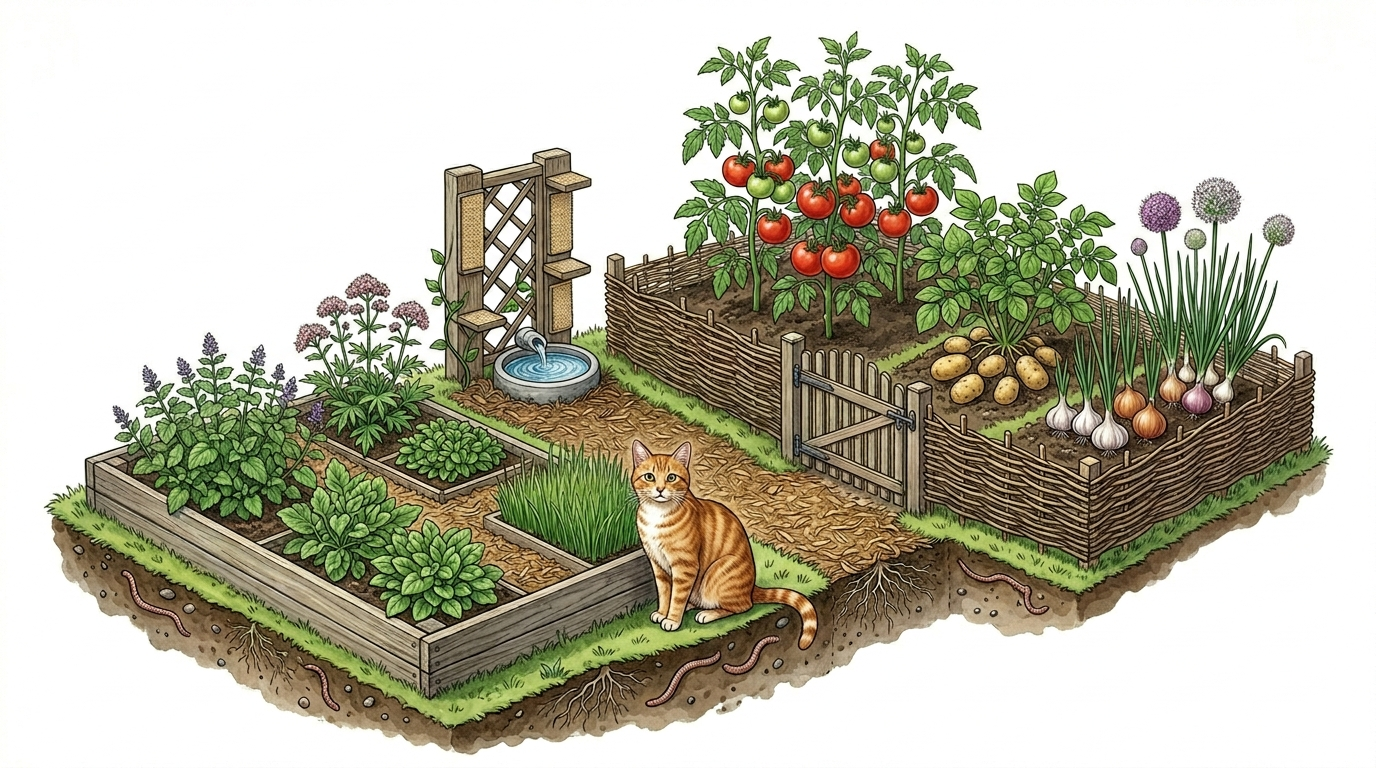
Guide
Toxic Garden Plants for Cats: Safer Planning
Learn which garden plants can be risky for cats, how to plan safer beds, and what to do if a cat eats a toxic plant.
Internal links
Related plants
Sunflower
Both belong to the Asteraceae family.
Thistle
Artichokes are a cultivated form of thistle.
Cabbage
Both are vegetable species.
Both are heavy feeders and require nutrient-rich soil.
tomato
Both are vegetable species.
Both require consistent watering, especially during fruiting/flowering.
Powdery mildew
Occurs on many plant species, especially in warm, humid weather.
Grey mold
A common fungus affecting many plants, especially in high humidity.
Pumpkin
Both are heavy feeders and benefit from regular fertilization.
Cucumber
Both prefer moist soil and are sensitive to drought.
Cardoon
Closely related, both from the genus Cynara.
Both belong to the genus Cynara and look similar, but cardoon is grown for its leaf stalks, not flower buds.
Sources
Public sources
- Wikidata entity
Wikidata · 2026-05-11
- GBIF species match
GBIF · 2026-05-11
- Trefle API
PlantNet · 2026-05-11