Plant Profile
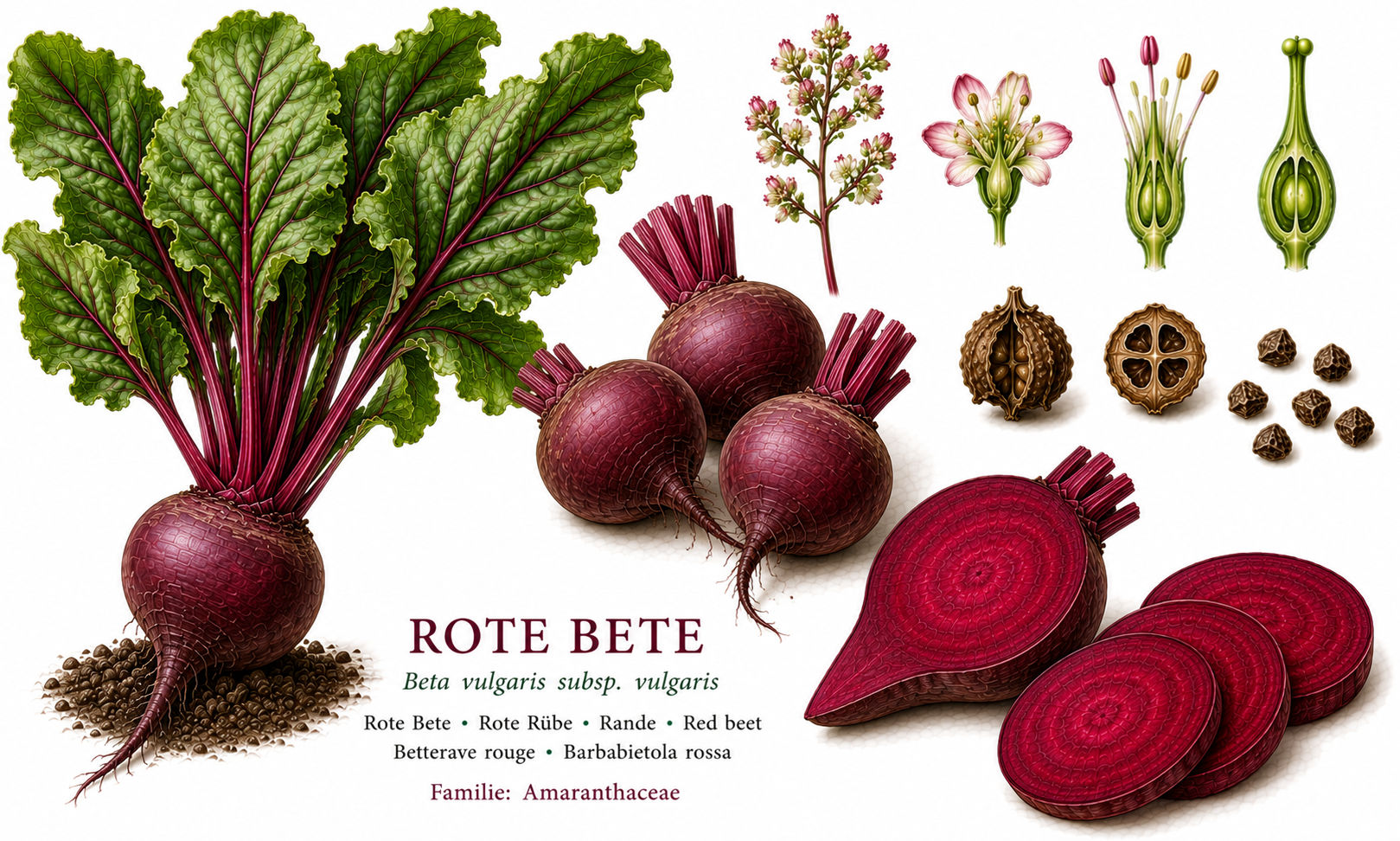
beetBeta vulgaris subsp. vulgaris Conditiva Group
A versatile root vegetable with edible leaves, known for its intense color and earthy flavor.
Quick profile
Key data
Suitable growing locations:
Indoor & direct sowing
beet: Sowing and germination
For an early harvest or in cool weather, sowing indoors is possible.
Direct sowing into the open ground from mid-April, once the soil has warmed up. Later sowings allow for a continuous harvest.
Planting & site
beet: Planting and spacing
Pre-cultivated young plants can be transplanted outdoors after the last frosts.
Temperature & frost
beet: Temperature and site
Water & nutrients
beet: Water, nutrients and care
Container & growth
beet: Container, support and growth
Year plan
beet Calendar
From spring to autumn, you can sow and harvest beetroot for a continuous supply of fresh vegetables.
Recurring tasks
Relevant now
June
- No additional single task
Next up
July
- No additional single task
Monthly tasks
Single tasks from monthly data; repeated seasonal windows are shown in the overview above.
January
Quiet month
February
Quiet month
March
Direct sowing
- Prepare the bedGround is workable.: Loosen soil deeply and incorporate compost.
Harvest
- Sowing indoors/greenhouseSoil temperature not yet suitable for outdoor sowing.: Use well-draining seed starting mix.
April
No additional single task
May
Planting
- Transplant young plantsAfter last frost, soil temperature at least 10°C.: Ensure correct plant spacing.
June
No additional single task
August
Growing
- Water during dry spellsProlonged dry periods.: Consistent watering prevents cracking in the roots.
Plant health
- Check for pests and diseasesVisible signs of infestation or disease.: Pay attention to aphids and Cercospora leaf spot.
September
Harvest
- Harvest leaves as vegetable greensLeaves are young and tender.: The leaves are nutritious and can be prepared like spinach.
October
Harvest
- Harvest last beetroots before frostApproaching first frost.: Frost can affect the quality of the roots.
Growing
- Prepare for storageHarvesting complete.: Gently remove leaves and soil. Store in a cool, dark place.
November
Harvest
- Harvest remaining rootsGround is not frozen.: These roots are often sweeter after light frosts.
Growing
- Loosen soil and prepare for next seasonBed is cleared.: Incorporate compost or green manure for the next season.
December
Quiet month
Flowering & pollination
beet Flowering & pollination
Flowering period
June - August (in 2nd year)
Self-fertility
self-fertile
Pollinator needed
no
Overview
Beetroot is primarily wind-pollinated, but insects can also contribute to pollen transfer.
Notes
The flowers are small and inconspicuous but still attract some insects. Wind is the primary vector for pollen dispersal.
Companion guide
beet Companion guide
Use & storage
beet Use & storage
Harvest can begin from June/July depending on the sowing time. Roots can overwinter in the ground and be harvested as needed.
Storage
Store in a cool, dark, and moist place, e.g., in a box with damp sand in a cellar or root clamp.
Storage life
Fresh: 1-2 weeks in the refrigerator; Stored: 4-6 months in cellar/root clamp; Frozen: up to 12 months
Flavor
Earthy, sweet, slightly tart
Harvest
Harvest can begin from June/July depending on the sowing time. Roots can overwinter in the ground and be harvested as needed.
Culinary uses
Processing
After harvest
Cut leaves about 2-3 cm above the root crown to prevent the root from bleeding. Gently brush off soil, do not wash. Discard damaged roots.
Notes
Beetroot is versatile and can be enjoyed both hot and cold. Its intense color often remains after cooking.
Edibility & safety
beet Edibility & safety
For people
In brief: which parts are edible, which parts remain risky, and whether raw consumption makes sense.
Safety notes
The leaves contain oxalic acid, which can be problematic in large quantities for sensitive individuals. Consuming beetroot can lead to a harmless red discoloration of urine and stools (beeturia).
Animal safety
For many animals, this plant is generally low-risk: 13 animal types are rated suitable or mostly suitable. Quantity, plant part, and individual tolerance still matter.
Each row shows which parts are more suitable and which parts are critical.
Companion animals
 Dog
DogRoot (beetroot)
Leaves (in large quantities)
Root (beetroot)
Leaves (in large quantities)
Ingestion of large quantities of leaves, Individual sensitivity
Vomiting, Gastrointestinal upset
contact a vet if symptoms appear
Beetroot (root) is considered non-toxic to dogs and can be offered in moderation as a treat. The leaves contain oxalic acid, which can cause gastrointestinal upset in large quantities. As with any new food, consumption of plant material may cause mild gastrointestinal upset in dogs.
Open animal page Cat
CatRoot (taproot), Young leaves (in moderation)
Large quantities of mature leaves
Root (taproot), Young leaves (in moderation)
Large quantities of mature leaves
Overconsumption, especially of leaves
Mild gastrointestinal upset (vomiting, diarrhea) if consumed in excess
observe
Beetroot is generally considered non-toxic for cats by major pet safety organizations. However, due to their carnivorous diet, it should only be offered as an occasional treat. The leaves contain oxalic acid, which can cause mild gastrointestinal upset if consumed in large quantities.
Open animal page Rabbit
Root (in very small quantities)
Leaves (especially mature leaves), Stems
Root (in very small quantities)
Leaves (especially mature leaves), Stems
Overfeeding, especially leaves, Young or sensitive animals, High sugar content in the root
Digestive upset, Kidney problems (with chronically high oxalic acid intake)
contact a vet if symptoms appear
Beetroot roots can be offered in very small quantities as an occasional treat. Leaves contain oxalic acid and should be fed very sparingly or not at all, especially mature leaves. High sugar content in the root requires moderation.
Open animal page Guinea pig
Root (taproot) (in moderation), Leaves (in moderation)
No risk parts listed
Root (taproot) (in moderation), Leaves (in moderation)
No risk parts listed
Excessive consumption, Sensitivity to oxalic acid
Gastrointestinal upset (with excessive consumption), Harmless discoloration of urine and feces (beeturia)
observe
Beetroot can be fed in moderation. The leaves contain oxalic acid, so they should only be offered in small amounts. The red discoloration of urine and feces is harmless.
Open animal page Hamster
Root (taproot) (in moderation)
Leaves, Stems
Root (taproot) (in moderation)
Leaves, Stems
Excessive consumption, Consumption of leaves and stems
Gastrointestinal upset, Increased urination, Red discoloration of urine and stool (beeturia)
observe
The root (taproot) is safe for hamsters in small amounts and can be given as a treat. The leaves and stems contain oxalic acid and should be avoided. Excessive consumption of the root can lead to digestive issues.
Open animal page Budgie
Root (taproot) (in small amounts), Leaves (in small amounts)
No risk parts listed
Root (taproot) (in small amounts), Leaves (in small amounts)
No risk parts listed
Excessive consumption, Sensitivity to oxalic acid
Gastrointestinal upset (with excessive consumption), Harmless discoloration of urine and feces (beeturia)
observe
Beetroot is generally safe for budgies when offered in small amounts as a treat. The leaves contain oxalic acid, which can be problematic in large quantities. Excessive consumption may cause mild gastrointestinal upset. The red discoloration of urine and feces is harmless.
Open animal pageFarm animals
 Horse
HorseRoot (taproot) (in moderation), Leaves (in moderation, young)
Root (taproot) (in large quantities), Leaves (in large quantities)
Root (taproot) (in moderation), Leaves (in moderation, young)
Root (taproot) (in large quantities), Leaves (in large quantities)
Overconsumption, Consumption of large quantities of leaves, Individual sensitivity to oxalic acid
Gastrointestinal upset with overconsumption, Harmless: Red discoloration of urine and stool (beeturia)
observe
Beetroot is generally safe for horses when fed in moderation. Large quantities, especially of the leaves, can cause gastrointestinal upset due to oxalic acid content. The red discoloration of urine and stool is harmless.
Open animal page Chicken
Root (taproot), Leaves (in moderation)
Leaves (in large quantities)
Root (taproot), Leaves (in moderation)
Leaves (in large quantities)
Excessive consumption of leaves, Consumption of raw leaves in large quantities
Gastrointestinal upset (with excessive leaf consumption), Harmless discoloration of urine and stool (beeturia)
observe
The root (taproot) is generally safe for chickens and can be given as an occasional treat or as part of a balanced diet. The leaves contain oxalic acid and should only be fed in moderation to avoid potential gastrointestinal upset. The red discoloration of urine and feces is harmless.
Open animal page Duck
DuckRoot (taproot), Leaves
No risk parts listed
Root (taproot), Leaves
No risk parts listed
Excessive consumption, Consumption of large quantities of leaves
Gastrointestinal upset (with excessive consumption), Harmless discoloration of urine and feces (beeturia)
usually no action needed
Beetroot is generally safe for ducks, especially the root. The leaves contain oxalic acid, which can be problematic in very large quantities but is unlikely to pose a significant risk to ducks when fed in moderation. The red discoloration of urine and feces is harmless.
Open animal page Goose
GooseRoot (taproot)
Leaves
Root (taproot)
Leaves
Excessive leaf consumption, Pre-existing kidney issues
Gastrointestinal upset, Kidney strain with excessive intake
observe
The root taproot is suitable for geese in small amounts as a treat. The leaves contain oxalic acid and should be avoided due to potential kidney strain and gastrointestinal irritation. Beeturia (harmless discoloration of feces and urine) may occur but is benign.
Open animal page Sheep
Sheeproot (taproot)
leaves
root (taproot)
leaves
high oxalic acid content in leaves
gastrointestinal upset from excessive leaf consumption
observe
The root of beetroot is generally safe for sheep in moderation and provides nutritional benefits. The leaves contain oxalic acid and should be fed only in limited amounts to avoid gastrointestinal upset. Excessive leaf consumption may warrant observation; consult a veterinarian if symptoms persist. Feeding should be part of a balanced diet and not replace the primary forage.
Open animal page Goat
Goatroot (taproot)
leaves
root (taproot)
leaves
high oxalic acid content in leaves, overfeeding of root
gastrointestinal upset, kidney strain with excessive intake
contact a vet if symptoms appear
:The root of beet is suitable for goats in small amounts as a treat and provides valuable nutrients. However, the leaves contain oxalic acid, which can cause health issues if consumed excessively. A gradual introduction is recommended to assess tolerance. Consult a veterinarian if signs of discomfort appear. The harmless discoloration of urine and stool requires no action.
Open animal page Cattle
Root (taproot)
Leaves
Root (taproot)
Leaves
excessive leaf consumption, pre-existing kidney issues
gastrointestinal upset, kidney strain with excessive intake
observe
The taproot of beet is suitable for cattle in moderation as a supplemental feed, providing energy and some nutrients. The leaves contain oxalic acid, which in large quantities can cause gastrointestinal upset and strain on the kidneys. The harmless red discoloration of urine and stools after consumption (beeturia) is not a concern. Cattle should primarily have access to appropriate roughage; beet should only be fed…
Open animal page Pig
PigNo suitable parts listed
No risk parts listed
No suitable parts listed
No risk parts listed
These guidelines are for general information only and do not replace veterinary diagnosis. If critical plant parts were ingested or the animal shows unusual behaviour or symptoms, seek veterinary advice.
Max risk
unknown
Highest status
not established
Urgency
contact a vet if symptoms appear
Saving seed
beet Saving seed
Seed saving
yes
Seed viability
3 - 5 years
Storage
Store dry, cool, and dark in airtight containers. Shelf life: 3-5 years.
Practical tips
beet Practical tips
Common beginner mistakes
Success pattern
High-impact tips
Grower observations
Health
Pests, Diseases
Plant health
Diagnosis help
beet Diagnosis help
Pest groups
Disease groups
Prevention
Diagnosis
When problems arise, it's important to observe symptoms closely, check growing conditions (soil, water, temperature), and consider recent care practices to narrow down the cause.
Cultural prevention
Monitoring
First response
Diagnostic rules
Tunnels or light spots in leaves
Possible causes: Beet leaf miner
- Hold leaves up to light to spot larvae
- Check plants for small flies
Small, round, brown spots with red margins on leaves
Possible causes: Cercospora leaf spot
- Check humidity and ventilation
- Inspect older leaves first
Black spots inside the root (black heart), distorted leaves
Possible causes: Boron deficiency
- Check soil pH
- Conduct soil test
- Review watering history
Premature formation of a flower stalk, woody roots
Possible causes: Bolting
- Check weather history (cold snaps)
- Verify variety for bolt resistance
- Sowing date
FAQ
Why is my beetroot bolting?
Beetroot often bolts if exposed to cold stress after germination or if it experiences stress from irregular watering or nutrient deficiency. Choose bolt-resistant varieties and ensure consistent growing conditions.
Can you eat beetroot leaves?
Yes, young beetroot leaves are very nutritious and can be prepared like spinach. They are excellent for salads, smoothies, or steamed as a side dish.
How long can beetroot be stored?
Fresh beetroot lasts about 1-2 weeks in the refrigerator. Stored in a cellar or root clamp, cool, dark, and moist in sand, it can last 4-6 months. Cooked and frozen, up to 12 months.
Which companions are good for beetroot?
Good companions for beetroot include onions, garlic, bush beans, kohlrabi, lettuce, and dill. They can deter pests or improve the soil.
Is beet safe for Dog?
beet is classified as moderation only for Dog. Risk: unknown. Urgency: contact a vet if symptoms appear. Beetroot (root) is considered non-toxic to dogs and can be offered in moderation as a treat. The leaves contain oxalic acid, which can cause gastrointestinal upset in large quantities. As with any new food, consumption of plant material may cause mild gastrointestinal upset in dogs.
Is beet safe for Cat?
beet is classified as moderation only for Cat. Risk: unknown. Urgency: observe. Beetroot is generally considered non-toxic for cats by major pet safety organizations. However, due to their carnivorous diet, it should only be offered as an occasional treat. The leaves contain oxalic acid, which can cause mild gastrointestinal upset if consumed in large quantities.
Is beet safe for Rabbit?
beet is classified as moderation only for Rabbit. Risk: unknown. Urgency: contact a vet if symptoms appear. Beetroot roots can be offered in very small quantities as an occasional treat. Leaves contain oxalic acid and should be fed very sparingly or not at all, especially mature leaves. High sugar content in the root requires moderation.
Is beet safe for Guinea pig?
beet is classified as moderation only for Guinea pig. Risk: unknown. Urgency: observe. Beetroot can be fed in moderation. The leaves contain oxalic acid, so they should only be offered in small amounts. The red discoloration of urine and feces is harmless.
Guides
Related guides
Guide
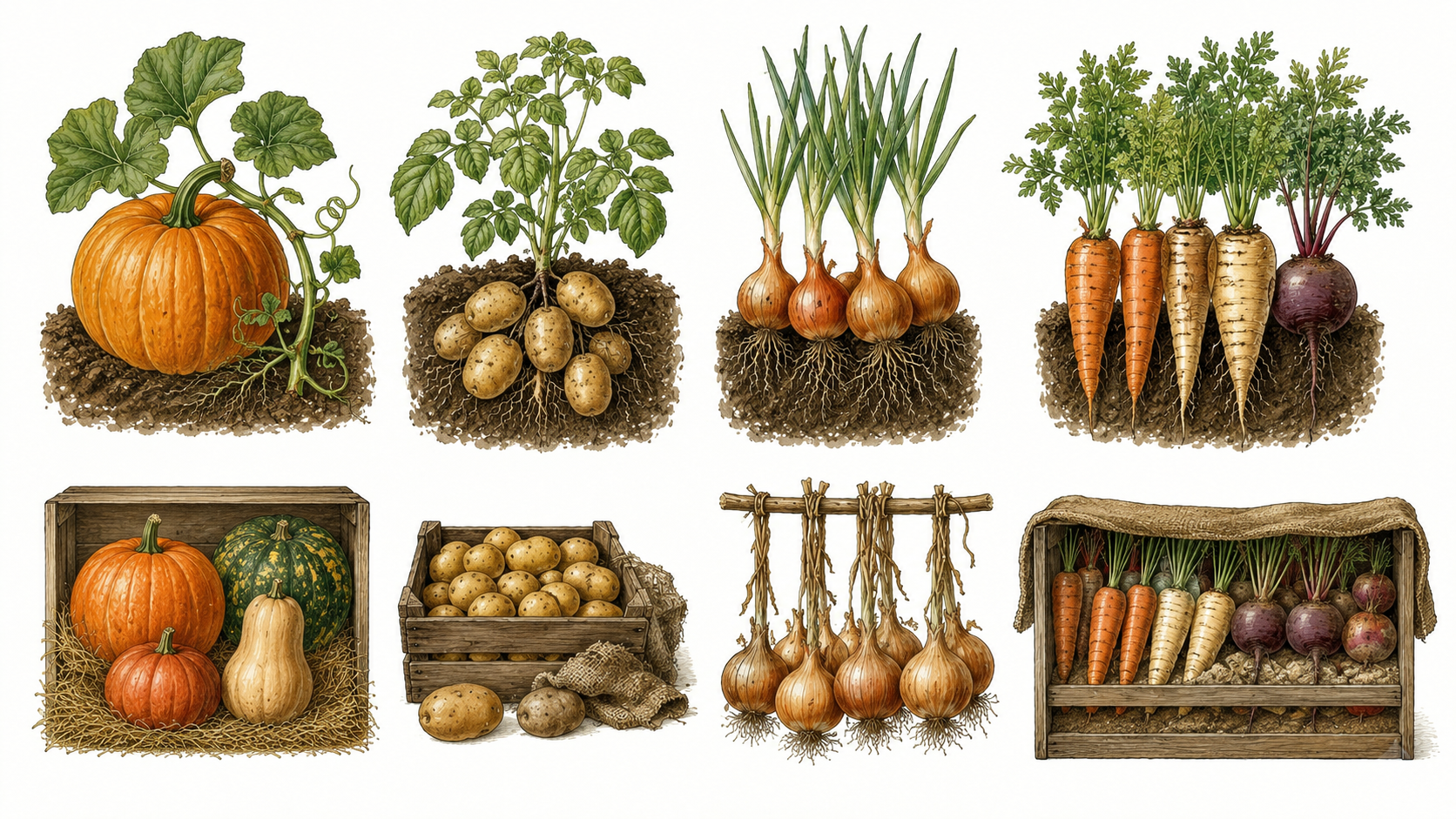
Autumn Harvest and Storage for Squash and Root Crops
Learn how to harvest and store squash, potatoes, onions, and root vegetables for longer freshness through autumn and winter.
Guide
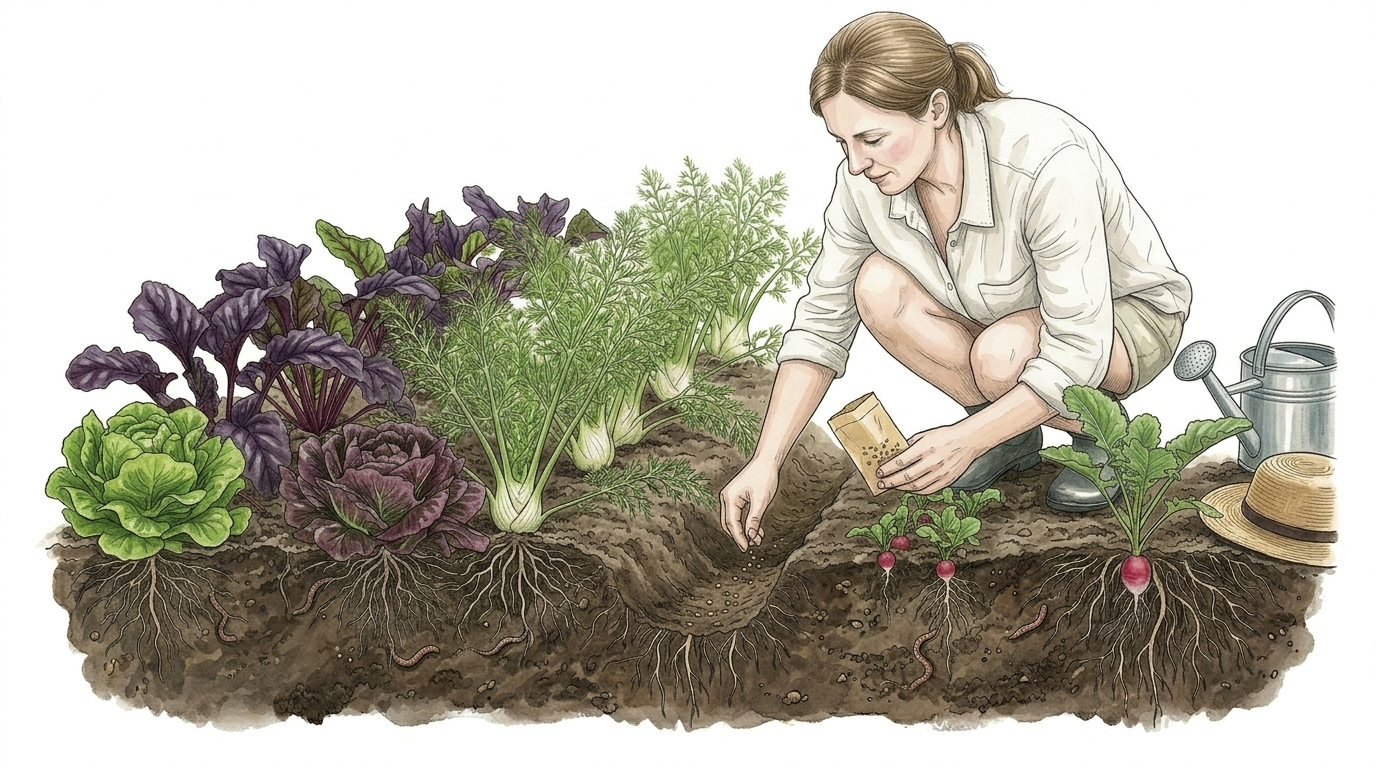
What to Sow in June: Succession Crops and Autumn Harvests
Discover which vegetables to sow in June for succession planting, filling gaps in beds, and planning autumn harvests.
Guide
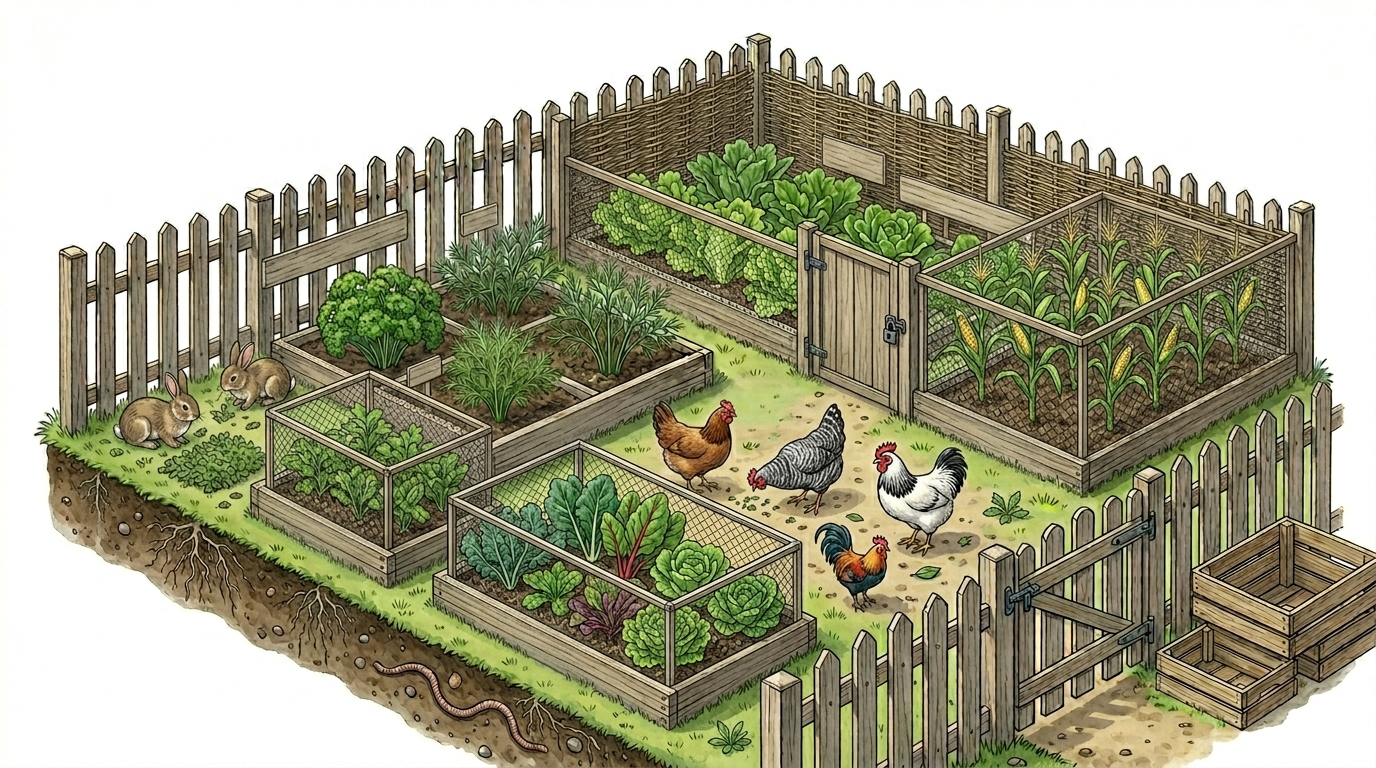
Chickens in the Garden: Safe Plants and Zones
Learn how to design a chicken-friendly garden with suitable plants, protected beds, and well-planned activity areas.
Guide
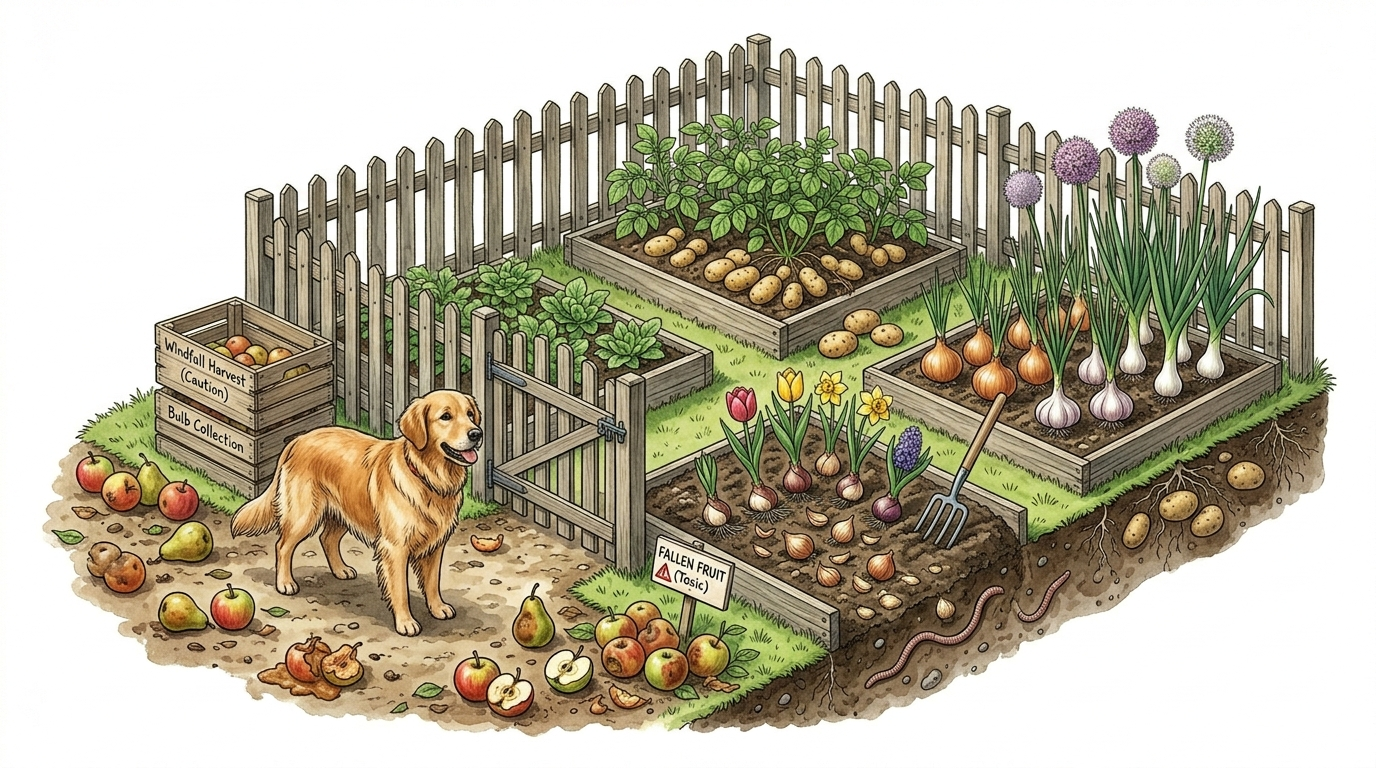
Dogs in the Garden: Windfall Fruit and Risks
Keep your garden dog-safe by managing windfall fruit, seeds, stored crops, and potentially problematic plant parts.
Internal links
Related plants
Swiss Chard
Belongs to the same plant family (Amaranthaceae) and species Beta vulgaris.
Both belong to the Amaranthaceae family and the species Beta vulgaris.
Spinach
Also belongs to the Amaranthaceae family.
Carrot
Both are root vegetables with similar cultivation requirements.
Both are medium feeders and benefit from balanced fertilization.
Celery
Both are root vegetables with similar cultivation requirements.
Root vegetable used in soups, stews, and salads.
Cercospora Leaf Spot
Also occurs in chard and spinach.
Downy Mildew
Can also affect chard and spinach.
Radish
Consistent moisture prevents bolting and woody roots.
Fast-growing root vegetable, often grown in companion with beetroot.
Sugar Beet
Is another cultivated form of the same species (Beta vulgaris), but not intended for direct consumption as a vegetable.
Sources
Public sources
- Wikidata entity
Wikidata · 2026-05-15
- GBIF species match
GBIF · 2026-05-15
- Deutschsprachige Wikipedia: Rote Bete
Wikipedia · 2026-05-15
- English Wikipedia: Beetroot
Wikipedia · 2026-05-15