Plant Profile
ZingiberZingiber
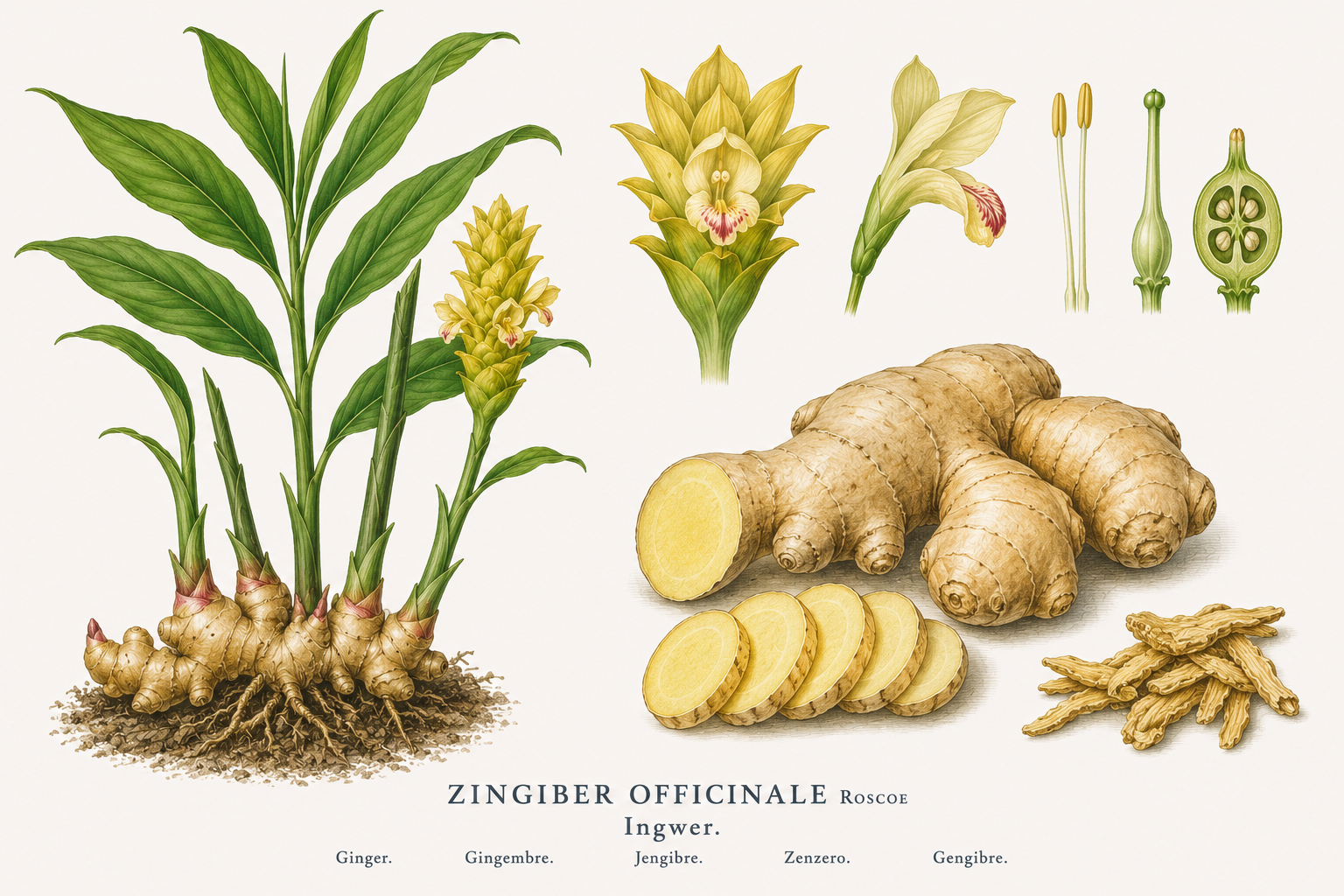
Ginger (Zingiber) is a genus of tropical and subtropical plants in the Zingiberaceae family. The most well-known species is Zingiber officinale, whose rhizome is valued worldwide as a spice and medicinal remedy. Ginger requires warmth, moisture, and a long growing season, making cultivation in temperate climates challenging. It is typically started indoors from rhizomes and planted outdoors or in large containers after the last frost. Harvest occurs in autumn when the above-ground parts begin to wither. The rhizomes are pungent and spicy, with versatile culinary uses.
Quick profile
Key data
Suitable growing locations:
Good neighbors
TomatoesPepper
Avoid
PotatoesBeans
Indoor & direct sowing
Zingiber: Sowing and germination
Ginger is started indoors from rhizomes or seeds. Rhizomes should be planted in moist soil.
Planting & site
Zingiber: Planting and spacing
Transplant seedlings or rhizomes outdoors or into larger pots after the last frost.
Site & practical notes
Ginger is a heat-loving plant requiring a long growing season. Indoor sowing is essential in cooler climates. Ensure well-draining soil and consistent moisture, but avoid waterlogging. Harvest in autumn. Use healthy rhizomes for planting.
Temperature & frost
Zingiber: Temperature and site
Water & nutrients
Zingiber: Water, nutrients and care
Container & growth
Zingiber: Container, support and growth
Year plan
Zingiber Calendar
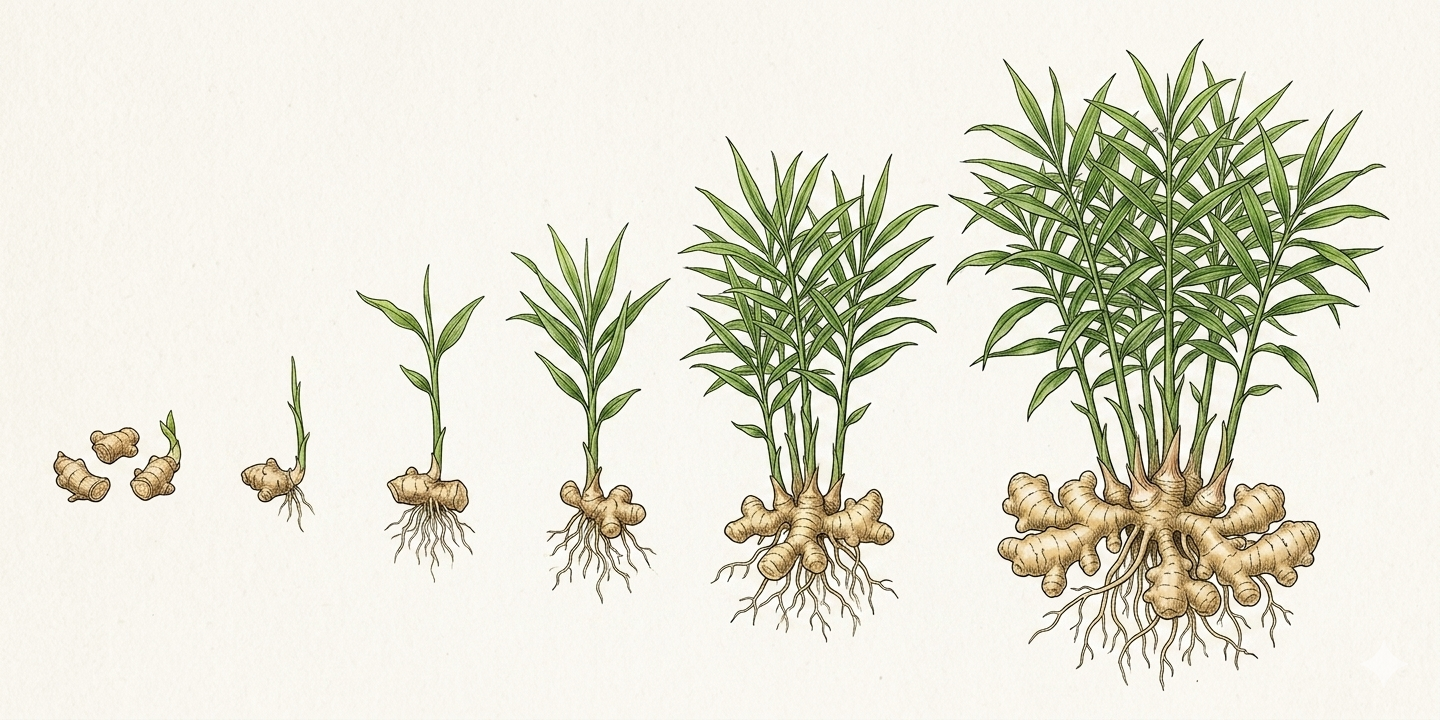
Autumn marks the harvest time for the valuable rhizomes, after the plant has enjoyed warmth and moisture all summer.
Relevant now
June
- Continue transplanting and begin fertilizationOutdoor: Use a balanced liquid fertilizer every 2-4 weeks.
Next up
July
- Water regularly, fertilize, and monitor for pestsOutdoor: Keep the soil consistently moist but not waterlogged.
Monthly tasks
Single tasks from monthly data; repeated seasonal windows are shown in the overview above.
January
Quiet month
February
Direct sowing
- Start indoor cultivation of gingerIndoors: Use well-moistened soil and maintain consistent temperature.
March
Growing
- Continue indoor cultivation and provide lightIndoors: Ensure seedlings receive enough light to prevent legginess.
April
Planting
- Prepare soil for planting and check for frostOutdoor: Loosen the soil and amend with compost if needed.
May
Planting
- Transplant ginger outdoorsOutdoor, after last frost: Choose a sunny to partially shaded location and protect young plants from strong winds.
June
Planting
- Continue transplanting and begin fertilizationOutdoor: Use a balanced liquid fertilizer every 2-4 weeks.
August
Growing
- Water, fertilize, and mulchOutdoor: Mulch helps retain soil moisture and suppress weeds.
September
Growing
- Reduce fertilization and observe maturityOutdoor: Above-ground parts may start to yellow or wither.
October
Harvest
- Begin harvesting rhizomesOutdoor: Dig carefully to avoid damaging rhizomes. Wash them thoroughly.
November
Harvest
- Complete harvest and store rhizomesOutdoor: Store rhizomes in a cool (approx. 10-15°C), dark, and well-ventilated place.
December
Harvest
- Finish harvest and prepare soilOutdoor: Remove dead plant material and amend the soil if necessary.
Flowering & pollination
Zingiber Flowering & pollination
Pollinator needed
no
Overview
Ginger is primarily wind-pollinated or insect-pollinated, but flowering and subsequent seed production are rare in temperate zones. Propagation is mainly vegetative via rhizomes.
Notes
While insects may assist in pollination, vegetative propagation through rhizome division is more effective in Central Europe.
Companion guide
Zingiber Companion guide
Good neighbors
TomatoesPepper
Avoid
PotatoesBeans
Use & storage
Zingiber Use & storage
Rhizomes can be harvested once the above-ground parts begin to wither. Dig carefully to avoid damaging the rhizomes.
Storage
Cool, dark, and dry
Storage life
Fresh rhizomes: Several weeks in the refrigerator. Dried rhizomes: Several months to a year. Frozen rhizomes: Up to 6 months.
Harvest
Rhizomes can be harvested once the above-ground parts begin to wither. Dig carefully to avoid damaging the rhizomes.
Processing
After harvest
Wash harvested rhizomes thoroughly to remove soil and debris. Allow excess moisture to dry before storing or processing. Smaller or damaged pieces can be used immediately.
Edibility & safety
Zingiber Edibility & safety
For people
In brief: which parts are edible, which parts remain risky, and whether raw consumption makes sense.
Safety notes
Ginger is generally recognized as safe (GRAS). Large quantities may cause stomach upset in sensitive individuals.
Animal safety
For many animals, this plant is generally low-risk: 14 animal types are rated suitable or mostly suitable. Quantity, plant part, and individual tolerance still matter.
Each row shows which parts are more suitable and which parts are critical.
Companion animals
 Dog
DogRhizome
No risk parts listed
Rhizome
No risk parts listed
Sensitive stomach, Overfeeding
Stomach upset with excessive consumption
observe
Ginger is generally safe for dogs in small amounts and may aid digestion. Large quantities can cause stomach irritation. Use only the rhizome, avoid other plant parts.
Open animal page Cat
CatRhizome
No risk parts listed
Rhizome
No risk parts listed
Overfeeding
Gastrointestinal upset with excessive consumption
observe
Ginger rhizome is suitable for cats in small amounts as an occasional treat. Large quantities may cause stomach upset. Other plant parts such as leaves or stems should be avoided as their safety is not established.
Open animal page Rabbit
Rhizome
No risk parts listed
Rhizome
No risk parts listed
Sensitive gastrointestinal tract, Overfeeding
Gastrointestinal upset with excessive consumption
observe
Ginger rhizome is suitable for rabbits in small amounts as a treat. Large quantities may cause gastrointestinal upset due to pungent compounds. Other plant parts such as leaves or stems are not commonly fed and their safety is not established.
Open animal page Guinea pig
Rhizome
No risk parts listed
Rhizome
No risk parts listed
Sensitive gastrointestinal tract, Overfeeding
Gastrointestinal upset with excessive consumption
observe
No direct species-specific source was found for guinea pigs. This is a cautious inference from the rabbits profile and the known plant-part risks.
Open animal page Hamster
Rhizome
No risk parts listed
Rhizome
No risk parts listed
Sensitive gastrointestinal tract, Overfeeding
Gastrointestinal upset with excessive consumption
observe
Ginger rhizome is suitable for hamsters in small amounts as a treat. Large quantities may cause stomach irritation. Other plant parts such as leaves or stems are not typically fed and their safety is not established.
Open animal page Budgie
Rhizome
No risk parts listed
Rhizome
No risk parts listed
Excessive consumption
Gastrointestinal upset with excessive consumption
observe
Ginger rhizome is suitable for budgies in small amounts as a treat. Large quantities may cause gastrointestinal upset. No known toxic compounds identified for birds.
Open animal pageFarm animals
 Horse
HorseRhizome
No risk parts listed
Rhizome
No risk parts listed
Overfeeding
Stomach upset with excessive consumption
observe
Ginger is generally considered safe for horses, with the rhizome being edible. Large quantities may cause stomach irritation.
Open animal page Chicken
Rhizome
No risk parts listed
Rhizome
No risk parts listed
Overfeeding
Gastrointestinal upset with excessive consumption
observe
Ginger rhizome is generally safe for chickens in small amounts and may aid digestion. Large amounts can cause irritation due to pungent compounds. Only feed the rhizome; other plant parts not sufficiently researched.
Open animal page Duck
DuckRhizome
No risk parts listed
Rhizome
No risk parts listed
Overfeeding, Sensitive individuals
Gastrointestinal upset with excessive consumption
observe
Ginger rhizome is suitable for ducks in small amounts as a treat. Large amounts may cause gastrointestinal upset. Other plant parts such as leaves or stems are not recommended as feed and should be avoided.
Open animal page Goose
GooseRhizome
No risk parts listed
Rhizome
No risk parts listed
Sensitive digestion, Overfeeding
Gastrointestinal upset with excessive consumption
observe
Ginger rhizome is suitable for geese in small amounts as a treat. Large amounts may cause stomach irritation. Other plant parts such as leaves or stems are not typically fed and their safety is not established.
Open animal page Sheep
SheepRhizome
No risk parts listed
Rhizome
No risk parts listed
Overfeeding, sensitive animals
Stomach upset with excessive consumption
observe
Ginger rhizome is generally safe for sheep in small amounts and may aid digestion. Large amounts can cause stomach irritation. Other plant parts such as leaves or stems are not typically used in feed and their safety is not established.
Open animal page Goat
GoatRhizome
No risk parts listed
Rhizome
No risk parts listed
Overfeeding, sensitive animals
Stomach upset with excessive consumption
observe
No direct species-specific source was found for goats. This is a cautious inference from the sheep profile and the known plant-part risks.
Open animal page Cattle
Rhizome
No risk parts listed
Rhizome
No risk parts listed
Overfeeding, sensitive animals
Stomach upset with excessive consumption
observe
No direct species-specific source was found for cattle. This is a cautious inference from the sheep profile and the known plant-part risks.
Open animal page Pig
PigRhizome
No risk parts listed
Rhizome
No risk parts listed
Overfeeding, sensitive animals
Gastrointestinal upset with excessive consumption
observe
Ginger rhizome is generally safe for pigs in small amounts and may aid digestion. Large quantities can cause stomach irritation. Other plant parts such as leaves or stems are not commonly used in feed and their safety is not established.
Open animal pageThese guidelines are for general information only and do not replace veterinary diagnosis. If critical plant parts were ingested or the animal shows unusual behaviour or symptoms, seek veterinary advice.
Max risk
unknown
Highest status
moderation only
Urgency
observe
Saving seed
Zingiber Saving seed
Seed viability
1 - 2 years
Practical tips
Zingiber Practical tips
Common beginner mistakes
Success pattern
High-impact tips
Grower observations
Health
Pests, Diseases
Plant health
Diagnosis help
Zingiber Diagnosis help
Pest groups
Disease groups
Prevention
Diagnosis
Diagnosis is based on visual symptoms such as yellowing, wilting, leaf spots, or rhizome rot. Laboratory tests may be necessary for precise identification of fungi or bacteria.
Cultural prevention
Monitoring
First response
Diagnostic rules
Yellowing, wilting leaves, often starting at the base of the stem, with a rotten smell from the soil.
Possible causes: Rhizome rot
- Check soil drainage.
- Carefully excavate a small section of the rhizome to check for rot.
Brown or black spots on leaves that may spread.
Possible causes: Leaf spot
- Check humidity and air circulation.
- Examine leaves for signs of fungal infection.
FAQ
When is the best time to plant ginger?
Ginger is started indoors in spring (March-April) and planted outdoors or in pots after the last frost (May-June).
Can I grow ginger on the balcony?
Yes, ginger is well-suited for growing in large pots or containers on the balcony, provided it receives adequate warmth and light.
How do I overwinter ginger?
In colder regions, ginger is often treated as an annual. The rhizomes can be harvested in autumn and stored cool (approx. 10-15°C), dark, and dry to be replanted the following spring.
Why is my ginger turning yellow and wilting?
This can be due to waterlogging, poor drainage, cool temperatures, or a natural response at the end of the growing season in autumn. Check watering and location.
Is Zingiber safe for Dog?
Zingiber is classified as moderation only for Dog. Risk: unknown. Urgency: observe. Ginger is generally safe for dogs in small amounts and may aid digestion. Large quantities can cause stomach irritation. Use only the rhizome, avoid other plant parts.
Is Zingiber safe for Cat?
Zingiber is classified as moderation only for Cat. Risk: unknown. Urgency: observe. Ginger rhizome is suitable for cats in small amounts as an occasional treat. Large quantities may cause stomach upset. Other plant parts such as leaves or stems should be avoided as their safety is not established.
Is Zingiber safe for Rabbit?
Zingiber is classified as moderation only for Rabbit. Risk: unknown. Urgency: observe. Ginger rhizome is suitable for rabbits in small amounts as a treat. Large quantities may cause gastrointestinal upset due to pungent compounds. Other plant parts such as leaves or stems are not commonly fed and their safety is not established.
Is Zingiber safe for Guinea pig?
Zingiber is classified as moderation only for Guinea pig. Risk: unknown. Urgency: observe. No direct species-specific source was found for guinea pigs. This is a cautious inference from the rabbits profile and the known plant-part risks.
Guides
Related guides
Guide
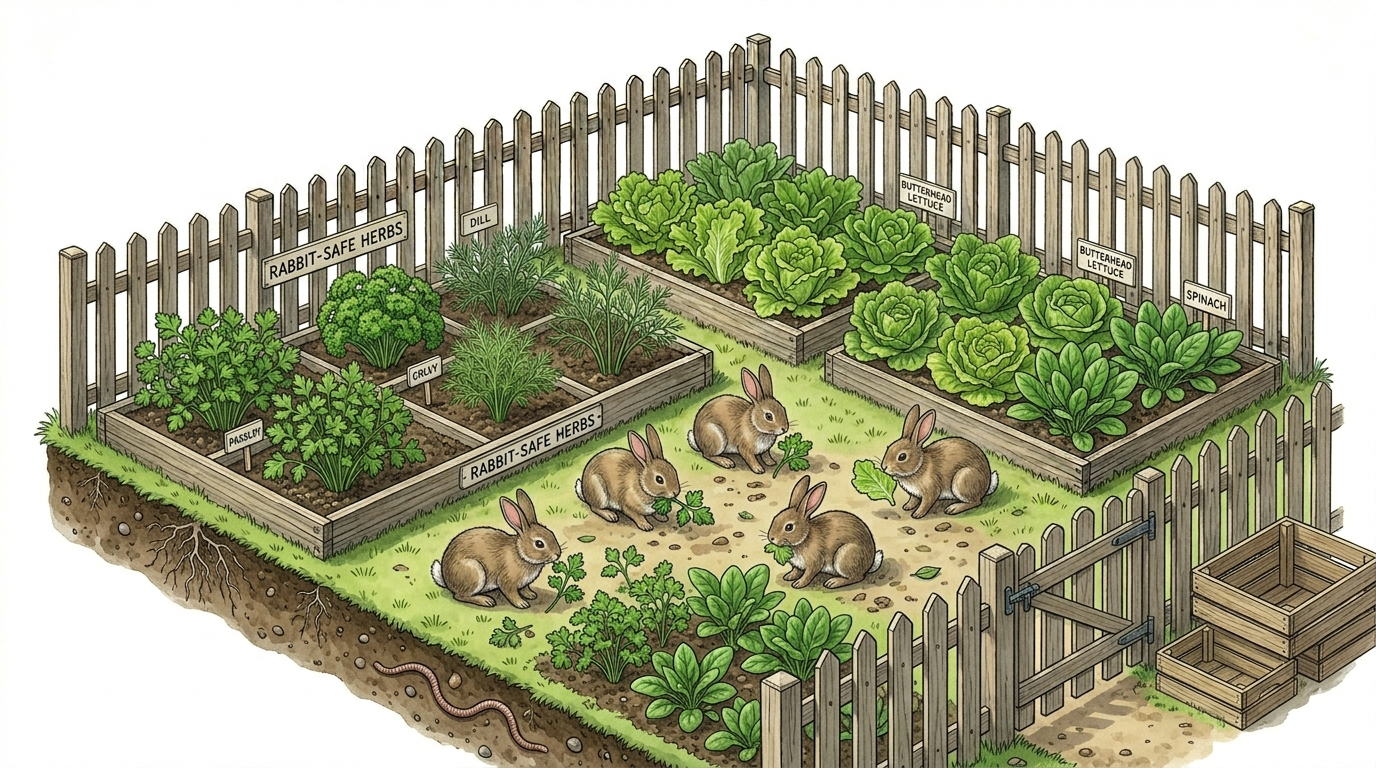
Rabbits in the Garden: Herbs and Vegetables
Learn how to choose suitable herbs and vegetables for rabbits, grow feeding plants, and plan a rabbit-friendly garden.
Guide
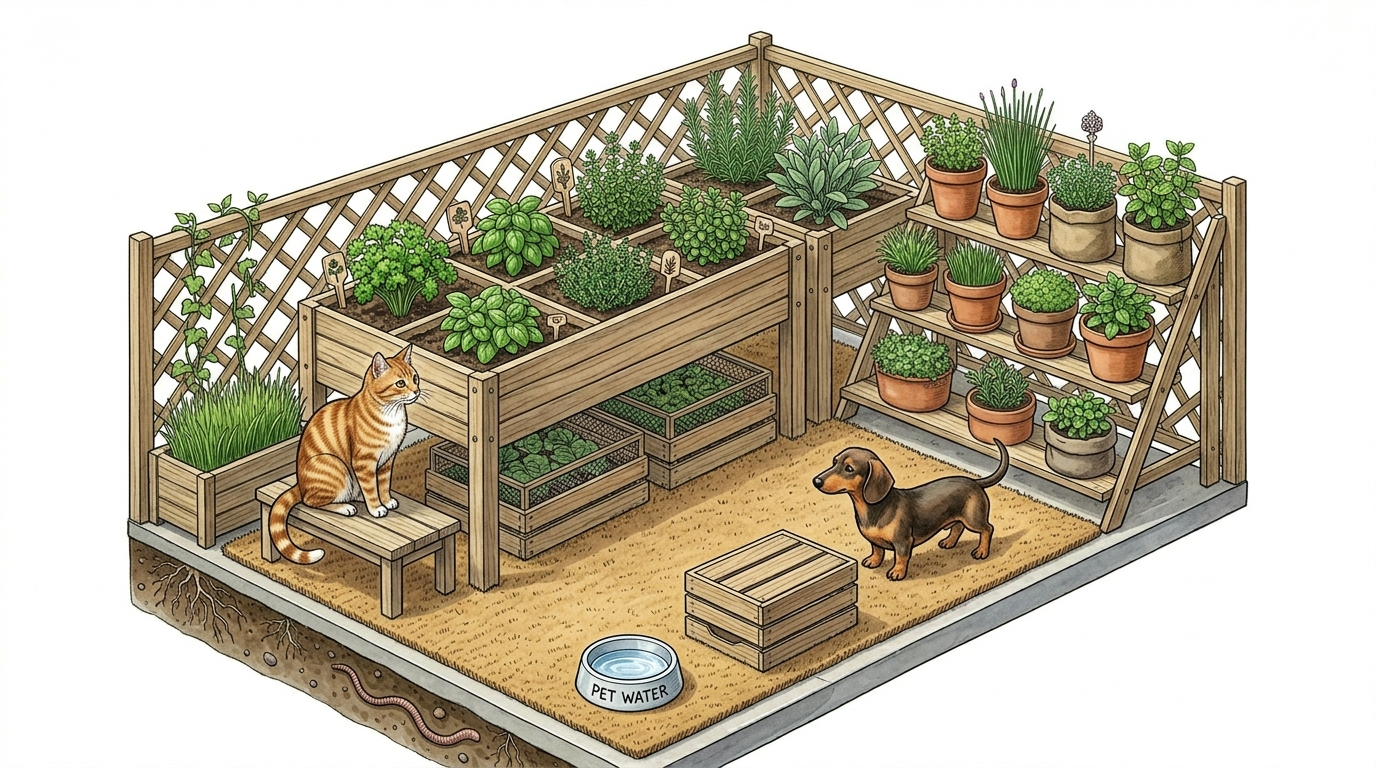
Pet-Safe Herb Gardens for Balconies and Beds
Learn how to create a pet-safe herb garden with suitable herbs, thoughtful layouts, and practical maintenance strategies.
Guide
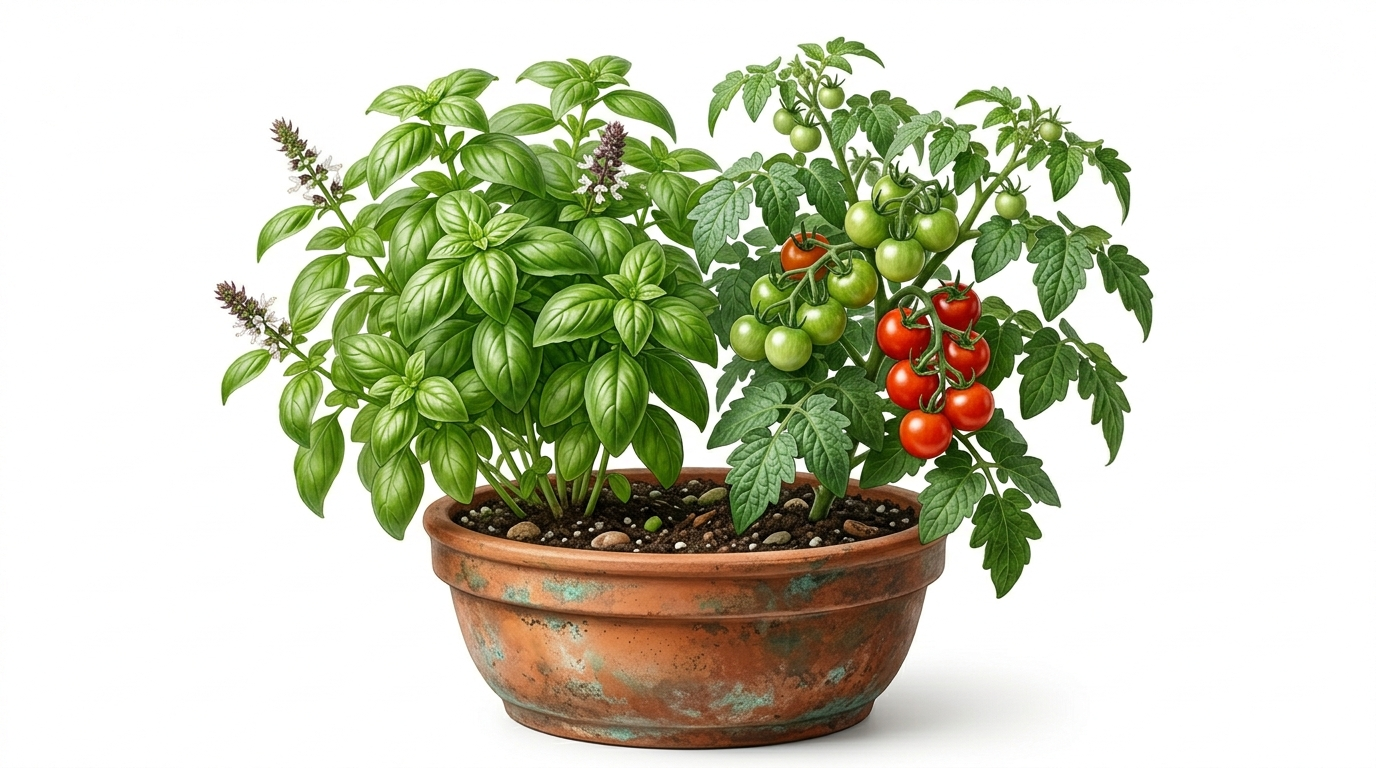
Growing Basil: Site, Watering and Harvesting
Learn how to grow basil successfully with the right site, steady watering, regular harvesting, and tips to delay flowering.
Guide
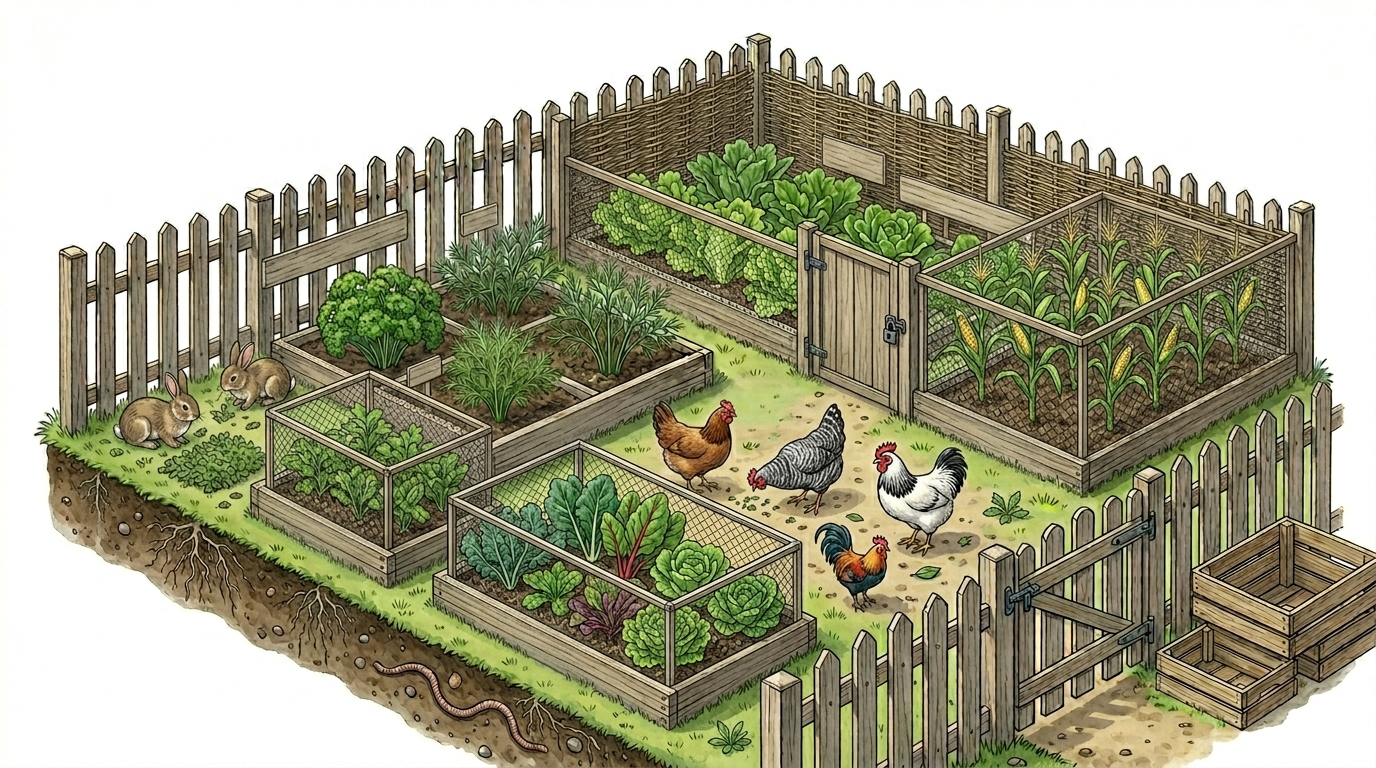
Chickens in the Garden: Safe Plants and Zones
Learn how to design a chicken-friendly garden with suitable plants, protected beds, and well-planned activity areas.
Internal links
Related plants
Turmeric
Both belong to the Zingiberaceae family.
Closely related, similar requirements and cultivation methods.
Galangal
Both belong to the Zingiberaceae family.
Belongs to the same family and has similar tropical origins.
Herbs
Often used for flavoring and medicinal purposes.
Root vegetables
The edible part is the rhizome, which grows underground.
Cardamom
Belongs to the Zingiberaceae family.
Ginger (as a spice)
Use in cooking to flavor food and beverages.
Turmeric (as a spice)
Similar use as a spice in Asian cuisine.
Sources
Public sources
- Wikidata entity
Wikidata · 2026-05-13
- GBIF species match
GBIF · 2026-05-13
- Deutschsprachige Wikipedia: Ingwer (Gattung)
Wikipedia · 2026-05-13
- English Wikipedia: Zingiber
Wikipedia · 2026-05-13