Plant Profile
Sorbus domesticaSorbus domestica
Majestic wild fruit tree with bletted, aromatic fruits for juice, jam, and brandy.
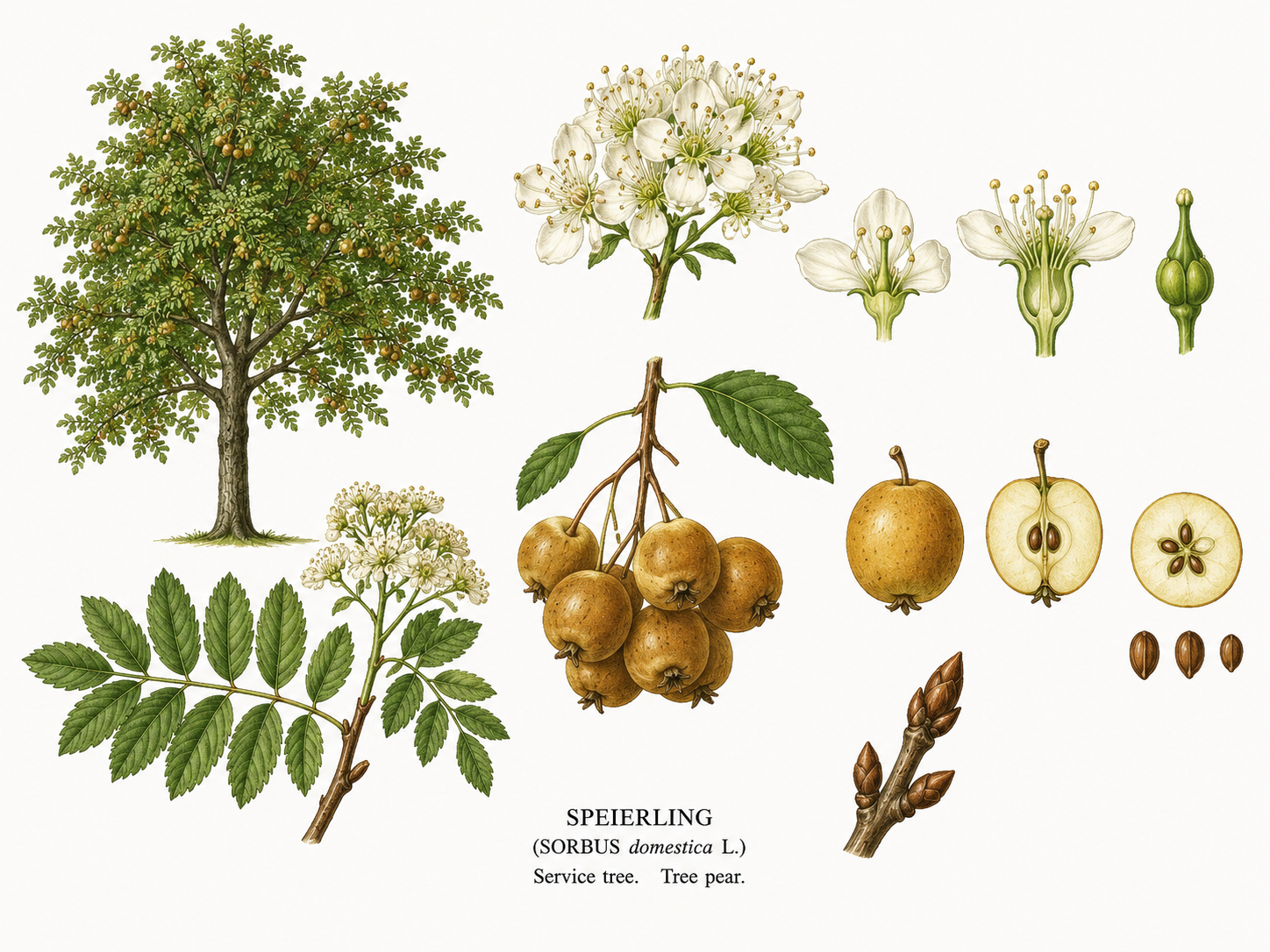
Quick profile
Key data
Suitable growing locations:
Good neighbors
ComfreyLupineYarrow
Avoid
Strong grasses
Indoor & direct sowing
Sorbus domestica: Sowing and germination
Not common; Speierling is usually propagated by grafting or direct sowing.
Cold germinator: sow in autumn or early spring after stratification.
Planting & site
Sorbus domestica: Planting and spacing
Plant in spring or autumn when soil is frost-free.
Temperature & frost
Sorbus domestica: Temperature and site
Water & nutrients
Sorbus domestica: Water, nutrients and care
Container & growth
Sorbus domestica: Container, support and growth
Year plan
Sorbus domestica Calendar
The true magic of the service tree unfolds in autumn, when its fruits reach their full palatability after the first frost.
Recurring tasks
Relevant now
June
- WateringTrockenheit: Mulching recommended.
Next up
July
- WateringTrockenheit: Avoid extended drought.
Monthly tasks
Single tasks from monthly data; repeated seasonal windows are shown in the overview above.
January
Quiet month
February
Direct sowing
- Seed stratificationGartenbau: Cold germinator needs 8-12 weeks of cold.
March
Planting
- PlantingBoden frostfrei: Plant grafted trees; enrich planting hole with compost.
April
Planting
- PlantingBoden frostfrei: Water if dry.
May
Pruning
- Shaping pruneJungbaum: Remove unwanted shoots; establish crown shape.
June
Growing
- WateringTrockenheit: Mulching recommended.
August
Growing
- Monitor fruit ripeningKann Erntezeitpunkt verkürzen: Fruits become palatable after first frost.
September
Harvest
- HarvestNach Frost: Pick after frost exposure.
October
Planting
- Autumn plantingBoden frostfrei: Protect young trees with leaf mulch.
November
Planting
- PlantingVor Frost: Apply winter protection (e.g., reed mat).
December
Quiet month
Flowering & pollination
Sorbus domestica Flowering & pollination
Flowering period
May to June
Flower color
Whitish
Self-fertility
self-fertile
Pollinator needed
no
Overview
The service tree is generally self-fertile, but the presence of other trees can improve yield.
Notes
Bees and other insects are the main pollinators. Good insect diversity in the garden promotes pollination.
Pruning & care
Sorbus domestica Pruning & care
Pruning type
Formative and maintenance pruning
Pruning timing
Structural pruning, removal of dead wood and diseased branches, thinning of the crown. Perform only on frost-free days. Heavy cuts in winter promote growth.
Light corrective pruning, removal of water shoots and unwanted shoots, promotion of fruit wood formation. Summer pruning slows growth and promotes fruiting. Do not prune too severely.
Remove
Preserve
Avoid
Tools and hygiene
Use sharp and clean tools. Disinfect tools after pruning diseased branches (e.g., with alcohol) to prevent the spread of diseases.
Companion guide
Sorbus domestica Companion guide
Good neighbors
ComfreyLupineYarrow
Avoid
Strong grasses
Use & storage
Sorbus domestica Use & storage
Harvest after the first frost; they become soft and palatable.
Storage
Cool and dry
Storage life
A few days to 1-2 weeks after bletting.
Primary use
Processing into juice, jam, jelly, or fruit brandy.
Flavor
Tart, slightly astringent, aromatic (after bletting).
Harvest
Harvest after the first frost; they become soft and palatable.
Processing
After harvest
Harvested fruits should be processed promptly or stored in a cool, dry place to complete the bletting process if not fully ripened.
Notes
The fruits are edible raw after bletting, but due to their acidity and tartness, they are more suitable for processing.
Edibility & safety
Sorbus domestica Edibility & safety
For people
In brief: which parts are edible, which parts remain risky, and whether raw consumption makes sense.
Safety notes
Unripe fruits are highly astringent and unpalatable. The seeds contain small amounts of cyanogenic glycosides, which can be harmful in large quantities.
Animal safety
For animals, the specific plant part matters here: some parts may be suitable, while others should be avoided. At least one critical rating is listed for 7 animal types.
Each row shows which parts are more suitable and which parts are critical.
Companion animals
 Dog
DogFruit (after bletting)
Unripe/unbletted fruits, Seeds (in large quantities), Leaves
Fruit (after bletting)
Unripe/unbletted fruits, Seeds (in large quantities), Leaves
Consumption of unripe fruits, Consumption of large quantities of seeds, Chewing on leaves or bark
Vomiting, Diarrhea, Abdominal pain
contact a vet if symptoms appear
The ripe, bletted fruit is suitable in small amounts as a treat for dogs, but contains high pectin and may cause gastrointestinal upset if overconsumed. Unripe fruits, seeds, leaves, and bark contain astringent tannins and trace cyanogenic glycosides that can cause vomiting, diarrhea, and abdominal pain if ingested in larger quantities. Poisoning is unlikely with normal access, but observation is recommended if…
Open animal page Cat
CatFruit (after bletting)
Unripe/unbletted fruits, Seeds (in large quantities)
Fruit (after bletting)
Unripe/unbletted fruits, Seeds (in large quantities)
Consumption of unripe fruits, Consumption of large quantities of seeds
Vomiting, Gastrointestinal upset
observe
The ripe, bletted fruit of the service tree is safe for cats in small quantities after bletting. Unripe fruits are highly astringent and may cause gastrointestinal irritation. The seeds contain cyanogenic glycosides, which can be harmful if consumed in large quantities. If unripe fruits or large quantities of seeds are ingested, the cat should be observed. If symptoms persist, consult a veterinarian.
Open animal page Rabbit
Fruit (after bletting)
Seeds, Unripe/unbletted fruits
Fruit (after bletting)
Seeds, Unripe/unbletted fruits
Consumption of seeds in large quantities, Consumption of unripe fruits
Gastrointestinal upset, Diarrhea
observe
The ripe, bletted fruit of the service tree is suitable for rabbits in small amounts as a treat. Seeds and unripe fruits contain cyanogenic glycosides and should be avoided. Overconsumption may cause gastrointestinal upset.
Open animal page Guinea pig
Fruit (after bletting)
Unripe/unbletted fruits, Seeds (in large quantities), Leaves
Fruit (after bletting)
Unripe/unbletted fruits, Seeds (in large quantities), Leaves
Consumption of unripe fruits, Consumption of seeds in large quantities, Consumption of leaves or bark
Gastrointestinal upset, Vomiting, Diarrhea
contact a vet if symptoms appear
The ripe, bletted fruit of the service tree is likely safe in small amounts as a treat for guinea pigs, but unripe fruits, seeds, leaves, and bark contain potentially harmful compounds such as cyanogenic glycosides and tannins. Due to lack of species-specific studies, a conservative assessment is made. Only offer bletted fruit in very small quantities and monitor for reactions.
Open animal page Hamster
Fruit (after bletting)
Unripe/unbletted fruits, Seeds (in large quantities)
Fruit (after bletting)
Unripe/unbletted fruits, Seeds (in large quantities)
Consumption of unripe fruits, Consumption of large quantities of seeds
Gastrointestinal upset, Vomiting, Diarrhea
contact a vet if symptoms appear
The ripe, bletted fruit of the service tree is likely safe for hamsters in small amounts as a treat. Unripe fruits are highly astringent and may cause gastrointestinal irritation. The seeds contain cyanogenic glycosides, which can be harmful if consumed in large quantities. Due to lack of species-specific studies, a conservative assessment is made.
Open animal page Budgie
Fruit (after bletting)
Seeds, Unripe/unbletted fruits
Fruit (after bletting)
Seeds, Unripe/unbletted fruits
Consumption of seeds in large quantities, Consumption of unripe fruits
Vomiting, Diarrhea, Abdominal pain
contact a vet if symptoms appear
The ripe, bletted fruit of the service tree is suitable in small amounts as a treat for budgies but has low nutritional value. Seeds and unripe fruits contain cyanogenic glycosides that can cause gastrointestinal upset if consumed in excess. Budgies should not have access to seeds.
Open animal pageFarm animals
 Horse
HorseNo suitable parts listed
No risk parts listed
No suitable parts listed
No risk parts listed
unknown
The ripe, bletted fruit of the service tree is suitable for horses in small quantities as a treat. Unripe fruits, seeds, leaves, and bark contain astringent tannins and small amounts of cyanogenic glycosides that can cause gastrointestinal upset if consumed excessively. Poisoning is unlikely under normal feeding behavior, but overconsumption of hazardous parts should be avoided. If symptoms occur, a veterinarian…
Open animal page Chicken
Fruit (after bletting)
Unripe/unbletted fruits, Seeds (in large quantities)
Fruit (after bletting)
Unripe/unbletted fruits, Seeds (in large quantities)
Consumption of unripe fruits, Consumption of large quantities of seeds
Gastrointestinal upset, Vomiting, Diarrhea
observe
The ripe, bletted fruits of the service tree are suitable for chickens in small amounts as an occasional treat. Unripe fruits are highly astringent and may cause gastrointestinal irritation. Seeds contain cyanogenic glycosides and should only be fed in very small quantities, as larger amounts can be harmful. Regular feeding is not recommended.
Open animal page Duck
DuckFruit (after bletting)
Unripe/unbletted fruits, Seeds, Leaves
Fruit (after bletting)
Unripe/unbletted fruits, Seeds, Leaves
Consumption of unripe fruits, Consumption of seeds in large quantities, Consumption of leaves or bark
Gastrointestinal upset, Vomiting, Diarrhea
observe
The ripe, bletted fruit of the service tree is tolerable in small quantities after bletting but contains tannins and should only be fed as an occasional treat. Unripe fruits, seeds, leaves, and bark contain cyanogenic glycosides and tannins that can cause gastrointestinal upset. Ducks should not have access to these plant parts. Observation is recommended after ingestion of large amounts of toxic parts. Consult a…
Open animal page Goose
GooseFruit (after bletting)
Unripe/unbletted fruits, Seeds, Leaves
Fruit (after bletting)
Unripe/unbletted fruits, Seeds, Leaves
Consumption of unripe fruits, Consumption of seeds in large quantities, Consumption of leaves or bark
Gastrointestinal upset, Vomiting, Diarrhea
observe
No direct species-specific source was found for geese. This is a cautious inference from the ducks profile and the known plant-part risks.
Open animal page Sheep
SheepFruit (after bletting)
Unripe/unbletted fruits, Seeds, Leaves
Fruit (after bletting)
Unripe/unbletted fruits, Seeds, Leaves
Consumption of unripe fruits, Consumption of seeds in large quantities, Consumption of leaves or bark
Gastrointestinal upset, Vomiting, Diarrhea
contact a vet if symptoms appear
The ripe, bletted fruit of the service tree is tolerable in small amounts after bletting but contains astringent tannins. Unripe fruits, seeds, leaves, and bark contain cyanogenic glycosides that can cause gastrointestinal upset in sheep if consumed in excess. No specific sheep studies available, but conservative classification based on plant toxic compounds and known effects in ruminants.
Open animal page Goat
GoatFruit (after bletting)
Unripe/unbletted fruits, Seeds, Leaves
Fruit (after bletting)
Unripe/unbletted fruits, Seeds, Leaves
Consumption of unripe fruits, Consumption of seeds in larger quantities, Consumption of leaves or bark
Gastrointestinal upset, Vomiting, Diarrhea
contact a vet if symptoms appear
The ripe, bletted fruit of the service tree is edible for goats in small amounts but contains tannins that may cause gastrointestinal upset if overconsumed. Unripe fruits, seeds, leaves, and bark contain cyanogenic glycosides and are not recommended. Feeding should only occur as an occasional treat with the ripe fruit. If toxic parts are consumed, a veterinarian should be contacted if symptoms appear.
Open animal page Cattle
Fruit (after bletting)
Unripe/unbletted fruits, Seeds, Leaves
Fruit (after bletting)
Unripe/unbletted fruits, Seeds, Leaves
Consumption of unripe fruits, Consumption of seeds in large quantities, Consumption of leaves or bark
Gastrointestinal upset, Vomiting, Diarrhea
observe
The ripe, bletted fruit is tolerable in small amounts, but unripe parts and seeds contain cyanogenic glycosides that can be harmful if consumed excessively. Leaves and bark are astringent and not suitable for consumption. Observation recommended if symptoms occur. Consult a veterinarian for large ingestions or persistent symptoms.
Open animal page Pig
PigFruit (after bletting)
Unripe/unbletted fruits, Seeds, Leaves
Fruit (after bletting)
Unripe/unbletted fruits, Seeds, Leaves
Consumption of unripe fruits, Consumption of seeds in large quantities, Consumption of leaves or bark
Gastrointestinal upset, Vomiting, Diarrhea
observe
The ripe, bletted fruit of the service tree is tolerable for pigs in small amounts but has low nutritional value. Unripe fruits, seeds, leaves, and bark contain cyanogenic glycosides and tannins that can cause gastrointestinal upset if consumed. Feeding should be limited to the bletted fruit and only offered as an occasional treat. If hazardous parts are ingested, the animal should be observed and a veterinarian…
Open animal pageThese guidelines are for general information only and do not replace veterinary diagnosis. If critical plant parts were ingested or the animal shows unusual behaviour or symptoms, seek veterinary advice.
Max risk
unknown
Highest status
do not feed
Urgency
contact a vet if symptoms appear
Saving seed
Sorbus domestica Saving seed
Seed viability
1 - 2 years
Method
Extract seeds from ripe fruits, clean them, and stratify (cold germinator).
Notes
Service tree is often propagated vegetatively (grafting) because sowing is lengthy and parental traits are not always faithfully inherited.
Practical tips
Sorbus domestica Practical tips
Common beginner mistakes
Success pattern
High-impact tips
Grower observations
Plant Profile
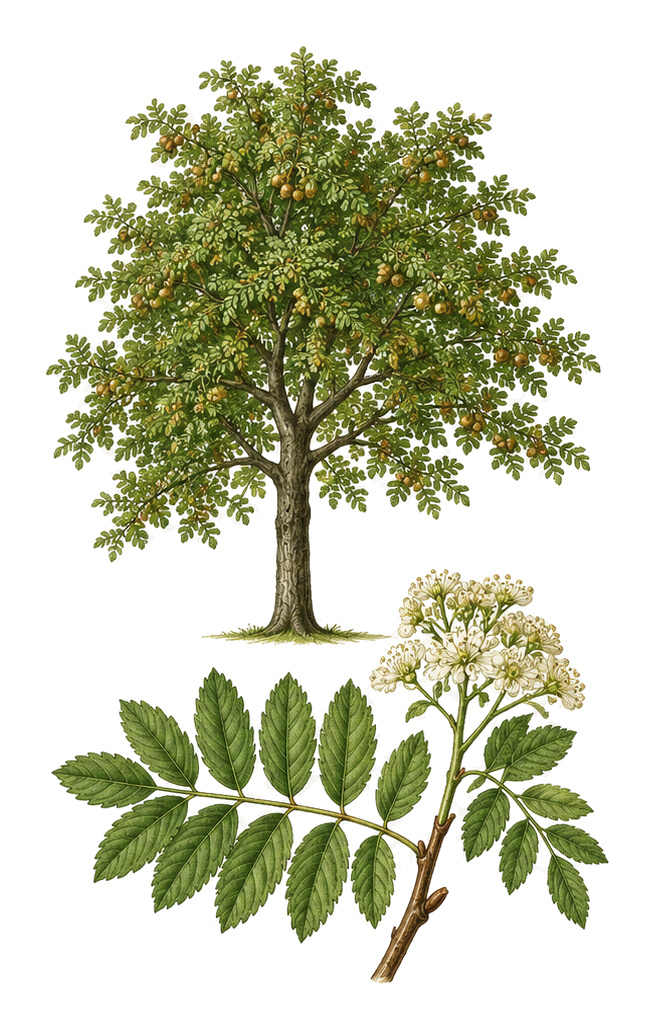
Additional plant images
Health
Pests, Diseases
Plant health
Diagnosis help
Sorbus domestica Diagnosis help
Pest groups
Disease groups
Prevention
Diagnosis
Look for leaf discoloration, growth abnormalities, unusual coatings, or feeding damage. In case of suspected fire blight, consult experts immediately.
Cultural prevention
Monitoring
First response
Diagnostic rules
Curled, sticky leaves on shoot tips
Possible causes: Aphids
- Check undersides of leaves for small insects.
- Observe ant activity.
White, powdery coating on leaves and shoots
Possible causes: Powdery mildew
- Check air circulation.
- Assess moisture conditions at the site.
Blackened, burnt-looking shoots and flowers
Possible causes: Fire blight, Late frost damage
- Check symptoms for rapid progression.
- Check cut surface for reddish discoloration in wood (fire blight).
- Timing of damage (after frost event?).
Sunken, cracked bark areas with callus formation
Possible causes: Canker, Frost damage
- Check pruning wounds or frost cracks as entry points.
- Moisture in the wound area.
FAQ
When are service tree fruits edible?
Service tree fruits are only palatable after the first frost or artificial bletting. Before this, they are highly astringent and unpalatable due to their high tannin content.
How long does it take for a service tree to bear fruit?
A service tree typically begins to bear fruit only after 10-15 years. Full yield is often not reached until 25-30 years, as it is a slow-growing, long-lived tree.
Is the service tree self-fertile?
Yes, the service tree is generally self-fertile. However, the presence of other trees can improve yield, as insects promote pollination.
What site does the service tree prefer?
The service tree prefers a sunny to partial shade, wind-protected location with deep, loamy, and calcareous soil. It is heat-loving and thrives well in wine-growing climates.
Is Sorbus domestica safe for Dog?
Sorbus domestica is classified as moderation only for Dog. Risk: unknown. Urgency: contact a vet if symptoms appear. The ripe, bletted fruit is suitable in small amounts as a treat for dogs, but contains high pectin and may cause gastrointestinal upset if overconsumed. Unripe fruits, seeds, leaves, and bark contain astringent tannins and trace cyanogenic glycosides that can cause vomiting, diarrhea, and abdominal pain if ingested in larger quantities. Poisoning is unlikely with normal access, but observation is recommended if…
Is Sorbus domestica safe for Cat?
Sorbus domestica is classified as moderation only for Cat. Risk: unknown. Urgency: observe. The ripe, bletted fruit of the service tree is safe for cats in small quantities after bletting. Unripe fruits are highly astringent and may cause gastrointestinal irritation. The seeds contain cyanogenic glycosides, which can be harmful if consumed in large quantities. If unripe fruits or large quantities of seeds are ingested, the cat should be observed. If symptoms persist, consult a veterinarian.
Is Sorbus domestica safe for Rabbit?
Sorbus domestica is classified as moderation only for Rabbit. Risk: unknown. Urgency: observe. The ripe, bletted fruit of the service tree is suitable for rabbits in small amounts as a treat. Seeds and unripe fruits contain cyanogenic glycosides and should be avoided. Overconsumption may cause gastrointestinal upset.
Is Sorbus domestica safe for Budgie?
Sorbus domestica is classified as do not feed for Budgie. Risk: unknown. Urgency: contact a vet if symptoms appear. The ripe, bletted fruit of the service tree is suitable in small amounts as a treat for budgies but has low nutritional value. Seeds and unripe fruits contain cyanogenic glycosides that can cause gastrointestinal upset if consumed in excess. Budgies should not have access to seeds.
Guides
Related guides
Guide
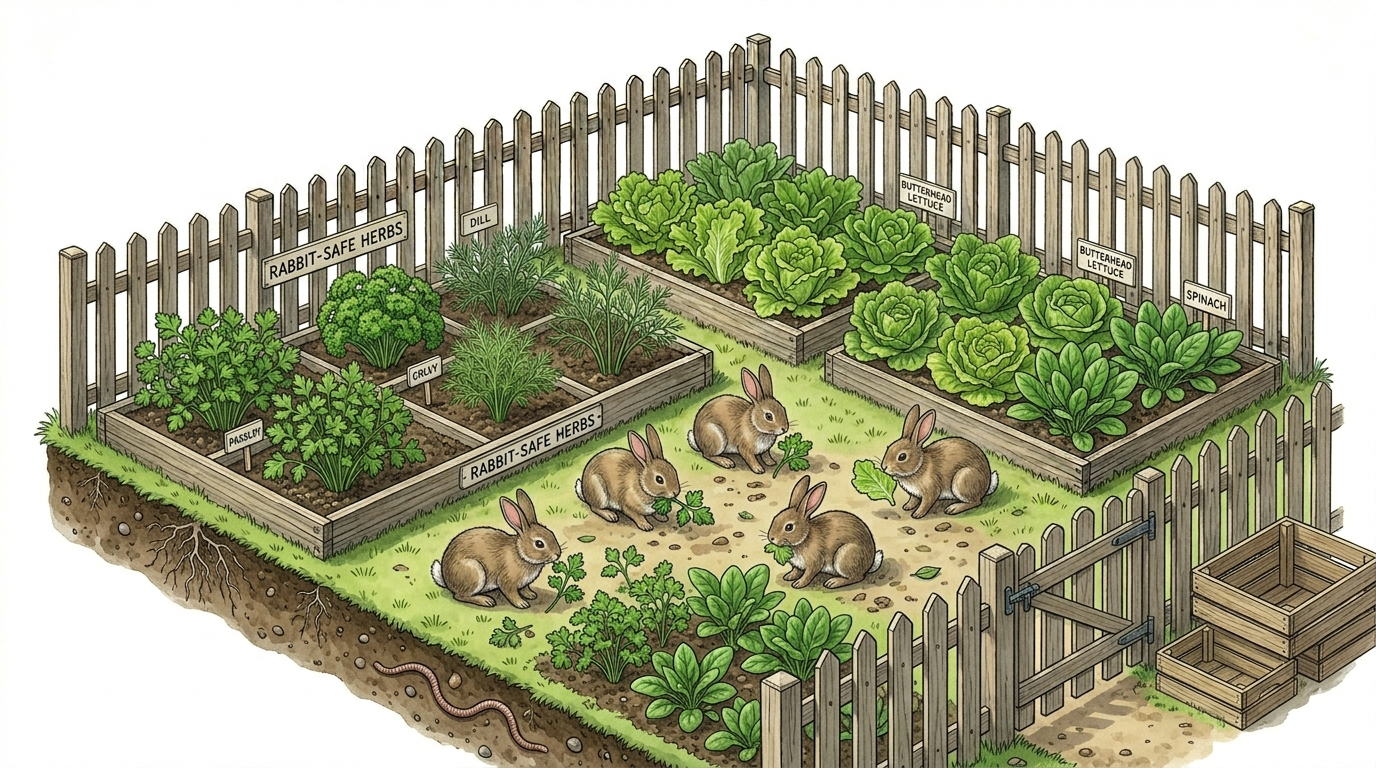
Rabbits in the Garden: Herbs and Vegetables
Learn how to choose suitable herbs and vegetables for rabbits, grow feeding plants, and plan a rabbit-friendly garden.
Guide
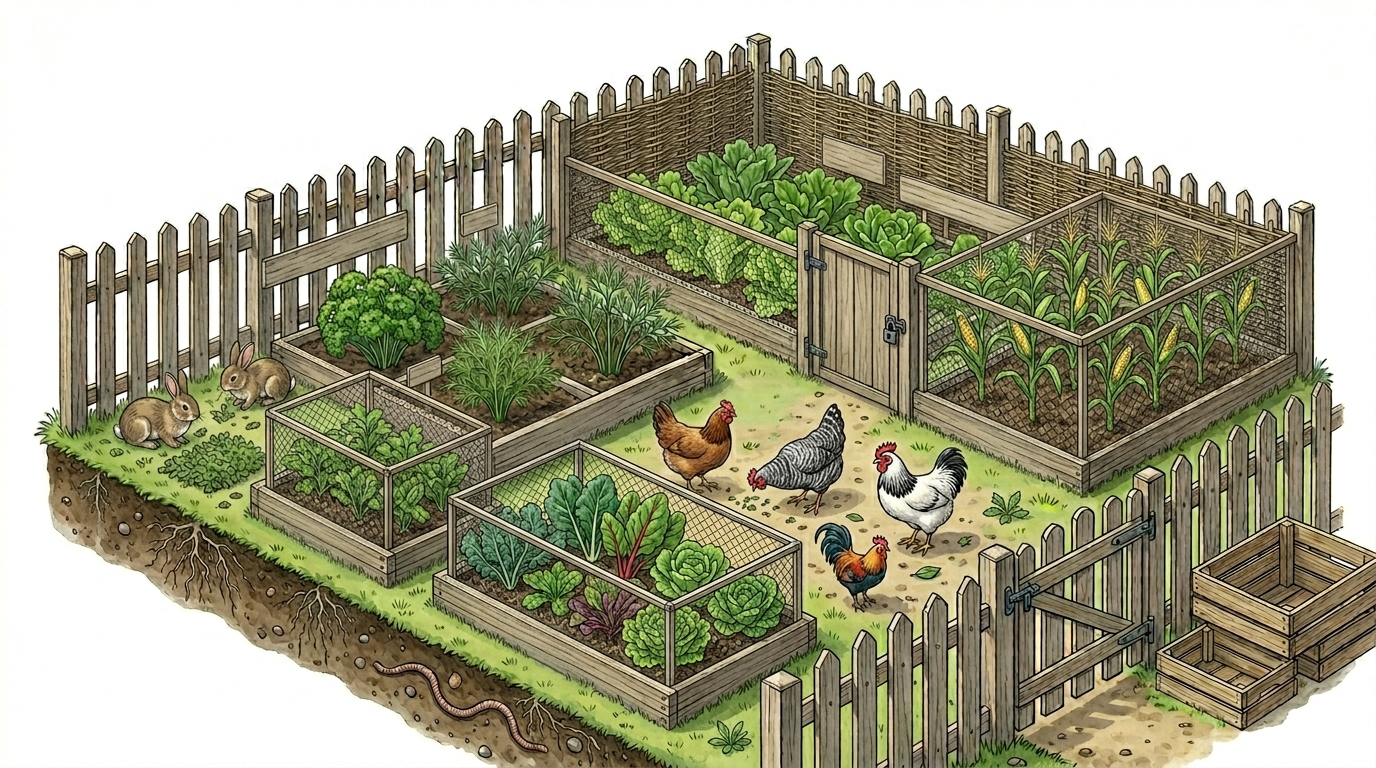
Chickens in the Garden: Safe Plants and Zones
Learn how to design a chicken-friendly garden with suitable plants, protected beds, and well-planned activity areas.
Guide
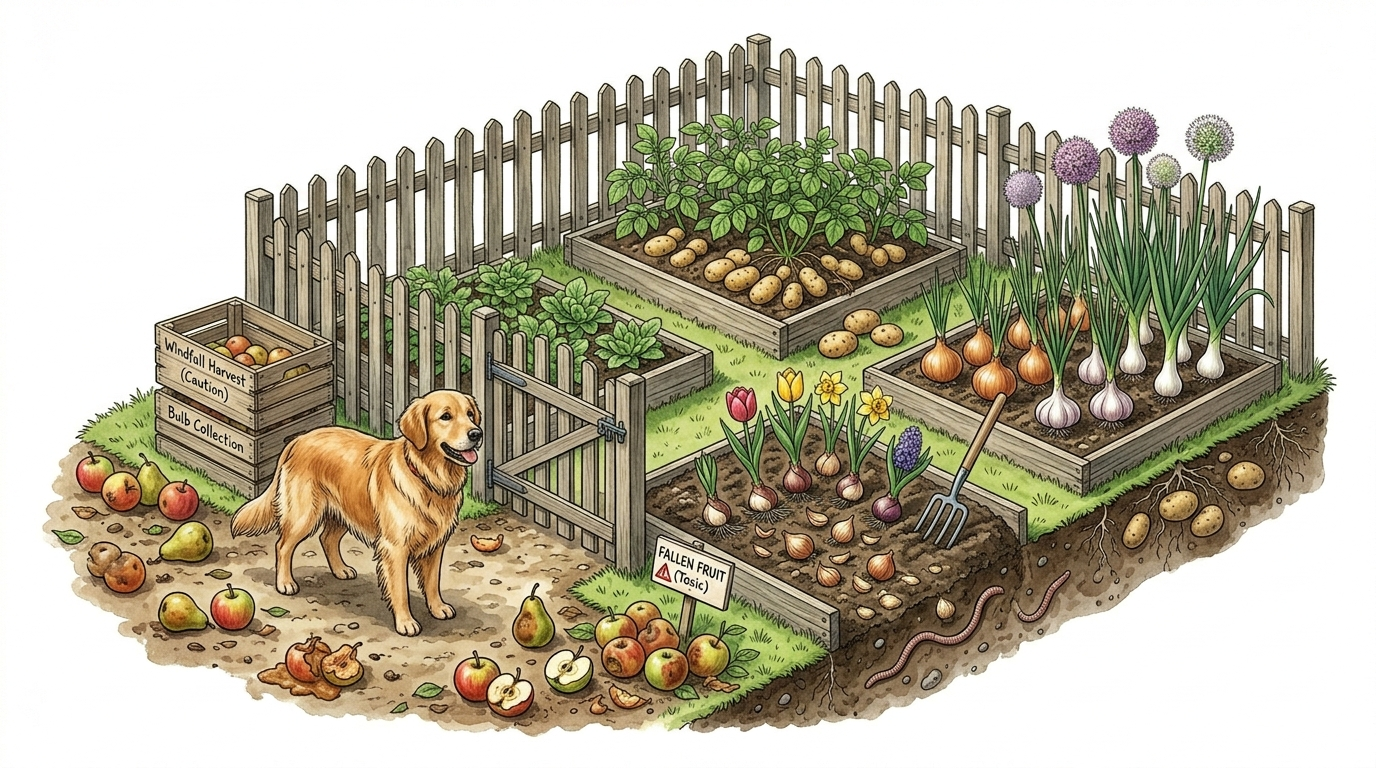
Dogs in the Garden: Windfall Fruit and Risks
Keep your garden dog-safe by managing windfall fruit, seeds, stored crops, and potentially problematic plant parts.
Guide
Horse Pastures and Garden Plants: Safety Checks
Learn how to identify risks near horse pastures, fences, turnout areas, fruit trees, and garden planting zones.
Internal links
Related plants
Apple
Both belong to the rose family (Rosaceae).
Both are pome fruit trees.
Pear
Both belong to the rose family (Rosaceae).
Belongs to the same family (Rosaceae) and is a pome fruit tree.
Quince
Both are pome fruit trees.
Fruits are mostly cooked or processed into jelly/jam.
Fire Blight
Although service tree is relatively resistant, it can be affected by fire blight like other Rosaceae.
Powdery Mildew
Can be affected by powdery mildew like many fruit trees.
Plum
Both belong to the rose family (Rosaceae).
Sweet Cherry
Both belong to the rose family (Rosaceae).
Sources
Public sources
- Wikidata entity
Wikidata · 2026-05-15
- GBIF species match
GBIF · 2026-05-15
- Deutschsprachige Wikipedia: Speierling
Wikipedia · 2026-05-15
- English Wikipedia: Cormus domestica
Wikipedia · 2026-05-15