Plant Profile
Choy SumBrassica rapa var. parachinensis
A fast-growing leafy vegetable from the mustard family.
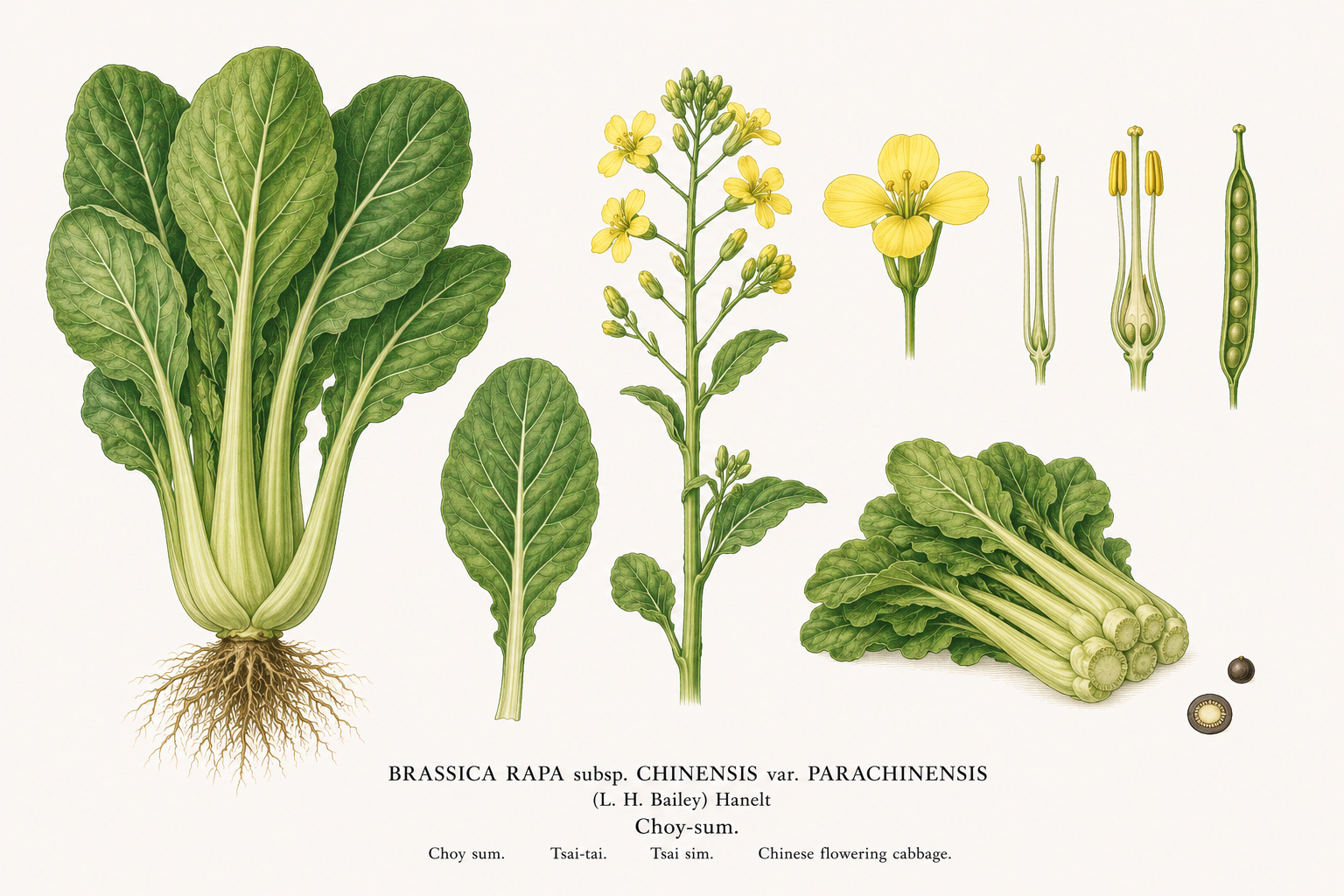
Quick profile
Key data
Suitable growing locations:
Good neighbors
PeasLettuceOnions
Avoid
Other BrassicasStrawberries
Indoor & direct sowing
Choy Sum: Sowing and germination
Pre-culture for early harvests in the greenhouse or under fleece.
Direct sowing in the open ground; late sowings possible until September for autumn harvest.
Planting & site
Choy Sum: Planting and spacing
Planting out pre-grown seedlings after the last frost.
Site & practical notes
Temperature & frost
Choy Sum: Temperature and site
Water & nutrients
Choy Sum: Water, nutrients and care
Container & growth
Choy Sum: Container, support and growth
Year plan
Choy Sum Calendar
Recurring tasks
Relevant now
June
- No additional single task
Next up
July
- No additional single task
Monthly tasks
Single tasks from monthly data; repeated seasonal windows are shown in the overview above.
January
Quiet month
February
No additional single task
March
Direct sowing
- Indoor pre-cultureBright light is important to prevent leggy growth.
April
No additional single task
May
No additional single task
June
No additional single task
August
No additional single task
September
No additional single task
October
No additional single task
November
No additional single task
December
Quiet month
Flowering & pollination
Choy Sum Flowering & pollination
Flowering period
June to October
Flower color
Yellow
Self-fertility
partial
Pollinator needed
yes
Overview
Cross-pollination by insects, though self-pollination is possible.
Notes
Bees and hoverflies are the primary pollinators.
Pruning & care
Choy Sum Pruning & care
Pruning type
cut_and_come_again
Pruning timing
Harvest and quality control Regular harvesting encourages the regrowth of side shoots in some varieties.
Remove
Preserve
Avoid
Tools and hygiene
Use clean, sharp harvesting knives to avoid bruising the succulent stems.
Companion guide
Choy Sum Companion guide
Good neighbors
PeasLettuceOnions
Avoid
Other BrassicasStrawberries
Use & storage
Choy Sum Use & storage
Harvest as soon as the first flower buds open; stems should be crisp.
Storage
Short-term storage (fresh vegetable)
Storage life
3-5 days in the refrigerator
Primary use
Fresh consumption (steamed, stir-fry)
Flavor
Mild, sweet with a hint of bitterness, similar to broccoli but more tender.
Harvest
Harvest as soon as the first flower buds open; stems should be crisp.
Processing
After harvest
Wrap in a damp cloth or keep in a glass of water to prevent wilting.
Edibility & safety
Choy Sum Edibility & safety
For people
In brief: which parts are edible, which parts remain risky, and whether raw consumption makes sense.
Safety notes
Non-toxic. Like all brassicas, it contains glucosinolates.
Animal safety
For many animals, this plant is generally low-risk: 13 animal types are rated suitable or mostly suitable. Quantity, plant part, and individual tolerance still matter.
Each row shows which parts are more suitable and which parts are critical.
Companion animals
 Dog
DogLeaves, Stems
No risk parts listed
Leaves, Stems
No risk parts listed
Overconsumption may cause gas or mild gastrointestinal upset due to high fiber and sulfur content., Roots are not commonly consumed and may accumulate soil contaminants; avoid feeding roots.
usually no action needed
Choy Sum is edible for dogs and provides valuable nutrients such as vitamin C, vitamin K, fiber, and calcium. Like all Brassica species, it contains glucosinolates, which are safe in normal amounts but may cause mild gastrointestinal upset if overconsumed. Roots should be avoided as they are not commonly consumed and may accumulate soil contaminants.
Open animal page Cat
CatLeaves, Stems
No risk parts listed
Leaves, Stems
No risk parts listed
Overfeeding, Sensitive individuals
Gastrointestinal upset with excessive consumption
observe
Choy Sum is suitable for cats in small amounts as an occasional treat. Like all Brassica species, it contains glucosinolates that may cause gastrointestinal upset with excessive consumption. No known severe toxicities documented for cats. Roots are not commonly consumed and should be avoided due to potentially higher concentrations of compounds. Consult a veterinarian if any signs of discomfort occur after feeding.
Open animal page Rabbit
Leaves, Stems
Roots
Leaves, Stems
Roots
Excessive consumption due to glucosinolates
Gastrointestinal upset with overfeeding
 Guinea pig
Leaves, Stems
Roots
Leaves, Stems
Roots
Overfeeding, Sensitive digestion, Unknown origin or pesticide contamination
Gastrointestinal upset, Bloating, Diarrhea
contact a vet if symptoms appear
No reliable species-specific assessment is available.
Open animal page Hamster
Leaves, Stems
Roots
Leaves, Stems
Roots
Excessive consumption, Root ingestion
Gastrointestinal upset, Diarrhea
 Budgie
No suitable parts listed
No risk parts listed
No suitable parts listed
No risk parts listed
unknown
['Choy Sum is suitable for budgies in small amounts as an occasional treat. The leaves, stems, and flower buds are edible and contain beneficial nutrients. Roots should be avoided as they are less commonly consumed and may contain higher concentrations of compounds. As with all brassicas, excessive consumption may cause gastrointestinal upset due to glucosinolates.']
Open animal pageFarm animals
 Horse
HorseLeaves, Stems
No risk parts listed
Leaves, Stems
No risk parts listed
Overconsumption may cause gas or gastrointestinal discomfort
usually no action needed
Choy Sum is suitable for horses as a feed plant. Like all Brassica species, it contains glucosinolates, which are safe in normal feeding amounts. Overconsumption may cause gas. Roots are not typically fed and should be avoided due to potential heavy metal accumulation.
Open animal page Chicken
Leaves, Stems
Roots
Leaves, Stems
Roots
Overconsumption may cause bloating or diarrhea, Roots should be avoided
Gastrointestinal upset with overfeeding
observe
Choy Sum is safe for chickens in moderation. The leaves, stems, and flower buds are nutritious and well-tolerated. Like all brassicas, it contains glucosinolates that may cause gastrointestinal upset if overfed. Roots are not recommended as they are less commonly consumed and may be harder to digest. Suitable as supplemental feed, not as a primary diet. Monitor for discomfort if overfed. Consult a veterinarian if…
Open animal page Duck
DuckLeaves, Stems
Roots
Leaves, Stems
Roots
Overconsumption may cause bloating or diarrhea, Roots should be avoided
Gastrointestinal upset with overfeeding
observe
No direct species-specific source was found for ducks. This is a cautious inference from the geese profile and the known plant-part risks.
Open animal page Goose
GooseLeaves, Stems
Roots
Leaves, Stems
Roots
Overconsumption may cause bloating or diarrhea, Roots should be avoided
Gastrointestinal upset with overfeeding
observe
No direct species-specific source was found for geese. This is a cautious inference from the chickens profile and the known plant-part risks.
Open animal page Sheep
SheepLeaves, Stems
Roots
Leaves, Stems
Roots
Overfeeding, Root ingestion
Gastrointestinal upset with excessive intake
observe
No direct species-specific source was found for sheep. This is a cautious inference from the goats profile and the known plant-part risks.
Open animal page Goat
GoatLeaves, Stems
Roots
Leaves, Stems
Roots
Overfeeding, Root ingestion
Gastrointestinal upset with excessive intake
observe
Choy Sum is edible for goats, but roots should be avoided. Like all brassicas, it contains glucosinolates that may cause bloating or gastrointestinal upset if consumed excessively. Young leaves and stems are well-tolerated and nutritious.
Open animal page Cattle
Leaves, Stems
No risk parts listed
Leaves, Stems
No risk parts listed
Excessive consumption due to glucosinolates
Mild gastrointestinal upset with overfeeding
observe
Choy Sum is safe for cattle in moderation. All above-ground parts (leaves, stems, flower buds, flowers) are edible and valued as nutritious green fodder. Like all Brassica species, it contains glucosinolates that may cause mild gastrointestinal upset with excessive consumption. Roots are not typically fed and should be avoided. Suitable as part of a balanced diet but not recommended as a primary feed source.
Open animal page Pig
PigLeaves, Stems
Roots
Leaves, Stems
Roots
Excessive consumption due to glucosinolates
Gastrointestinal upset with overconsumption
observe
Choy Sum is edible for pigs, but roots should be avoided. Like all Brassica species, it contains glucosinolates that can cause gastrointestinal irritation in high amounts. Young leaves and stems are well tolerated and can be occasionally fed as a treat. Roots are not commonly consumed and should be avoided due to potentially higher concentrations of compounds. With normal feeding of edible parts, serious effects…
Open animal pageThese guidelines are for general information only and do not replace veterinary diagnosis. If critical plant parts were ingested or the animal shows unusual behaviour or symptoms, seek veterinary advice.
Max risk
unknown
Highest status
not established
Urgency
contact a vet if symptoms appear
Saving seed
Choy Sum Saving seed
Seed viability
3 - 5 years
Practical tips
Choy Sum Practical tips
Common beginner mistakes
Harvesting too late results in fibrous stems.
Success pattern
Regular watering and fleece covering guarantee tender leaves.
High-impact tips
Mulching keeps the soil moist and cool.
Grower observations
In cool autumn nights, the stems develop a special sweetness.
Health
Pests, Diseases
Plant health
Diagnosis help
Choy Sum Diagnosis help
Pest groups
Disease groups
Prevention
Diagnosis
If wilting occurs without water deficiency, check roots immediately for clubroot.
Cultural prevention
Keeping soil moist against flea beetles
Monitoring
Regular inspection of leaf undersides
First response
Use of rock dust or nettle tea
Diagnostic rules
Small holes in leaves
Possible causes: Phyllotreta
- Check soil moisture
- Check netting
FAQ
Can you eat the yellow flowers of Choy Sum?
Yes, the flowers are completely edible and have a slightly sweet taste.
Is Choy Sum safe for Dog?
Choy Sum is classified as moderation only for Dog. Risk: unknown. Urgency: usually no action needed. Choy Sum is edible for dogs and provides valuable nutrients such as vitamin C, vitamin K, fiber, and calcium. Like all Brassica species, it contains glucosinolates, which are safe in normal amounts but may cause mild gastrointestinal upset if overconsumed. Roots should be avoided as they are not commonly consumed and may accumulate soil contaminants.
Is Choy Sum safe for Cat?
Choy Sum is classified as moderation only for Cat. Risk: unknown. Urgency: observe. Choy Sum is suitable for cats in small amounts as an occasional treat. Like all Brassica species, it contains glucosinolates that may cause gastrointestinal upset with excessive consumption. No known severe toxicities documented for cats. Roots are not commonly consumed and should be avoided due to potentially higher concentrations of compounds. Consult a veterinarian if any signs of discomfort occur after feeding.
Is Choy Sum safe for Rabbit?
Choy Sum is classified as moderation only for Rabbit. Risk: unknown. Urgency: observe. No reliable species-specific assessment is available.
Is Choy Sum safe for Guinea pig?
Choy Sum is classified as moderation only for Guinea pig. Risk: unknown. Urgency: contact a vet if symptoms appear. No reliable species-specific assessment is available.
Guides
Related guides
Guide
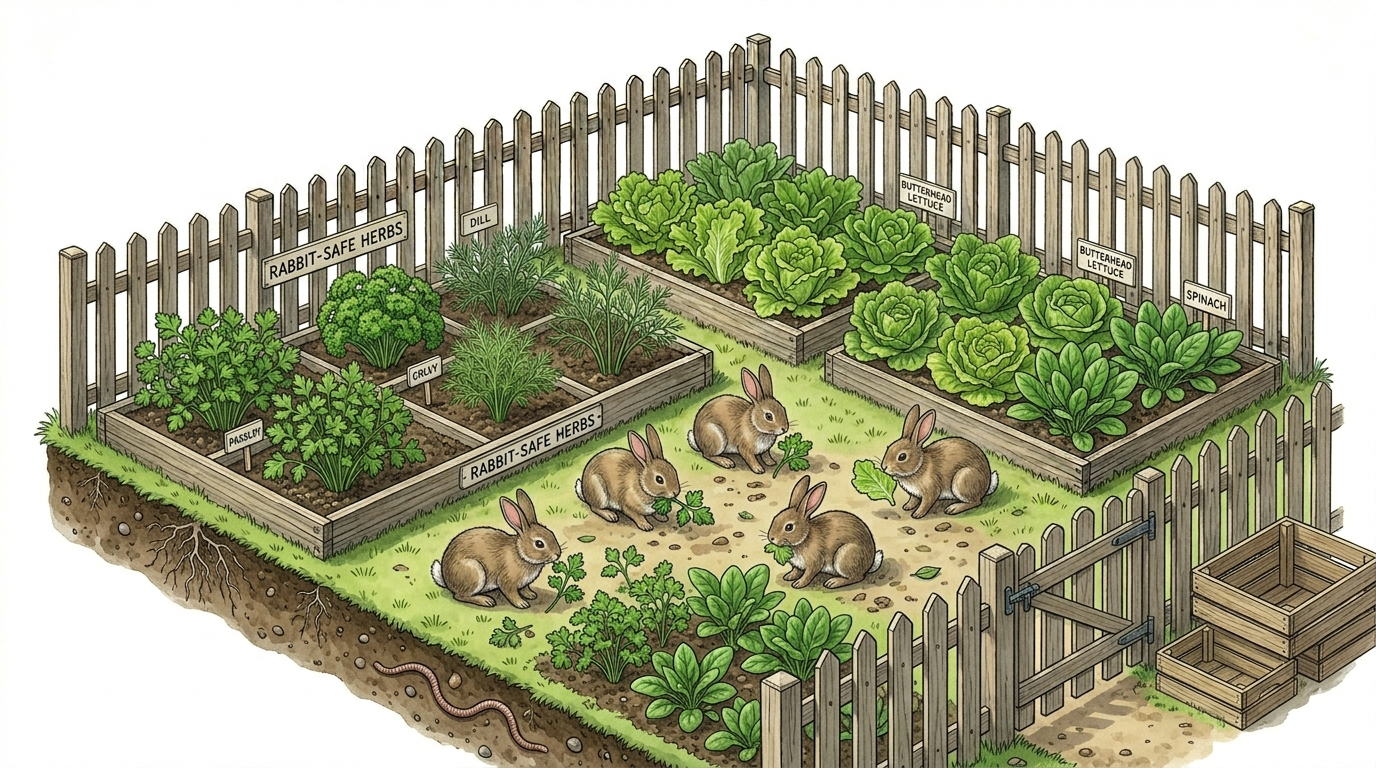
Rabbits in the Garden: Herbs and Vegetables
Learn how to choose suitable herbs and vegetables for rabbits, grow feeding plants, and plan a rabbit-friendly garden.
Guide
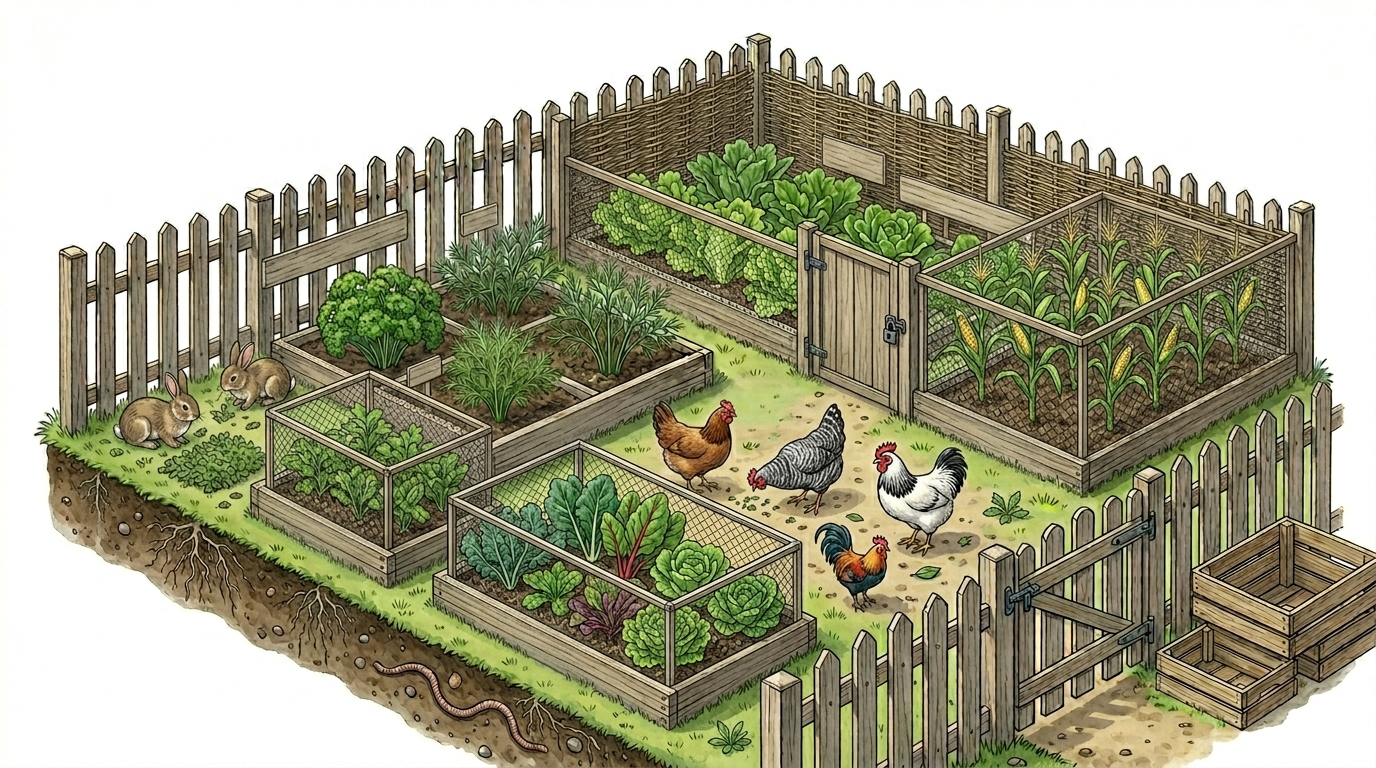
Chickens in the Garden: Safe Plants and Zones
Learn how to design a chicken-friendly garden with suitable plants, protected beds, and well-planned activity areas.
Guide
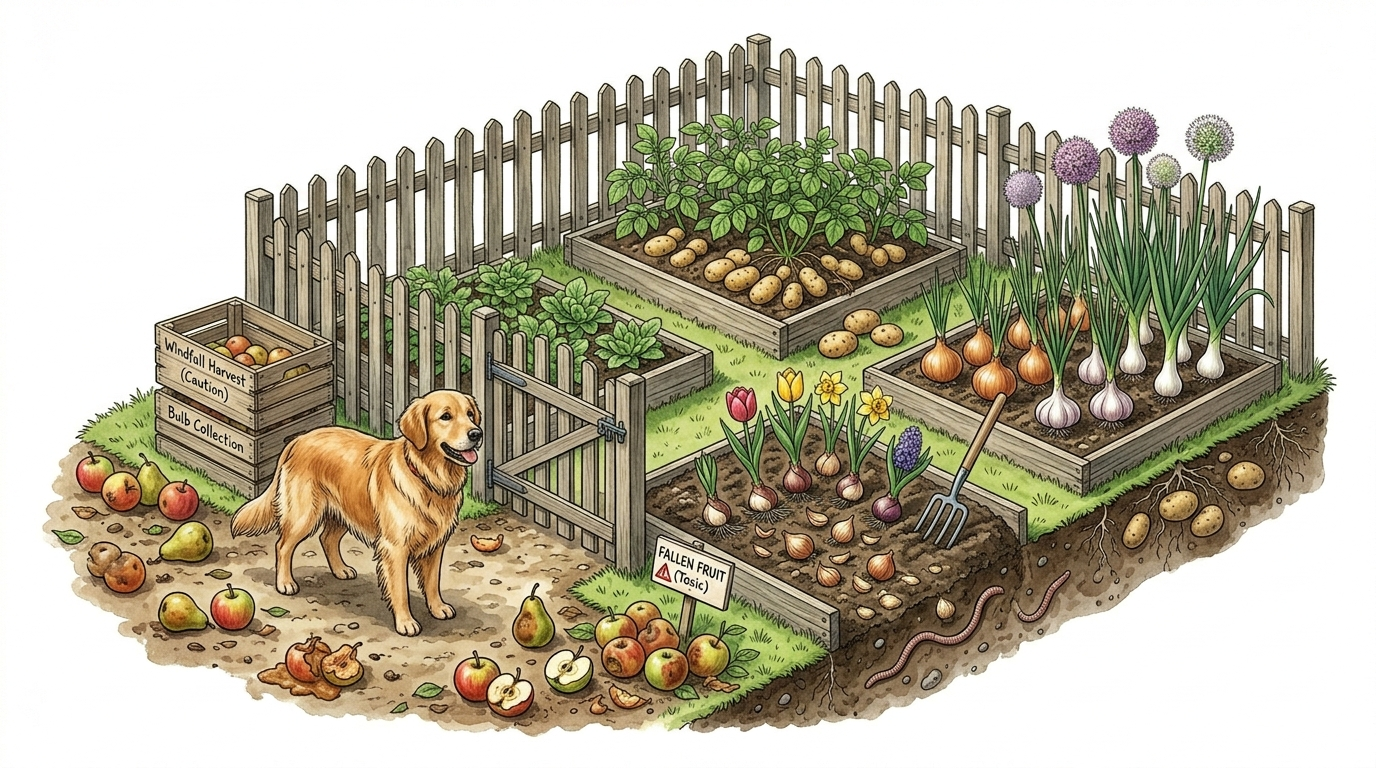
Dogs in the Garden: Windfall Fruit and Risks
Keep your garden dog-safe by managing windfall fruit, seeds, stored crops, and potentially problematic plant parts.
Guide
Horse Pastures and Garden Plants: Safety Checks
Learn how to identify risks near horse pastures, fences, turnout areas, fruit trees, and garden planting zones.
Internal links
Related plants
Bok choy
Closely related, shares similar pests.
Similar leaf shape, but Choy Sum is specifically grown for its flowering stalks.
Broccoli
Similar nutrient requirements.
Radish
Both are susceptible to flea beetles.
Kai-lan
Another Asian brassica harvested for its stems.
Chinese Cabbage
Both belong to the species Brassica rapa.
Broccoli
Similar culinary use of flower buds and stems.
Sources
Public sources
- Wikidata entity
Wikidata · 2026-05-12
- GBIF species match
GBIF · 2026-05-12
- Deutschsprachige Wikipedia: Choy sum
Wikipedia · 2026-05-12
- English Wikipedia: Choy sum
Wikipedia · 2026-05-12