Plant Profile
AppleMalus domestica
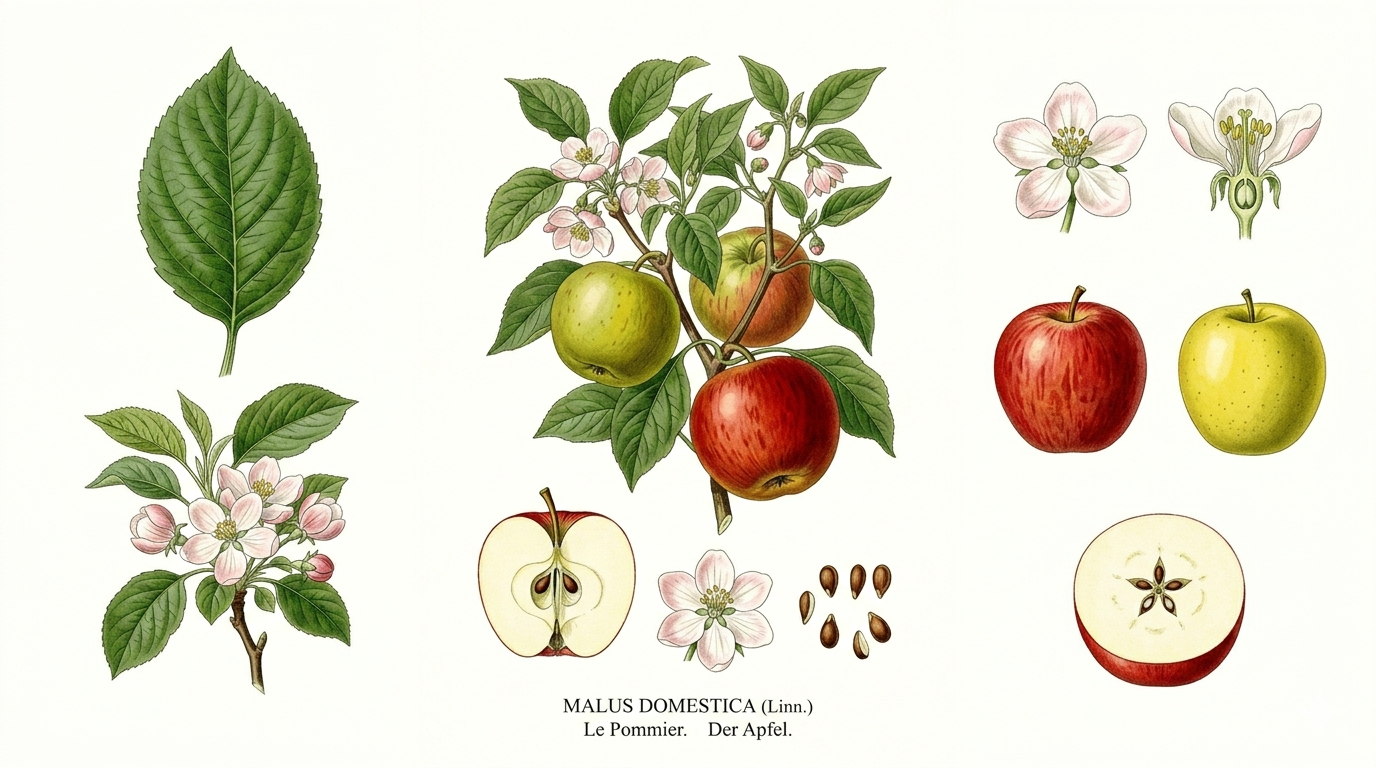
The apple (Malus) is a genus of deciduous trees and shrubs in the rose family. Worldwide, there are numerous species and countless cultivars that vary greatly in taste, appearance, ripening time, and use. Apples are one of the most popular fruits and are consumed fresh, processed into juices, sauces, compotes, or baked goods. They are rich in vitamins and fiber.
Quick profile
Key data
Suitable growing locations:
Good neighbors
StrawberryBeansCabbageGarlic
Avoid
Pyrus communisCherryEuropean PlumWalnut tree
Indoor & direct sowing
Apple: Sowing and germination
Not suitable for indoor sowing.
Apple seeds can be sown directly after harvest or in spring after stratification. Germination is often irregular and slow.
Planting & site
Apple: Planting and spacing
Fruit trees are best planted in autumn or early spring when they are dormant.
Site & practical notes
Apples are robust but require regular pruning to increase yield and maintain health. Pay attention to choosing suitable pollinator varieties and implementing preventive measures against scab and codling moth. Storage life varies greatly by variety.
Temperature & frost
Apple: Temperature and site
Water & nutrients
Apple: Water, nutrients and care
Container & growth
Apple: Container, support and growth
Year plan
Apple Calendar
The blossom in April/May is an important indicator for the upcoming harvest.
Recurring tasks
Relevant now
June
- Thin fruit setContinue thinning fruit set.
- Wateringdry periods: Water during dry periods.
Next up
July
- Harvest of early varietiesfruit ripe: First harvest of early varieties.
- Summer pruningFor better light and air circulation to fruits.
Monthly tasks
Single tasks from monthly data; repeated seasonal windows are shown in the overview above.
January
Pruning
- Pruningfrost-free: Perform pruning on older trees.
February
Pruning
- Fruit tree pruningFormative, thinning.
Plant health
- Pest and disease controlCheck for pests and diseases.
March
Growing
- First fertilizationLoosen soil and fertilize.
Plant health
- Bud break spraybud break: With oil sprays against mites and insect eggs.
April
Plant health
- Blossom monitoringflowering: Watch for pests like apple blossom weevil.
- Scab controlif needed: Spray against scab if necessary.
May
Growing
- Thin fruit setfruit set: To promote larger fruits and prevent biennial bearing.
Plant health
- Pest controlCheck for aphids and codling moth.
June
Growing
- Thin fruit setContinue thinning fruit set.
- Wateringdry periods: Water during dry periods.
August
Harvest
- Harvest of summer and early autumn varietiesfruit ripe: Harvest summer and early autumn varieties.
Plant health
- Pest and disease controlCheck for pests and diseases, treat if necessary.
September
Harvest
- Harvest most apple varietiesfruit ripe: Harvest most apple varieties.
Growing
- Prepare soilPreparation of the soil for autumn planting.
October
Harvest
- Harvest of late varietiesfruit ripe: Harvest late varieties.
Growing
- Remove fallen leavesRemove fallen leaves to prevent fungal diseases.
November
Growing
- Care for tree basesMulch or cover tree bases with compost.
December
Growing
- Frost protectionfrost: Provide frost protection for young trees if needed.
Flowering & pollination
Apple Flowering & pollination
Self-fertility
partial
Pollinator needed
yes
Overview
Apples are predominantly cross-pollinated and require one or more suitable pollinator varieties nearby for a good harvest. However, some varieties are self-fertile or at least partially self-fertile.
Notes
The choice of pollinator varieties should be coordinated with the flowering time. Bees and other insects are important pollinators. A good mix of different varieties in the vicinity promotes pollination.
Pruning & care
Apple Pruning & care
Pruning timing
The main pruning is usually done in late winter (January-March) during dormancy. Summer pruning can be used for thinning and improving fruit development.
Pruning type
General pruning and training principles for fruit trees
Notes
Regular pruning is crucial for health, yield, and fruit quality. Ensure sharp and clean tools.
Pruning timing
Formative pruning, thinning, and maintenance Main pruning period. Encourages vigorous growth and fruit production for the coming year. Performed while the tree is dormant and before bud break.
Thinning fruit, controlling vigorous growth, improving light penetration Removal of water sprouts and thinning of overly dense foliage to improve fruit development and prevent sunburn.
Sanitation, removal of diseased material Removal of infected leaves and fruit to reduce disease pressure in the following year.
Training systems
Spalier
Flat training system on trellises, often against walls or fences. Requires regular pruning to maintain shape.
Cordon
One-sided or multi-sided training along a main leader. Space-saving and good for small gardens.
Bush tree
Tree with a short trunk (approx. 40-60 cm) and an open crown. Common form for home gardens.
Half standard
Tree with a trunk of approx. 80-120 cm height. Provides more space under the tree.
Full standard
Tree with a tall trunk (over 150 cm). Requires ample space and is suitable for orchards.
Goal
Remove
Preserve
Avoid
Tools and hygiene
Clean and disinfect tools before and after use, especially after pruning diseased plant parts, to prevent disease spread.
Companion guide
Apple Companion guide
Good neighbors
StrawberryBeansCabbageGarlicLavandulaMarigold
Avoid
Pyrus communisCherryEuropean PlumWalnut tree
Use & storage
Apple Use & storage
Harvest time varies greatly by variety. Early varieties ripen in late summer, late varieties in late autumn.
Storage
Cool and dark
Storage life
Several weeks to several months, depending on variety and storage conditions.
Harvest
Harvest time varies greatly by variety. Early varieties ripen in late summer, late varieties in late autumn.
Processing
After harvest
Apples should be harvested carefully to avoid bruising. They can be consumed fresh, stored, or processed. Cool, dark, and humid storage extends shelf life.
Edibility & safety
Apple Edibility & safety
For people
In brief: which parts are edible, which parts remain risky, and whether raw consumption makes sense.
Safety notes
The seeds should not be consumed in large quantities. There is no danger from normal consumption of the fruit.
Animal safety
This plant is not simply safe or unsafe for animals. 13 animal types have restrictions, so quantity, access, and plant part matter.
Each row shows which parts are more suitable and which parts are critical.
Companion animals
 Dog
DogFruit flesh, Peel (for untreated fruit)
Seeds, Stems, Leaves
Fruit flesh, Peel (for untreated fruit)
Seeds, Stems, Leaves
Ingestion of seeds, stems, or leaves, especially in large quantities or if the material is wilted.
Brick red mucous membranes, Dilated pupils, Difficulty breathing
contact a vet if symptoms appear
Apple flesh and peel (untreated) are safe for dogs in moderation as a treat. However, seeds, stems, and leaves contain cyanogenic glycosides, which are toxic and can be metabolized into cyanide. Ingestion of these parts, especially in large quantities or if wilted, can lead to serious poisoning symptoms. Always remove seeds before feeding apple pieces to your dog.
Open animal page Cat
CatFruit flesh (without seeds), Peel (for untreated fruit)
Seeds, Stems, Leaves
Fruit flesh (without seeds), Peel (for untreated fruit)
Seeds, Stems, Leaves
Ingestion of seeds, stems, or leaves, Ingestion of wilted plant parts, Large quantities
Brick red mucous membranes, Dilated pupils, Difficulty breathing
contact a vet if symptoms appear
Apple fruit flesh is considered safe for cats in small quantities. However, seeds, stems, and leaves contain cyanogenic glycosides and are toxic. Wilted plant parts are particularly dangerous and can cause severe symptoms.
Open animal page Rabbit
Fruit flesh (without seeds), Peel (in small amounts, untreated)
Leaves, Stems, Seeds
Fruit flesh (without seeds), Peel (in small amounts, untreated)
Leaves, Stems, Seeds
Ingestion of large quantities of toxic plant parts (leaves, stems, seeds), Consumption of wilted material
Brick red mucous membranes, Dilated pupils, Difficulty breathing
contact a vet if ingested
Apple fruit flesh can be offered in small amounts as a treat. However, leaves, stems, and seeds contain cyanogenic glycosides, which are toxic to rabbits. Wilted material is particularly dangerous.
Open animal page Guinea pig
Fruit flesh (without seeds), Peel (from untreated fruit, in moderation)
Seeds, Leaves, Stems
Fruit flesh (without seeds), Peel (from untreated fruit, in moderation)
Seeds, Leaves, Stems
Consumption of large quantities of seeds, leaves, or stems, Consumption of wilted plant parts
Difficulty breathing, Panting, Shock
emergency vet immediately
Apple flesh without seeds can be offered in very small quantities as an occasional treat. Seeds, leaves, and stems contain cyanogenic glycosides and are toxic. Wilted plant parts are particularly dangerous.
Open animal page Hamster
Fruit flesh (without seeds)
Seeds, Stems, Leaves
Fruit flesh (without seeds)
Seeds, Stems, Leaves
Consumption of seeds, stems, or leaves, Consumption of wilted leaves (higher toxin content), Overconsumption of fruit flesh (sugar content)
Brick red mucous membranes, Dilated pupils, Difficulty breathing
contact a vet if symptoms appear
Apple flesh without seeds can be offered in very small quantities as an occasional treat. Seeds, stems, and leaves contain cyanogenic glycosides and are toxic.
Open animal page Budgie
Fruit flesh, Peel (untreated)
Seeds, Leaves, Stems
Fruit flesh, Peel (untreated)
Seeds, Leaves, Stems
Ingestion of seeds, leaves, or stems, Excessive consumption of fruit flesh (sugar content)
Difficulty breathing, Lethargy, Dilated pupils
contact a vet if ingested
Apple flesh and peel (untreated) can be offered in small quantities as an occasional treat. All seeds, leaves, and stems must be completely removed as they contain cyanogenic glycosides, which are toxic to birds.
Open animal pageFarm animals
 Horse
HorseFruit flesh without seeds
Seeds
Fruit flesh without seeds
Seeds
Whole or large apple pieces can be a choking hazard., Excessive amounts add substantial sugar and may cause digestive upset., Seeds should be removed because they contain cyanogenic glycosides.
Brick red mucous membranes, Dilated pupils, Difficulty breathing
contact a vet if symptoms appear
Apple flesh without seeds can be offered to horses occasionally as a treat. The warning is focused on seeds, whole or oversized pieces, and excessive consumption, not the fruit flesh itself.
Open animal page Chicken
Fruit flesh (without seeds), Peel (for untreated fruit)
Seeds, Stems, Leaves
Fruit flesh (without seeds), Peel (for untreated fruit)
Seeds, Stems, Leaves
Consumption of large quantities of seeds, stems, or leaves, Consumption of wilted plant parts
Brick red mucous membranes, Dilated pupils, Difficulty breathing
contact a vet if symptoms appear
Apple flesh and peel (untreated) can be offered in small quantities as a treat. However, seeds, stems, and leaves contain cyanogenic glycosides, which can be toxic if consumed in larger quantities. Wilted plant parts are particularly dangerous.
Open animal page Duck
DuckFruit flesh (without seeds), Peel (untreated)
Seeds, Leaves, Stems
Fruit flesh (without seeds), Peel (untreated)
Seeds, Leaves, Stems
Ingestion of seeds, leaves, or stems, especially wilted material, Large quantities
Difficulty breathing, dilated pupils, shock
contact a vet if symptoms appear
Apple flesh (without seeds) can be offered to ducks in small quantities as an occasional treat. However, seeds, leaves, and stems contain cyanogenic glycosides, which are toxic and can lead to cyanide poisoning. Wilted plant parts are particularly dangerous.
Open animal page Goose
GooseFruit flesh (without seeds), Peel (for untreated fruit)
Seeds, Leaves, Stems
Fruit flesh (without seeds), Peel (for untreated fruit)
Seeds, Leaves, Stems
Consumption of seeds, leaves, stems, or wilted material, Consumption of large quantities
Brick red mucous membranes, dilated pupils, difficulty breathing
contact a vet if symptoms appear
Apple fruit flesh (without seeds) can be offered in very small quantities as an occasional treat. Seeds, leaves, stems, and wilted plant material contain cyanogenic glycosides, which can be toxic to geese. Due to the natural foraging behavior of geese, who might consume leaves and fallen fruit with seeds, the plant is generally classified as not recommended.
Open animal page Sheep
SheepFruit flesh (without seeds), Peel (for untreated fruit)
Seeds, Leaves, Stems
Fruit flesh (without seeds), Peel (for untreated fruit)
Seeds, Leaves, Stems
Consumption of large quantities of seeds, Consumption of wilted leaves or stems, Access to fallen fruit with seeds
Brick red mucous membranes, Dilated pupils, Difficulty breathing
emergency vet immediately
Apple flesh and peel (untreated) can be offered to sheep in moderation as a treat. However, seeds, leaves, stems, and especially wilted plant material contain cyanogenic glycosides, which can be metabolized into cyanide and are highly toxic. Sheep should not have access to these plant parts.
Open animal page Goat
GoatFruit flesh (without seeds), Peel (untreated)
Leaves, Stems, Seeds
Fruit flesh (without seeds), Peel (untreated)
Leaves, Stems, Seeds
Consumption of large quantities of leaves, stems, or seeds, Consumption of wilted plant material (increased toxicity)
Cyanide poisoning: Brick red mucous membranes, dilated pupils, difficulty breathing
contact a vet if symptoms appear
Apple fruits can be offered to goats in moderation as a treat, provided seeds are removed and quantity is limited. However, leaves, stems, and seeds contain cyanogenic glycosides and are toxic, especially when wilted. Goats are ruminants and may be more sensitive to cyanide.
Open animal page Cattle
Fruit flesh (without seeds), Peel (for untreated fruit)
Leaves, Stems, Seeds
Fruit flesh (without seeds), Peel (for untreated fruit)
Leaves, Stems, Seeds
Access to fallen branches or pruned material, Ingestion of whole fruits (with seeds), Consumption of wilted leaves, which may have higher toxin levels
Brick red mucous membranes, Dilated pupils, Difficulty breathing
emergency vet immediately
Apple leaves, stems, and seeds contain cyanogenic glycosides, which can release hydrogen cyanide upon digestion. Wilted leaves are particularly dangerous. While the fruit flesh may be safe in moderation as a treat, consumption of the toxic plant parts is not recommended for cattle and can lead to severe poisoning.
Open animal page Pig
PigFruit flesh, Peel (untreated)
Seeds, Leaves, Stems
Fruit flesh, Peel (untreated)
Seeds, Leaves, Stems
Access to the whole plant (especially leaves, stems, seeds), Consumption of large quantities of seeds or wilted plant material, Overconsumption of fruit (sugar content)
Difficulty breathing, dilated pupils, shock
contact a vet if symptoms appear
Apple flesh and peel (untreated) can be offered to pigs in moderation as a treat. However, seeds, leaves, and stems contain cyanogenic glycosides and should not be fed. Wilted plant material is particularly dangerous.
Open animal pageThese guidelines are for general information only and do not replace veterinary diagnosis. If critical plant parts were ingested or the animal shows unusual behaviour or symptoms, seek veterinary advice.
Max risk
3 / 5
Highest status
selected parts only
Urgency
emergency vet immediately
Saving seed
Apple Saving seed
Seed viability
2 - 5 years
Practical tips
Apple Practical tips
Common beginner mistakes
Success pattern
High-impact tips
Plant Profile
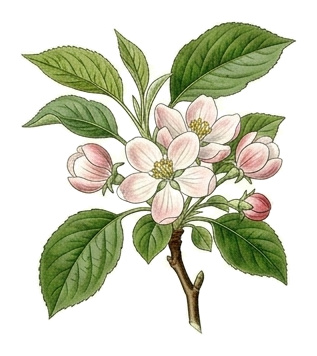
Additional plant images

Health
Pests, Diseases
Pests
Aphids
Small, sap-sucking insects that colonize young shoots and leaves, causing deformation and potentially transmitting viruses.
Codling moth
A moth whose larvae bore into the fruit, destroying it from the inside.
Apple blossom weevil
A small beetle whose larvae develop inside flower buds, destroying them.
Woolly aphids
Small aphids covered in white, woolly wax, colonizing shoots and roots.
Mites
Very small arachnids that suck plant sap and can form fine webbing.
Diseases
Apple scab
Fungal disease affecting leaves, blossoms, and fruit, leading to crop loss.
Powdery mildew
Fungal disease appearing as a white coating on leaves, shoots, and fruit.
Fire blight
Bacterial disease affecting blossoms, shoots, and branches, which can rapidly lead to the death of entire plant parts.
Bitter pit
Physiological disorder causing small, sunken spots under the skin that taste bitter.
Deficiencies
Calcium deficiency
Lack of calcium, which can lead to physiological disorders such as bitter pit.
Magnesium deficiency
Lack of magnesium, essential for chlorophyll production.
Potassium deficiency
Lack of potassium, important for water balance and fruit development.
Plant health
Diagnosis help
Apple Diagnosis help
Pest groups
Disease groups
Prevention
Diagnosis
Accurate diagnosis often requires observing symptoms over time and considering site and weather conditions. If in doubt, consult an expert or send in samples.
Cultural prevention
Monitoring
First response
Diagnostic rules
Brown, velvety spots on leaves and fruit that later turn woody and crack.
Possible causes: Scab
- Is the weather wet and cool?
- Are the spots visible on both sides of the leaves and on the fruit?
White, powdery coating on young leaves and shoots.
Possible causes: Powdery mildew
- Is the weather dry but nights are humid?
- Are the affected plant parts young and actively growing?
Blossoms and young shoots look scorched, die back, sticky ooze present.
Possible causes: Fire blight
- Is it warm and humid?
- Are insects active that could transmit the disease?
Small, sunken, bitter spots under the fruit skin.
Possible causes: Bitter pit
- Does the problem primarily occur during storage?
- Was there drought stress or unbalanced fertilization during the summer?
FAQ
When is the best time to plant an apple tree?
The best time to plant apple trees is in autumn (October/November) or early spring (March/April), when the soil is frost-free and the trees are dormant.
How often does an apple tree need to be watered?
Apple trees require consistent watering during flowering and fruit development. Regular watering is important during dry periods, but waterlogging should be avoided.
What diseases commonly affect apples?
Common diseases include apple scab, powdery mildew, and fire blight. Preventive measures and choosing resistant varieties are important.
Does an apple tree need to be pruned?
Yes, regular pruning is crucial for the health, shape, and yield of the apple tree. The main pruning is done in late winter.
Does an apple tree need a pollinator variety?
Most apple varieties are cross-pollinators and require a suitable pollinator variety nearby for a good harvest. A few varieties are self-fertile.
Is Apple safe for Dog?
Apple is classified as selected parts only for Dog. Risk: 3 / 5. Urgency: contact a vet if symptoms appear. Apple flesh and peel (untreated) are safe for dogs in moderation as a treat. However, seeds, stems, and leaves contain cyanogenic glycosides, which are toxic and can be metabolized into cyanide. Ingestion of these parts, especially in large quantities or if wilted, can lead to serious poisoning symptoms. Always remove seeds before feeding apple pieces to your dog.
Is Apple safe for Cat?
Apple is classified as selected parts only for Cat. Risk: 3 / 5. Urgency: contact a vet if symptoms appear. Apple fruit flesh is considered safe for cats in small quantities. However, seeds, stems, and leaves contain cyanogenic glycosides and are toxic. Wilted plant parts are particularly dangerous and can cause severe symptoms.
Is Apple safe for Rabbit?
Apple is classified as selected parts only for Rabbit. Risk: unknown. Urgency: contact a vet if ingested. Apple fruit flesh can be offered in small amounts as a treat. However, leaves, stems, and seeds contain cyanogenic glycosides, which are toxic to rabbits. Wilted material is particularly dangerous.
Is Apple safe for Horse?
Apple is classified as moderation only for Horse. Risk: 2 / 5. Urgency: contact a vet if symptoms appear. Apple flesh without seeds can be offered to horses occasionally as a treat. The warning is focused on seeds, whole or oversized pieces, and excessive consumption, not the fruit flesh itself.
Guides
Related guides
Guide
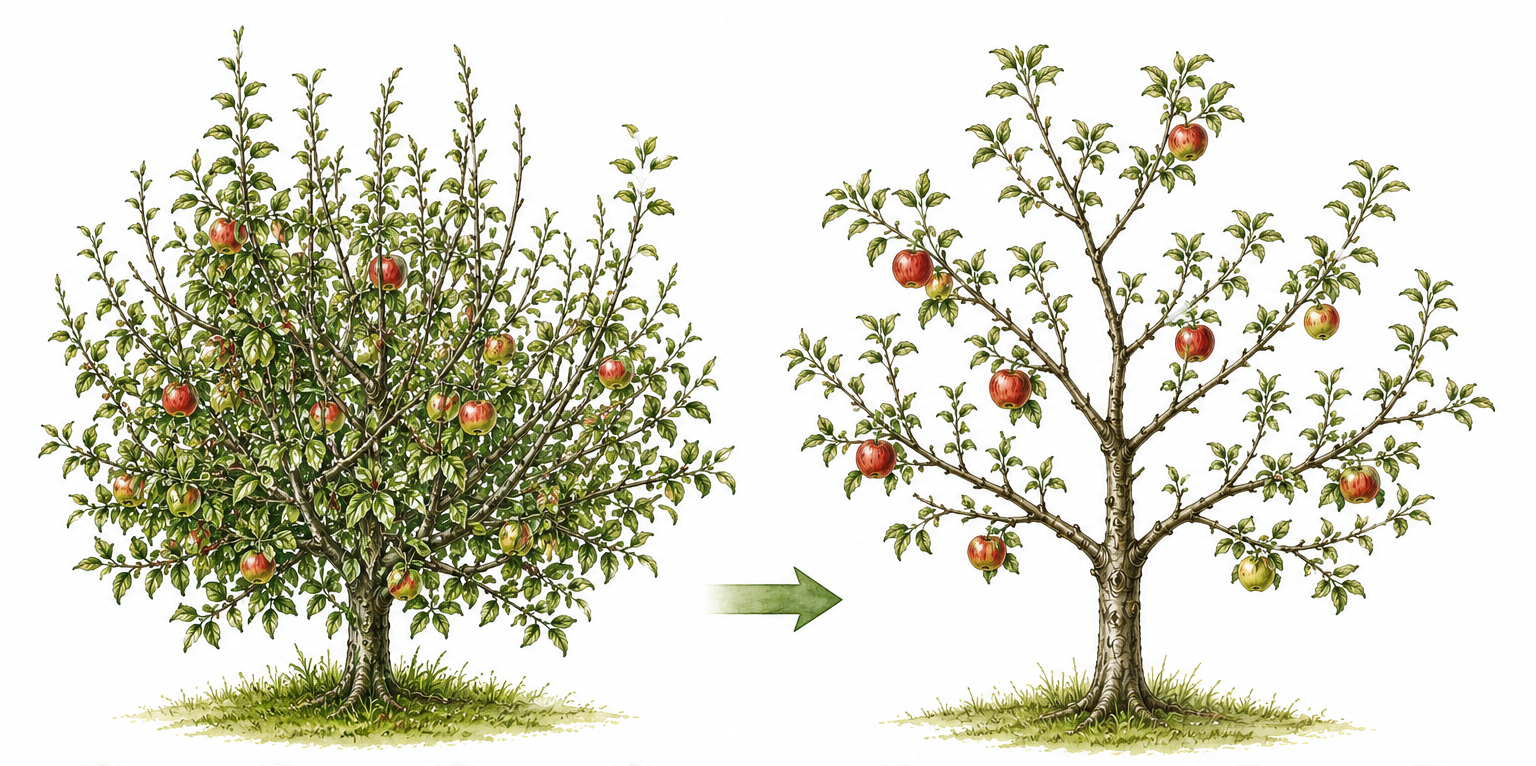
Pruning Apple Trees: Timing, Techniques, and Common Mistakes
Learn when and how to prune apple trees properly, including winter pruning, summer pruning, training cuts, and maintenance tips for healthy, productive…
Guide
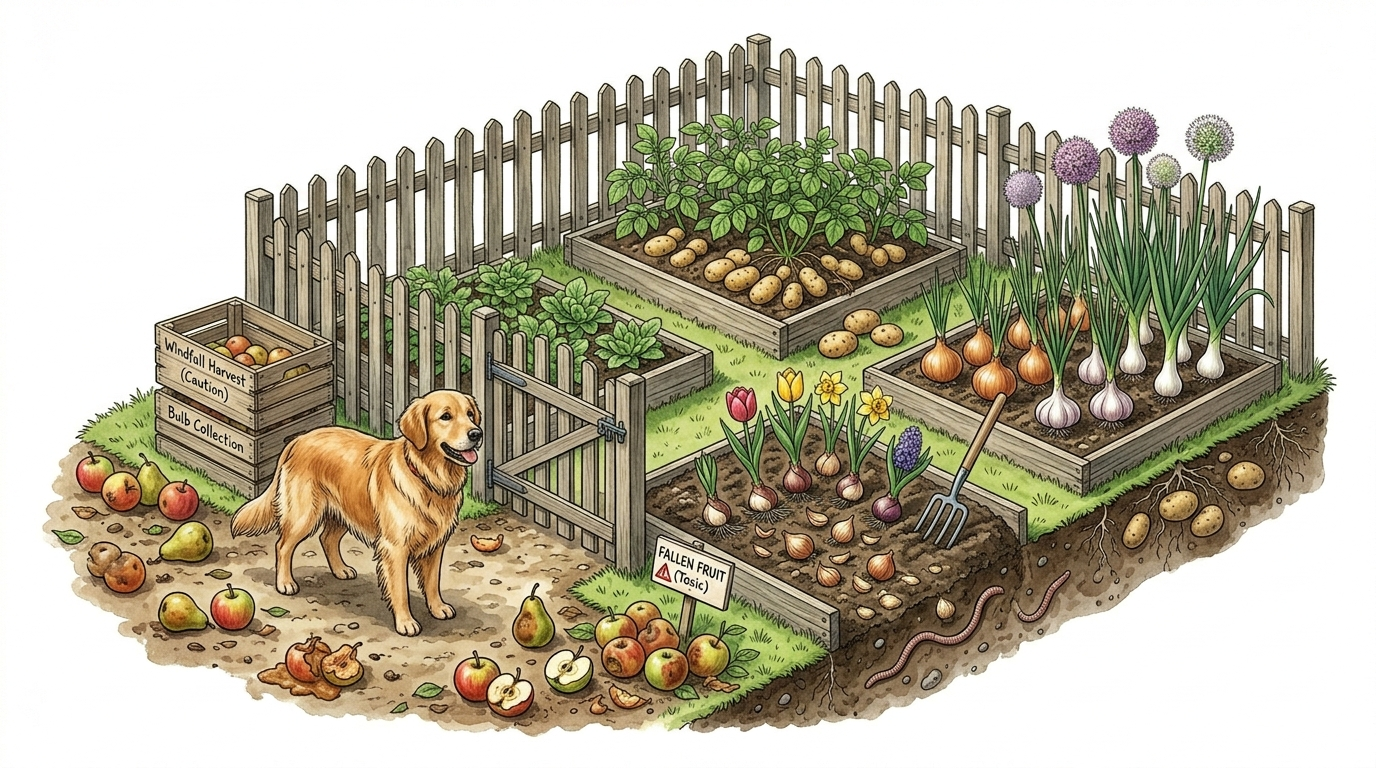
Dogs in the Garden: Windfall Fruit and Risks
Keep your garden dog-safe by managing windfall fruit, seeds, stored crops, and potentially problematic plant parts.
Guide
Horse Pastures and Garden Plants: Safety Checks
Learn how to identify risks near horse pastures, fences, turnout areas, fruit trees, and garden planting zones.
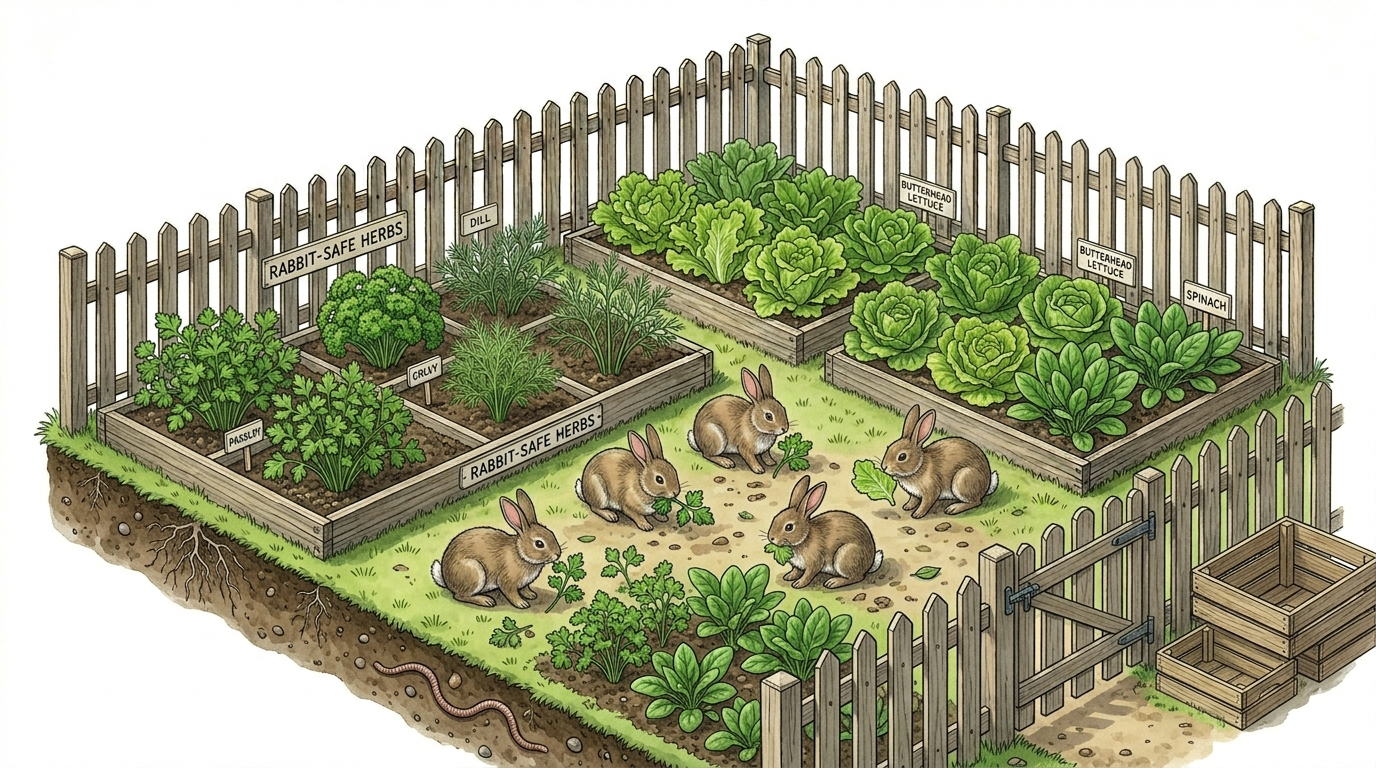
Guide
Rabbits in the Garden: Herbs and Vegetables
Learn how to choose suitable herbs and vegetables for rabbits, grow feeding plants, and plan a rabbit-friendly garden.
Internal links
Related plants
Pyrus communis
Belongs to the same subfamily (Maloideae) and shares similar cultivation requirements and diseases.
Both are pome fruits and are cultivated similarly.
Quince
Belongs to the same subfamily (Maloideae) and shares similar cultivation requirements.
Shares diseases like apple scab and fire blight.
Cherry
Both are fruit trees grown in gardens.
Belongs to the rose family (Rosaceae) but to a different subfamily (Amygdaloideae). However, shares some pests and diseases.
European Plum
Belongs to the rose family (Rosaceae) but to a different subfamily (Amygdaloideae). However, shares some pests and diseases.
Raspberry
Belongs to the rose family (Rosaceae) but to a different subfamily (Rosoideae). However, shares some pests and diseases.
Sources
Public sources
- Wikidata entity
Wikidata · 2026-05-11
- GBIF species match
GBIF · 2026-05-11
- Deutschsprachige Wikipedia: Äpfel
Wikipedia · 2026-05-11
- English Wikipedia: Malus
Wikipedia · 2026-05-11