Indoor sowing6notes
Season
What matters in June
602 notes
Direct sowing96notes
Planting101notes
Harvest145notes
Growing140notes
Pruning85notes
Plant health29notes
Priorities
- Water demand rises clearly.
- Handle supports, pinching, and harvest regularly.
- Use gaps for follow-on crops.
Seasonal guidance
Gardening in June: weather, planning, and priorities
In June the garden is in vigorous growth. Consistent watering, supports, pruning or pinching, mulching, succession sowing, and the first larger herb and early vegetable harvests matter most. Long days and strong sunlight create ideal conditions for vigorous growth. Many crops enter their most active development phase, causing water and nutrient demand to rise significantly. Dense plantings also remain wetter for longer after rain and may face greater disease pressure.
For June, this calendar connects 602 specific notes from 169 plant profiles. These include 6 indoor-sowing, 96 direct-sowing, 101 planting-out, and 145 harvest records. A further 140 care, 85 pruning, and 29 plant-health notes are assigned to the month. Common groups include Herbs, Leafy vegetables, Root vegetables, Berries, Salads; examples from the current selection are beet, Dandelion, Chives, kohlrabi, Asparagus, broccoli, Strawberry, Mizuna.
These dates are guidance rather than fixed deadlines. Coastal areas, warm wine-growing regions, uplands, and sheltered urban gardens in Central Europe can differ by several weeks. Before direct sowing or planting, check soil temperature, night-frost forecasts, and soil moisture. For care and plant health, actual growth stage and weather matter more than the calendar date. The main priorities this month are: Water demand rises clearly. Handle supports, pinching, and harvest regularly. Use gaps for follow-on crops.
Plan the transition into July at the same time: prepare open spaces, required seedlings, seed, and harvest processing. The related guides below explain suitable jobs in greater depth, while the task lists link to complete plant profiles with spacing, site, and care information.
Guides
Guides for the garden in June
Detailed guidance for the tasks, plants, and problems that are especially relevant during this month.
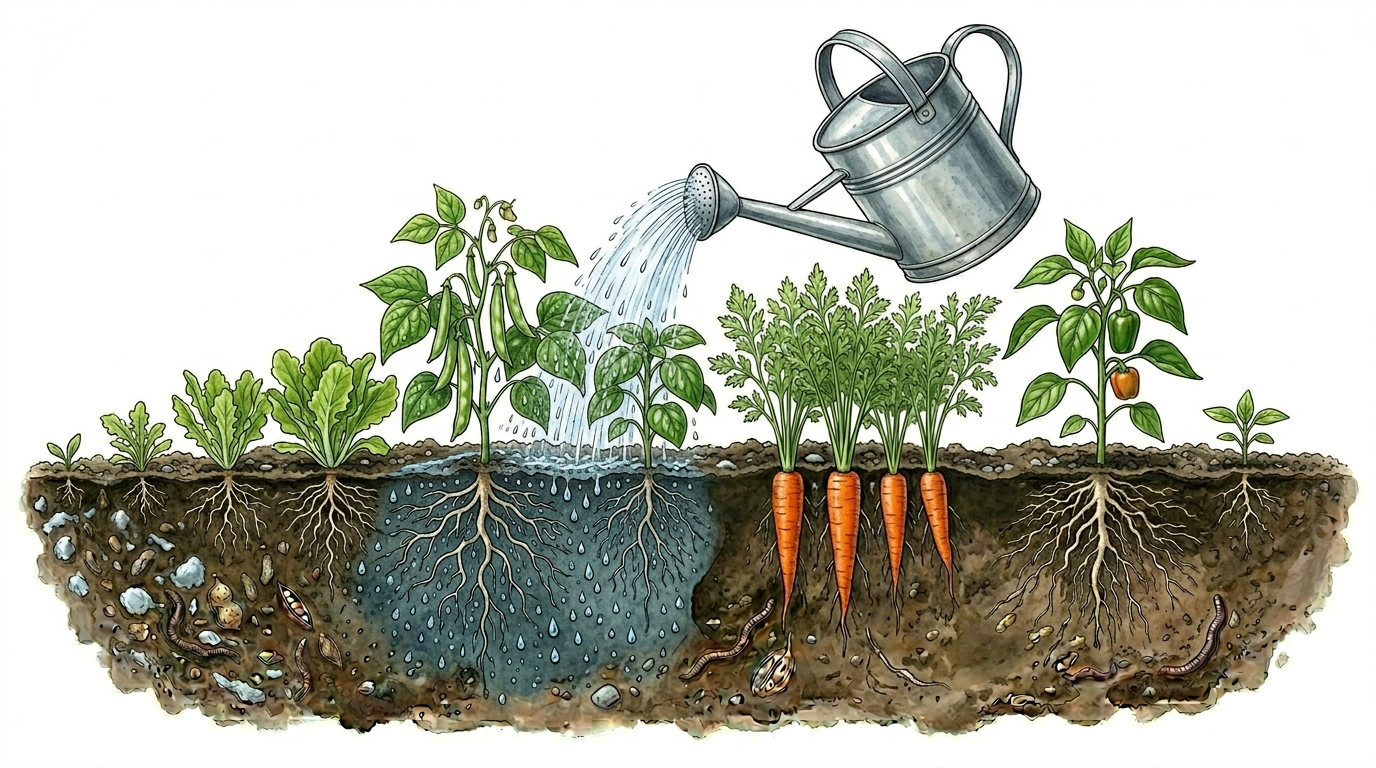
Guide
Watering Vegetable Gardens: Mulch, Water and Mistakes
Learn how to water vegetable gardens properly with mulch, morning routines, balanced moisture, and fewer watering mistakes.
Updated:2026-05-21
Season:May - September
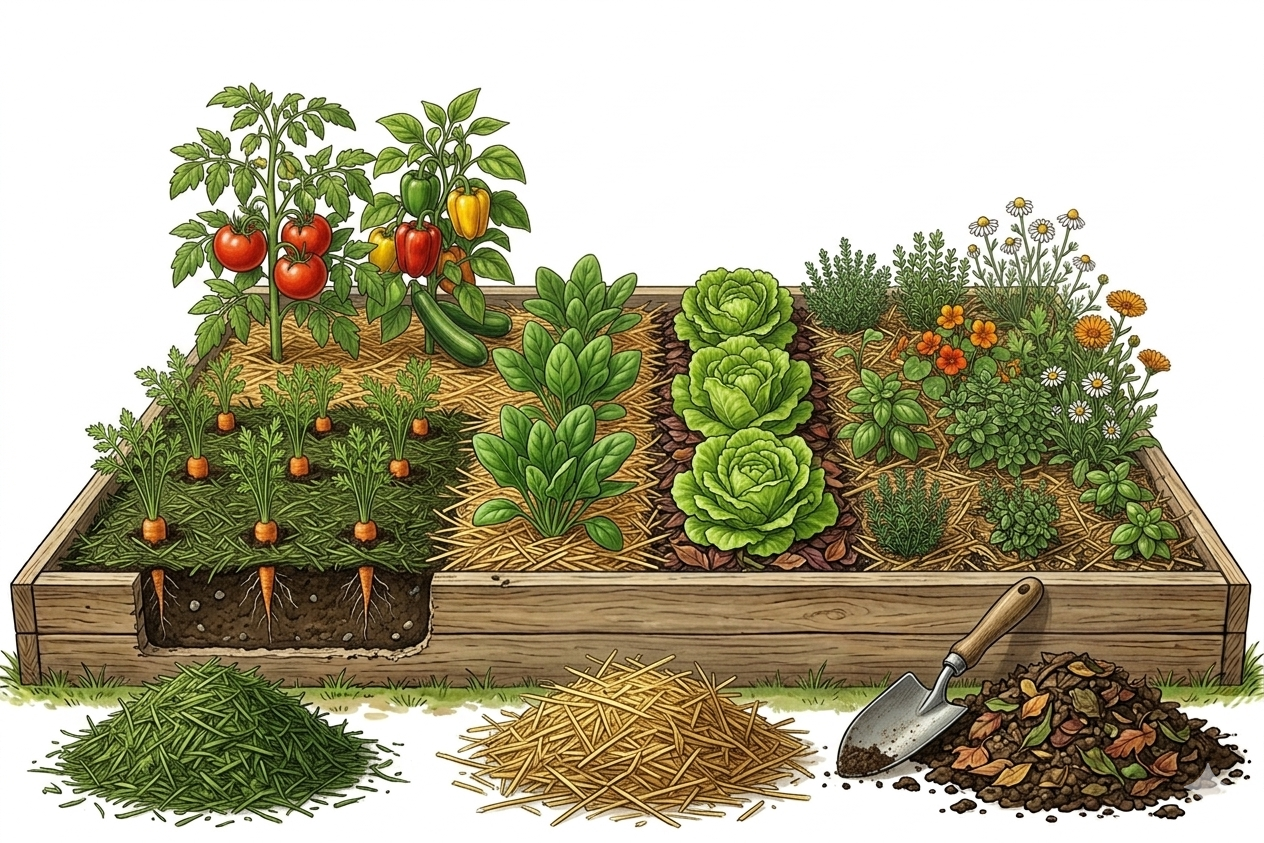
Guide
Mulching Vegetable Gardens: Materials and Mistakes
Learn how grass clippings, straw, and leaves can improve soil, reduce watering, and support healthy vegetable crops.
Updated:2026-06-12
Season:April - October
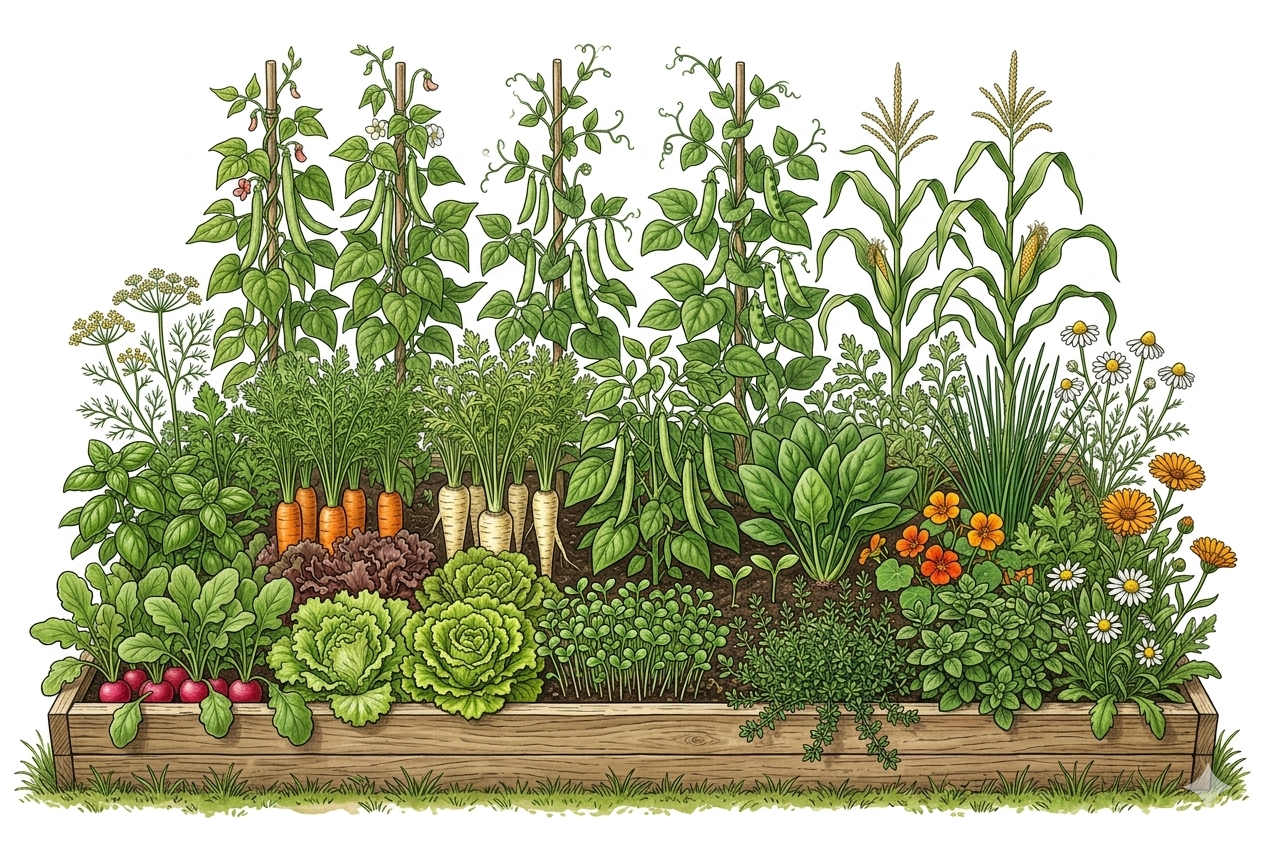
Guide
Small Garden Bed Planning: Combine 20 Crops Well
Use small beds efficiently by combining 20 vegetables and herbs, planning successions, and avoiding wasted gaps.
Updated:2026-06-11
Season:January - October
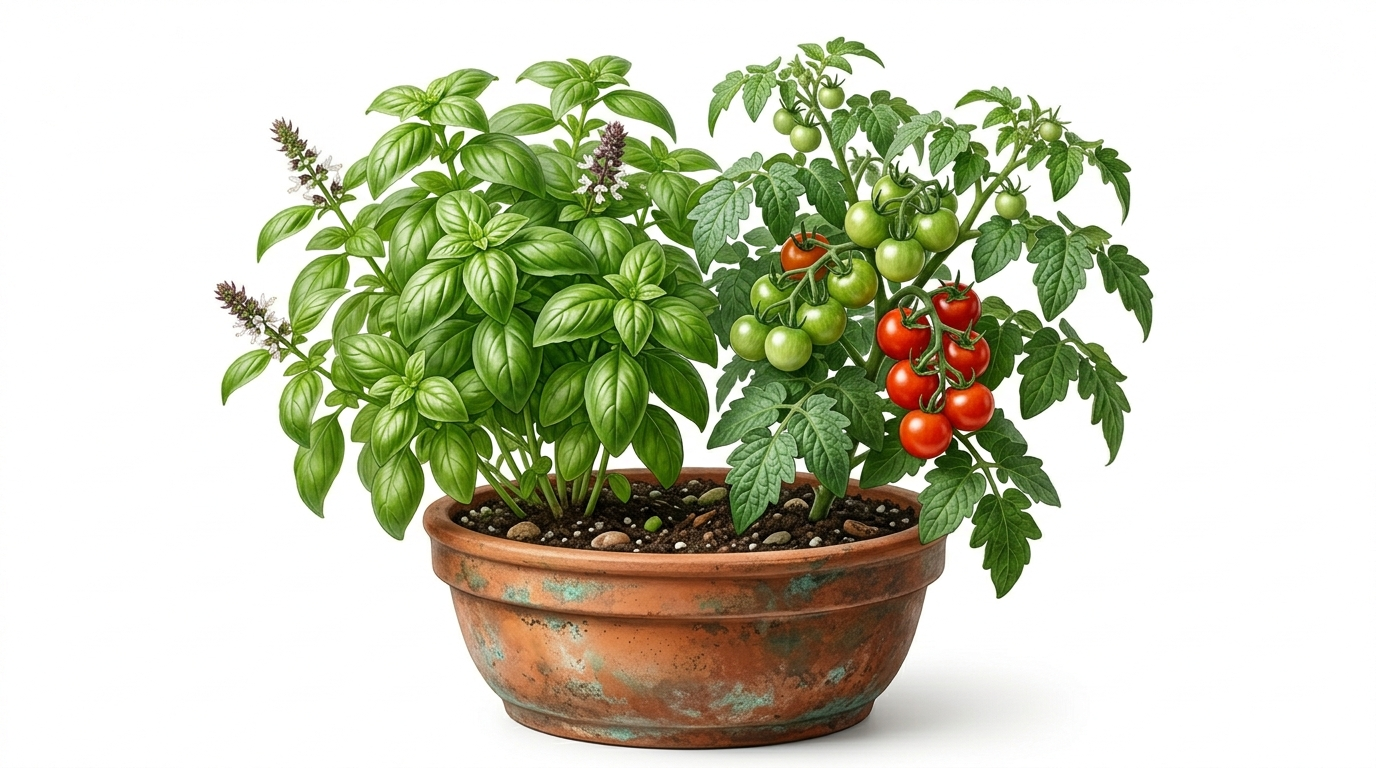
Guide
Growing Basil: Site, Watering and Harvesting
Learn how to grow basil successfully with the right site, steady watering, regular harvesting, and tips to delay flowering.
Updated:2026-05-28
Season:March - September
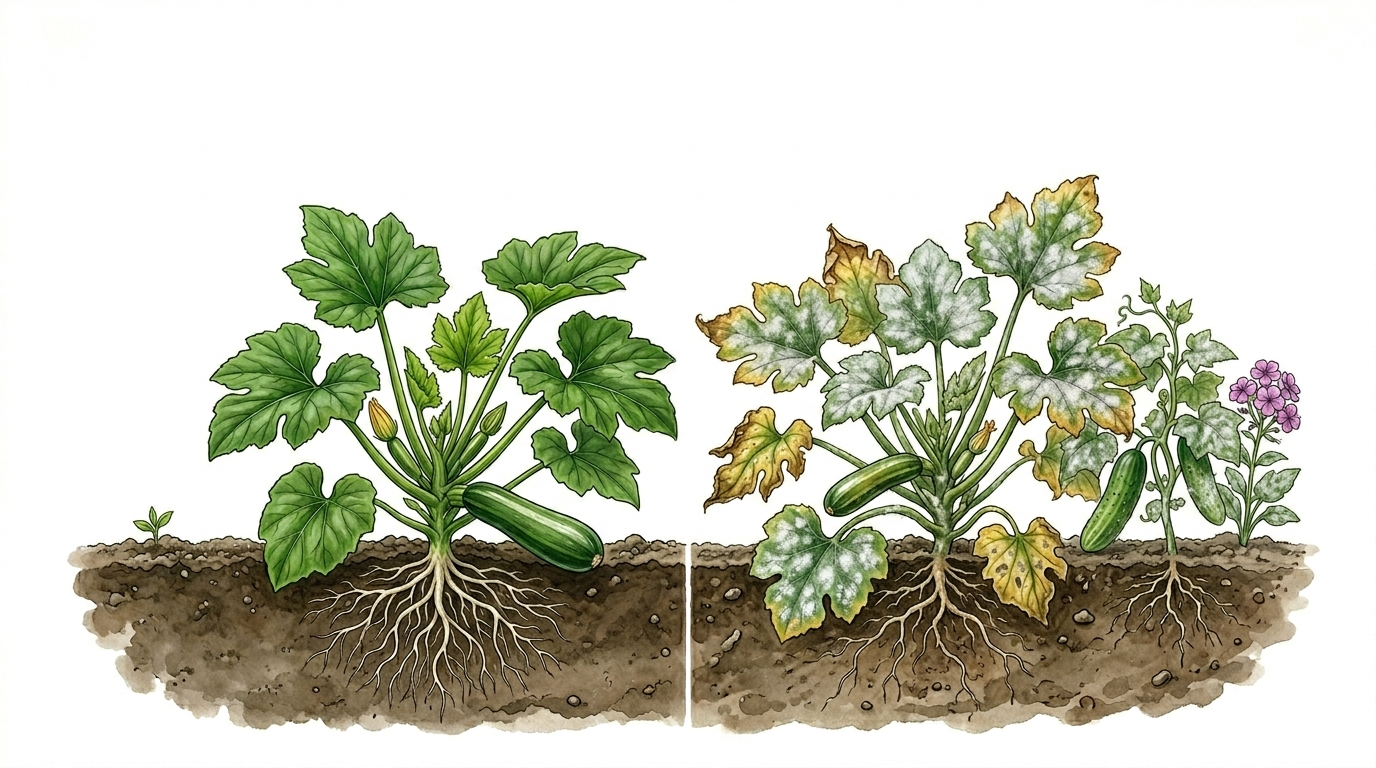
Guide
Powdery Mildew in the Garden: Prevention and Care
Learn how to recognize powdery mildew early, improve airflow, and care for affected vegetables in the garden.
Updated:2026-05-21
Season:May - September
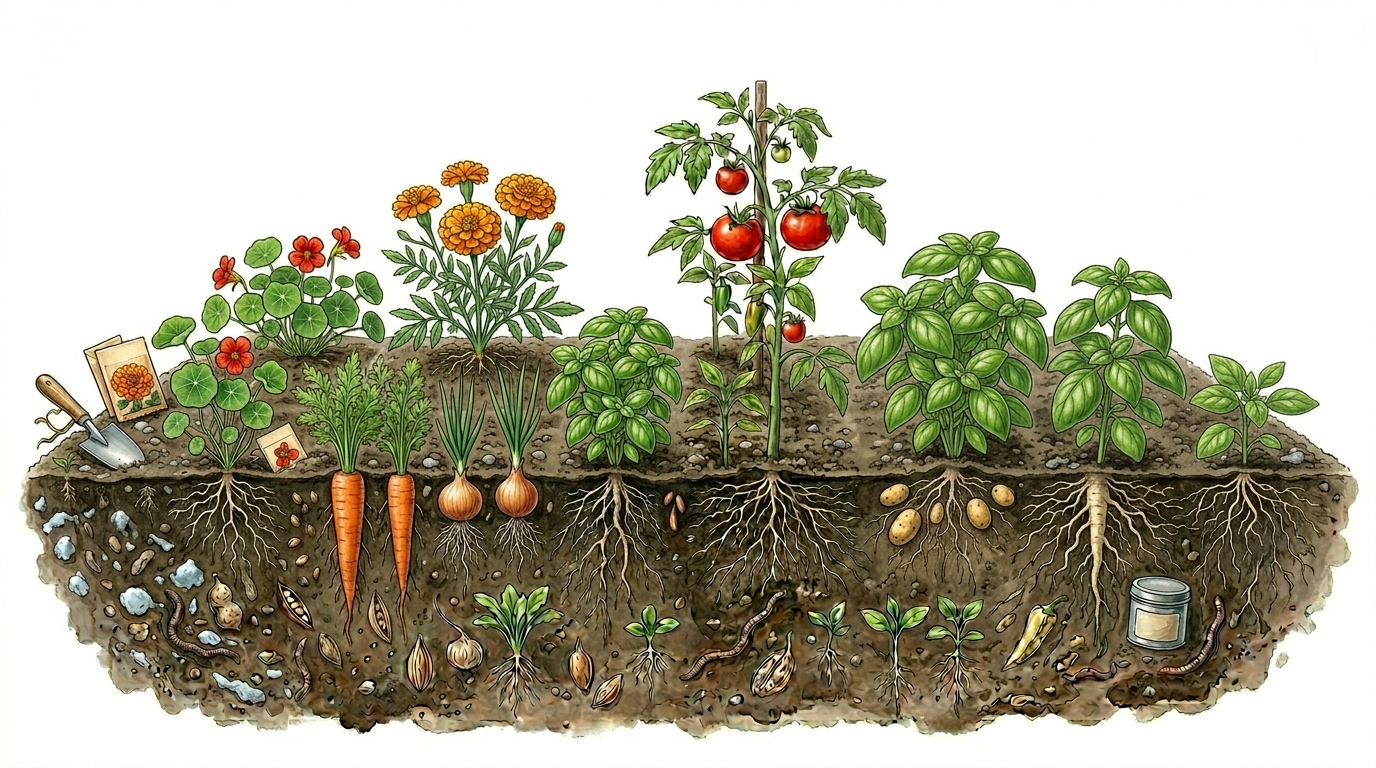
Guide
Companion Planting for Tomatoes: Good and Bad Neighbors
Learn which plants grow well with tomatoes, which neighbors to avoid, and how to plan productive mixed tomato beds.
Updated:2026-05-21
Season:April - June
Calendar
June tasks
Indoor sowing
Indoor sowing (6)
For indoor sowing in June, light, steady moisture, and moderate warmth matter most. Record date and variety so later transplanting is easier to plan. The data links 6 matching notes for this month.
cauliflowerIndoor sowingStart early batches under cover from February/March; later batches can be raised in pots or module trays until June. Even growth without stress helps...kaleIndoor sowingPre-culture recommended for robust young plants.Garden cressIndoor sowingPossible year-round on the windowsill.Napa cabbageIndoor sowingIndoor starting possible for late harvests, but direct sowing is preferred.WatercressIndoor sowingSow in a greenhouse or on a windowsill for an early harvest.cutting lettuceIndoor sowingSow from February on the windowsill or in the greenhouse. Later sowing in the open field is also possible.
Direct sowing
Direct sowing (96)
Direct sowing in June works best when soil is fine, not waterlogged, and kept evenly moist after sowing. The data links 96 matching notes for this month.
AlliumDirect sowingSow outdoors from March to August. An early sowing in March/April allows for an earlier harvest.AlliumSow leeks (open ground)Soil is workable - Very late sowing for a late harvest.Welsh onionDirect sow outdoorssoil_workable - Resow every 3-4 weeks for continuous harvest.Welsh onionDirect sowingDirect sowing is possible from March to August for continuous harvest. Later sowings can overwinter.MizunaDirect sowingDirect sowing is possible from the last frost. Spring and autumn sowings are most productive.Bok choyDirect sowingDirect sowing from April under fleece; main sowing window for autumn harvest is July to August.broccoliDirect sowingDirect sowing is possible from April, once the soil has warmed up. For a continuous harvest, several sowing batches at 2-3 week intervals are...cauliflowerDirect sowingDirect sowing is possible, but less reliable for cauliflower than raising transplants because seedlings need protection from cold, heat, and pests.Choy SumDirect sowingDirect sowing in the open ground; late sowings possible until September for autumn harvest.kaleDirect sowingDirect sowing possible from May, thinning required.KomatsunaDirect sowingDirect sow every 2-3 weeks for continuous harvest; tolerates light frost. · Row spacing 25-30 cm.Brussels sproutsDirect sowingDirect sowing into the open ground from April, once the soil has warmed up. Sow in rows or in clusters.kohlrabiDirect sow kohlrabiSow every 2-3 weeks for continuous harvest.kohlrabiDirect sowingDirect sowing is possible from April to July, once the soil is sufficiently warm.
Show 82 more notes
red cabbageContinue direct sowingsoil_temp_above_10c - For a staggered harvest.red cabbageDirect sowingDirect sowing for autumn and winter harvest.RutabagaDirect sow kohlrabisoil temperature above 8°C, no severe night frosts expected - Direct sow outdoors in rows or blocks. Sow every 2-3 weeks for a continuous harvest.RutabagaDirect sowingDirect sowing is possible from spring to late summer for a continuous harvest.StielmusDirect sowingOutdoor sowing possible from March to August; cool periods are preferred.Acorn SquashDirect sow squash seeds outdoorsSoil temperature above 15°C, no frost risk - Only if indoor sowing was not possible or for a later harvest.Acorn SquashDirect sowingDirect sow outdoors from mid-May, once the risk of frost has passed and the soil has warmed up.butternut squashDirect sowingDirect sowing outdoors only after the last frosts, once the soil has warmed up (at least 12°C).CucumberDirect sowingDirect sowing only after the last frost once soil has warmed.Musk squashDirect sowingDirect sowing only after the last frost once soil is warm.pattypan squashDirect sowingDirect sowing only after the last frost once soil has warmed up.red kuri squashDirect sowingDirect sowing outdoors only after the last frosts, once the soil has warmed up.Spaghetti squashDirect sowingDirect sow outdoors from mid-May after the last frosts.ZucchiniDirect sowingDirect sowing outdoors is possible from mid-May after the last frost.Romanesco broccoliDirect sowingDirect sowing only in favorable weather; pre-culture recommended.OkraDirect sowingDirect sowing only in very warm locations or greenhouses from late May.tomatoDirect sowingDirect sowing from May only after the last frost, when soil is warm.Allium ramosumDirect sowingDirect sowing is possible once the soil has warmed. Multiple sowings for continuous harvest.basilDirect sowingSow only after frost risk into warm soil.borageDirect sowingDirect sow outdoors from April, once the risk of frost has passed. Multiple sowings are possible for a continuous harvest.ChivesDirect sowingDirect sowing outdoors is possible from April onwards, once the soil has warmed up.ChivesSow outdoorssoil_temperature_above_10c - The main sowing period outdoors begins in April when the soil has warmed up.CorianderDirect sowingSuccessive sowings every 3 weeks for continuous harvest of fresh greens.DillDirect sowingSuccessive sowings every 2-4 weeks for continuous harvest.DillDirect sowing outdoorsSow in rows, barely cover with soil.FennelDirect sowingDirect sowing for late harvests; risk of bolting with early sowing.FennelDirect sowing outdoorswarm_soil - Prefer late varieties to prevent bolting.garden chervilDirect sowingSow every 2-3 weeks for a continuous harvest. Spring sowings are the most productive.garden chervilSuccession sowingAlle 2-3 Wochen - Sow new rows every 2-3 weeks for a continuous harvest. Choose shadier spots in summer.Lemon BalmDirect sowingDirect sow into the open ground once the risk of frost has passed.OreganoDirect sowingDirect sowing outdoors after the last frost.parsleyDirect sowingDirect sowing in the open ground; germination takes a long time at low temperatures.SaturejaDirect sowingDirect sowing into the open ground as soon as the risk of frost has passed and the soil has warmed up.SorrelDirect sow sorrel outdoorsfor succession - Regular resowing ensures a continuous harvest.SorrelDirect sowingDirect sowing is possible from spring to late summer. For continuous harvest, sow every 4-6 weeks.ThymusDirect sowingDirect sow from April once soil is frost-free. Row spacing 25 cm.Winter SavoryDirect sowingDirect sowing is possible, but pre-cultivation in spring is often more productive. Sow into well-prepared soil.ArugulaDirect sowingDirect sowing is possible from April to September. For continuous harvest, sow every 2-4 weeks.ArugulaSuccession sow arugulaFür kontinuierliche Ernte - In summer months, sow in partial shade to prevent bolting.Garden cressDirect sowingDirect sowing outdoors from March to September. · Sow in rows or broadcast.Garden OracheDirect sowingSuccession sowing every 2-3 weeks for continuous harvest of tender leaves. · Sow in rows, cover lightly with soil.Lacinato kaleDirect sowingDirect sowing from late April once the soil has warmed sufficiently.Leafy GoosefootDirect sowingDirect sowing in rows; successive sowings recommended for continuous harvest. · soil_temp_above_10C - Sow in rows with 25 cm spacing.Mesembryanthemum crystallinumDirect sowingSow only into warm soil after frost risk.Napa cabbageDirect sowingMain sowing window for autumn harvest; risk of bolting if sown too early.Napa cabbageSowingDo not sow before late June to prevent bolting.New Zealand spinachDirect sowingDirect sowing only after the last frost when soil is sufficiently warm.SpinachDirect sowingOutdoor sowing possible from February to October; sow from August to October for autumn harvest.Swiss ChardDirect sowingDirect sowing from mid-April; sow until August for overwintering. · Sowing depth approx. 2-3 cm.WatercressDirect sowingDirect sow outdoors once the risk of frost has passed.WatercressSow outdoorsSuccessive sowing for continuous harvest.Common beanDirect sowingDirect sowing into the open ground from mid-May, once the risk of frost has passed and the soil has warmed up.PeaDirect sowingEarly sowing possible from March as soon as the soil is workable.peanutDirect sowingDirect sowing only possible in very warm viticultural regions from late May onwards.Runner beanDirect sowingDirect sowing only after the last frost (mid-May) when soil is warm.soybeanDirect sowingSow only after the last frosts and when the soil has warmed sufficiently.beetDirect sowingDirect sowing into the open ground from mid-April, once the soil has warmed up. Later sowings allow for a continuous harvest.beetThin seedlingsSeedlings have developed their first true leaves. - Remove weaker plants to avoid competition.Daucus carotaDirect sowingDirect sowing into the open ground from April, as soon as the soil has warmed up. Earlier sowings are possible but carry a higher risk of poor...May turnipDirect sowingFor an early harvest, sow from March under fleece or foil. Later sowings until August for an autumn harvest. · Für Folgesaaten - Regular succession sowings every 2-3 weeks for continuous harvest.ParsnipDirect sowingEarly sowing allows for maximum root development; germination often takes 3-4 weeks.RadishDirect sowingSuccessive sowing possible; sow winter radishes from July onwards.RadishDirect sowingSow outdoors from March as soon as the soil can be worked. Resow every 2-3 weeks for a continuous harvest.RadishSuccession sowingEvery 2-3 weeks for a continuous harvest.buck's-horn plantainDirect sowingDirect sowing outdoors is possible from March to September. Sow at intervals for a continuous harvest.Butterhead lettuceDirect sowingDirect sowing in open ground possible once soil is frost-free.Cichorium endiviaDirect sowingSow outdoors from April to July, depending on variety and desired harvest time.Common PurslaneDirect sowingDirect sowing only after the last frost once the soil has warmed up. · soil_temp_min_15c - Light germinator: press seeds down, do not cover with soil.cutting lettuceDirect sowingDirect sowing into the open field from April to August. For continuous harvest, several sowings at 2-3 week intervals are recommended.iceberg lettuceDirect sowingDirect sowing possible as soon as soil is workable.RadicchioDirect sowingMain sowing period for autumn and winter radicchio from June to July.RadicchioDirect sowing outdoorswarm_soil - Keep seeds consistently moist.Romaine lettuceDirect sowingDirect sowing into open ground possible once soil is frost-free.Sugarloaf ChicoryDirect outdoor sowingwarm_soil - Use optimal sowing window to prevent premature bolting.Sugarloaf ChicoryDirect sowingSow from mid-June to mid-July. Sowing too early causes premature bolting.Curry plantDirect sowingDirect sowing after the last frost once soil temperature is sufficient.marjoramDirect sowingDirect sowing only after the last frost once the soil is sufficiently warm.Asimina trilobaDirect sowingDirect sowing is possible, but germination can be slow and irregular. Stratification of seeds can improve germination.Sweet cornDirect sowingDirect outdoor sowing from mid-May after the last frost, once the soil has warmed up.Common chickweedDirect sowingSowing is possible almost year-round as long as the soil is not frozen. For continuous harvest, sow every 2-3 weeks.DandelionDirect sowingFor a continuous harvest, seeds can be sown in succession.DandelionDirect sowing outdoors
Planting
Planting (101)
When planting out in June, watering basins, correct spacing, and cold protection matter more than planting as early as possible. The data links 101 matching notes for this month.
AlliumPlant out young plantsPlants have 4-5 true leaves - Plant pre-grown plants into the open ground.AlliumPlantingPlant out pre-grown young plants into the open ground. Ensure adequate spacing.MizunaPlantingSeedlings can be transplanted after the last frosts. Ensure adequate watering.Physalis peruvianaPlantingPlant outdoors or in a greenhouse after the last frost, from mid-May onwards.Physalis peruvianaPlanting out into the open ground or greenhouseSoil warmed, no frost risk - If not already done, plant outdoors.Sea BuckthornWatering (Young Plants)dry_spells_for_young_plants - Young plants require regular watering during dry spells in their first few years.table grapePlantingAfter the last frosts, when the soil has warmed up. Harden off young plants.Wild StrawberryPlantingPlant out young plants after the last frost. Ensure adequate watering.broccoliPlantingTransplant pre-grown seedlings into the open ground from mid-April, once severe frosts are no longer expected. Ensure adequate spacing.cauliflowerPlantingPlant hardened transplants from April/May depending on the batch; summer and autumn crops can be planted until July. Use generous spacing and water...cauliflowerSow or plant late batches, water regularly, and mulch.seasonal timing applies - Sow or plant late batches, water regularly, and mulch.Choy SumPlantingPlanting out pre-grown seedlings after the last frost.kalePlantingPlant deep up to the cotyledons for better stability.kalePlanting outcloudy day preferred - Maintain a spacing of 50x50 cm.
Show 87 more notes
Brussels sproutsPlantingTransplant young plants into the open ground when the risk of frost has passed and the plants have been hardened off. Observe spacing.Brussels sproutsTransplantingAfter last frost, hardened off - Set out young plants in the open ground. Ensure adequate spacing.kohlrabiPlant out kohlrabiPlant pre-cultured plants outdoors.kohlrabiPlantingPlant out pre-cultured plants from March (with protection) to August.pointed cabbagePlantingTransplant from April onward, spacing 40–50 cm.red cabbagePlant out late varietiesafter_last_frost - Last planting for winter storage.red cabbagePlantingPlant out pre-grown seedlings after the last frosts.Savoy cabbagePlantingTransplant seedlings after the last frost from April onward.White CabbagePlantingTransplant young plants outdoors from mid-April to mid-June.White CabbagePlanting outim Freiland - Last chance to transplant young plants.Acorn SquashPlantingTransplant seedlings outdoors from mid-May, once soil temperatures are stable.butternut squashPlant out into the gardenNo frost risk, soil temperature > 12°C - Gradually acclimatize plants to outdoor temperatures.butternut squashPlantingPlant seedlings outdoors when there is no longer any risk of frost and soil temperatures are stable. Gradually acclimatize plants to outdoor...ChayoteMulch the soil around Chayote plantsAfter planting out. - Use organic mulch materials like straw or compost.ChayotePlant Chayote outdoors in the ground or in large containersNo risk of frost, soil temperature consistently above 15°C. - Choose a sunny, sheltered location.ChayotePlantingPlant chayote outdoors after the last frosts, when soil temperatures are consistently above 15°C.ChayoteProvide climbing support for Chayote plantsPlants are actively growing and starting to vine. - Ensure support is sturdy and tall enough.CucumberPlantingPlanting out after the last frost; extremely sensitive to cold.Musk squashPlantingPlant out from mid-May after hardening off.MuskmelonPlantingPlant out into beds or the greenhouse from mid-May onwards, once the soil has warmed up sufficiently.pattypan squashPlantingTransplant after the last frost; handle the root ball with care.red kuri squashPlantingTransplant seedlings outdoors when the risk of frost has passed and the soil is warm enough.Spaghetti squashPlantingTransplant seedlings outdoors once all danger of frost has passed (after the Ice Saints).watermelonPlantingPlant the pre-cultivated seedlings outdoors or in a greenhouse after the Ice Saints (mid-May), when there is no longer any risk of frost.ZucchiniPlantingPlant out young seedlings from mid-May after hardening them off.Romanesco broccoliPlantingHarden off before transplanting; plant deep up to the cotyledons.Romanesco broccoliTransplantingStrictly observe planting distances.StrawberryPlantingYoung plants can be set out after the last frosts. Planting in late summer/early autumn allows for good establishment before winter.chili pepperPlantingPlant after frost risk in a warm site.EggplantPlant out into open ground or greenhouseNo frost risk, soil temp > 15°C - Late plantings are still possible.EggplantPlantingPlant outdoors or in a greenhouse once all danger of frost has passed and soil temperature is at least 15°C.OkraPlantingPlant out after the last frost when the soil is warm.PepinoPlantingOnly plant out in the garden or containers after the last frost (mid-May).PepperPlantingOnly plant outdoors after the last frost (mid-May).Physalis pruinosaPlantingPlant outdoors or in a greenhouse after the last frost, from mid-May onwards. Ensure adequate spacing.TomatilloPlant out to gardenafter last frost, soil warm - Plant with sufficient spacing (60-80 cm) and water well. Install supports.TomatilloPlantingPlant out only after the last frosts, when the soil has warmed sufficiently (mid-May to early June).tomatoPlantingPlant out from mid-May after the last frost into beds or greenhouse.basilPlantingPlant out after frost into warm sheltered sites.boragePlantingPlant out seedlings from mid-May into the garden once the risk of frost has passed. Observe spacing requirements.CorianderPlantingTransplant carefully to avoid damaging the roots.FennelPlantingPlant carefully to avoid damaging the taproot.Lemon BalmPlantingPlant out seedlings that were started indoors.Lemon verbenaPlant out seedlingsIf not planted in May, outdoors - If not done yet, plant outdoors or in larger containers now.Lemon verbenaPlantingPlant lemon verbena outdoors or in larger pots only after the last frosts.MintPlantingPlant out seedlings after the last expected frosts (Ice Saints).OreganoPlantingPlanting out pre-grown herbs from mid-May.Rosmarinus tomentosusPlantingPlant young plants outdoors after the last frosts, when there is no longer any risk of frost.ThymusPlantingPlant out after the last frost (mid-May). Spacing 25 cm.Winter SavoryPlantingAfter the last frosts, once the plants have been hardened off.Winter SavoryPlanting outNach den letzten Frösten, Jungpflanzen abgehärtet - Plant the young plants at a distance of 20-30 cm.ArugulaPlantingTransplant pre-grown plants after the last frosts. Also in autumn for late harvests.Lacinato kalePlantingTransplant approximately 4–6 weeks after sowing.Leafy GoosefootPlantingCarefully transplant seedlings with their root ball.Mesembryanthemum crystallinumPlantingTransplant after frost with spacing.New Zealand spinachPlantingPlant out after the last frost; plants require significant space.New Zealand spinachPlanting outAfter last frost - Maintain wide spacing as plants spread vigorously.WatercressPlantingPlant out pre-grown seedlings into the open ground or containers. · Set pre-grown plants outdoors.peanutPlantingTransplant only after the last frost once the soil has warmed up sufficiently.Runner beanPlantingPlant out hardened seedlings from mid-May onwards.soybeanContinue sowing or care for young plantsOngoing growth - Resow if needed or remove weeds.Sweet ChestnutPlantingPlant young trees or seedlings in late spring.YarrowDivide older plantsplant_established - For rejuvenation and propagation. Water well after division.beetPlantingPre-cultivated young plants can be transplanted outdoors after the last frosts.celeriacPlantingPlant out after the last frosts, once plants are strong enough.Jerusalem artichokeSupport plantsPflanzen erreichen Höhe - Tall varieties can be blown over by wind. Stakes or fences provide support.sweet potatoPlantingPlant out after the last frost (mid‑May) once soil temperature reaches at least 15 °CTiger NutPlantingPlanting out pre-cultivated seedlings mid to late May.Butterhead lettucePlantingDo not plant seedlings too deep to prevent rot.Cichorium endiviaPlantingPlant pre-grown seedlings outdoors from mid-May, once the risk of frost has passed.Cichorium endiviaPlanting outAfter last frost. - Plant pre-grown seedlings into the bed.Common PurslanePlantingTransplant seedlings outdoors starting mid-May.cutting lettucePlantingPre-cultivated young plants can be planted outdoors from April, once the risk of frost has passed. Ensure adequate spacing.iceberg lettucePlantingDo not plant seedlings too deep to prevent rot.RadicchioPlantingTransplant with approx. 30 cm spacing; do not plant seedlings too deep.Romaine lettucePlantingHardening off young plants before transplanting is important.Curry plantPlantingPlant out after the last frosts in mid-May.marjoramPlantingPlant out pre-cultured seedlings from mid-May (after frost risk).ZingiberContinue transplanting and begin fertilizationOutdoor - Use a balanced liquid fertilizer every 2-4 weeks.ZingiberPlantingTransplant seedlings or rhizomes outdoors or into larger pots after the last frost.cardoonPlantingPlant out young plants from mid-May to mid-June, after the last frost.celeryPlantingPlant out from late April after the last frosts. Spacing 30–40 cm in the row.Asimina trilobaContinue planting out young plants if necessary.Still young plants available - Ensure plants are well-established before further planting out.Asimina trilobaPlantingPlant out young plants after the last frost.AsparagusWeedweeds present - Do not damage the roots.Sweet cornPlantingPlanting out pre-cultivated seedlings from mid-May in a block formation.Tree spinachPlantingTransplant seedlings outdoors from mid-May after the last frosts. Space rows 50–60 cm apart.
Harvest
Harvest (145)
Harvest regularly in June, preferably in smaller rounds. This keeps many crops productive and improves quality and storage life. The data links 145 matching notes for this month.
AlliumHarvestHarvesting can take place from summer until the following spring, depending on the variety and sowing time. Winter-hardy varieties can remain in the...GarlicHarvestHarvest when the leaves start to yellow and bend over. For winter garlic, this is usually in June/July; for summer garlic, in July/August.GarlicHarvest winter garlicBlätter beginnen zu welken - Harvest when the lower leaves turn yellow and the upper leaves are still green.Welsh onionContinuous harvestplants_mature - Harvest outer leaves or whole plants.Welsh onionHarvestContinuous harvest of leaves and stems from spring to autumn. Overwintered plants can also be harvested in winter and early spring.Winter Heath OnionHarvestCan be harvested over many months. Young leaves from spring, thickened stems from summer. Harvestable in winter during mild spells.Winter Heath OnionHarvest young spring onionsPflanzen ca. 20–30 cm hoch - Harvest leaves or whole plant.MizunaContinue sowing for continuous harvest.outdoors - Every 2-3 weeks.MizunaHarvestHarvest from the outside in, or cut whole plants. Regular harvesting encourages new growth.MizunaHarvest outer leaves.harvest - Regular harvesting keeps the plant productive.TatsoiHarvestHarvest whole rosettes or pick individual leaves from April to November. · Regular harvesting encourages new growth.gooseberryBegin harvestFrüchte farbig und weich - Pick berries when fully ripe; for jam they can be slightly underripe.gooseberryHarvestMain harvest from June to August, depending on the cultivar.HoneyberryHarvestFruits ripen very early in the year, often before strawberries. · Früchte sind tiefblau und weich - Fruits do not ripen all at once; multiple pickings are necessary.
Show 131 more notes
JostaberryHarvestThe harvest period extends over several weeks.MulberryHarvestFruits ripen sequentially; harvest by shaking onto laid-out tarps.MulberryMain HarvestRaspberryHarvestHarvest time varies by variety. Summer raspberries ripen from June to August, autumn raspberries from August to October.RaspberryRegularly harvest ripe fruitswhen ripe - Harvest raspberries gently when fully ripe for best quality.RibesFirst harvest for early varietiesfruit ripe - Depending on variety and weather, harvest begins in late spring to early summer.RibesHarvestHarvest time varies by variety and ripeness.Wild StrawberryHarvestHarvest time can vary depending on variety and climate. Regular harvesting encourages the formation of new fruits.Wild StrawberryHarvest strawberriesFrüchte reif - Pick ripe fruits carefully to avoid damage. · Früchte reif - Regular harvesting stimulates the plant to produce more fruit. · Früchte reif - Watch for signs of diseases or pests. · Früchte reif - Monitor...Bok choyHarvestHarvest after 6–10 weeks depending on variety; baby bok choy earlier.broccoliFirst harvest possible from very early varieties.heads are firm and developed - Harvest the main head before the flowers open.broccoliHarvestHarvest begins from June/July depending on the variety and sowing time, and can continue into late autumn. Harvest the main head while it is firm.cauliflowerHarvestHarvest heads when they are firm, closed, and at the variety’s typical size. Do not wait too long because curds can loosen and discolor.Choy SumHarvestHarvest as soon as the first flower buds open; stems should be crisp.CrambeHarvestHarvest leaves and shoots from the second year onwards, flower buds in early summer. Regular harvesting promotes new growth.CrambeHarvest leaves, shoots, and flower budsplant_active_growth - Harvest flower buds before they open.KomatsunaHarvestHarvest as baby leaf after 3 weeks or full grown after 6-8 weeks.kohlrabiHarvestHarvest from May to October, depending on variety and sowing time.kohlrabiHarvest kohlrabiHarvest continuously.pointed cabbageHarvestHarvest when head is firm, depending on variety from June to October.RutabagaHarvestHarvest as soon as the tubers reach the desired size, before they become woody.RutabagaHarvest kohlrabitubers reach desired size (5-10 cm diameter) - Harvest when tubers are about fist-sized for best quality. Don't wait too long, or they will become...StielmusHarvestHarvest of stems and leaves about 6–10 weeks after sowing, before flowering. · Blätter 15–25 cm - Regularly harvest young stemsStielmusLast main harvest sowingSowing for summer harvestZucchiniHarvestRegular harvest of young fruits encourages continuous fruit production.StrawberryHarvestHarvest time varies by variety and climate. Summer-bearing types ripen mainly in early summer, while everbearing varieties produce fruit into autumn.StrawberryHarvest first fruitsfruits are ripe - Pick fully colored fruits.StrawberryMain harvest periodpeak season - Harvest daily or every other day to maintain quality.Allium ramosumHarvestLeaves can be harvested continuously. Flowers can also be used.Allium ramosumHarvest leavesPlants established. - Continuous harvesting.Allium ramosumSow seeds outdoors for continuous harvestOngoing - Regular sowings every few weeks.basilHarvestCut shoot tips regularly.borageHarvestHarvest leaves and flowers from May/June onwards. Regular harvesting encourages new growth. Flowers are edible and decorative.borageRegular harvestingOngoing - Regular harvesting promotes bushier growth and more flowers.borageSuccession sowing for continuous harvestFor continuous harvest - Sow every few weeks to ensure a continuous supply.ChivesContinue harvestingongoing - Regular harvesting keeps the plants productive.ChivesHarvestHarvest leaves as needed. Regular cutting encourages new growth. Reduce harvesting in autumn to allow the plant to gather strength for winter.ChivesRegularly harvest leavesongoing - Cut the leaves regularly about 2-3 cm above the ground. This promotes bushy growth.common sageHarvestLeaves can be harvested continuously. Aroma is most intense before flowering.common sageHarvest first leavescommon sageHarvest leaves continuouslyCorianderHarvestContinuous leaf harvest; seed harvest once they turn brown and dry (usually from August).DillHarvestHarvest leaves before flowering; seeds in late summer when brown.garden chervilHarvestHarvest begins approximately 6-8 weeks after sowing. Regular harvesting promotes new growth and delays bolting. · Regelmäßig - Regular harvesting promotes regrowth and delays bolting.Ground IvyHarvestBest harvest time for leaves before and during flowering.HyssopHarvestLeaves and young shoots before flowering, flowers during flowering season.HyssopHarvesting leaves and flowersplant_has_sufficient_growth - Harvest flowers during peak bloom.HyssopHarvesting leaves and shootsplant_has_sufficient_growth - Before flowering for more intense leaf aroma.HyssopLast harvest before winterplant_has_sufficient_growth - Dry or freeze for winter storage.LavandulaHarvestCut flowers just before or at early full bloom.Lemon BalmHarvestHarvest leaves as needed, preferably before flowering for best aroma. · plants growing - Regular harvesting encourages bushy growth.Lemon verbenaHarvestLeaves can be harvested continuously. Fresh leaves are used for tea or flavoring. Plants should be moved to winter quarters before the first frost.Lemon verbenaHarvest leavesFrom established plants - First harvest of aromatic leaves for tea, cooking, or preservation.Levisticum officinaleHarvestLeaves can be harvested continuously from spring to autumn. Roots in autumn or early spring, seeds in late summer.Levisticum officinaleRegular leaf harvestleaves_available - Harvest outer leaves as needed to encourage further growth.MintContinuous harvestRegular harvesting keeps the plant productive and prevents flowering (which can reduce aroma).MintHarvestContinuous harvesting of leaves and shoots promotes growth. The aroma is most intense before flowering.OreganoHarvestBest harvest time just before or during flowering.parsleyHarvestContinuous harvest of outer leaves; leave the heart leaf intact.Rosmarinus tomentosusHarvestHarvesting can be done year-round, using the leaves and young shoots. Harvest in summer and autumn for best quality.Salad BurnetHarvestHarvestable year-round in mild winters; tastes best before flowering.SaturejaFirst harvestPlants are established and have sufficient foliage. - Harvest the top shoot tips to encourage branching.SaturejaHarvestHarvest leaves and stems as needed, preferably before flowering for the most intense aroma. Multiple cuts are possible.Sedum rupestreHarvestYoung shoots and leaves can be harvested from spring to autumn. Do not cut back too severely. · sufficient_growth - Harvest regularly to keep the plant compact.SorrelHarvestHarvest young leaves continuously. Regular harvesting promotes new growth and delays bolting.SorrelHarvest sorrel leaves continuouslyleaves are large enough - Regular harvesting promotes the formation of new leaves.tarragonHarvestContinuous harvest of shoot tips; peak aroma just before flowering.ThymusHarvestHarvest just before flowering for best flavor. Cut shoots about 5 cm above ground. · before_flowering - Harvest before flowering for best flavor.Winter SavoryHarvestHarvesting can be done continuously. For drying, cut the shoots before flowering. · Pflanzen wachsen - Regular harvesting stimulates new growth and keeps the plant compact. · Pflanzen wachsen - Harvest as needed for...ArugulaHarvestHarvest is possible approximately 3-6 weeks after sowing. Pick individual leaves or cut the entire plant.ArugulaHarvest arugulaBlätter sind groß genug - Regular harvesting encourages new growth.Common chicoryHarvestLeaves and roots depending on variety and sowing time. Chicory for forcing from October.Garden cressHarvestHarvest usually 1-2 weeks after sowing.Garden OracheHarvestHarvest young leaves before flowering for the best flavor.leaf mustardHarvestCut young leaves continuously.Leafy GoosefootHarvestPick leaves continuously; harvest berries when fully ripe (deep red).Mesembryanthemum crystallinumHarvestCut leaves and shoot tips continuously.New Zealand spinachHarvestContinuous harvesting of shoot tips encourages bushy growth.SpinachHarvestHarvest leaves from April to December, depending on sowing date.Swiss ChardHarvestContinuous harvest of outer leaves encourages new growth.WatercressHarvestHarvest leaves and young shoots. Regular harvesting encourages new growth.broad beanHarvestHarvest young pods from May, mature seeds from June/July.LentilPrepare harvestBei gelbenden Blättern - Reduce watering, prepare for dryingPeaHarvestRegular picking encourages the continued production of new pods.Sweet ChestnutHarvestingFrühe Sorten - Occasionally, very early varieties may bear first fruits in early summer.YarrowHarvestFlowers and leaves can be harvested during the flowering period. Best harvested on a sunny morning.YarrowHarvest leaves and flowersflowering - Regular harvesting keeps the plant compact.ServiceberryHarvestHarvest depending on variety from June (Juneberry). Fruits ripen successively.beetContinuous direct sowingSoil temperature suitable. - Sow small quantities every 2-3 weeks.beetHarvestHarvest can begin from June/July depending on the sowing time. Roots can overwinter in the ground and be harvested as needed.beetHarvest first young beetrootsRoots have reached desired size. - Young roots are more tender and sweeter.Daucus carotaHarvestHarvest time varies depending on the variety and sowing date. Early varieties can be harvested as early as June/July. Storable varieties can be kept...May turnipHarvestHarvest occurs approximately 6-8 weeks after sowing, when the turnips are walnut to fist-sized. · Rüben sind walnuss- bis faustgroß - Young turnips are the most tender. Do not let them grow too large, as they can become...RadishHarvestHarvest depending on sowing time; winter radishes before hard frost.RadishHarvestHarvest occurs approximately 4-6 weeks after sowing, depending on variety and weather. Radishes become woody and pungent if left too long or in dry... · Mature - Approx. 4-6 weeks after sowing. Do not leave in the...buck's-horn plantainContinuous harvestPflanzen sind erntereif. - Regular harvesting promotes new growth.buck's-horn plantainHarvestHarvest is continuous from April until the first frost.buck's-horn plantainSow for autumn harvestKontinuierliche Ernte gewünscht. - Sow for harvest in late summer and autumn.Butterhead lettuceHarvestBest harvested in the morning when leaves are crisp.Common PurslaneHarvestHarvest young shoot tips before flowering for best flavor. · pre_flowering - Cut shoot tips regularly to encourage branching.cutting lettuceHarvestHarvest begins from April/May, depending on sowing time. Leaves can be harvested continuously from the outside in. With later sowing, harvest...cutting lettuceSowing in the open field for continuous harvestoutdoors - Continuation of regular sowing.iceberg lettuceHarvestHarvest as soon as heads are firm and closed.Romaine lettuceHarvestHarvest approx. 8–12 weeks after sowing depending on sowing date.Curry plantHarvestYear-round harvest possible; main harvest before flowering for best aroma.marjoramHarvestContinuous harvest possible; best aroma just before flowering.RhubarbEnd of harvestbefore June 24th - Stop harvesting to allow the plant to regain strength for next year.RhubarbHarvestHarvest traditionally until St. John's Day (June 24th).Cherry plumHarvestFruits ripen from late June to August, depending on variety and location.Cherry plumStart HarvestFrüchte sind reif und lösen sich leicht vom Stiel - Harvest regularly to avoid overripe fruits.Sour cherryHarvestHarvest time varies by cultivar and ripeness, typically from mid-June to late August.Sour cherryHarvest early cultivarsHarvest ripe fruits carefully to avoid damaging the plant.sweet cherryHarvestHarvest sweet cherries from June to August depending on cultivar and region. · Früchte reif - Pick fruit with stem attached.AsparagusAllow green shoots to grow and fertilizeafter harvest - This strengthens the roots for the next season.AsparagusContinue harvestingspears emerge - Harvest spears when they are approx. 15-20 cm tall.AsparagusEnd harvestmid-June - Harvest should not extend beyond St. John's Day (June 24th).AsparagusFertilize after harvestafter harvest - Use organic fertilizer or compost.AsparagusFirst harvest (if established)plant established, 2-3 years old - Harvest only a few spears to avoid weakening the plant.AsparagusHarvestHarvest time is typically from April to June. No harvest in the first year after planting to allow the plant to establish. Harvesting can begin in...Cynara scolymusHarvestHarvest as soon as the outer bracts begin to open slightly. Do not harvest too late, as the flower heads will otherwise open.Tree spinachFirst harvestplant_size_20cm - Harvest leaves and young shoots. Water during dry spells.Tree spinachHarvestHarvest leaves and young shoots continuously from June to October. Regular cutting encourages regrowth.Common chickweedHarvestHarvest as needed while plants are growing and not damaged by frost. Young shoots and leaves are most tender.Common chickweedRegular sowing for continuous harvestBoden ist warm genug - Sow every 2-3 weeks to have fresh plants available at all times.DandelionHarvestYoung leaves are most tender in spring. Flowers in spring/early summer. Roots in autumn.DandelionHarvest flowersDandelionHarvest leavesDandelionHarvest young leavesGood King HenryHarvestBest quality before flowering; harvest young shoots like asparagus.Ground elderHarvestBest quality of young leaves in spring (March to May).UrticaHarvestHarvest young shoot tips and leaves before flowering; later growth can be cut for nettle liquid feed. Wear gloves.
Growing
Growing (140)
Care tasks in June prevent later problems: watering, mulching, supports, thinning, and succession sowing should follow the weather. The data links 140 matching notes for this month.
AlliumHill up for blanchingPlants are growing well - Earth up around the stems to lengthen the white shaft.GarlicRemove flower stalks (scapes)bei Hartnackensorten - Removing the flower stalks (scapes) redirects energy into bulb development.GarlicWater regularlybei Trockenheit - Especially important during the growth phase. · bei Trockenheit - Bulb formation begins; sufficient moisture is crucial. · während der Knollenentwicklung - Bulbs need plenty of water now. Reduce...GarlicWeed regularlynach Bedarf - Avoid competition from weeds. · nach Bedarf - Keep the bed weed-free.ShallotContinue weeding and watering as needed.Ensure good air circulation around the plants.Welsh onionWater regularlydry_weather - Consistent moisture promotes growth.Welsh onionWeedweeds_present - Avoid competition from weeds.MizunaCheck for aphids.outdoors - Remove them manually or with a jet of water.MizunaEnsure adequate watering during heat.outdoors - Heat can lead to premature bolting.TatsoiWateringbei Trockenheit - Keep evenly moist, avoid waterlogging.AroniaMaintenanceWachstumsperiode - Regular maintenance is important.AroniaWateringTrockenheit - Especially important for fruit set.hardy kiwiWater regularlyEnsure adequate water supply, especially during dry periods and fruit development.HoneyberryWateringBei Trockenheit, besonders während der Fruchtentwicklung - Sufficient water supply is crucial for fruit size and quality.
Show 126 more notes
JostaberryThinning cutNach der Ernte - Remove old, diseased, or crossing shoots.Physalis peruvianaInstall supports if necessaryPlants growing taller - Install stakes or trellises before plants become too large.RaspberryRemove excess root suckersongoing - Control and remove root suckers that form too far from the main bush.RibesRegular watering during fruit developmentdry weather - Sufficient water is crucial for the development of large, juicy berries.table grapeFertilize as needed.Während der Wachstumsphase. - Use liquid fertilizer or compost.table grapeWater regularly, especially during dry periods.Trockenes Wetter, Boden trocknet aus. - Water deeply to encourage root development.Wild StrawberryRemove spent strawberry blossomsBlüten verblüht - This directs the plant's energy into fruit development.Wild StrawberryWater strawberriesTrockenheit - Best to water in the morning or evening to minimize evaporation.broccoliContinue fertilizing.plants are growing well - Broccoli is a heavy feeder and requires regular nutrient supply.broccoliRegular watering.dry weatherbroccoliWeeding.CrambeWater regularlydry_spell - Ensure sufficient water supply, especially during dry periods.Brussels sproutsFertilizingGrowing season - Provide plants with nutrients, e.g., through compost or organic fertilizer.Brussels sproutsWateringDry spells - Keep the soil consistently moist, especially during dry spells.kohlrabiFertilizeFertilize with liquid fertilizer.kohlrabiWater regularlyConsistent moisture is crucial for tuber development.pointed cabbageWater and weedTrockenheit - Consistent moisture for good head formation.red cabbageWater regularlydry_weather - Especially important during head formation.RutabagaSide-dressplants established and growing well - Kohlrabi is a heavy feeder. Side-dressing with compost or organic fertilizer promotes growth.RutabagaWater regularlydry weather, especially during tuber development - Consistent moisture is crucial for tender tubers and prevents splitting or woodiness.Savoy cabbageHilling and mulchingHill for stability and mulch to retain moisture.Acorn SquashWater regularlyDry periods - Especially important during fruit development.butternut squashFirst fertilizationPlants established - Use organic fertilizer or compost.butternut squashWeed controlWeeds present - Keep the bed free of weeds to avoid competition.red kuri squashProvide initial fertilizationAfter planting - With organic fertilizer if needed.red kuri squashWater regularlyDry weather - Especially important during dry spells.Spaghetti squashWateringdry_weather - Water regularly and deeply, especially during dry periods.Spaghetti squashWeedingas_needed - Minimize competition from weeds.watermelonWatering and fertilizingActive growth - Water regularly and deeply, especially in hot weather. Fertilize with a balanced fertilizer.watermelonWeedingWeeds present - Keep the bed free of weeds to avoid competition.ZucchiniWatering and mulchingdry_weather - Consistent moisture prevents yield loss.KiwiWater and fertilize regularlyWährend der Wachstumsphase - Sufficient water and nutrient supply is crucial for fruit development.StrawberryCheck runnersongoing - Remove if not intended for propagation.StrawberryRemove runnersto promote fruit production - Directs plant energy towards fruit production.StrawberryWater and fertilizeduring fruiting - Balanced fertilization to support fruit development.StrawberryWater regularlydry periods - Avoid waterlogging.StrawberryWeedas needed - Minimize competition for nutrients and water.EggplantMulchingAfter planting out - Helps retain moisture and suppress weeds.Physalis pruinosaFertilizinggrowth phase - Fertilize with a balanced liquid fertilizer if needed.TomatilloWater regularlydry weather - Ensure consistent moisture, especially after planting out.tomatoRemove side shootsplants_growing - Remove side shoots in leaf axils.tomatoWater & mulchKeep evenly moist, mulch with straw.ChivesFertilize if necessarysigns_of_deficiency - Light fertilization with compost or an organic liquid fertilizer can promote growth.ChivesRemove spent flower stalksflowering - Remove spent flower stalks to direct the plant's energy towards leaf production.ChivesWater during dry spellsdry_weather - Ensure consistent soil moisture, especially during dry periods.CochleariaMaintenancenach der Blüte - Remove spent flowers to manage self-seeding.CochleariaWateringTrockenheit - Water regularly during prolonged dry spells.garden chervilMulchBei Bedarf - A layer of mulch helps keep the soil cool and moist and suppresses weeds.garden chervilWater regularlyBoden feucht halten - Ensure adequate watering, especially during warm periods.HyssopWatering during dry periodssoil_dry - Especially for young plants and during dry spells.HyssopWeedingweeds_present - Perform regularly, especially for young plants.Lemon verbenaFertilizeDuring growing season - Use a liquid fertilizer for herbs or add compost.Lemon verbenaWater regularlyDuring dry periods - Keep the soil consistently moist, but avoid waterlogging.Levisticum officinaleWater sufficientlydry_weather - Ensure consistent soil moisture, especially during dry spells.MintControl spreadCheck root barriers or remove runners.MintWater regularlyMint requires consistently moist soil.parsleyWatering and Weedingdry weather - Parsley does not tolerate waterlogging but must never dry out completely.Rosmarinus tomentosusWater regularlyDry weather - Especially important in warm and dry weather. Avoid waterlogging.Salad BurnetRemove flower stalksflowering start - Prevents self-seeding and keeps leaves tender.Sedum rupestreRemove spent flowersflowering_finished - Promotes new shoot formation and a tidy appearance.SorrelRemove flower stalksif bolting occurs - Removing flower stalks promotes leaf growth and prevents self-seeding.SorrelWater sorrel regularlydry weather - Keep soil consistently moist, avoid waterlogging.sweet woodruffWatering during dry spellsBoden trocken - Sweet woodruff prefers moist soil; water regularly, especially during dry periods.ThymusPrune after floweringafter_flowering - Encourages bushy growth.Winter SavoryFertilizingBei Anzeichen von Nährstoffmangel oder schwachem Wachstum - Light fertilization with compost or organic liquid fertilizer is sufficient.Winter SavorySoil careBei Bedarf - Keep the area around the plants free of weeds.ArugulaWater arugula regularlyBesonders bei Trockenheit und Hitze - Consistent moisture prevents premature bolting and bitter leaves.Common chicoryRemove weedsoutdoor - Remove weeds regularly to avoid competition.Common chicoryThin outoutdoor - Thin plants to 20–30 cm spacing.Lacinato kaleApply crop protection nettingProtection against cabbage fly and cabbage white butterfly.Swiss ChardThinningThin plants to a distance of 25-30 cm.ChickpeaWateringdry_soil - Ensure sufficient soil moisture, especially during germination and flowering. Avoid waterlogging.ChickpeaWeedingweeds_present - Regularly remove weeds to prevent competition for water and nutrients.Common beanFertilize as needed, especially for heavy feeders.signs_of_deficiency - Organic fertilizers are well tolerated.Common beanWater regularly during dry periods.dry_weather - Consistent moisture is important, avoid waterlogging.LentilSupport checkBei hohen Sorten oder Wind - Provide supports if neededLentilWateringBei Trockenstress - Water moderately, avoid waterlogging · Während Blüte und Hülsenbildung - Water as needed, avoid droughtLentilWeedingRegelmäßig - Especially important in juvenile stagepeanutHilling upafter flowering - Helps the fruit stalks penetrate the soil.Common WalnutEnsure watering during dry spellsTrockenheit. - Especially important for young trees.AppleThin fruit setContinue thinning fruit set.AppleWateringdry periods - Water during dry periods.Asian pearFruit thinningafter June drop - Reduce to 1-2 fruits per cluster for better fruit size.MedlarWater during dry spellsLängere Trockenperioden - Young trees and those during fruit development particularly need sufficient water.Sorbus domesticaWateringTrockenheit - Mulching recommended.beetFertilize as neededVisible signs of nutrient deficiency or during rapid growth. - Use a balanced liquid fertilizer.beetWater regularlyDry weather. - Consistent moisture is important for root development.beetWeed controlWeeds are present. - Weed carefully to avoid damaging young beets.celeriacFertilizeTop-dress with compost or organic vegetable fertilizer.celeriacRemove side shootsRemove outer leaves and side shoots to promote bulb development.celeriacWater regularlyEnsure adequate water supply, especially during dry periods.Daucus carotaWater during droughtLängere Trockenperioden - Consistent moisture is crucial for root development.Daucus carotaWeed and loosen soilBoden ist trocken genug zum Jäten - Especially important while the plants are still small.HorseradishWater regularlybei Trockenheit - Especially important for root development.HorseradishWeednach Bedarf - Avoid competition from weeds.Jerusalem artichokeWaterBei Trockenheit - Important for vigorous growth.May turnipThinningPflanzen haben 2-3 echte Blätter - Thin to the recommended spacing to promote turnip development.May turnipWateringBei Trockenheit - Consistent moisture is crucial for tender turnips.potatoContinue to hill up potatoesBei starkem Wachstum - Ensure tubers are well covered.potatoHill up potatoesBei ca. 15-20 cm Wuchshöhe - Promotes tuber formation and protects from light (green potatoes are toxic).potatoWater during droughtBei Trockenheit - Consistent moisture is important for tuber development.RadishWaterDry weather - Especially important during dry spells to prevent woody and pungent radishes.ScorzoneraSoil maintenanceweeds present or soil compacted - Keeps the soil loose and promotes root growth.ScorzoneraWateringdry weather - Consistent moisture is important for root development.Cichorium endiviaWateringDuring dry periods. - Water regularly and deeply during dry periods.Cichorium endiviaWeedingAs needed. - Remove weeds regularly to avoid competition.cutting lettuceEnsure adequate watering during heatoutdoors - Heat can promote bolting and affect flavor.Romaine lettuceSlug protectionwet_weather - Protect especially young plants from slug damage.SambucusWater as neededTrockenheit - Keep the soil consistently moist but not waterlogged.cardoonContinue cultivation, remove weedsWachstumsphase - Hoe and weed regularly to avoid competition from weeds.celeryWaterDry period - Ensure even water supply.celeryWeed controlAs needed - Keep beds weed-free.ApricotFruit thinningYoung fruit development - Remove excess fruits to promote the development of remaining fruits and prevent branch breakage.Cherry plumWatering during dry spellsBei anhaltender Trockenheit, besonders für junge Bäume und während der Fruchtentwicklung - Water deeply to reach the roots.Damson plumMonitor June Drop & Hand Thinningdry_weather - Reduce excessive fruit load to ensure fruit quality and prevent biennial bearing.Mirabelle plumRegular wateringdry_periods - Especially important during fruit development. · dry_periods - Ensure fruits receive sufficient water.Asimina trilobaMulch to retain moisture and suppress weeds.A layer of organic mulch helps keep the soil moist and reduces weed growth.AsparagusWater regularlydry weather - Water deeply to encourage root growth.Cynara scolymusFertilizeoutdoors - With organic fertilizer or compost.Cynara scolymusWater regularlyoutdoors - Especially during dry periods.Cynara scolymusWeed controloutdoors - Keep the bed free of weeds.Tree spinachWater during dry spellsdry_soil - Keep soil evenly moist, avoid waterlogging.DandelionWater during dry spellsDandelionWeed regularlyGround elderContainmentRegular mowing or weeding to control spreading.UrticaCut for nettle liquid feed or reduce patches.established or planned patch - Cut for nettle liquid feed or reduce patches.
Pruning
Pruning (85)
Do pruning work in June only in suitable weather. Clean tools, clear goals, and the plant's growth stage matter more than a fixed date. The data links 85 matching notes for this month.
OnionSuppression of flower development in bolting plants to preserve bulb qualitySnap off flower buds at the base as soon as they appear. This rarely improves storage life for affected bulbs; they should be used fresh.AroniaRemoval of water sprouts and suckers, light thinning after harvest if needed.Only if necessary, to improve air circulation or correct shape.Goji BerrySummer pruning for shoot directionShorten excessively long whips to stimulate branching.hardy kiwiContinue summer pruningShorten long shoots to promote fruit development and better light exposure.hardy kiwiGrowth regulation, fruit exposure to light, promotion of fruit qualityIn early summer, long, vegetative shoots are shortened to direct energy into the fruits and improve ventilation. Shoots that are not bearing fruit...hardy kiwiPerform summer pruningShorten long shoots to promote fruit development and better light exposure.HoneyberryPost-harvest thinningImmediately after harvest, to remove old fruiting wood and encourage new growth for next year.HoneyberryPruning after harvestNach Abschluss der Ernte - Remove old, low-yielding shoots to make space for new, fruit-bearing shoots.JostaberryThinning cut after harvestRemoval of excess or weak shoots to improve ventilation and prevent diseases.Sea BuckthornLight Corrective Pruningas_needed - Only if necessary for shaping or removing damaged branches.Sea BuckthornLight corrective pruning, removal of water shoots or damaged branches.Only if necessary and very moderate, so as not to disturb fruit development. Primarily for shape correction and removal of problematic branches.table grapeGreen pruning for better ventilation and fruit development.Während des Wachstums. - Remove excess leaves and shoots.table grapeGreen pruning: Remove excess shoots and leaves to improve airflow and light exposure.Only remove excess, non-lignified shoots. Do not remove too many leaves to protect grapes from sunburn.table grapeThin out shoots to promote fruit development.Bei starkem Austrieb. - Remove superfluous shoots to concentrate energy on fruit development.
Show 71 more notes
Bok choyCrop maintenance and harvestOngoing inspection and removal of wilted leaves promotes hygiene.broccoliHarvest main head and side shootsCut the main head before yellow flowers open; allow side shoots to continue growing.Choy SumHarvest and quality controlRegular harvesting encourages the regrowth of side shoots in some varieties.CrambeContinuous harvesting and removal of spent stalksRegular harvesting promotes production. Remove spent stalks if no seeds are desired.KomatsunaOngoing harvest and vitalityRegular picking encourages the formation of new leaves.ChayotePromoting fruit formation and controlling growthRemove excessively vigorous vines that weaken the plant or hinder harvest. Regularly monitor for pests and diseases.CucumberGrowth control and yield optimizationWeekly pinching out of side shoots required.Musk squashGrowth control and yield managementPinch back shoots after fruit set (2 leaves beyond the fruit).MuskmelonPinch main shootactive_growth - Promotes the development of essential first-order lateral shoots for higher yields.MuskmelonStimulate branching and optimize fruit set formationInitial pinching occurs in June during early growth stages. Continuous thinning follows in July.Common FigPinching (tipping)Shorten shoot tips after the 5th-6th leaf to encourage fruit development.KiwiPerform summer pruningNach dem Fruchtansatz - Remove superfluous shoots and shorten fruit-bearing shoots to improve fruit quality.KiwiThinning of fruiting shoots, control of vegetative growth, improvement of fruit quality and light exposure.After fruit set, remove superfluous shoots and shorten fruiting shoots to 4-6 leaves beyond the last fruit. This directs energy into fruit...chili pepperPruningPrune to remove dead wood and encourage fruit production.EggplantThinning and shaping after planting outLight shaping pruning to encourage branching if necessary.PepinoSuckering and shapingRegular removal of suckers promotes fruit size.PepperGrowth controlRemove king blossom as soon as it appears.tomatoPromote fruit development, improve air circulation, prevent diseasesPerform regularly during growth, especially for indeterminate tomatoes. Topping is usually done in late summer to encourage ripening of existing...basilSowing and plantingPlant out after the Ice Saints when no late frosts are expected.ChivesStart of harvest and promotion of growthBegin harvesting as soon as the leaves have reached a suitable length. Regular cutting stimulates new growth.CorianderContinuous harvest and vitalityRegular picking of leaves slightly delays bolting.FennelPrevention of boltingEarly removal of flower stalks extends the harvest window for the bulb.Lemon verbenaHarvest and shaping cut. By selectively trimming shoot tips (e.g., during harvest), the plant stays compact and produces more aromatic side leaves.Remove no more than one-third of the leaf mass per harvest to avoid weakening the plant.parsleyContinuous harvest and vitalityRegular cutting encourages new growth.Rosmarinus tomentosusLight pruning for harvesting and encouraging bushy growthRegular harvesting and pinching of shoot tips promotes branching and new leaf production. Remove spent flower stalks.Rosmarinus tomentosusPrune if necessaryTo encourage bushy growth - Remove spent flower stalks and trim the plant to maintain a compact shape.Salad BurnetFlavor preservation and rejuvenationRegular removal of flower heads prevents leaves from becoming bitter.SaturejaHarvesting and promoting bushy growthRegular harvesting of shoot tips encourages branching and prevents premature flowering, which improves aroma.SorrelRemove flower stalks to promote leaf growth and prevent bolting.Remove flower stalks early as soon as they become visible.tarragonContinuous harvest and branching promotionRegular harvesting of the tips acts as a light formative and maintenance prune.ThymusDeadheading and harvestingRegular pruning after flowering promotes bushy growth and prevents woodiness.Barbarea vulgarisEncourage new growthPrune after the last frost to encourage new growth.Common chicoryFlower promotionSummer pruning promotes flowering.Garden cressHarvest cutCutting occurs approx. 7-14 days after sowing.Garden OracheEncouraging branching and harvestRegular pinching of shoot tips leads to bushier growth.Leafy GoosefootHarvesting and vitality maintenanceRegular picking of outer leaves encourages new growth.New Zealand spinachOngoing harvest and growth controlRegular cutting every 1-2 weeks encourages bushy growth.Swiss ChardContinuous harvest and vitalizationRegular picking encourages new growth from the heart.broad beanPest prevention and fruit promotionPinching tips reduces black bean aphid infestation and directs energy into pod development.Common WalnutThin out excessive growth if necessaryStarkes, unkontrolliertes Wachstum. - Promotes fruit formation and air circulation.ChaenomelesLight corrective pruning, removal of water shoots or unruly branches for shaping.Only if necessary and very moderately, to avoid weakening the plant.ChaenomelesSummer pruningoptional - For shaping and encouraging fruit production if desired. Remove weak shoots.AppleThinning fruit, controlling vigorous growth, improving light penetrationRemoval of water sprouts and thinning of overly dense foliage to improve fruit development and prevent sunburn.Asian pearGrowth controlRemoval of water sprouts and thinning the canopy for light.MedlarRemoval of water sprouts and thinningOnly if necessary, to keep the crown airy and support fruit development. Prevents excessive shoot growth.MedlarThinning pruning (if necessary)Bei zu dichter Krone - If necessary, remove some branches to thin out the crown and improve air circulation.Pyrus communisPruning to encourage new growthPruning in spring encourages new growth., Pruning in spring encourages new growth.QuinceSummer ripping or light thinningRemoval of water sprouts to improve light exposure for fruits.Sorbus domesticaLight corrective pruning, removal of water shoots and unwanted shoots, promotion of fruit wood formation.Summer pruning slows growth and promotes fruiting. Do not prune too severely.ParsnipRemoving boltersRemove early flowering plants immediately to prevent the root from becoming woody.RadishRemoval of boltersAs soon as the plant bolts, tuber quality declines.Root ParsleyCrop maintenanceOnly remove dead leaves to prevent disease.SalsifyPreventing premature boltingRemove flower stalks immediately so energy is directed to the root.Butterhead lettuceCrop maintenanceRegular cleaning promotes ventilation and prevents rot.Cichorium endiviaCrop maintenance and cleaningRegular removal of dead material prevents rot.Common PurslaneHarvesting and encouraging branchingShorten the tips every 2-3 weeks.iceberg lettuceHygiene and ventilationRegular removal of diseased leaves prevents grey mould.iceberg lettuceSupporting the flower stalkScoring the head of seed bearers to facilitate the emergence of the stalk.RadicchioCrop maintenance and hygieneRegularly check for rot on the lowest leaves, especially during wet weather.Romaine lettuceOngoing maintenance and harvest preparationRegular removal of diseased leaves prevents rot.SambucusThinning and removal of excess growth, promoting air circulation.After flowering or after harvesting flowers, to avoid impacting berry formation.marjoramMain harvest and growth stimulationCut shoots approx. 5 cm above the ground to allow for a second flush of growth.ApricotThinning of water sprouts, removal of competing shoots, shortening of overly vigorous new growth to encourage fruiting wood.Targeted pruning to direct growth and improve fruit quality. Do not thin too heavily to avoid sunburn.Sour cherryRemoval of water sprouts and diseased parts. Light corrections to improve ventilation.Only if necessary, to avoid weakening the plant.sweet cherryCorrective prune after harvest: remove water sprouts and dead shootsOnly light cuts to avoid bacterial canker.Asimina trilobaRemoval of water sprouts and unwanted shoots, thinning to improve fruit quality and air circulation.After flowering and during rapid growth. Helps direct the plant's energy towards fruit development.Sweet cornRemoval of excessive basal tillers if desiredShould be done carefully to avoid mechanical weakening or creating entry points for fungi.Tree spinachRegular pruningRegular pruning in the summer encourages a bushy growth.Good King HenryVitalization pruningRemoving flower stalks encourages the formation of new, tender leaves.Ground elderPrevention of seedingRemoval of umbels before they turn brown.Common HazelRemoval of root suckersTear out or cut excess suckers close to the ground.
Plant health
Plant health (29)
Plant health in June starts with early checks. Look at leaf undersides, young shoots, feeding marks, coatings, and water or heat stress. The data links 29 matching notes for this month.
ShallotWatch for pests like the onion fly.Cultural practices like mulching can help.gooseberryPest and disease checkWatch for American gooseberry mildew and aphids.RubusRemoving suckerslaufend - Remove suckers that spread too far from the main plant to ensure nutrient supply to the primary plant.table grapeMonitor for pests and diseases.Während der Wachstums- und Fruchtentwicklungsphase. - Take appropriate action if infestation occurs.broccoliProtection against pests like cabbage root fly and slugs.Crop protection nets can help against cabbage root fly. Collect slugs regularly.Brussels sproutsPest controlVisible pests - Regularly check for pests like cabbage white butterflies, flea beetles, and slugs, and control them promptly.StrawberryInstall bird protectionduring ripening - Use nets or other barriers.Physalis pruinosaPest controlregular inspection - Regularly inspect for pests such as aphids.SpinachHarvest and pest monitoringWatch for aphids and leaf miners.broad beanPest PreventionPinch out growing tips after flowering.Common beanWeed, taking care not to damage young plants.weeds_present - Mulching can help suppress weeds.LentilDisease checkAuf Mehltau und Fäule achten - Act at first signsLentilPest monitoringAuf Blattläuse und Käfer achten - Take action if infestation occursSweet ChestnutPest and disease controlBeobachtung - Check leaves and fruits for signs of pests or diseases like chestnut blight.
Show 15 more notes
AppleAphidsSpring to autumn, especially during warm, dry weather.AppleApple scabSpring to summer, especially in wet conditions.AppleCodling mothMoth flight in late spring and summer; larvae develop within the fruit.AppleFire blightSpring to summer, especially in warm, humid weather.AppleMitesSummer, especially during dry, warm weather.ApplePowdery mildewSpring to autumn, especially in dry weather with high humidity.AppleWoolly aphidsSpring to autumn, especially on weakened trees.May turnipPest controlBei Befall - Watch for flea beetles; protect with insect netting if necessary.potatoCheck for pests and diseasesRegelmäßig - Pay special attention to potato beetles and late blight.iceberg lettuceSlug controldamp_weather - Young seedlings are particularly vulnerable.SambucusCheck for pests and diseasesWachstumsperiode - Watch for aphids or fungal infections.Cherry plumPest and Disease ControlRegelmäßig während der Wachstumsperiode - Pay special attention to aphids and fungal diseases.Mirabelle plumMonitor for pests and diseasesregular - Watch for aphids, spider mites, and fungal diseases. · regular - Pay special attention to fruit rot in humid weather.Sour cherryPest and disease monitoringEspecially important during fruit development and ripening.DandelionMonitor for pests and diseases
Plants
Plants to focus on in June
169 Plants
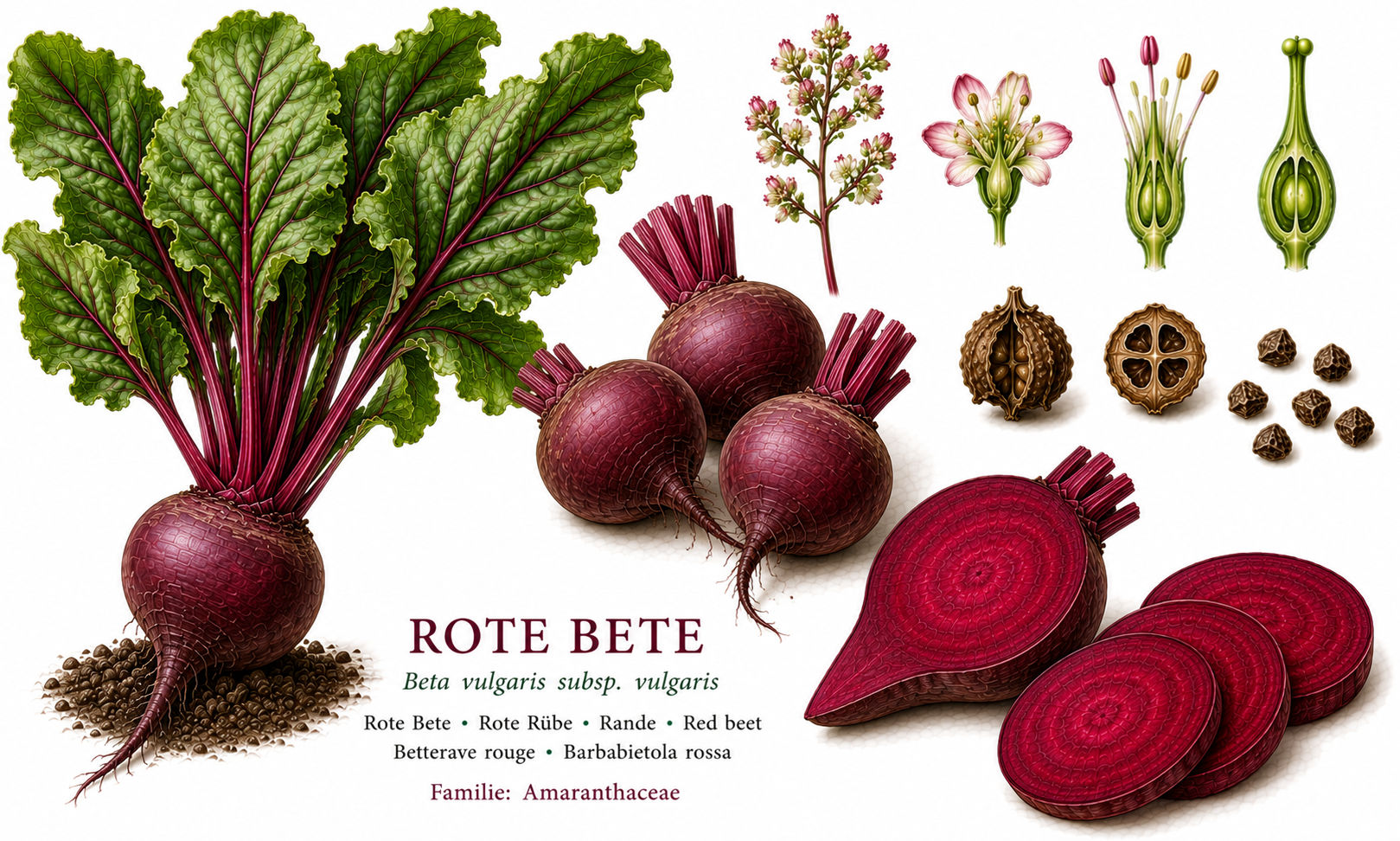
beet
Beta vulgaris subsp. vulgaris Conditiva Group
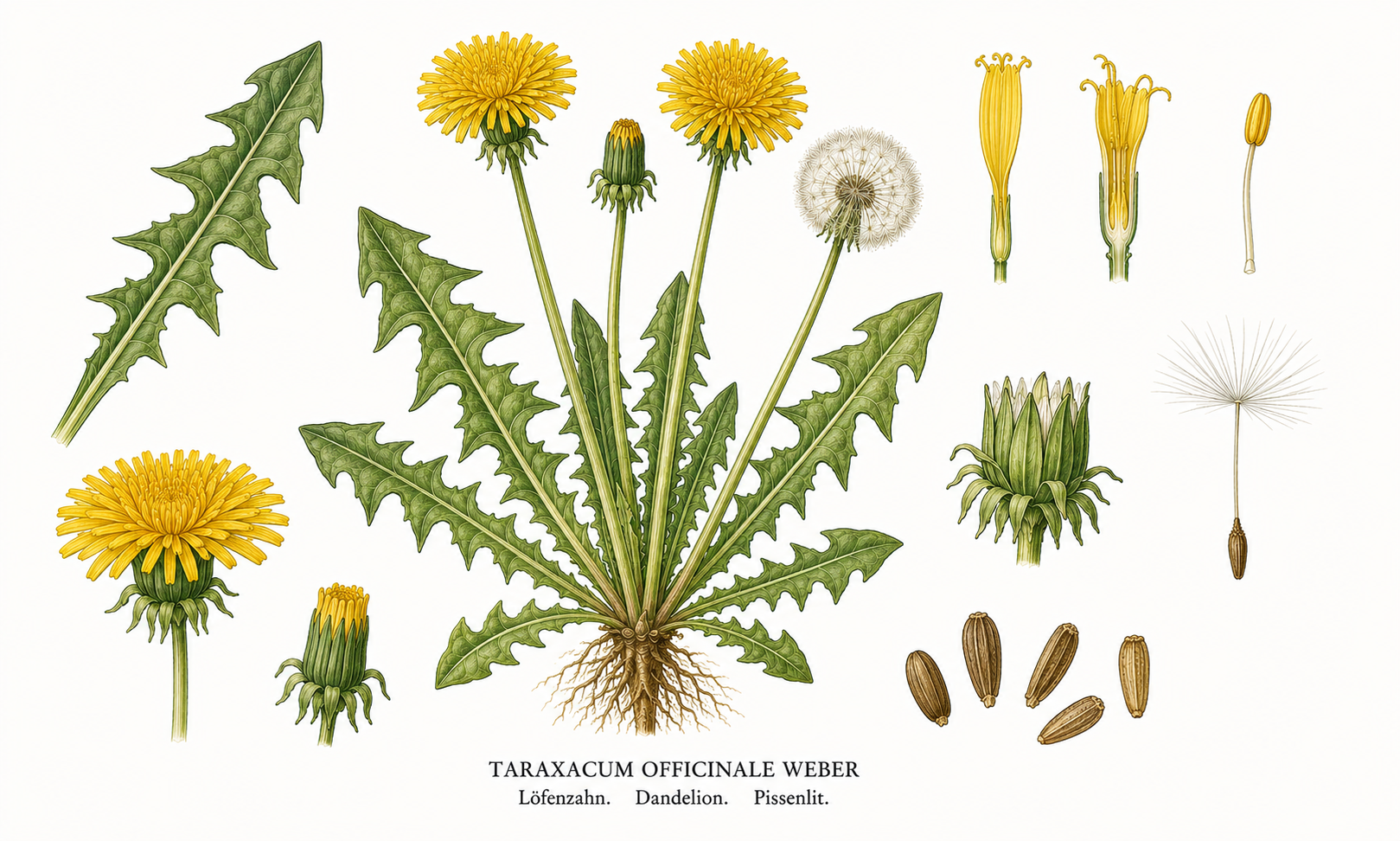
Dandelion
Taraxacum
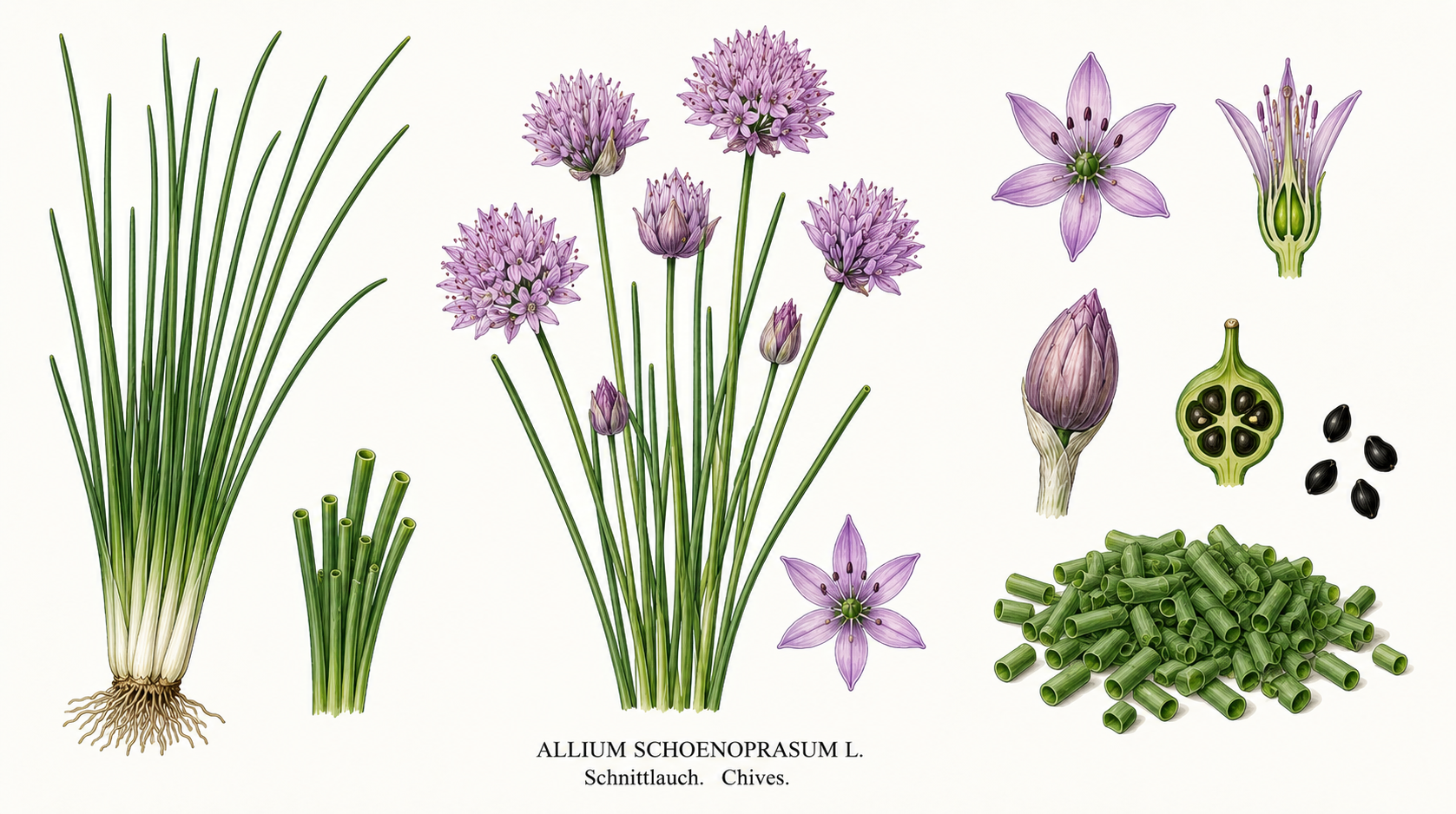
Chives
Allium schoenoprasum
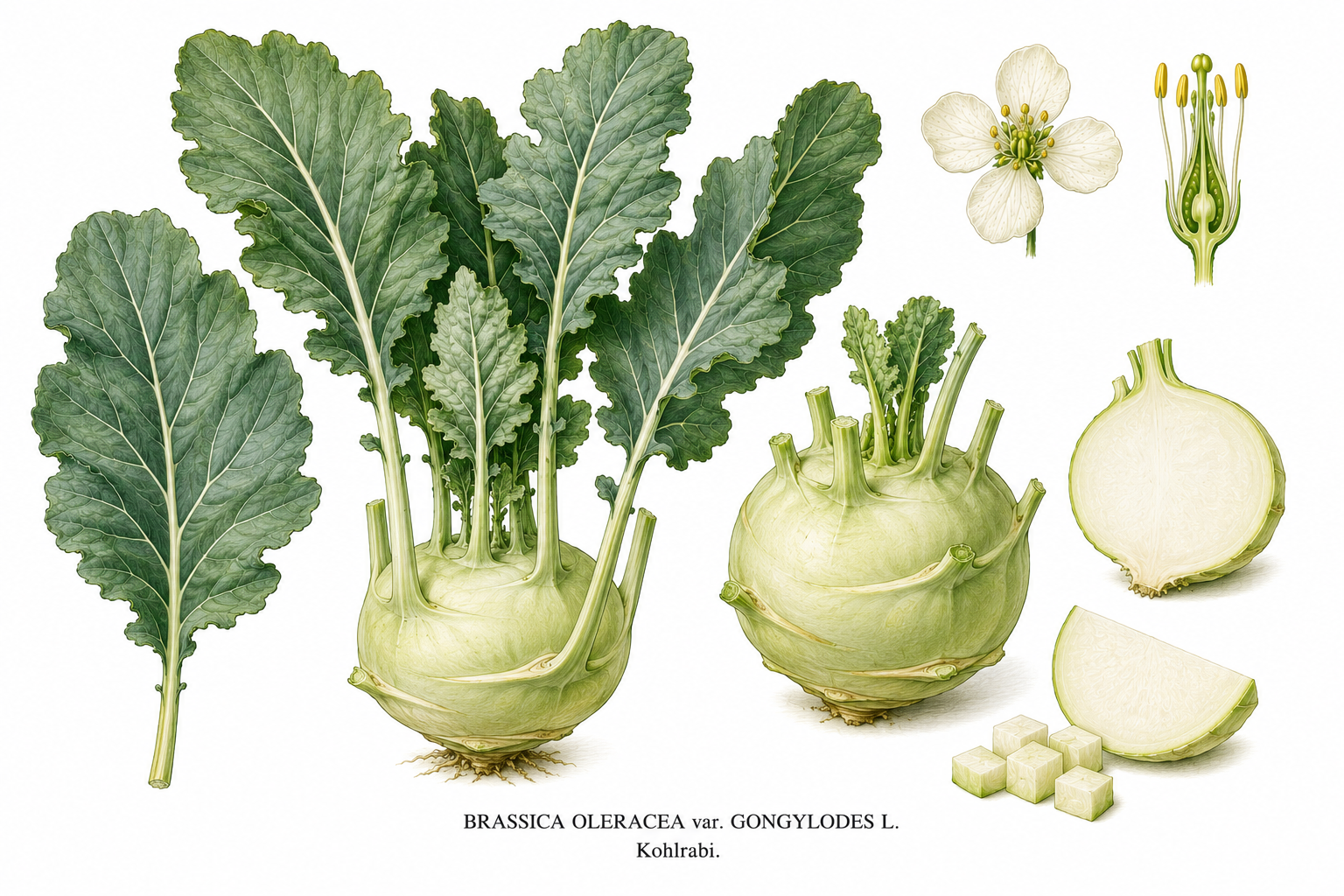
kohlrabi
Brassica oleracea var. gongylodes
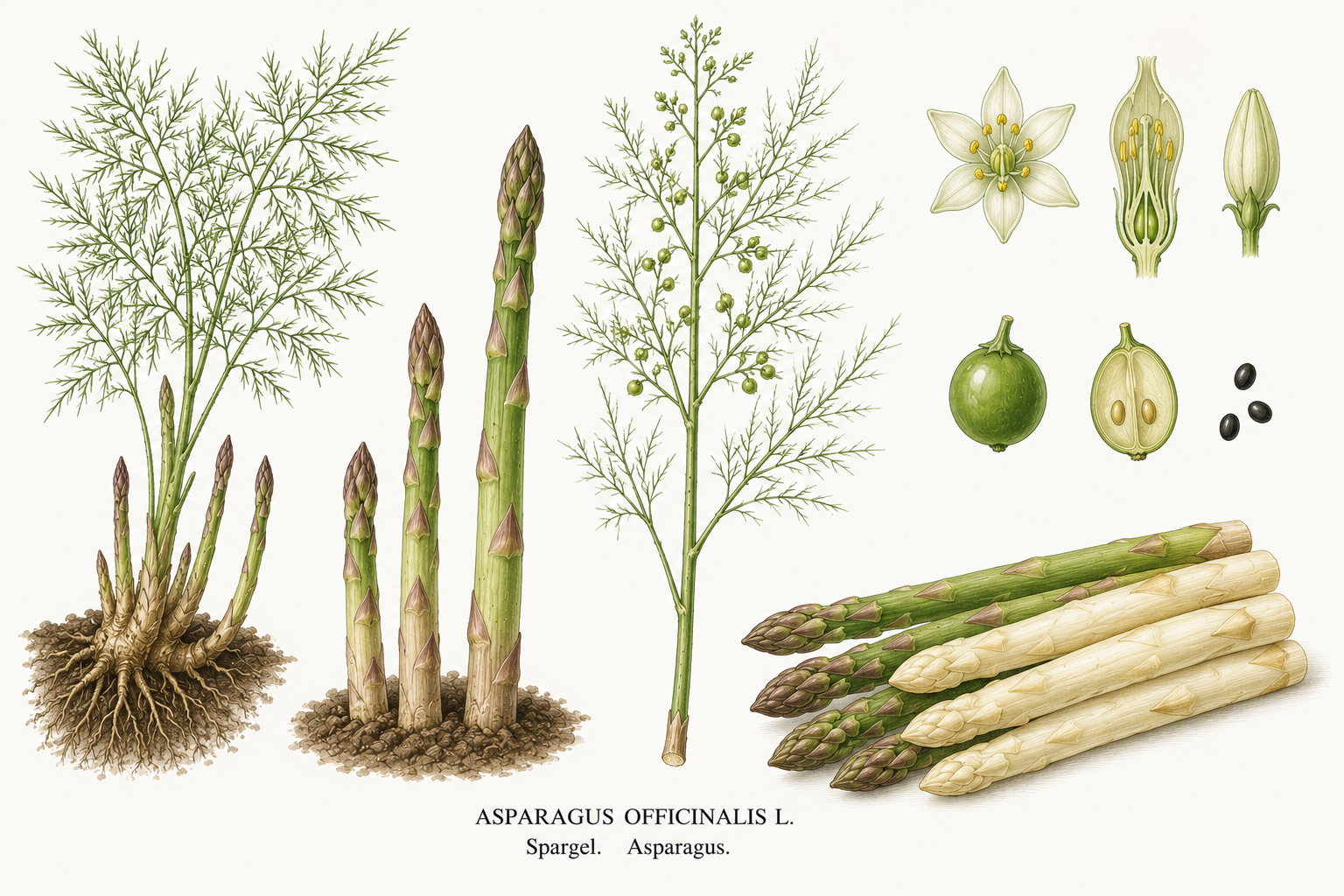
Asparagus
Asparagus
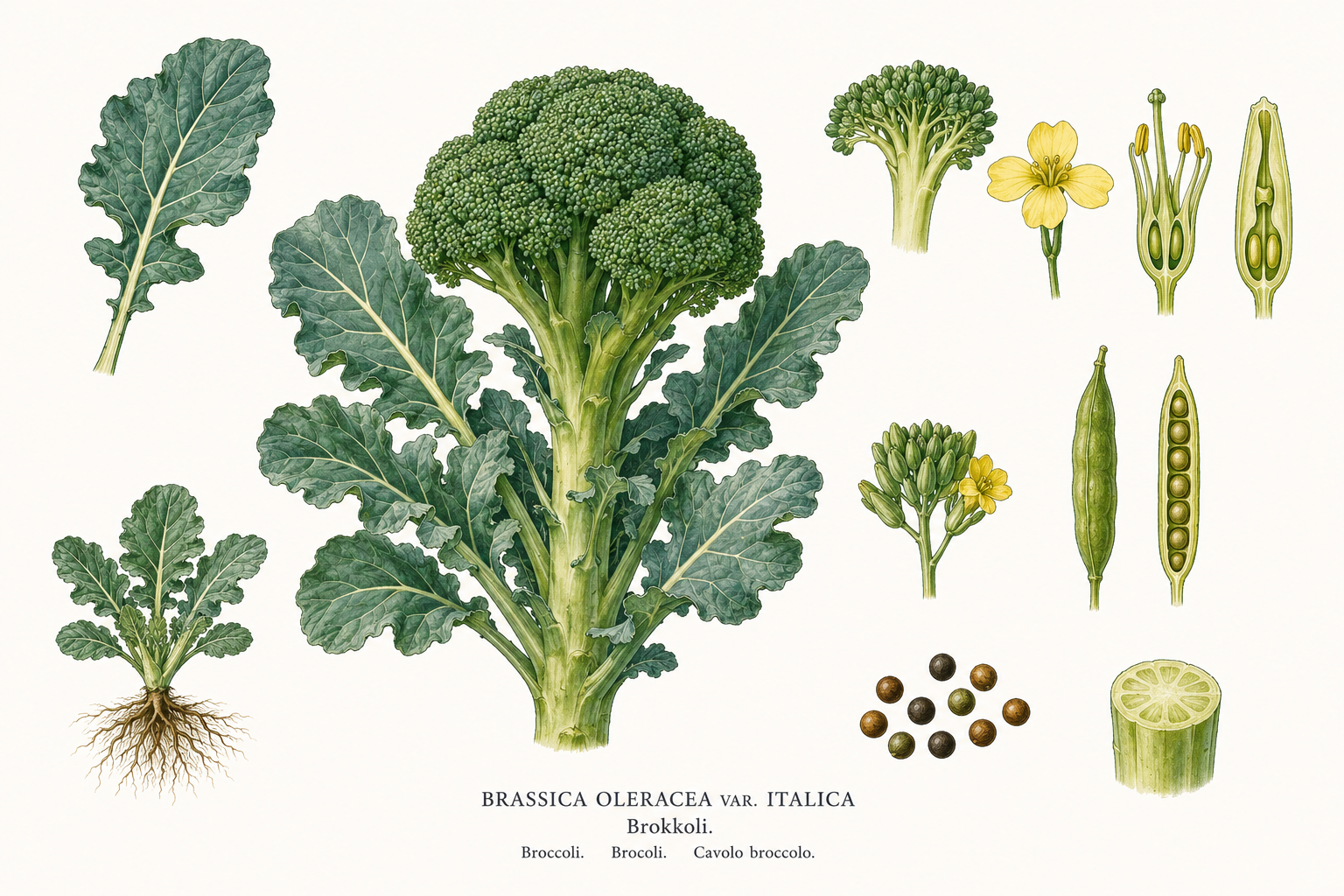
broccoli
Brassica oleracea var. italica
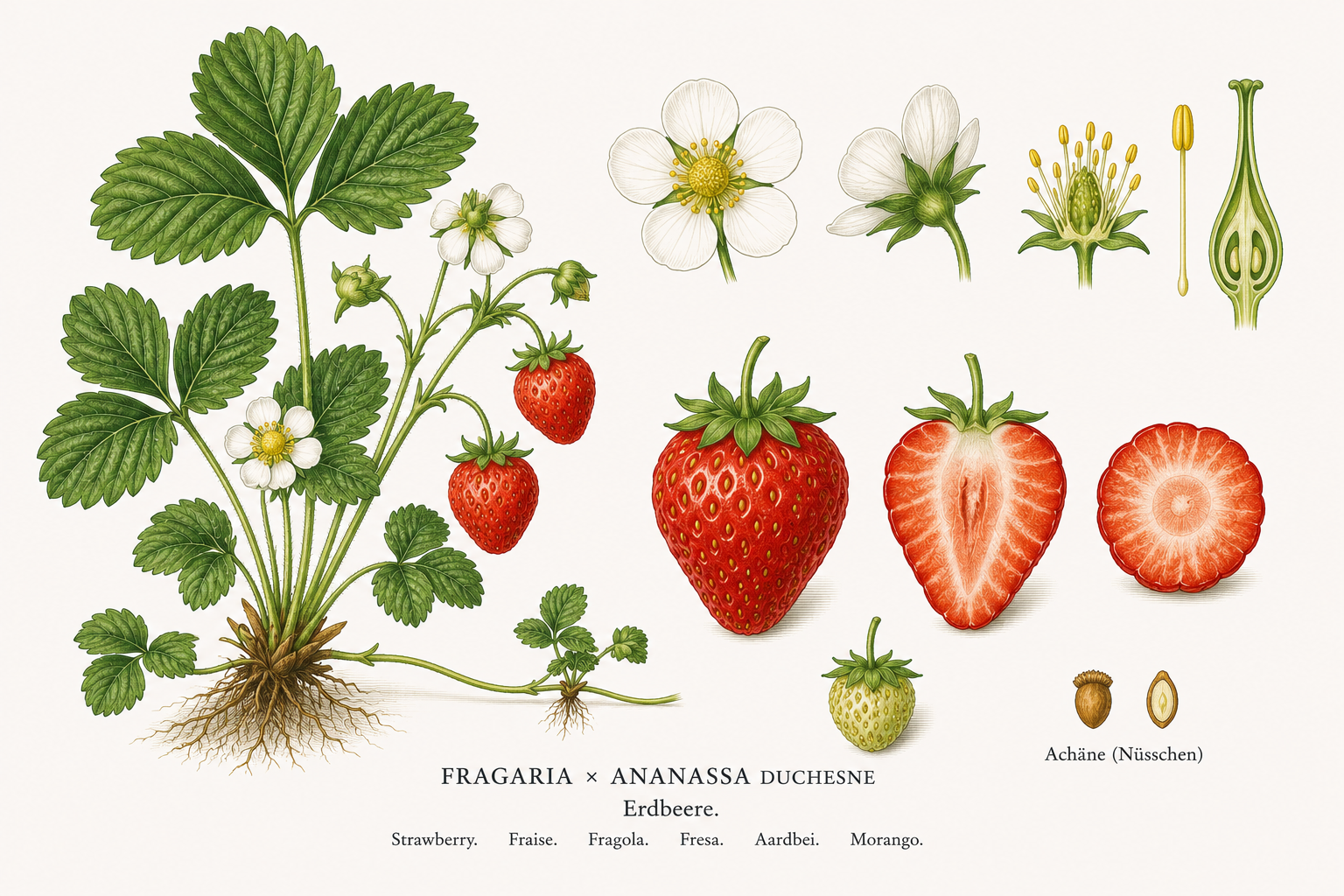
Strawberry
Fragaria
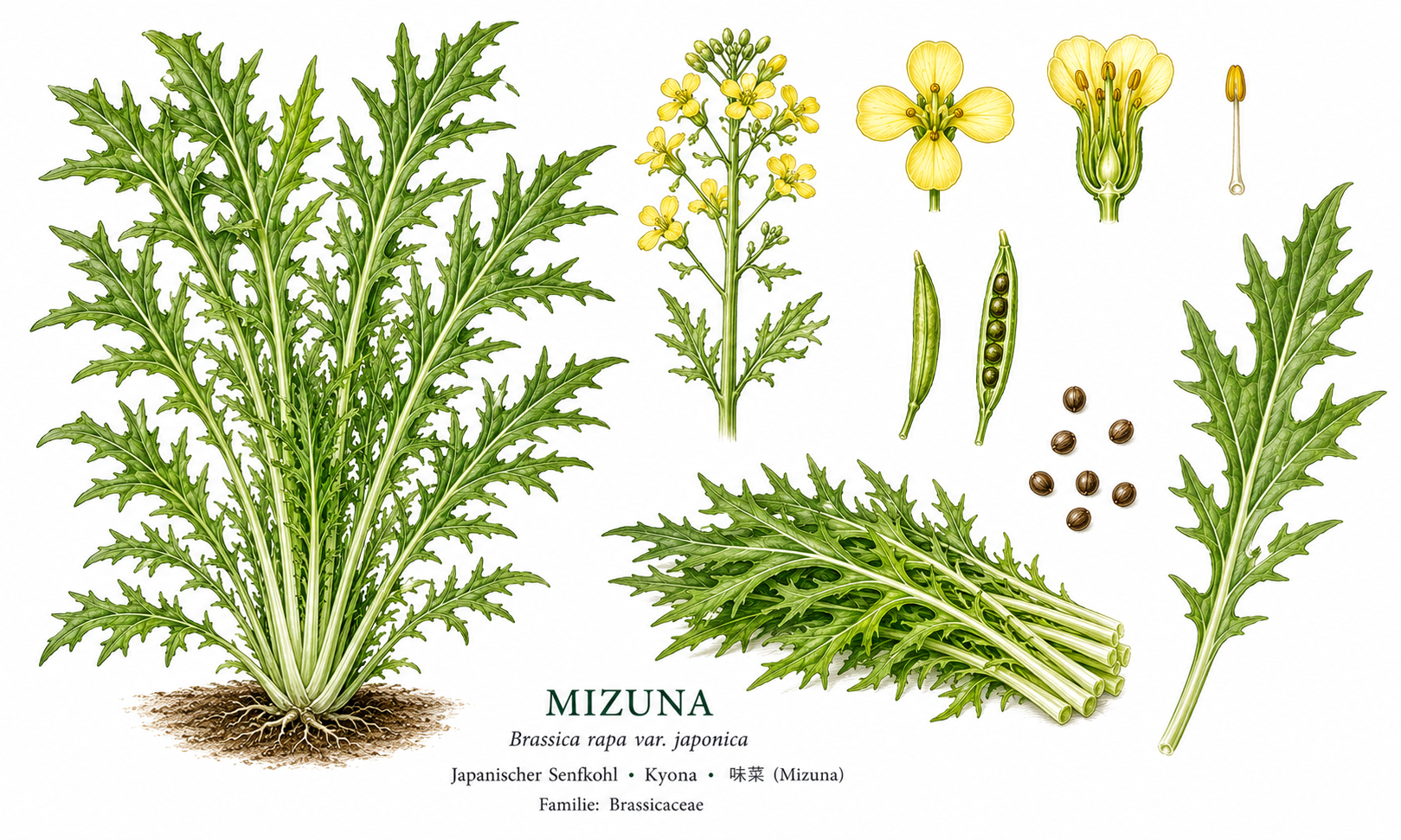
Mizuna
Brassica rapa subsp. nipposinica
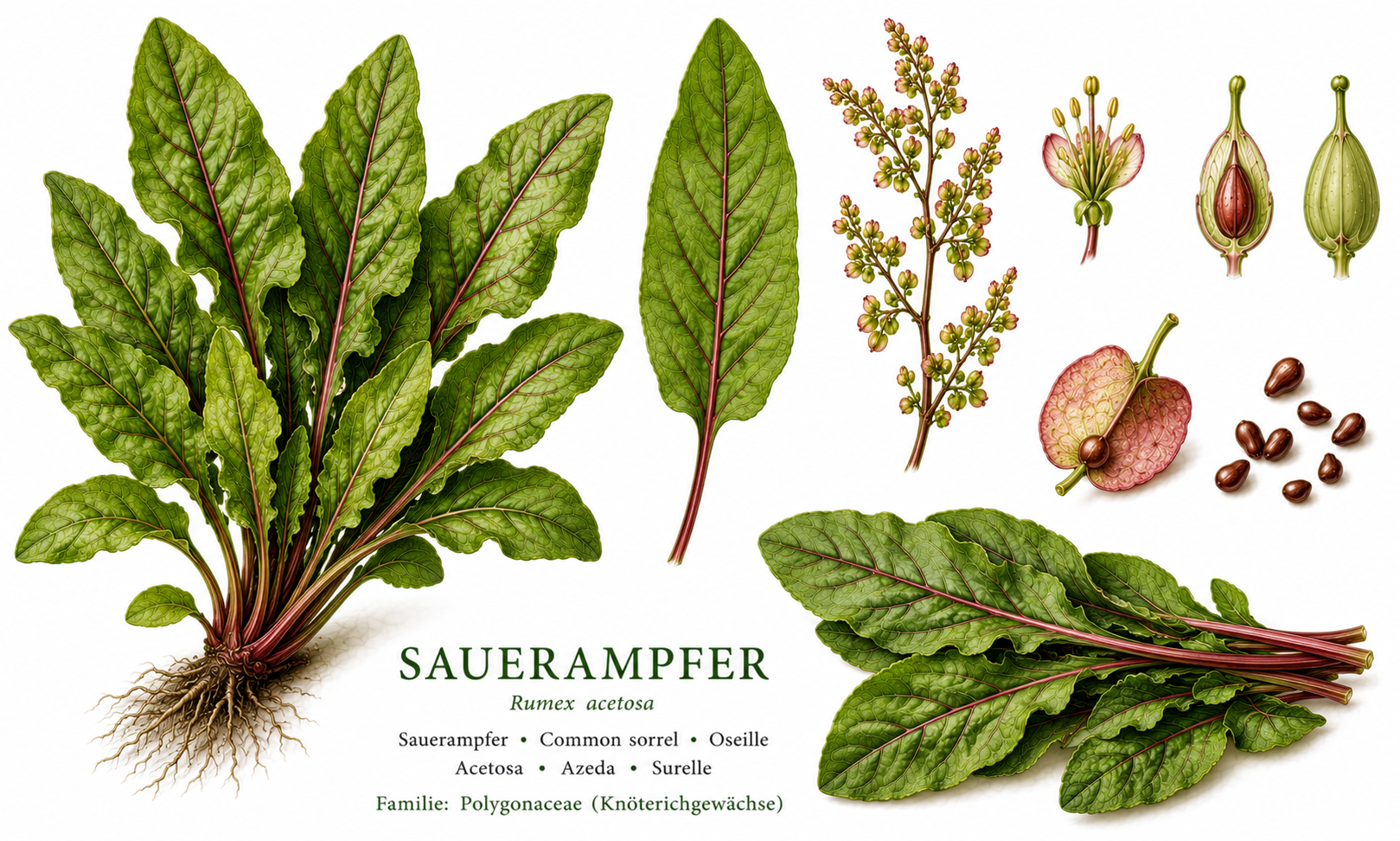
Sorrel
Rumex acetosa
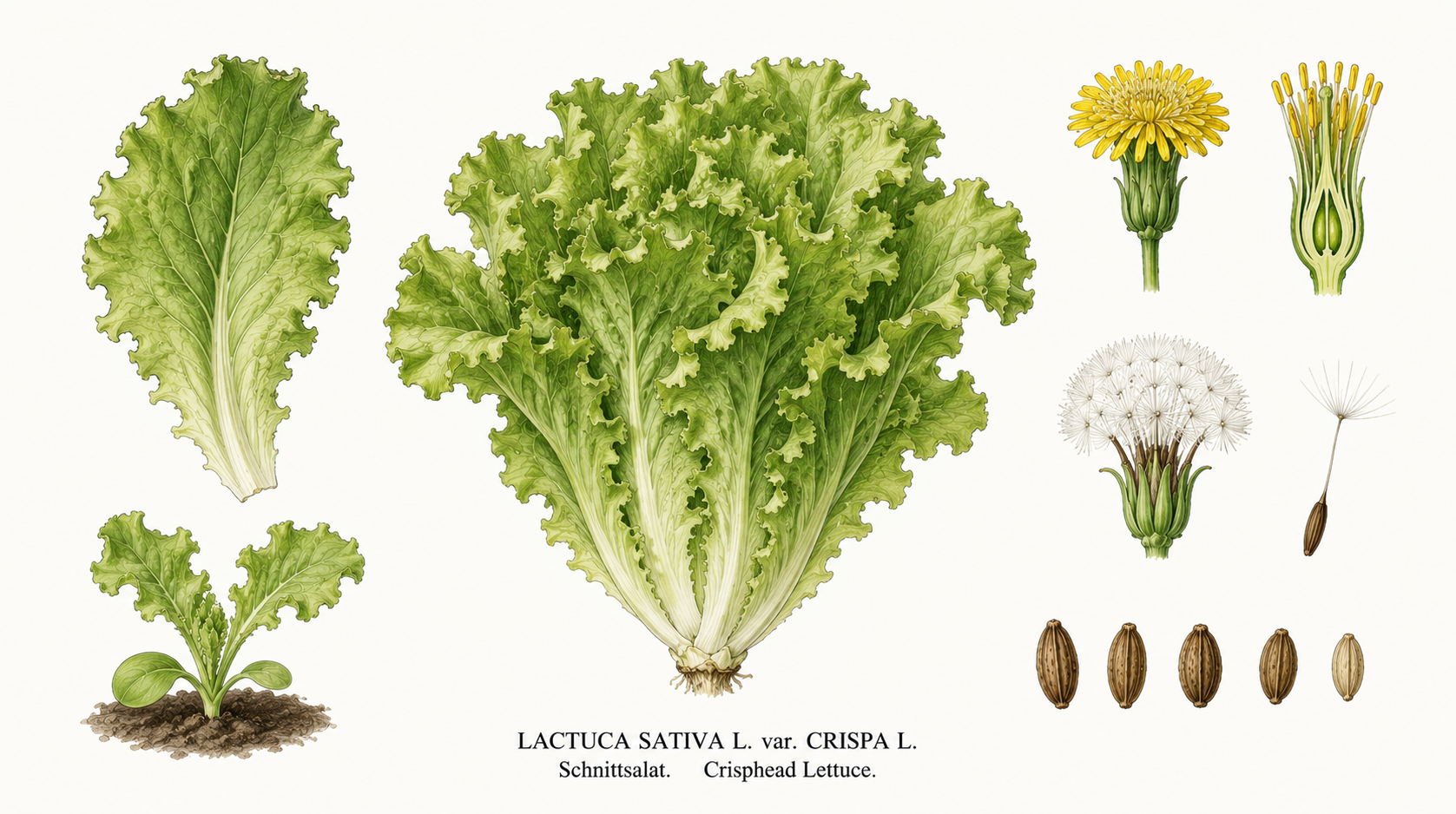
cutting lettuce
Lactuca sativa var. crispa
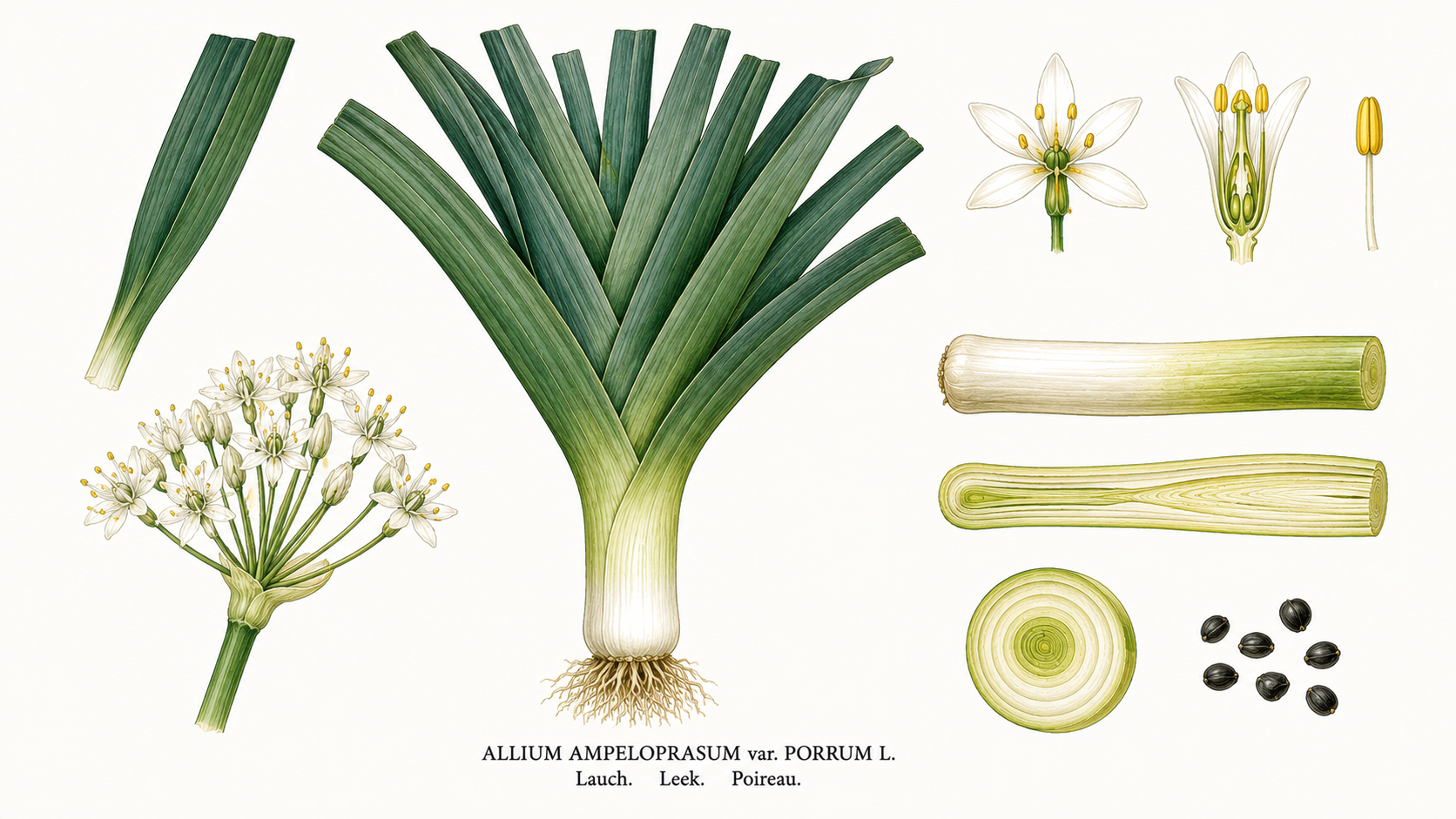
Allium
Allium
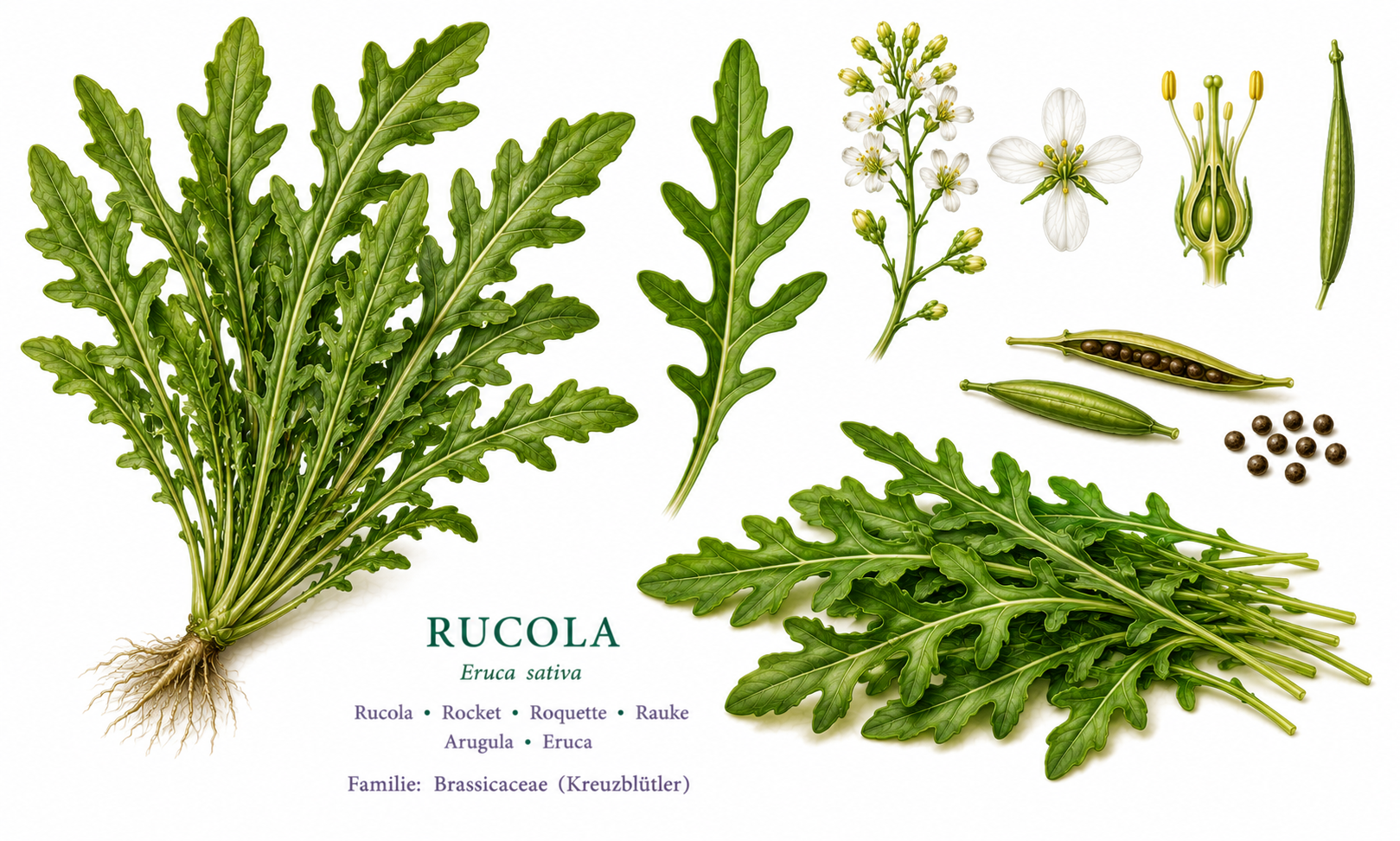
Arugula
Eruca vesicaria subsp. sativa
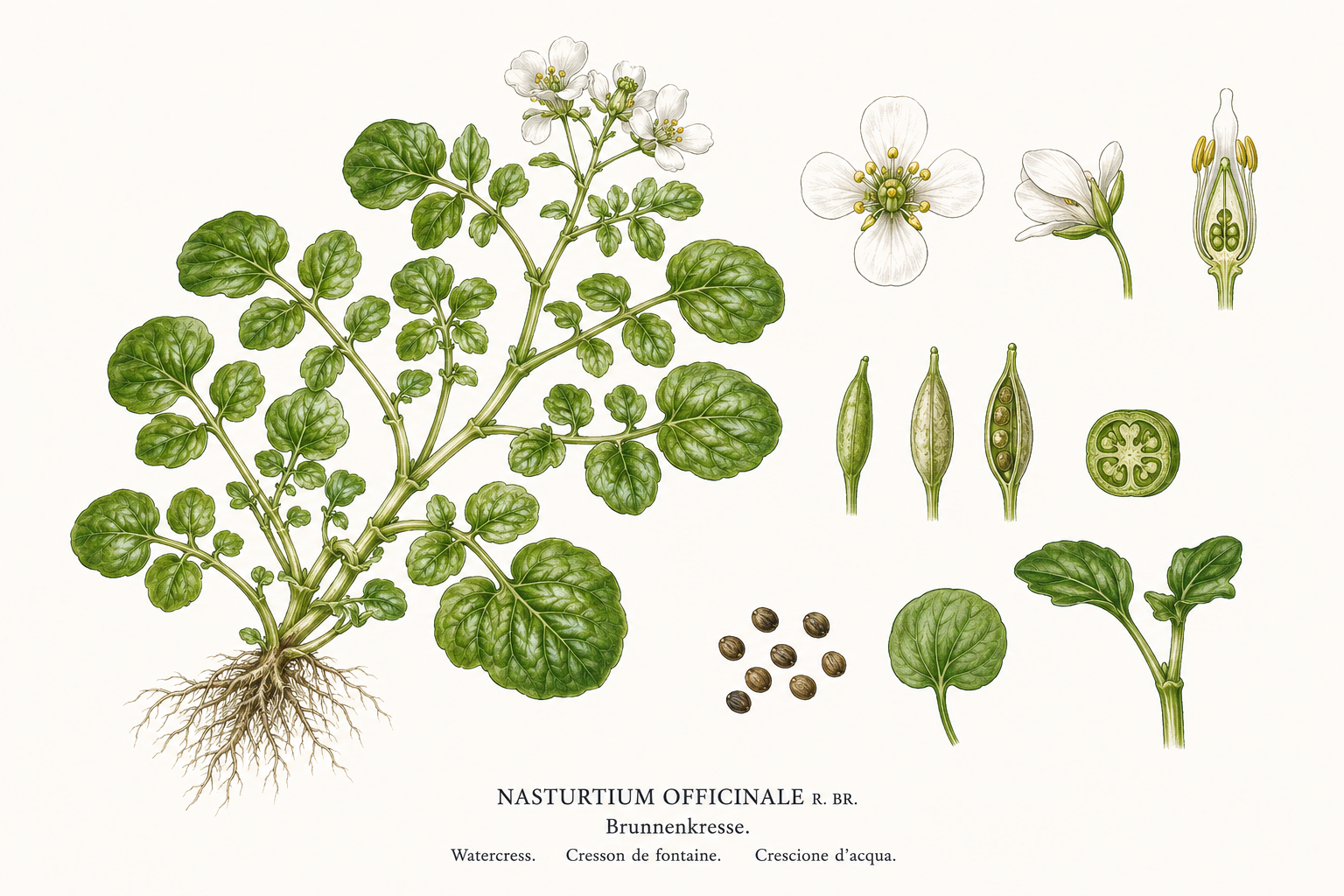
Watercress
Nasturtium officinale
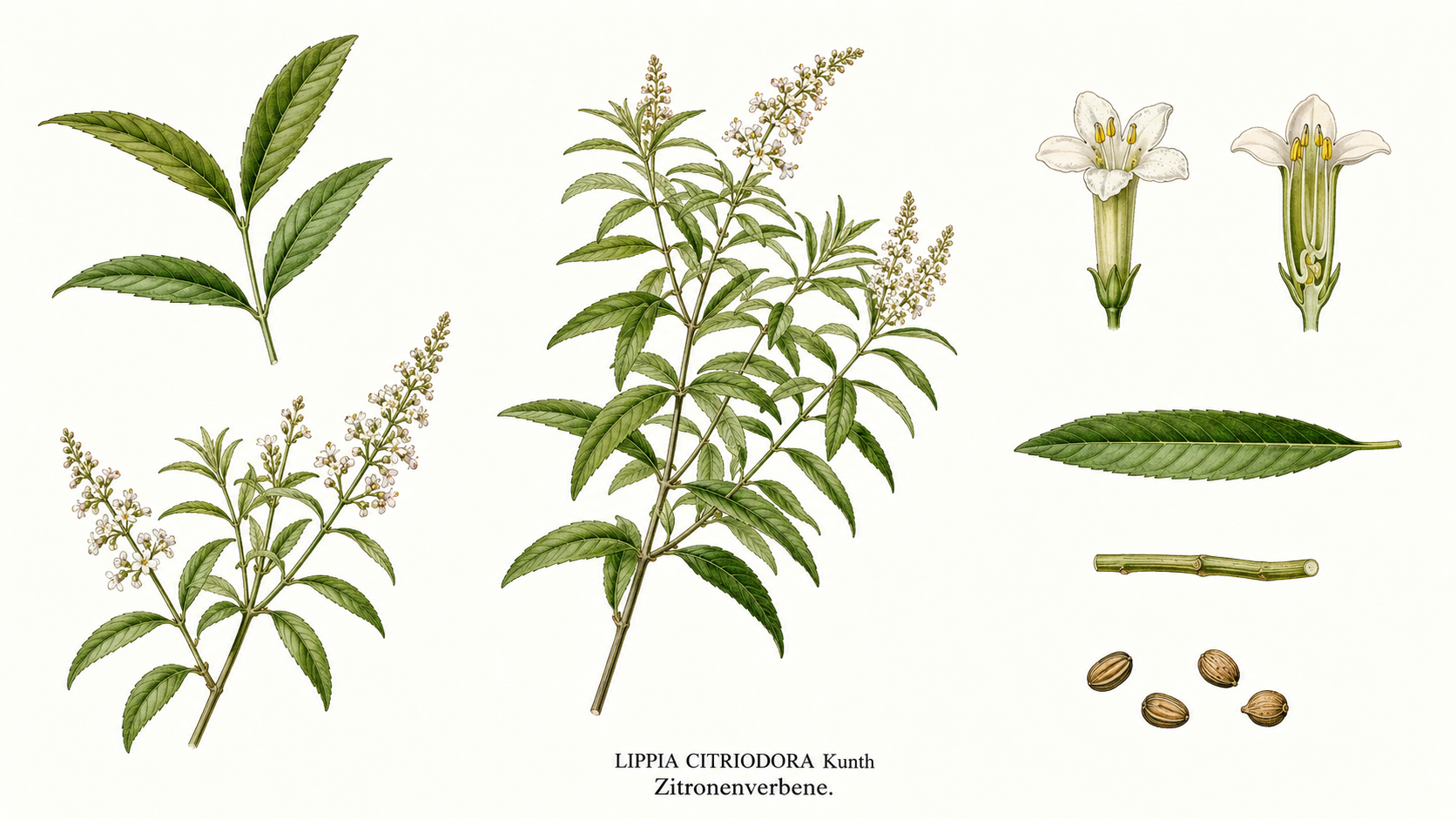
Lemon verbena
Aloysia citrodora
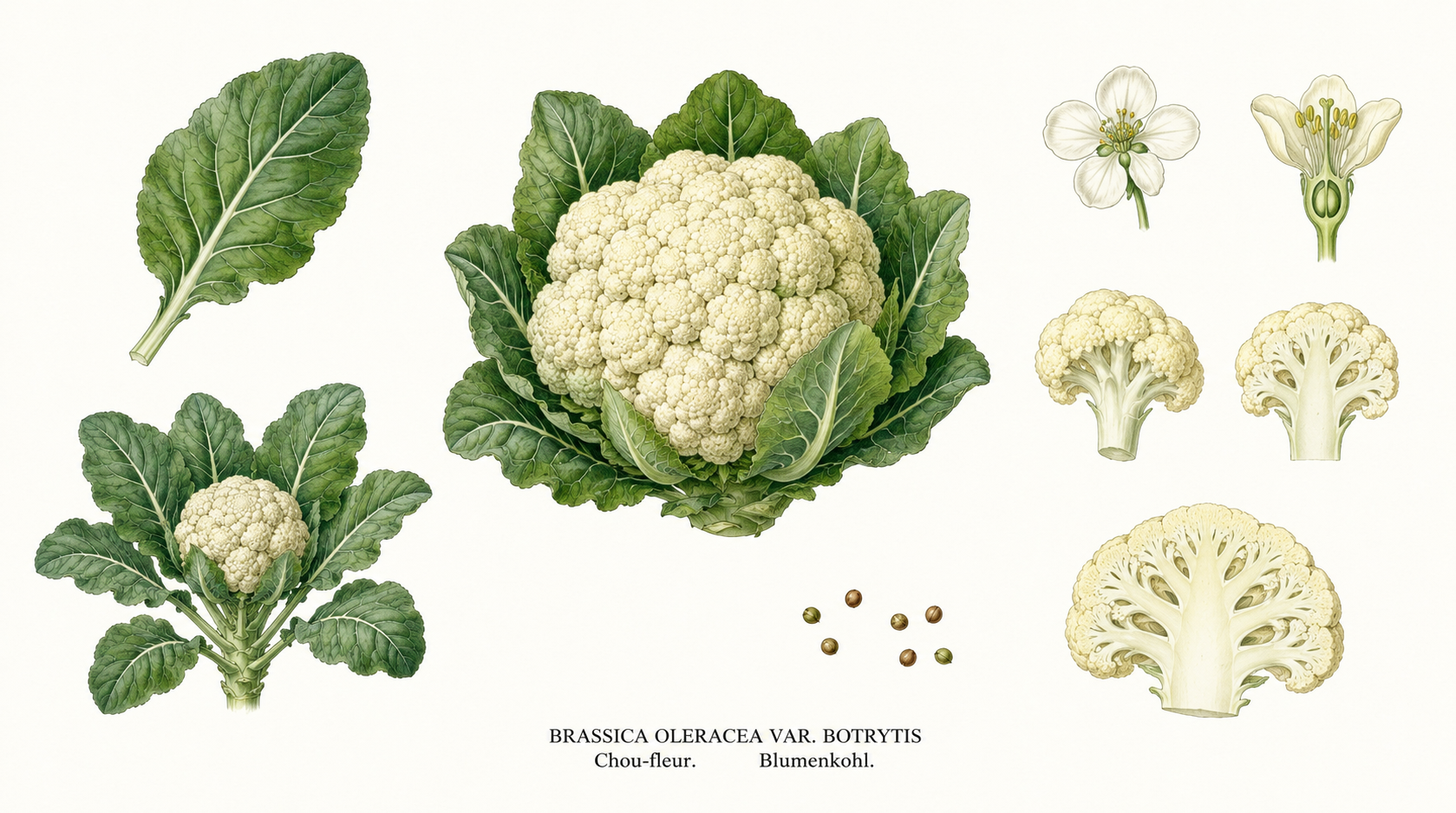
cauliflower
Brassica oleracea var. botrytis
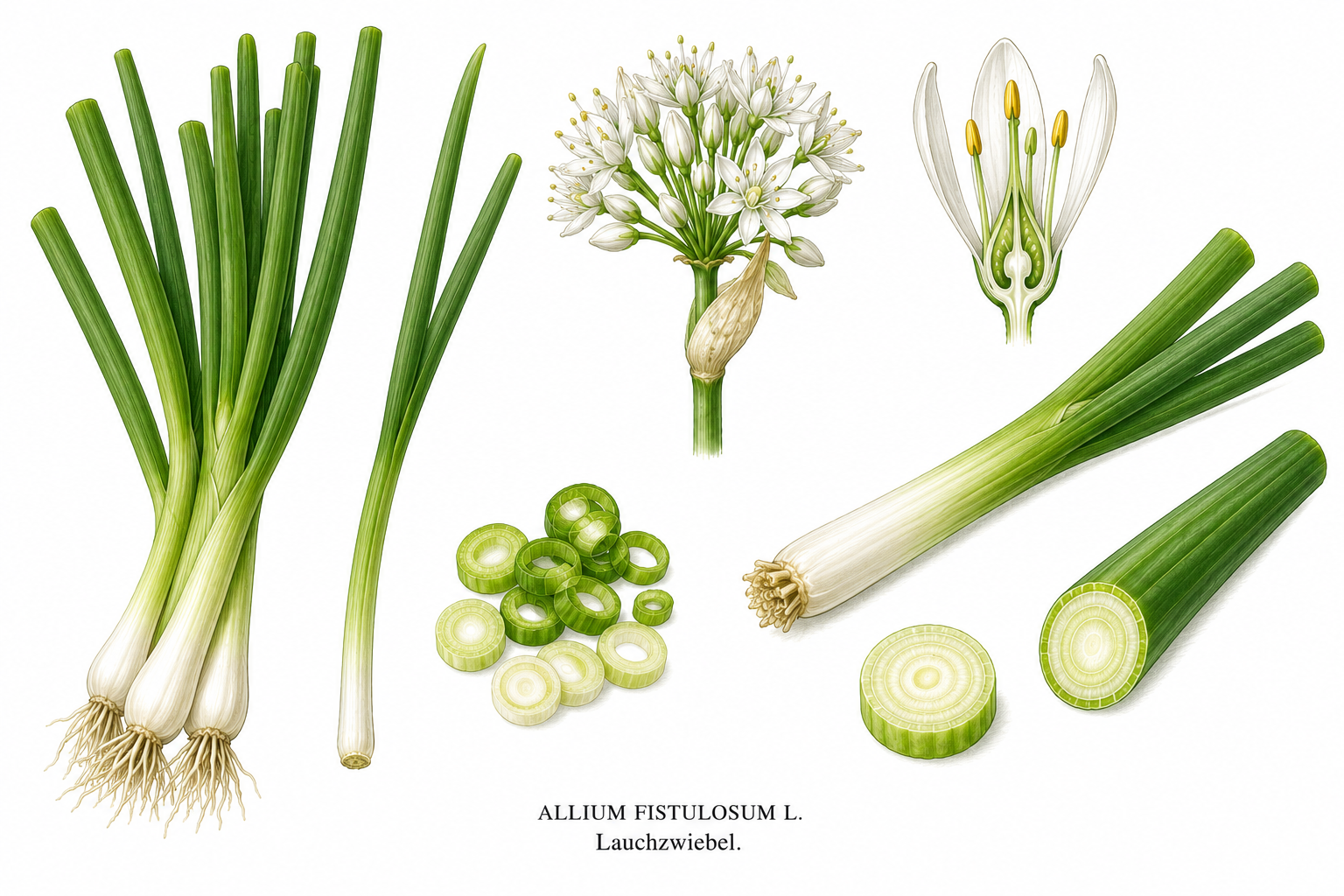
Welsh onion
Allium fistulosum
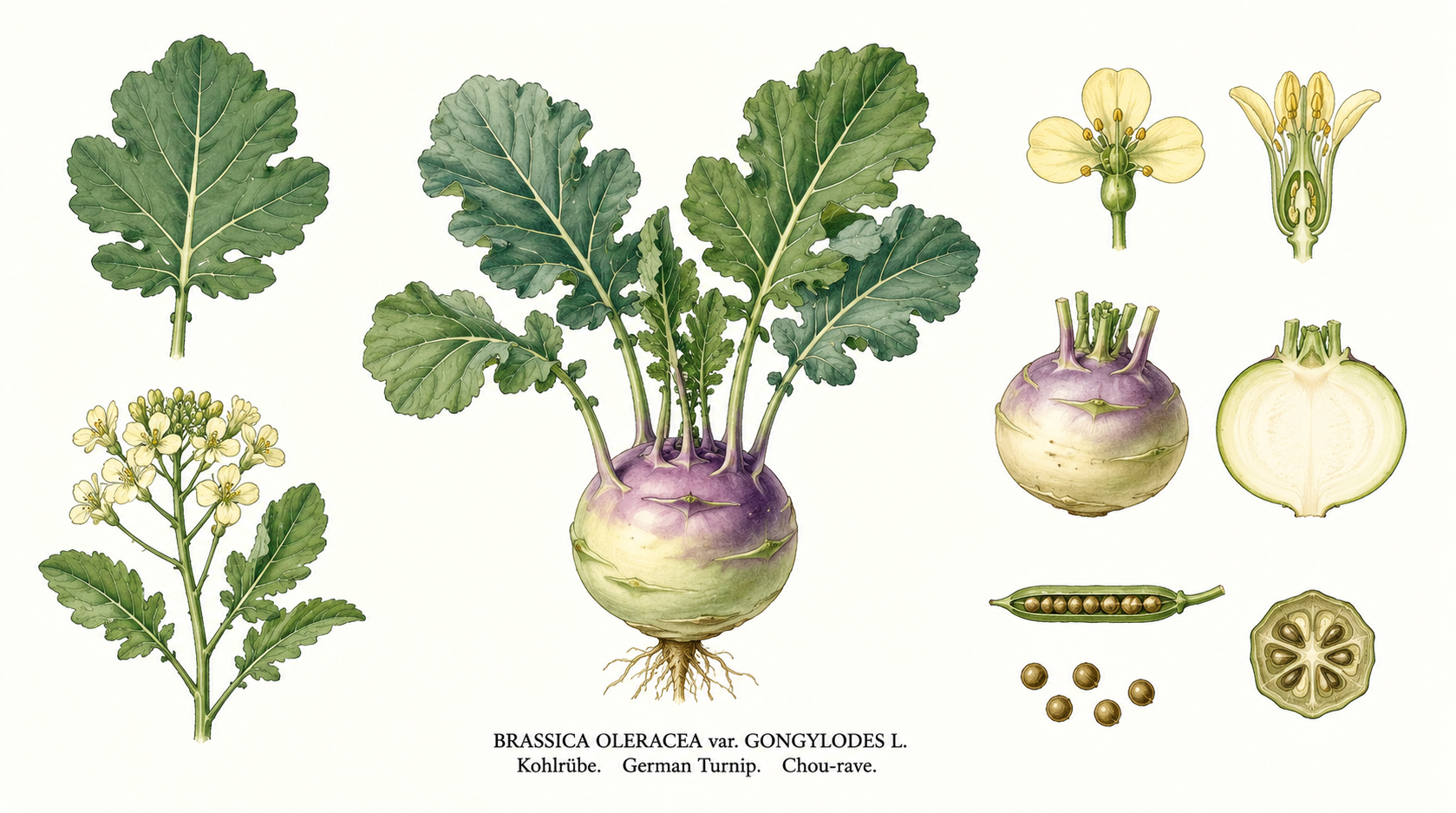
Rutabaga
Brassica oleracea var. gongylodes
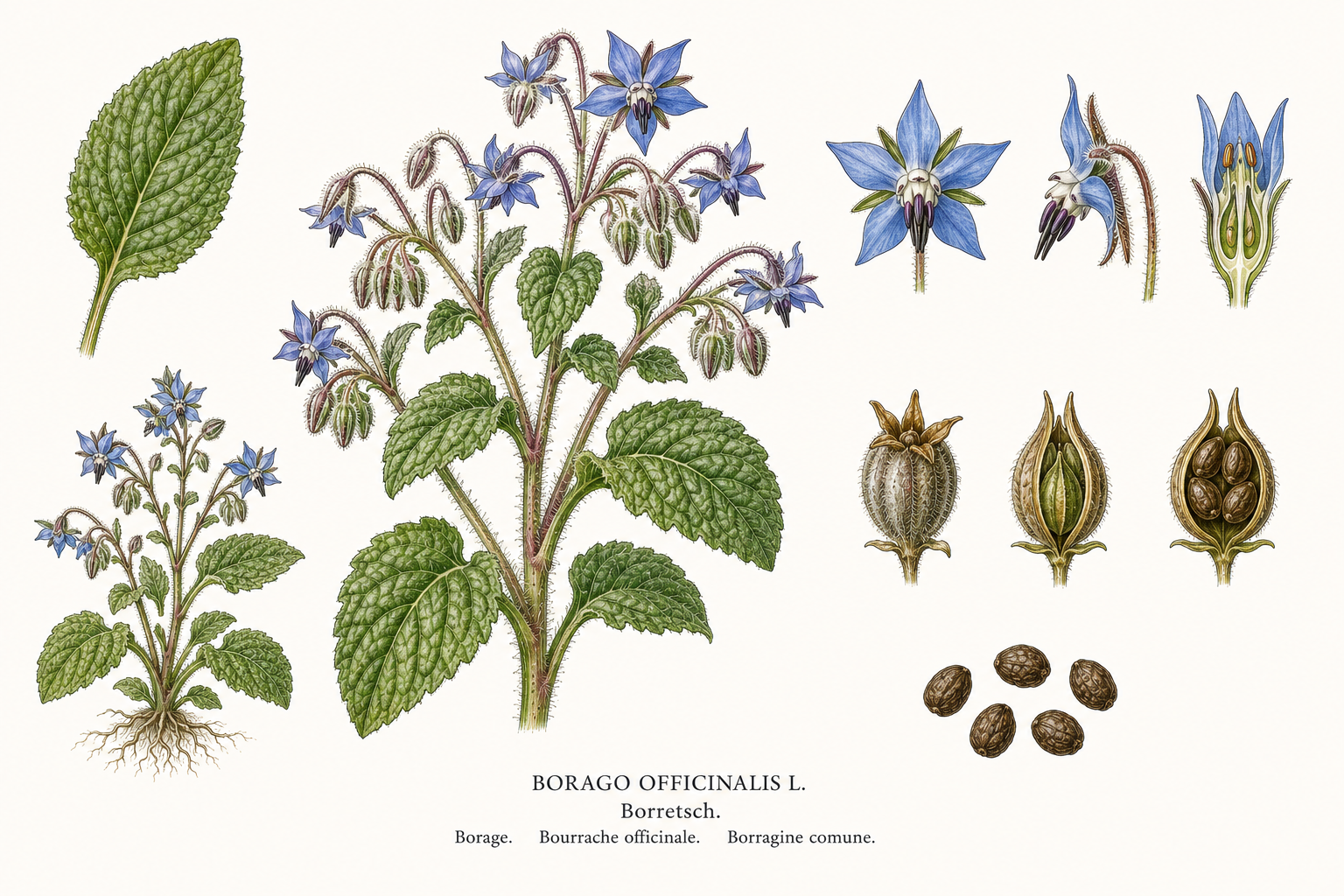
borage
Borago officinalis
151 more plants are linked in the task lists above.