Plant Profile
ServiceberryAmelanchier
The serviceberry is a jewel for any wildlife garden. As an ecologically valuable woody plant, it offers a sea of white blossoms in spring, sweet, vitamin-rich fruits in summer, and a spectacular display of orange-red foliage in autumn. It is extremely frost-hardy and has low soil requirements.
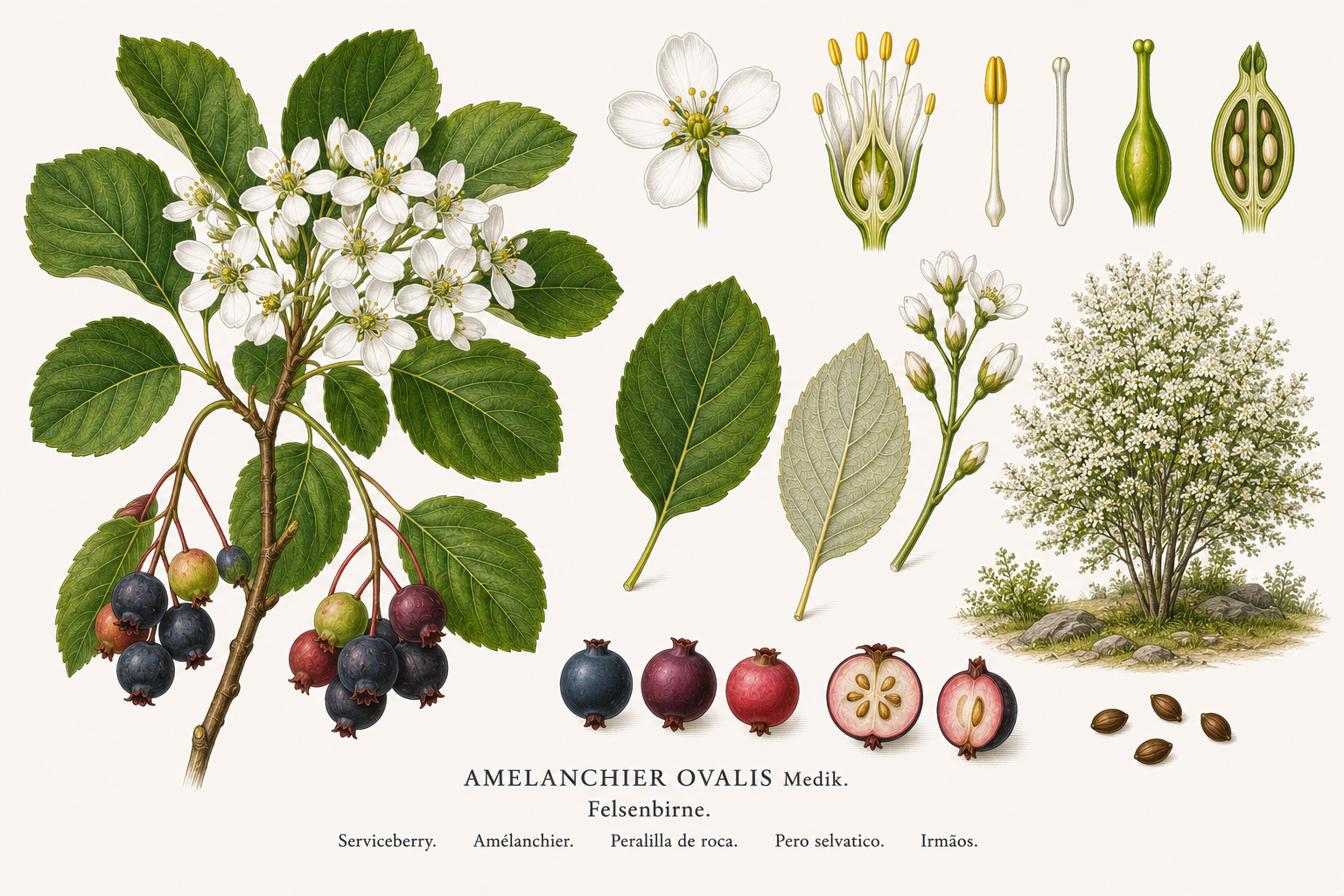
Quick profile
Key data
Suitable growing locations:
Good neighbors
SnowberryWild Strawberry
Avoid
Juniper
Indoor & direct sowing
Serviceberry: Sowing and germination
Propagation via seed is uncommon; usually propagated via grafting or suckers.
Cold germinator; sow in autumn for natural stratification.
Planting & site
Serviceberry: Planting and spacing
Container-grown plants possible year-round, bare-root in late autumn or early spring.
Site & practical notes
Temperature & frost
Serviceberry: Temperature and site
Water & nutrients
Serviceberry: Water, nutrients and care
Container & growth
Serviceberry: Container, support and growth
Year plan
Serviceberry Calendar
In October, it transforms the garden into a flaming sea of orange and red.
Recurring tasks
Relevant now
June
- No additional single task
Next up
July
- No additional single task
Monthly tasks
Single tasks from monthly data; repeated seasonal windows are shown in the overview above.
January
Quiet month
February
Quiet month
March
No additional single task
April
No additional single task
May
Quiet month
June
No additional single task
August
No additional single task
September
Quiet month
October
No additional single task
November
No additional single task
December
Quiet month
Flowering & pollination
Serviceberry Flowering & pollination
Flowering period
April to May
Flower color
Pure white
Self-fertility
self-fertile
Pollinator needed
no
Overview
Pollination is primarily carried out by bees, bumblebees, and other insects. The flowers are an important early forage source.
Notes
Self-fertile, but cross-pollination by insects often increases fruit yield.
Pruning & care
Serviceberry Pruning & care
Pruning type
natural habit preservation
Pruning timing
Renewal pruning Best time for removing thick, old branches.
Thinning cut After harvest to promote light penetration.
Remove
Preserve
Avoid
Tools and hygiene
Disinfect tools after pruning, especially if fire blight is suspected.
Companion guide
Serviceberry Companion guide
Good neighbors
SnowberryWild Strawberry
Avoid
Juniper
Use & storage
Serviceberry Use & storage
Harvest depending on variety from June (Juneberry). Fruits ripen successively.
Storage
Short-lived fresh fruit / Berries
Storage life
Fresh: very short; Processed: up to 12 months.
Primary use
Fresh consumption or preservation
Flavor
Sweet, juicy, with a subtle almond or marzipan note from the seeds.
Harvest
Harvest depending on variety from June (Juneberry). Fruits ripen successively.
Processing
After harvest
Fruits are very soft and sensitive to pressure; process quickly or refrigerate.
Edibility & safety
Serviceberry Edibility & safety
For people
In brief: which parts are edible, which parts remain risky, and whether raw consumption makes sense.
Safety notes
The seeds contain hydrogen cyanide compounds; harmless in normal amounts for adults. Children should avoid eating large quantities of chewed or crushed seeds.
Animal safety
For animals, the specific plant part matters here: some parts may be suitable, while others should be avoided. At least one critical rating is listed for 1 animal types.
Each row shows which parts are more suitable and which parts are critical.
Companion animals
 Dog
DogFruits
Seeds, Leaves, Bark
Fruits
Seeds, Leaves, Bark
Consumption of seeds, leaves, or bark, Chewing or crushing of seeds
Vomiting, Diarrhea, Abdominal pain
contact a vet if symptoms appear
Serviceberry fruits are safe for dogs in small amounts as an occasional treat. Seeds, leaves, and bark contain cyanogenic glycosides that can release cyanide when chewed or crushed, potentially causing gastrointestinal upset.
Open animal page Cat
CatFruit (flesh)
Seeds, Leaves, Bark
Fruit (flesh)
Seeds, Leaves, Bark
Consumption of seeds, leaves, or bark, Chewing or crushing of seeds
Vomiting, Diarrhea, Abdominal pain
contact a vet if symptoms appear
Serviceberry fruits are safe for cats in small amounts as an occasional treat. Seeds, leaves, and bark contain cyanogenic glycosides that can release cyanide when chewed, potentially causing gastrointestinal upset. Monitoring is recommended if larger amounts are consumed.
Open animal page Rabbit
Fruit (flesh)
No risk parts listed
Fruit (flesh)
No risk parts listed
observe
No direct species-specific source found for rabbits. Fruits are likely safe in small amounts, but seeds, leaves, and bark should be avoided. Caution is advised as rabbits cannot vomit.
Open animal page Guinea pig
Fruits
Seeds, Leaves, Bark
Fruits
Seeds, Leaves, Bark
Consumption of seeds, leaves, or bark, Chewing or crushing of seeds
Vomiting, Diarrhea, Respiratory distress
contact a vet if symptoms appear
Serviceberry fruits are suitable for guinea pigs in small amounts as an occasional treat. Seeds, leaves, and bark contain cyanogenic glycosides that can release cyanide when crushed, leading to poisoning symptoms. Only feed ripe fruits with seeds removed. Contact a veterinarian immediately if toxic parts are ingested.
Open animal page Hamster
Fruit (flesh)
No risk parts listed
Fruit (flesh)
No risk parts listed
observe
No direct species-specific source was found for hamsters. This is a cautious inference from the rabbits profile and the known plant-part risks. Fruits likely safe in small amounts, but seeds, leaves, and bark should be avoided.
Open animal page Budgie
Fruits (flesh only)
No risk parts listed
Fruits (flesh only)
No risk parts listed
observe
No reliable species-specific assessment is available. Fruits likely safe in small amounts, but seeds, leaves, and bark should be avoided.
Open animal pageFarm animals
 Horse
HorseFruits
Seeds, Leaves, Bark
Fruits
Seeds, Leaves, Bark
Consumption of seeds in large quantities, Chewed or crushed seeds
Difficulty breathing, Tremors, Mucous membrane irritation
contact a vet if ingested
The fruits of the serviceberry are suitable for horses in small amounts as a treat. Seeds, leaves, and bark contain cyanogenic glycosides that can release cyanide when chewed, potentially causing poisoning symptoms. Monitoring is advised if plant parts other than the fruits have been consumed.
Open animal page Chicken
Fruits (flesh)
No risk parts listed
Fruits (flesh)
No risk parts listed
observe
No reliable species-specific assessment is available. Fruits likely safe in small amounts, but seeds, leaves, and bark should be avoided.
Open animal page Duck
DuckFruits
Seeds, Leaves, Bark
Fruits
Seeds, Leaves, Bark
Consumption of seeds, leaves, or bark, Chewing or crushing seeds increases cyanide release
Vomiting, Diarrhea, Respiratory distress
contact a vet if symptoms appear
The fruits of the serviceberry are edible for ducks and can be given occasionally as a treat. Seeds, leaves, and bark contain cyanogenic glycosides that can release cyanide when crushed and are toxic. Overfeeding fruits should be avoided due to sugar content. If ingestion of toxic parts is suspected, a veterinarian should be contacted.
Open animal page Goose
GooseFruits
Seeds (contain small amounts of cyanogenic glycosides), Leaves, Bark
Fruits
Seeds (contain small amounts of cyanogenic glycosides), Leaves, Bark
Consumption of seeds, leaves, or bark, Chewing or crushing seeds releases cyanide
Vomiting, Diarrhea, Respiratory distress at high intake
contact a vet if symptoms appear
The fruits of serviceberry are edible for geese and are consumed in the wild. Seeds, leaves, and bark contain cyanogenic glycosides that can release cyanide when chewed or crushed in large amounts. Geese should only eat the fruits in moderation and should not have access to other plant parts. If poisoning is suspected, contact a veterinarian.
Open animal page Sheep
SheepFruits
Seeds (contain cyanogenic glycosides), Leaves, Bark
Fruits
Seeds (contain cyanogenic glycosides), Leaves, Bark
Consumption of seeds in large quantities, Chewing or crushing of seeds
Vomiting, Diarrhea, Respiratory distress
contact a vet if symptoms appear
Serviceberry fruits are generally safe for sheep as an occasional treat. Seeds, leaves, and bark contain cyanogenic glycosides that can release cyanide when tissue is damaged, potentially causing poisoning. Monitoring is advised if sheep have access to fallen foliage or fruits with seeds.
Open animal page Goat
GoatFruits
Seeds, Leaves, Bark
Fruits
Seeds, Leaves, Bark
Consumption of large quantities of seeds or crushed seeds, Wilted leaves increase risk
Vomiting, Diarrhea, Respiratory distress
contact a vet if symptoms appear
The fruits of serviceberry are edible and readily consumed by goats. Seeds, leaves, and bark contain cyanogenic glycosides that can release hydrogen cyanide when damaged. Moderate feeding of the fruits is safe, but goats should not have access to large quantities of seeds or wilted plant parts.
Open animal page Cattle
Fruits
Seeds, Leaves, Bark
Fruits
Seeds, Leaves, Bark
Consumption of seeds, leaves, or bark, Chewing or crushing seeds increases cyanide release
Difficulty breathing, Tremors, Weakness
contact a vet if ingested
The fruits of the serviceberry are edible for cattle and can be occasionally fed as a treat. Seeds, leaves, and bark contain cyanogenic glycosides that release cyanide when chewed, posing a poisoning risk. Only the fruits should be fed, and even these only in limited amounts due to possible gastrointestinal upset from overconsumption. If ingestion of toxic parts is suspected, contact a veterinarian immediately.
Open animal page Pig
PigFruits
Seeds, Leaves, Bark
Fruits
Seeds, Leaves, Bark
Consuming seeds in large quantities, Chewing or crushing seeds
Vomiting, Diarrhea, Respiratory distress
contact a vet if symptoms appear
The fruits of the serviceberry are edible for pigs and can be given as a treat. Seeds, leaves, and bark contain cyanogenic glycosides that can release cyanide when crushed, leading to poisoning symptoms. Feeding should be limited to the fruits and the quantity restricted.
Open animal pageThese guidelines are for general information only and do not replace veterinary diagnosis. If critical plant parts were ingested or the animal shows unusual behaviour or symptoms, seek veterinary advice.
Max risk
unknown
Highest status
do not feed
Urgency
contact a vet if ingested
Saving seed
Serviceberry Saving seed
Seed viability
1 - 2 years
Practical tips
Serviceberry Practical tips
Common beginner mistakes
Pruning too deeply into old wood prevents flowering the following year.
Success pattern
Planting in autumn with a thick mulch layer leads to the best establishment.
High-impact tips
An application of nettle tea in May strengthens the plant against mildew.
Grower observations
The 'Ballerina' variety produced the largest fruits in my garden.
Health
Pests, Diseases
Pests
Aphids
Curled leaves at shoot tips.
Diseases
Powdery mildew
White, powdery coating on the leaves.
Entomosporium leaf spot
Fire blight
Notifiable bacterial disease; shoot tips curve into a hook shape.
Deficiencies
Iron deficiency (Chlorosis)
Yellow leaves with green veins, often in overly calcareous soil.
Plant health
Diagnosis help
Serviceberry Diagnosis help
Pest groups
Disease groups
Prevention
Diagnosis
Pay close attention to leaf changes especially in early summer.
Cultural prevention
Monitoring
Weekly inspection from May onwards
First response
Prune back infested shoot tips generously
Diagnostic rules
Leaves turn whitish-grey in midsummer.
Possible causes: Powdery mildew
- Can the coating be wiped off?
- Is the plant growing too densely?
FAQ
Are all serviceberry species edible?
Yes, the fruits of all Amelanchier species are edible and non-toxic, though flavor and size vary.
Do I need to prune my serviceberry every year?
No, serviceberries naturally grow into a beautiful shape. Occasional thinning of old shoots every few years is sufficient.
Is Serviceberry safe for Dog?
Serviceberry is classified as moderation only for Dog. Risk: unknown. Urgency: contact a vet if symptoms appear. Serviceberry fruits are safe for dogs in small amounts as an occasional treat. Seeds, leaves, and bark contain cyanogenic glycosides that can release cyanide when chewed or crushed, potentially causing gastrointestinal upset.
Is Serviceberry safe for Cat?
Serviceberry is classified as selected parts only for Cat. Risk: unknown. Urgency: contact a vet if symptoms appear. Serviceberry fruits are safe for cats in small amounts as an occasional treat. Seeds, leaves, and bark contain cyanogenic glycosides that can release cyanide when chewed, potentially causing gastrointestinal upset. Monitoring is recommended if larger amounts are consumed.
Is Serviceberry safe for Rabbit?
Serviceberry is classified as selected parts only for Rabbit. Risk: unknown. Urgency: observe. No direct species-specific source found for rabbits. Fruits are likely safe in small amounts, but seeds, leaves, and bark should be avoided. Caution is advised as rabbits cannot vomit.
Is Serviceberry safe for Hamster?
Serviceberry is classified as selected parts only for Hamster. Risk: unknown. Urgency: observe. No direct species-specific source was found for hamsters. This is a cautious inference from the rabbits profile and the known plant-part risks. Fruits likely safe in small amounts, but seeds, leaves, and bark should be avoided.
Guides
Related guides
Guide
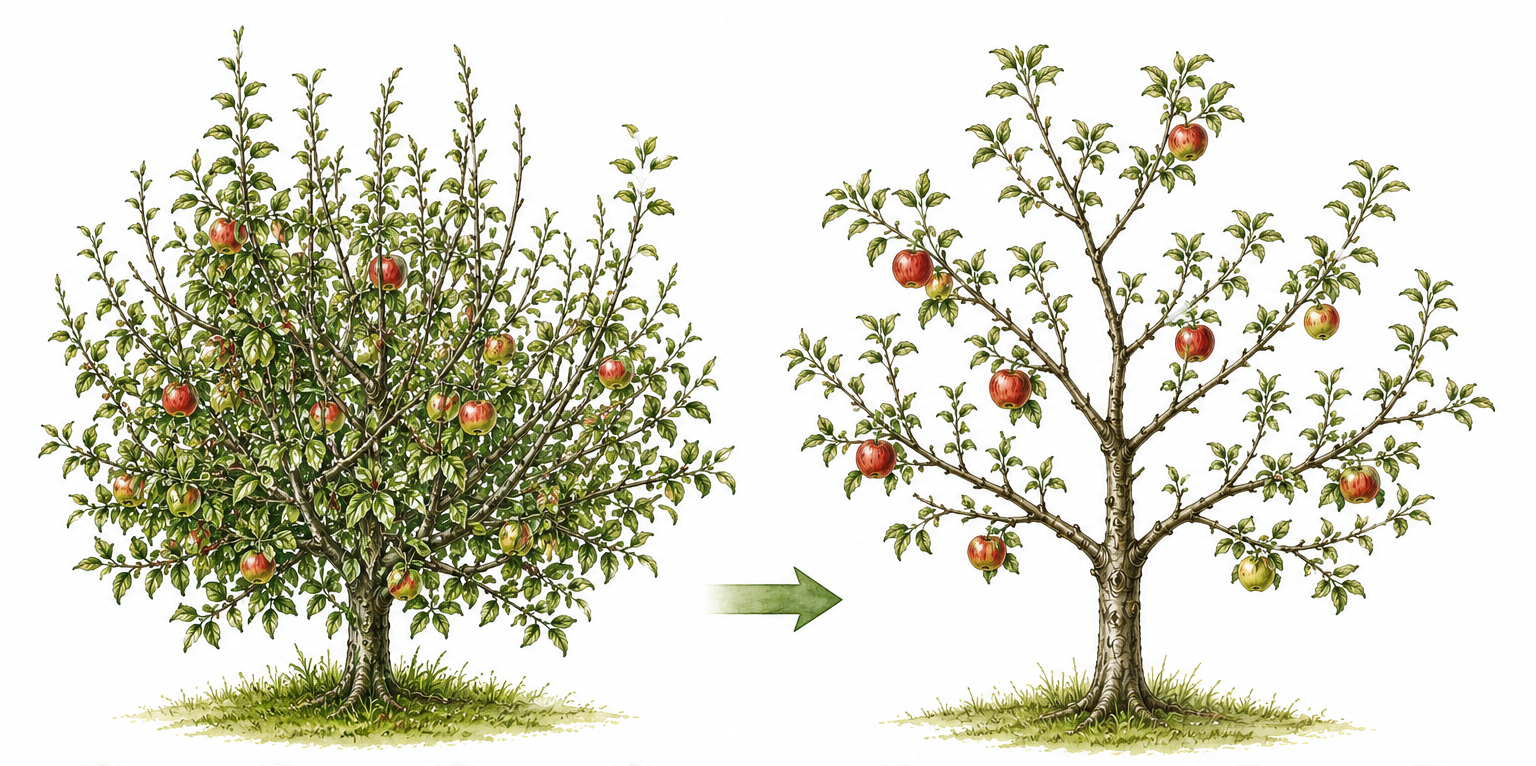
Pruning Apple Trees: Timing, Techniques, and Common Mistakes
Learn when and how to prune apple trees properly, including winter pruning, summer pruning, training cuts, and maintenance tips for healthy, productive…
Guide
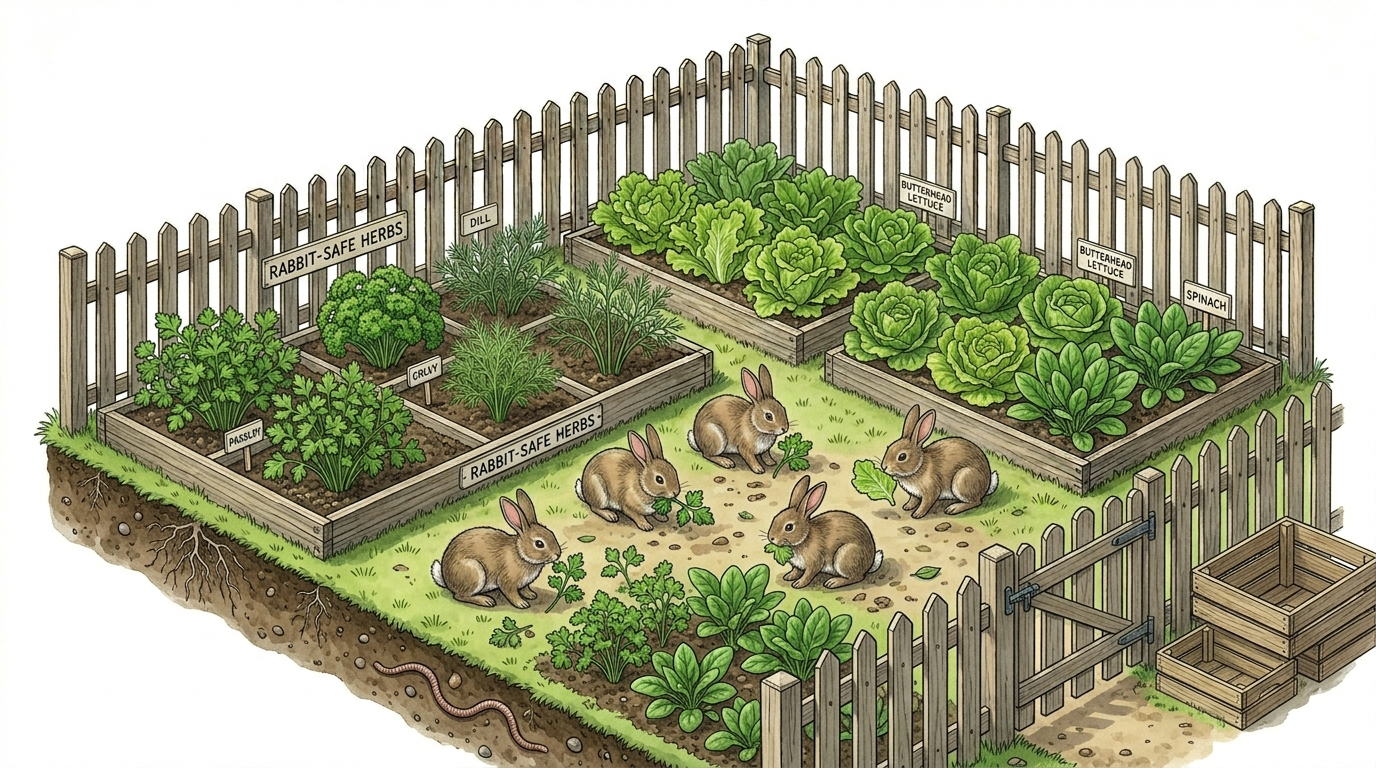
Rabbits in the Garden: Herbs and Vegetables
Learn how to choose suitable herbs and vegetables for rabbits, grow feeding plants, and plan a rabbit-friendly garden.
Guide
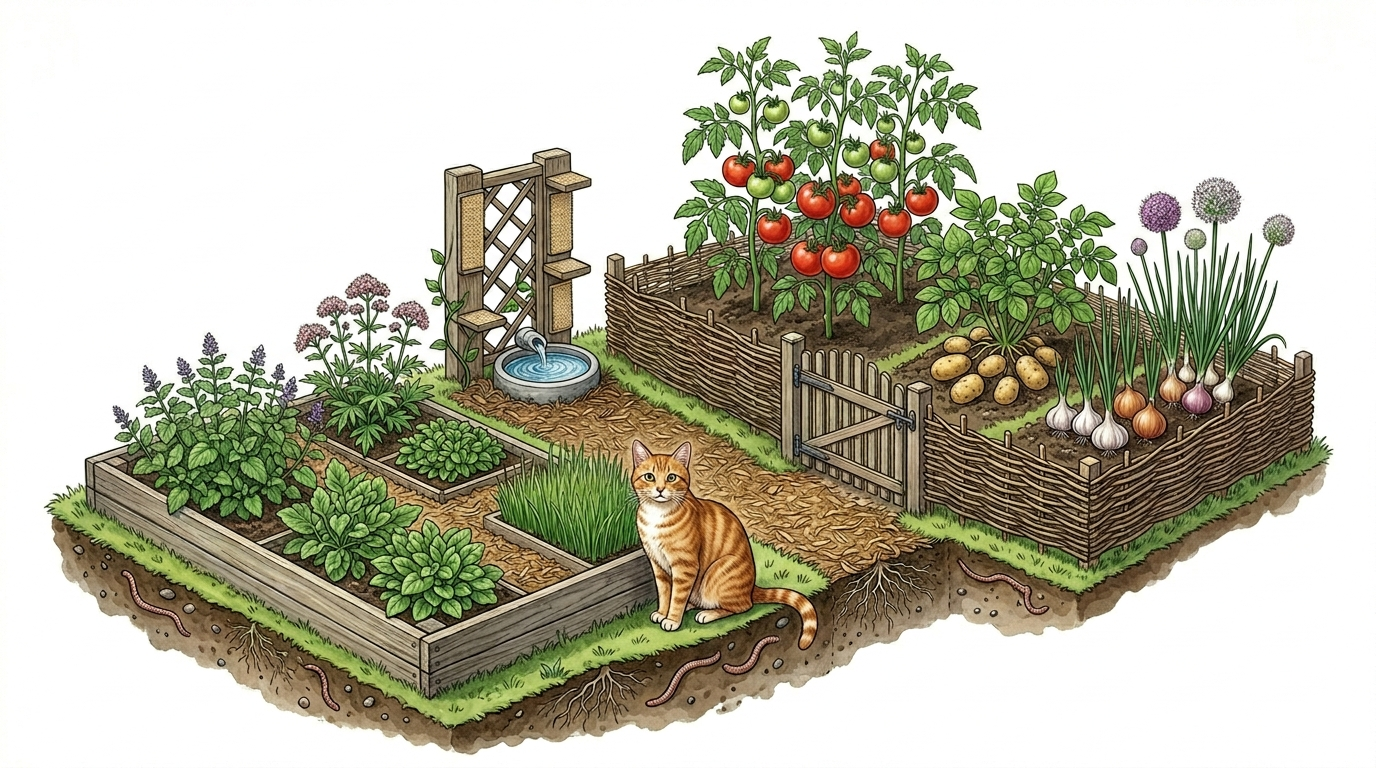
Toxic Garden Plants for Cats: Safer Planning
Learn which garden plants can be risky for cats, how to plan safer beds, and what to do if a cat eats a toxic plant.
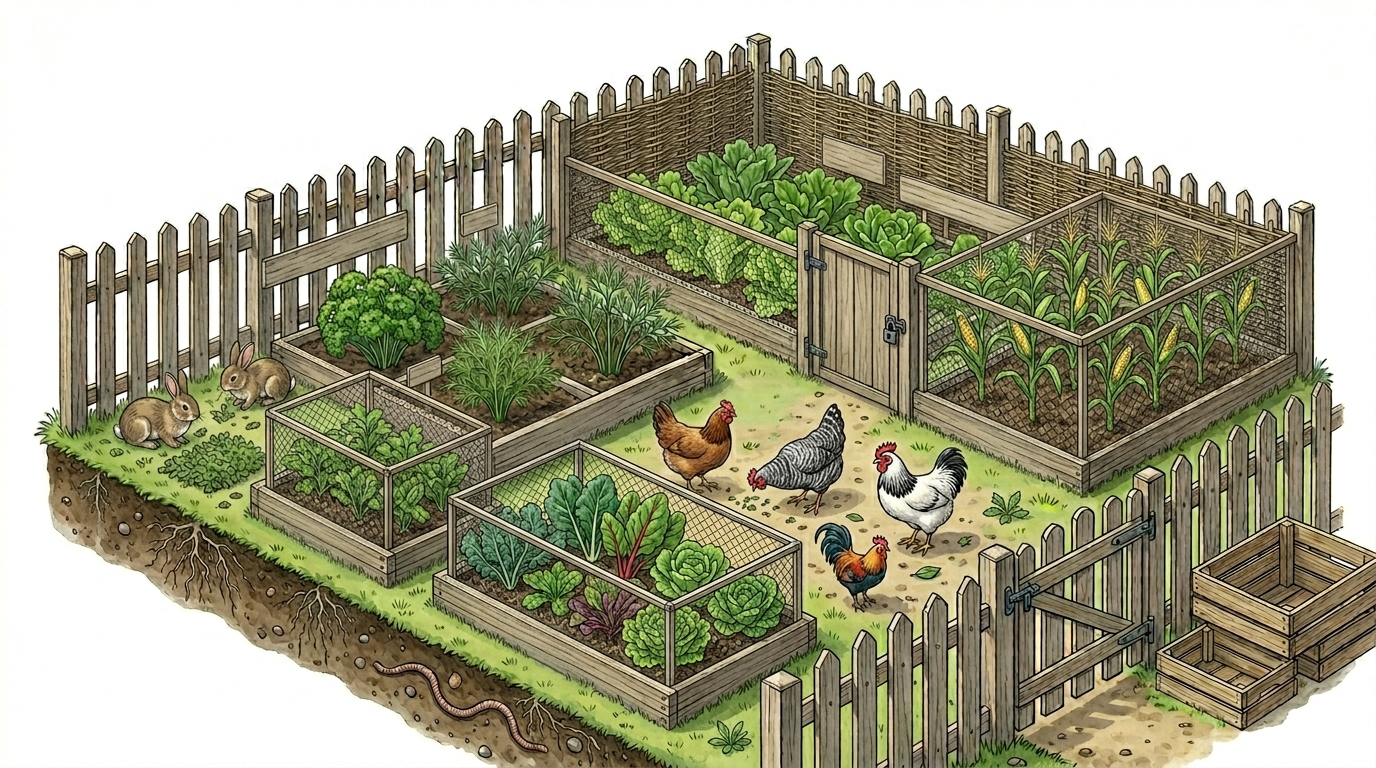
Guide
Chickens in the Garden: Safe Plants and Zones
Learn how to design a chicken-friendly garden with suitable plants, protected beds, and well-planned activity areas.
Internal links
Related plants
Rose Family
Pome fruit
Fire blight
Both belong to the Maloideae subfamily and are susceptible.
Hazelnut
Cornelian Cherry
Pear
Apple
Hawthorn
Chokeberry
Both are valued as healthy wild fruit and ornamental shrubs.
Sources
Public sources
- Wikidata entity
Wikidata · 2026-05-13
- GBIF species match
GBIF · 2026-05-13
- Deutschsprachige Wikipedia: Felsenbirnen
Wikipedia · 2026-05-13
- English Wikipedia: Amelanchier
Wikipedia · 2026-05-13