Guide
Powdery Mildew in the Garden: Prevention and Care
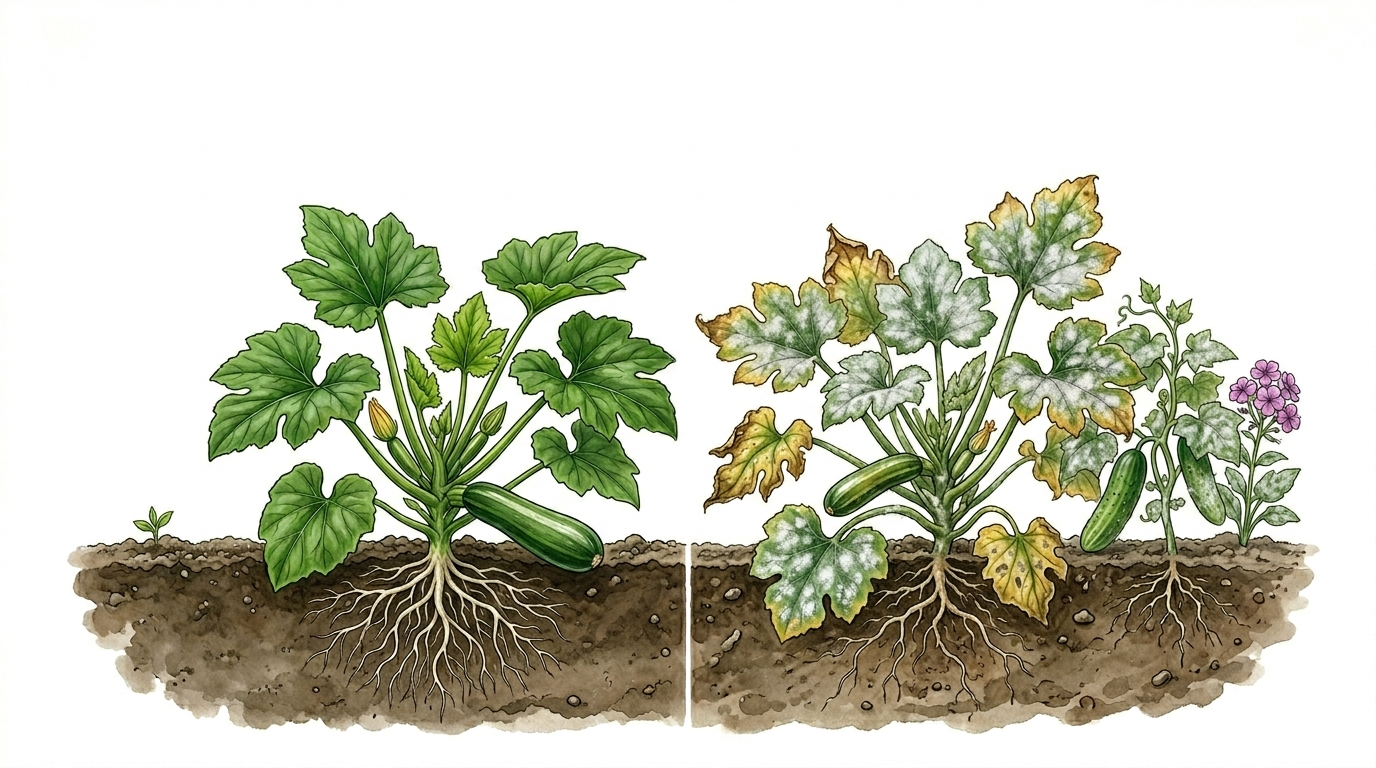
Powdery mildew is one of the most common fungal problems in vegetable gardens. Cucumbers, zucchini, and pumpkins often develop white powdery patches on their leaves during summer. With good bed planning, airflow, and balanced care, infections can often be reduced significantly.
What is powdery mildew?
Powdery mildew is a fungal disease that usually appears as a white, powder-like coating on leaves. It often spreads quickly during warm weather.
- White coating on leaf surfaces
- Common on cucumbers and squash crops
- Often spreads during summer
- Affected plants may weaken and slow down
Recognizing common symptoms
The first signs often appear on older leaves. Over time, the white coating and discoloration may spread across larger parts of the plant.
- White or grayish spots on leaves
- Yellowing or drying leaf areas
- Leaves curling inward
- Weak overall plant growth
Plants especially at risk
Plants from the squash family are especially vulnerable to powdery mildew.
- Cucumbers outdoors or in greenhouses
- Zucchini with dense foliage
- Hokkaido pumpkins and other squash
- Closely spaced summer vegetables
Preventing powdery mildew
Good prevention starts with bed planning and proper maintenance. Airy plantings and stable growing conditions help reduce stress and moisture on leaves.
- Leave enough space between plants
- Improve airflow around crops
- Keep leaves as dry as possible
- Water in the morning instead of evening
- Thin out overly dense growth
Managing moisture and airflow
Wet leaves and poorly ventilated beds encourage fungal diseases. Adjusted watering routines support healthier plants.
- Water close to the soil
- Avoid unnecessary leaf wetting
- Use mulch to reduce evaporation
- Vertical supports improve airflow for cucumbers
Caring for affected plants
Even infected plants may continue producing fruits. Regular monitoring and adjusted care remain important.
- Remove heavily affected leaves
- Avoid additional plant stress
- Maintain even watering
- Improve airflow around the plants
What to do when mildew appears
- 1
Inspect plants regularly
Check leaves for white patches or drying areas.
- 2
Remove affected leaves
Carefully remove heavily infected plant material.
- 3
Improve airflow
Create more spacing and better air movement around plants.
- 4
Adjust maintenance
Water at soil level and keep plants evenly supplied.
Common mistakes to avoid
- Overcrowded garden beds
- Evening watering with wet leaves
- Constantly damp plant growth
- Ignoring heavily infected leaves
- Allowing drought stress
Frequently asked questions
How can powdery mildew be recognized?
The most common sign is a white, powdery coating on leaves.
Which vegetables are especially vulnerable?
Cucumbers, zucchini, and squash crops are among the most commonly affected plants.
Does wider spacing help prevent mildew?
Yes, better airflow can reduce damp conditions and fungal pressure.
Internal links
Related plants
Guides
Related guides
Guide
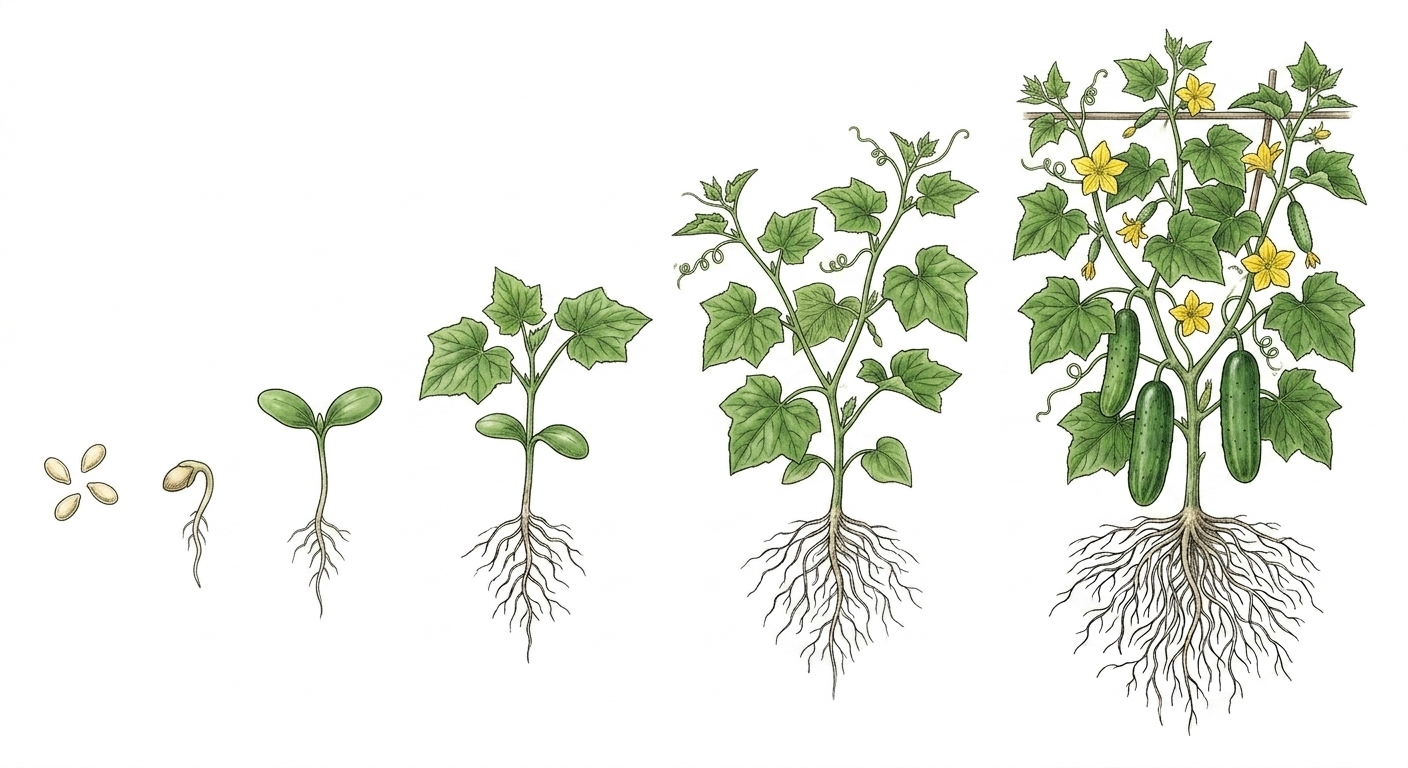
Growing Cucumbers: Starting, Supports and Harvest
Learn how to grow cucumbers successfully with indoor starting, transplanting, trellises, watering, and regular harvesting.

Guide
Growing Zucchini: Spacing, Pollination and Mildew
Learn how to grow zucchini with the right site, spacing, pollination support, and practical tips to prevent powdery mildew.
Guide
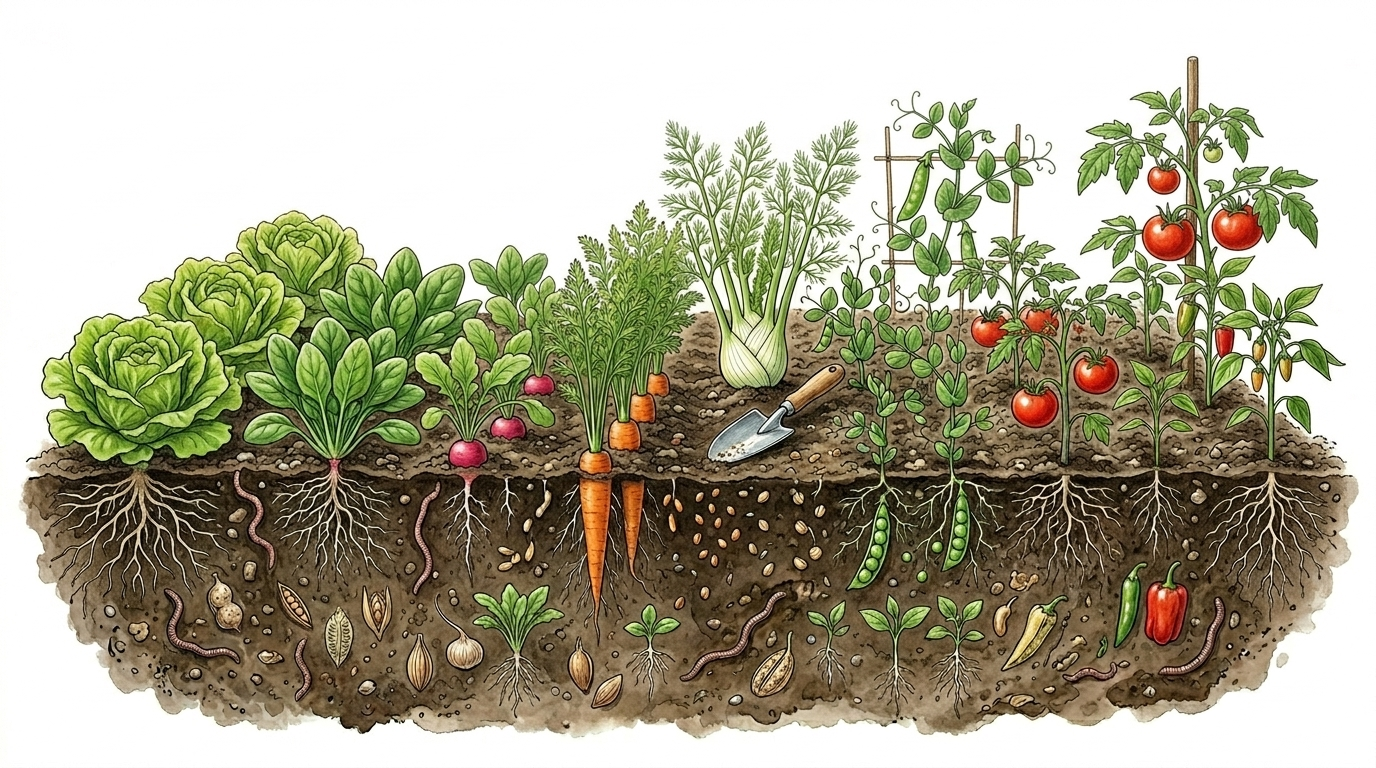
May Planting Calendar: Transplanting and Succession Sowing
What to plant and sow in May: transplant tender vegetables, continue succession sowing, and make the most of garden beds.
Guide
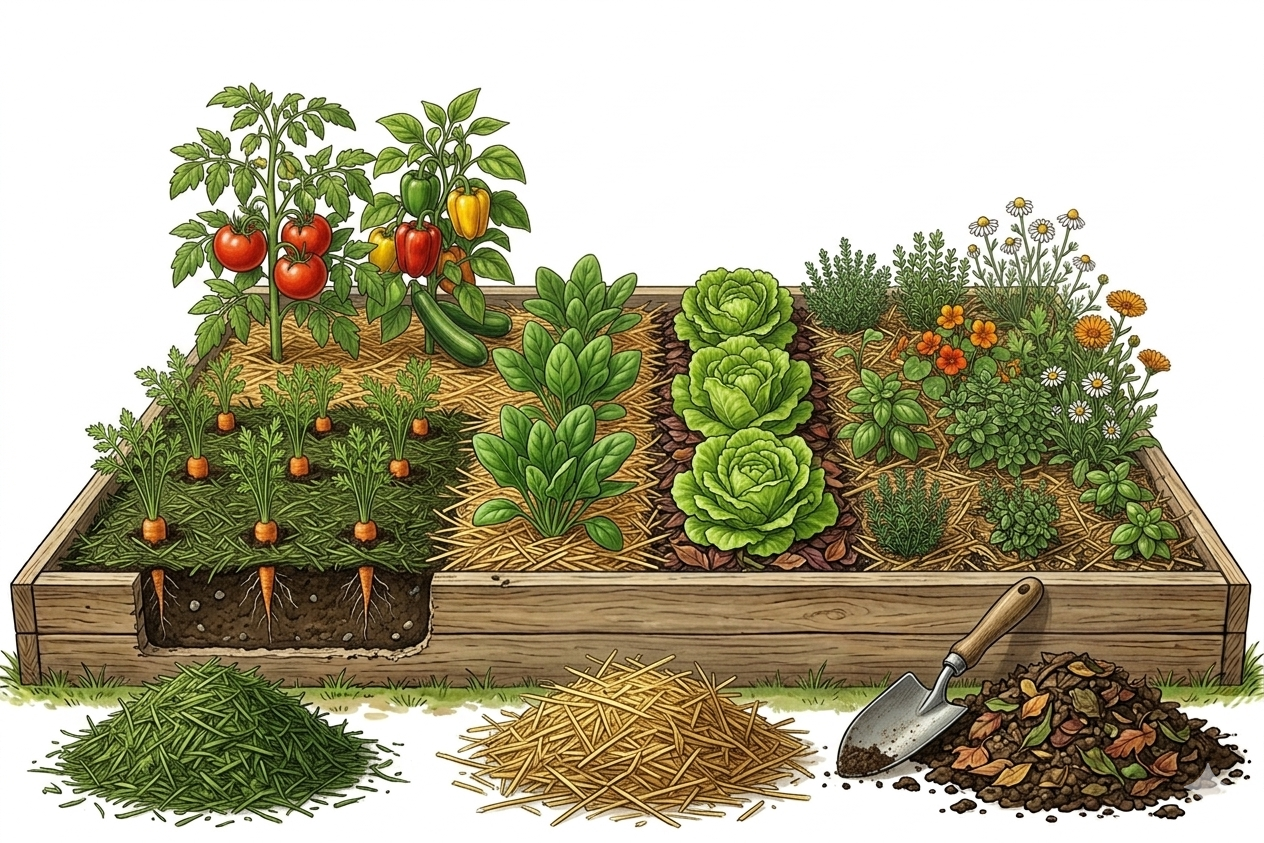
Mulching Vegetable Gardens: Materials and Mistakes
Learn how grass clippings, straw, and leaves can improve soil, reduce watering, and support healthy vegetable crops.