Plant Profile
ParsnipPastinaca sativa
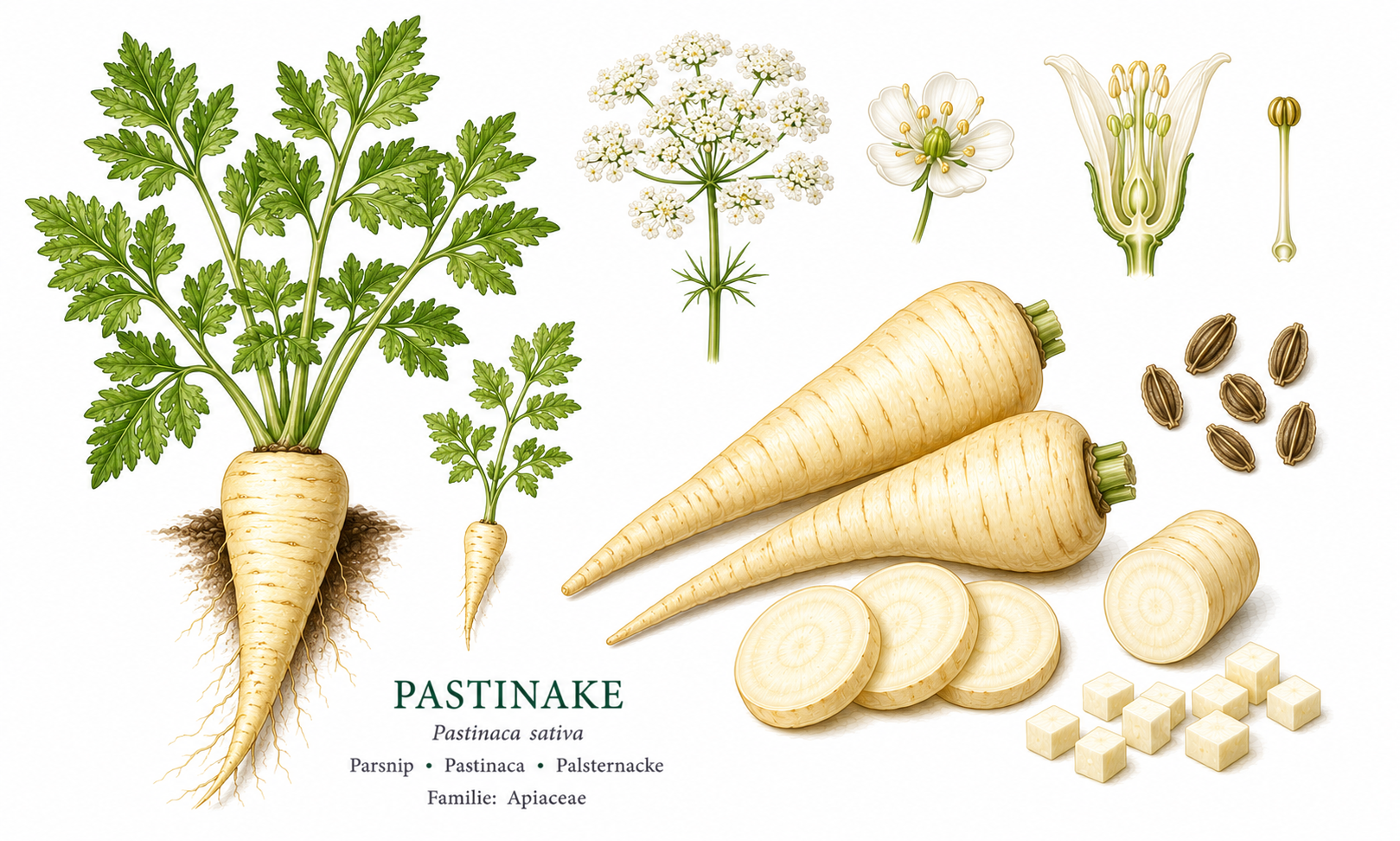
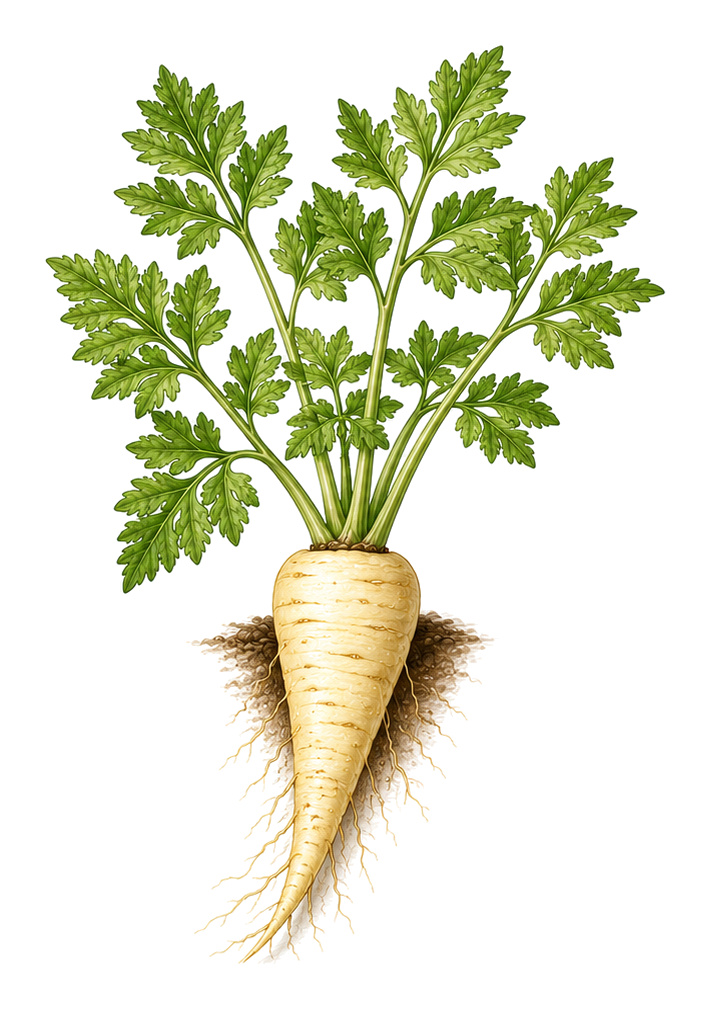
The parsnip is an essential winter vegetable for the self-sufficient garden. Its long, cream-colored taproots only develop their full sweet, nutty flavor after the first frosts. Cultivation requires patience during germination and deeply loosened soil.
Quick profile
Key data
Suitable growing locations:
Good neighbors
OnionLettuce
Avoid
CarrotCelery
Indoor & direct sowing
Parsnip: Sowing and germination
Pre-culture not recommended as the taproot is sensitive to transplanting.
Early sowing allows for maximum root development; germination often takes 3-4 weeks.
Planting & site
Parsnip: Planting and spacing
Direct sowing preferred.
Site & practical notes
Topic: germination, Text: Parsnip seeds remain viable for a short time; always use fresh seeds from the previous year.
Temperature & frost
Parsnip: Temperature and site
Water & nutrients
Parsnip: Water, nutrients and care
Container & growth
Parsnip: Container, support and growth
Year plan
Parsnip Calendar
When the frost arrives, the best time for parsnips begins.
Recurring tasks
Relevant now
June
- No additional single task
Next up
July
- No additional single task
Monthly tasks
Single tasks from monthly data; repeated seasonal windows are shown in the overview above.
January
No additional single task
February
No additional single task
March
No additional single task
April
No additional single task
May
No additional single task
June
No additional single task
August
Quiet month
September
Quiet month
October
No additional single task
November
No additional single task
December
No additional single task
Flowering & pollination
Parsnip Flowering & pollination
Flowering period
June to August (in the second year)
Flower color
Yellow
Self-fertility
partially self-fertile
Pollinator needed
yes
Overview
Pollination is primarily carried out by insects such as hoverflies, beetles, and bees.
Notes
Protandrous flowers (pollen matures before stigma is receptive) promote cross-pollination.
Pruning & care
Parsnip Pruning & care
Pruning timing
Removing bolters Remove early flowering plants immediately to prevent the root from becoming woody.
Remove
Preserve
Avoid
Tools and hygiene
Use clean knives to prevent pathogens from entering the root shoulder.
Companion guide
Parsnip Companion guide
Good neighbors
OnionLettuce
Avoid
CarrotCelery
Use & storage
Parsnip Use & storage
Harvesting after the first frost improves flavor (conversion of starch to sugar).
Storage
Root vegetable (long-term storage)
Storage life
2 to 6 months under optimal conditions.
Harvest
Harvesting after the first frost improves flavor (conversion of starch to sugar).
Processing
After harvest
Twist off foliage immediately after harvest, remove loose soil, do not wash if intended for long-term storage.
Edibility & safety
Parsnip Edibility & safety
For people
In brief: which parts are edible, which parts remain risky, and whether raw consumption makes sense.
Safety notes
Contains furanocoumarins; contact with foliage can cause skin irritation (photodermatitis) in sunlight.
Animal safety
This plant is not simply safe or unsafe for animals. 4 animal types have restrictions, so quantity, access, and plant part matter.
Each row shows which parts are more suitable and which parts are critical.
Companion animals
 Dog
DogRoot
Leaves, Flower stalks
Root
Leaves, Flower stalks
Consumption of large quantities, Contact with foliage in sunlight
Gastrointestinal upset, Vomiting, Diarrhea
observe
Parsnip root is suitable for dogs in small amounts as a treat. Leaves and flower stalks contain furanocoumarins that can cause skin irritation on contact with sunlight and may cause gastrointestinal upset if ingested. Young leaves as seasoning in very small amounts may be tolerated but not recommended due to phototoxic potential.
Open animal page Cat
CatRoot
Leaves, Flower stalks
Root
Leaves, Flower stalks
Consumption of leaves or flower stalks, Phototoxic reaction upon sunlight exposure
Gastrointestinal upset, Vomiting, Diarrhea
observe
Parsnip root is safe for cats in small amounts as an occasional treat. Leaves and flower stalks contain furanocoumarins that may cause gastrointestinal upset and, in sunlight, skin irritation. Feed only the root, washed and cut into small pieces.
Open animal page Rabbit
Root
Leaves, Flower stalks
Root
Leaves, Flower stalks
Consumption of leaves or stems, Phototoxic reaction upon sun exposure
Gastrointestinal upset, Skin irritation in sunlight
observe
Parsnip root is suitable for rabbits in small amounts as an occasional treat. Leaves and flower stalks contain furanocoumarins, which can cause gastrointestinal upset and, in sunlight, skin irritation. Feed only the root, introducing it gradually. If leaves or stems are consumed, monitor and contact a vet if symptoms appear.
Open animal page Guinea pig
Root
Foliage (especially older foliage), Flower stalks
Root
Foliage (especially older foliage), Flower stalks
Ingestion of foliage or flower stalks, Skin contact with foliage followed by sun exposure, Overconsumption of the root
Gastrointestinal upset (e.g., diarrhea), Photodermatitis (skin irritation upon contact with foliage and sunlight)
contact a vet if symptoms appear
Parsnip root can be offered to guinea pigs in small amounts as a treat. The foliage, especially older leaves, contains furanocoumarins which can cause photodermatitis upon skin contact combined with sunlight, and gastrointestinal upset if ingested. Flower stalks should also be avoided.
Open animal page Hamster
Root (peeled and cooked, or raw in small amounts)
Foliage (leaves and stems), Flower stalks
Root (peeled and cooked, or raw in small amounts)
Foliage (leaves and stems), Flower stalks
Access to foliage or flower stalks, Overfeeding the root
Skin irritation (upon contact with foliage and sunlight), Gastrointestinal upset (with excessive consumption or ingestion of foliage)
contact a vet if symptoms appear
Parsnip root can be offered to hamsters in small amounts as an occasional treat. The foliage and flower stalks contain furanocoumarins, which can cause skin irritation upon contact with sunlight and are potentially harmful if ingested. Therefore, only the root should be fed, and no other plant parts.
Open animal page Budgie
Cooked parsnip root (in very small amounts)
Foliage (especially older leaves), Flower stalks, Raw root
Cooked parsnip root (in very small amounts)
Foliage (especially older leaves), Flower stalks, Raw root
Consumption of foliage or flower stalks, Consumption of large quantities of the root, Contact with foliage in sunlight
Gastrointestinal upset (vomiting, diarrhea), Skin irritation upon contact with foliage and sunlight (photodermatitis)
contact a vet if symptoms appear
Cooked parsnip root can be offered in very small amounts as an occasional treat for budgies. The foliage and flower stalks contain furanocoumarins, which can cause gastrointestinal upset if ingested and phototoxic reactions upon skin contact with sunlight. Raw root is difficult to digest and should be avoided.
Open animal pageFarm animals
 Horse
HorseRoot (in small quantities as a treat)
Foliage, Stems, Flowers
Root (in small quantities as a treat)
Foliage, Stems, Flowers
Contact with wet foliage in sunlight, Grazing in areas with parsnip plants, Light-colored skin or unpigmented areas
Photodermatitis (skin inflammation with sun exposure), Skin irritation, Blistering
contact a vet if symptoms appear
Parsnip roots are safe in small quantities as a treat. However, the foliage, stems, and flowers contain furanocoumarins, which can cause severe photodermatitis upon skin contact followed by sun exposure. This is a known risk for horses, especially those with light-colored skin or unpigmented areas.
Open animal page Chicken
Root (cooked or raw, in moderation)
Foliage (especially older), Flower stalks
Root (cooked or raw, in moderation)
Foliage (especially older), Flower stalks
Consumption of large amounts of foliage, Contact with foliage in sunlight
Skin irritation (photodermatitis) from contact with foliage and sunlight, Gastrointestinal upset (potentially from consuming larger amounts of foliage)
contact a vet if symptoms appear
Parsnip root is safe for chickens in moderation. The foliage contains furanocoumarins, which can cause skin irritation upon contact with sunlight and may cause gastrointestinal upset if consumed in larger quantities.
Open animal page Duck
DuckRoot
Foliage (especially older), Flower stalks
Root
Foliage (especially older), Flower stalks
Consumption of foliage, Contact with foliage in sunlight
Skin irritation (photodermatitis) from contact with foliage and sunlight, Gastrointestinal upset (if foliage is consumed)
contact a vet if symptoms appear
Parsnip root can be offered in small amounts as an occasional treat. However, the foliage and flower stalks contain furanocoumarins, which can cause skin irritation (photodermatitis) upon contact with sunlight and may lead to gastrointestinal upset if consumed. Therefore, access to these plant parts should be avoided for ducks.
Open animal page Goose
GooseRoot
Leaves, Stems, Flowers
Root
Leaves, Stems, Flowers
Consumption of large amounts of foliage, Contact with foliage in sunlight
Skin irritation (photodermatitis) on contact with foliage and sunlight, Gastrointestinal upset, Photosensitivity
contact a vet if symptoms appear
Parsnip root is considered edible and nutritious. However, the foliage, especially older leaves, contains furanocoumarins which can cause skin irritation (photodermatitis) on contact with sunlight. Ingestion of larger quantities of foliage carries a risk of gastrointestinal upset and photosensitivity. Therefore, access to the entire plant material is not recommended for grazing geese.
Open animal page Sheep
SheepRoot
Foliage (especially older), Flower stalks
Root
Foliage (especially older), Flower stalks
Consumption of large amounts of foliage, Contact with foliage in sunlight
Photodermatitis (skin inflammation in sunlight), Skin irritation, Blistering
contact a vet if symptoms appear
No direct species-specific source was found for sheep. This is a cautious inference from the goats profile and the known plant-part risks.
Open animal page Goat
GoatRoot
Foliage (especially older), Flower stalks
Root
Foliage (especially older), Flower stalks
Consumption of large amounts of foliage, Contact with foliage in sunlight
Photodermatitis (skin inflammation in sunlight), Skin irritation, Blistering
contact a vet if symptoms appear
The parsnip root is considered safe and can be offered to goats in moderation as a treat or supplemental feed. However, the foliage, especially older leaves, contains furanocoumarins which can cause photodermatitis (skin irritation and blistering) upon contact with sunlight. Therefore, access to the leaves should be restricted.
Open animal page Cattle
Root
Foliage (especially older), Flower stalks
Root
Foliage (especially older), Flower stalks
Contact with foliage, especially in wet conditions followed by sun exposure, Ingestion of large amounts of foliage
Photodermatitis (skin inflammation upon sun exposure), Skin blistering, Photosensitivity
contact a vet if symptoms appear
Parsnip root is considered safe and can be fed in moderation. The foliage, especially older leaves, contains furanocoumarins which can cause photodermatitis upon skin contact combined with sunlight. For grazing animals like cattle, consuming the foliage poses a risk.
Open animal page Pig
PigRoot
Older foliage, Flower stalks
Root
Older foliage, Flower stalks
Contact with foliage in sunlight, Ingestion of large amounts of foliage or stalks
Photodermatitis (skin irritation, blistering upon sun exposure), Gastrointestinal upset
observe
Parsnip roots are safe and nutritious for pigs and can be offered in moderation as a supplemental feed. The foliage, especially older leaves, contains furanocoumarins, which can cause photodermatitis upon skin contact followed by sun exposure. Ingestion of large amounts of foliage or stalks may lead to gastrointestinal upset.
Open animal pageThese guidelines are for general information only and do not replace veterinary diagnosis. If critical plant parts were ingested or the animal shows unusual behaviour or symptoms, seek veterinary advice.
Max risk
unknown
Highest status
selected parts only
Urgency
contact a vet if symptoms appear
Saving seed
Parsnip Saving seed
Seed viability
1 - 2 years
Method
Overwinter the best roots and allow them to flower in the second year.
Practical tips
Parsnip Practical tips
Common beginner mistakes
Using old seed; the germination rate drops drastically after one year.
Success pattern
Early sowing in March leads to the highest yields during winter harvest.
High-impact tips
Sow radishes as a marker crop in between to identify rows early.
Grower observations
In heavy soils, growing on small earth ridges (mounds) is significantly more successful.
Plant Profile
Additional plant images


Health
Pests, Diseases
Deficiencies
Boron Deficiency
Heart rot and dry rot, cracked roots.
Plant health
Diagnosis help
Parsnip Diagnosis help
Pest groups
Disease groups
Prevention
Diagnosis
Root damage often only becomes visible at harvest; regular foliage checks for discoloration are important.
Cultural prevention
Monitoring
First response
Diagnostic rules
Root splits into several smaller roots
Possible causes: Forking, Stony soil, Fresh manure
- Check soil structure
- Review fertilization history
FAQ
Why do parsnips taste better after frost?
At low temperatures, the plant converts starch into sugar, making the roots sweeter.
Is Parsnip safe for Dog?
Parsnip is classified as moderation only for Dog. Risk: unknown. Urgency: observe. Parsnip root is suitable for dogs in small amounts as a treat. Leaves and flower stalks contain furanocoumarins that can cause skin irritation on contact with sunlight and may cause gastrointestinal upset if ingested. Young leaves as seasoning in very small amounts may be tolerated but not recommended due to phototoxic potential.
Is Parsnip safe for Cat?
Parsnip is classified as moderation only for Cat. Risk: unknown. Urgency: observe. Parsnip root is safe for cats in small amounts as an occasional treat. Leaves and flower stalks contain furanocoumarins that may cause gastrointestinal upset and, in sunlight, skin irritation. Feed only the root, washed and cut into small pieces.
Is Parsnip safe for Rabbit?
Parsnip is classified as moderation only for Rabbit. Risk: unknown. Urgency: observe. Parsnip root is suitable for rabbits in small amounts as an occasional treat. Leaves and flower stalks contain furanocoumarins, which can cause gastrointestinal upset and, in sunlight, skin irritation. Feed only the root, introducing it gradually. If leaves or stems are consumed, monitor and contact a vet if symptoms appear.
Is Parsnip safe for Horse?
Parsnip is classified as selected parts only for Horse. Risk: unknown. Urgency: contact a vet if symptoms appear. Parsnip roots are safe in small quantities as a treat. However, the foliage, stems, and flowers contain furanocoumarins, which can cause severe photodermatitis upon skin contact followed by sun exposure. This is a known risk for horses, especially those with light-colored skin or unpigmented areas.
Guides
Related guides
Guide
Horse Pastures and Garden Plants: Safety Checks
Learn how to identify risks near horse pastures, fences, turnout areas, fruit trees, and garden planting zones.
Guide
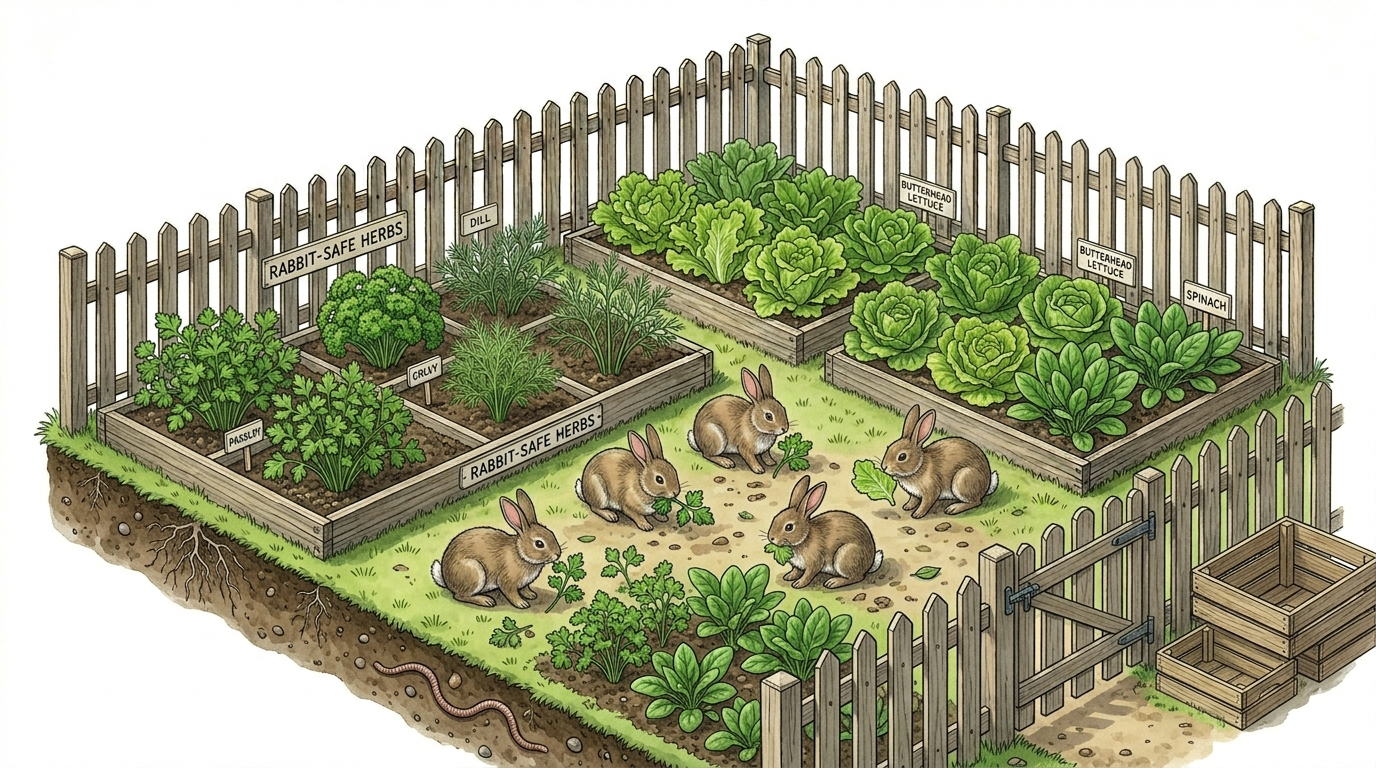
Rabbits in the Garden: Herbs and Vegetables
Learn how to choose suitable herbs and vegetables for rabbits, grow feeding plants, and plan a rabbit-friendly garden.
Guide
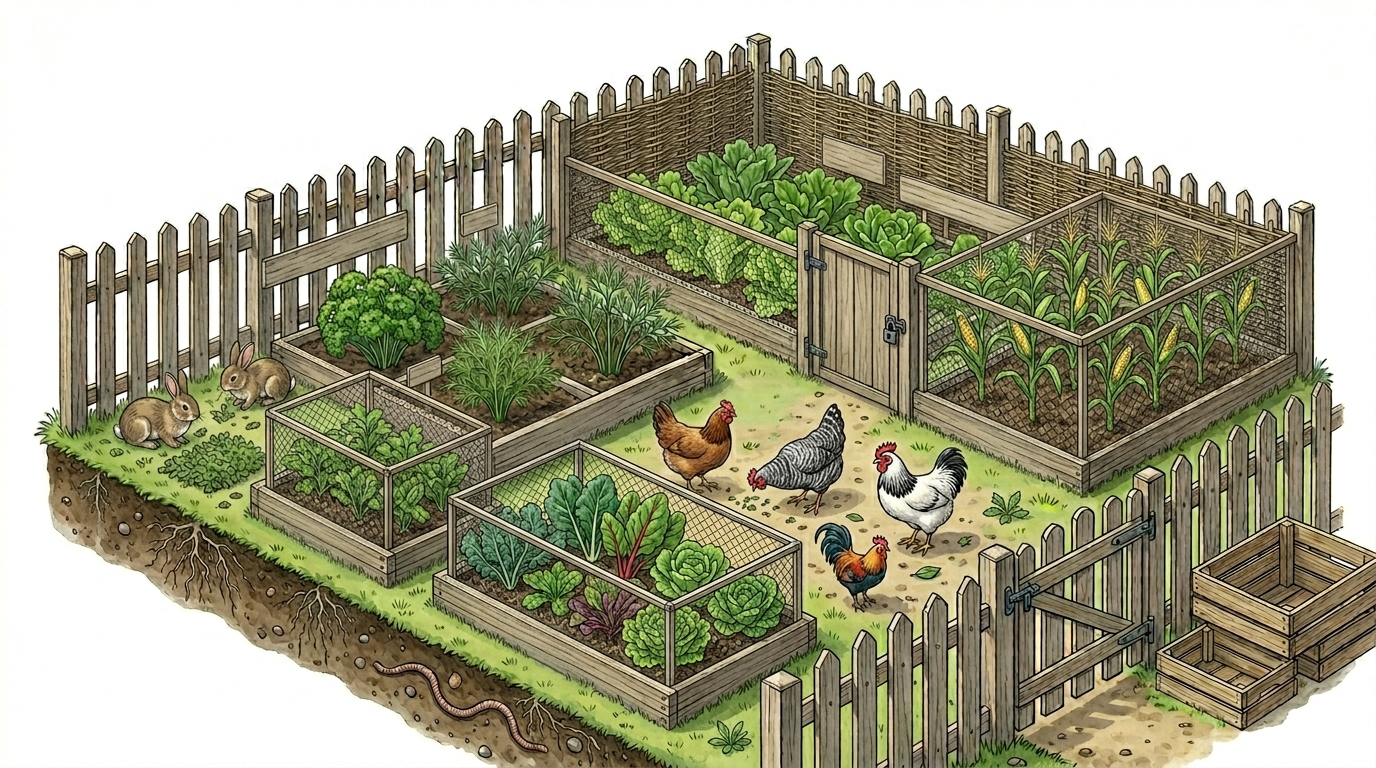
Chickens in the Garden: Safe Plants and Zones
Learn how to design a chicken-friendly garden with suitable plants, protected beds, and well-planned activity areas.
Guide
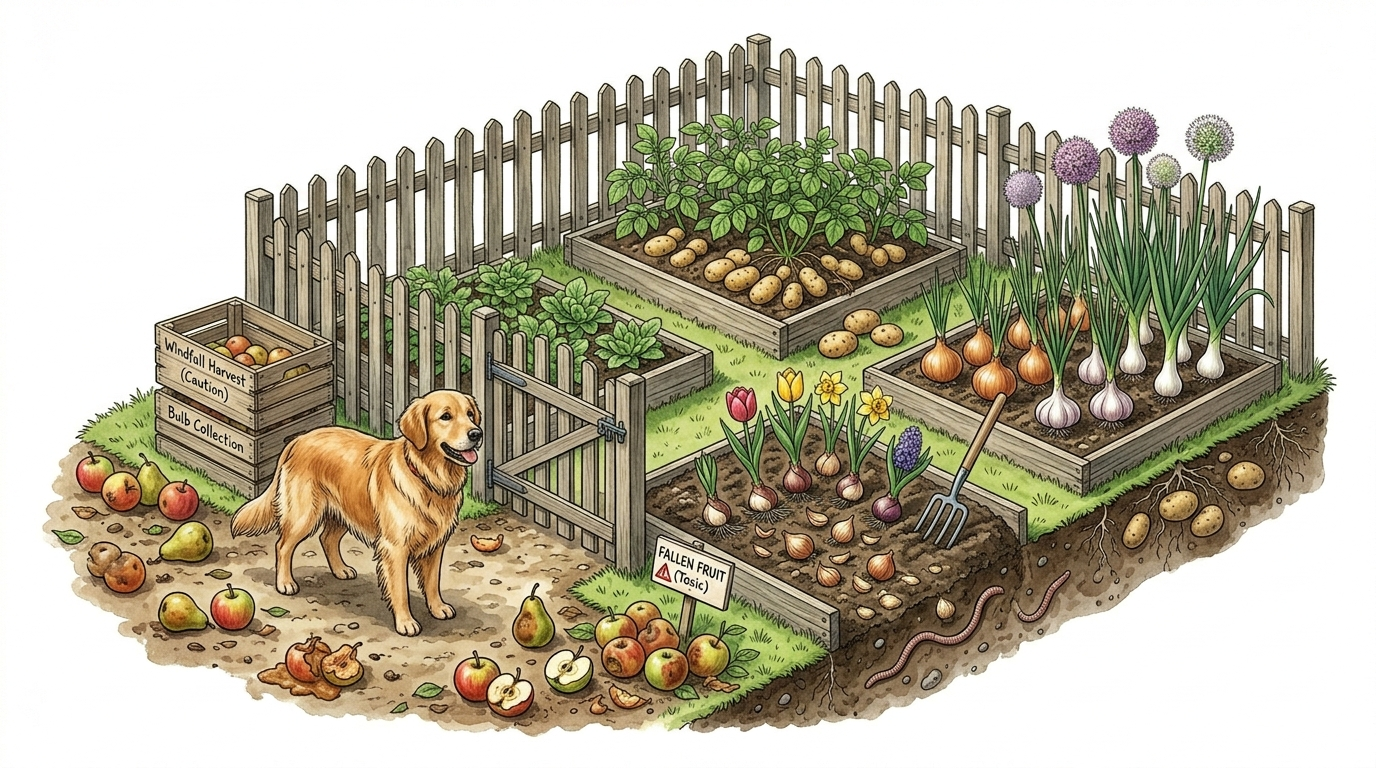
Dogs in the Garden: Windfall Fruit and Risks
Keep your garden dog-safe by managing windfall fruit, seeds, stored crops, and potentially problematic plant parts.
Internal links
Related plants
Carrot
Closely related, similar soil requirements.
Beetroot
Onion
Leek
Celery
Both belong to the Apiaceae family.
Potato
Often used as a starchy side dish or mash.
Root Parsley
Similar root shape; however, parsnips have a recessed leaf attachment point.
Sources
Public sources
- Wikidata entity
Wikidata · 2026-05-14
- GBIF species match
GBIF · 2026-05-14
- Deutschsprachige Wikipedia: Pastinak
Wikipedia · 2026-05-14
- English Wikipedia: Parsnip
Wikipedia · 2026-05-14