Guide
Companion Planting for Tomatoes: Good and Bad Neighbors
Companion planting can strengthen tomato beds, improve the use of garden space, and support a more balanced growing environment. Good neighbors encourage biodiversity and attract beneficial insects, while poor combinations may create competition and weaker growth.
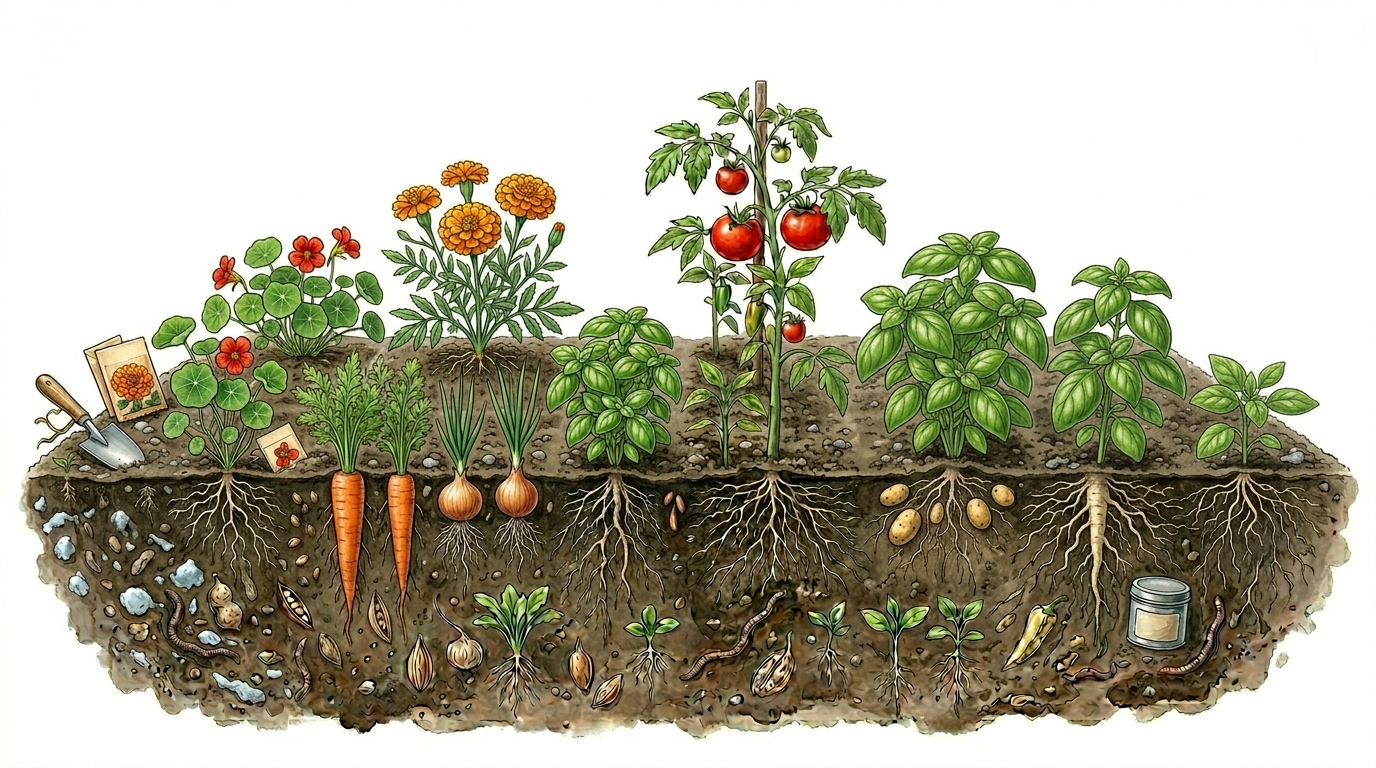
Why companion planting helps tomatoes
Tomatoes benefit from thoughtful bed planning with compatible neighboring plants. Different growth habits and root depths can make better use of available space and create a more diverse garden ecosystem.
- Better use of soil and sunlight
- Greater plant diversity in the bed
- More beneficial insects and pollinators
- Improved structure and appearance of garden beds
Good companion plants for tomatoes
Some plants combine especially well with tomatoes and fit efficiently into the same garden bed.
- Basil as a classic tomato companion
- Calendula for added flower diversity
- Nasturtiums as a low-growing companion
- Carrots between larger plants
- Onions as compact bed partners
Avoid poor neighbors
Not all plants grow well beside tomatoes. Some combinations may lead to competition or unfavorable growing conditions.
- Avoid planting potatoes directly beside tomatoes
- Grow fennel separately if possible
- Do not combine peas too closely with tomatoes
Planning tomato beds effectively
Tomatoes grow vigorously and need enough spacing and airflow. Companion planting should therefore always be combined with thoughtful bed design.
- Place tall tomatoes toward the back or center
- Use low-growing companions around the edges
- Leave enough spacing between plants
- Prepare supports early in the season
Companion planting in raised beds and small gardens
Even small spaces can be planted efficiently. Compact companion plants work especially well in raised beds or balcony gardens.
- Plant basil between tomatoes
- Allow nasturtiums to trail over bed edges
- Grow onions between tomato rows
- Sow carrots in open spaces
Caring for mixed tomato beds
Tomatoes in companion plantings still require enough water, nutrients, and light. Regular observation helps prevent overcrowding.
- Water regularly at soil level
- Remove damaged leaves
- Trim companion plants if necessary
- Reduce weeds and overcrowded growth
Creating a companion planting bed for tomatoes
- 1
Choose a location
Select a sunny and airy place for the bed.
- 2
Position the tomatoes
Leave enough space between the main plants.
- 3
Add companion plants
Place compact companions such as basil or onions between the tomatoes.
- 4
Maintain the bed
Water regularly and monitor the growth of all plants.
Frequently asked questions
Which plants grow well with tomatoes?
Basil, calendula, nasturtiums, carrots, and onions are commonly considered good tomato companions.
Why should potatoes not grow beside tomatoes?
Potatoes and tomatoes belong to the same plant family and are often avoided as direct neighbors.
Is companion planting suitable for small gardens?
Yes, raised beds and compact gardens benefit especially from space-saving plant combinations.
Internal links
Related plants
Guides
Related guides
Guide
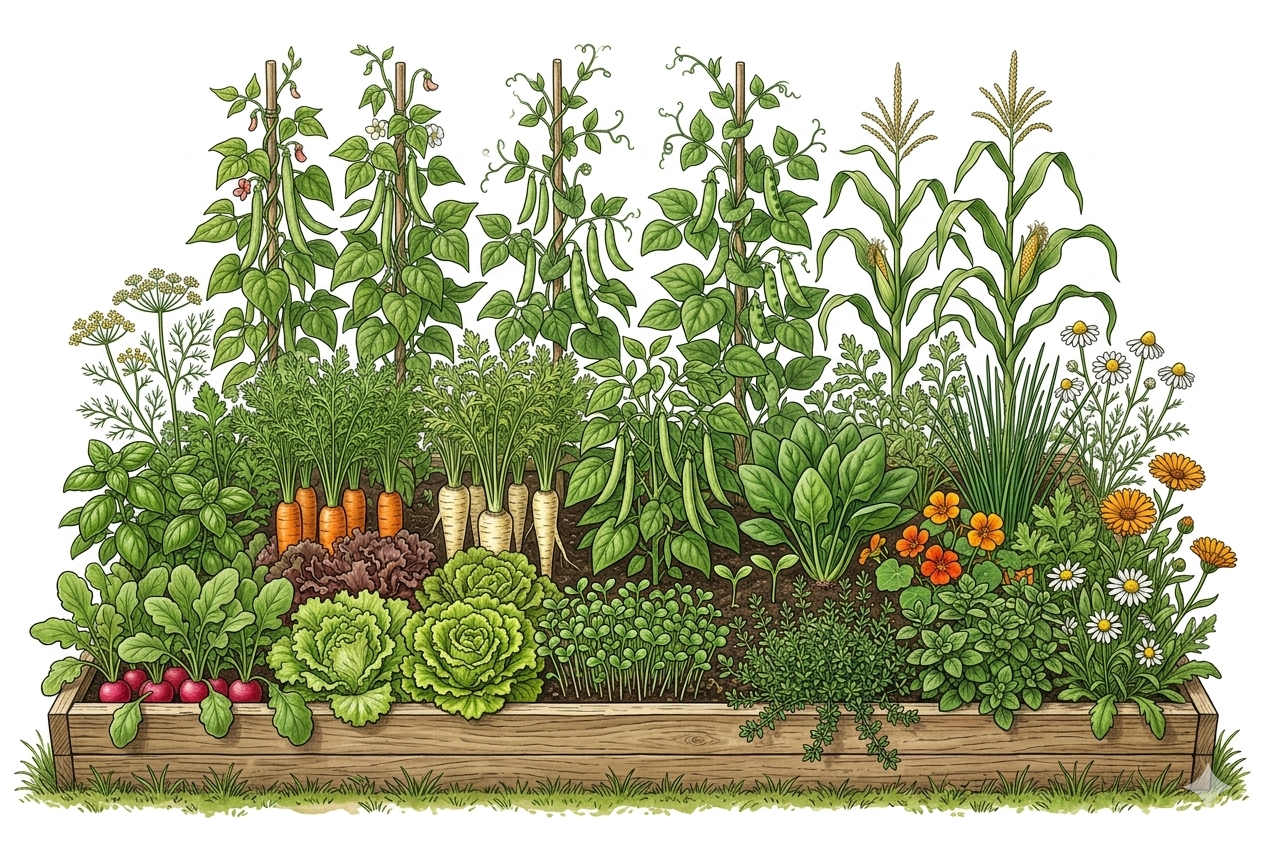
Small Garden Bed Planning: Combine 20 Crops Well
Use small beds efficiently by combining 20 vegetables and herbs, planning successions, and avoiding wasted gaps.
Guide
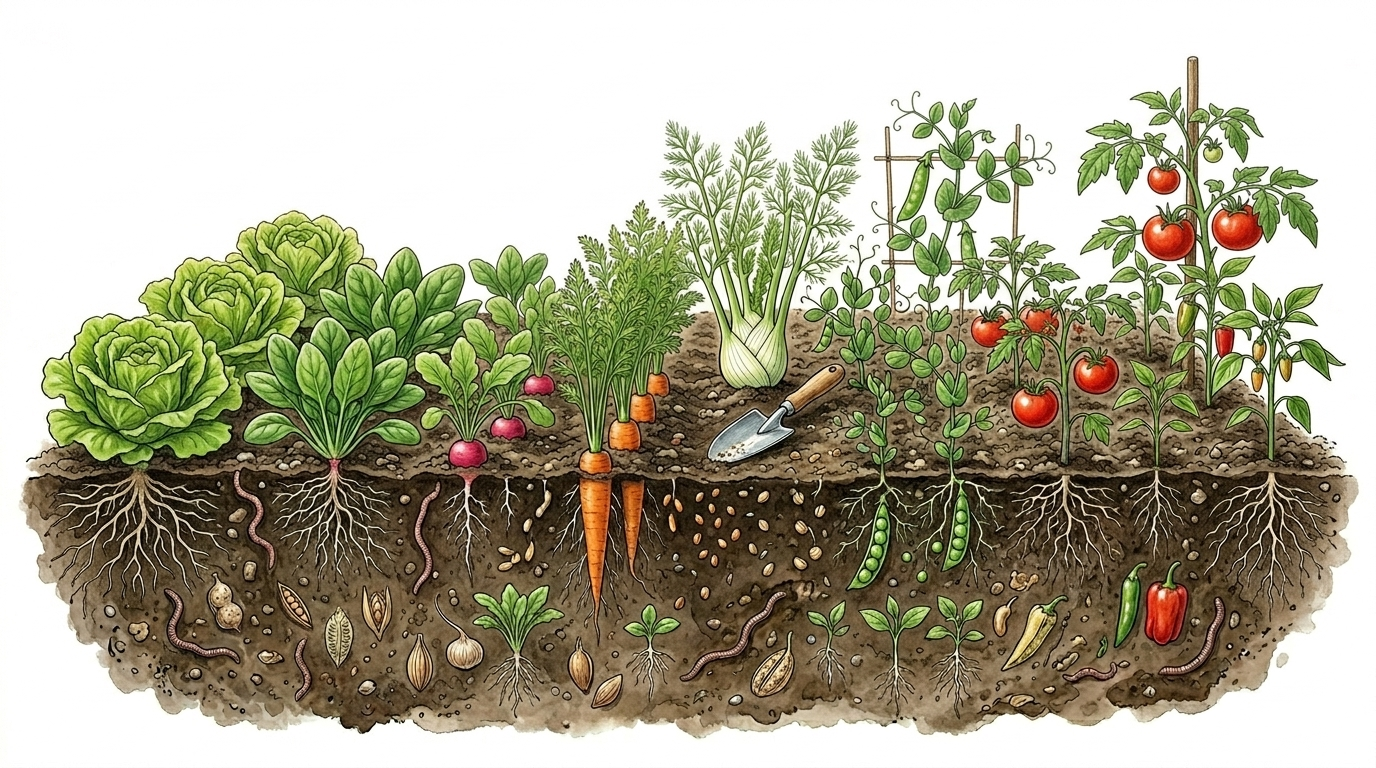
May Planting Calendar: Transplanting and Succession Sowing
What to plant and sow in May: transplant tender vegetables, continue succession sowing, and make the most of garden beds.
Guide
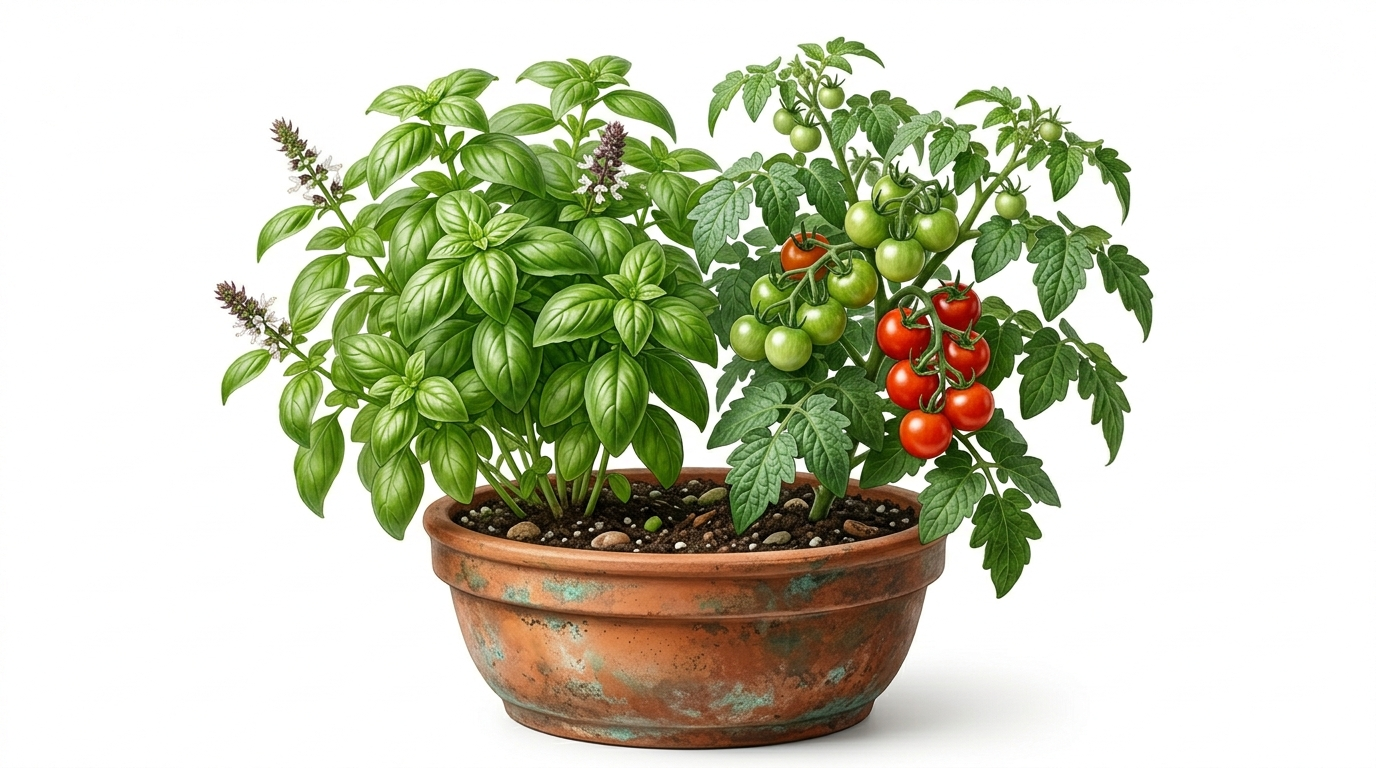
Growing Basil: Site, Watering and Harvesting
Learn how to grow basil successfully with the right site, steady watering, regular harvesting, and tips to delay flowering.
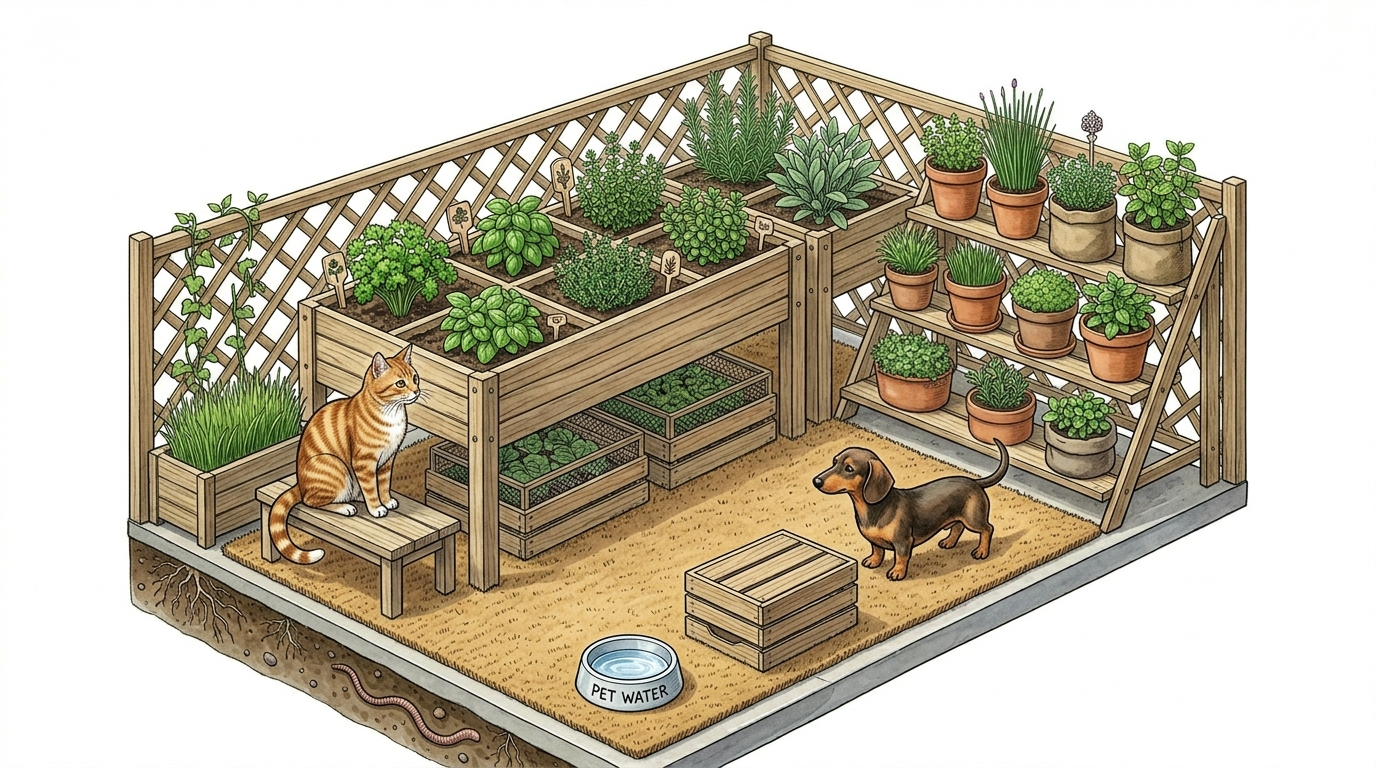
Guide
Pet-Safe Herb Gardens for Balconies and Beds
Learn how to create a pet-safe herb garden with suitable herbs, thoughtful layouts, and practical maintenance strategies.