Plant Profile
RhubarbRheum
Perennial stalk vegetable for sunny to semi-shaded locations.
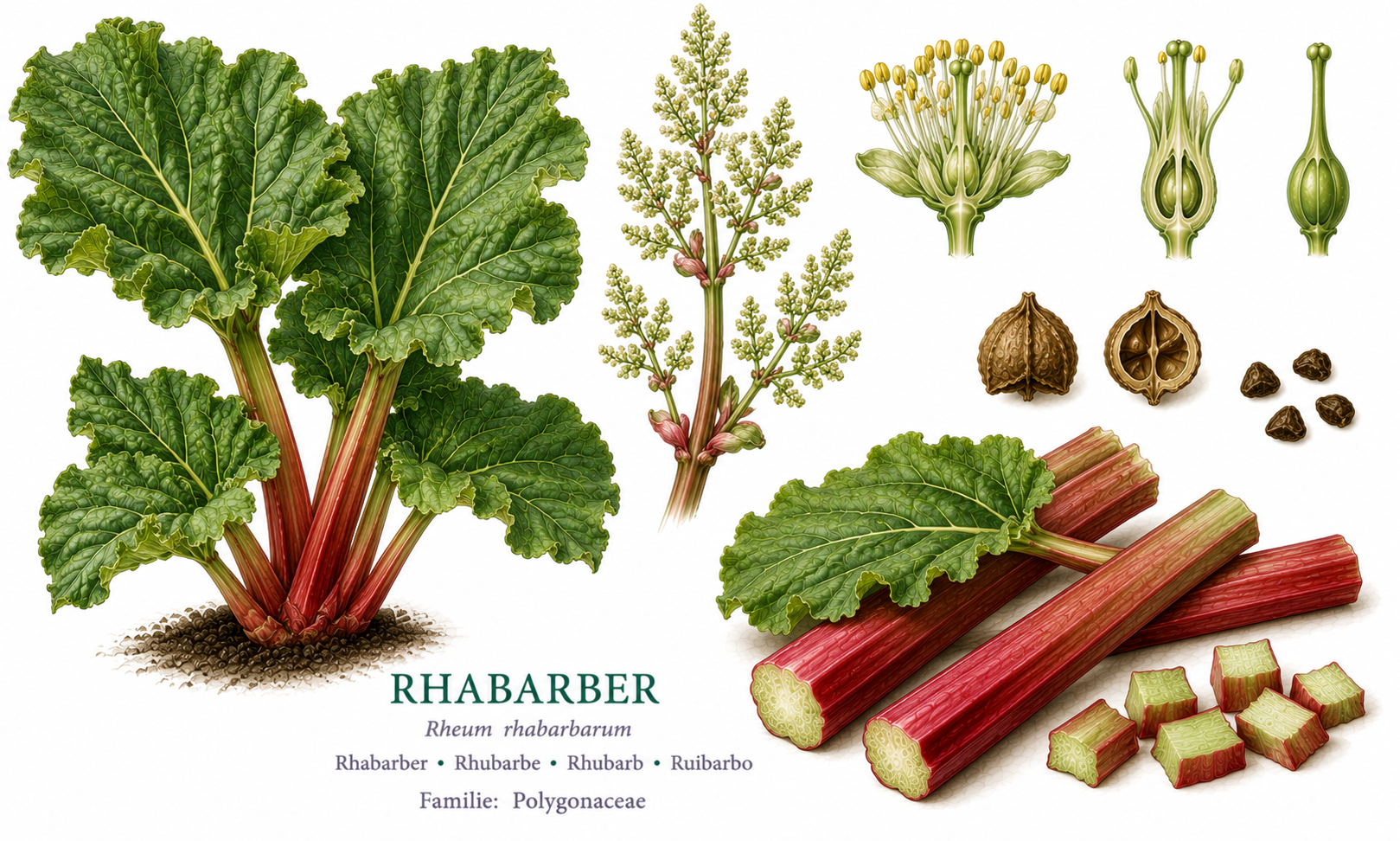
Quick profile
Key data
Suitable growing locations:
Good neighbors
BrassicasAlliums
Avoid
Sunflowers
Indoor & direct sowing
Rhubarb: Sowing and germination
Sowing in pots possible, but division of rootstocks is more common.
Direct sowing rarely recommended; young plants preferred.
Planting & site
Rhubarb: Planting and spacing
Best planting time is early spring or autumn.
Site & practical notes
Temperature & frost
Rhubarb: Temperature and site
Water & nutrients
Rhubarb: Water, nutrients and care
Container & growth
Rhubarb: Container, support and growth
Year plan
Rhubarb Calendar
Recurring tasks
Relevant now
June
- End of harvestbefore June 24th: Stop harvesting to allow the plant to regain strength for next year.
Next up
July
- No additional single task
Monthly tasks
Single tasks from monthly data; repeated seasonal windows are shown in the overview above.
January
Quiet month
February
No additional single task
March
Growing
- Base fertilizationApply plenty of compost or organic long-term fertilizer.
April
No additional single task
May
No additional single task
June
Harvest
- End of harvestbefore June 24th: Stop harvesting to allow the plant to regain strength for next year.
August
Quiet month
September
Quiet month
October
No additional single task
November
No additional single task
December
Quiet month
Flowering & pollination
Rhubarb Flowering & pollination
Flowering period
May to June
Flower color
Greenish-white to reddish
Self-fertility
self-fertile
Pollinator needed
no
Overview
Wind pollination is predominant, though insect visitation is common.
Notes
Pollination is not relevant for stalk harvest, only for seed production.
Pruning & care
Rhubarb Pruning & care
Pruning type
crown-care
Pruning timing
Flower removal Snap off flower stalks deep at the base to save energy for leaf stalks.
Rejuvenation through division Divide and replant the crown every 7-10 years.
Remove
Preserve
Avoid
Tools and hygiene
Clean spade before root division to avoid transferring soil-borne fungi.
Companion guide
Rhubarb Companion guide
Good neighbors
BrassicasAlliums
Avoid
Sunflowers
Use & storage
Rhubarb Use & storage
Harvest traditionally until St. John's Day (June 24th).
Storage
Short-term (fresh) or long-term storage (frozen/preserved)
Storage life
In the refrigerator about 1 week; frozen up to 12 months.
Flavor
Tart, refreshing, astringent
Harvest
Harvest traditionally until St. John's Day (June 24th).
Processing
After harvest
Remove leaves immediately as they draw moisture from the stalk; keep the stalk base clean.
Edibility & safety
Rhubarb Edibility & safety
For people
In brief: which parts are edible, which parts remain risky, and whether raw consumption makes sense.
Safety notes
Leaves are toxic due to high oxalic acid concentration. Oxalic acid levels in stalks increase significantly after late June (St. John's Day).
Animal safety
For animals, the specific plant part matters here: some parts may be suitable, while others should be avoided. At least one critical rating is listed for 14 animal types.
Each row shows which parts are more suitable and which parts are critical.
Companion animals
 Dog
DogNo suitable parts listed
Leaf blades, Rhizome/Rootstock
No suitable parts listed
Leaf blades, Rhizome/Rootstock
Leaves contain high oxalic acid concentration, Oxalic acid levels in stalks increase significantly after late June
Kidney failure, Tremors, Salivation
contact a vet if ingested
Rhubarb leaves and rhizome contain soluble calcium oxalates, which are toxic to dogs. Leaf stalks may be consumed in very small amounts but also contain oxalates and are not suitable as feed.
Open animal page Cat
CatNo suitable parts listed
Leaf blades, Leaf stalks (petioles)
No suitable parts listed
Leaf blades, Leaf stalks (petioles)
All plant parts contain soluble calcium oxalates, Oxalic acid levels increase significantly after late June
Kidney failure, tremors, salivation
contact a vet if ingested
Rhubarb is toxic to cats due to soluble calcium oxalates in all plant parts. Ingestion can lead to kidney failure.
Open animal page Rabbit
Leaf stalks (petioles)
Leaf blades, Rhizome/Rootstock
Leaf stalks (petioles)
Leaf blades, Rhizome/Rootstock
Leaves and rhizome contain high concentrations of oxalic acid, Oxalic acid levels in stalks increase significantly after late June
Kidney failure, Tremors, Salivation
contact a vet if ingested
Only the leaf stalks (petioles) are suitable in very small amounts as an occasional treat. Leaf blades and rhizome are toxic due to high oxalic acid concentration and can cause kidney failure. Oxalic acid levels in stalks increase significantly after late June.
Open animal page Guinea pig
Leaf stalks (petioles)
Leaf blades, Rhizome/Rootstock
Leaf stalks (petioles)
Leaf blades, Rhizome/Rootstock
Leaves and rhizome contain high oxalic acid concentration, Oxalic acid levels in stalks increase significantly after late June
Salivation, Tremors, Kidney failure
contact a vet if symptoms appear
Only leaf stalks (petioles) in very small amounts as an occasional treat suitable. Leaf blades and rhizome are toxic due to soluble calcium oxalates. Oxalic acid content increases after St. John's Day. Contact vet if symptoms appear.
Open animal page Hamster
Blattstiele (Stiele)
Blattspreiten, Wurzelstock
Blattstiele (Stiele)
Blattspreiten, Wurzelstock
Hoher Oxalsäuregehalt in Blättern, Erhöhter Oxalsäuregehalt in Stielen nach Ende Juni
Nierenversagen, Zittern, Speichelfluss
 Budgie
No suitable parts listed
Leaf blades, Rhizome/Rootstock
No suitable parts listed
Leaf blades, Rhizome/Rootstock
Leaf blades and rhizome contain high concentrations of oxalic acid, Oxalic acid levels in leaf stalks increase significantly after late June
Kidney failure, Tremors, Salivation
contact a vet if ingested
Leaf stalks may be possible in very small amounts, but leaf blades and rhizome are toxic due to high oxalic acid concentration. No species-specific data for budgies available; classification based on general plant toxicity and known effects of oxalic acid in birds.
Open animal pageFarm animals
 Horse
HorseNo suitable parts listed
Leaf blades, Leaf stalks (petioles)
No suitable parts listed
Leaf blades, Leaf stalks (petioles)
Leaves contain high oxalic acid concentration, Oxalic acid levels in stalks increase significantly after late June
Kidney failure, Tremors, Salivation
contact a vet if ingested
All aerial parts of rhubarb contain soluble calcium oxalates and are toxic to horses. Leaf blades are particularly hazardous due to high oxalic acid content, but leaf stalks can also be harmful if ingested.
Open animal page Chicken
Leaf stalks (petioles)
Leaf blades, Rhizome/Rootstock
Leaf stalks (petioles)
Leaf blades, Rhizome/Rootstock
Leaves contain high oxalic acid concentration, Oxalic acid levels in stalks increase significantly after late June
Kidney failure, Tremors, Salivation
contact a vet if ingested
Only the leaf stalks of rhubarb are suitable in very small amounts as an occasional treat for chickens. Leaf blades and rhizome/rootstock are toxic due to high oxalic acid content and can cause kidney failure. Oxalic acid concentration in the stalks increases after late June, making even edible parts riskier. Chickens should not have access to toxic plant parts.
Open animal page Duck
DuckLeaf stalks (petioles), Leaf stalks (stems)
Leaf blades, Rhizome/Rootstock
Leaf stalks (petioles), Leaf stalks (stems)
Leaf blades, Rhizome/Rootstock
Leaves contain high oxalic acid concentration, Oxalic acid levels in stalks increase significantly after late June
Kidney failure, Tremors, Salivation
contact a vet if symptoms appear
Leaves and rhizome/rootstock are toxic due to high oxalic acid concentration. Leaf stalks can be given in very small amounts as a treat, but carry a risk with overconsumption. Cooking reduces available oxalic acid but not completely. For ducks, only consumption of leaf stalks in extremely limited amounts is recommended.
Open animal page Goose
GooseLeaf stalks (petioles) until end of June
Leaf blades (high oxalic acid content), , Rhizome/Rootstock
Leaf stalks (petioles) until end of June
Leaf blades (high oxalic acid content), , Rhizome/Rootstock
Leaves contain high oxalic acid concentration, stalks increase oxalic acid levels after end of June
Kidney failure, tremors, salivation
contact a vet if ingested
['Only leaf stalks until end of June suitable in small amounts as treat. Leaves and rootstock are toxic due to soluble calcium oxalates. Geese should not have access to toxic parts.']
Open animal page Sheep
SheepLeaf stalks (petioles) until end of June
Leaf blades (high oxalic acid content), Rhizome/Rootstock, Leaf stalks after end of June (high oxalic acid content]
Leaf stalks (petioles) until end of June
Leaf blades (high oxalic acid content), Rhizome/Rootstock, Leaf stalks after end of June (high oxalic acid content]
Consumption of leaves or overmature stalks, Pasture access to rhubarb fields, Feeding of garden waste
Kidney failure, Tremors, Salivation
contact a vet if ingested
Leaves and rhizome are toxic to sheep due to high oxalic acid concentration. Leaf stalks are only suitable in small amounts before end of June; thereafter oxalic acid levels increase significantly and pose kidney risk. No species-specific studies exist, but consensus from animal groups and plant toxicology supports conservative classification.
Open animal page Goat
GoatLeaf stalks (petioles) until end of June
Leaf blades, Rhizome/Rootstock, Leaf stalks after end of June
Leaf stalks (petioles) until end of June
Leaf blades, Rhizome/Rootstock, Leaf stalks after end of June
High oxalic acid content in leaves, Increased oxalic acid in stalks after St. John's Day, Access to wild or cultivated rhubarb
Salivation, Tremors, Kidney damage
contact a vet if symptoms appear
Leaf stalks may be acceptable in small amounts before end of June, but leaves and rootstock are toxic due to high oxalic acid concentration. After end of June, oxalic acid levels also rise in stalks, increasing risk. No goat-specific studies available, but consensus from other livestock and known toxin effects supports conservative classification.
Open animal page Cattle
Leaf stalks (petioles) until end of June
Leaf blades (high oxalic acid content), Rhizome/Rootstock
Leaf stalks (petioles) until end of June
Leaf blades (high oxalic acid content), Rhizome/Rootstock
Leaves contain high oxalic acid concentration, Oxalic acid levels in stalks increase significantly after late June
Kidney failure, Tremors, Salivation
contact a vet if ingested
Leaves and rhizome are toxic due to high oxalic acid concentration. Leaf stalks can be fed in small amounts until end of June, after which risk increases due to rising oxalic acid levels. No specific cattle studies found; classification based on plant general toxicity and known effects in horses and other livestock.
Open animal page Pig
PigLeaf stalks (petioles) until end of June
Leaf blades (high oxalic acid content), Rhizome/Rootstock, Leaf stalks after end of June
Leaf stalks (petioles) until end of June
Leaf blades (high oxalic acid content), Rhizome/Rootstock, Leaf stalks after end of June
High oxalic acid content in leaves and stalks after St. John's Day, Rootstock contains high concentrations, Pigs may dig up and consume roots
Kidney failure, Tremors, Salivation
contact a vet if ingested
Leaf stalks are suitable as occasional treats in small amounts before end of June. Leaf blades, rhizome/rootstock, and stalks after end of June are toxic due to high oxalic acid concentration. Pigs tend to root and may consume hazardous parts.
Open animal pageThese guidelines are for general information only and do not replace veterinary diagnosis. If critical plant parts were ingested or the animal shows unusual behaviour or symptoms, seek veterinary advice.
Max risk
4 / 5
Highest status
toxic
Urgency
contact a vet if ingested
Saving seed
Rhubarb Saving seed
Seed viability
2 - 3 years
Practical tips
Rhubarb Practical tips
Common beginner mistakes
Planting root buds too deep leads to rot.
Success pattern
Generous compost application in March guarantees thick stalks.
High-impact tips
Mulching with grass clippings holds moisture perfectly.
Grower observations
Plants in semi-shade often produce more tender stalks than those in full sun.
Plant Profile
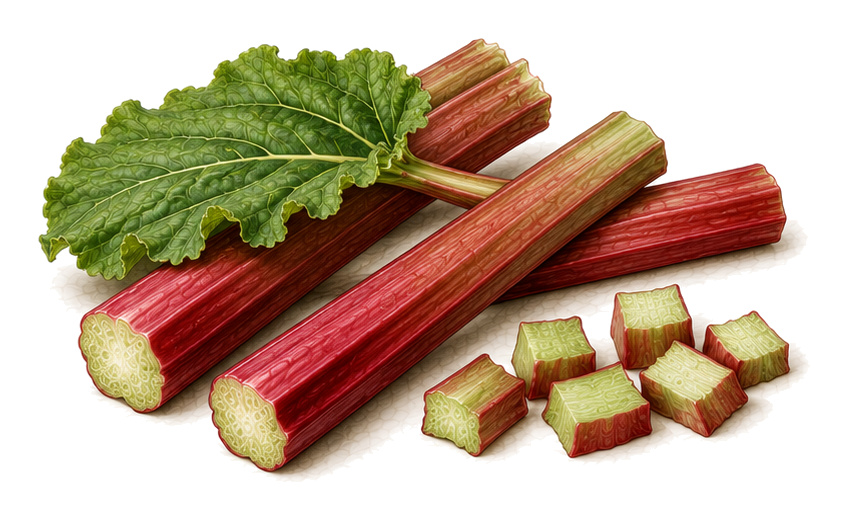
Additional plant images


Health
Pests, Diseases
Deficiencies
Nitrogen deficiency
- Pale green to yellow leaves
- Stunted growth
Plant health
Diagnosis help
Rhubarb Diagnosis help
Pest groups
Disease groups
Prevention
Diagnosis
Common problems arise from planting too closely or nutrient deficiencies after the harvest season.
Cultural prevention
Monitoring
Regular inspection of leaf undersides in spring
First response
Diagnostic rules
Leaves turn yellow and wilt despite moist soil
Possible causes: Crown Rot (Phytophthora), Nitrogen deficiency
- Check base of the crown for rot
- Review fertilization history
FAQ
Can you still eat rhubarb after June 24th?
From this point on, oxalic acid levels rise significantly and the plant needs the remaining time to regenerate.
Is Rhubarb safe for Dog?
Rhubarb is classified as toxic for Dog. Risk: 4 / 5. Urgency: contact a vet if ingested. Rhubarb leaves and rhizome contain soluble calcium oxalates, which are toxic to dogs. Leaf stalks may be consumed in very small amounts but also contain oxalates and are not suitable as feed.
Is Rhubarb safe for Cat?
Rhubarb is classified as toxic for Cat. Risk: 4 / 5. Urgency: contact a vet if ingested. Rhubarb is toxic to cats due to soluble calcium oxalates in all plant parts. Ingestion can lead to kidney failure.
Is Rhubarb safe for Rabbit?
Rhubarb is classified as do not feed for Rabbit. Risk: unknown. Urgency: contact a vet if ingested. Only the leaf stalks (petioles) are suitable in very small amounts as an occasional treat. Leaf blades and rhizome are toxic due to high oxalic acid concentration and can cause kidney failure. Oxalic acid levels in stalks increase significantly after late June.
Is Rhubarb safe for Horse?
Rhubarb is classified as toxic for Horse. Risk: 4 / 5. Urgency: contact a vet if ingested. All aerial parts of rhubarb contain soluble calcium oxalates and are toxic to horses. Leaf blades are particularly hazardous due to high oxalic acid content, but leaf stalks can also be harmful if ingested.
Guides
Related guides
Guide
Horse Pastures and Garden Plants: Safety Checks
Learn how to identify risks near horse pastures, fences, turnout areas, fruit trees, and garden planting zones.
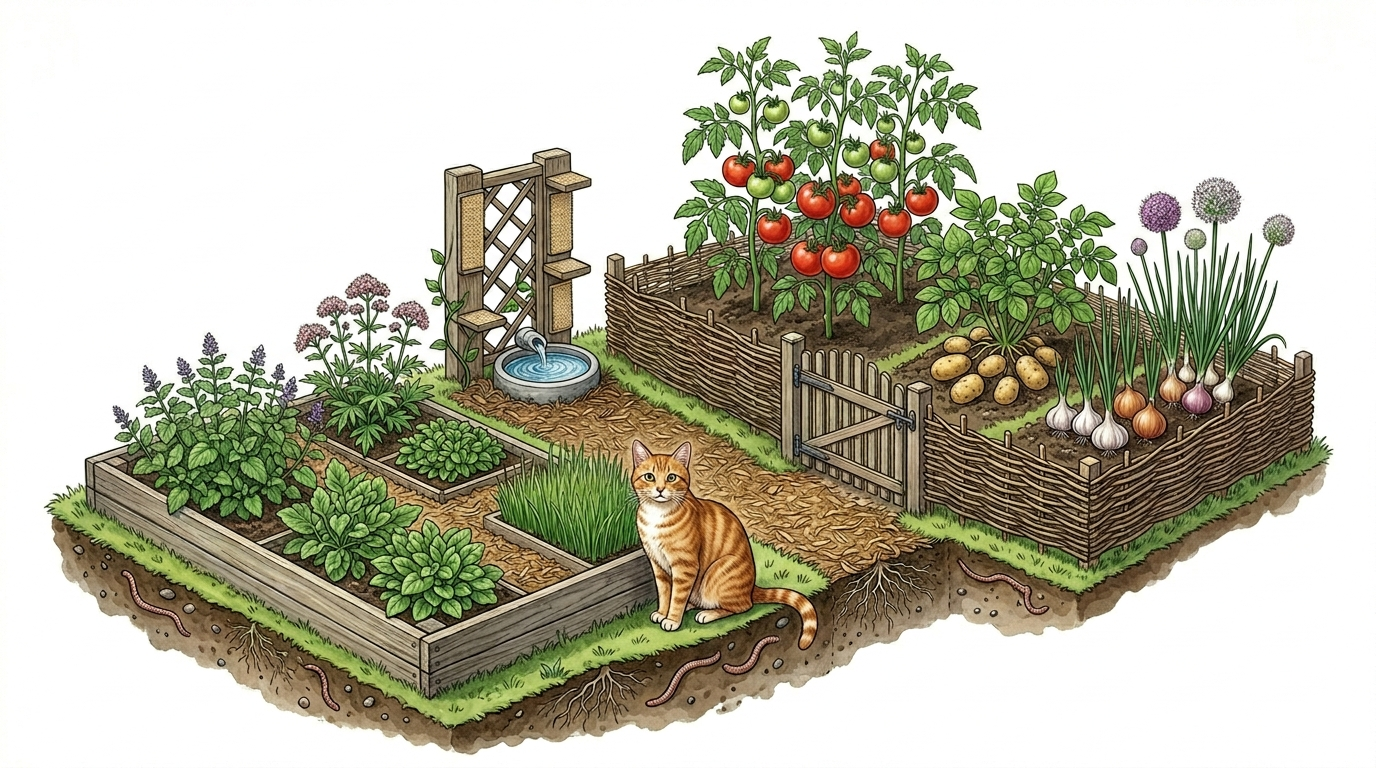
Guide
Toxic Garden Plants for Cats: Safer Planning
Learn which garden plants can be risky for cats, how to plan safer beds, and what to do if a cat eats a toxic plant.
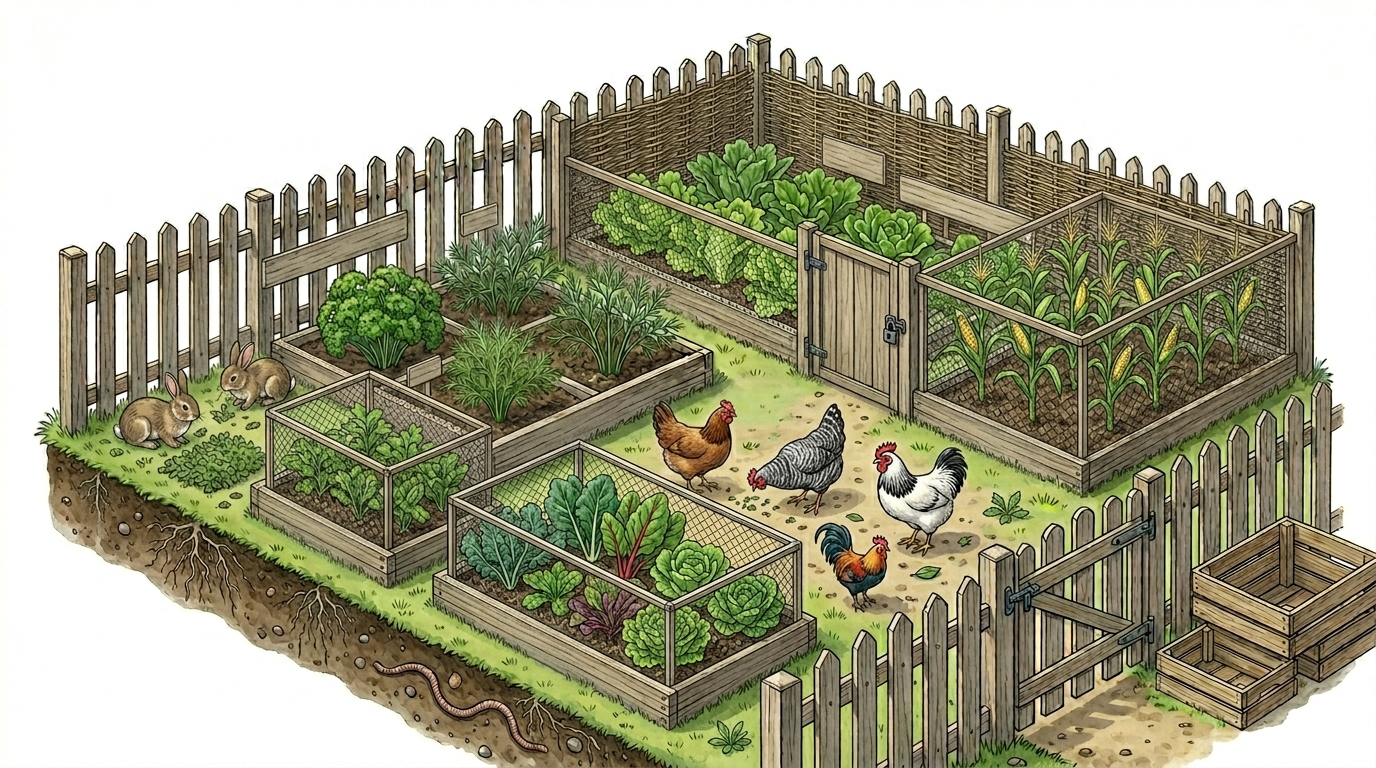
Guide
Chickens in the Garden: Safe Plants and Zones
Learn how to design a chicken-friendly garden with suitable plants, protected beds, and well-planned activity areas.
Guide
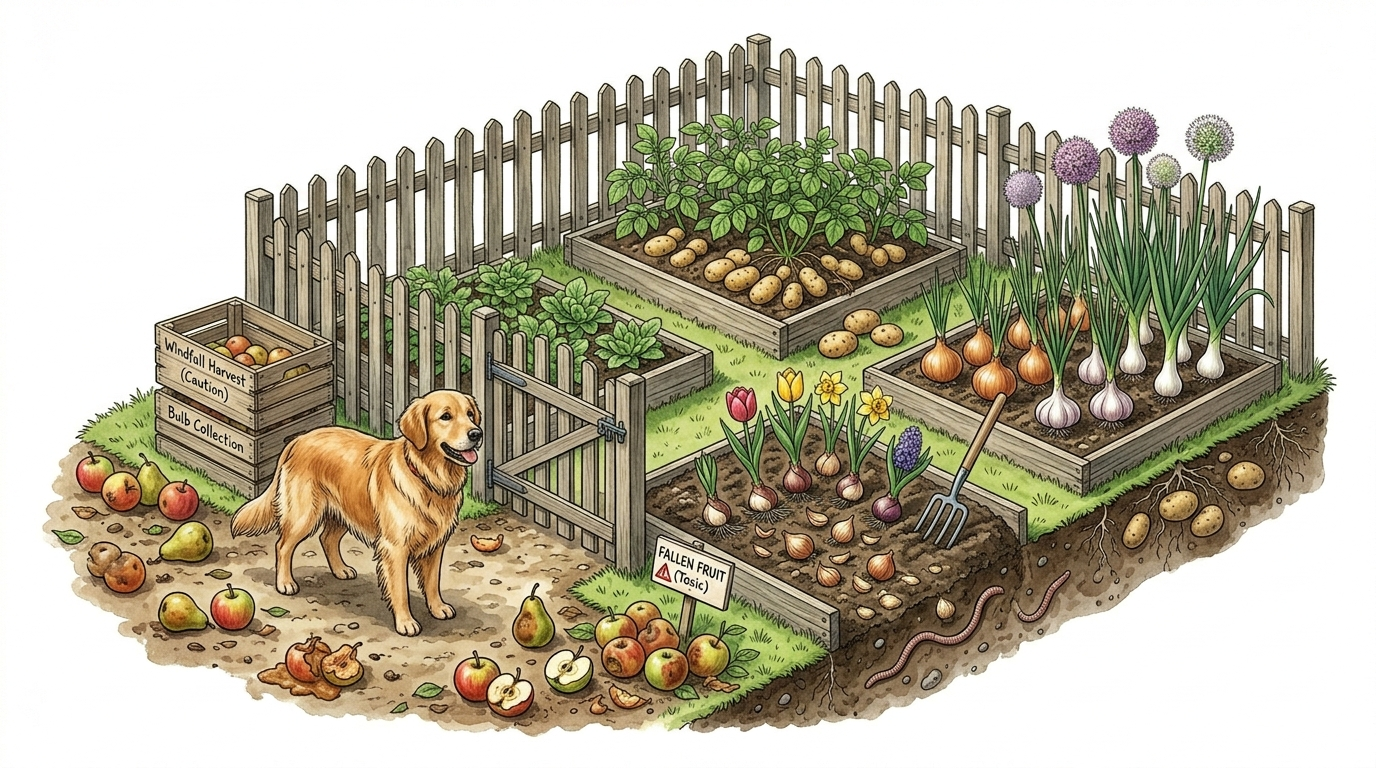
Dogs in the Garden: Windfall Fruit and Risks
Keep your garden dog-safe by managing windfall fruit, seeds, stored crops, and potentially problematic plant parts.
Internal links
Related plants
Sorrel
Asparagus
Cabbage
Pumpkin
Sorrel
Also a buckwheat family member with a tart flavor.
Buckwheat
Belongs to the Polygonaceae family.
Garden Strawberry
Frequent culinary pairing in desserts.
Common Butterbur
Similar large leaf shape, but not edible.
Sources
Public sources
- Wikidata entity
Wikidata · 2026-05-15
- GBIF species match
GBIF · 2026-05-15
- Deutschsprachige Wikipedia: Rhabarber (Gattung)
Wikipedia · 2026-05-15
- English Wikipedia: Rheum (plant)
Wikipedia · 2026-05-15