Indoor sowing17notes
Season
What matters in May
597 notes
Direct sowing148notes
Planting174notes
Harvest100notes
Growing99notes
Pruning33notes
Plant health26notes
Priorities
- Plant heat-loving crops only after frost risk has passed.
- Mulch and water evenly.
- Plan succession sowing and companion planting now.
Seasonal guidance
Gardening in May: weather, planning, and priorities
In May many decisions shape the main season: after the last frosts, heat-loving crops can move outside. Watering, mulching, succession sowing, and early pest control help build strong plantings. Most regions now experience more stable temperatures and longer periods of active growth. Warmth, light, and increasing soil activity encourage rapid development while also increasing water demand and competition between closely spaced plants.
For May, this calendar connects 597 specific notes from 164 plant profiles. These include 17 indoor-sowing, 148 direct-sowing, 174 planting-out, and 100 harvest records. A further 99 care, 33 pruning, and 26 plant-health notes are assigned to the month. Common groups include Herbs, Root vegetables, Leafy vegetables, Cabbages, Cucurbits; examples from the current selection are kohlrabi, Asparagus, Chives, Rutabaga, Strawberry, common sage, Levisticum officinale, Dandelion.
These dates are guidance rather than fixed deadlines. Coastal areas, warm wine-growing regions, uplands, and sheltered urban gardens in Central Europe can differ by several weeks. Before direct sowing or planting, check soil temperature, night-frost forecasts, and soil moisture. For care and plant health, actual growth stage and weather matter more than the calendar date. The main priorities this month are: Plant heat-loving crops only after frost risk has passed. Mulch and water evenly. Plan succession sowing and companion planting now.
Plan the transition into June at the same time: prepare open spaces, required seedlings, seed, and harvest processing. The related guides below explain suitable jobs in greater depth, while the task lists link to complete plant profiles with spacing, site, and care information.
Guides
Guides for the garden in May
Detailed guidance for the tasks, plants, and problems that are especially relevant during this month.
Guide
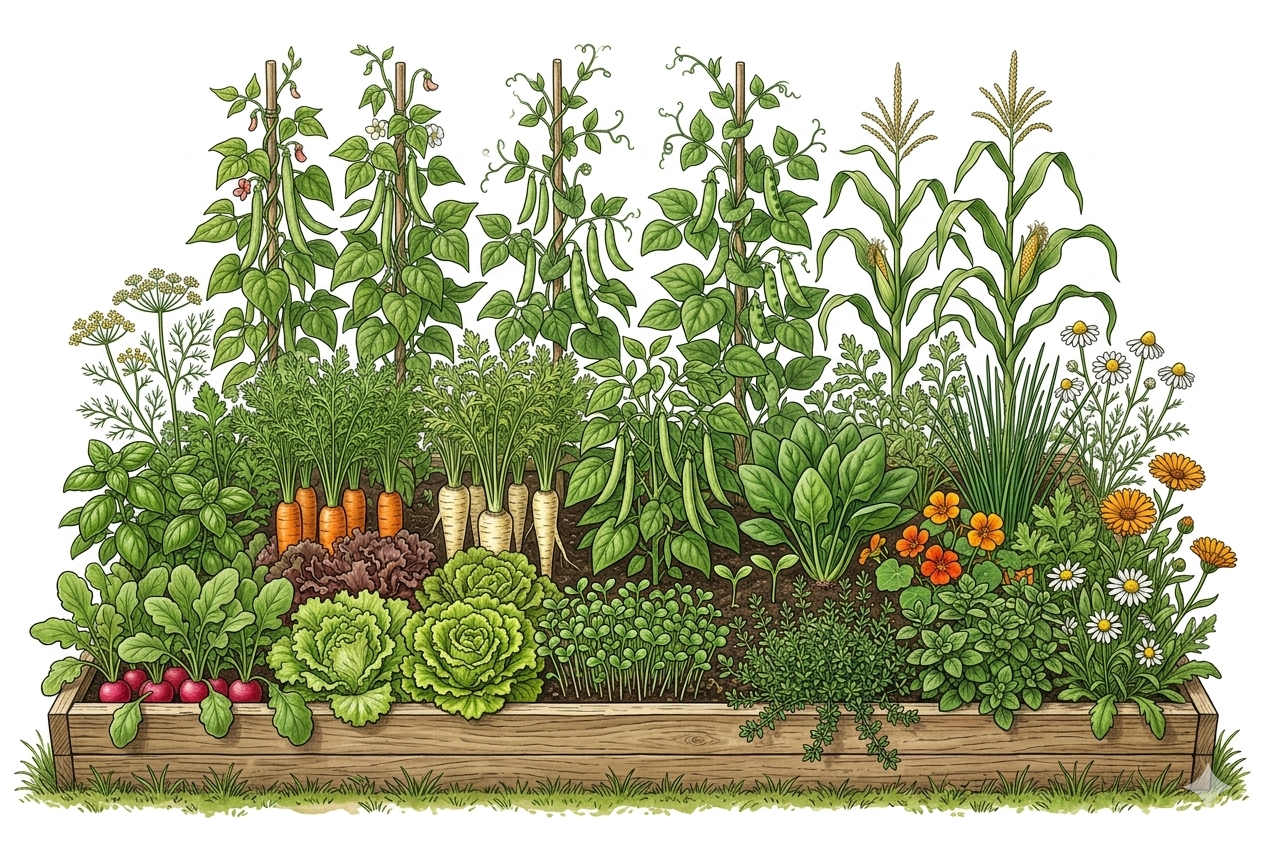
Small Garden Bed Planning: Combine 20 Crops Well
Use small beds efficiently by combining 20 vegetables and herbs, planning successions, and avoiding wasted gaps.
Updated:2026-06-11
Season:January - October
Guide
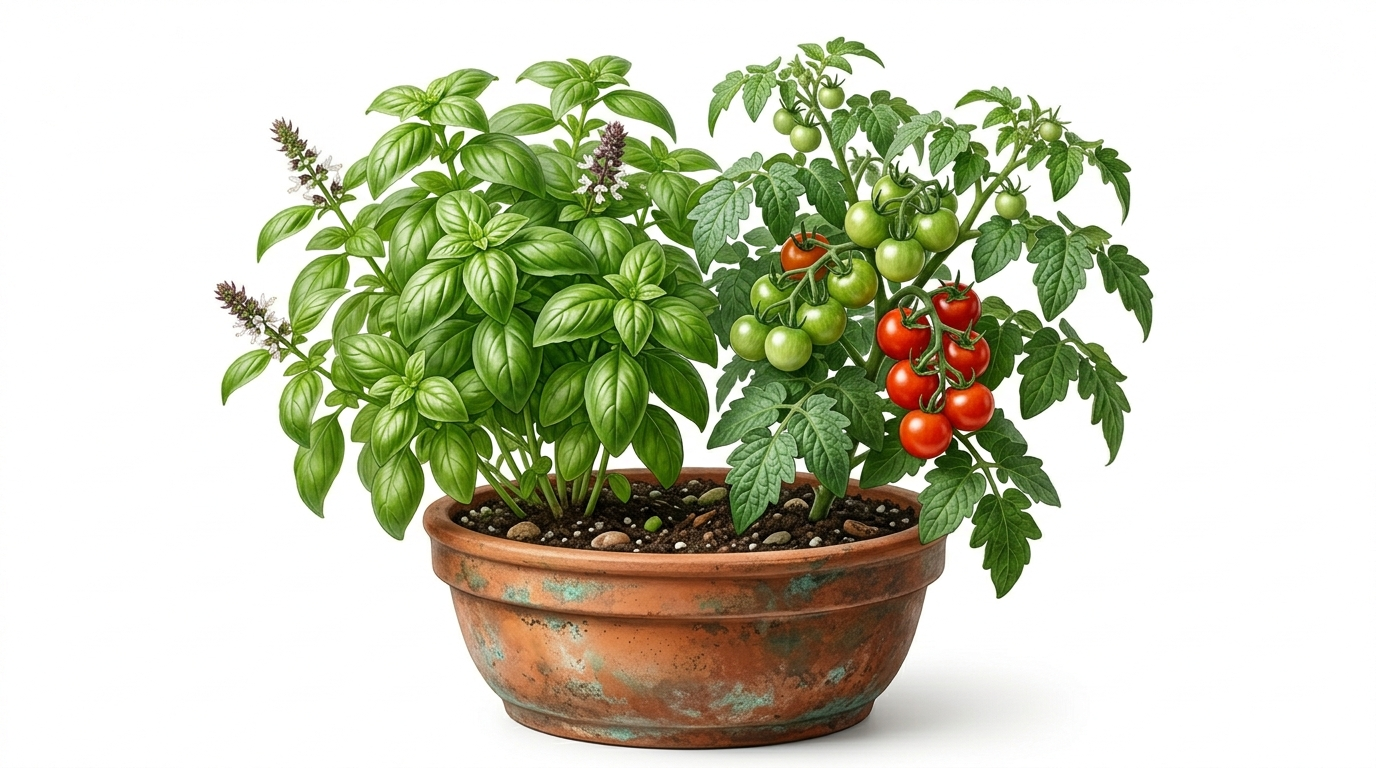
Growing Basil: Site, Watering and Harvesting
Learn how to grow basil successfully with the right site, steady watering, regular harvesting, and tips to delay flowering.
Updated:2026-05-28
Season:March - September
Guide
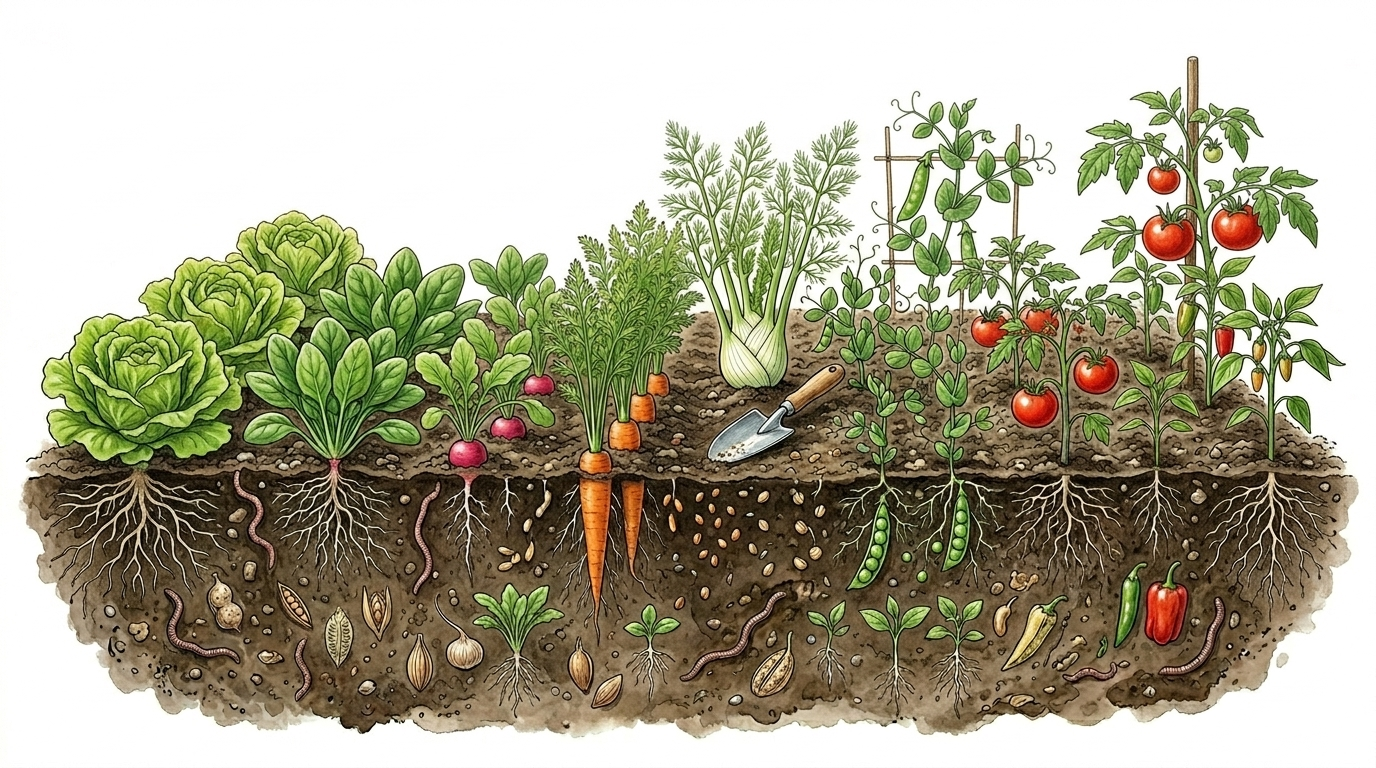
May Planting Calendar: Transplanting and Succession Sowing
What to plant and sow in May: transplant tender vegetables, continue succession sowing, and make the most of garden beds.
Updated:2026-05-21
Season:May
Guide
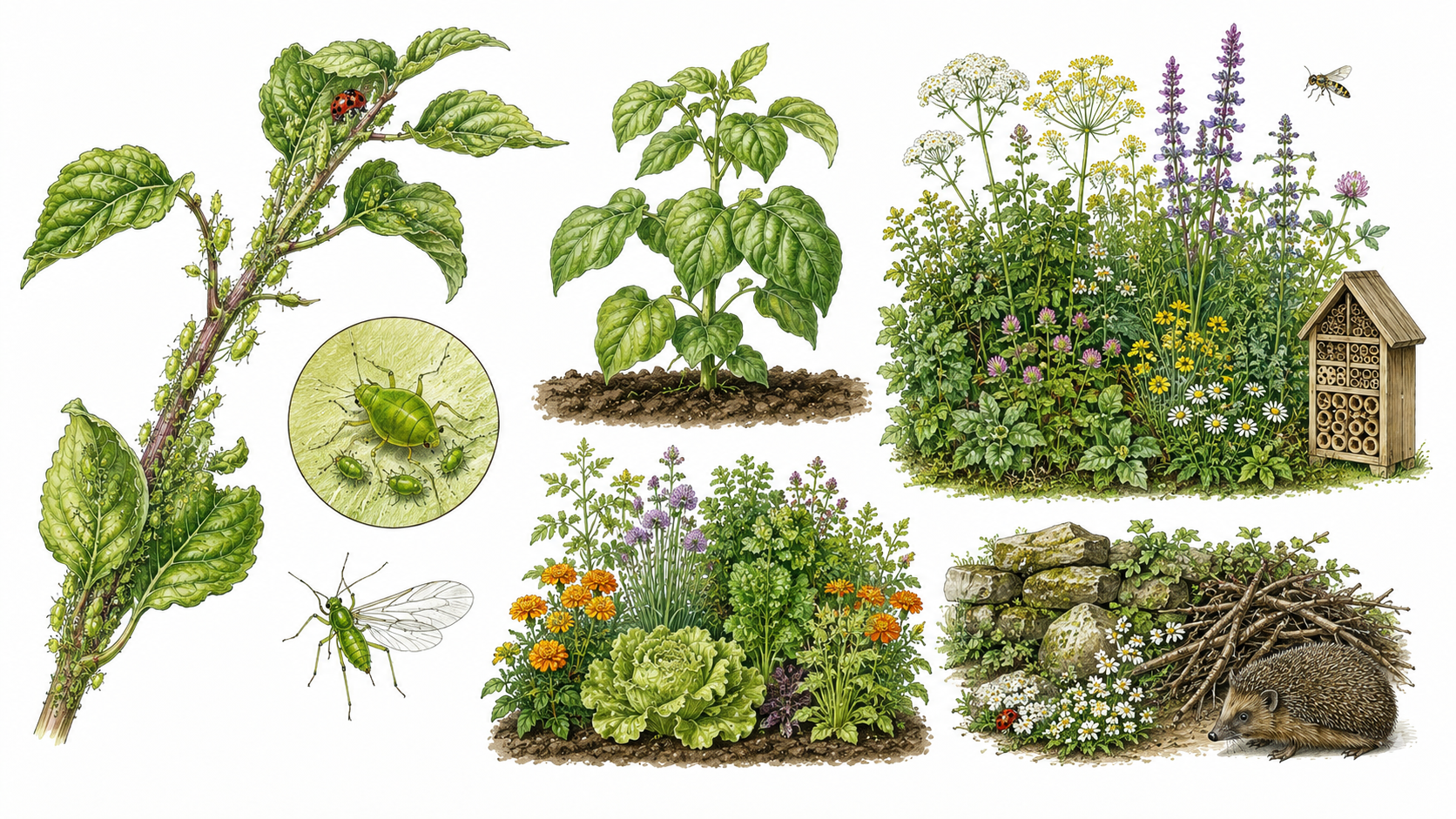
Preventing Aphids Naturally with Companion Planting
Learn how to reduce aphids naturally with resilient plants, beneficial insects, diverse beds, and companion planting.
Updated:2026-05-21
Season:April - September
Guide
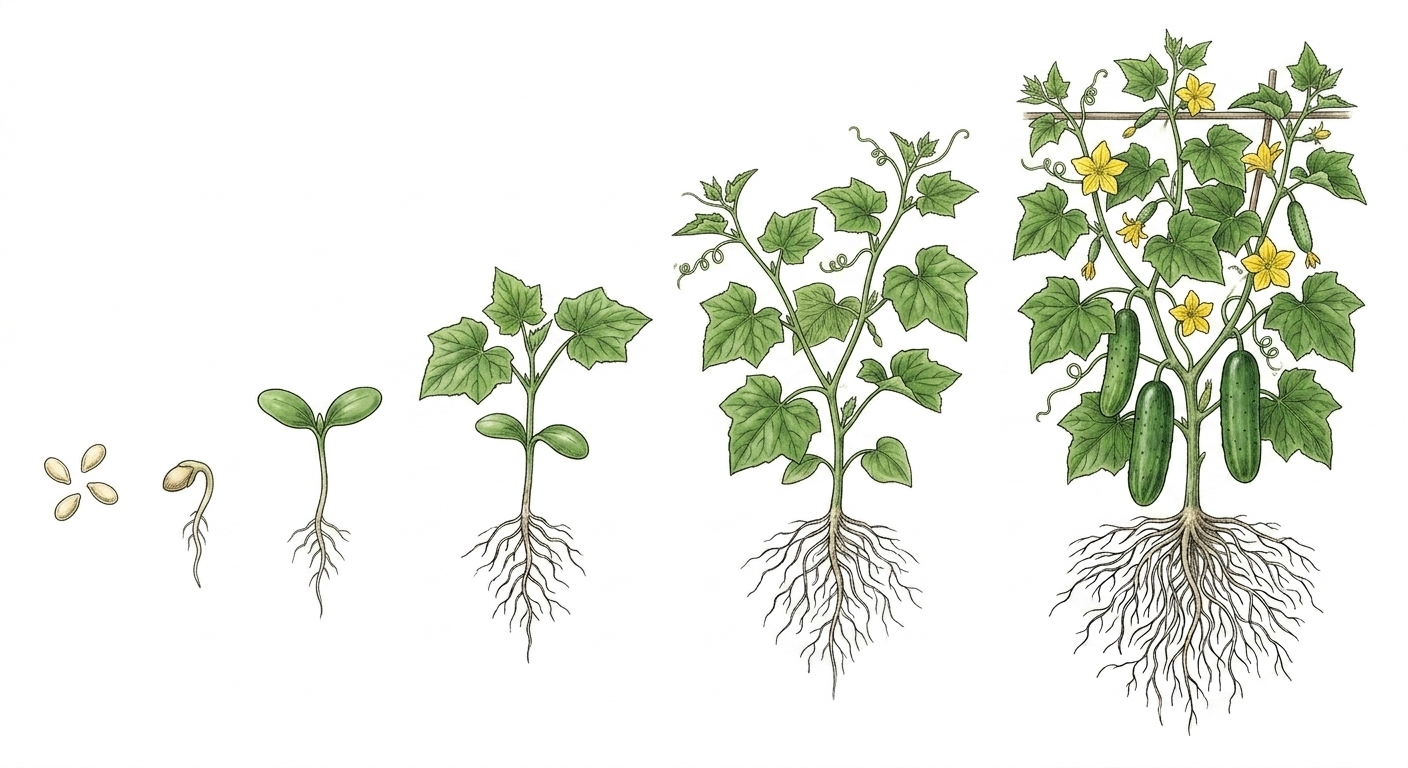
Growing Cucumbers: Starting, Supports and Harvest
Learn how to grow cucumbers successfully with indoor starting, transplanting, trellises, watering, and regular harvesting.
Updated:2026-05-21
Season:March - September
Guide
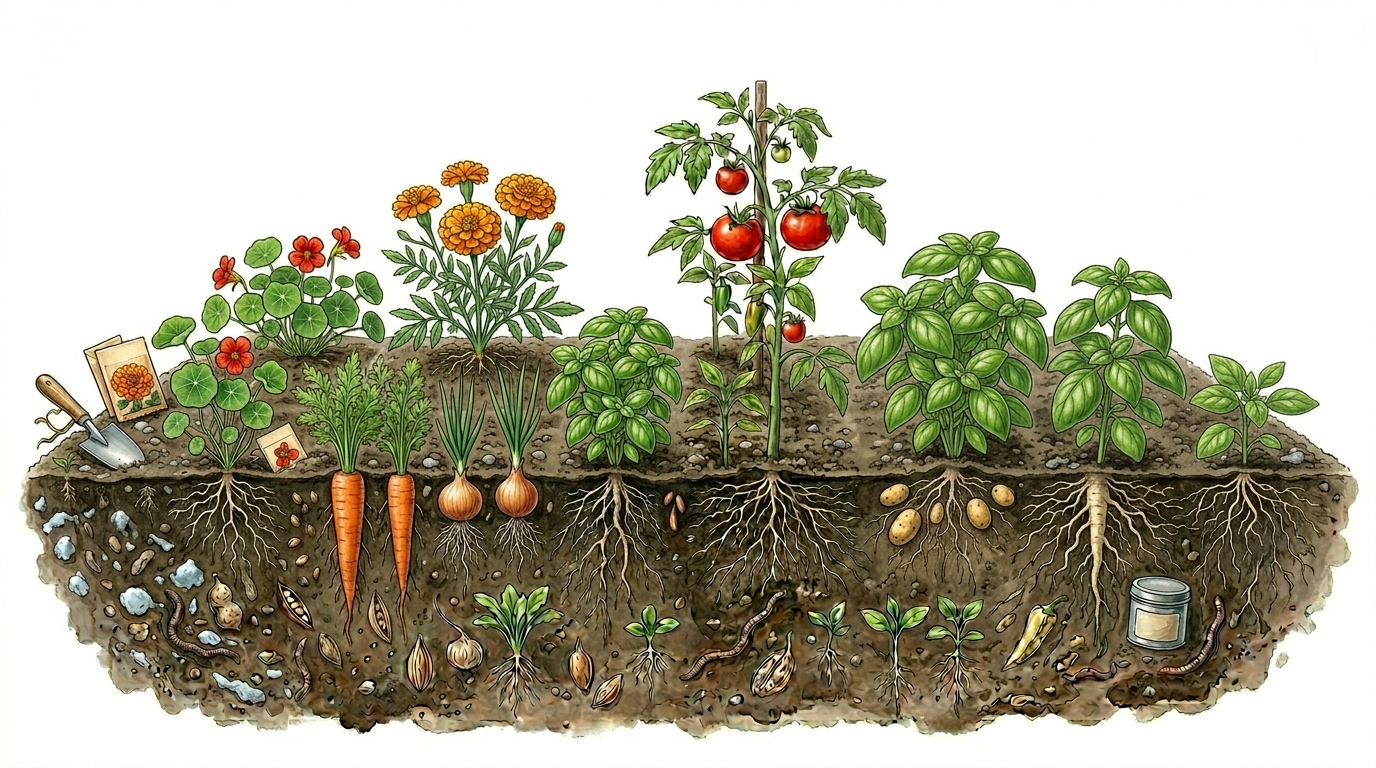
Companion Planting for Tomatoes: Good and Bad Neighbors
Learn which plants grow well with tomatoes, which neighbors to avoid, and how to plan productive mixed tomato beds.
Updated:2026-05-21
Season:April - June
Calendar
May tasks
Indoor sowing
Indoor sowing (17)
For indoor sowing in May, light, steady moisture, and moderate warmth matter most. Record date and variety so later transplanting is easier to plan. The data links 17 matching notes for this month.
broccoliIndoor sowingStart sowing from early February for early varieties in a greenhouse or on a windowsill. Later varieties can be sown until May.cauliflowerIndoor sowingStart early batches under cover from February/March; later batches can be raised in pots or module trays until June. Even growth without stress helps...kaleIndoor sowingPre-culture recommended for robust young plants.kohlrabiIndoor sowingFor an early harvest, pre-culture indoors from February to May.red cabbageIndoor sowingFor early varieties from March, for late varieties until May.Musk squashIndoor sowingPre-culture in pots protects against slugs and cold.pattypan squashIndoor sowingIndoor pre-culture in pots shortens time to harvest and protects against slugs.ZucchiniIndoor sowingSow indoors in pots on the windowsill or in a greenhouse from mid-April.Garden cressIndoor sowingPossible year-round on the windowsill.Lacinato kaleIndoor sowingIndoor pre-culture possible from February for early harvests.WatercressIndoor sowingSow in a greenhouse or on a windowsill for an early harvest.peanutIndoor sowingIndoor pre-culture in pots recommended to accommodate the long growing season.Runner beanIndoor sowingPre-culture in pots possible from mid-April to advance harvest.cutting lettuceIndoor sowingSow from February on the windowsill or in the greenhouse. Later sowing in the open field is also possible.
Direct sowing
Direct sowing (148)
Direct sowing in May works best when soil is fine, not waterlogged, and kept evenly moist after sowing. The data links 148 matching notes for this month.
AlliumDirect sowingSow outdoors from March to August. An early sowing in March/April allows for an earlier harvest.AlliumSow leeks (open ground)Soil is workable - Late sowing for a late harvest.Welsh onionDirect sow outdoorssoil_workable - Resow every 3-4 weeks for continuous harvest.Welsh onionDirect sowingDirect sowing is possible from March to August for continuous harvest. Later sowings can overwinter.Winter Heath OnionDirect sowingDirect sow from March; sow in August/September for autumn and winter harvest.MizunaDirect sowingDirect sowing is possible from the last frost. Spring and autumn sowings are most productive.TatsoiDirect sowingSow from March to August; a late summer sowing in August can provide a fall harvest.TatsoiSuccession sowingSow every 2–3 weeks for continuous harvest.Goji BerryDirect sowingDirect sowing possible after last frost, but pre-culture is more reliable.RubusDirect sowingDirect sowing is uncommon for blackberries. Propagation is usually done by cuttings or root suckers.Wild StrawberryDirect sowingSow in spring or late summer/autumn. Autumn sowing can lead to earlier flowering in the following year.Bok choyDirect sowingDirect sowing from April under fleece; main sowing window for autumn harvest is July to August.broccoliDirect sowingDirect sowing is possible from April, once the soil has warmed up. For a continuous harvest, several sowing batches at 2-3 week intervals are...broccoliFurther direct sowing.Sow again every 2-3 weeks to ensure a continuous harvest.
Show 134 more notes
cauliflowerDirect sowingDirect sowing is possible, but less reliable for cauliflower than raising transplants because seedlings need protection from cold, heat, and pests.Choy SumDirect sowingDirect sowing in the open ground; late sowings possible until September for autumn harvest.kaleDirect sowingDirect sowing possible from May, thinning required.KomatsunaDirect sowingDirect sow every 2-3 weeks for continuous harvest; tolerates light frost. · Row spacing 25-30 cm.Brussels sproutsDirect sowingDirect sowing into the open ground from April, once the soil has warmed up. Sow in rows or in clusters.Brussels sproutsSowing (open ground)Soil temperature > 10°C - Direct sow into the open ground as soon as the soil is warm.kohlrabiDirect sow kohlrabiSow every 2-3 weeks for continuous harvest.kohlrabiDirect sowingDirect sowing is possible from April to July, once the soil is sufficiently warm.kohlrabiPre-culture kohlrabiOnly for very late harvests.pointed cabbageDirect sowBodentemperatur über 8 °C - Sow seeds 1–2 cm deep in rows.pointed cabbageDirect sowingDirect sow from April once soil is frost-free.red cabbageDirect sowingDirect sowing for autumn and winter harvest. · soil_temp_above_10c - Sow directly outdoors for autumn and winter harvest.red cabbagePre-cultivate late varietiesfrost_free_indoors - For late varieties to be harvested in autumn.RutabagaDirect sow kohlrabisoil temperature above 8°C, no severe night frosts expected - Direct sow outdoors in rows or blocks. Sow every 2-3 weeks for a continuous harvest.RutabagaDirect sowingDirect sowing is possible from spring to late summer for a continuous harvest.Savoy cabbageDirect sowingDirect sow outdoors from April once the soil is workable.StielmusDirect sowingOutdoor sowing possible from March to August; cool periods are preferred.StielmusFollow-up sowingFurther sowing every 2–3 weeks for continuous harvestWhite CabbageDirect sowingDirect sow outdoors from April to May.White CabbageSowing (outdoor)im Freiland - Continue direct sowing outdoors.Acorn SquashDirect sowingDirect sow outdoors from mid-May, once the risk of frost has passed and the soil has warmed up.butternut squashDirect sowingDirect sowing outdoors only after the last frosts, once the soil has warmed up (at least 12°C).CucumberDirect sowingDirect sowing only after the last frost once soil has warmed.Musk squashDirect sowingDirect sowing only after the last frost once soil is warm.MuskmelonDirect sowingDirect outdoor sowing is only recommended in warm wine-growing regions from mid-May after the last frost.pattypan squashDirect sowingDirect sowing only after the last frost once soil has warmed up.red kuri squashDirect sowingDirect sowing outdoors only after the last frosts, once the soil has warmed up.Spaghetti squashDirect sow spaghetti squashoutdoors - Only if the soil is already warm enough (min. 15°C).Spaghetti squashDirect sowingDirect sow outdoors from mid-May after the last frosts.watermelonDirect sowingDirect sowing is possible when the soil has warmed sufficiently (at least 15°C). This is usually only the case from mid-May onwards.ZucchiniDirect sowingDirect sowing outdoors is possible from mid-May after the last frost.Romanesco broccoliDirect sowingDirect sowing only in favorable weather; pre-culture recommended.StrawberryDirect sowingDirect sowing is possible, but germination can be irregular. Young plants are often preferred.StrawberryPerform direct sowingsoil temperature > 10°C - Observe sowing depth and keep moist.OkraDirect sowingDirect sowing only in very warm locations or greenhouses from late May.tomatoDirect sowingDirect sowing from May only after the last frost, when soil is warm.Allium ramosumDirect sowingDirect sowing is possible once the soil has warmed. Multiple sowings for continuous harvest.basilDirect sowingSow only after frost risk into warm soil.borageDirect sowingDirect sow outdoors from April, once the risk of frost has passed. Multiple sowings are possible for a continuous harvest.ChivesDirect sowingDirect sowing outdoors is possible from April onwards, once the soil has warmed up.ChivesSow outdoorssoil_temperature_above_10c - The main sowing period outdoors begins in April when the soil has warmed up.common sageDirect sow outdoorsafter_last_frostcommon sageDirect sowingDirect sow after the last frosts.CorianderDirect sowingSuccessive sowings every 3 weeks for continuous harvest of fresh greens.DillDirect sowingSuccessive sowings every 2-4 weeks for continuous harvest.DillDirect sowing outdoorsSow in rows, barely cover with soil.garden chervilDirect sowingSow every 2-3 weeks for a continuous harvest. Spring sowings are the most productive.garden chervilSuccession sowingAlle 2-3 Wochen - Sow new rows every 2-3 weeks for a continuous harvest.HyssopDirect sowingAfter the last frosts, when the soil is sufficiently warm.HyssopDirect sowing outdoorssoil_warm_enough - After the last frosts.LavandulaDirect sowingDirect sow only into warm, fine soil.Lemon BalmDirect sowingDirect sow into the open ground once the risk of frost has passed.Levisticum officinaleDirect sowingDirect sowing outdoors after the last frosts.Levisticum officinaleDirect sowing outdoorssoil_warmed_up - Sow seeds directly into the prepared bed, about 1-2 cm deep.MintDirect sowingDirect sowing after the last frost, when the soil is warm enough.OreganoDirect sowingDirect sowing outdoors after the last frost.parsleyDirect sowingDirect sowing in the open ground; germination takes a long time at low temperatures. · frost-free soil - Sow seeds 1-2 cm deep and keep consistently moist.Salad BurnetDirect sowingPossible in both spring and late summer.SaturejaDirect sowingDirect sowing into the open ground as soon as the risk of frost has passed and the soil has warmed up.SaturejaSow outdoorsSoil temperature at least 10°C, no frost risk. - Resow if needed for a longer harvest period.Sedum rupestreDirect sowingDirect sow in spring as soon as severe frosts are no longer expected. Lightly press seeds into the soil as they are light germinators.SorrelDirect sow sorrel outdoorsfor succession - Regular resowing ensures a continuous harvest.SorrelDirect sowingDirect sowing is possible from spring to late summer. For continuous harvest, sow every 4-6 weeks.tarragonDirect sowingDirect sowing only for Russian tarragon from mid-April.ThymusDirect sow outdoorssoil_frost_free - Sow from April once soil is frost-free.ThymusDirect sowingDirect sow from April once soil is frost-free. Row spacing 25 cm.Winter SavoryDirect sowingDirect sowing is possible, but pre-cultivation in spring is often more productive. Sow into well-prepared soil.ArugulaDirect sowingDirect sowing is possible from April to September. For continuous harvest, sow every 2-4 weeks.ArugulaSuccession sow arugulaFür kontinuierliche Ernte - Sow a small amount every 2-4 weeks.Common chicoryDirect sowingDirect sowing from April to May and August to September. Soil should be at least 10 °C warm.Garden cressDirect sowingDirect sowing outdoors from March to September. · Sow in rows or broadcast.Garden OracheDirect sowingSuccession sowing every 2-3 weeks for continuous harvest of tender leaves. · Sow in rows, cover lightly with soil.Lacinato kaleDirect sowingDirect sowing from late April once the soil has warmed sufficiently.Leafy GoosefootDirect sowingDirect sowing in rows; successive sowings recommended for continuous harvest. · soil_temp_above_10C - Sow in rows with 25 cm spacing.Mesembryanthemum crystallinumDirect sowingSow only into warm soil after frost risk.New Zealand spinachDirect sowingDirect sowing only after the last frost when soil is sufficiently warm.SpinachDirect sowingOutdoor sowing possible from February to October; sow from August to October for autumn harvest.Swiss ChardDirect sowingDirect sowing from mid-April; sow until August for overwintering. · Sowing depth approx. 2-3 cm.WatercressDirect sowingDirect sow outdoors once the risk of frost has passed.WatercressSow outdoorsSuccessive sowing for continuous harvest.broad beanDirect sowingUse the earliest possible sowing window as soon as soil is workable (February/March).ChickpeaDirect sow outdoorssoil_temp_min_10c - Sow seeds 3-5 cm deep in rows, 10-15 cm apart in the row, 30-50 cm between rows. Pre-soaking seeds can accelerate germination.ChickpeaDirect sowingDirect sowing after the last frosts, when the soil has warmed sufficiently (at least 10°C).Common beanDirect sowingDirect sowing into the open ground from mid-May, once the risk of frost has passed and the soil has warmed up.LentilDirect sowingDirect sow outdoors from March when soil is sufficiently warmedLentilSowingBodentemperatur über 5°C - Row spacing 20-30 cm, seeds 3-4 cm deepPeaDirect sowingEarly sowing possible from March as soon as the soil is workable.peanutDirect sowingDirect sowing only possible in very warm viticultural regions from late May onwards.Runner beanDirect sowingDirect sowing only after the last frost (mid-May) when soil is warm.Runner beanDirect sowing outdoorssoil_temp_min_12c - Sow beans in clusters of 4-6 seeds around the poles.soybeanDirect sowingSow only after the last frosts and when the soil has warmed sufficiently.soybeanSow soybeansSoil temperature at least 10°C, no frost risk - Sow into well-prepared soil.Common WalnutDirect sowingDirect sow in spring as soon as the soil has warmed up. Nuts can also be sown directly in autumn, but are then more susceptible to pests.Sweet ChestnutDirect sowingDirect sow in spring as soon as the soil has warmed up.YarrowDirect sowingDirect sowing into the open ground is possible. Sow thinly and cover lightly with soil.beetDirect sowingDirect sowing into the open ground from mid-April, once the soil has warmed up. Later sowings allow for a continuous harvest.beetDirect sowing outdoorsSoil temperature at least 10°C. - Sow in rows with approximately 30-40 cm spacing.beetThin seedlingsSeedlings have developed their first true leaves. - Remove weaker plants to avoid competition.celeriacDirect sowingDirect sowing is possible but generally yields less and is more susceptible to pests.Daucus carotaDirect sowingDirect sowing into the open ground from April, as soon as the soil has warmed up. Earlier sowings are possible but carry a higher risk of poor...Daucus carotaThin out sowingsPflanzen sind ca. 5-10 cm hoch - Remove the weaker plants to give the stronger specimens space to grow.May turnipDirect sowingFor an early harvest, sow from March under fleece or foil. Later sowings until August for an autumn harvest. · Für Folgesaaten - Regular succession sowings every 2-3 weeks for continuous harvest.ParsnipDirect sowingEarly sowing allows for maximum root development; germination often takes 3-4 weeks.RadishDirect sowingSuccessive sowing possible; sow winter radishes from July onwards.RadishDirect sowingSow outdoors from March as soon as the soil can be worked. Resow every 2-3 weeks for a continuous harvest.RadishSuccession sowingEvery 2-3 weeks for a continuous harvest.Root ParsleyDirect sowingEarly sowing possible from March as soon as the soil is workable.SalsifyDirect sowingEarly sowing from March encourages root development before summer heat.ScorzoneraDirect sowingDirect sowing into the open ground from March, as soon as the soil is workable. Later sowings are possible until May.ScorzoneraRepeat sowingsoil workable - Late sowing for autumn harvest.Tiger NutDirect sowingDirect sowing only after the last frost once the soil has warmed up sufficiently.buck's-horn plantainDirect sowingDirect sowing outdoors is possible from March to September. Sow at intervals for a continuous harvest.Butterhead lettuceDirect sowingDirect sowing in open ground possible once soil is frost-free.Cichorium endiviaDirect sowingSow outdoors from April to July, depending on variety and desired harvest time.Cichorium endiviaSowingOutdoor sowing or starting indoors. - Direct sowing outdoors or starting indoors for later harvest.Common PurslaneDirect sowingDirect sowing only after the last frost once the soil has warmed up. · soil_temp_min_15c - Light germinator: press seeds down, do not cover with soil.cutting lettuceDirect sowingDirect sowing into the open field from April to August. For continuous harvest, several sowings at 2-3 week intervals are recommended.iceberg lettuceDirect sowingDirect sowing possible as soon as soil is workable.RadicchioDirect sowingMain sowing period for autumn and winter radicchio from June to July.Romaine lettuceDirect sowingDirect sowing into open ground possible once soil is frost-free.Curry plantDirect sowingDirect sowing after the last frost once soil temperature is sufficient.marjoramDirect sowingDirect sowing only after the last frost once the soil is sufficiently warm.cardoonDirect sowingDirect sow outdoors from mid-April to mid-May, after the last frost.celeryDirect sowSoil temperature > 10 °C - Sow seeds 0.5 cm deep, keep moist.celeryDirect sowingDirect sowing possible from mid-April once soil is warm. Row spacing 40 cm.Asimina trilobaDirect sowingDirect sowing is possible, but germination can be slow and irregular. Stratification of seeds can improve germination.AsparagusDirect sowingDirect sowing is possible, but germination can be slow and uneven. Sow in rows about 30-40 cm apart.AsparagusSow seeds (direct sow)soil temperature suitable - Sowing depth approx. 2-3 cm, spacing 30-40 cm in rows.Sweet cornDirect sowingDirect outdoor sowing from mid-May after the last frost, once the soil has warmed up.Tree spinachDirect sowingDirect sowing from mid-April to mid-May when soil temperature exceeds 10 °C. Do not let germination temperature drop below 15 °C.Common chickweedDirect sowingSowing is possible almost year-round as long as the soil is not frozen. For continuous harvest, sow every 2-3 weeks.DandelionDirect sowingFor a continuous harvest, seeds can be sown in succession.DandelionDirect sowing outdoorsGround elderDirect sowingDirect sowing possible but rarely practiced; often germinates irregularly.
Planting
Planting (174)
When planting out in May, watering basins, correct spacing, and cold protection matter more than planting as early as possible. The data links 174 matching notes for this month.
AlliumPlant out young plantsPlants have 4-5 true leaves - Plant pre-grown plants into the open ground.AlliumPlantingPlant out pre-grown young plants into the open ground. Ensure adequate spacing.Welsh onionPlantingPlant out pre-cultured plants after the last frosts.Winter Heath OnionPlantingPlant sets or pre-grown transplants in spring or late summer.MizunaPlant out seedlings.outdoors - If not already done.MizunaPlantingSeedlings can be transplanted after the last frosts. Ensure adequate watering.Goji BerryPlantingSpring planting preferred to allow rooting before winter.hardy kiwiPlant young plantsPlanting of young hardy kiwi plants in spring after the last frosts. · Planting of young hardy kiwi plants in autumn.hardy kiwiPlantingPlanting in spring after the last frosts or in autumn.Physalis peruvianaPlantingPlant outdoors or in a greenhouse after the last frost, from mid-May onwards.Physalis peruvianaPlanting out into the open ground or greenhouseAfter last frost, soil warmed - Harden off seedlings gradually to outdoor temperatures.Sea BuckthornPlantingPlanting of young plants in spring or autumn during dormancy. · soil_workable - Planting of bare-root or container-grown plants.Sea BuckthornWatering (Young Plants)dry_spells_for_young_plants - Young plants require regular watering during dry spells in their first few years.table grapeHarden off young plants and plant outdoors as soon as there is no longer a risk of frost.Nach den letzten Frösten, Bodentemperatur über 10°C. - Gradually acclimatize young plants to outdoor temperatures.
Show 160 more notes
table grapePlantingAfter the last frosts, when the soil has warmed up. Harden off young plants.Wild StrawberryPlant out strawberry young plantsNach letztem Frost - Observe recommended planting distance.Wild StrawberryPlantingPlant out young plants after the last frost. Ensure adequate watering.Bok choyPlantingTransplanting pre-cultures with sufficient spacing.broccoliFurther transplanting.broccoliPlantingTransplant pre-grown seedlings into the open ground from mid-April, once severe frosts are no longer expected. Ensure adequate spacing.cauliflowerPlant further batches and plan protection against cabbage root fly and slugs.seasonal timing applies - Plant further batches and plan protection against cabbage root fly and slugs.cauliflowerPlantingPlant hardened transplants from April/May depending on the batch; summer and autumn crops can be planted until July. Use generous spacing and water...Choy SumPlantingPlanting out pre-grown seedlings after the last frost.CrambeComplete planting outafter_last_frostCrambePlantingPlant out pre-cultured plants after the last frosts.KomatsunaPlantingTransplant seedlings when they have approximately 4 leaves.Brussels sproutsPlantingTransplant young plants into the open ground when the risk of frost has passed and the plants have been hardened off. Observe spacing.Brussels sproutsTransplantingAfter last frost, hardened off - Transplant pre-grown young plants into the open ground when the risk of frost has passed. · After last frost, hardened off - Set out young plants in the open ground. Ensure adequate...kohlrabiPlant out kohlrabiPlant pre-cultured plants outdoors.kohlrabiPlantingPlant out pre-cultured plants from March (with protection) to August.pointed cabbagePlantingTransplant from April onward, spacing 40–50 cm.red cabbagePlant out seedlingsafter_last_frost - Plant pre-grown plants into the bed.red cabbagePlantingPlant out pre-grown seedlings after the last frosts.RutabagaPlant out early setsafter hardening off, protect from late frosts - Hardened-off seedlings can be planted out in March under fleece or foil protection.RutabagaPlant out kohlrabiafter hardening off, no severe late frosts expected - Plant out hardened-off seedlings into the garden once severe frosts are no longer expected.RutabagaPlantingPlant out pre-grown seedlings after the last frosts.Savoy cabbagePlantingTransplant seedlings after the last frost from April onward.White CabbagePlantingTransplant young plants outdoors from mid-April to mid-June.White CabbagePlanting outim Freiland - Continue transplanting young plants.Acorn SquashPlantingTransplant seedlings outdoors from mid-May, once soil temperatures are stable.Acorn SquashTransplant seedlings outdoorsAfter last frost, soil temperature above 12°C - Ensure adequate spacing between plants.butternut squashPlant out into the gardenNo frost risk, soil temperature > 12°C - Gradually acclimatize plants to outdoor temperatures.butternut squashPlantingPlant seedlings outdoors when there is no longer any risk of frost and soil temperatures are stable. Gradually acclimatize plants to outdoor...ChayoteHarden off Chayote plantsAfter the last frost date has passed and temperatures are stable. - Start with short periods outdoors, gradually increasing exposure over 1-2 weeks.ChayotePlant Chayote outdoors in the ground or in large containersNo risk of frost, soil temperature consistently above 15°C. - Choose a sunny, sheltered location.ChayotePlantingPlant chayote outdoors after the last frosts, when soil temperatures are consistently above 15°C.CucumberPlantingPlanting out after the last frost; extremely sensitive to cold.CucumberPlanting outfrost_free - Careful with the root ball; cucumbers hate root disturbance.Musk squashPlantingPlant out from mid-May after hardening off.Musk squashPlanting outAdd plenty of compost to the planting hole.MuskmelonPlantingPlant out into beds or the greenhouse from mid-May onwards, once the soil has warmed up sufficiently.MuskmelonPlanting outdoorsfrost_free - Melons are highly sensitive to late cold snaps.pattypan squashPlantingTransplant after the last frost; handle the root ball with care.pattypan squashPlanting outfrost_free - Hardening off plants before transplanting is recommended.red kuri squashPlantingTransplant seedlings outdoors when the risk of frost has passed and the soil is warm enough.red kuri squashTransplant seedlings outdoorsAfter last frost, soil warm - Maintain a spacing of approx. 1-1.5 m. Harden off seedlings beforehand.Spaghetti squashPlant out spaghetti squashoutdoors - After the last frosts, when the soil has warmed up. Ensure adequate spacing.Spaghetti squashPlantingTransplant seedlings outdoors once all danger of frost has passed (after the Ice Saints).watermelonPlantingPlant the pre-cultivated seedlings outdoors or in a greenhouse after the Ice Saints (mid-May), when there is no longer any risk of frost.watermelonPlanting out into open ground/greenhouseNo risk of frost, soil temperature at least 15°C - Ensure sufficient planting distance (1-1.5 m). Provide protection from wind if necessary.ZucchiniPlantingPlant out young seedlings from mid-May after hardening them off.ZucchiniPlanting out in the bedfrost_free - Plant only after the last spring frost; keep frost protection ready.Romanesco broccoliPlantingHarden off before transplanting; plant deep up to the cotyledons.Romanesco broccoliTransplantingStrictly observe planting distances.Common FigPlantingBest planting time is spring to allow the plant to establish roots before winter.KiwiPlantingPlant out young plants after the last frosts.StrawberryPlant out young plantsafter last frost - Ensure adequate spacing.StrawberryPlantingYoung plants can be set out after the last frosts. Planting in late summer/early autumn allows for good establishment before winter.chili pepperPlantingPlant after frost risk in a warm site.EggplantPlant out into open ground or greenhouseNo frost risk, soil temp > 15°C - Harden off carefully before planting out.EggplantPlantingPlant outdoors or in a greenhouse once all danger of frost has passed and soil temperature is at least 15°C.OkraPlantingPlant out after the last frost when the soil is warm.PepinoPlantingOnly plant out in the garden or containers after the last frost (mid-May).PepinoPlanting outFrost sensitive! Wait for night temperatures above 10°C.PepperPlantingOnly plant outdoors after the last frost (mid-May).Physalis pruinosaPlantingPlant outdoors or in a greenhouse after the last frost, from mid-May onwards. Ensure adequate spacing.Physalis pruinosaPlanting outafter last frost - Plant out into the garden or greenhouse after the last frosts. Ensure adequate spacing.TomatilloHarden off plantsno frost risk - Gradually acclimate plants to outdoor temperatures and sun.TomatilloPlantingPlant out only after the last frosts, when the soil has warmed sufficiently (mid-May to early June).tomatoPlantingPlant out from mid-May after the last frost into beds or greenhouse. · after_last_frost - Spacing 60x80 cm, plant deeply, tie up.basilPlantingPlant out after frost into warm sheltered sites.boragePlantingPlant out seedlings from mid-May into the garden once the risk of frost has passed. Observe spacing requirements.boragePlanting out seedlingsAfter last frost - Observe recommended spacing.ChivesPlantingTransplant pre-grown plants outdoors when the risk of frost has passed.ChivesTransplant pre-grown plantsno_frost_risk - Pre-grown plants can be transplanted outdoors as soon as the risk of frost has passed.CochleariaPlantingIf seedlings were pre-cultivated, plant out after the last frosts.common sagePlant out young sage plantsafter_last_frostcommon sagePlantingPlant out seedlings after the last expected frosts (mid-May).CorianderPlantingTransplant carefully to avoid damaging the roots.FennelPlantingPlant carefully to avoid damaging the taproot.Ground IvyPlantingPlanting of runners possible almost year-round.HyssopPlantingAfter the 'Ice Saints' (mid-May), when there is no longer a risk of frost.HyssopPlanting out outdoorsno_frost_risk - After the 'Ice Saints' (mid-May).LavandulaPlantingPlant in spring or early autumn into drained soil.Lemon BalmPlantingPlant out seedlings that were started indoors.Lemon BalmPlanting outafter last frost - Harden off seedlings and plant into the garden.Lemon verbenaPlant out seedlingsAfter last frost, outdoors - Plant lemon verbena outdoors or in larger containers after the 'Ice Saints' (mid-May).Lemon verbenaPlantingPlant lemon verbena outdoors or in larger pots only after the last frosts.Levisticum officinalePlant out seedlingsafter_last_frost - Transplant pre-cultured plants outdoors with sufficient spacing.Levisticum officinalePlantingPlant out pre-cultured plants after the last expected frosts (Ice Saints).MintPlant out seedlingsLast opportunity to plant out seedlings.MintPlantingPlant out seedlings after the last expected frosts (Ice Saints).OreganoPlantingPlanting out pre-grown herbs from mid-May.parsleyPlantingPlant out seedlings carefully without damaging the roots.Rosmarinus tomentosusPlant young plants outdoorsNo frost risk - Wait until the risk of night frost has completely passed.Rosmarinus tomentosusPlantingPlant young plants outdoors after the last frosts, when there is no longer any risk of frost.Salad BurnetPlantingSet young plants at a distance of 25 cm.Sedum rupestrePlantingYoung plants or cuttings can be planted in spring after the last frosts or in early autumn.Sedum rupestrePlanting young plants/cuttingsafter_last_frost - Ideal after the 'Ice Saints' (mid-May) to avoid frost damage.SorrelPlantingPlant out pre-cultured plants after the last frosts.tarragonPlantingBest planting time is spring after the last frost.ThymusPlantingPlant out after the last frost (mid-May). Spacing 25 cm. · after_frost - Plant out after last frost.Winter SavoryPlantingAfter the last frosts, once the plants have been hardened off.Winter SavoryPlanting outNach den letzten Frösten, Jungpflanzen abgehärtet - Plant the young plants at a distance of 20-30 cm.ArugulaPlantingTransplant pre-grown plants after the last frosts. Also in autumn for late harvests.Barbarea vulgarisPlantingTransplant into cool, evenly moist beds.Common chicoryComplete plantingoutdoor - Fill gaps with new plants. Water in case of drought.Common chicoryPlantingPlanting out of pre-cultivated plants from April or September. Spacing 30–40 cm.Garden OrachePlantingTransplant carefully to avoid damaging the roots.Lacinato kalePlantingTransplant approximately 4–6 weeks after sowing.leaf mustardPlantingSet transplants not too deep and water in well.Leafy GoosefootPlantingCarefully transplant seedlings with their root ball.Mesembryanthemum crystallinumPlantingTransplant after frost with spacing.New Zealand spinachPlantingPlant out after the last frost; plants require significant space.New Zealand spinachPlanting outAfter last frost - Maintain wide spacing as plants spread vigorously.Swiss ChardPlantingHarden off before planting out; tolerates light frosts.WatercressPlantingPlant out pre-grown seedlings into the open ground or containers. · Set pre-grown plants outdoors.Common beanDirect sowing into the open ground or transplanting pre-cultivated young plants.no_frost_risk - Observe spacing according to variety (bush vs. pole bean).Common beanPlantingPre-cultivated plants can be transplanted outdoors from mid-May, provided night temperatures are consistently above 10°C.peanutPlantingTransplant only after the last frost once the soil has warmed up sufficiently.Runner beanPlantingPlant out hardened seedlings from mid-May onwards.Common WalnutPlant young treesKein Frost. - Ensure adequate planting distance.Sweet ChestnutPlantingPlant young trees or seedlings in late spring.Sweet ChestnutWateringTrockenheit - Especially young trees require regular watering during prolonged dry spells.beetPlantingPre-cultivated young plants can be transplanted outdoors after the last frosts.beetTransplant young plantsAfter last frost, soil temperature at least 10°C. - Ensure correct plant spacing.celeriacPlantingPlant out after the last frosts, once plants are strong enough. · Plant into well-prepared beds after the Ice Saints (mid-May). Do not plant too deeply.potatoPlant potatoesBoden erwärmt, nach den letzten Frösten - Observe planting distance, use pre-sprouted tubers or seed potatoes.potatoPlantingAfter the last frosts, when the soil has warmed up. Plant pre-sprouted tubers or seed potatoes.SkirretPlantingPlant out pre-cultured seedlings or root divisions into the bed in spring.sweet potatoPlantingPlant out after the last frost (mid‑May) once soil temperature reaches at least 15 °CTiger NutPlantingPlanting out pre-cultivated seedlings mid to late May.Tiger NutPlanting outMaintain a spacing of 30 cm.Butterhead lettucePlantingDo not plant seedlings too deep to prevent rot.Cichorium endiviaPlantingPlant pre-grown seedlings outdoors from mid-May, once the risk of frost has passed.Cichorium endiviaPlanting outAfter last frost. - Plant pre-grown seedlings into the bed.Common PurslanePlantingTransplant seedlings outdoors starting mid-May.cutting lettucePlantingPre-cultivated young plants can be planted outdoors from April, once the risk of frost has passed. Ensure adequate spacing.iceberg lettucePlantingDo not plant seedlings too deep to prevent rot.RadicchioPlantingTransplant with approx. 30 cm spacing; do not plant seedlings too deep.Romaine lettucePlantingHardening off young plants before transplanting is important.Curry plantPlantingPlant out after the last frosts in mid-May.marjoramPlantingPlant out pre-cultured seedlings from mid-May (after frost risk).marjoramPlanting outafter_frost - Hardening off before planting out is recommended.ZingiberPlantingTransplant seedlings or rhizomes outdoors or into larger pots after the last frost.ZingiberTransplant ginger outdoorsOutdoor, after last frost - Choose a sunny to partially shaded location and protect young plants from strong winds.cardoonPlant out young plantsNach den letzten Frösten - From mid-May, when soil temperature is stable. Spacing approx. 50-70 cm.cardoonPlantingPlant out young plants from mid-May to mid-June, after the last frost.celeryPlantingPlant out from late April after the last frosts. Spacing 30–40 cm in the row.ApricotPlantingPlant young trees outdoors after the last frosts.Asimina trilobaPlant out young plants into the open ground after the last frost.After last frost (mid-May) - Choose a sunny to partially shaded location.Asimina trilobaPlantingPlant out young plants after the last frost.AsparagusPlant out young plants/rootstocksafter last frost - Plant rootstocks approx. 15-20 cm deep.AsparagusPlantingYoung plants or divided rootstocks are planted out in spring after the last frosts.AsparagusWeedweeds present - Do not damage the roots.Cynara scolymusPlant out seedlingsoutdoors - Plant further seedlings if needed.Cynara scolymusPlantingPlant outdoors after the last frosts. Harden off pre-grown plants.Sweet cornPlant out sweet corn seedlingsafter_frost - Always plant in blocks (e.g., 4x4) rather than single long rows to ensure proper wind pollination.Sweet cornPlantingPlanting out pre-cultivated seedlings from mid-May in a block formation.Tree spinachPlant out seedlingsafter_ice_saints - Space 40–50 cm within rows, 50–60 cm between rows. Cover in case of late frost risk.Tree spinachPlantingTransplant seedlings outdoors from mid-May after the last frosts. Space rows 50–60 cm apart.Good King HenryPlantingSet out young plants with sufficient spacing.Ground elderPlantingPlanting of rhizome fragments possible any time during frost-free periods.UrticaPlantingPlant young plants or divided rhizome pieces in spring or autumn. Because nettles spread, containment is useful.
Harvest
Harvest (100)
Harvest regularly in May, preferably in smaller rounds. This keeps many crops productive and improves quality and storage life. The data links 100 matching notes for this month.
AlliumHarvestHarvesting can take place from summer until the following spring, depending on the variety and sowing time. Winter-hardy varieties can remain in the...Welsh onionFirst harvestplants_mature - As soon as leaves reach a good size.Welsh onionHarvestContinuous harvest of leaves and stems from spring to autumn. Overwintered plants can also be harvested in winter and early spring.Winter Heath OnionHarvestCan be harvested over many months. Young leaves from spring, thickened stems from summer. Harvestable in winter during mild spells.MizunaContinue sowing for continuous harvest.outdoors - Sow every 2-3 weeks.MizunaHarvestHarvest from the outside in, or cut whole plants. Regular harvesting encourages new growth.MizunaHarvest outer leaves.harvest - Continuous harvesting promotes growth.TatsoiHarvestHarvest whole rosettes or pick individual leaves from April to November. · Harvest individual leaves or whole rosettes.HoneyberryHarvestFruits ripen very early in the year, often before strawberries. · Früchte sind tiefblau und weich - Fruits do not ripen all at once; multiple pickings are necessary.Wild StrawberryHarvestHarvest time can vary depending on variety and climate. Regular harvesting encourages the formation of new fruits.Wild StrawberryHarvest strawberriesFrüchte reif - Pick ripe fruits carefully to avoid damage. · Früchte reif - Regular harvesting stimulates the plant to produce more fruit. · Früchte reif - Watch for signs of diseases or pests. · Früchte reif - Monitor...Bok choyHarvestHarvest after 6–10 weeks depending on variety; baby bok choy earlier.Choy SumHarvestHarvest as soon as the first flower buds open; stems should be crisp.CrambeHarvestHarvest leaves and shoots from the second year onwards, flower buds in early summer. Regular harvesting promotes new growth.
Show 86 more notes
CrambeHarvest leaves and shootsplant_active_growth - Harvest regularly to stimulate production.KomatsunaHarvestHarvest as baby leaf after 3 weeks or full grown after 6-8 weeks.kohlrabiHarvestHarvest from May to October, depending on variety and sowing time.kohlrabiHarvest kohlrabiHarvest first tubers when they are walnut to fist-sized.RutabagaHarvestHarvest as soon as the tubers reach the desired size, before they become woody.RutabagaHarvest kohlrabitubers reach desired size (5-10 cm diameter) - Harvest when tubers are about fist-sized for best quality. Don't wait too long, or they will become...StielmusHarvestHarvest of stems and leaves about 6–10 weeks after sowing, before flowering.StrawberryHarvestHarvest time varies by variety and climate. Summer-bearing types ripen mainly in early summer, while everbearing varieties produce fruit into autumn.StrawberryHarvest first fruitsfruits are ripe - Pick fully colored fruits.Allium ramosumHarvestLeaves can be harvested continuously. Flowers can also be used.Allium ramosumHarvest leavesPlants established. - Continuous harvesting.Allium ramosumSow seeds outdoors for continuous harvestOngoing - Regular sowings every few weeks.Allium ursinumHarvestHarvest leaves before and at the beginning of flowering; after flowering the flavor fades and plants should be allowed to die back.Allium ursinumStop harvestflowering or dieback begins - Let plants replenish reserves after flowering.borageHarvestHarvest leaves and flowers from May/June onwards. Regular harvesting encourages new growth. Flowers are edible and decorative.borageHarvesting leaves and flowersPlants established - Start harvesting when plants are large enough.ChivesFirst harvest of young leavesplants_established - Start harvesting as soon as the plants are strong enough.ChivesHarvestHarvest leaves as needed. Regular cutting encourages new growth. Reduce harvesting in autumn to allow the plant to gather strength for winter.ChivesRegularly harvest leavesongoing - Cut the leaves regularly about 2-3 cm above the ground. This promotes bushy growth.CochleariaHarvestLeaves can be harvested almost year-round, best before flowering in spring and then again in autumn. · ausreichende Blattgröße - Harvest before flowering for the best flavor.common sageHarvestLeaves can be harvested continuously. Aroma is most intense before flowering.common sageHarvest first leavescommon sageHarvest leaves continuouslyDillHarvestHarvest leaves before flowering; seeds in late summer when brown.garden chervilHarvestHarvest begins approximately 6-8 weeks after sowing. Regular harvesting promotes new growth and delays bolting. · Regelmäßig - Regular harvesting promotes regrowth and delays bolting.Ground IvyHarvestBest harvest time for leaves before and during flowering.Lemon BalmFirst harvestplants established - Harvest young leaves for tea or culinary use.Lemon BalmHarvestHarvest leaves as needed, preferably before flowering for best aroma.Lemon verbenaHarvestLeaves can be harvested continuously. Fresh leaves are used for tea or flavoring. Plants should be moved to winter quarters before the first frost.Levisticum officinaleHarvestLeaves can be harvested continuously from spring to autumn. Roots in autumn or early spring, seeds in late summer.Levisticum officinaleHarvest first leavesplant_established - Harvest young, tender leaves for fresh consumption.Levisticum officinaleRegular leaf harvestleaves_available - Harvest outer leaves as needed to encourage further growth.MintFirst harvestHarvest young shoots to encourage bushy growth.MintHarvestContinuous harvesting of leaves and shoots promotes growth. The aroma is most intense before flowering.parsleyHarvestContinuous harvest of outer leaves; leave the heart leaf intact.Rosmarinus tomentosusFirst harvest of young shootsPlants established - Harvest carefully to avoid hindering growth.Rosmarinus tomentosusHarvestHarvesting can be done year-round, using the leaves and young shoots. Harvest in summer and autumn for best quality.Salad BurnetHarvestHarvestable year-round in mild winters; tastes best before flowering.Sedum rupestreHarvestYoung shoots and leaves can be harvested from spring to autumn. Do not cut back too severely. · sufficient_growth - Continuous harvesting promotes bushier growth.SorrelHarvestHarvest young leaves continuously. Regular harvesting promotes new growth and delays bolting.SorrelHarvest sorrel leaves continuouslyleaves are large enough - Regular harvesting promotes the formation of new leaves.sweet woodruffHarvestLeaves are harvested before flowering when the coumarin content is highest.sweet woodruffHarvest (leaves)vor der Blüte - Harvest leaves before flowering, as the coumarin content is highest and the aroma most intense then.tarragonHarvestContinuous harvest of shoot tips; peak aroma just before flowering.ThymusHarvestHarvest just before flowering for best flavor. Cut shoots about 5 cm above ground. · before_flowering - Harvest before flowering for best flavor.Winter SavoryHarvestHarvesting can be done continuously. For drying, cut the shoots before flowering. · Pflanzen wachsen - Regular harvesting stimulates new growth and keeps the plant compact.ArugulaHarvestHarvest is possible approximately 3-6 weeks after sowing. Pick individual leaves or cut the entire plant.ArugulaHarvest arugulaBlätter sind groß genug (ca. 10-15 cm) - Pick outer leaves or cut the entire plant about 2-3 cm above the ground.Common chicoryHarvestLeaves and roots depending on variety and sowing time. Chicory for forcing from October.Garden cressHarvestHarvest usually 1-2 weeks after sowing.Garden OracheHarvestHarvest young leaves before flowering for the best flavor.leaf mustardHarvestCut young leaves continuously.SpinachContinue harvestingWater during dry spells to delay bolting.SpinachHarvestHarvest leaves from April to December, depending on sowing date.Swiss ChardHarvestContinuous harvest of outer leaves encourages new growth.WatercressHarvestHarvest leaves and young shoots. Regular harvesting encourages new growth.broad beanHarvestHarvest young pods from May, mature seeds from June/July.YarrowFirst harvest of leaves and flowersflowering_started - Best harvested on a sunny morning.YarrowHarvestFlowers and leaves can be harvested during the flowering period. Best harvested on a sunny morning.beetContinuous direct sowingSoil temperature suitable. - Sow small quantities every 2-3 weeks.Daucus carotaHarvestHarvest time varies depending on the variety and sowing date. Early varieties can be harvested as early as June/July. Storable varieties can be kept...Daucus carotaRepeat sowingBoden ist feucht und warm genug - Allows for continuous harvesting into autumn.May turnipHarvestHarvest occurs approximately 6-8 weeks after sowing, when the turnips are walnut to fist-sized. · Rüben sind walnuss- bis faustgroß - Young turnips are the most tender. Do not let them grow too large, as they can become...RadishHarvestHarvest depending on sowing time; winter radishes before hard frost.RadishHarvestHarvest occurs approximately 4-6 weeks after sowing, depending on variety and weather. Radishes become woody and pungent if left too long or in dry... · Mature - Approx. 4-6 weeks after sowing. Do not leave in the...buck's-horn plantainContinuous harvestPflanzen sind erntereif. - Harvest outer leaves first.buck's-horn plantainHarvestHarvest is continuous from April until the first frost.buck's-horn plantainSow for summer harvestKontinuierliche Ernte gewünscht. - Sow for harvest in mid-summer.Butterhead lettuceHarvestBest harvested in the morning when leaves are crisp.cutting lettuceHarvestHarvest begins from April/May, depending on sowing time. Leaves can be harvested continuously from the outside in. With later sowing, harvest...cutting lettuceSowing in the open field for continuous harvestoutdoors - Continuation of regular sowing.Romaine lettuceHarvestHarvest approx. 8–12 weeks after sowing depending on sowing date.Curry plantHarvestYear-round harvest possible; main harvest before flowering for best aroma.RhubarbHarvestHarvest traditionally until St. John's Day (June 24th).AsparagusContinue harvestingspears emerge - Harvest spears when they are approx. 15-20 cm tall.AsparagusFirst harvest (if established)plant established, 2-3 years old - Harvest only a few spears to avoid weakening the plant.AsparagusHarvestHarvest time is typically from April to June. No harvest in the first year after planting to allow the plant to establish. Harvesting can begin in...Common chickweedHarvestHarvest as needed while plants are growing and not damaged by frost. Young shoots and leaves are most tender.Common chickweedRegular sowing for continuous harvestBoden ist warm genug - Sow every 2-3 weeks to have fresh plants available at all times.DandelionHarvestYoung leaves are most tender in spring. Flowers in spring/early summer. Roots in autumn.DandelionHarvest flowersDandelionHarvest leavesDandelionHarvest young leavesGood King HenryHarvestBest quality before flowering; harvest young shoots like asparagus.Ground elderHarvestBest quality of young leaves in spring (March to May). · Collect especially tender leaves for salads.UrticaHarvestHarvest young shoot tips and leaves before flowering; later growth can be cut for nettle liquid feed. Wear gloves.
Growing
Growing (99)
Care tasks in May prevent later problems: watering, mulching, supports, thinning, and succession sowing should follow the weather. The data links 99 matching notes for this month.
AlliumLoosen soil and waterDry weather - Hoe regularly and water well during dry periods.GarlicRemove flower stalks (scapes)bei Hartnackensorten - Removing the flower stalks (scapes) redirects energy into bulb development.GarlicWater regularlybei Trockenheit - Especially important during the growth phase. · bei Trockenheit - Bulb formation begins; sufficient moisture is crucial. · während der Knollenentwicklung - Bulbs need plenty of water now. Reduce...GarlicWeed regularlynach Bedarf - Avoid competition from weeds. · nach Bedarf - Keep the bed weed-free.ShallotRegularly hoe and remove weeds.Keep the soil loose and weed-free.ShallotWater during dry spells.Trockenheit - Consistent moisture promotes bulb growth.Welsh onionWater regularlydry_weather - Consistent moisture promotes growth.Welsh onionWeedweeds_present - Avoid competition from weeds.Winter Heath OnionMaintenance: hoe, waterbei Trockenheit - Remove weeds, keep soil moist.AroniaMaintenanceWachstumsperiode - Retains soil moisture and suppresses weeds.hardy kiwiGuide shootsTie young shoots to the support to encourage good structure.hardy kiwiWater regularlyEnsure adequate water supply, especially during dry periods and fruit development.HoneyberryWateringBei Trockenheit, besonders während der Fruchtentwicklung - Sufficient water supply is crucial for fruit size and quality.JostaberryFirst fertilizationBeginn des Austriebs - After bud break, with organic fertilizer or compost.
Show 85 more notes
Physalis peruvianaProtection against late frostsRisk of frost - Cover young plants if frost is expected.RaspberryFirst fertilizationif needed - Apply a balanced slow-release fertilizer or compost if needed.RaspberryTie canes to supportsas canes grow - Loosely tie growing canes to trellises, stakes, or wire systems to support them and facilitate fruiting.RibesMulching for moisture retentionafter rain or watering - A layer of organic material keeps the soil moist and suppresses weeds.RubusTying up new shootswenn Triebe wachsen - Secure growing canes to the support structure to provide support and encourage fruiting.table grapeCheck and adjust supports.Bei wachsenden Trieben. - Ensure shoots are well supported.table grapeFertilize as needed.Während der Wachstumsphase. - Use liquid fertilizer or compost.table grapeWater regularly, especially during dry periods.Trockenes Wetter, Boden trocknet aus. - Water deeply to encourage root development.Wild StrawberryMulch strawberry bedsNach dem Pflanzen - Use straw, wood chips, or special mulch films.Wild StrawberryWater strawberriesTrockenheit - Best to water in the morning or evening to minimize evaporation.broccoliFirst fertilizing if needed.plants show signs of deficiencybroccoliRegular watering.dry weatherbroccoliWeeding.CrambeBlanch shootsshoots_emerging - Cover young shoots with buckets or pots to make them more tender.Brussels sproutsWateringDry spells - Keep the soil consistently moist, especially during dry spells.kohlrabiFertilizeFertilize with liquid fertilizer 2-3 weeks after planting out.kohlrabiWater regularlyConsistent moisture is crucial for tuber development.RutabagaSide-dressplants established and growing well - Kohlrabi is a heavy feeder. Side-dressing with compost or organic fertilizer promotes growth.RutabagaWater regularlydry weather, especially during tuber development - Consistent moisture is crucial for tender tubers and prevents splitting or woodiness.Savoy cabbageWeeding and wateringCultivate regularly and water during dry spells.StielmusWeedingKeep young seedlings weed-freered kuri squashPrepare site for squashBefore planting - A sunny, sheltered, and nutrient-rich location is ideal.KiwiTie shoots to support structuresRegelmäßig - Gently tie new shoots to encourage good branching and light exposure.KiwiWater regularlyBei Trockenheit - Consistent soil moisture is important, especially during bud break.StrawberryMulchafter planting/sowing - Prevents drying out and suppresses weeds.StrawberryRemove runnersto promote fruit production - Directs plant energy towards fruit production.StrawberryWater regularlydry periods - Avoid waterlogging.StrawberryWeedas needed - Minimize competition for nutrients and water.EggplantFirst fertilizationAfter planting out - Use a balanced liquid fertilizer.TomatilloPrepare garden bedsoil workable - Loosen soil and enrich with compost.ChivesFertilize if necessarysigns_of_deficiency - Light fertilization with compost or an organic liquid fertilizer can promote growth.ChivesWater during dry spellsdry_weather - Ensure consistent soil moisture, especially during dry periods.CochleariaWateringTrockenheit - Ensure consistent soil moisture.garden chervilWater regularlyBoden feucht halten - Chervil requires consistently moist soil to prevent bolting.HyssopWeedingweeds_present - Perform regularly, especially for young plants.Lemon verbenaFertilizeDuring growing season - Use a liquid fertilizer for herbs or add compost.Lemon verbenaWater regularlyDuring dry periods - Keep the soil consistently moist, but avoid waterlogging.MintWater regularlyEnsure sufficient moisture, especially during dry weather.Sedum rupestreTake cuttingshealthy_growth - Cut shoots and insert into well-drained soil.SorrelWater sorrel regularlydry weather - Keep soil consistently moist, avoid waterlogging.tarragonPropagation by divisionEspecially important for French tarragon every 3-4 years.Winter SavorySoil careBei Bedarf - Keep the area around the plants free of weeds.Lacinato kaleApply crop protection nettingProtection against cabbage fly and cabbage white butterfly.Swiss ChardThinningThin plants to a distance of 25-30 cm.ChickpeaThinningplants_have_true_leaves - If sown too densely, thin to the recommended plant spacing of 10-15 cm.ChickpeaWateringdry_soil - Ensure sufficient soil moisture, especially during germination and flowering. Avoid waterlogging.Common beanInstall climbing supports for pole beans.pole_bean_variety - Choose stable structures that can withstand wind.Common beanPrepare soil and incorporate compost if necessary.soil_temperature_above_10C - Well-aerated, humus-rich soil is ideal.LentilSupport checkBei hohen Sorten oder Wind - Provide supports if neededLentilThinningBei zu dichtem Bestand - Thin to 5-10 cm plant spacingLentilWateringBei Trockenstress - Water moderately, avoid waterloggingLentilWeedingRegelmäßig - Especially important in juvenile stagePeaInstalling supportsheight_10cm - Peas need early support from brushwood or netting.Common WalnutEnsure watering during dry spellsTrockenheit. - Especially important for young trees.Sweet ChestnutMulchingBoden ist feucht - A layer of mulch helps retain soil moisture and suppress weed growth.YarrowDeadhead spent flowersspent_flowers_visible - Promotes reblooming and prevents self-seeding.AppleThin fruit setfruit set - To promote larger fruits and prevent biennial bearing.Asian pearFruit thinningafter June drop - Reduce to 1-2 fruits per cluster for better fruit size.MedlarWater during dry spellsLängere Trockenperioden - Young trees and those during fruit development particularly need sufficient water.beetWeed controlWeeds are present. - Weed carefully to avoid damaging young beets.celeriacWater regularlyConsistent moisture is crucial for bulb development.HorseradishWater regularlybei Trockenheit - Especially important for root development.HorseradishWeednach Bedarf - Avoid competition from weeds.Jerusalem artichokeWaterBei Trockenheit - Ensure adequate water supply, especially during dry weather.Jerusalem artichokeWeedRegelmäßig - Regular weeding promotes Jerusalem artichoke growth.May turnipThinningPflanzen haben 2-3 echte Blätter - Thin to the recommended spacing to promote turnip development.May turnipWateringBei Trockenheit - Consistent moisture is crucial for tender turnips.potatoHill up potatoesBei ca. 15-20 cm Wuchshöhe - Promotes tuber formation and protects from light (green potatoes are toxic).RadishWaterDry weather - Especially important during dry spells to prevent woody and pungent radishes.SalsifyThinningAdjust spacing in the row to 10 cm.Cichorium endiviaWeedingAs needed. - Remove weeds regularly to avoid competition.Romaine lettuceSlug protectionwet_weather - Protect especially young plants from slug damage.celeryWater regularlyDry weather - Even moisture is important.Cherry plumMulchingNach dem Austrieb - Helps retain soil moisture and suppress weeds.Cherry plumWatering during dry spellsBei anhaltender Trockenheit, besonders für junge Bäume und während der Fruchtentwicklung - Water deeply to reach the roots.Mirabelle plumFruit thinningheavy_fruit_set - For larger fruits and to relieve stress on the tree.Mirabelle plumRegular wateringdry_periods - Especially important during fruit development.Sour cherryThin fruit setif necessary - Overly dense fruit set can lead to smaller fruits and branch breakage.Sour cherryWatering during dry spellsdry spells, especially young trees - Consistent moisture is important for fruit development.Asimina trilobaPrepare the site, loosen the soil.The soil should be well-drained and nutrient-rich.AsparagusApply mulchafter planting - Use organic mulch materials like straw or compost.AsparagusWater regularlydry weather - Water deeply to encourage root growth.Cynara scolymusMulchoutdoors - Helps retain moisture and suppress weeds.DandelionWeed regularlyUrticaCut for kitchen use before flowering.established or planned patch - Cut for kitchen use before flowering.
Pruning
Pruning (33)
Do pruning work in May only in suitable weather. Clean tools, clear goals, and the plant's growth stage matter more than a fixed date. The data links 33 matching notes for this month.
OnionSuppression of flower development in bolting plants to preserve bulb qualitySnap off flower buds at the base as soon as they appear. This rarely improves storage life for affected bulbs; they should be used fresh.RaspberryThinning and tying new shoots.Remove weak shoots and loosely tie the remaining strong canes to the support.RibesThinning cut for strong new growthstrong new growth - Remove overly dense shoots to improve ventilation.table grapeThin out shoots to promote fruit development.Bei starkem Austrieb. - Remove superfluous shoots to concentrate energy on fruit development.Bok choyCrop maintenance and harvestOngoing inspection and removal of wilted leaves promotes hygiene.Choy SumHarvest and quality controlRegular harvesting encourages the regrowth of side shoots in some varieties.KomatsunaOngoing harvest and vitalityRegular picking encourages the formation of new leaves.chili pepperPruningPrune to remove dead wood and encourage fruit production.EggplantThinning and shaping after planting outLight shaping pruning to encourage branching if necessary.basilSowing and plantingPlant out after the Ice Saints when no late frosts are expected.ChivesStart of harvest and promotion of growthBegin harvesting as soon as the leaves have reached a suitable length. Regular cutting stimulates new growth.parsleyContinuous harvest and vitalityRegular cutting encourages new growth.Rosmarinus tomentosusMain pruning for shaping and encouraging growth after winterAfter the last frost, before strong growth begins. Remove dead shoots and trim the plant to maintain a compact shape.tarragonContinuous harvest and branching promotionRegular harvesting of the tips acts as a light formative and maintenance prune.
Show 19 more notes
Barbarea vulgarisEncourage new growthPrune after the last frost to encourage new growth.Common chicoryFlower promotionSummer pruning promotes flowering.Garden cressHarvest cutCutting occurs approx. 7-14 days after sowing.Garden OracheEncouraging branching and harvestRegular pinching of shoot tips leads to bushier growth.Swiss ChardContinuous harvest and vitalizationRegular picking encourages new growth from the heart.broad beanPest prevention and fruit promotionPinching tips reduces black bean aphid infestation and directs energy into pod development.ChaenomelesLight shaping and removal of spent flower shoots to encourage the formation of new flowering shoots for the next year.Immediately after flowering, to avoid affecting fruit development (if desired) and to prevent removing next year's flower buds.Pyrus communisPruning to encourage new growthPruning in spring encourages new growth., Pruning in spring encourages new growth.Sorbus domesticaLight corrective pruning, removal of water shoots and unwanted shoots, promotion of fruit wood formation.Summer pruning slows growth and promotes fruiting. Do not prune too severely.Sorbus domesticaShaping pruneJungbaum - Remove unwanted shoots; establish crown shape.RadishRemoval of boltersAs soon as the plant bolts, tuber quality declines.Butterhead lettuceCrop maintenanceRegular cleaning promotes ventilation and prevents rot.Cichorium endiviaCrop maintenance and cleaningRegular removal of dead material prevents rot.iceberg lettuceHygiene and ventilationRegular removal of diseased leaves prevents grey mould.RadicchioCrop maintenance and hygieneRegularly check for rot on the lowest leaves, especially during wet weather.Romaine lettuceOngoing maintenance and harvest preparationRegular removal of diseased leaves prevents rot.RhubarbFlower removalSnap off flower stalks deep at the base to save energy for leaf stalks.Tree spinachEntfernung veralteter TriebeIn the spring, remove old shoots to encourage growth.Ground elderYield pruningRegular cutting encourages tender regrowth.
Plant health
Plant health (26)
Plant health in May starts with early checks. Look at leaf undersides, young shoots, feeding marks, coatings, and water or heat stress. The data links 26 matching notes for this month.
MizunaWatch for pests (e.g., cabbage root fly, slugs) and take action if necessary.outdoors - Cultural practices like mulching or using nets can help.AroniaInspectionWachstumsperiode - Early detection aids control.gooseberryPest and disease checkWatch for American gooseberry mildew and aphids.broad beanPest PreventionPinch out growing tips after flowering.ChaenomelesPest controlcheck regularly - Especially check for aphids and use organic methods if infestation occurs.AppleAphidsSpring to autumn, especially during warm, dry weather.AppleApple blossom weevilSpring, during the flowering period.AppleApple scabSpring to summer, especially in wet conditions.AppleCodling mothMoth flight in late spring and summer; larvae develop within the fruit.AppleFire blightSpring to summer, especially in warm, humid weather.ApplePest controlCheck for aphids and codling moth.ApplePowdery mildewSpring to autumn, especially in dry weather with high humidity.AppleWoolly aphidsSpring to autumn, especially on weakened trees.MedlarMonitor for pests and diseasesRegelmäßig - Look for early signs of aphids or fungal diseases.
Show 12 more notes
celeriacPest controlWatch out for slugs and celery flies.May turnipPest controlBei Befall - Watch for flea beetles; protect with insect netting if necessary.potatoCheck for pests and diseasesRegelmäßig - Pay special attention to potato beetles and late blight.ScorzoneraWeed controlweeds present - Especially important for young plants.cutting lettuceWater regularly and check for pestsoutdoors - Lettuce requires consistent moisture.iceberg lettuceSlug controldamp_weather - Young seedlings are particularly vulnerable.SambucusCheck for pests and diseasesWachstumsperiode - Watch for aphids or fungal infections.ApricotPest and disease controlActive growth - Regular checks for pests like aphids and diseases like brown rot. Take appropriate action if necessary.Cherry plumPest and Disease ControlRegelmäßig während der Wachstumsperiode - Pay special attention to aphids and fungal diseases.Mirabelle plumMonitor for pests and diseasesregular - Watch for aphids, spider mites, and fungal diseases.sweet cherryPest controlAustrieb sichtbar - Watch for aphids and cherry fruit fly.DandelionMonitor for pests and diseases
Plants
Plants to focus on in May
164 Plants
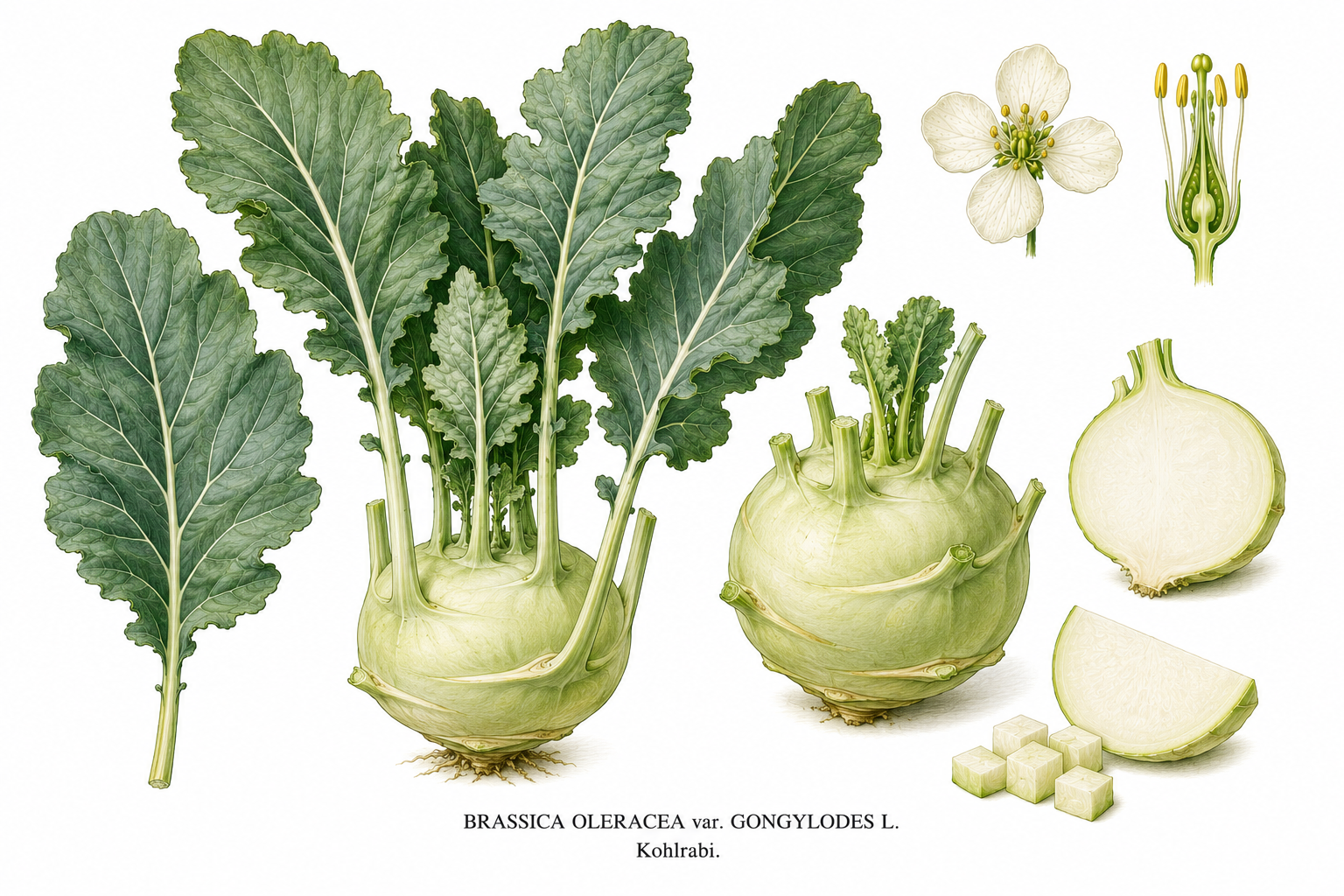
kohlrabi
Brassica oleracea var. gongylodes
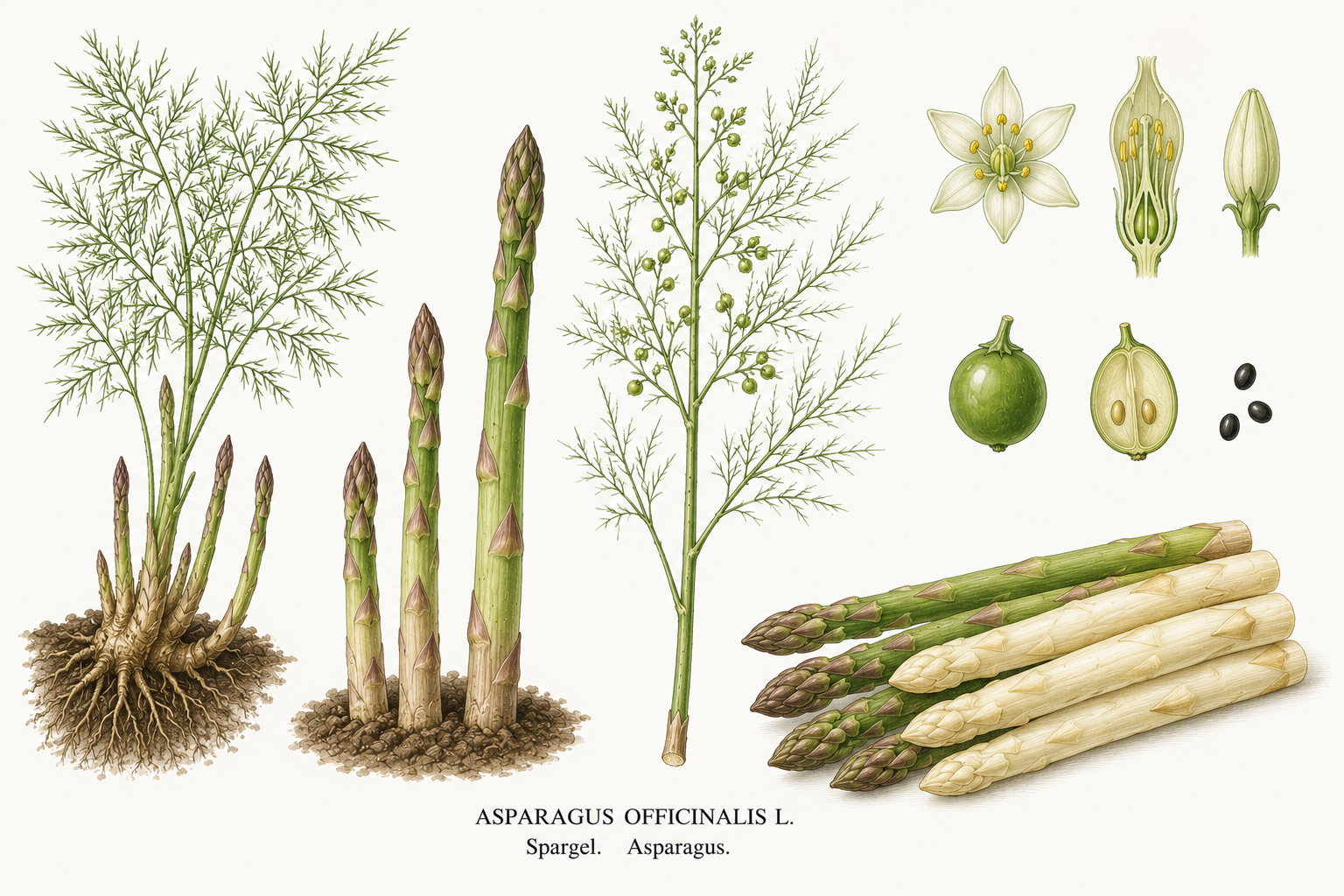
Asparagus
Asparagus
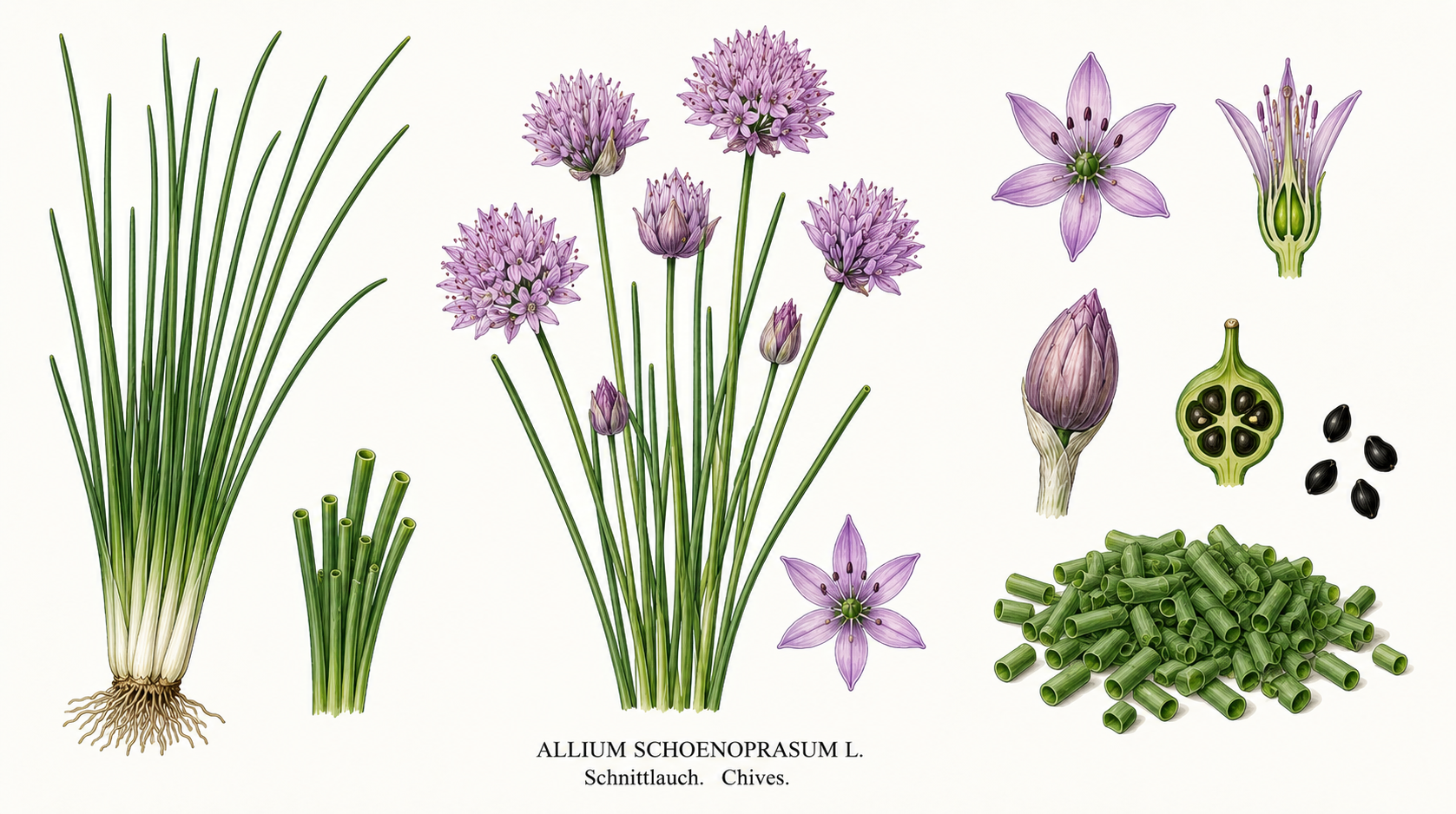
Chives
Allium schoenoprasum
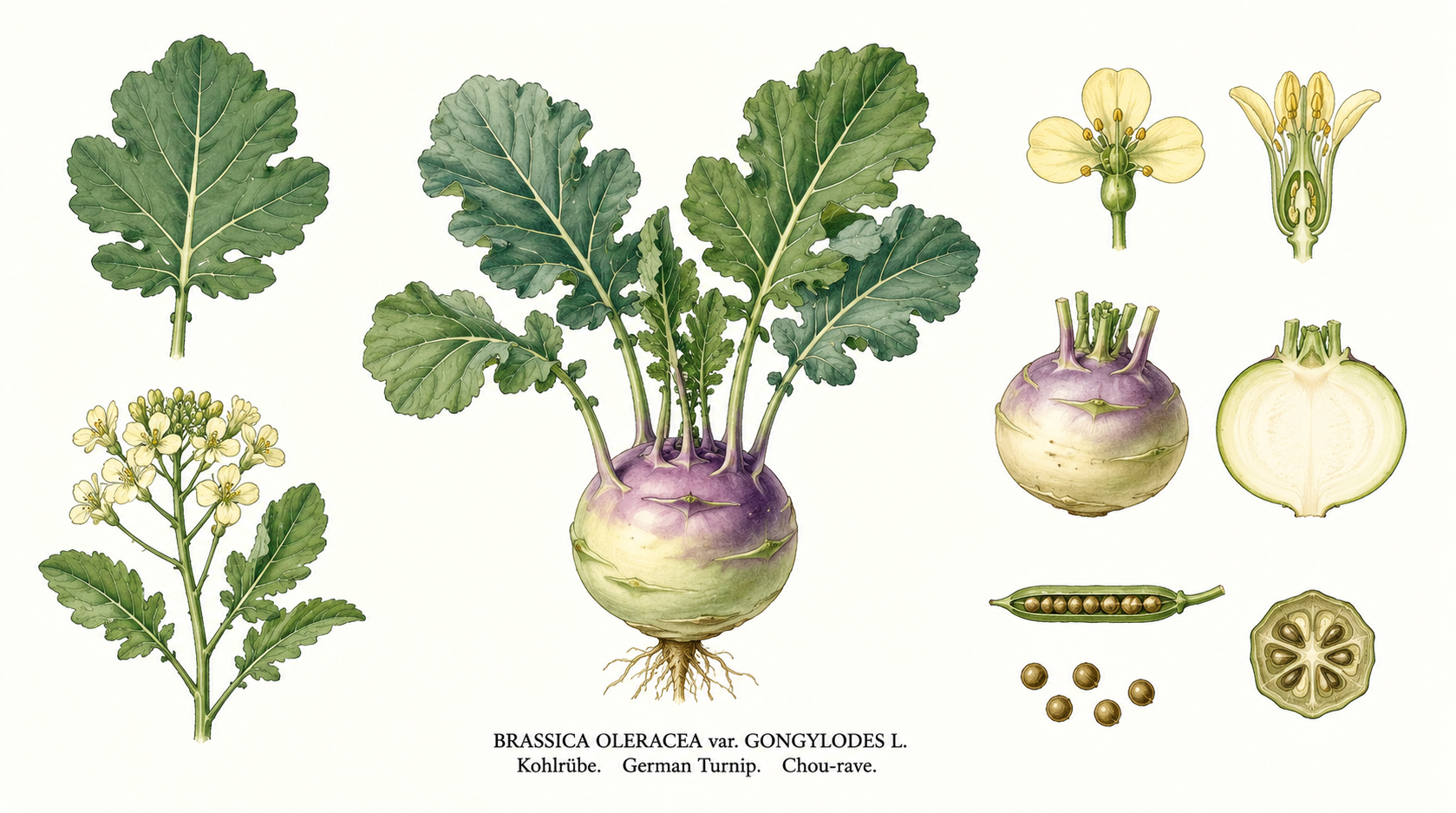
Rutabaga
Brassica oleracea var. gongylodes
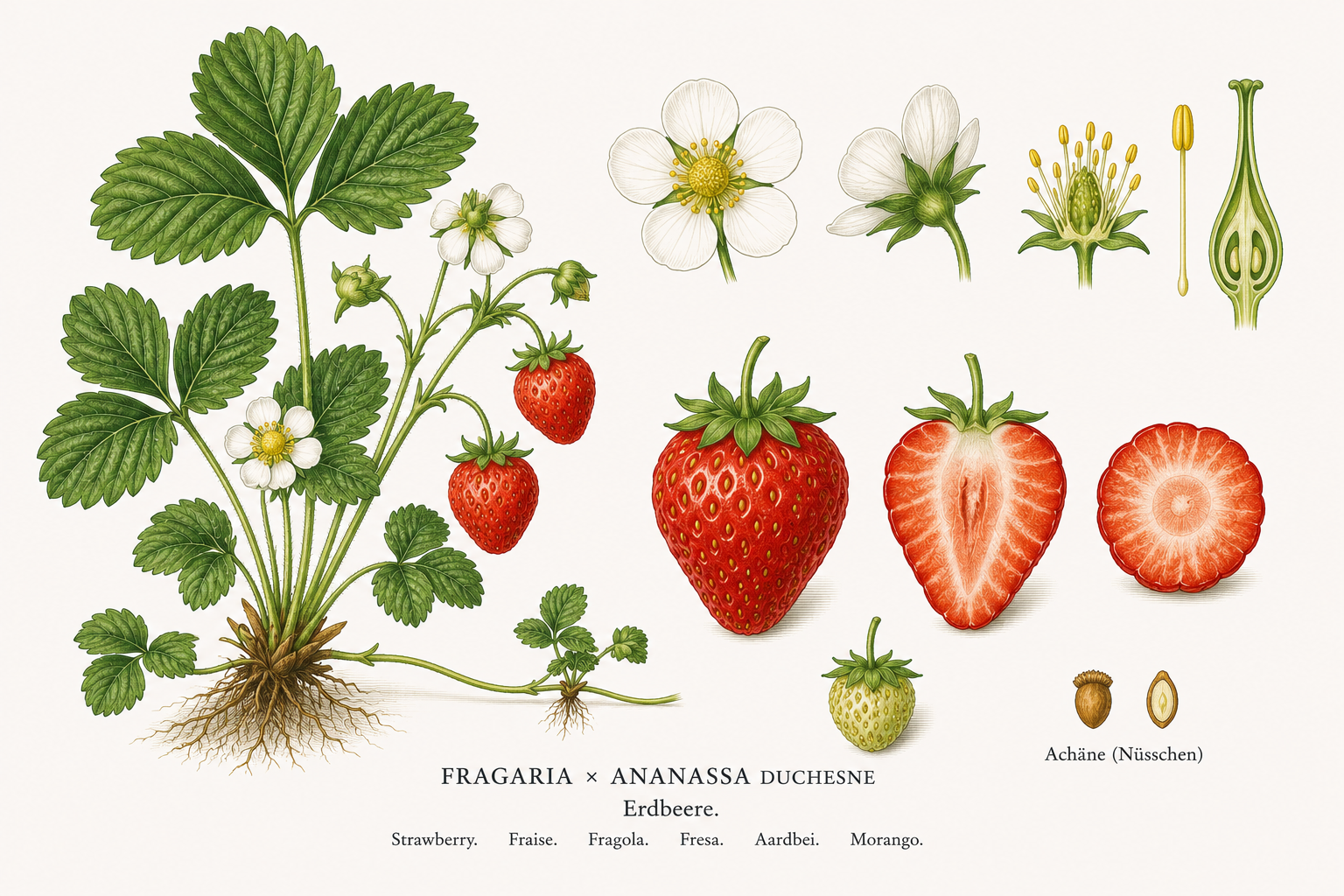
Strawberry
Fragaria
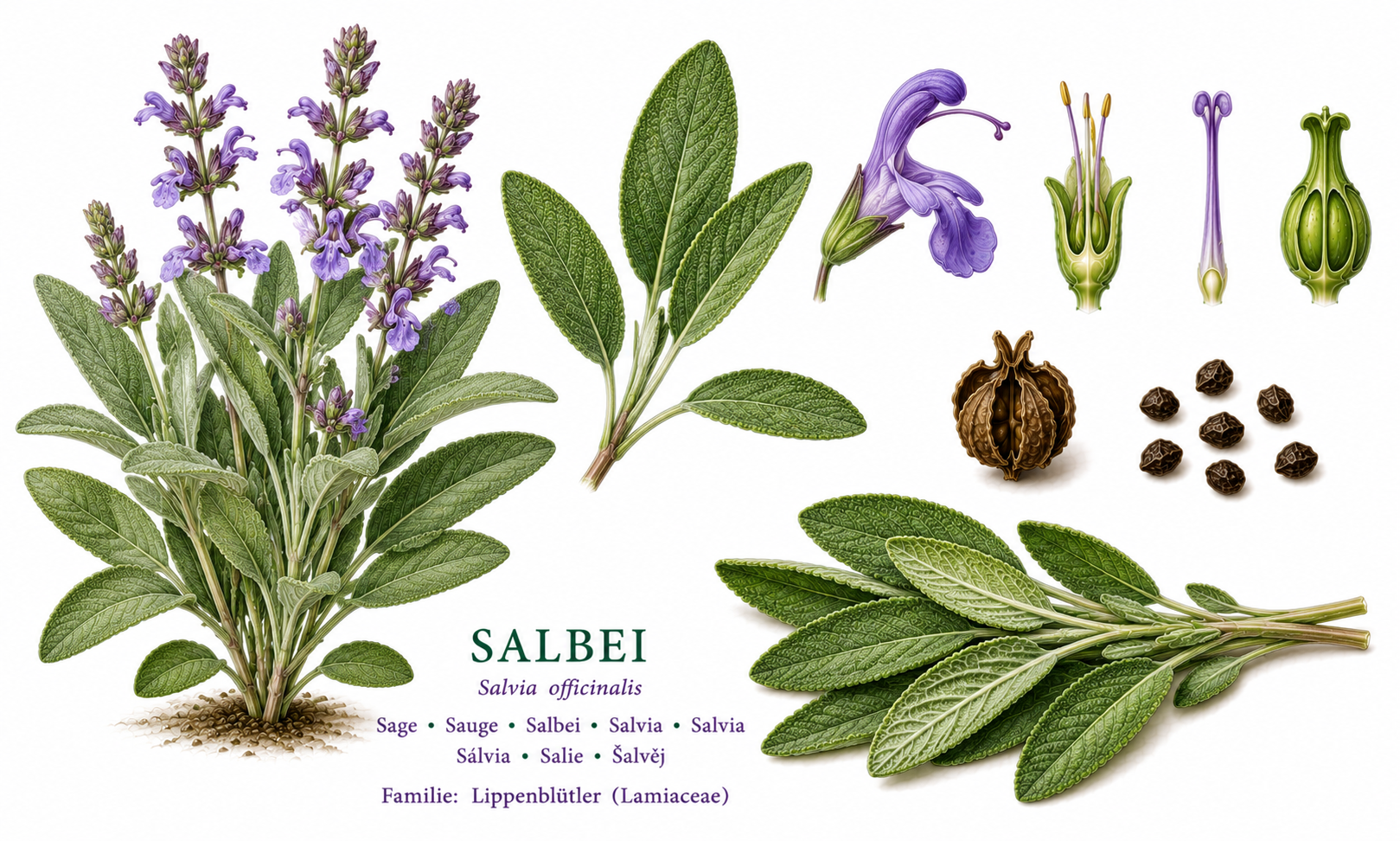
common sage
Salvia officinalis
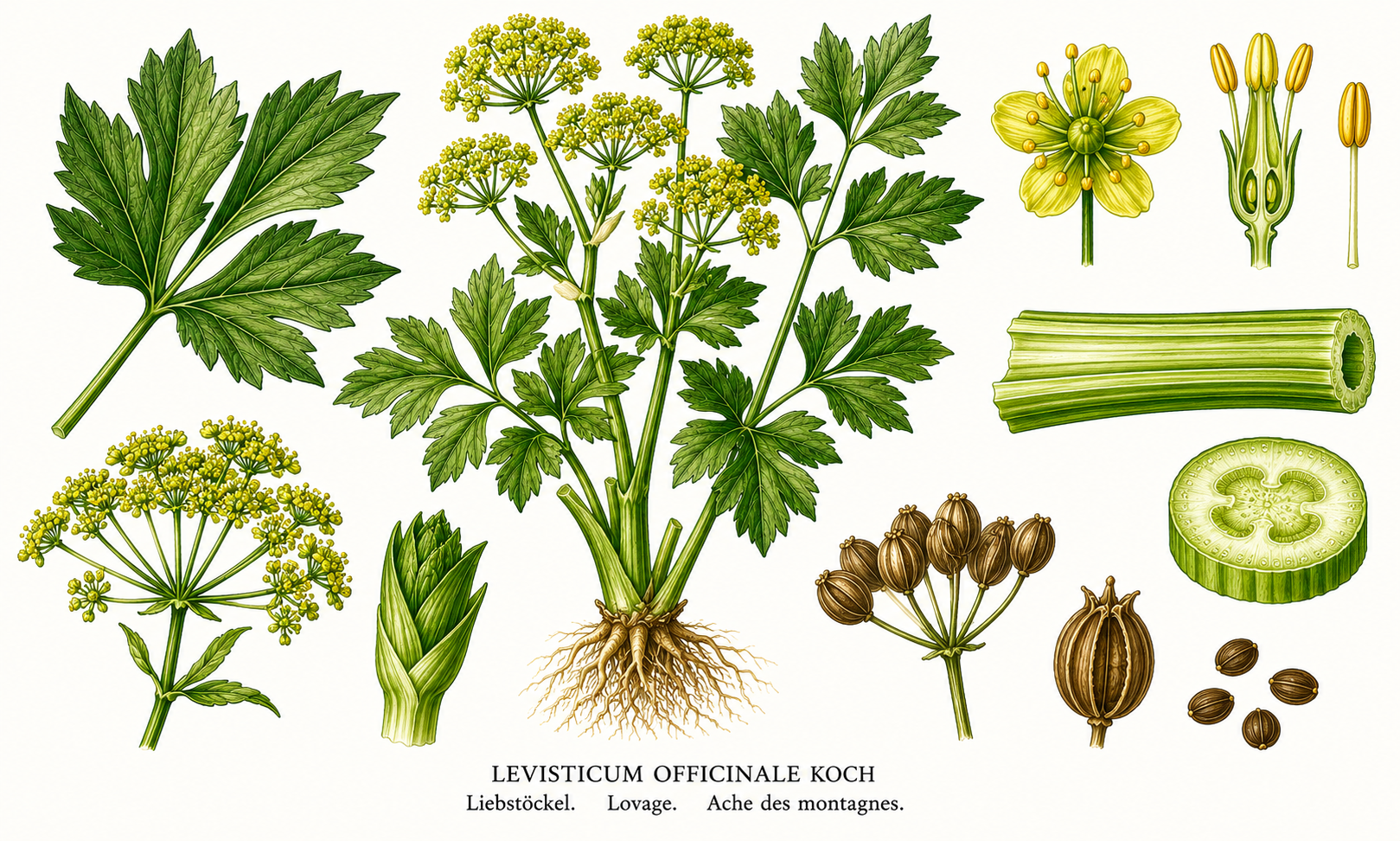
Levisticum officinale
Levisticum officinale
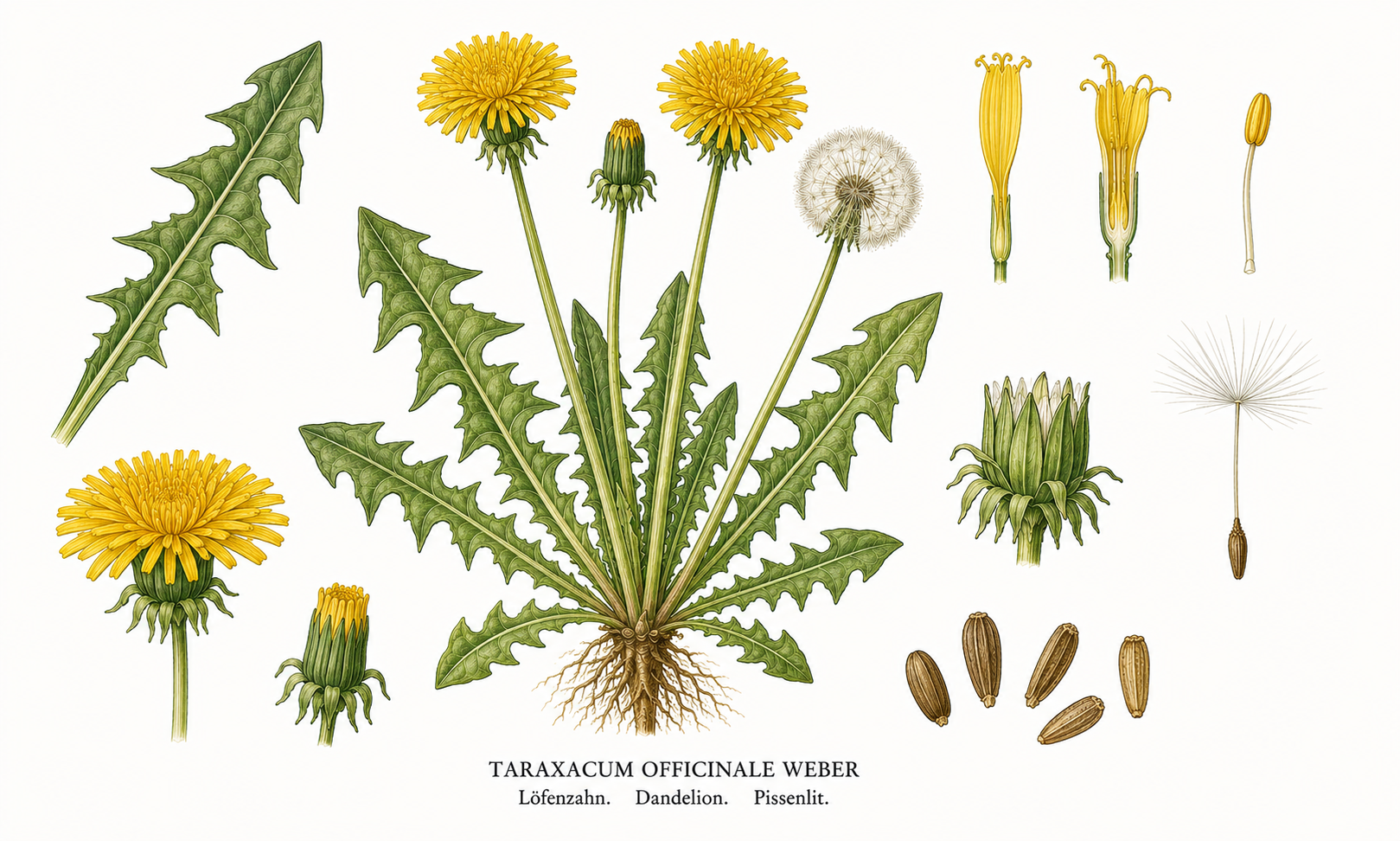
Dandelion
Taraxacum
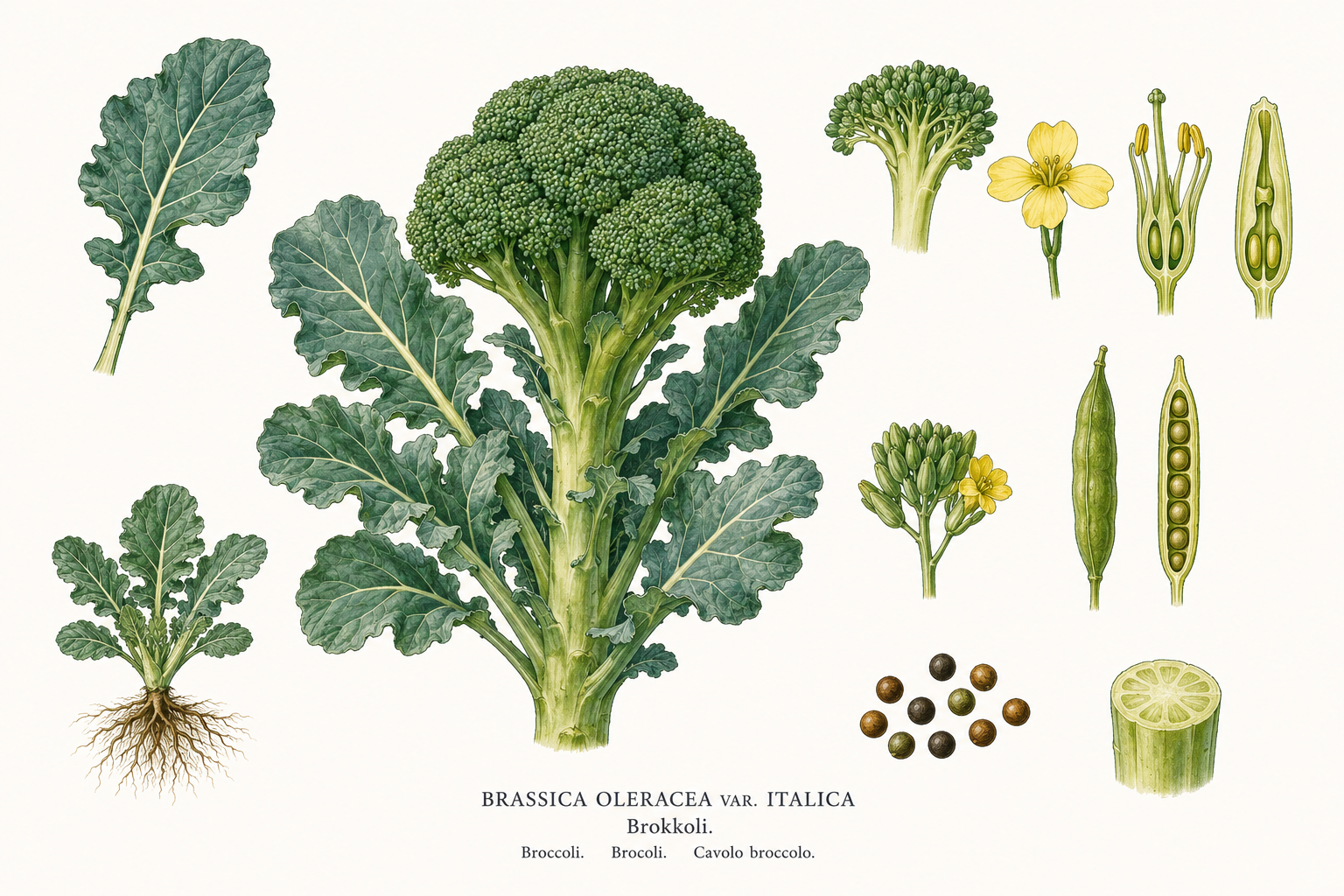
broccoli
Brassica oleracea var. italica
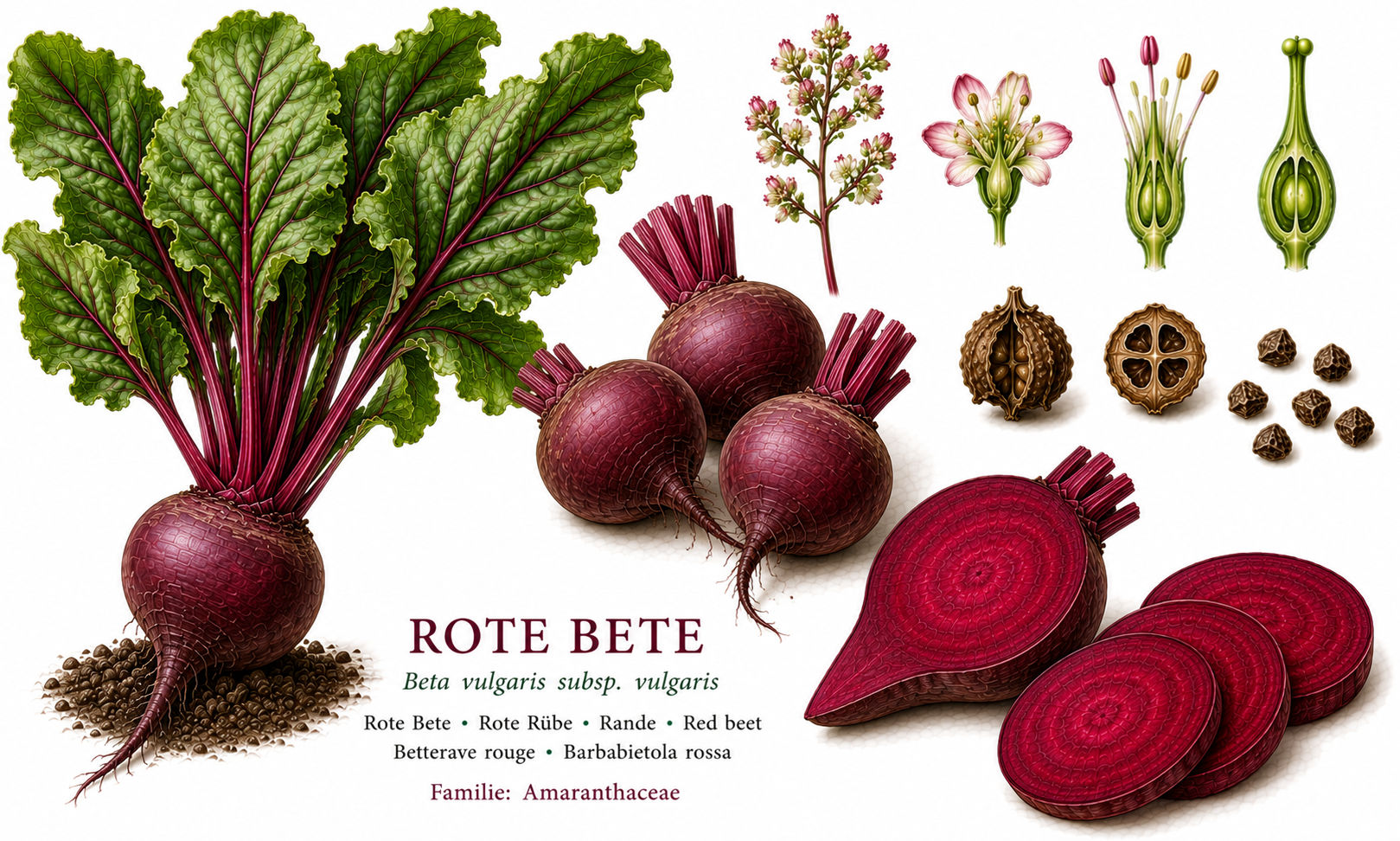
beet
Beta vulgaris subsp. vulgaris Conditiva Group
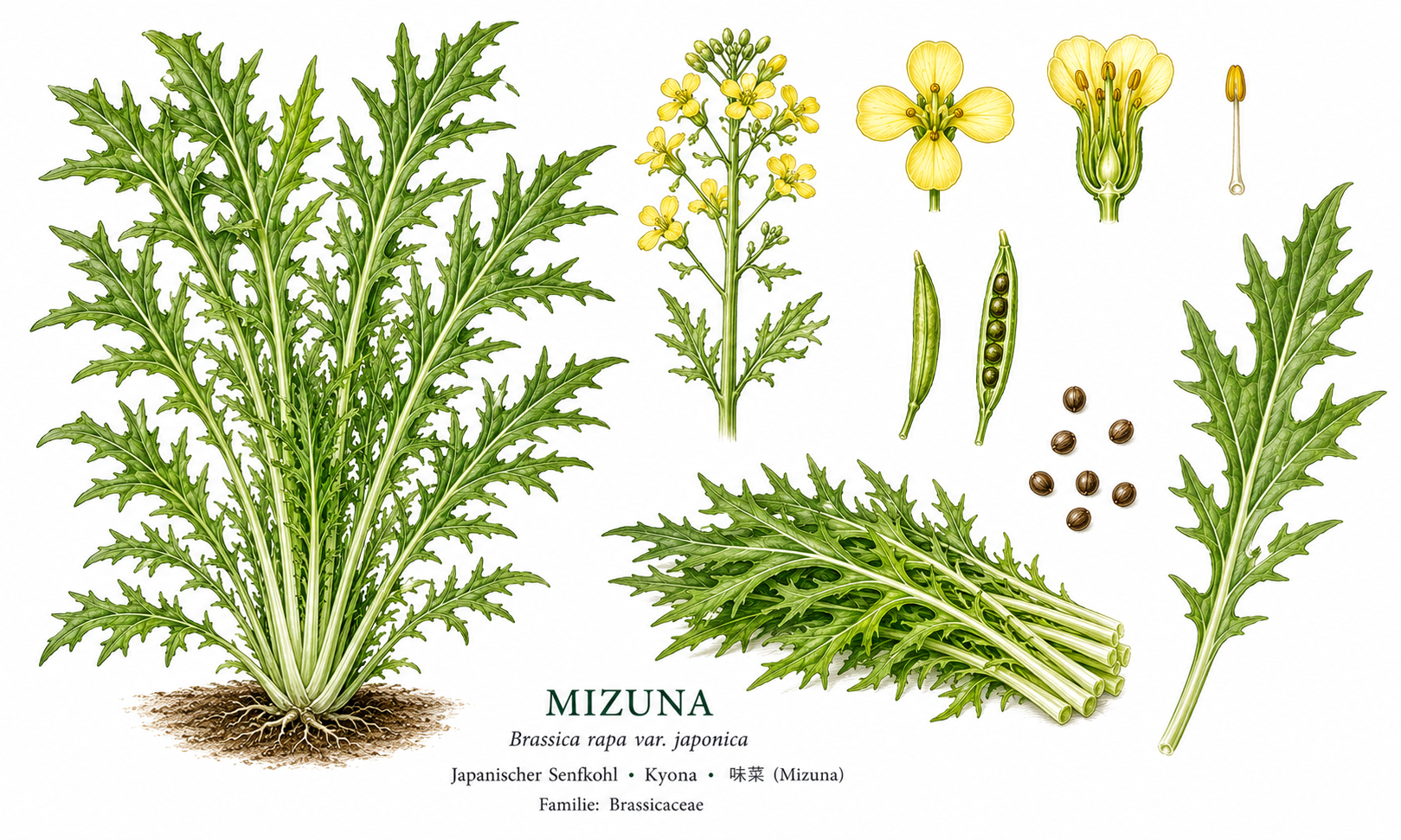
Mizuna
Brassica rapa subsp. nipposinica
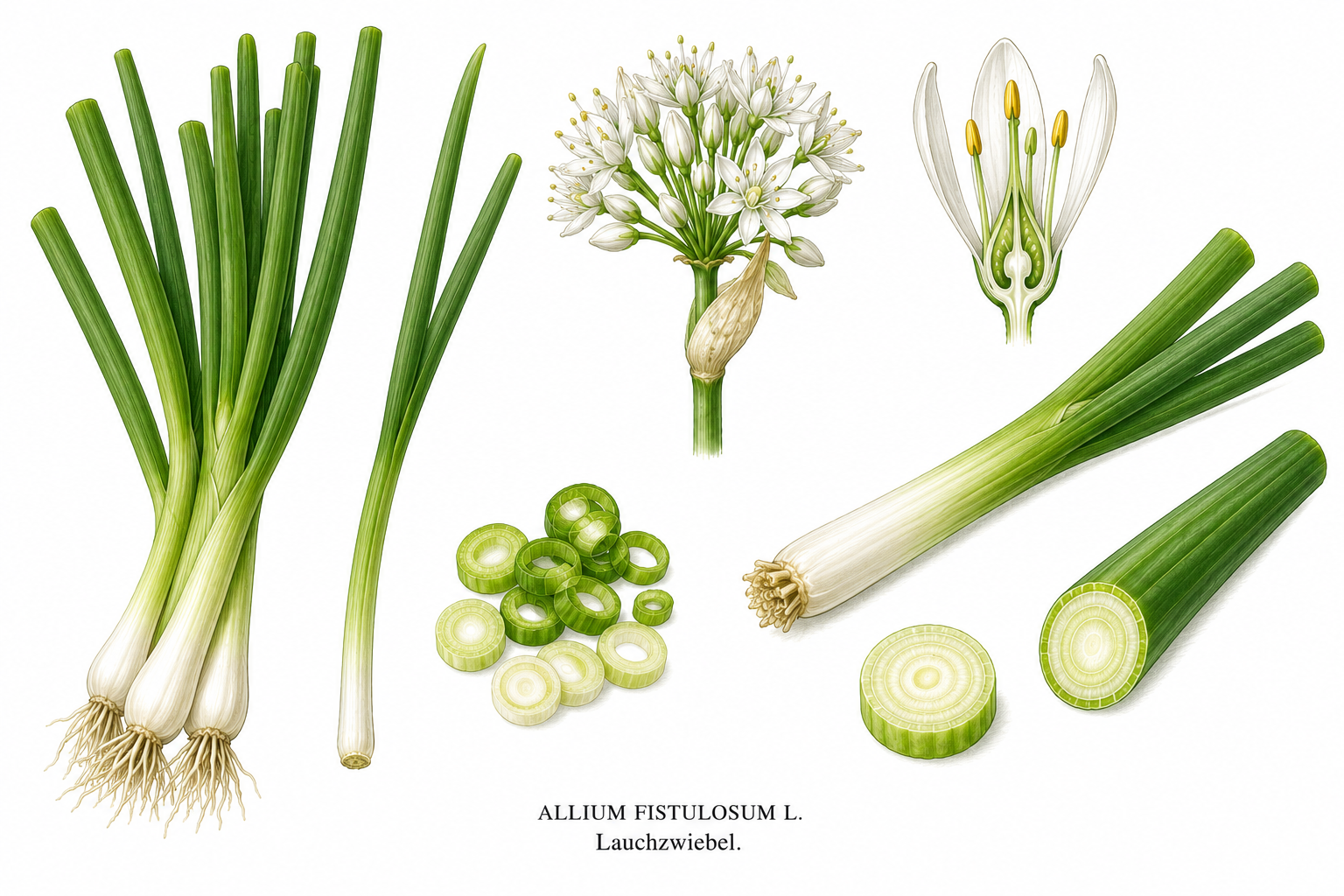
Welsh onion
Allium fistulosum
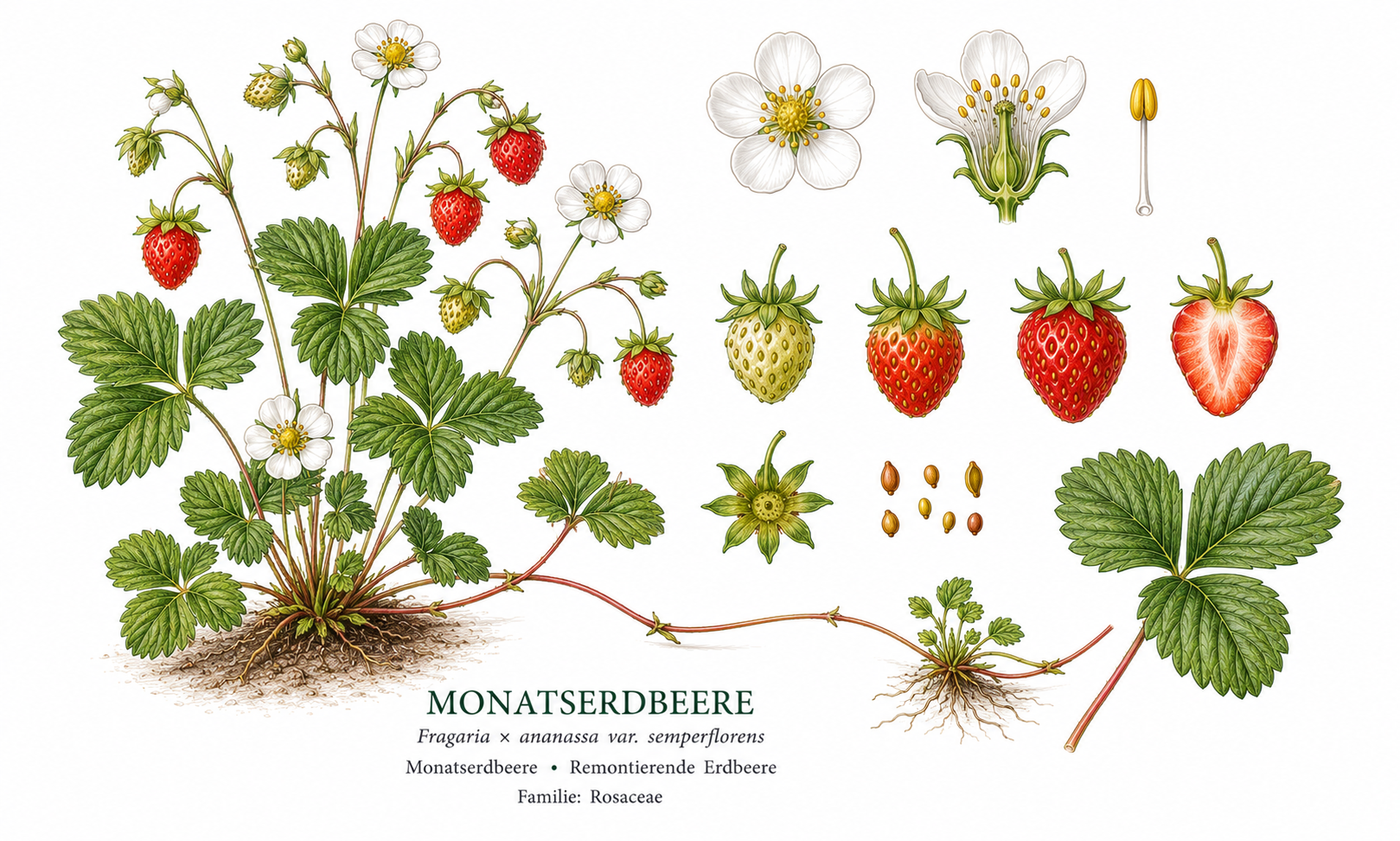
Wild Strawberry
Fragaria vesca
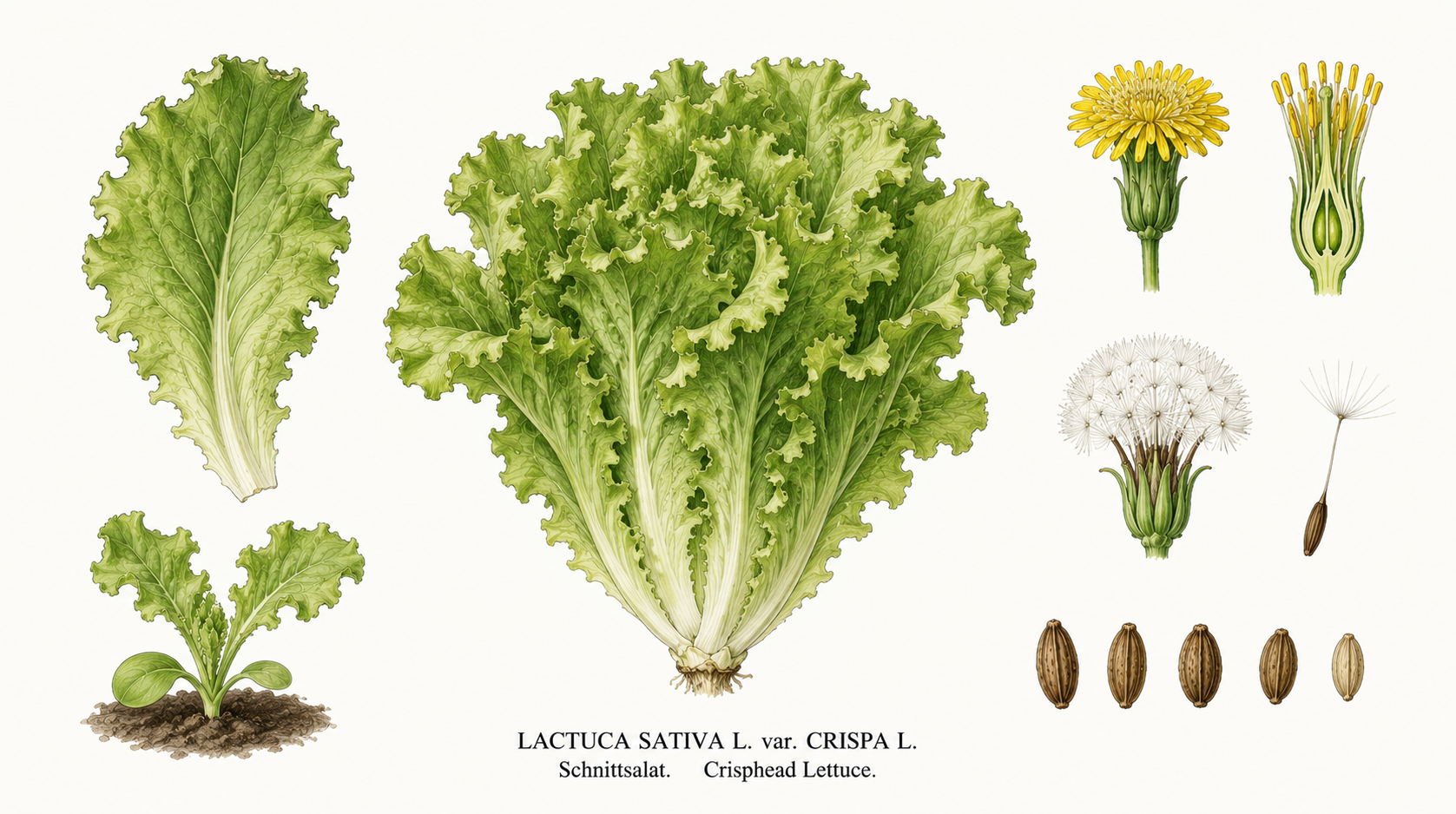
cutting lettuce
Lactuca sativa var. crispa
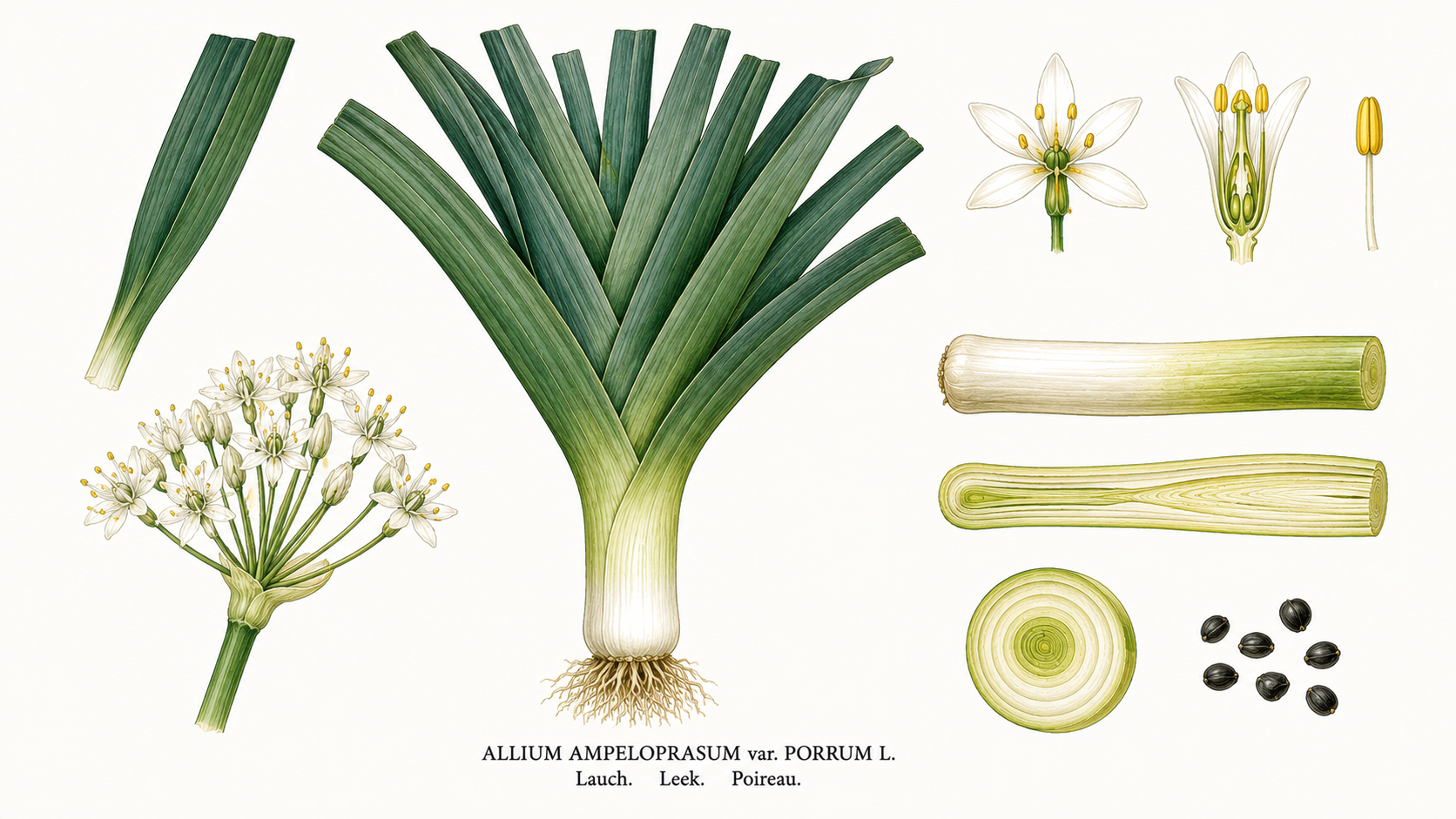
Allium
Allium
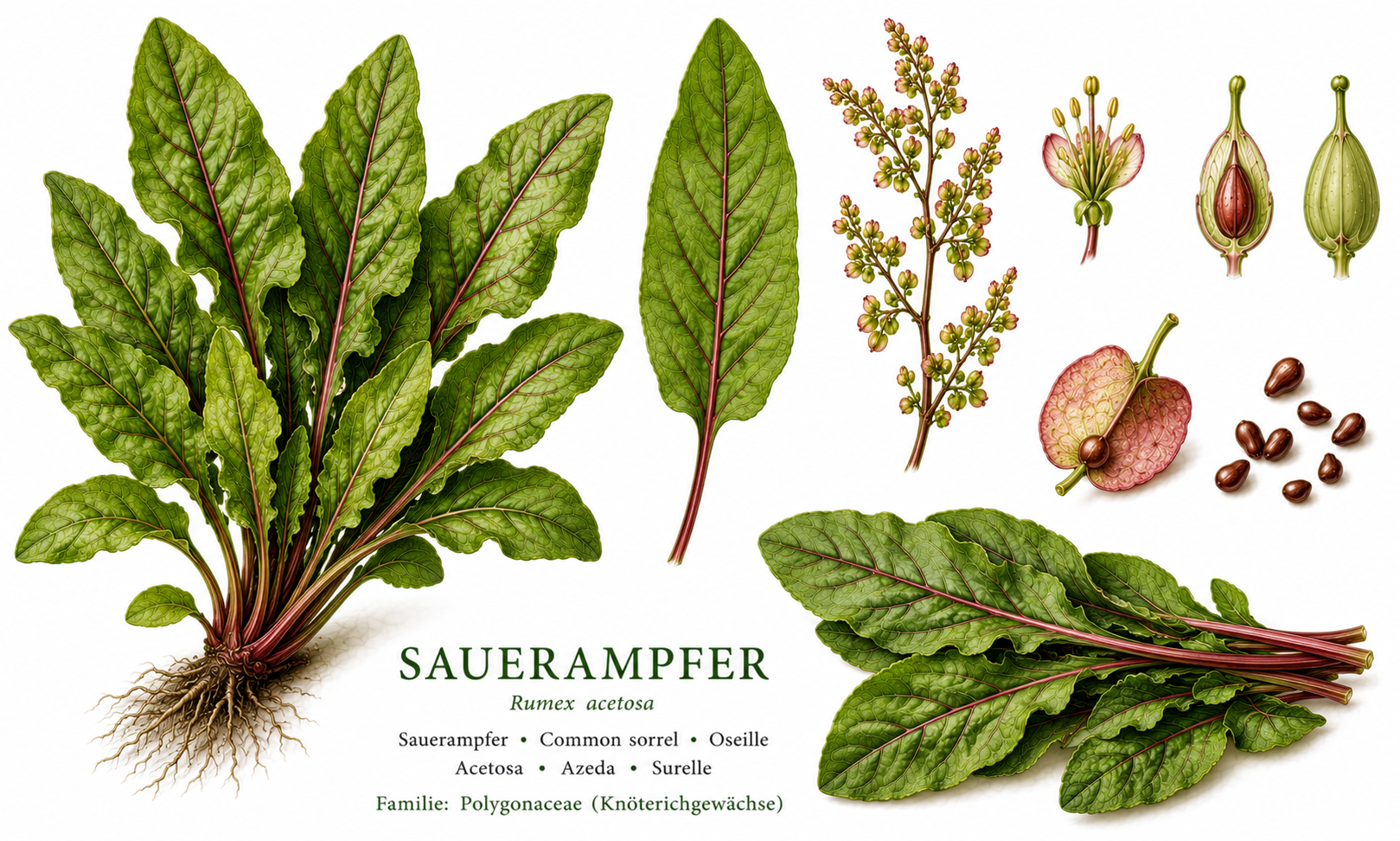
Sorrel
Rumex acetosa
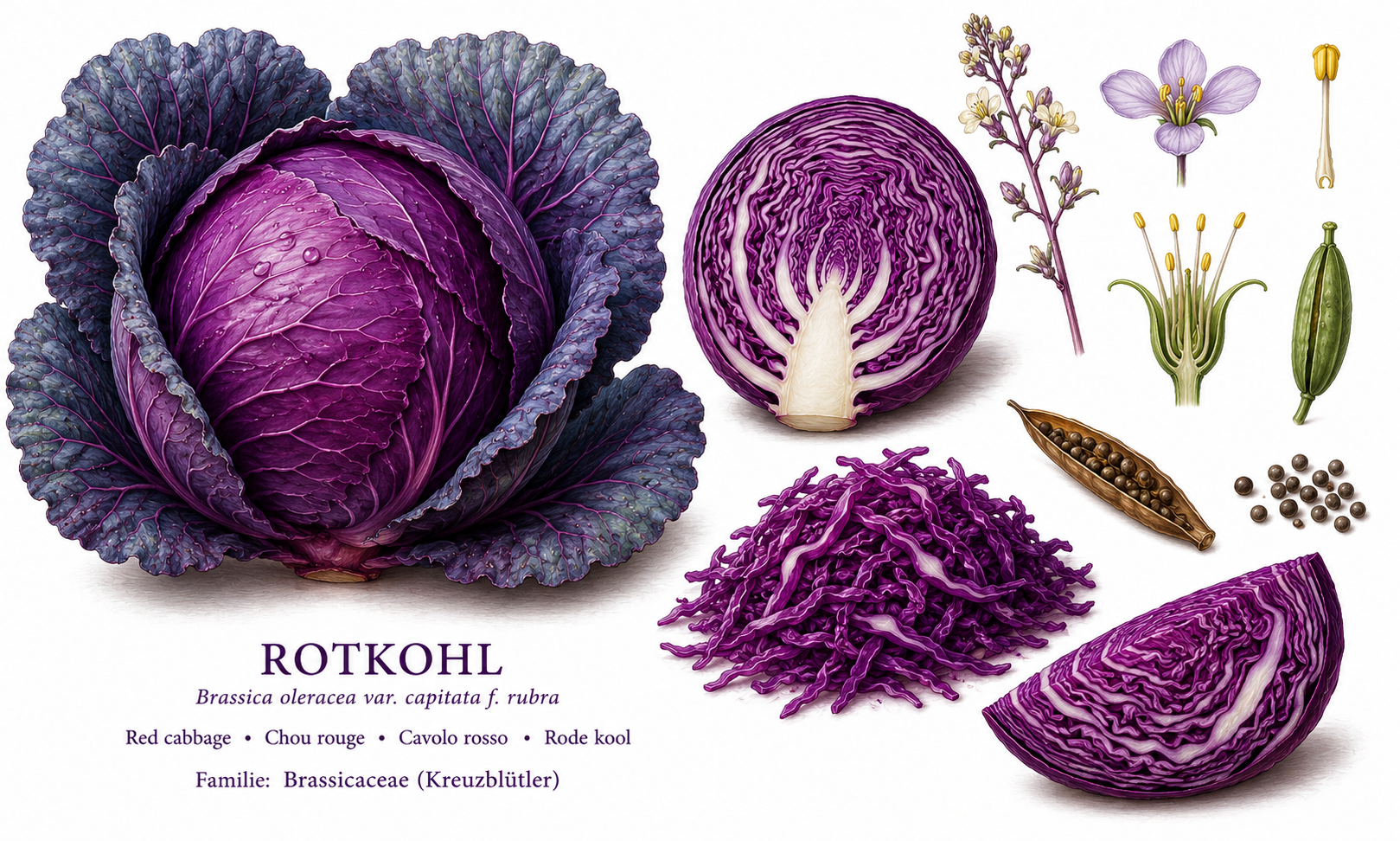
red cabbage
Brassica oleracea var. capitata f. rubra
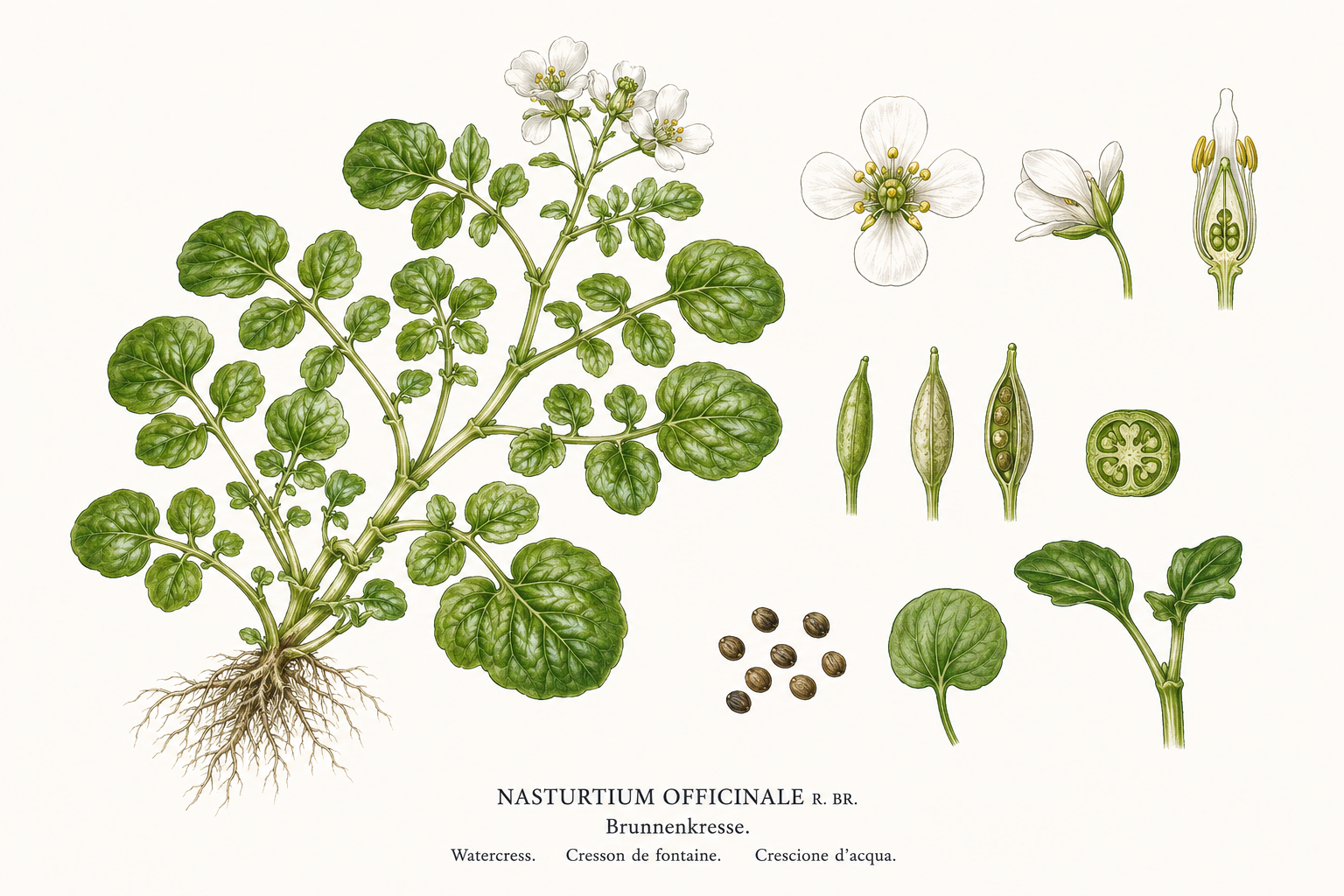
Watercress
Nasturtium officinale
146 more plants are linked in the task lists above.