Guide
Preventing Aphids Naturally with Companion Planting
Aphids are among the most common garden pests, especially during spring and early summer. Healthy plants, diverse beds, and wildlife-friendly gardens can help reduce problems before infestations become severe.
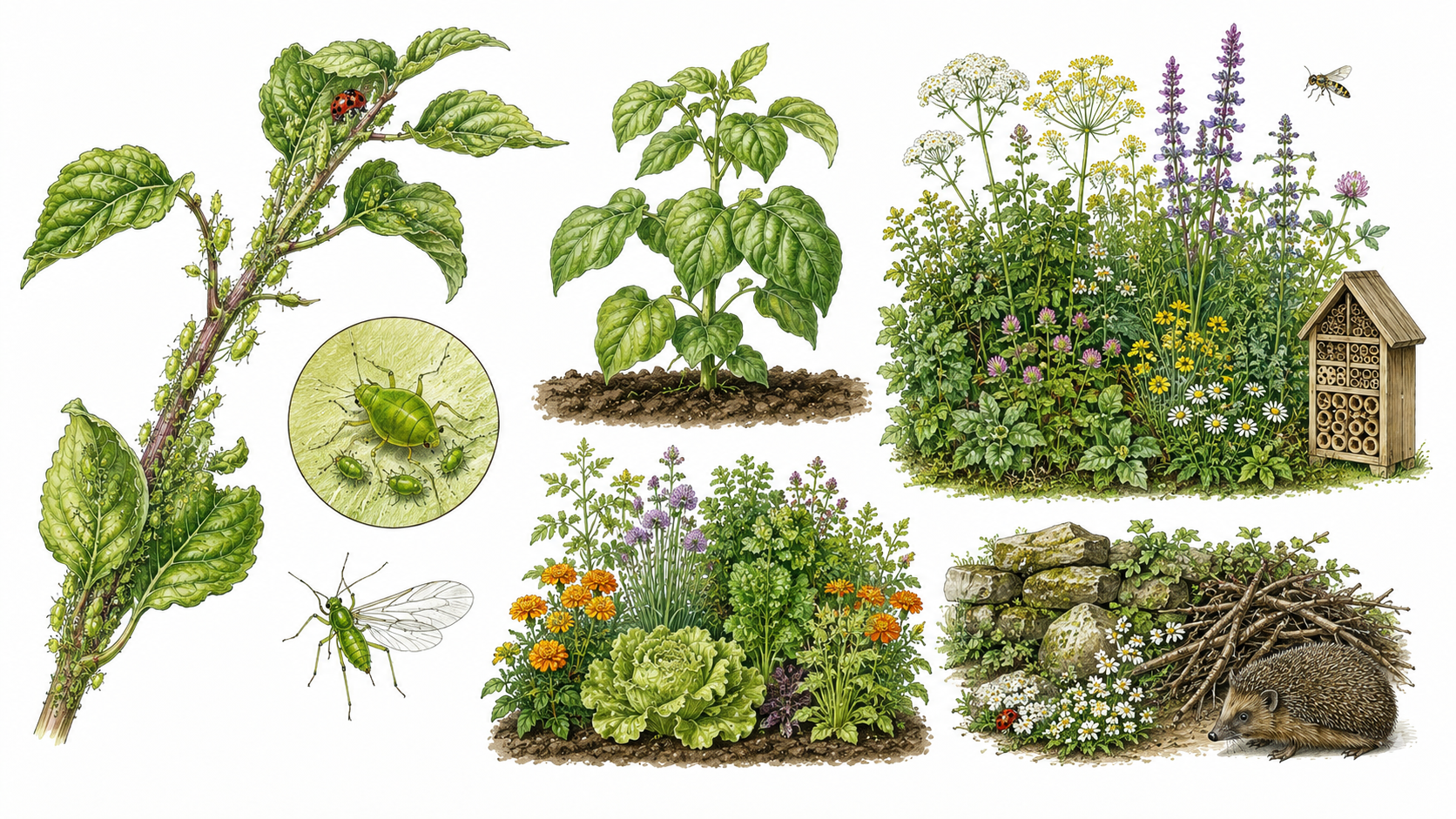
Why aphids appear
Aphids multiply especially quickly during warm weather and on stressed plants. Young shoots and soft leaves are often attacked first.
- Warm spring and summer weather encourages rapid reproduction
- Soft young growth is especially vulnerable
- Weak plants are attacked more often
- Large monocultures may increase pest pressure
Recognizing aphid infestations
Aphids often gather on young shoots or the undersides of leaves. Infestations are commonly noticed once leaves become distorted or sticky.
- Curled or twisted leaves
- Sticky leaf surfaces
- Distorted young shoots
- Clusters of small insects on stems and buds
Supporting resilient plants
Healthy plants often cope better with minor pest pressure. Balanced care and healthy soil help maintain vigorous growth.
- Use humus-rich soil
- Water regularly but moderately
- Avoid drought stress and waterlogging
- Do not overfertilize plants
Encouraging beneficial insects
Many beneficial insects help regulate aphid populations naturally. Diverse gardens provide food and shelter for these helpers.
- Include flowering plants for insects
- Create varied bed structures
- Use dill and borage as companion plants
- Avoid unnecessary disturbance of natural areas
Using companion planting against aphids
Diverse companion planting can help make beds more resilient while avoiding large monocultures.
- Plant dill between vegetables
- Use chives as companion plants
- Grow borage to support insect diversity
- Check broad beans regularly for aphids
Garden care and bed planning
Open and well-maintained beds improve airflow and make pest monitoring easier.
- Avoid overcrowding plants
- Improve air circulation
- Remove damaged shoots
- Inspect young growth regularly
How to manage aphids naturally
- 1
Inspect plants regularly
Check young shoots and leaf undersides for early aphid activity.
- 2
Observe infested shoots
Minor infestations are often reduced naturally by beneficial insects.
- 3
Create diverse beds
Use companion planting and flowering support plants.
- 4
Adjust plant care
Keep plants evenly supplied and avoid stress conditions.
Common mistakes to avoid
- Very uniform plantings
- Excessive nitrogen fertilization
- Overcrowded beds
- Ignoring weak plants
- Removing beneficial insect habitats
Frequently asked questions
Why do plants get aphids?
Weak or very soft-growing plants are often especially attractive to aphids.
Which companion plants are useful?
Dill, chives, and borage are commonly used in diverse companion plantings.
Why are beneficial insects important?
Many insects help keep aphid populations naturally balanced in the garden.
Internal links
Related plants
Guides
Related guides
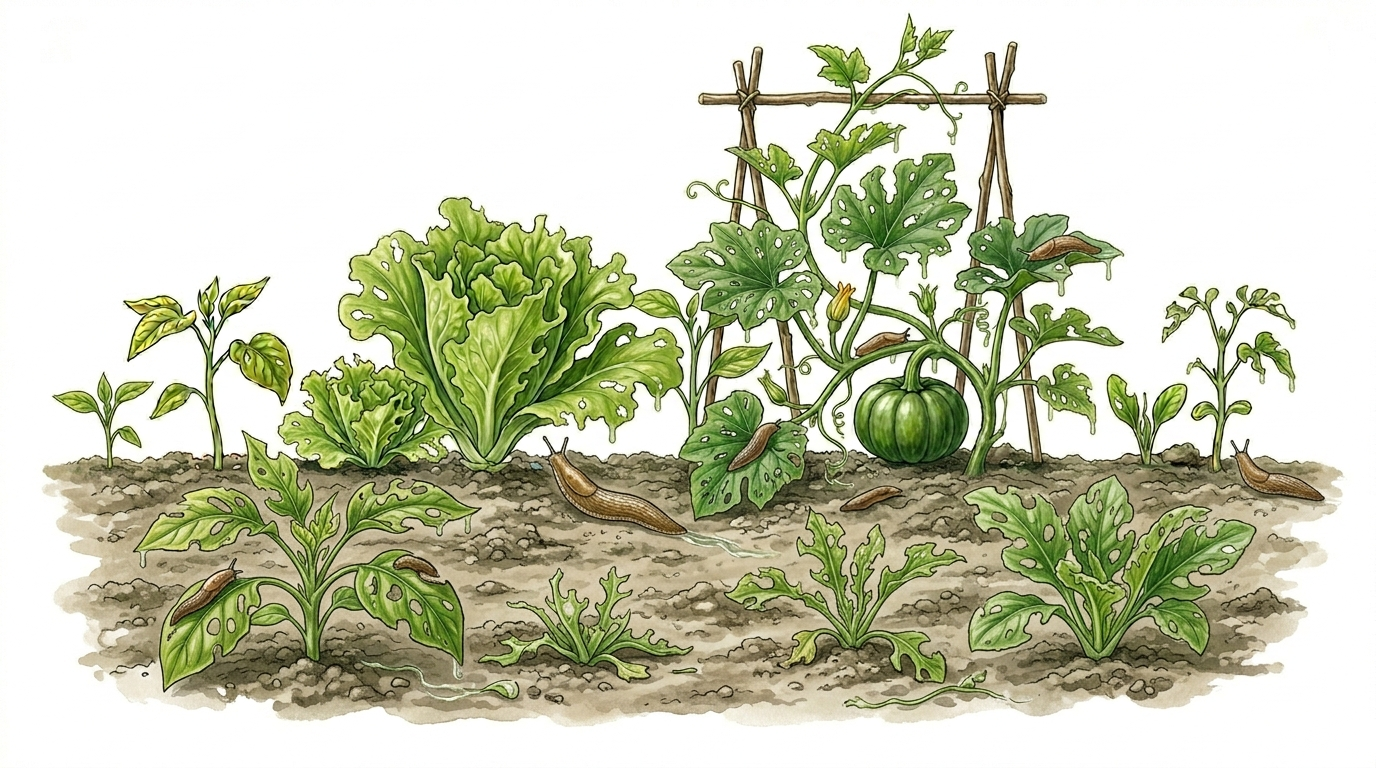
Guide
Slugs in Vegetable Beds: Protecting Vulnerable Plants
Learn how to protect vegetables from slugs, recognize feeding damage early, and plan beds to reduce slug pressure.
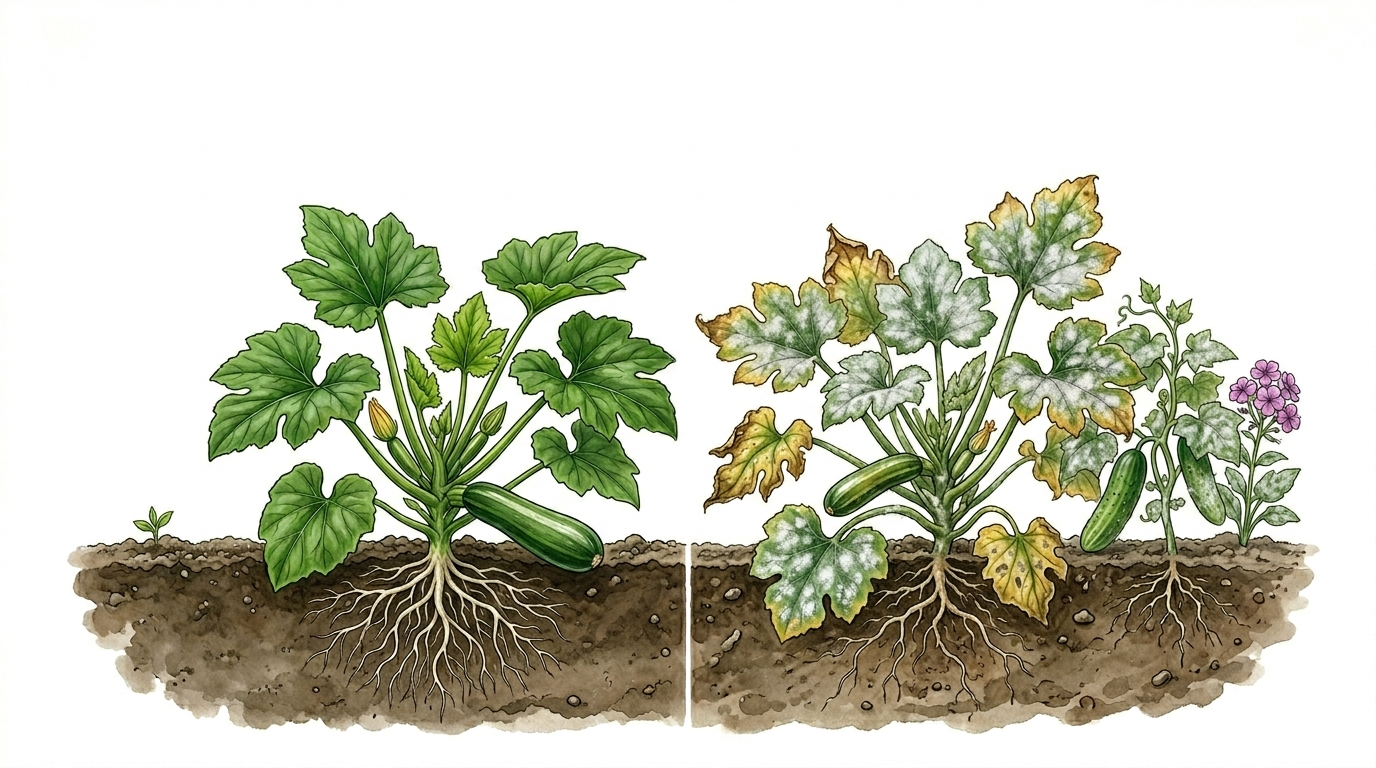
Guide
Powdery Mildew in the Garden: Prevention and Care
Learn how to recognize powdery mildew early, improve airflow, and care for affected vegetables in the garden.
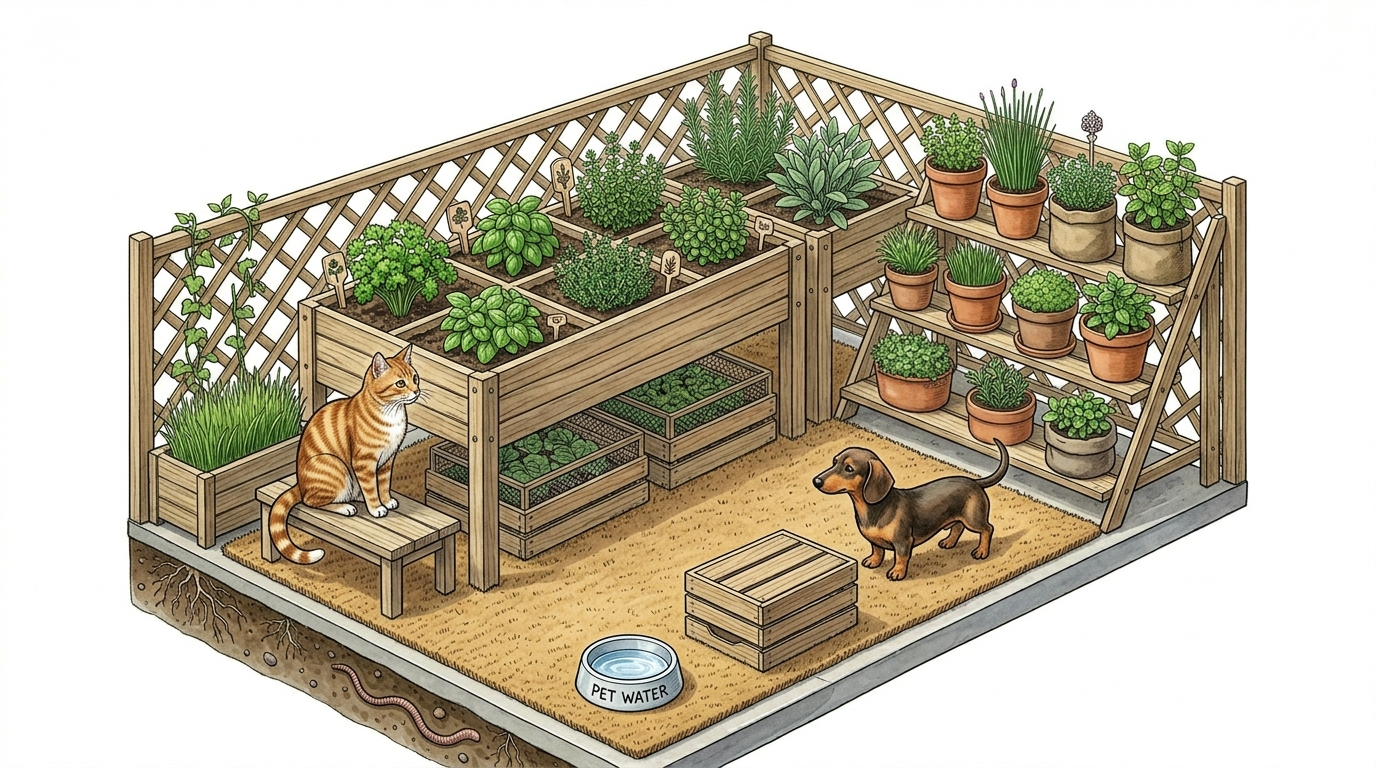
Guide
Pet-Safe Herb Gardens for Balconies and Beds
Learn how to create a pet-safe herb garden with suitable herbs, thoughtful layouts, and practical maintenance strategies.
Guide
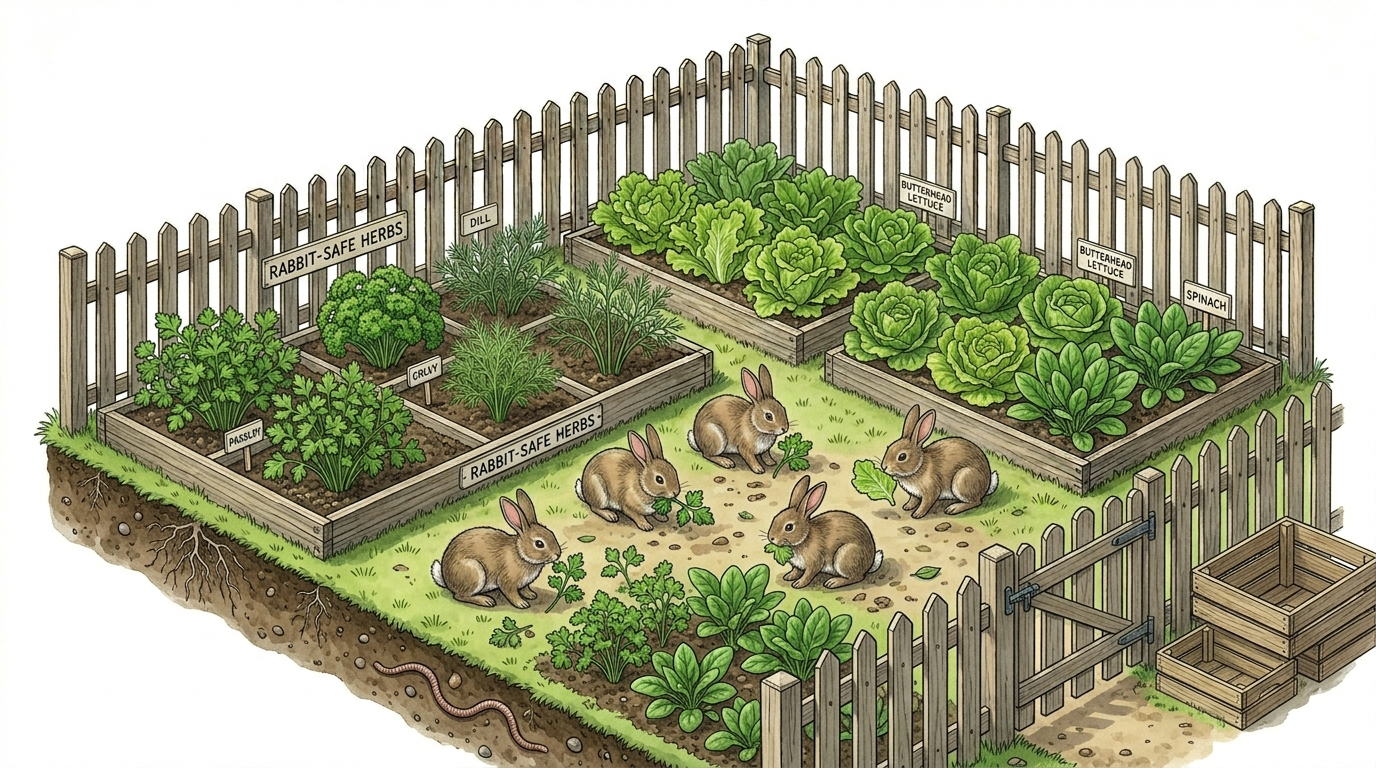
Rabbits in the Garden: Herbs and Vegetables
Learn how to choose suitable herbs and vegetables for rabbits, grow feeding plants, and plan a rabbit-friendly garden.