Guide
May Planting Calendar: Transplanting and Succession Sowing
May marks the start of the main gardening season. After the last cold nights, many heat-loving plants move outdoors while empty beds can be used for fresh sowings and succession crops.
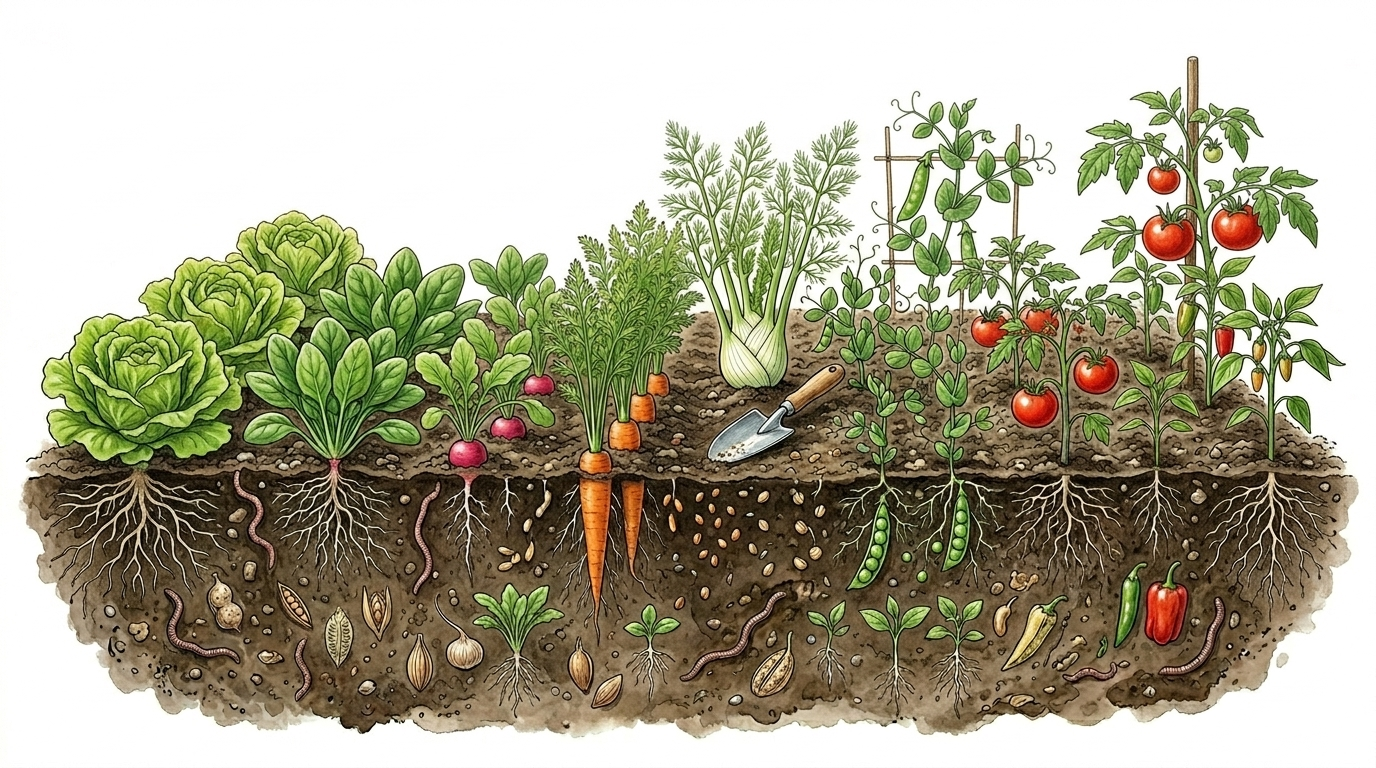
May: the start of the warm gardening season
May connects the spring and summer garden. Days become longer, soil temperatures rise, and many young plants can finally move outdoors permanently.
- Heat-loving crops are transplanted outdoors
- Many vegetables grow rapidly now
- Regular succession sowing extends harvests
- Late frosts may still occur in some regions
Transplanting tender crops
Tomatoes, peppers, chilies, cucumbers, zucchini, pumpkins, and basil are sensitive to cold. They should only be planted outdoors after frost-free nights.
- Plant tomatoes in sunny and sheltered places
- Peppers and chilies prefer especially warm locations
- Cucumbers and zucchini need nutrient-rich soil
- Basil enjoys warmth and even moisture
Hardening off young plants
Indoor-grown seedlings should gradually adjust to sun, wind, and cooler outdoor temperatures before transplanting.
- 1
Move plants outside during the day
Place plants outdoors for a few hours in a sheltered spot.
- 2
Increase sun exposure slowly
Avoid harsh midday sun at first.
- 3
Protect plants at night
Bring plants indoors or into the greenhouse during cold nights.
- 4
Transplant after acclimation
Once plants are adapted to outdoor conditions, they can stay outside permanently.
Succession sowing in May
Regular sowing throughout May helps provide continuous harvests over a longer period.
- Sow lettuces in small batches
- Continue sowing radishes regularly
- Reuse empty beds immediately
- Short sowing intervals prevent harvest gaps
Preparing and caring for the soil
Heat-loving vegetables grow best in loose, humus-rich soil with consistent moisture.
- Add compost or organic matter
- Use mulch to reduce drying out
- Water regularly but not excessively
- Protect young plants from strong winds
Planning beds efficiently
Many summer vegetables grow vigorously and need enough room. Good planning improves light exposure, airflow, and maintenance.
- Avoid overcrowding large plants
- Prepare supports early
- Reserve sunny areas for heat-loving crops
- Add small succession crops between larger plants
Common May gardening mistakes
- Planting outdoors too early during cold nights
- Skipping the hardening-off process
- Allowing new transplants to dry out
- Planting beds too densely
- Forgetting succession sowings
Frequently asked questions
When can tomatoes and peppers go outdoors?
Only after frost-free nights and after gradually acclimating the plants to outdoor conditions.
Can vegetables still be sown in May?
Yes, many lettuces and other fast-growing vegetables can still be sown throughout the month.
Why do young plants need hardening off?
Moving from indoors to outdoors exposes plants to stronger sun, wind, and temperature changes. Hardening off reduces stress and damage.
Internal links
Related plants
Guides
Related guides
Guide
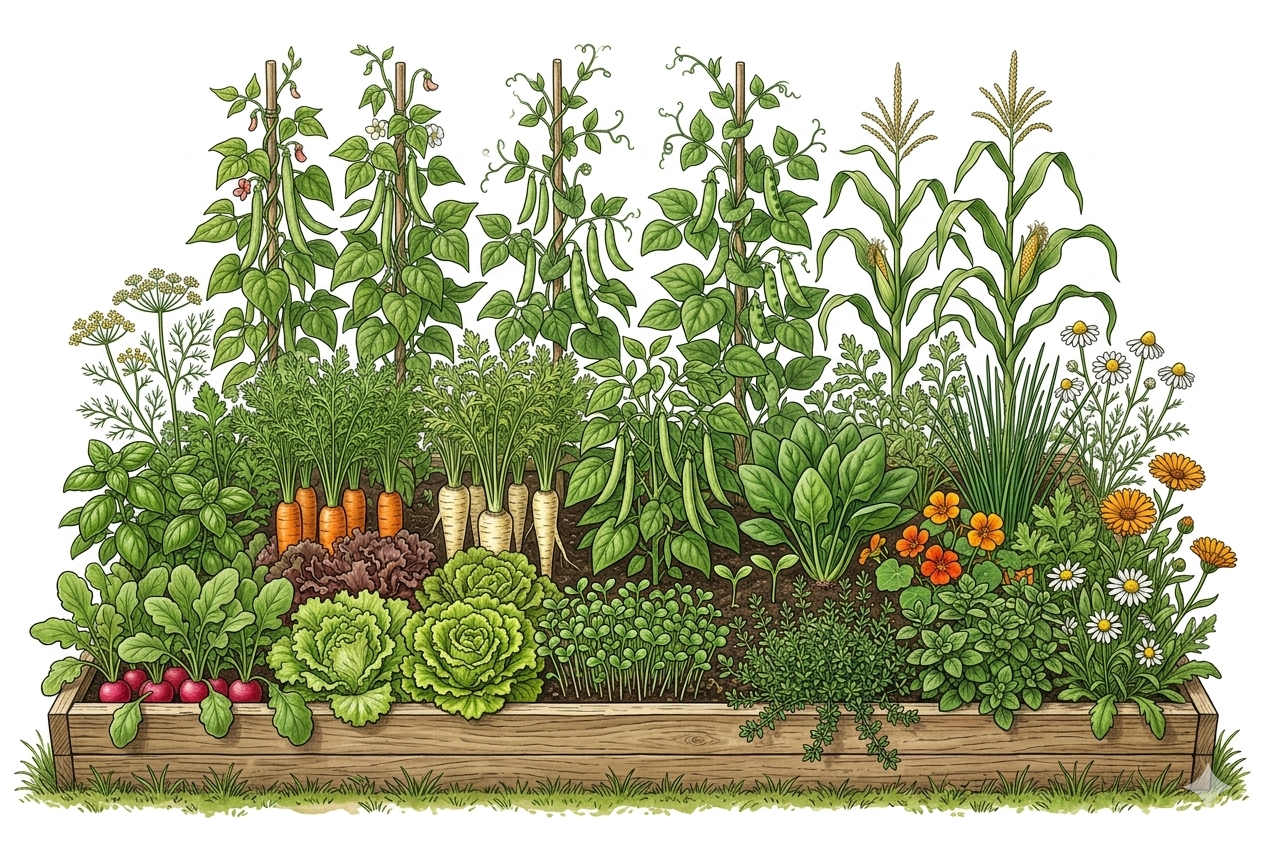
Small Garden Bed Planning: Combine 20 Crops Well
Use small beds efficiently by combining 20 vegetables and herbs, planning successions, and avoiding wasted gaps.
Guide
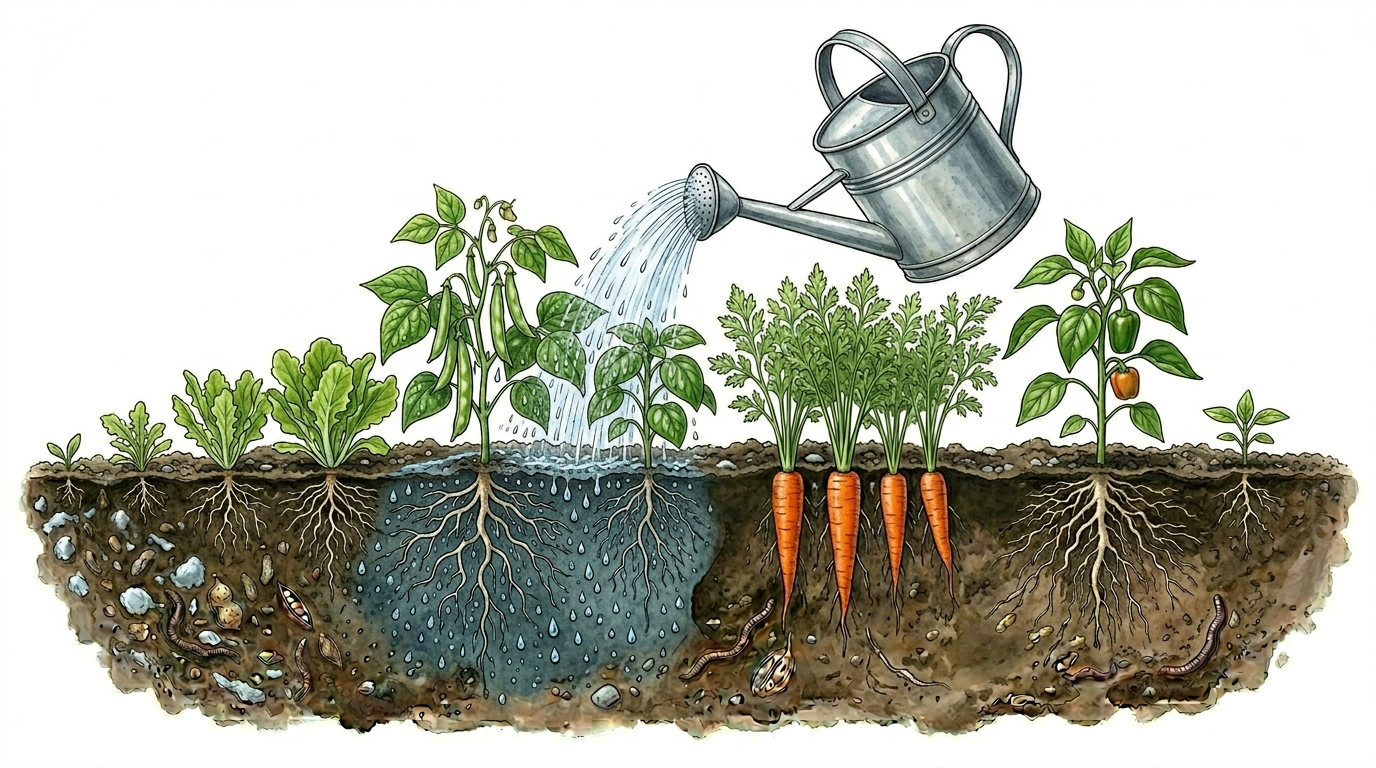
Watering Vegetable Gardens: Mulch, Water and Mistakes
Learn how to water vegetable gardens properly with mulch, morning routines, balanced moisture, and fewer watering mistakes.
Guide
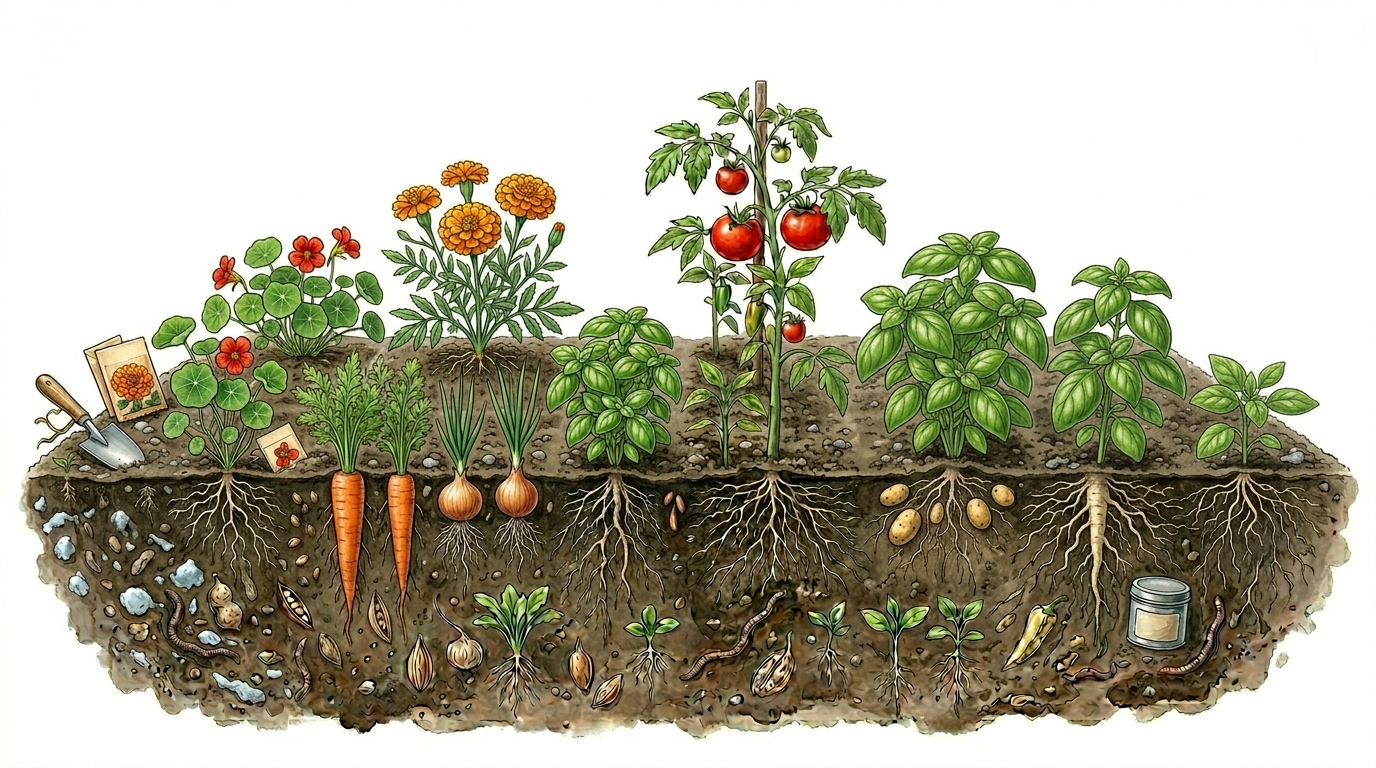
Companion Planting for Tomatoes: Good and Bad Neighbors
Learn which plants grow well with tomatoes, which neighbors to avoid, and how to plan productive mixed tomato beds.
Guide
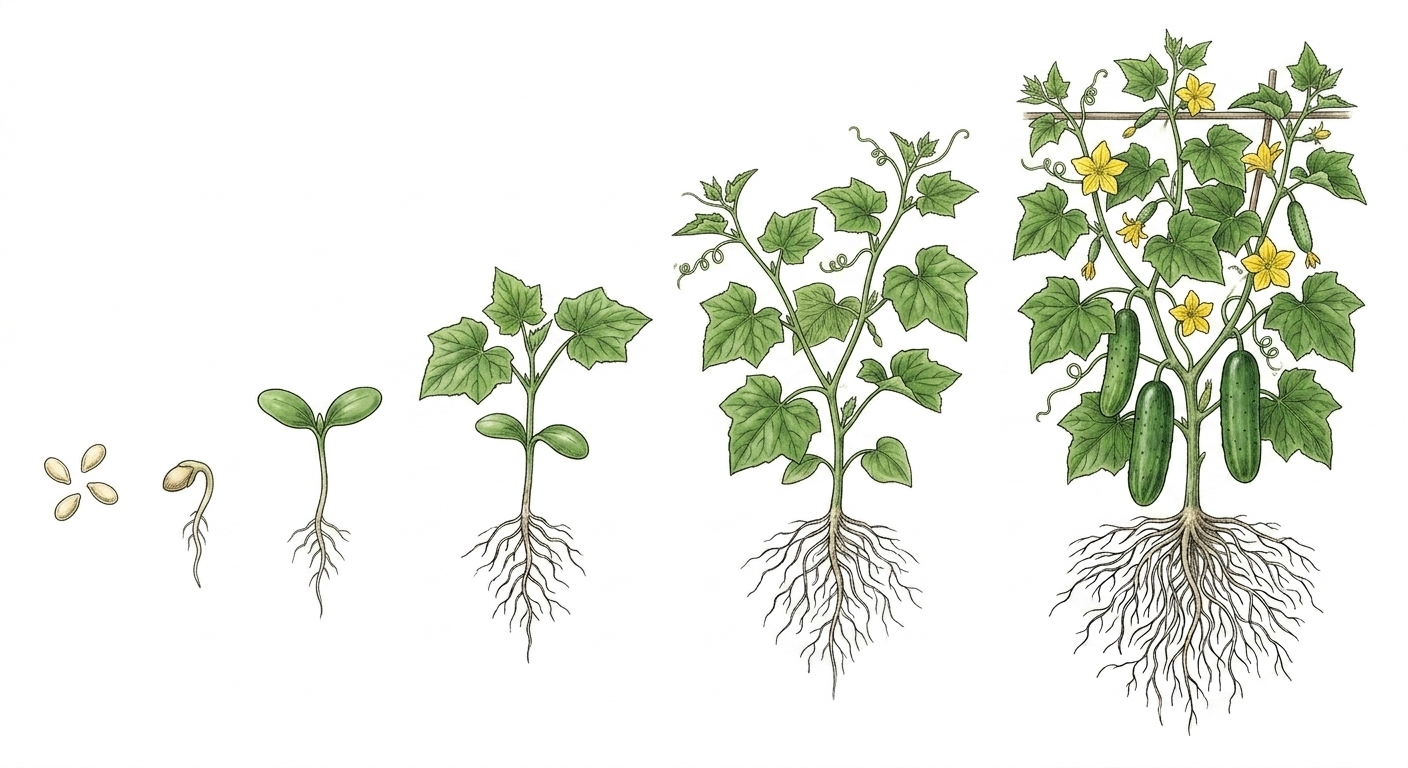
Growing Cucumbers: Starting, Supports and Harvest
Learn how to grow cucumbers successfully with indoor starting, transplanting, trellises, watering, and regular harvesting.